Buy Where Italians Live: Off‑radar Regions Worth Your Money
Look beyond headlines: Italian value is shifting to off‑radar regions like Puglia, Bergamo and Trieste — discover the lifestyle-first buying playbook backed by ISTAT and Nomisma.
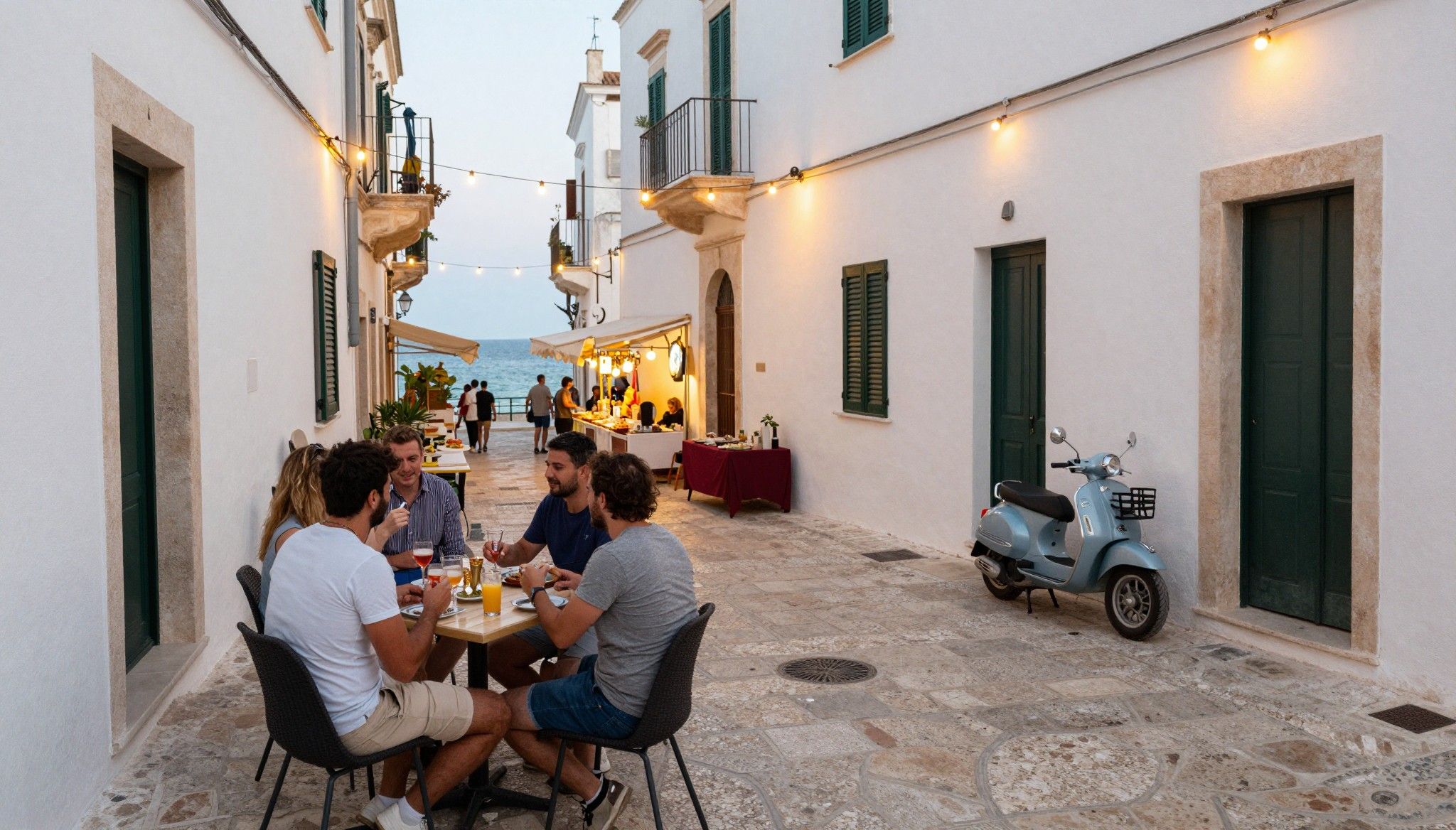
Imagine stepping out at 9 a.m. in Lecce for a cornetto and espresso, then wandering perfumed baroque alleys before racing to the coast for late-afternoon swimming. This is Italy away from glossy postcard expectations: quieter towns with daily rhythms, deep seasonal life and local markets where everyone knows your name. For many international buyers, that kind of neighbourhood authenticity beats headline cities — and it’s where value is quietly shifting. We’ll show you the regions Italian buyers actually favour, what they cost, and why they deserve a second look.
Living the Italy you don’t see in glossy guides
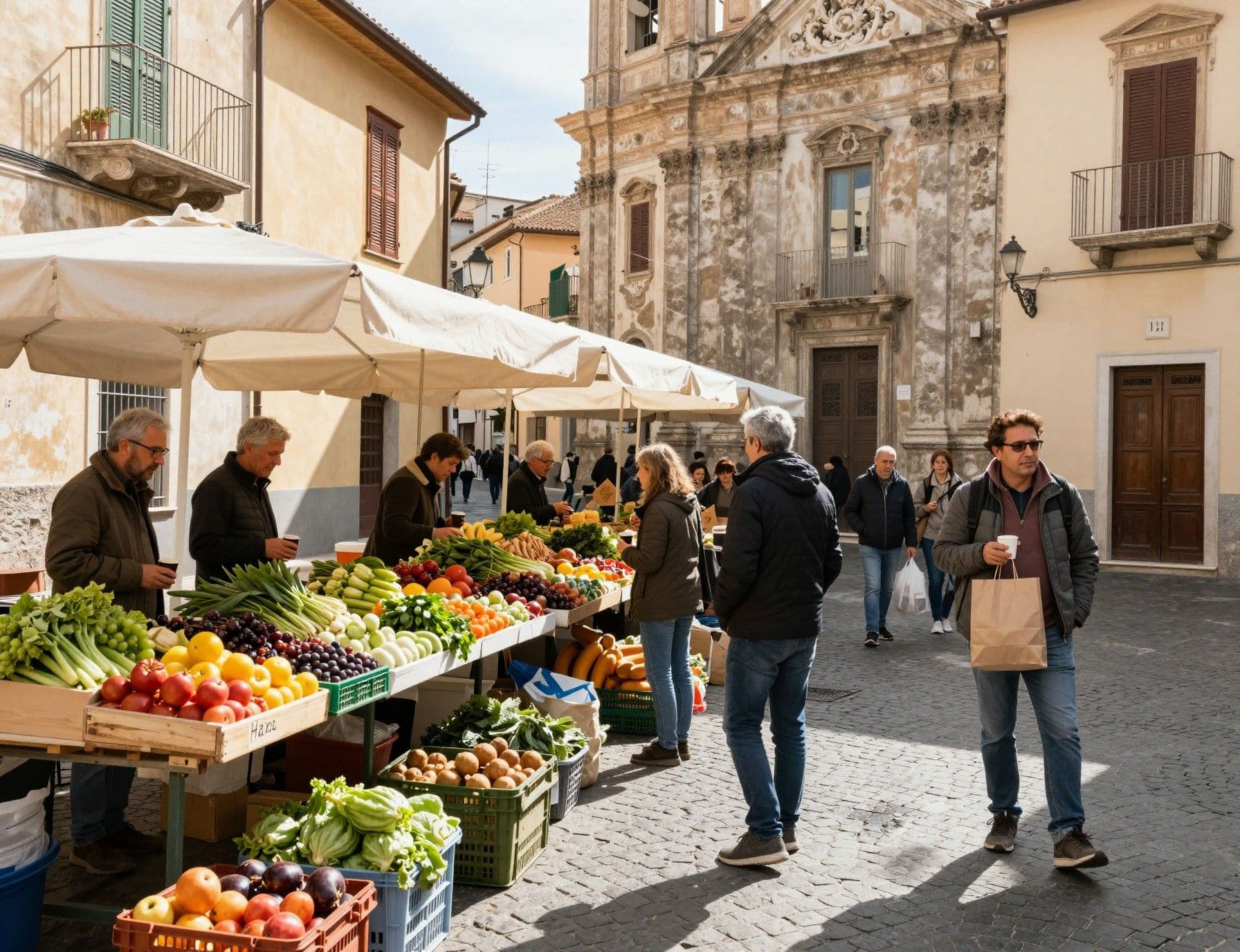
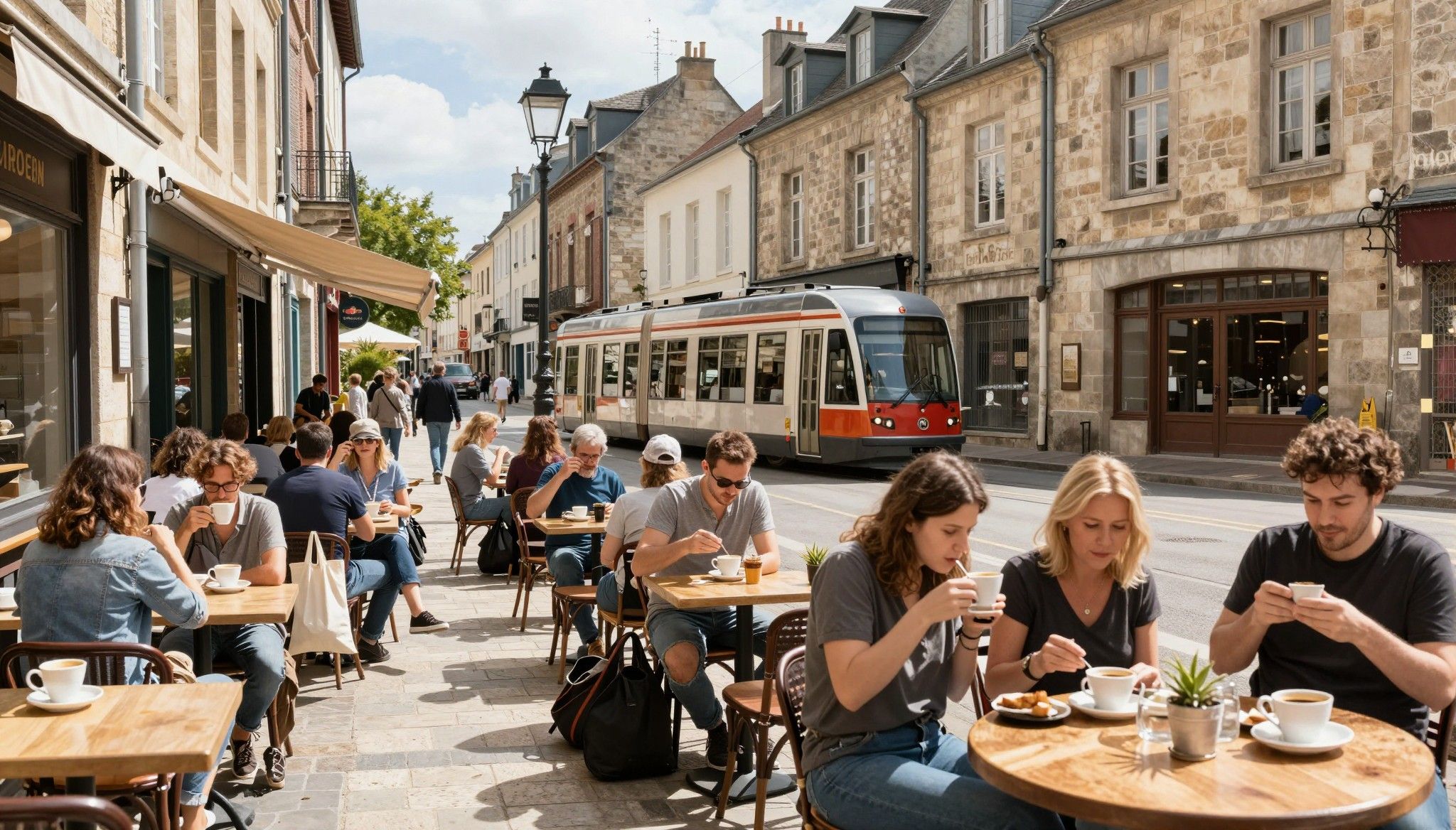
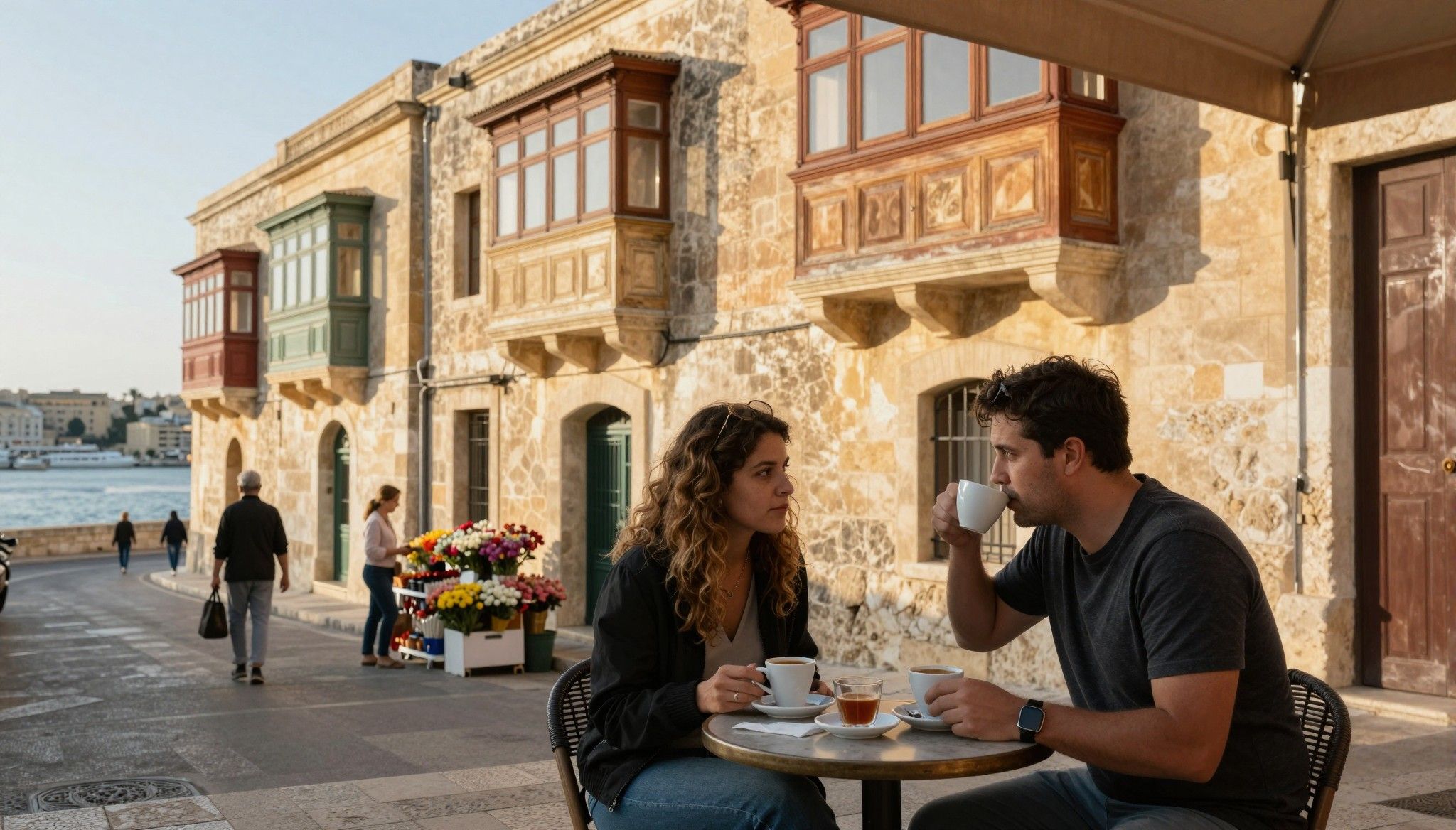
Italy’s image is layered: piazzas and palazzos in city centres, olive groves on rolling hills, and fishermen repairing nets at dawn. But everyday Italian life is smaller scale — morning markets, siestas in August, aperitivo after sunset. This shapes what property buyers actually want: compact flats in historic centres, long-stay rentals in coastal towns, and renovated farmhouses that double as summer homes. If you prefer neighbourly streets over tourist arteries, many regions deliver the lifestyle and lower price tags that headline markets don’t advertise.
Why Puglia now smells of opportunity
Walk through Ostuni’s whitewashed lanes or Matino’s market and you’ll meet buyers who arrived for the pace and stayed for the food. Puglia is no longer a well-kept secret: foreign purchase interest climbed notably in 2024–25, driven by restored farmhouses, seaside villages, and airport connections to Bari and Brindisi. The lifestyle is sun, produce-rich kitchens, and slow weekends — and the prices often still compare favourably to Tuscany or Liguria.
Hidden city alternatives: Bergamo, Trieste, Perugia
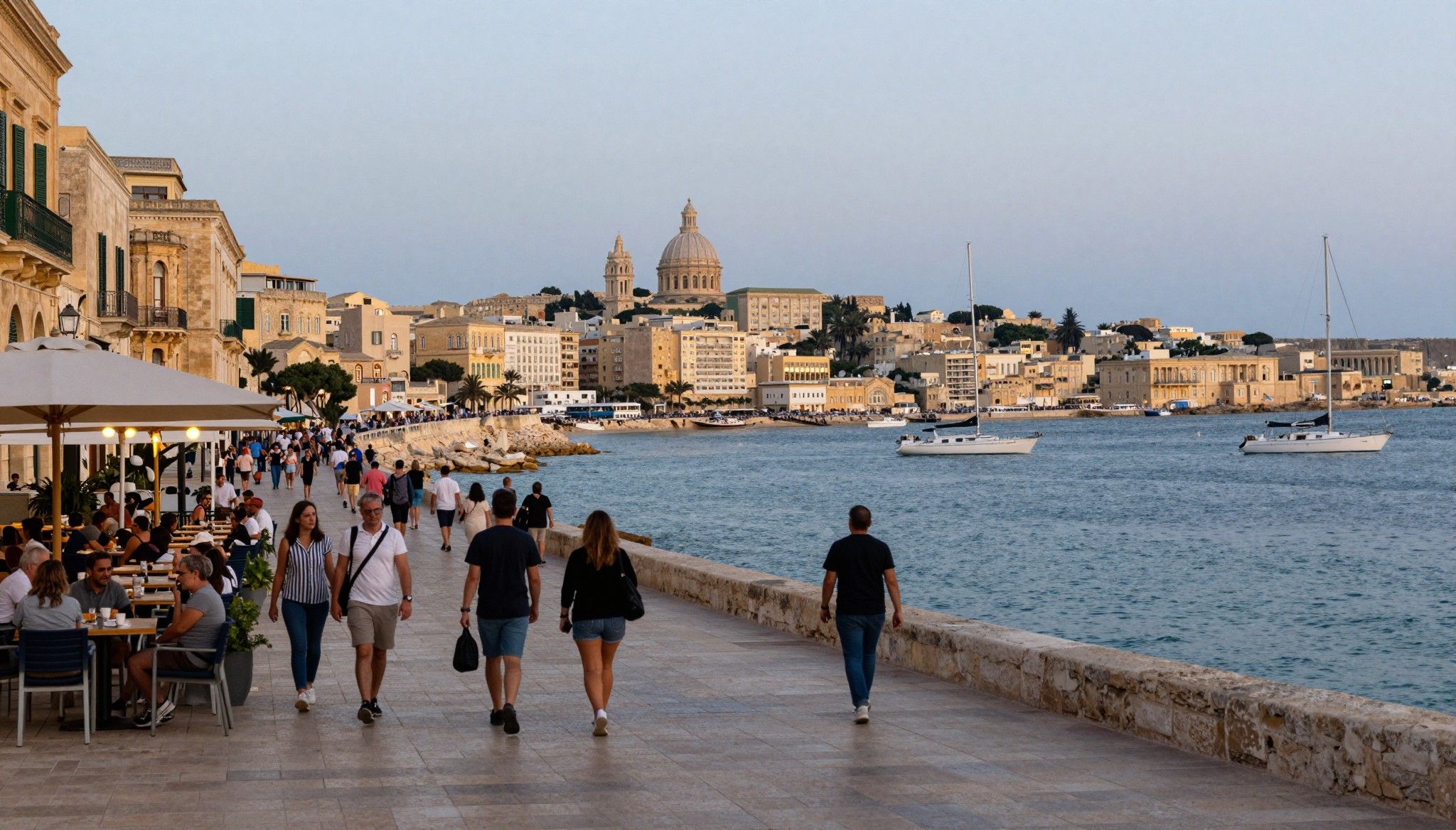
Not every buyer needs Rome or Milan. Cities like Bergamo, Trieste and Perugia combine historic centres, reliable services, and local cultural life, without the price pressure of the capitals. Nomisma’s 2025 observatory highlights these mid-market hubs as places where transactions and interest have rebounded, offering a better balance of lifestyle and price for long-term buyers. For daily life that feels Italian — markets, neighbourhood cafes, strong local medical and transport links — these cities often win.
Making the move: practical considerations that reflect real life
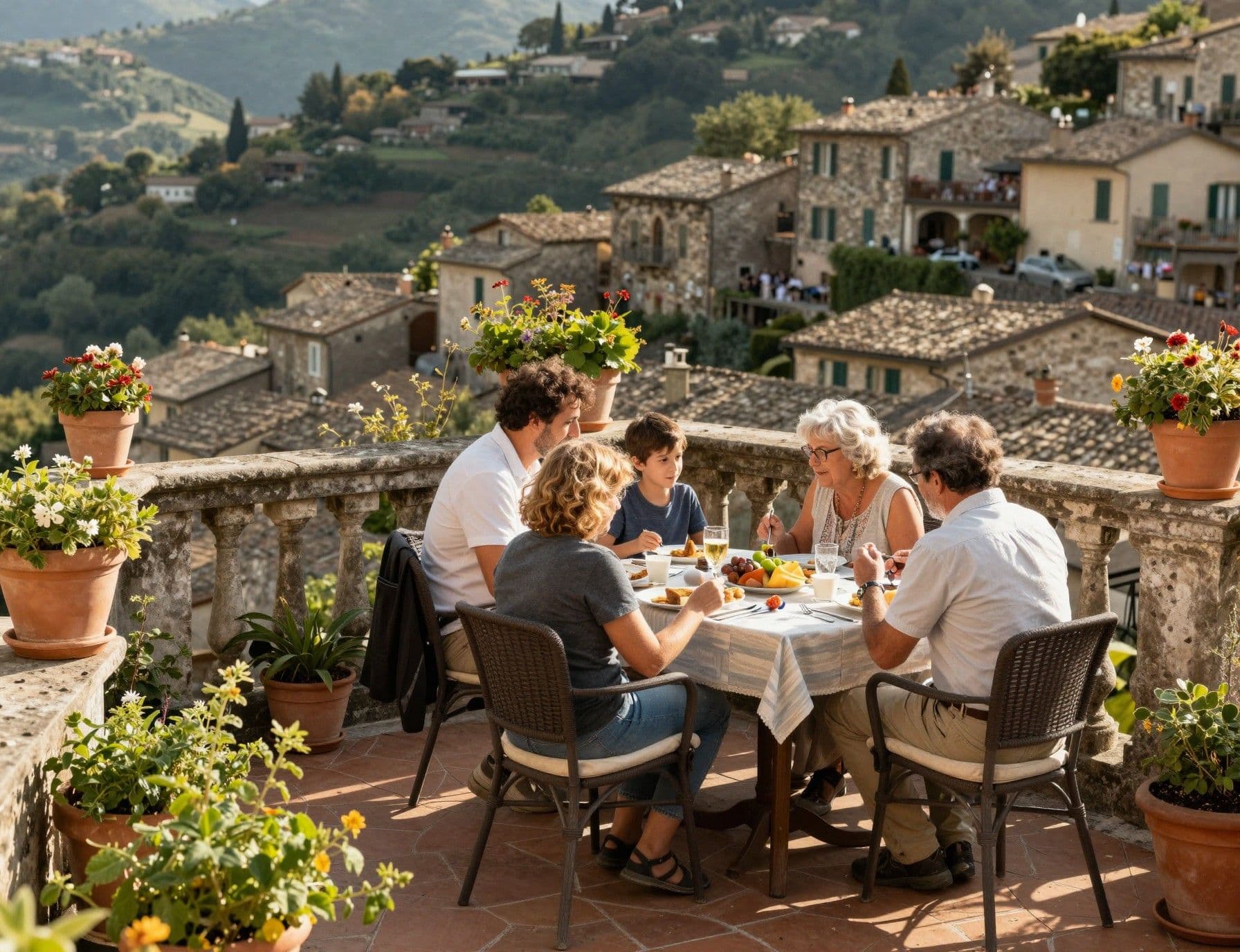
Dream first, then align expectations with the data. Italy’s national House Price Index recorded modest growth through 2024–25, and regional dynamics vary widely. ISTAT shows slow but steady recovery in transactions and prices, while industry reports point to a rebound concentrated in particular provinces and tourist-adjacent towns. That matters because the lifestyle you want — sea, hilltown, or city — will determine legal checks, renovation needs and realistic yield if you plan to rent.
Property styles and how they shape daily life
The stone trullo in Puglia gives you thick walls and cool summers but often needs modern plumbing work; a medieval apartment in Siena offers atmosphere and a tiny terrace rather than a garden. Match the property type to how you’ll live: long winters favour well-insulated homes and central heating systems, coastal buying prioritises humidity controls and storm-proofing. Renovation budgets are part of the lifestyle cost — they unlock character but demand realistic timelines.
Work with local experts who know both life and law
A good local agent does more than show houses; they introduce neighbourhood rhythms, suggest seasonal issues, and vet contractors who actually turn up on time. Look for agencies with demonstrable work in the exact town — check transaction records, renovation references and a portfolio of closed sales. We recommend asking for at least three local references and proof of recent sales in the micro-area you love before making an offer.
- Steps to marry lifestyle and process: 1) Visit the neighbourhood in two seasons to feel daily life and tourist flux. 2) Ask your agent for recent comparable sales in the street, not just the town. 3) Budget 15–30% extra for renovation and unexpected works in older buildings. 4) Confirm service access: healthcare, high-speed internet, and local transport.
Insider knowledge: the local truths expats wish they'd known
Expat stories often share the same beats: culture shock, a slow bureaucratic rhythm, then a deep attachment to neighbourhood life. Practical surprises include slower timing on renovations, small-town social codes, and the fact that many services pause in August. Knowing this lets you plan: expect paperwork to take longer, build community ties through local associations, and schedule renovation work outside peak holiday months.
Language, community and the unspoken rules
You don’t need to be fluent to feel at home, but learning basics will change how people respond to you. Neighbours value reciprocity: early greetings, small favours, and attending local festivals are quick paths to acceptance. For property transactions, a translator and a solicitor who speak your language and the local dialect of practice are invaluable — they decode both form and nuance.
Long-term lifestyle: what grows and what fades
Regions with improving transport links and airport access — think parts of Puglia, Abruzzo and Marche — show stronger long-term prospects for demand and modest appreciation. Cushman & Wakefield’s 2025 market overview notes recovery pockets tied to tourism infrastructure and domestic buyer interest. That means a lifestyle you love can also retain value, provided you check local planning rules and conservation limits before buying.
- Lifestyle red flags to watch for: - Persistent flooding or humidity issues on coastlines without modern mitigation. - Streets listed as historic that restrict external works and shorten renovation value. - Areas with shrinking local services (bank closures, fewer doctors) that impact daily life. - Properties sold without clear cadastral maps or up-to-date building permits.
- How we recommend prioritising a purchase: 1) Lifestyle fit (neighbourhood feel, market proximity, seasonality). 2) Technical check (title, cadastral conformity, permits). 3) Budget realism (purchase + 20% contingency for works and fees). 4) Local integration (language, community, services) — everything else follows.
Conclusion: Italy is not a single market — it’s a collection of lived places. If you’re drawn to authentic streets, seasonal markets and neighbours who remember your coffee order, consider regions where locals actually buy and live. Start with two visits in different seasons, ask for granular comparables, and hire local experts who speak both the language and the local life. When done carefully, buying in Italy buys you more than a property; it buys you a way of life.
British expat who relocated to Marbella in 2012. Specializes in rigorous due diligence and cross-border investment strategies for UK and international buyers.