Where Life Beats the Listing: Greece’s Neighbourhood Trade‑Offs
Fall for Greece’s everyday life — and let neighbourhood rhythm, seasonality and recent market shifts guide where you buy.
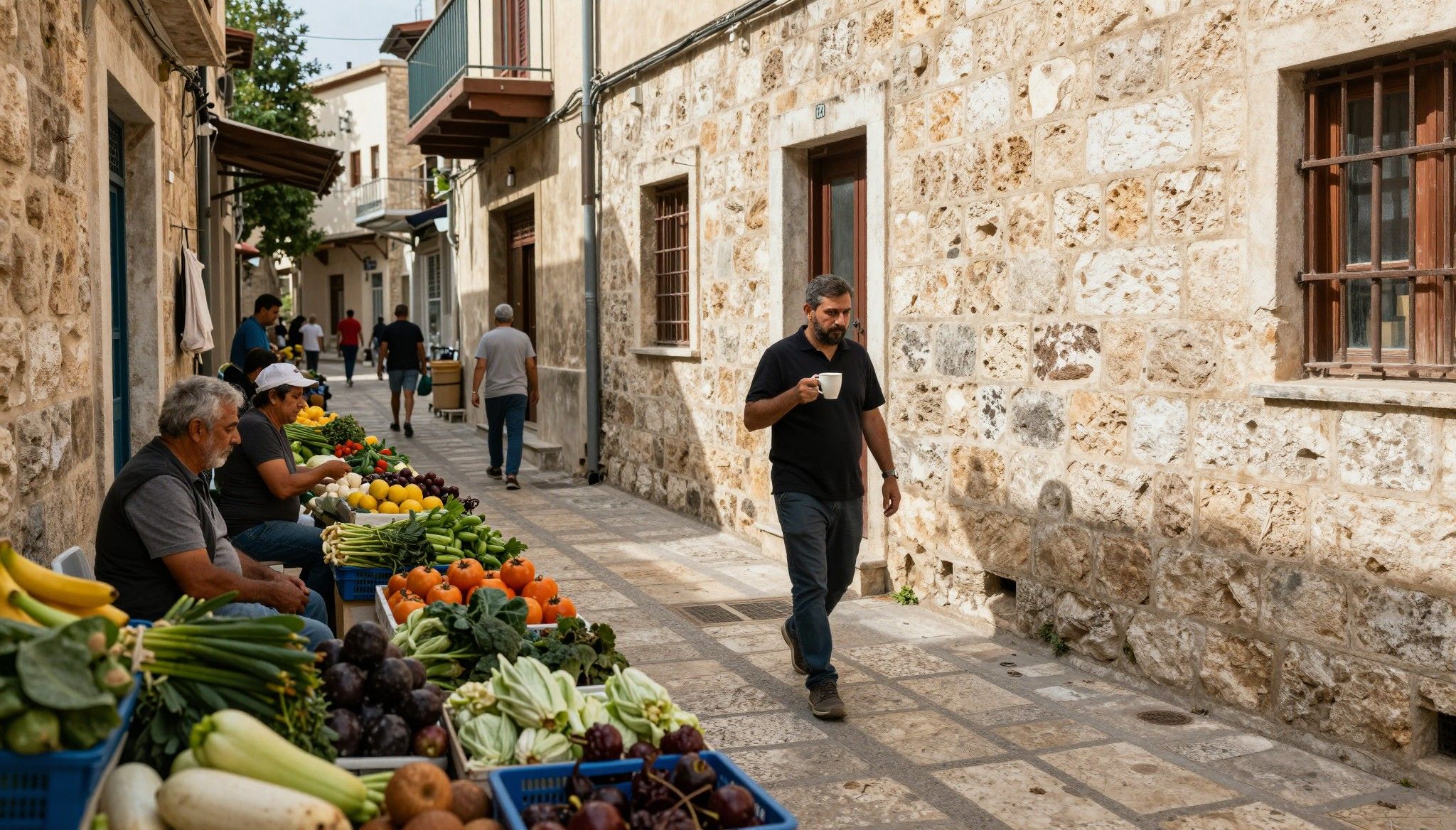
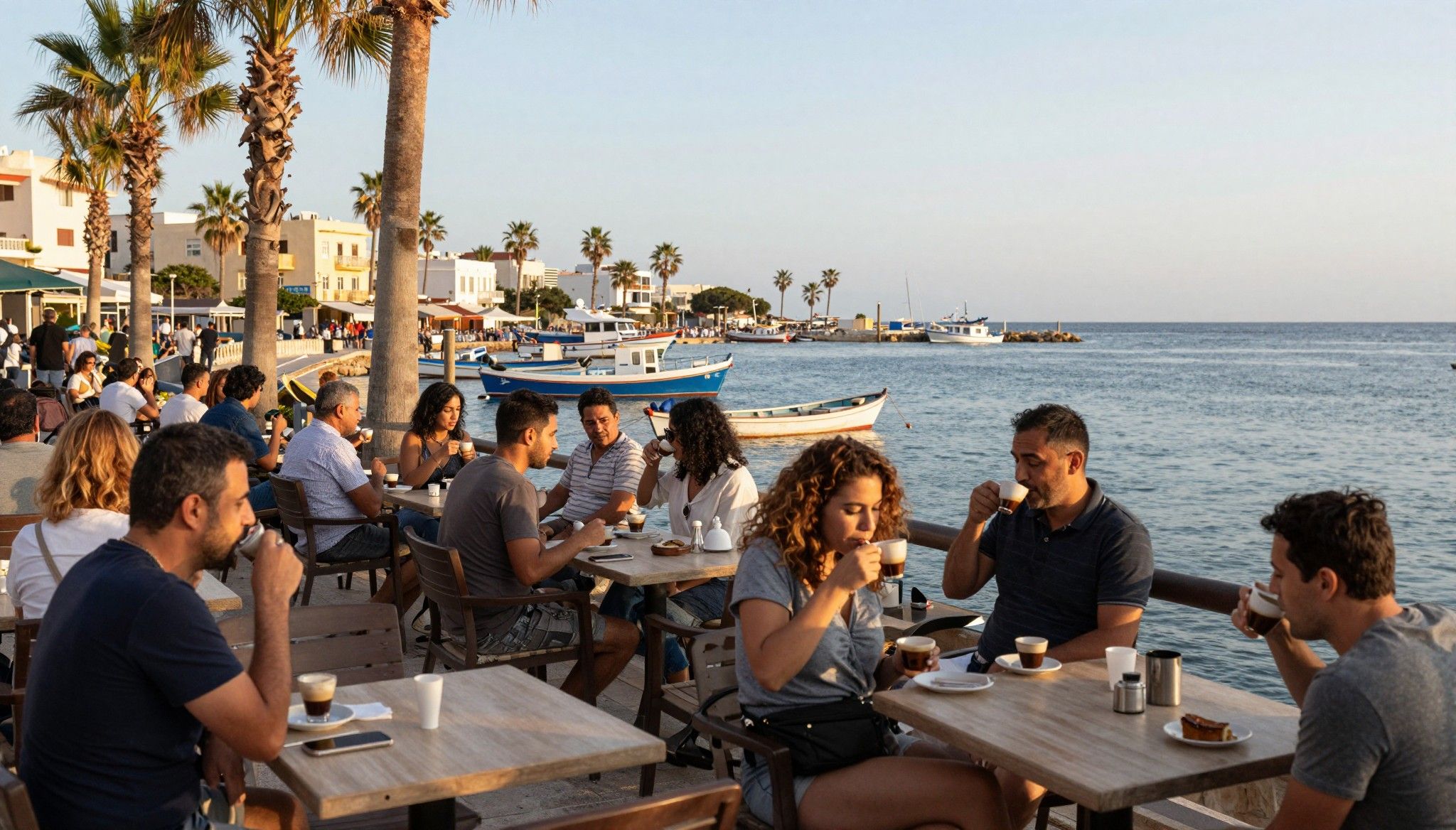
Imagine sipping a flat white on Drakou Street in Koukaki, the Acropolis at a slow, sun-washed distance, while a local greengrocer packs tomatoes you’ll cook that evening. That small scene captures why buyers fall hard for Greece: it’s textured, social, and stubbornly local. But the country you fall in love with also has market rhythms you should respect — rising urban prices, shifting Golden Visa rules, and neighborhood-by-neighborhood differences that change the math on a purchase.
Living the Greece Life — City, Coast and the In‑Between
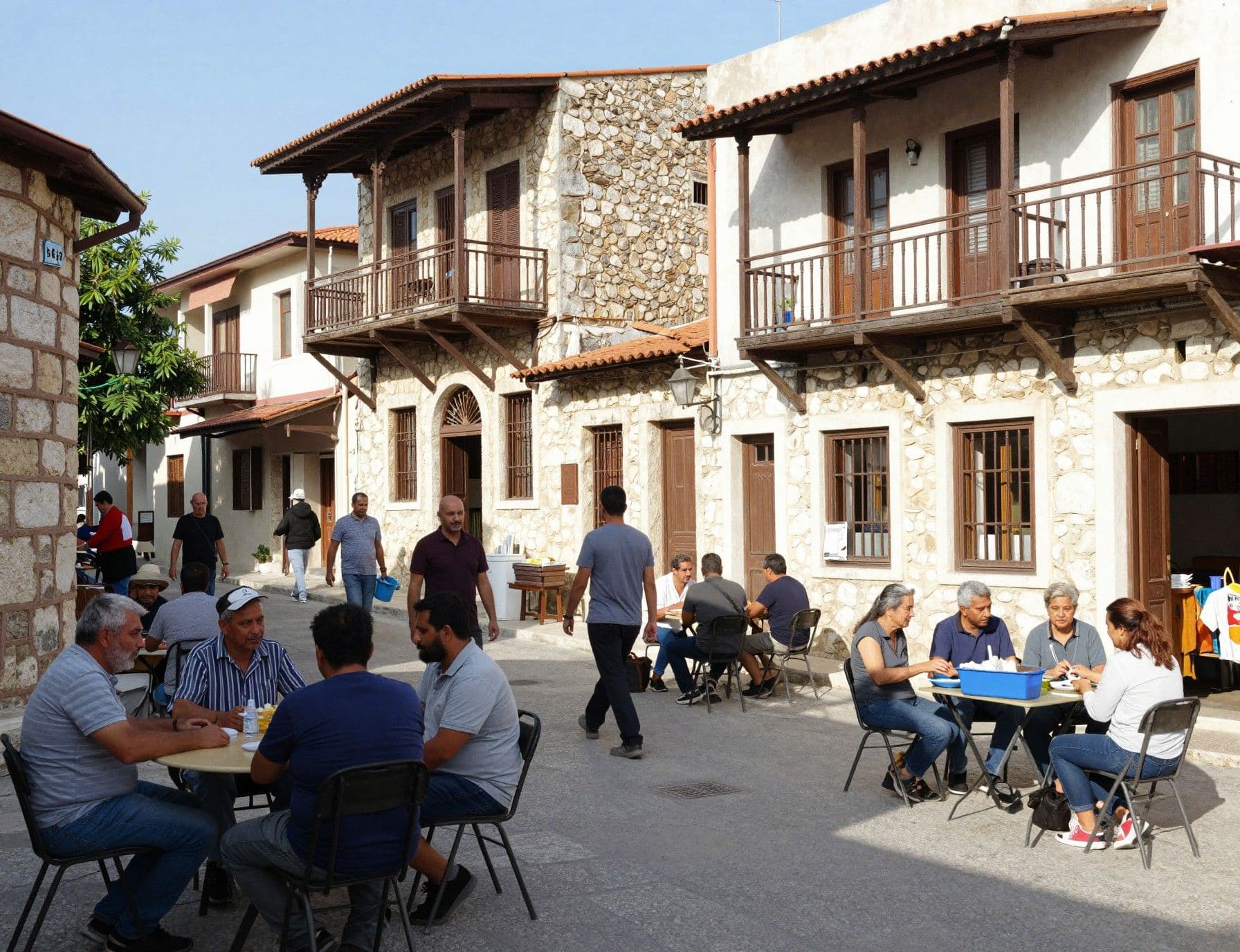
City mornings in Athens mean espresso, bakers stacking koulouri, and a commute that could be a 15‑minute walk past antiquities. Coastal towns — think Glyfada or the marina quarters — trade cobbled intensity for saline air, late-night tavernas and a different pace of life. Whether you want a whitewashed island terrace or a renovated neoclassical on an Athenian side street, how you plan life there should steer where you buy.
Koukaki (south of the Acropolis) is the kind of neighborhood that sells the lifestyle: narrow pedestrian streets, friendly tavernas, bookshops and an easy rhythm. It’s quieter than Plaka and more lived-in than the tourist strips — exactly what many second‑home buyers want when they dream of ‘living like a local.’
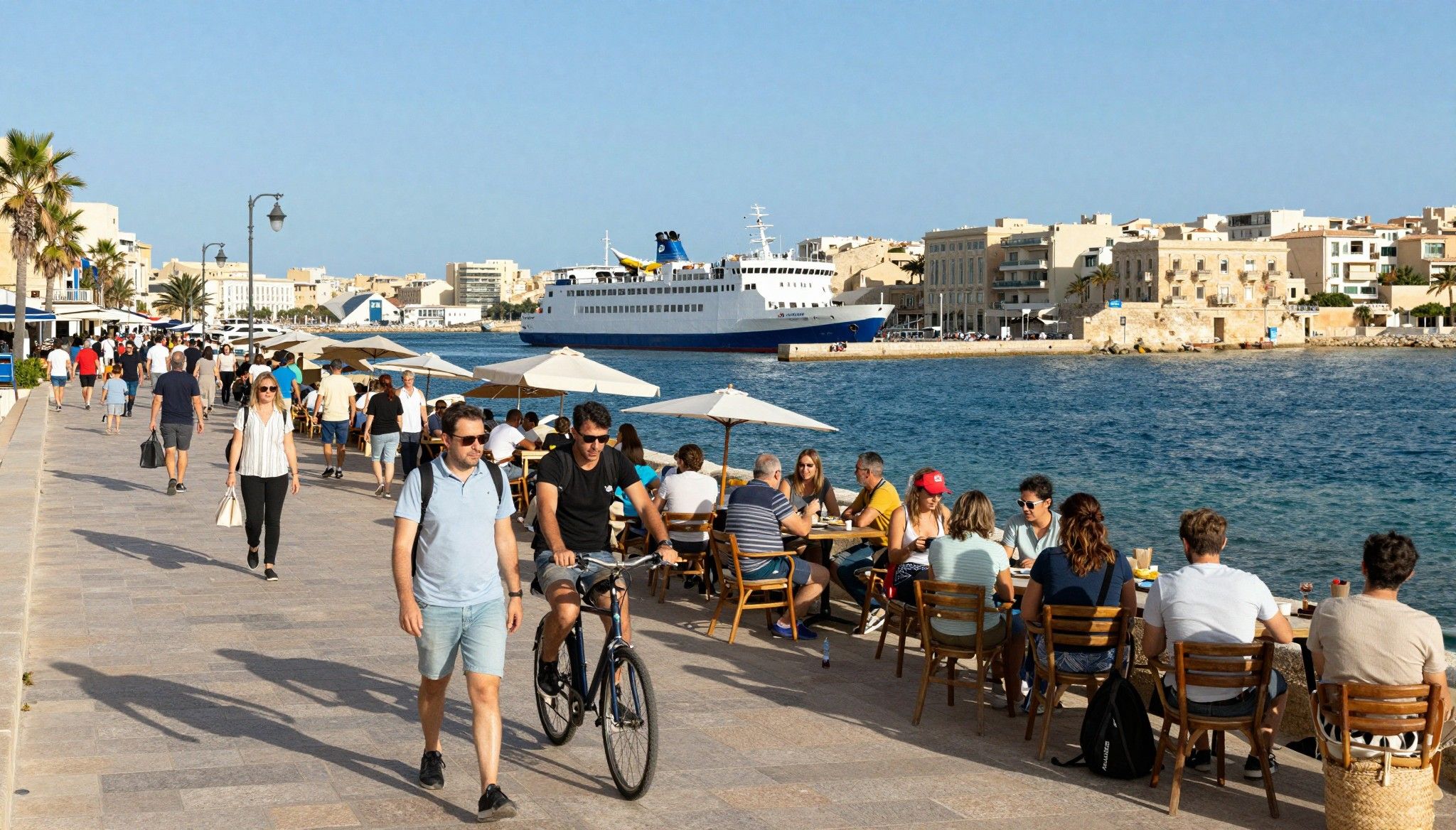
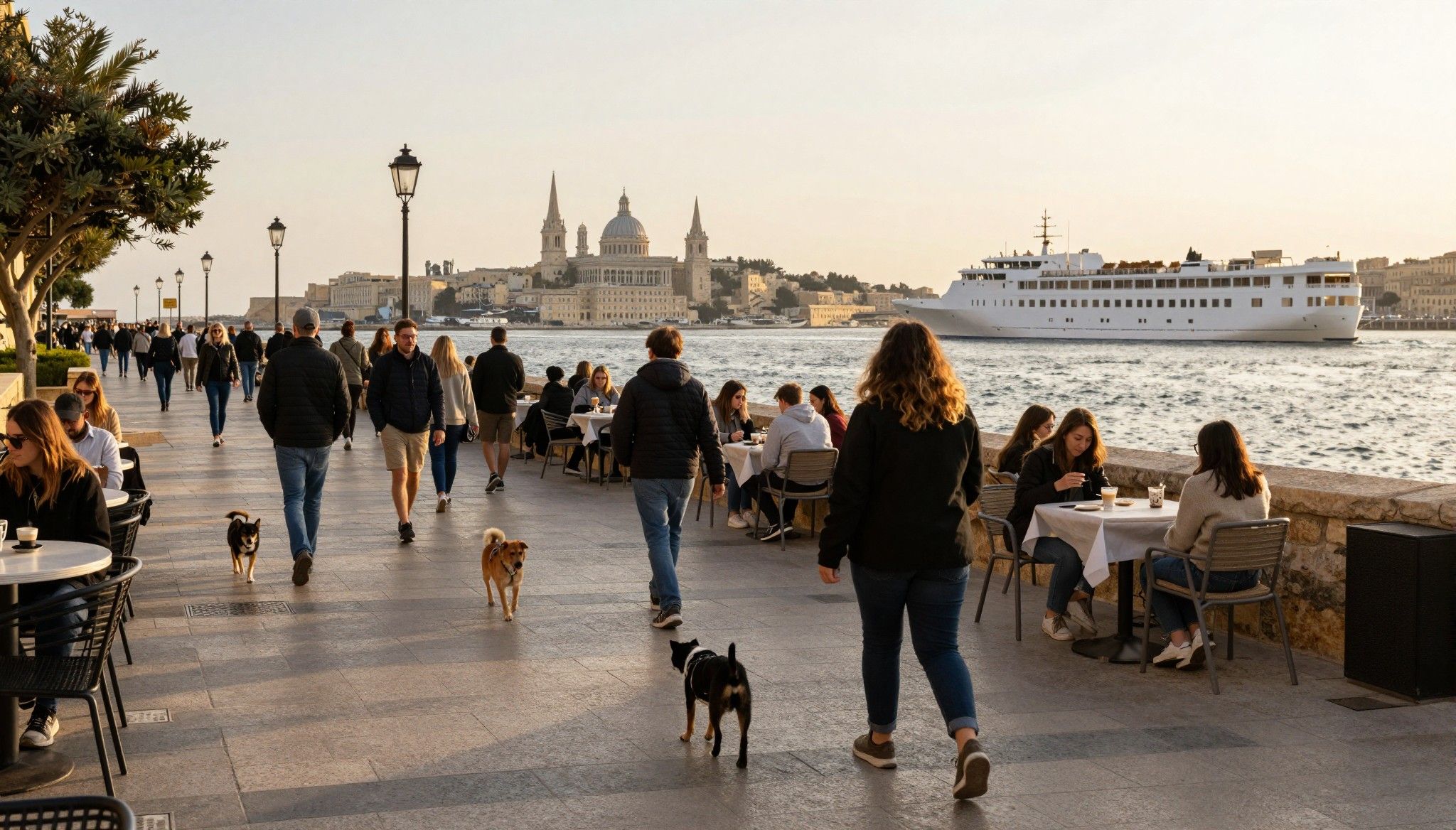
Contrast that with Glyfada, where seaside promenades, upmarket boutiques and marinas attract buyers who want beach access, golf clubs and private schools within a 20–30 minute drive of central Athens. Each choice gives a different daily soundtrack: church bells and bakery queues in one, the hum of boats and late-night seas in the other.
Food, markets and weekend rituals
Weekends are market days: farmers’ stalls, fishmongers by the harbour and neighbourhood kafenia where locals linger over raki. In Kifissia you’ll find tree‑lined boulevards and patisseries; in island towns, fish tavernas that open only when the catch dictates. These rituals aren’t tourism theatre — they shape how neighbourhoods function and what property features matter (storage for fresh produce, a small terrace for morning coffee, a kitchen that breathes).
- Daily-life highlights to consider when choosing a neighbourhood
- Koukaki: five‑minute walk to Acropolis Museum, pedestrian streets, neighbourhood tavernas.
- Glyfada: marina, beaches, private schools, afternoon sea breeze that changes apartment orientation needs.
- Kifissia: leafy suburb, boutique retail, quieter winters — good for families and long‑term living.
Making the Move: Lifestyle Choices That Should Drive Property Decisions
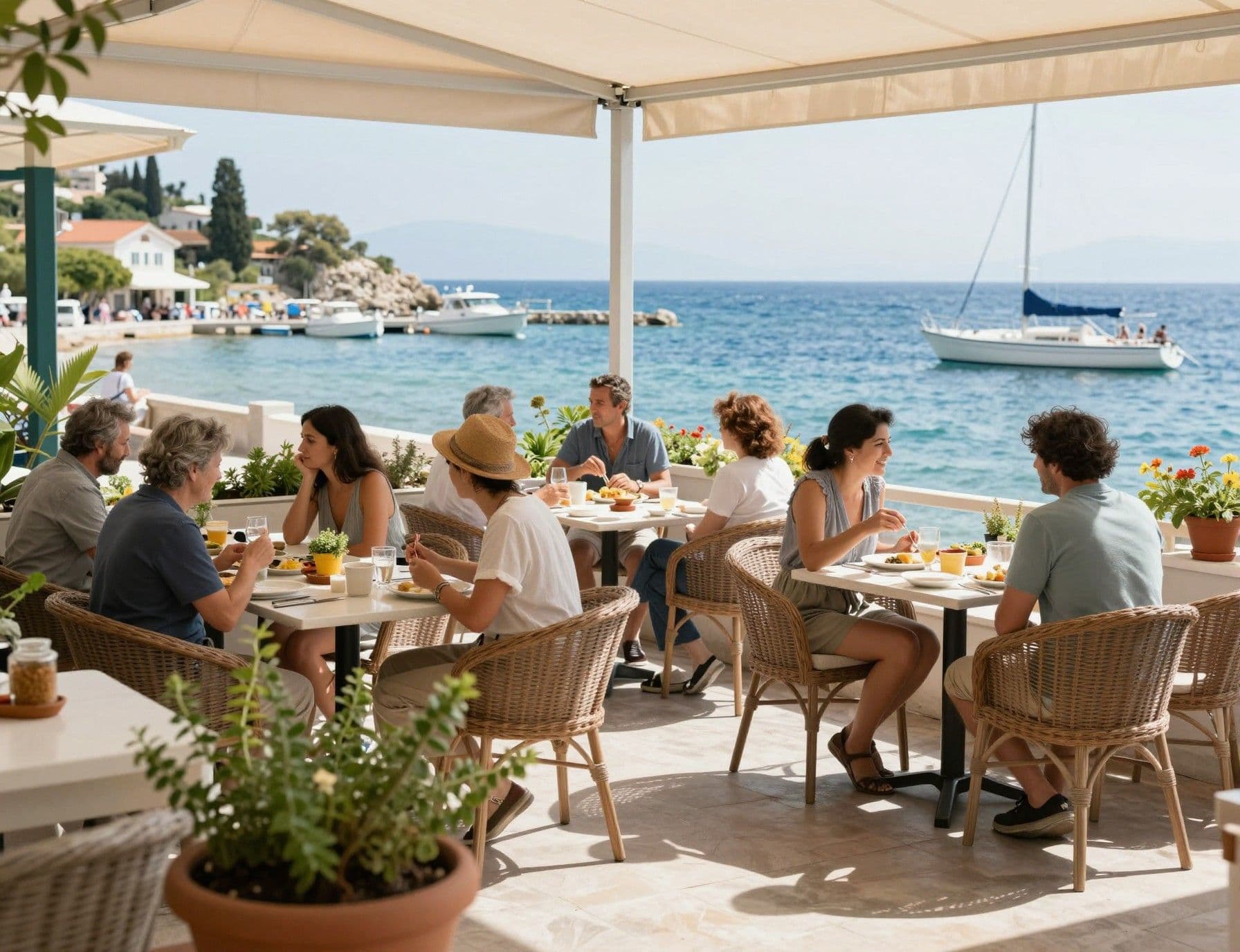
The romantic image of Greece can distract you from technical trade‑offs. Recent market reports show urban prices climbing — Athens at a steady rise and coastal pockets already priced for demand — so your lifestyle brief must include practical filters: transport, seasonality, renovation realities and tax/residency rules that affect total cost and timing.
Property types and what they actually feel like to live in
Neoclassical flats have high ceilings and light-filled rooms but may need costly retrofitting for insulation and plumbing. New builds offer better energy performance but often sit in denser blocks with smaller terraces. On islands, look for practicalities — water supply, delivery access, and a winterised heating option if you expect year‑round living.
Work with experts who know both life and law
The best local agents are translators of life: they know which streets fill with morning light, where restaurants close in winter, and which buildings make renovation nightmares. They also coordinate notaries, urban‑planning searches and lawyer checks around residency-by-investment rules that have changed recently — critical if your move depends on a permit.
- Steps to align lifestyle with buying choices
- Write a daily‑life brief: morning routines, transport limits, and how often you’ll host — use this to prioritise terraces, parking or proximity to a market.
- Shortlist three neighbourhoods that match that brief and visit in two seasons (high and off‑season) to feel year‑round life.
- Ask your agent for comparable sales within a 500m radius and check utilities, delivery access and any registered planning restrictions.
Insider Knowledge: What Expats Wish They’d Known
We’ve heard the same confessions: newcomers underestimated winter life, the pace of bureaucracy, and maintenance on older properties. Price growth in 2024–25 means you’re buying into momentum; that’s fine if you plan to live there, but if you’re timing purely for capital gain, be honest about liquidity and off‑season rental demand.
Cultural cues that change where you feel at home
Greeks prize local relationships. A friendly kiosk owner, a named cobbler or your regular taverna can anchor your life faster than proximity to a landmark. Learn a few phrases, attend a neighbourhood festival, and you’ll notice how social ties influence comfort, resale desirability and even service reliability during winter.
Long-term lifestyle and practical checks
Think five years ahead: neighbourhood regeneration, transport projects and tourism pressure. Ask your agent about planned infrastructure and municipal zoning. Those details decide whether your beachfront terrace is a seasonal dream or a noisy summer rental corridor in five years’ time.
- Red flags to dig into before you sign
- No clear land registry entry (ELENCH) or missing building permits.
- Unexplained running water or electricity credits — check recent bills and municipal charges.
- Vague renovation quotes — get itemised bids that separate structural work from finishes.
If you love Greece for the life, buy the lifestyle first and the building second. That means prioritising a street, a square or a café over a headline price per square metre. Work with an agent who can prove real, recent sales in those streets and a lawyer who’ll check title and permits. Do that and the small daily pleasures — a morning coffee in Koukaki, a sunset walk along Glyfada’s promenade — become regular life, not holiday memories.
Next steps: visit in shoulder season, bring a short lifestyle brief to your first meetings, and ask agents for three neighborhood comparables and one lawyer‑checked dossier before you offer. We’ll help you match the life you imagined with the realities that protect it.
Swedish expat who moved from Stockholm to Marbella in 2018. Specializes in cross-border legal navigation and residency considerations for Scandinavian buyers.