Cyprus Non‑Dom Rules, Lifestyle & Real Costs
Cyprus offers sunny, walkable life and tax advantages — but non‑dom status, transfer fees and the 2020 end of the citizenship‑by‑investment scheme shape real costs. Check deeds, residency tests and tax advice before you buy.
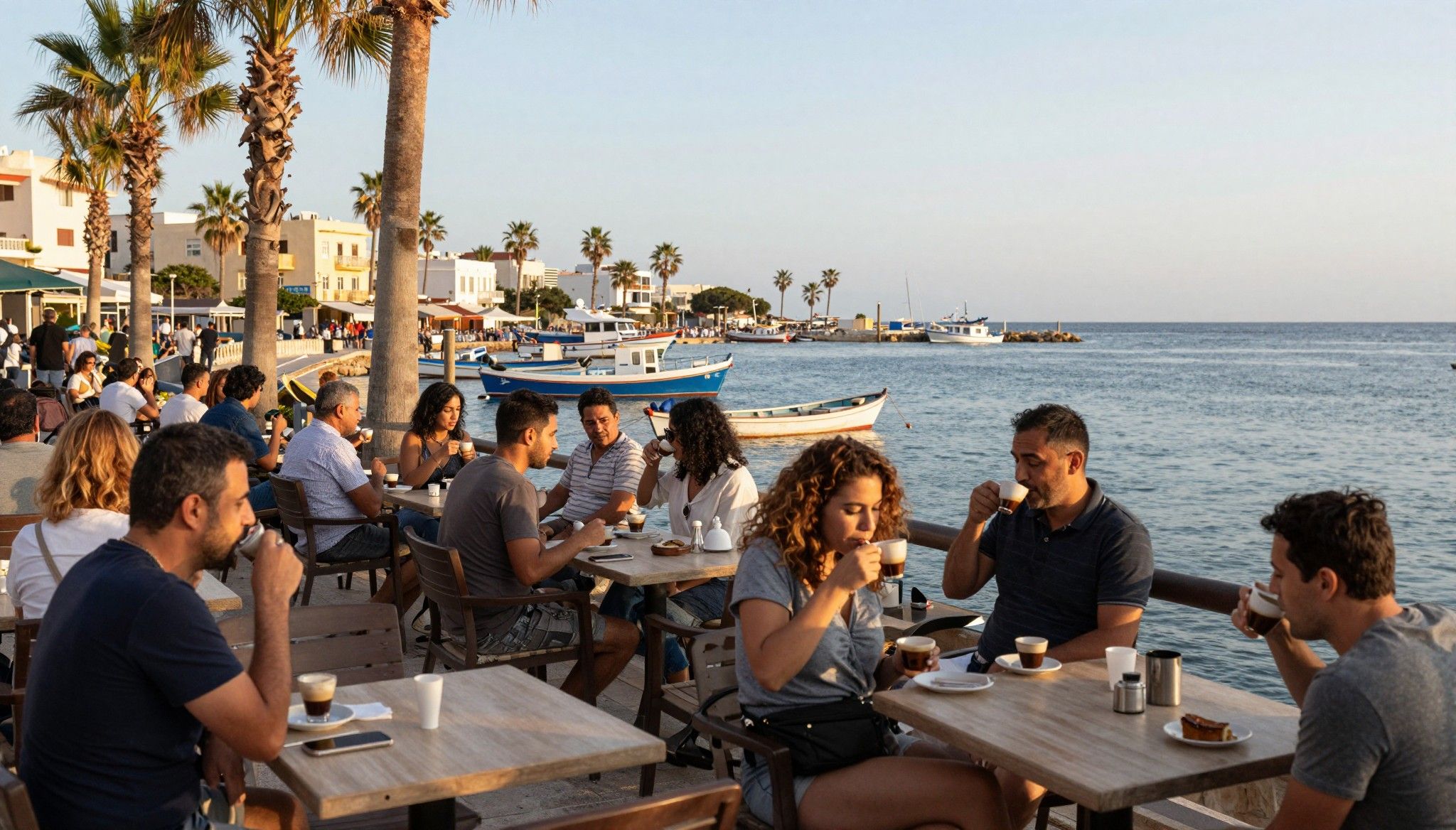
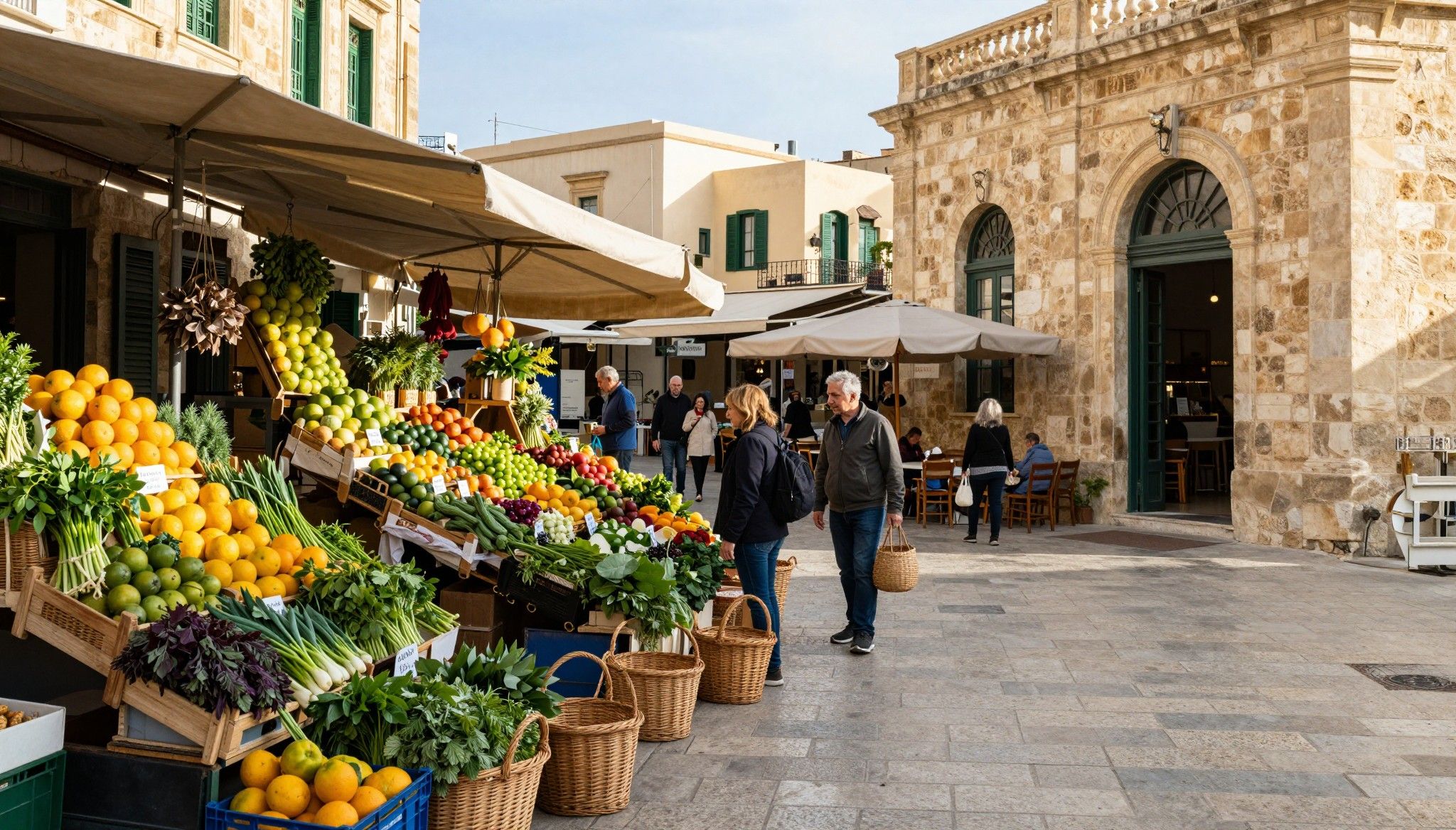
Imagine waking up to a morning espresso on a Limassol balcony, the sea a pale slab of light, then stepping out to buy oranges at the municipal market on Anexartisias Street. That easy, sunlit routine is why people fall for Cyprus — the walkable old towns, fisherman cafés in Larnaca, and the mountain villages above Paphos where the air smells of pine and wood smoke. But life here — and the financial picture that supports it — is shaped by very specific rules: residency tests, the non‑dom tax regime, transfer fees and the long‑shadow of the cancelled citizenship‑by‑investment programme. We start with life, and then give you the legal map to actually live it, without surprises.
Living Cyprus: neighbourhoods, routines, small pleasures
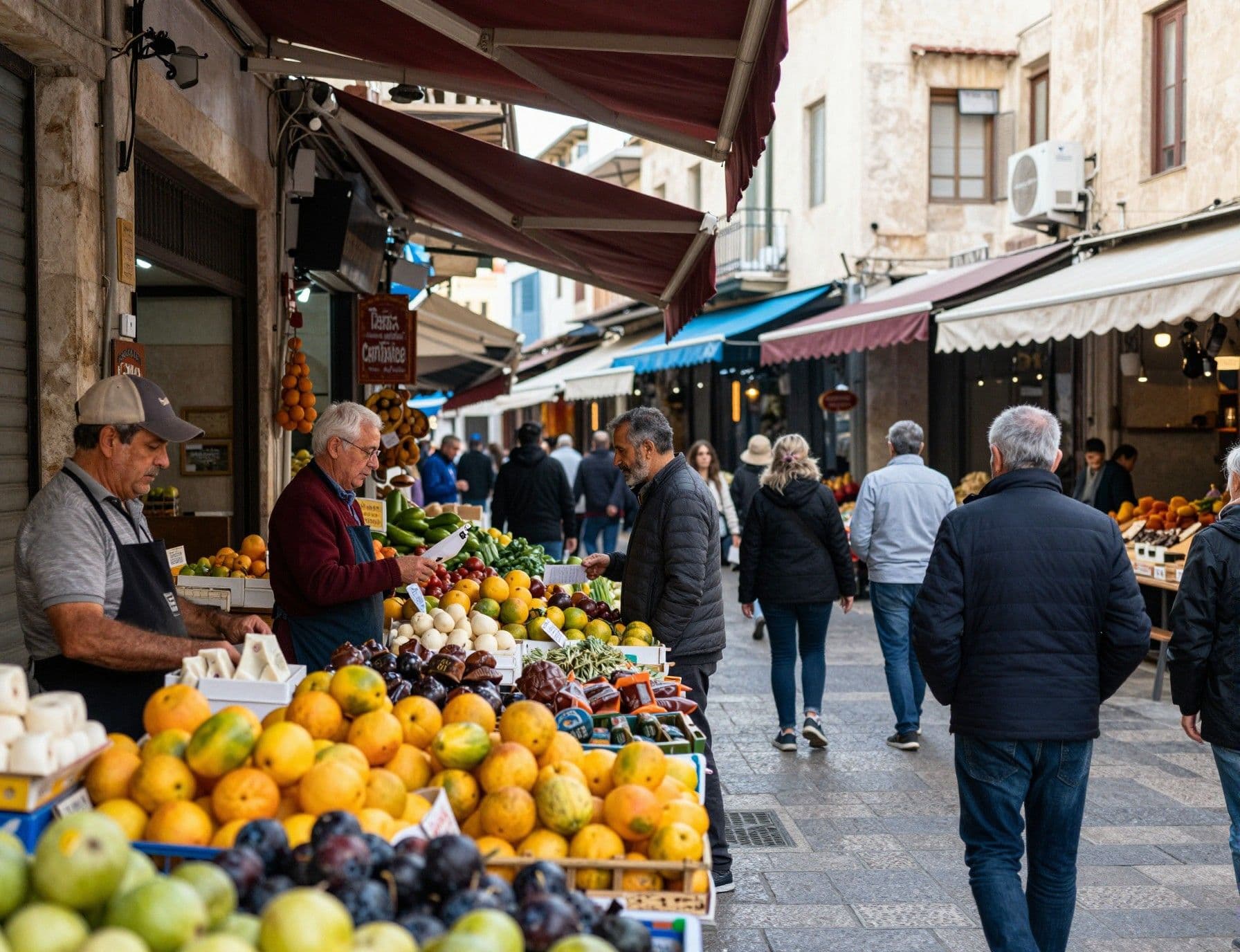
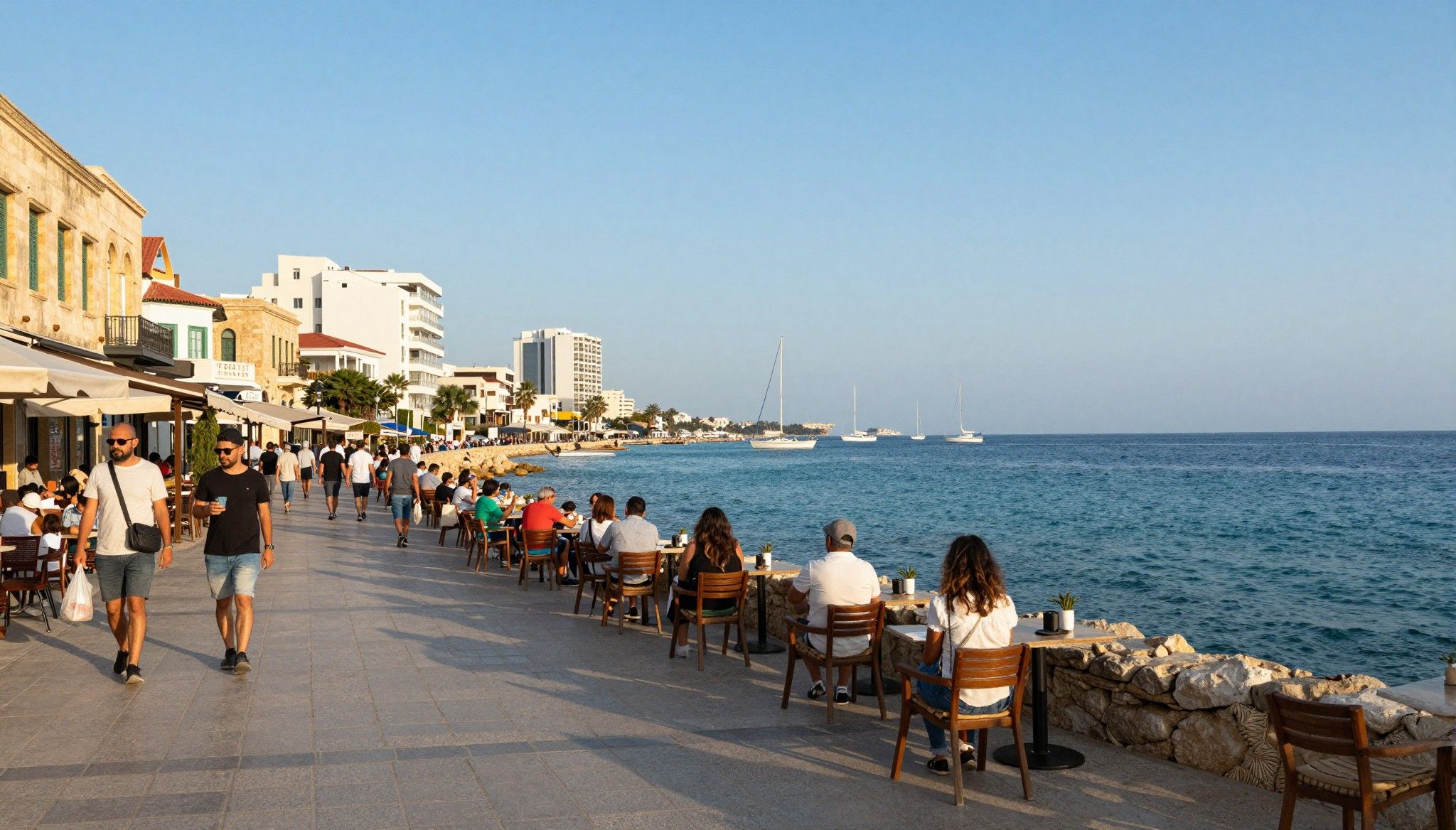
Cyprus feels compact and particular. Limassol hums with seaside life, cafés on the marina and an expat energy around Franklin Roosevelt street. Nicosia is a slow, layered city — narrow lanes, small galleries, and a weekday rhythm that opens onto relaxed evenings on Solomou Street. Paphos has the old harbour, family tavernas, and suburbs where villas sit under eucalyptus shade. Picture Saturday mornings at the Port of Larnaca, olives and loukoumades, or an autumn hike in the Troodos where villagers sell halloumi and mountain honey.
Neighbourhood spotlight: Limassol’s Molos to Old Port
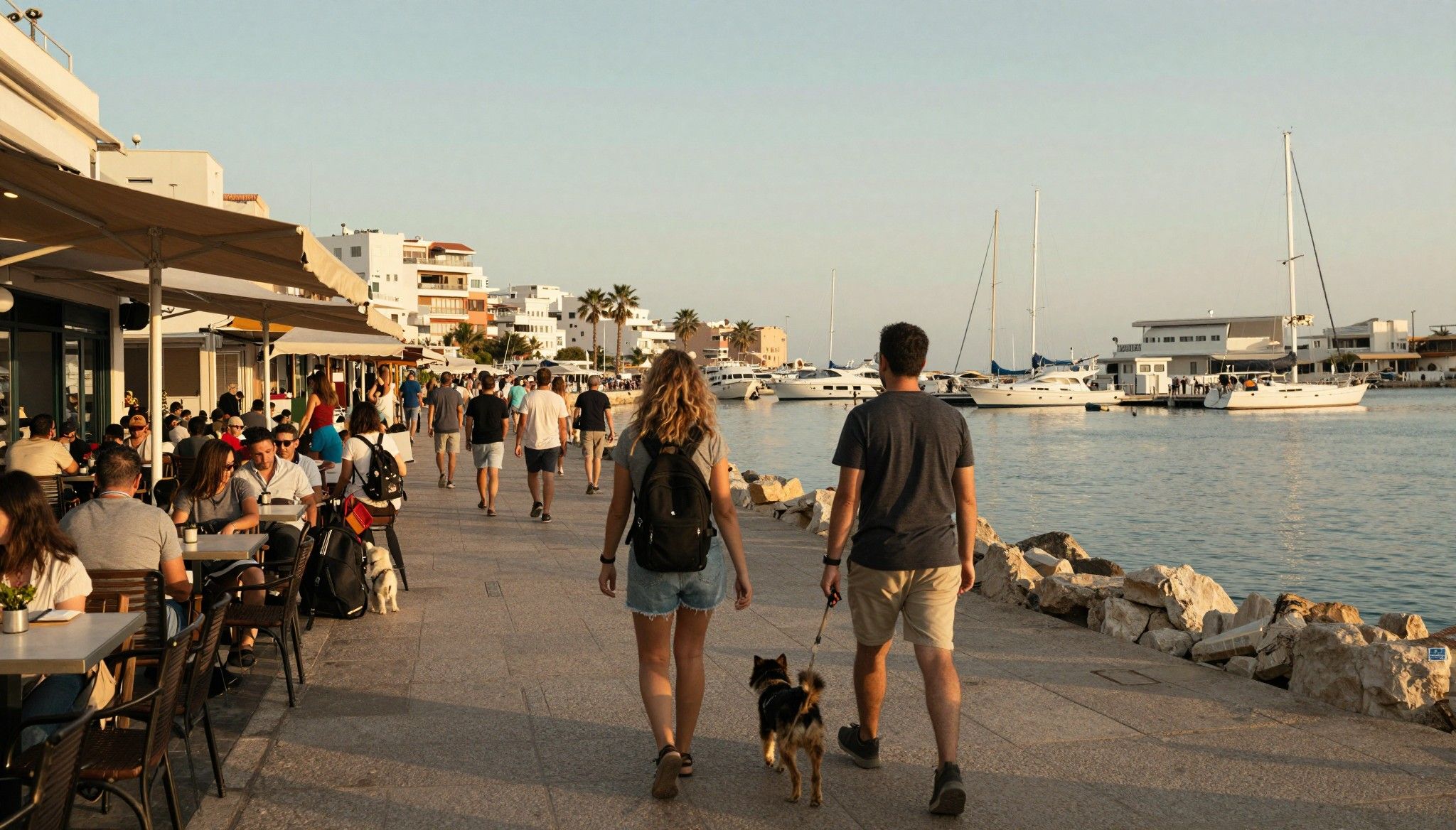
Walk Molos promenade before breakfast and you’ll see morning swimmers, dog walkers and a few architects sketching façades — that mix explains why small apartments with terraces here command a lifestyle premium. Cross to the Old Port and the pace softens: family-run tavernas, fishermen mending nets, and apartment blocks where balconies still host drying herbs. If you want social cafés by day and quiet streets by night, this slice of Limassol delivers both, but expect higher per‑m² prices and a premium for seaside access.
Food, markets and the seasonal pulse
Food in Cyprus is local, immediate and social. Try the fruit market off Agiou Andreou in Limassol, the grilled halloumi at neighbourhood tavernas in Kato Paphos, or the fish stalls on Larnaca’s Mackenzie strip at dawn. Seasons matter: citrus in winter, carob and chestnuts in autumn festivals — timing your house hunt around harvests or cultural weeks can mean seeing communities at their liveliest, and properties showing at their best.
Lifestyle highlights: • Morning espresso on Molos and a walk through the marina • Weekend bazaars in Nicosia (Ledra Street side markets) • Troodos autumn festivals — local cheeses and village feasts • Larnaca’s Mackenzie beach cafés for sunset social life • Paphos harbour tavernas: seafood and slow evenings
Making the move: how the rules shape the dream
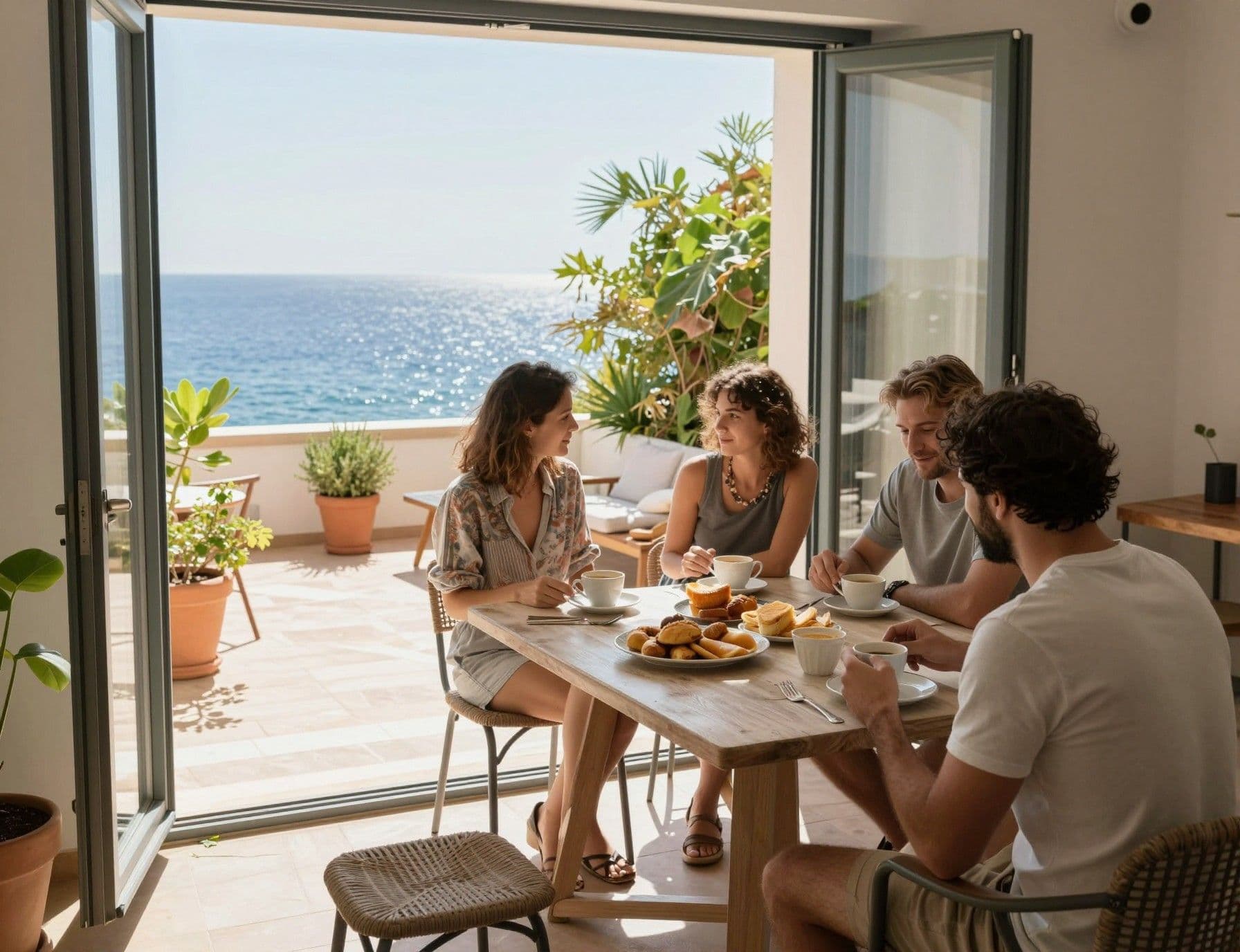
Your vision — terrace breakfasts, short commutes, a local café where the barista learns your name — must meet Cyprus’s paperwork: tax residency rules, transfer fees at the Land Registry, VAT on new builds, and the lingering reality that direct fast‑track citizenship is no longer available. Small legal differences make big lifestyle impacts: whether you pay VAT, who picks up the Land Registry transfer fees, and whether you qualify for non‑dom status that changes how investment income is taxed.
Property styles and what they actually offer
Coastal new builds near Limassol and Paphos give modern amenities and pool living suited to entertaining friends. Older stone houses in the Troodos offer character and cooler summers but can require more maintenance and planning permission for upgrades. For daily life, consider orientation (shade in summer), outdoor space (balconies, courtyards) and proximity to municipal services — the property type needs to fit how you want to use it, not only how it photographs.
Local experts who match lifestyle to law
How an agent and local lawyer help you live the life you pictured: 1. Agents preview neighbourhoods at the time of day you’ll live there (weekday mornings, weekend evenings). 2. Lawyers check title deeds at the Department of Lands and Surveys and flag communal‑ownership or missing permissions. 3. Tax advisors confirm whether your income profile benefits from Cyprus’s non‑dom regime. 4. Surveyors and planners estimate renovation costs for traditional Cypriot homes. 5. A local property manager explains rental seasonality if you plan short lets. 6. Together they translate lifestyle choices into legal and tax checklists.
Insider knowledge: what expats wish they'd known
Here’s the real talk from people who moved here: the non‑dom tax status can materially change your after‑tax income, but it’s not automatic and depends on domicile history and residency tests; the citizenship‑by‑investment route was closed on 1 November 2020, so purchases should not be pitched as a passport shortcut; and transfer fees plus VAT (when applicable) can add several percentage points to your acquisition cost. We checked the rules with local accountants and government guidance so you don’t have to learn them the hard way.
Cultural integration and the small rules that matter
Learning a few Greek phrases, attending a village festival, or shopping weekly at the same market stall accelerates acceptance in ways formal residency cannot. Expats tell us that local relationships make property management easier — neighbours notice roof leaks sooner than contractors. Expect a relaxed administrative pace: many processes take longer than in large EU capitals, so build time into your moving schedule.
Long‑term picture: taxes, inheritance and resale
Key long‑term considerations: • Non‑dom status can exempt you from Special Defence Contribution on dividends and interest for many years, but eligibility depends on domicile and time spent abroad. • Transfer fees and possible VAT affect upfront costs — use the Land Registry calculator before signing. • Property inheritance follows Cypriot succession rules; good estate planning avoids probate delays. • Resale demand follows tourism and local infrastructure — coastal and well‑connected urban pockets hold value better.
Conclusion: the Cyprus balance — feel and facts together
Cyprus offers a life that’s tactile and human — sunny terraces, markets, and slow dinners by the sea — and a legal landscape that rewards preparation. The non‑dom regime is a genuine advantage for many buyers but needs formal confirmation from tax advisers; the citizenship‑by‑investment route is closed (1 November 2020), so buying for passport reasons is no longer a realistic plan. Start with neighbourhood visits, verify deeds at the Department of Lands and Surveys, and talk to a Cyprus lawyer and tax adviser before you exchange contracts. If you want a shortlist of properties that match a real local routine — not a postcard — we’ll help you find it.
Norwegian market analyst who serves Nordic buyers with transparent pricing and risk assessment. Specializes in residency rules and tax implications.