Why France’s ‘Too Expensive’ Label Misses Real Value
France isn’t uniformly ‘too expensive’ — neighbourhood rhythms, local taxes and property types reveal smart buying pockets backed by Notaires and government data.
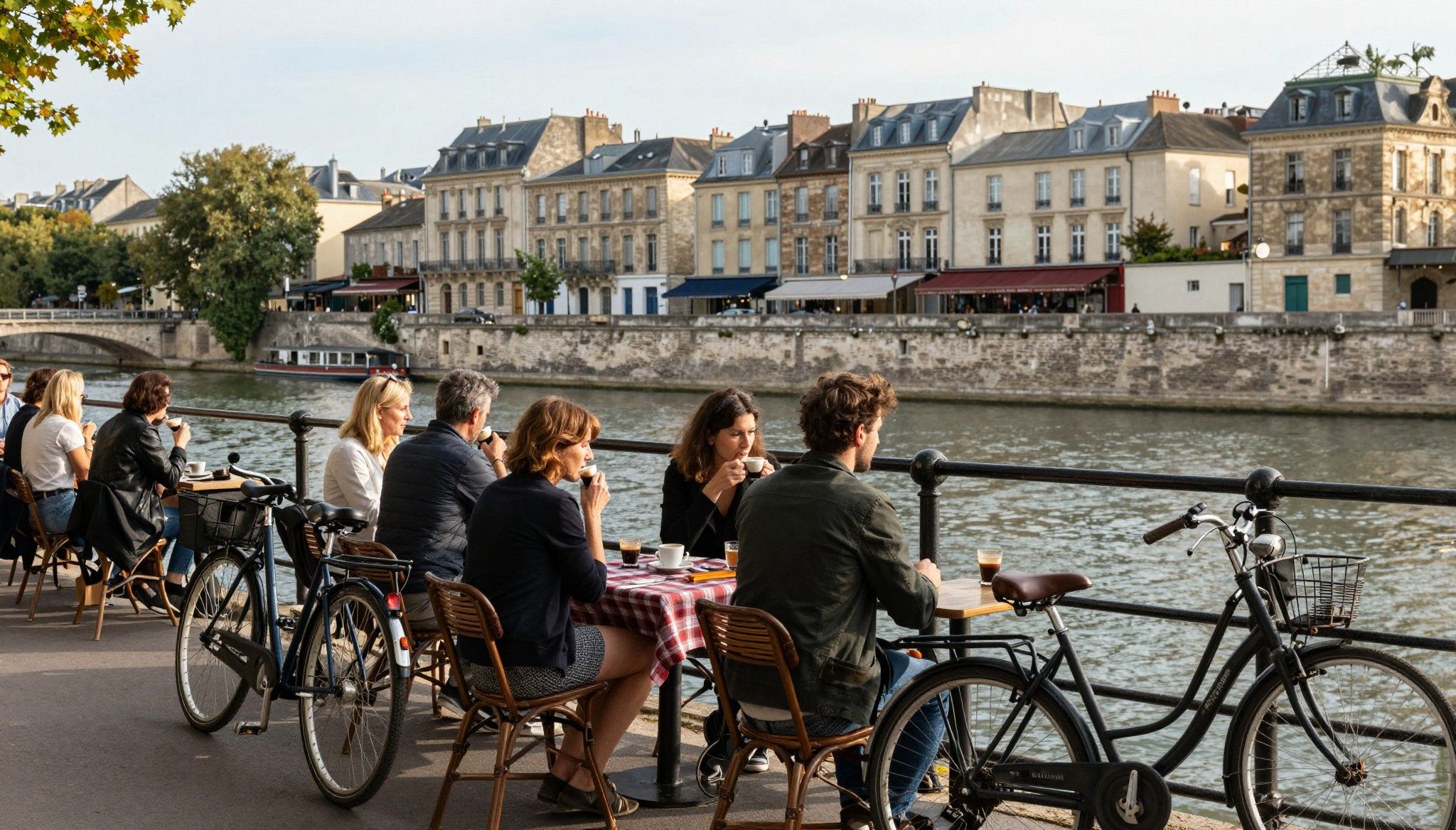
Close your eyes and picture a Saturday morning market on Rue Mouffetard, the river light on the Île Saint‑Louis, or a sun-salted terrace in Cassis. France lives in a thousand small rituals: café cadence, market bargaining, and the ritual of the long lunch. That lived intimacy is what brings people across borders — not spreadsheets. Yet many international buyers stop at one headline: "France is expensive." That headline is true in places (we're looking at you, central Paris) and misleading in others. Here’s a contrarian, practical take: the cost label hides regional variety, tax nuances, and buy‑smart opportunities you can actually use.
Living the France life — more than the price tag
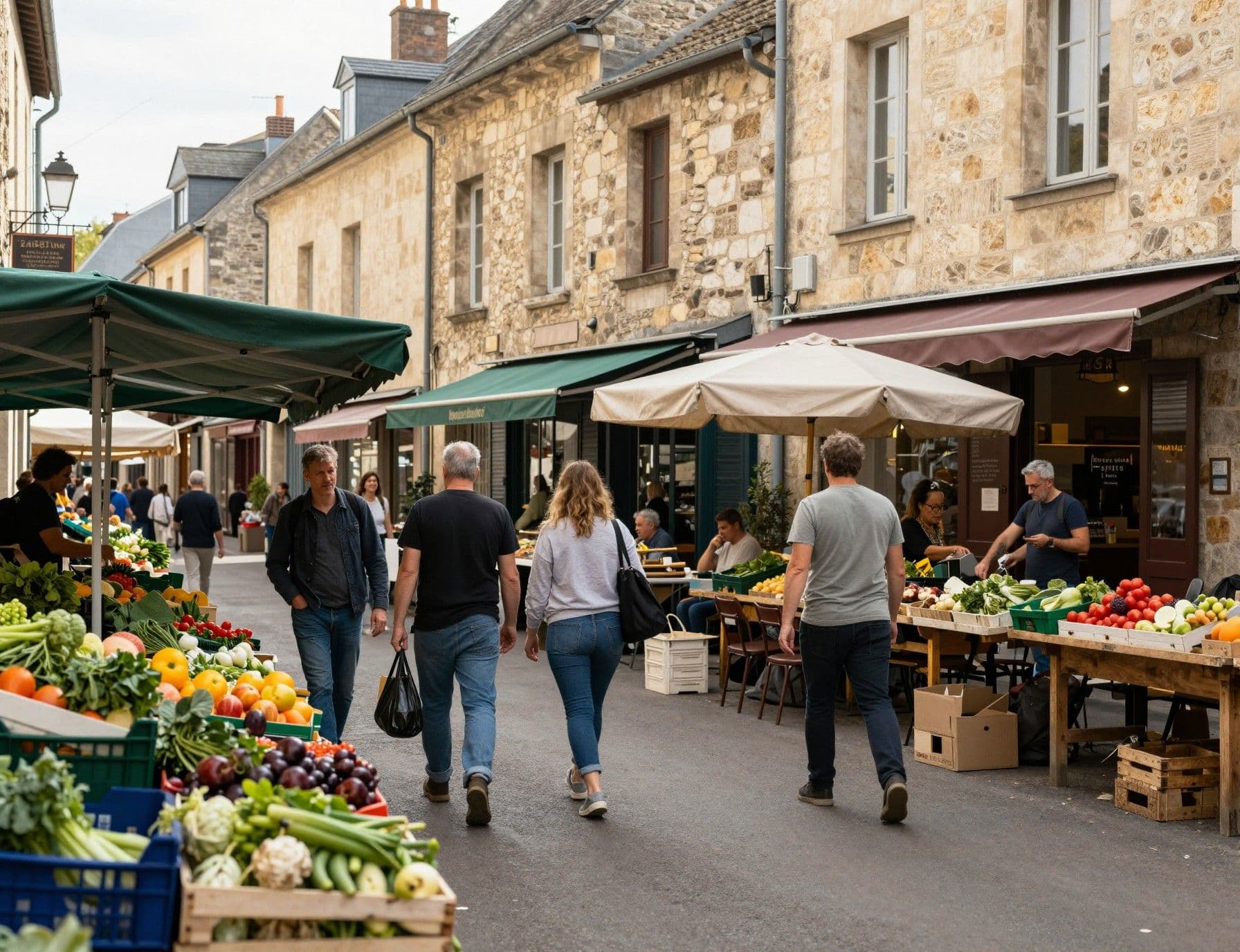
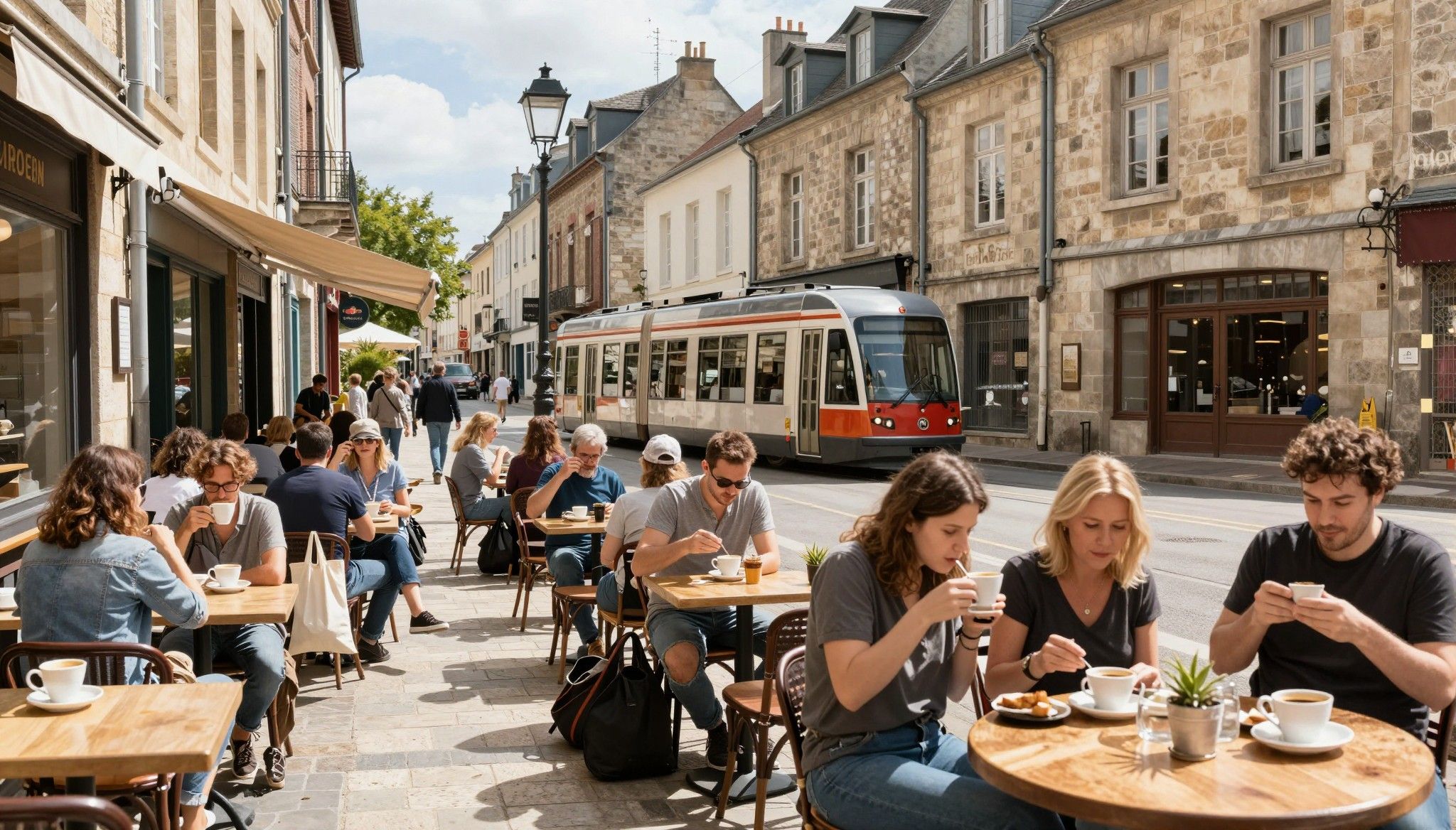
France feels like a series of neighbourhood scenes strung together. In Lyon you’ll hear traffic hum beneath bouchon chatter; on the Côte d’Azur the days bend toward the sea; in Brittany, early mornings smell of bread and salt. What buyers pay for — and what they rarely price correctly — is the everyday: a market on Tuesday, a boulangerie that knows your order, a reliable neighbourhood pharmacy. These daily textures should shape where you hunt, not headline average prices alone.
Spotlight: Hidden-value neighbourhoods that feel like France
Look beyond Paris's core to places where lifestyle and value meet. In Nantes, the Île de Nantes has design-led regeneration and riverside living without Paris prices. Montpellier’s Antigone offers broad boulevards and Provençal light at a fraction of Côte d’Azur cost. Even within Paris, streets like rue de Charonne (XIe) or parts of the 20th have community life and better value than the arrondissements that dominate travel guides. These are the pockets where life and long-term price resilience align.
Food, markets and the weekly rhythm — why this matters for property
When you buy in France you’re buying into a weekly rhythm: market mornings, aperitif evenings, school routes, and seasonal festivals. That rhythm determines what kind of property works for you. A third-floor Haussmann flat without an elevator feels romantic until you have groceries and a toddler. A small village house may mean morning markets and a slower pace, but also dependence on a car. The right property supports how you want to live, not just where you want to be seen.
Market‑life highlights: • Marché d’Aligre (Paris) for everyday shopping and neighbourhood feel • Cours Julien (Marseille) for independent cafés and creative culture • Place du Palais (Aix‑en‑Provence) forProvencal markets and terraces • Port-Miou (Cassis) for morning swims and seaside terraces • Place Graslin (Nantes) for riverside promenades and restaurants
Making the move: practical rules the lifestyle guides miss
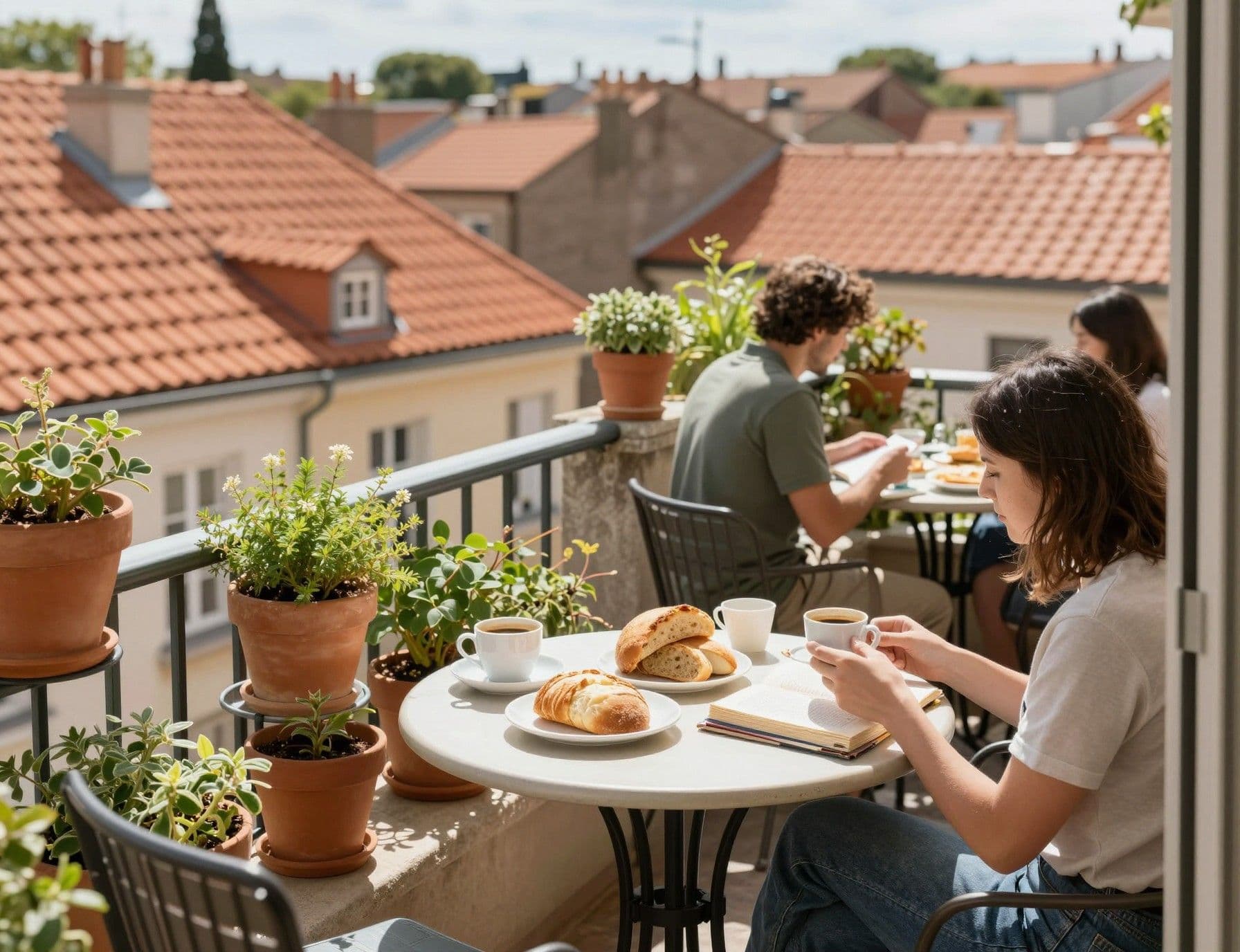
Lifestyle matters — but so do the rules that follow a purchase. Local taxes, notary fees and transfer duties can add 7–10% (for resale properties) to your acquisition cost, depending on the département. Property tax (taxe foncière) and charges for second homes vary locally and arrive every year; those recurring numbers change how quickly a buy‑to‑let or second‑home purchase pays off. Before you fall for a terrace view, check the recent tax notices and communal rates.
Property styles and what they mean for daily life
From stone village houses to modern Bordeaux apartments, each type carries trade‑offs. Older stone homes offer character and thermal mass but may need roof and insulation work; apartments often include syndic charges that cover maintenance but can be unpredictable. New builds (VEFA) have lower initial taxes but different financing and warranty regimes. Match the property’s physical realities to the lifestyle you want — if you love gardening, a courtyard house beats a high-floor studio every time.
Working with local experts who actually know those daily details
Steps to use local expertise effectively: 1. Hire a notaire early to get precise transfer‑tax and charge numbers for the property and commune. 2. Ask an English‑speaking fiscal adviser about wealth tax exposure and rental VAT rules if you plan to let. 3. Request recent syndic minutes and maintenance histories for apartments — these reveal near‑term costs. 4. Walk the neighbourhood on different days and times with your agent to sense real life, not just staged visits.
Insider knowledge — what expats wish they’d known
Expat experience often comes down to three surprises: timing, paperwork patience, and seasonal reality. Transactions in France take longer than in many Anglo systems — expect two to three months for clean sales, longer if mortgage or succession issues appear. Seasonal life is real: coastal towns swell in July and empty in November; services and transport rhythms shift. Those patterns affect rental potential and everyday happiness more than a marginally lower price per square metre.
Cultural integration: language, services and local rules
French bureaucracy rewards patience. Learning basic French wins you smoother connections with mairie offices, notaires and neighbours. For schools, registrations happen at mairie and require proof of address — start early. Social life grows around small commitments: regular markets, the local boulangerie, volunteering at a fête. These micro‑habits matter: they determine whether you feel at home in three months or three years.
Long‑term lifestyle and legal realities to plan for
Long‑term considerations: • Annual property taxes and municipal decisions can change local costs quickly. • Planned valuation reforms (national updates to rental values) may affect taxe foncière in coming years. • Estate and inheritance laws in France can differ from your home country; a local notaire can recommend ownership structures (SCI, tontine) to suit family plans. • Renovation standards and permissions vary by commune; always check local urban plans before buying.
Conclusion: Buy the life, but price the life. France’s reputation for high prices is only part of the story — the real value lies in neighbourhood rhythms, seasonal architecture, and municipal detail. Use local experts to translate lifestyle into numbers: notaire for taxes, syndic minutes for apartment costs, and a neighbourhood‑savvy agent who knows market ebbs. Walk the streets you want to live in, taste the markets, and then run the sums. When you do both — fall in love and count the costs — you’ll find opportunities the headlines miss.
Norwegian market analyst who serves Nordic buyers with transparent pricing and risk assessment. Specializes in residency rules and tax implications.