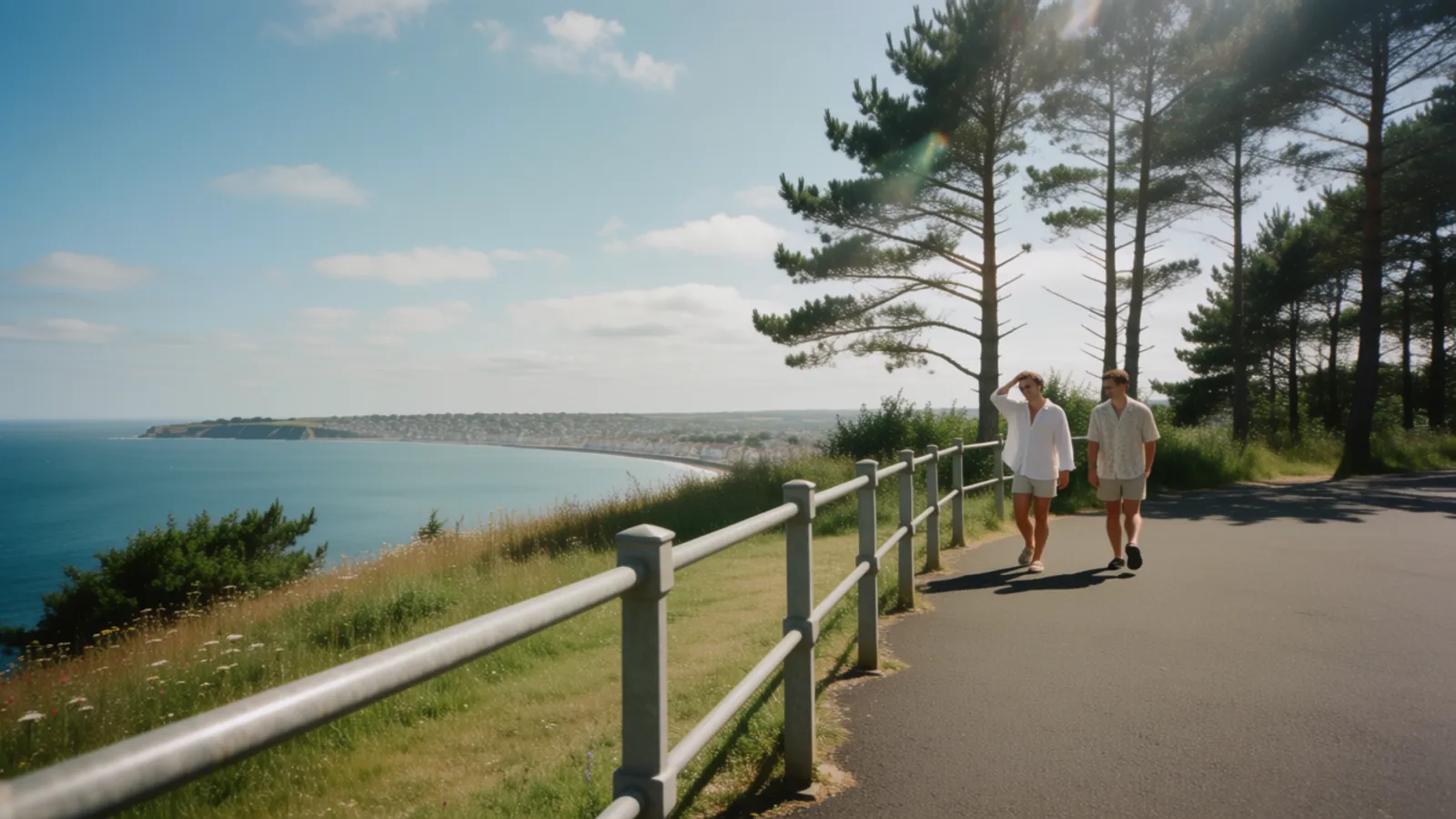

What the Costa del Sol and Costa Blanca markets look like now

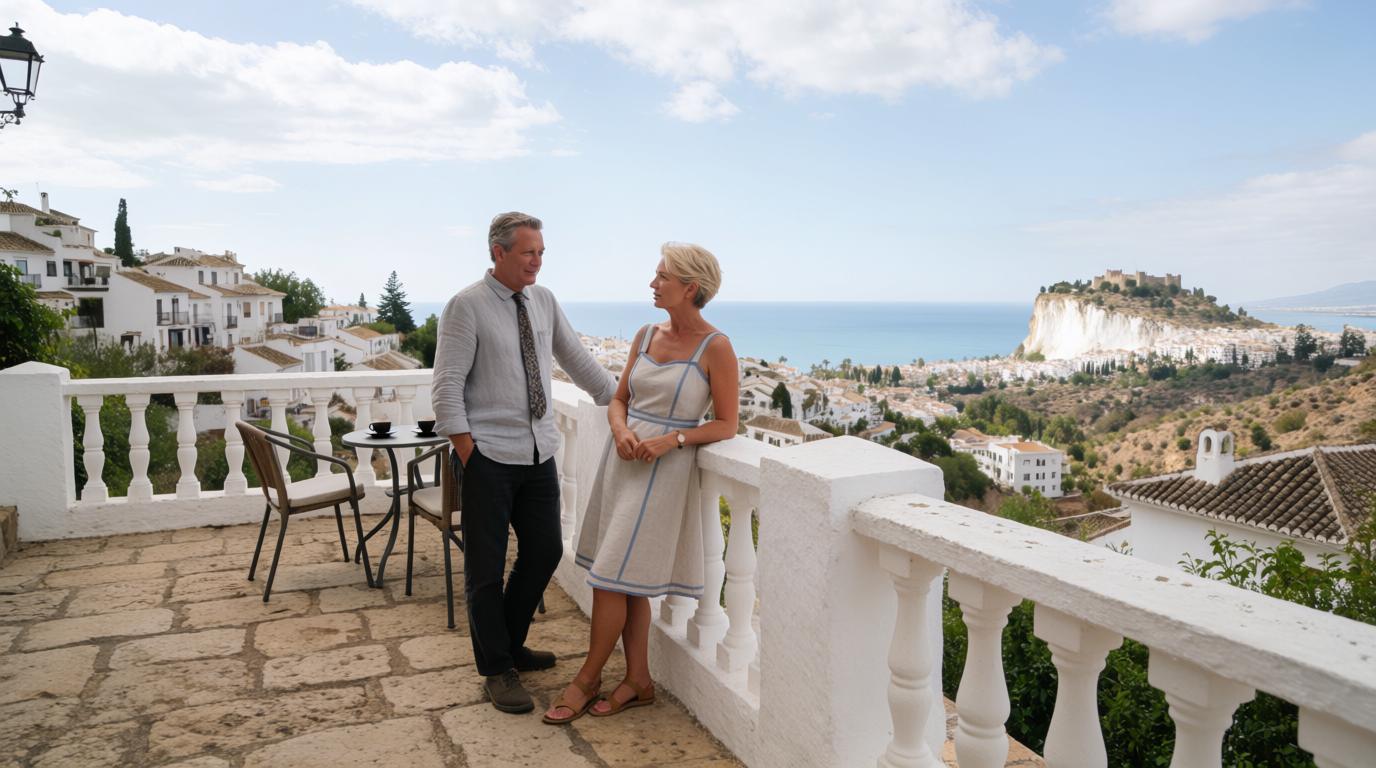
We get asked the same question in every season, but it lands differently in July. People who have just spent a week on the Costa del Sol or the Costa Blanca, sun on their shoulders, want to know what is actually happening in the market before they let themselves imagine a life there. Not the headline noise, just the shape of things.
So here is what we are seeing this summer, coast by coast, with the caveats we think are honest to include.
Prices are still rising, but not at the same pace everywhere
The broad direction on both coasts remains upward. Tinsa's regional price index, which tracks the Mediterranean coast as one of its reference zones, has continued to show gains through the last two years, though the pace has settled compared with the sharper increases of 2022 and 2023. That slower climb is the more useful story for a buyer than any single average figure, because averages flatten two very different coasts into one number.
On the Costa del Sol, the towns closest to Marbella and the stretch running through Estepona and Benahavís have kept demand well ahead of what gets built, which keeps upward pressure on both new-build and resale prices. Further along, towns like Nerja and inland pockets around Coín and Alhaurín el Grande move more gently, shaped by local supply as much as by outside interest. The Costa Blanca tells a similar two-speed story: the stretch from Altea north to Jávea and Dénia has firmed up noticeably, while the flatter southern belt around Torrevieja and the Vega Baja has grown more slowly and stayed comparatively affordable.
Who is buying, and where
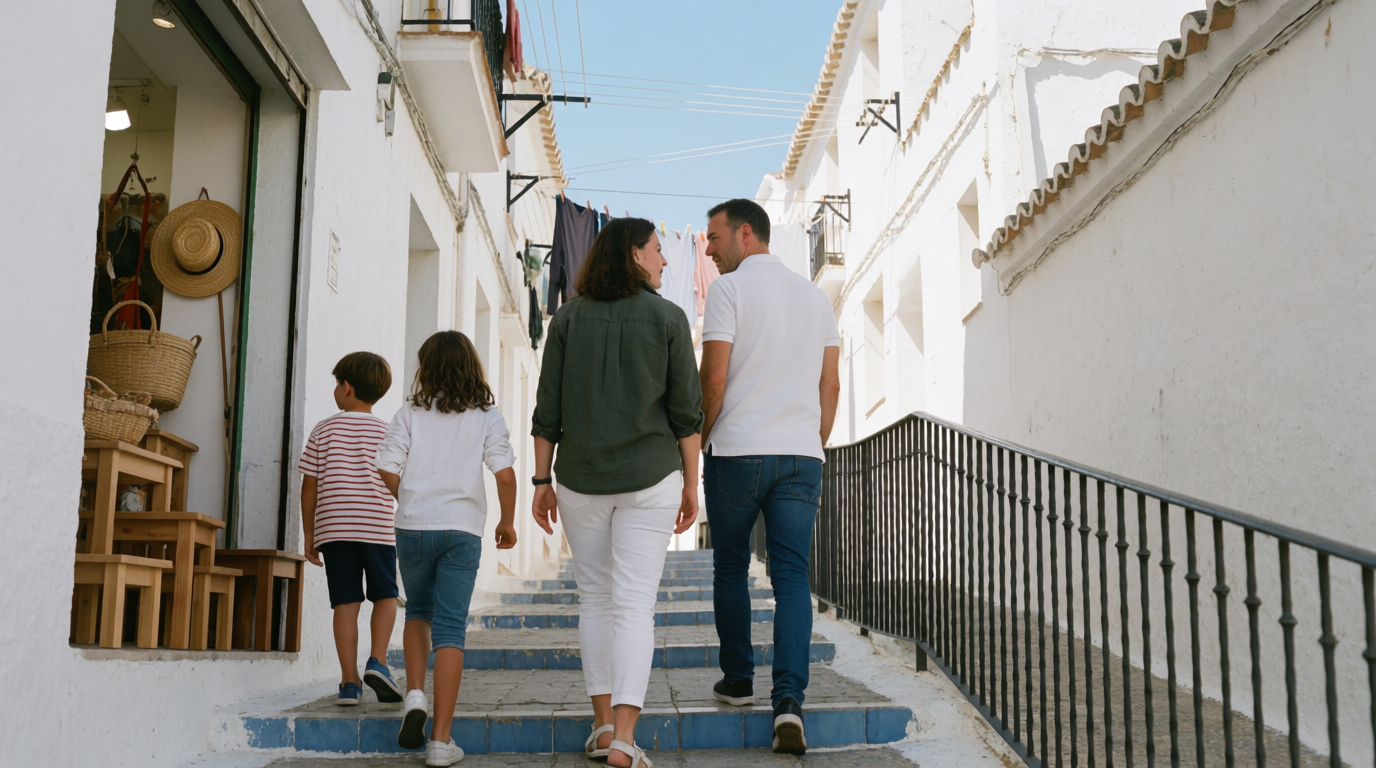
British buyers remain the largest non-Spanish group on both coasts by most counts, a position they have held for decades even through the adjustments that followed Brexit. Behind them, the mix has widened rather than narrowed. We are talking to more buyers from Belgium, the Netherlands, Germany and the Nordic countries than we were a few years ago, along with a steady interest from Poland and, on the Costa del Sol especially, a growing number of enquiries from North America.
That broader mix matters for how each coast feels on the ground. The Costa Blanca has always drawn a heavily northern European, often retirement-led crowd to towns like Moraira and Calpe, while the Costa del Sol's international schools, direct flights and coworking culture pull in a younger, more mixed group who are working as much as they are retiring. Neither pattern is new this year, but both have deepened.
Two changes worth knowing about
Spain closed its residency-by-investment route, commonly known as the Golden Visa, in April 2025, which ended the option of gaining residency purely by buying property above a set threshold. It has not stopped anyone from buying; it has simply removed one motive that used to sit alongside the purchase for a small slice of non-EU buyers. If residency was ever part of your own plan, it is worth speaking to an immigration adviser early, since the routes that remain (retirement income, remote work, family ties) work quite differently.
The second is still unfolding rather than settled. In early 2025 the Spanish government floated a significant additional tax on property bought by non-EU, non-resident buyers, aimed at investment purchases rather than family homes. It has been debated in Madrid since, without becoming law in the form first announced. We would not plan around it either way; we would simply ask any adviser you work with for the current position before you commit to a purchase, since tax rules are one area where "probably" is not good enough.
The useful question is rarely "is now a good time", it is "do I understand what this specific coast, this specific season, actually costs to live in".
What is scarce, and what is not
New-build supply on the front line, especially anything walkable to a beach or an old town, remains genuinely tight on both coasts. Licensing has sped up in some town halls and stayed slow in others, so two developments ten minutes apart can be on completely different timelines. That unevenness is worth checking project by project rather than assuming a whole area moves at one pace.
Resale supply is a different picture. Plenty of well-kept apartments and villas from the 1990s and 2000s sit quietly on the market for longer than the headlines suggest, particularly a little inland from the coast road or in towns that do not have an airport nearby. If your search is flexible on exact location, that resale layer is where patience tends to pay off, because it is far less crowded than the beachfront new-build segment.
Infrastructure that is changing the map slowly

Málaga airport's ongoing terminal works and the well-established high-speed rail link to Madrid keep extending how far inland from the coast still counts as "close enough" for a weekend flat or a second home. On the Costa Blanca, Alicante-Elche airport has kept adding routes, which has nudged interest a little further south and inland than it used to sit, into parts of the Vega Baja that were once considered a stretch. None of this moves fast enough to change a decision this year, but it is worth knowing which way the wind is blowing over five or ten.
What this means if you are starting your search now
None of this points to urgency. It points to homework. Spend a proper season, not a week, in the towns you are drawn to before you narrow your list. Ask any adviser for the current, not the 2025, position on taxes affecting your nationality and residency status. Treat the gap between new-build scarcity and resale patience as useful information rather than a problem to solve quickly.
If you would like a second opinion on any of this, or an introduction to the local people we trust on either coast, we are glad to talk it through with you, no pressure attached and no clock running.