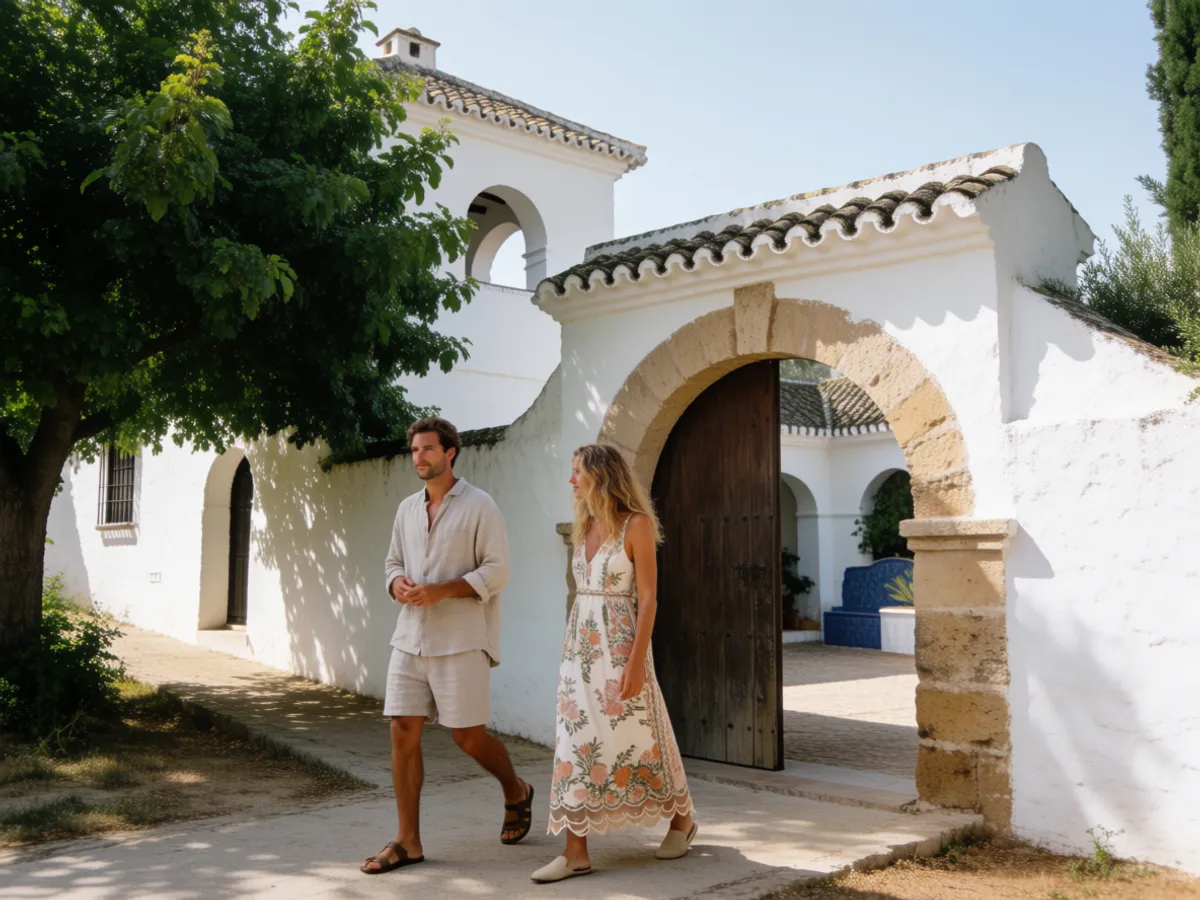
The shuttered afternoon: living by the horario partido

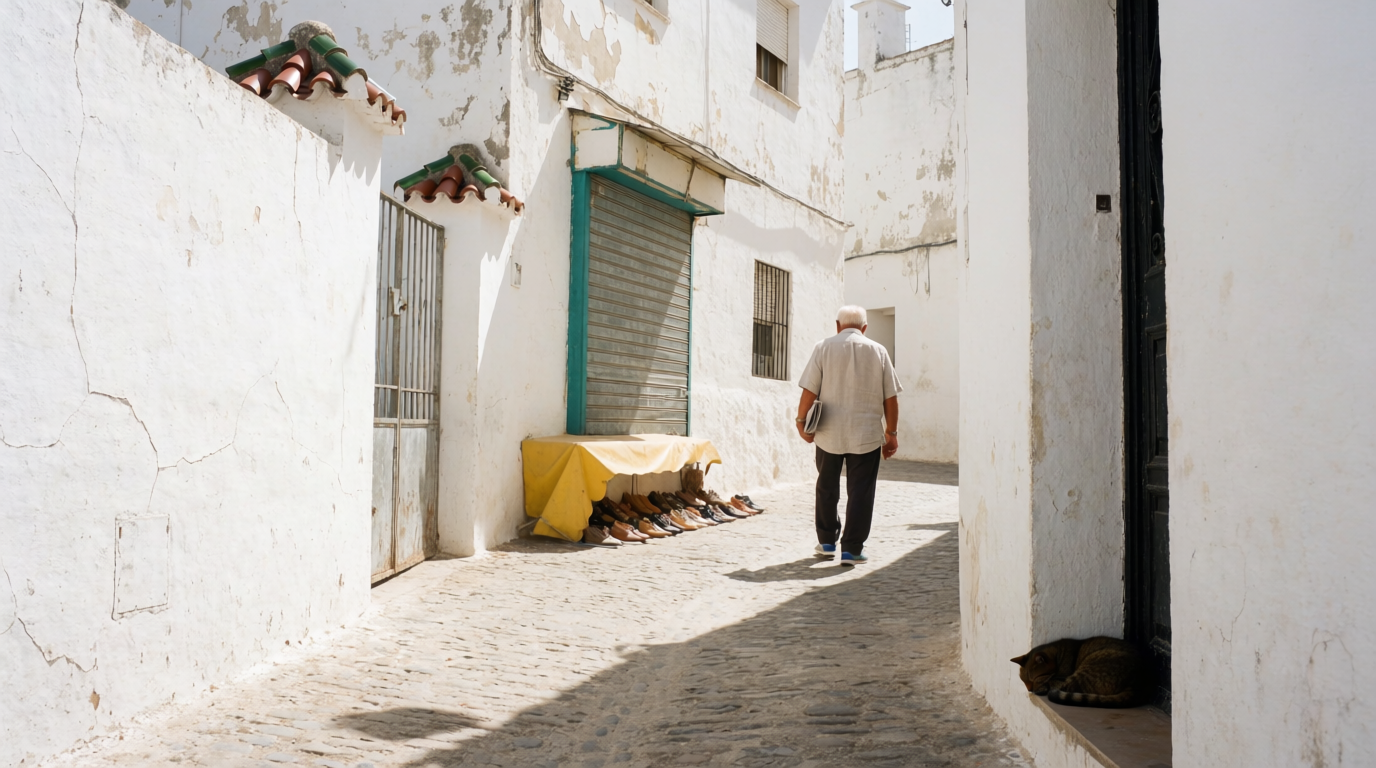
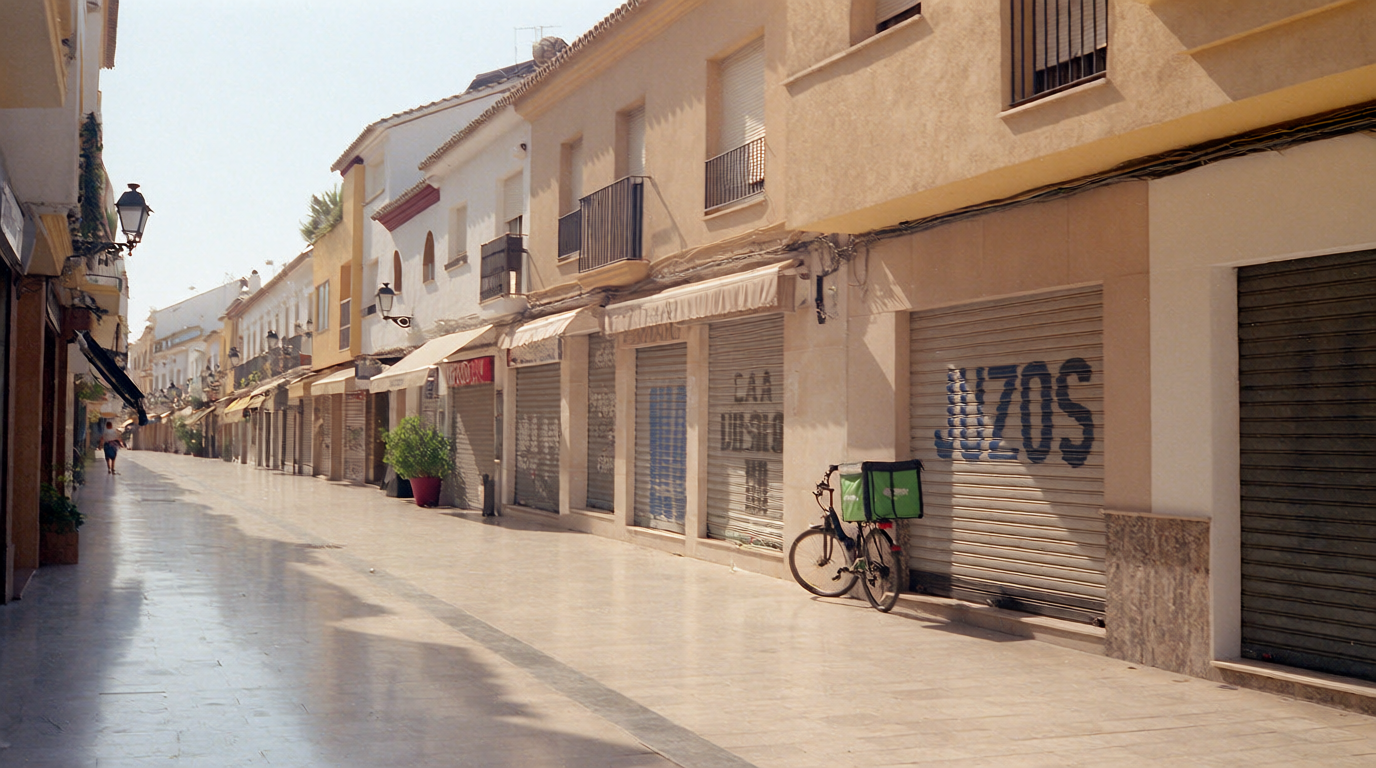
Somewhere around half past one, without any announcement, the coast changes shape. The baker pulls her shutter down halfway, then all the way. The man who sells hardware from a shop the size of a large cupboard turns his sign to CERRADO and disappears up the stairs behind it. By two, a street that was full of errands an hour earlier looks like it has been abandoned mid-sentence.
Newcomers often mistake this for something being wrong. It isn't. It is the horario partido, the split working day, and it still governs a great deal of small-town and old-town life on both the Costa del Sol and the Costa Blanca, whatever the supermarkets and the beachfront bars are doing with their longer hours. Understanding it, rather than fighting it, is one of the quieter skills of living here well.
We get asked about it constantly, usually by someone standing outside a locked pharmacy with a shopping list in hand, wondering if they have misjudged the whole country.
The hours nobody warns you about
The basic shape is simple enough once you have lived through it once. Many independent shops, small offices, and some council counters open from around nine or ten in the morning, close somewhere between one and two, and reopen from five until eight in the evening. Large supermarkets, chain pharmacies, and most beach-facing businesses have largely abandoned this pattern in favour of continuous hours, especially in summer. But walk two streets back from the seafront into the old town of Vélez-Málaga or the centre of Jávea, and the shutters still come down like clockwork.
What trips people up is not the closing itself but its timing against their own habits. You finish your morning coffee, decide to pop out for a new SIM card or a spare key cut, and arrive to find the shop dark at twenty past two, precisely when a British high street would still be in full swing.
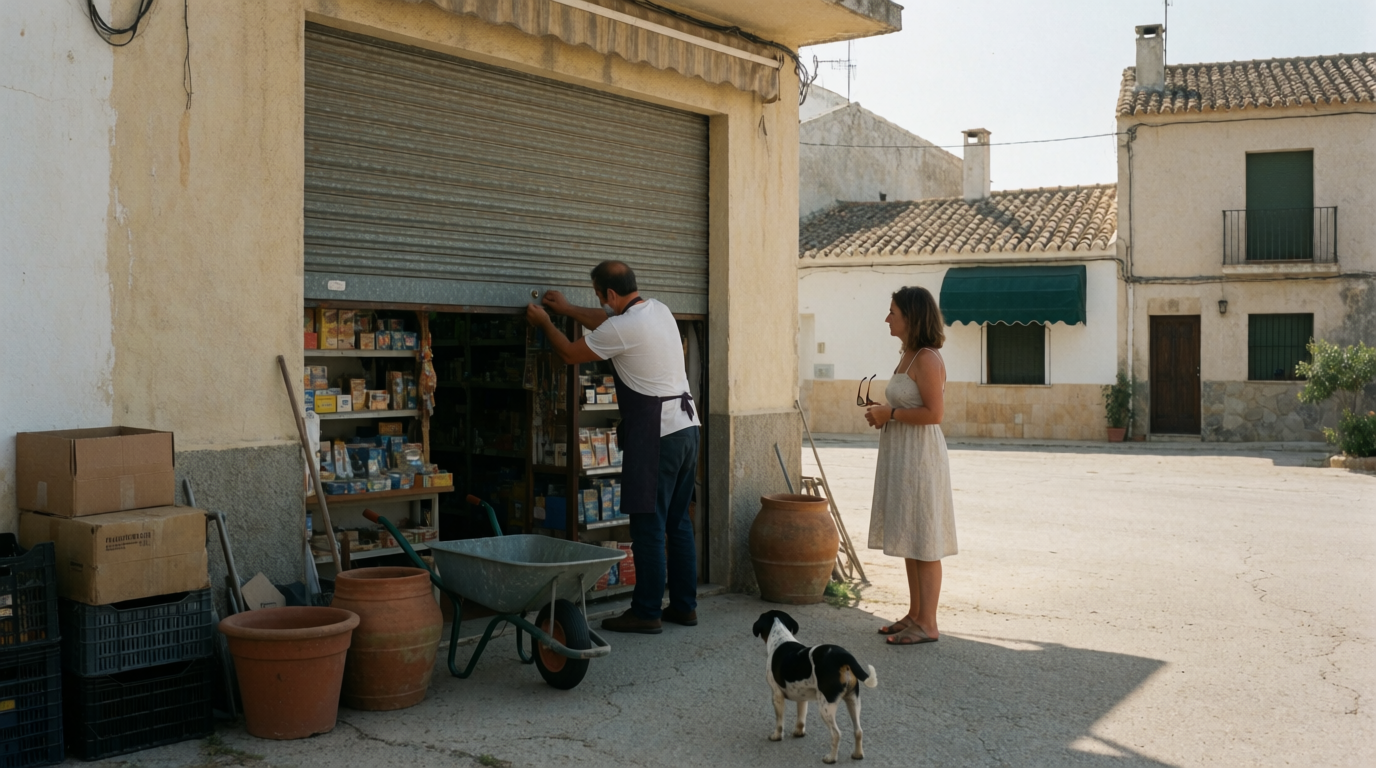
Why the shutters come down
The honest answer is heat, and habit built on heat long before air conditioning made the afternoon bearable. Inland towns on both coasts can sit well into the thirties by early afternoon in July and August, and a shopkeeper standing behind a counter with the door open gets the worst of it. Closing for a few hours and reopening in the cooler evening was, for a very long time, simply sensible.
It has also never purely been about work. The midday gap is when a lot of Spanish family life still happens: the main meal of the day, a visit to an elderly parent, a proper unhurried break rather than a sandwich eaten at a desk. Sobremesa, the lingering conversation after a meal, needs a gap in the day to exist in, and the horario partido is what protects it.
Supermarket chains and the big pharmacy groups have largely done away with the practice because continuous trading suits scale and staff rotas. A one-person ferretería or a family-run frutería has no such flexibility, and often no particular wish for it either.
Building a day around the gap
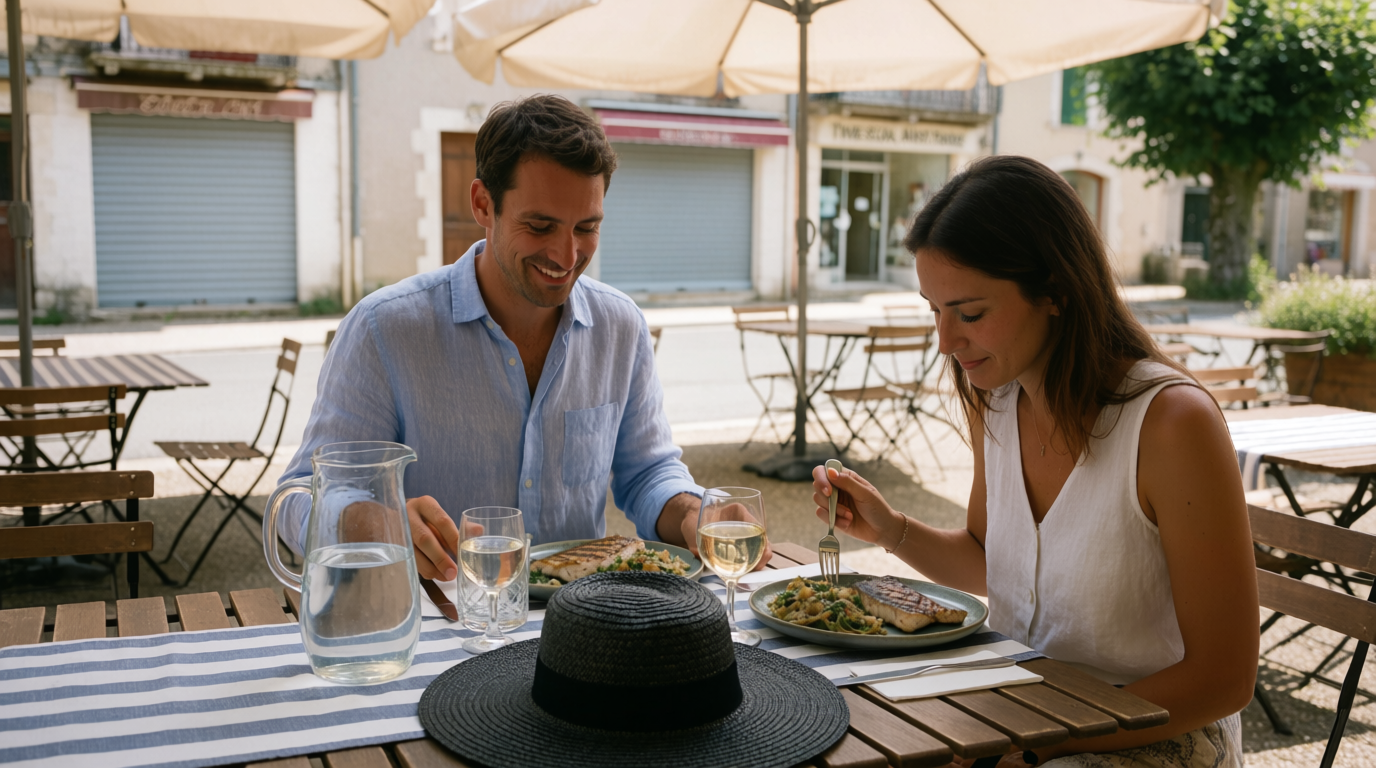
Once you stop treating the closed hours as an obstacle, they start to organise your day quite usefully. Errands that need a real shop, a locksmith, a small electrical repair, a chat with the man who reupholsters chairs, go in the morning, ideally before noon, when everyone is fresh and unhurried. The afternoon becomes something else entirely: a walk when the streets are nearly empty, a swim, a long lunch of your own, or simply doing nothing, which turns out to be harder to learn than it sounds.
Evening then becomes the second business day. Shops that felt closed for good at half two are wide awake again by six, often busier than the morning, because everyone else has rearranged their errands the same way you have. The paseo, that early evening walk through town before dinner, and the reopening of the shops tend to happen at almost exactly the same hour, which is not a coincidence.
The horario partido is not Spain being slow. It is Spain deciding, a long time ago, which hours belong to work and which belong to living, and holding the line.
Council offices and some administrative counters follow a version of the same logic but can be stricter about it, often opening only in the morning and not reopening at all in the afternoon. If you need the ayuntamiento or a notary, that particular window closes for the day, not just for a few hours, so it is worth checking a specific office's hours rather than assuming the shop pattern applies.
What it changes in you
The real shift happens somewhere in the first year of owning a home here, when you notice you have stopped resenting the gap and started planning around it without thinking. You stop trying to fit a British nine-to-five onto a town that was never built for one. Errands get sorted before midday out of habit rather than irritation, and the empty afternoon stops feeling like wasted time and starts feeling like the point.
It is a small thing, a few hours of shuttered streets, but it says something true about the difference between visiting a coast and living on it. Tourists rarely notice the horario partido because their days revolve around beaches and restaurants that never bothered adopting it. Owners notice it within the first fortnight, because it touches everything from buying bread to getting a key cut.
If you are weighing up which town might suit the way you actually want your days to run, that is exactly the kind of texture we like to talk through, well before any conversation about bricks and mortar. Get in touch with us at Ashworth & Drake, and we will happily share what we have learned about the daily rhythm of the towns we know best, on the Costa del Sol and the Costa Blanca alike.