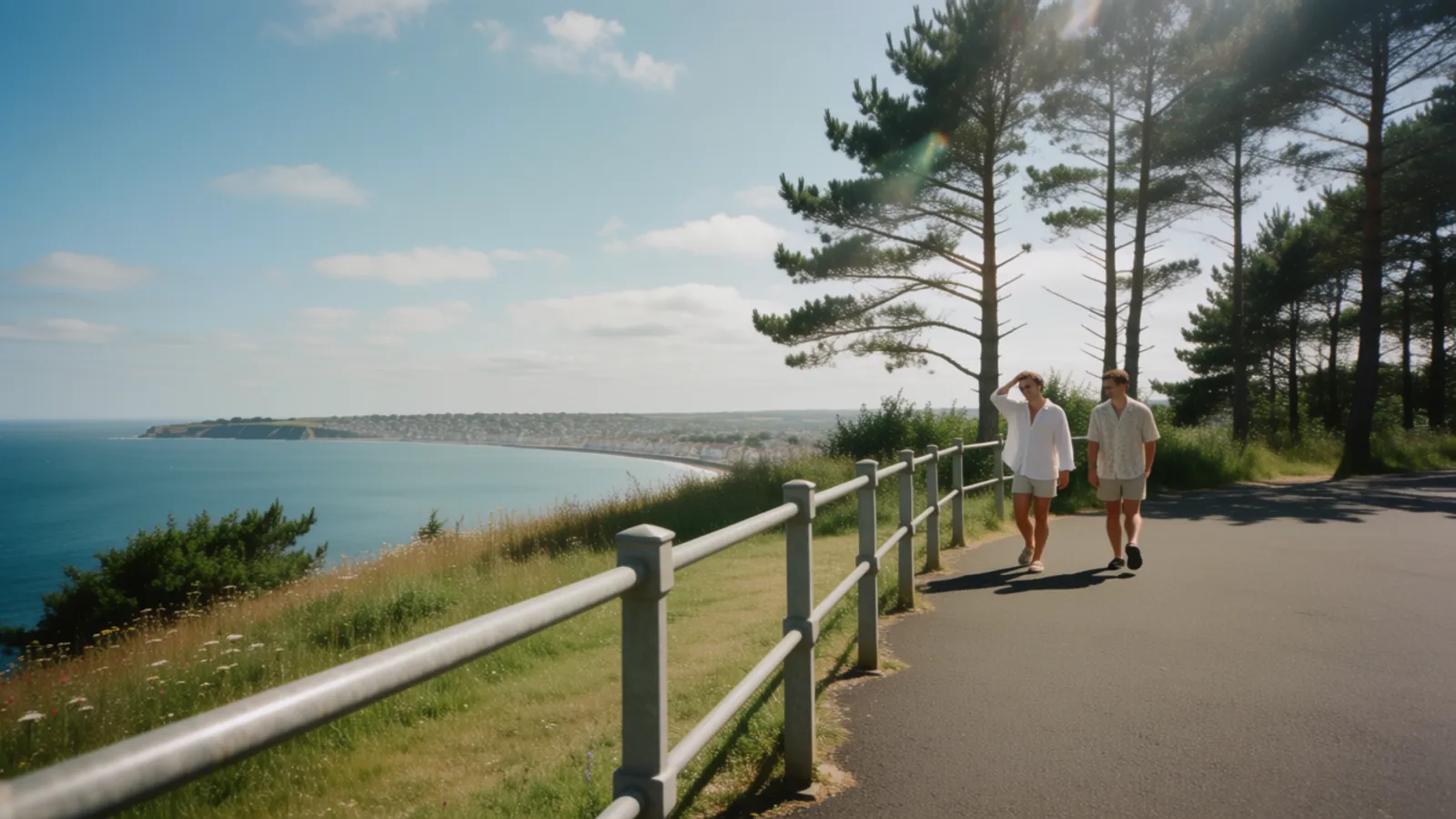

Learning to queue: the ayuntamiento and the art of Spanish patience

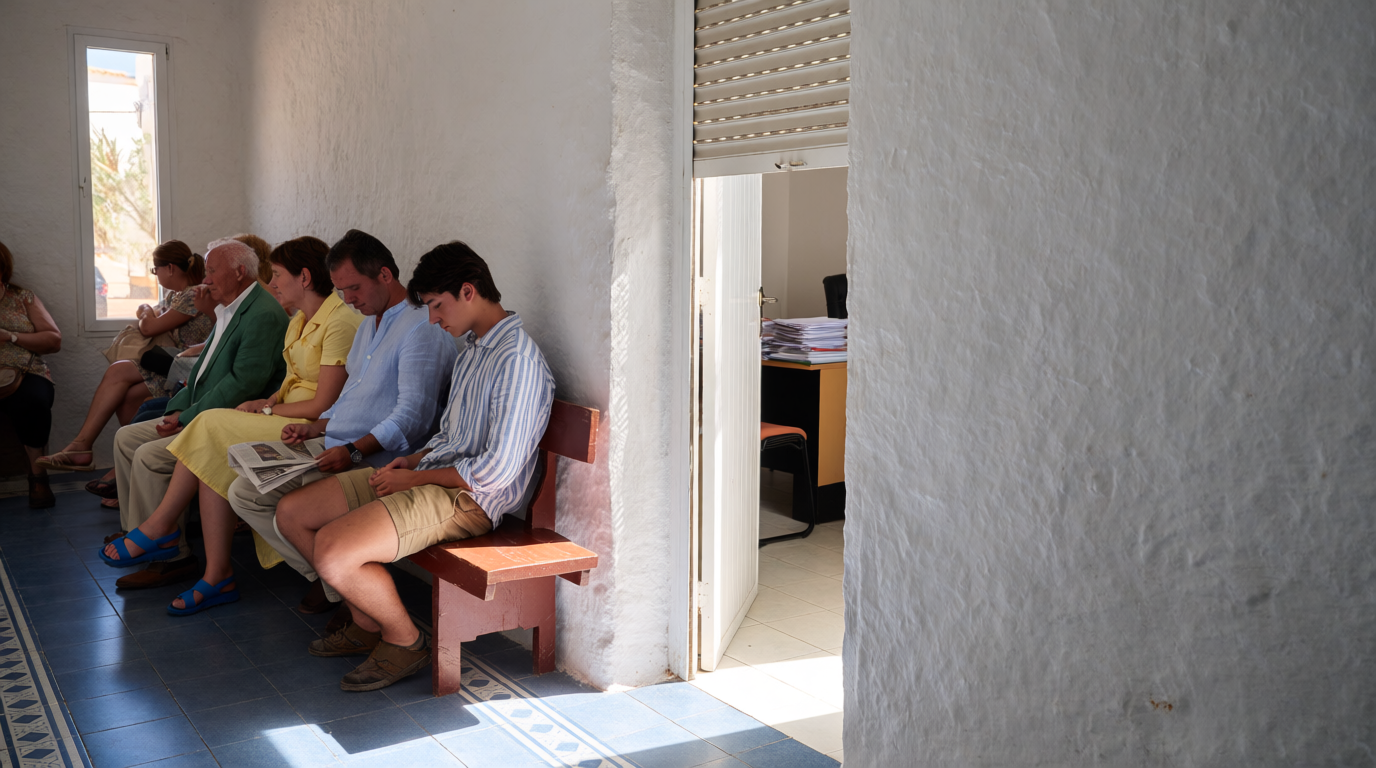
The first time you take a numbered ticket at the ayuntamiento, you understand something about Spain that no guidebook quite prepares you for. The machine hums, the little paper slip prints a number, and you sit down among strangers to wait. Nobody hurries. Nobody seems to mind.
This is one of the quieter thresholds of owning a home on the Costa del Sol or the Costa Blanca. You stop being a visitor who breezes through customs and hotel check-ins, and you become someone with a padrón to register, a NIE to renew, a rubbish collection schedule to understand. The town hall becomes, in its own unglamorous way, part of your life here.
We have sat in enough of these waiting rooms ourselves, in towns from Nerja to Xàbia, to know that the queue is not an obstacle to settling in. It is one of the ways you actually do it.
The numbered ticket and what it teaches
Most ayuntamientos now use the same system: a ticket machine by the door, a screen overhead calling numbers in sequence, chairs arranged along a corridor or in a modest waiting hall. You take your number, you sit, and you watch the room. It is a small piece of civic choreography that every resident, Spanish or foreign, submits to equally.
What it teaches, slowly, is a different relationship with time. There is no fast lane for someone who is busy, no premium queue. The retired couple ahead of you renewing an ID document gets the same unhurried attention as the young family registering a new address. Everybody's business matters exactly the same amount, which is a quietly democratic thing once you notice it.
We would gently suggest bringing a book, or simply practising the local skill of watching people watch other people. Sobremesa culture, the lingering at the table after a meal, has a cousin in the waiting room: nobody minds sitting a while longer than strictly necessary.
When the clerk switches to English, and when they don't
In the larger coastal towns, on the front line of tourism for decades, town hall staff often speak workable English, particularly for the padrón or tourist-related paperwork. In smaller inland pueblos, or at certain desks even in well-known coastal towns, you may find yourself relying entirely on Spanish, or on the patience of the clerk to slow down and repeat.
This is not unfriendliness. Spanish municipal staff tend to be matter-of-fact rather than warm on first meeting, then noticeably more helpful once they recognise a face. Turning up at the same office two or three times over a year, for different pieces of paperwork, tends to soften things considerably. You go from being a stranger with a folder of documents to being, simply, a neighbour they half remember.
A little preparation goes a long way. Knowing the Spanish term for what you need (certificado de empadronamiento, licencia de obra, and so on) before you arrive saves both of you time, even if your pronunciation is shaky.
The community meeting, in Spanish, for the first time
If your home sits within a comunidad de propietarios, an owners' community with shared gardens, a pool, or a lift, you will eventually be invited to a junta, the annual community meeting. For many foreign owners, this is the moment the queue at the ayuntamiento starts to feel like gentle training.
The first junta in Spanish can feel like being dropped into the deep end. Budgets are read aloud, disputes about the pool cleaning schedule are aired with real feeling, and votes are taken by show of hands on matters that suddenly feel important because they are yours too. It helps enormously to have read the agenda in advance, even with a dictionary open beside you, and to know that most administradores de fincas, the professional managers who run these meetings, are used to slowing down for owners who need it.
The paperwork does not stop being paperwork. But it stops feeling like a wall, and starts feeling like a language you are slowly learning to speak.
Patience as a kind of belonging
There is a version of coastal Spain sold to newcomers as endless café terraces and sea views, which is true as far as it goes. Less discussed is the quieter civic rhythm underneath it: queues, forms in triplicate, appointments that run late, offices that close for lunch at two and do not reopen.
We think this is worth naming plainly rather than glossing over, because the owners who settle in most happily tend to be the ones who make peace with this rhythm early. They stop treating the queue as friction to be eliminated and start treating it as simply how things are done here, the same way they made peace with dinner at ten and shops shut on Sunday afternoons.
There is even a kind of dignity in it. The town hall clerk who takes exactly as long as the task requires, no faster, is not being inefficient. They are treating the person in front of them, and the piece of paper in front of them, with proper attention. It is the same unhurried attention you find at a good local restaurant, just wearing a different uniform.
Getting comfortable with the process
A short list of habits we have seen serve new owners well:
- Bring photocopies of everything (passport, NIE, padrón certificate) even when not explicitly asked, because a clerk who needs one and finds you already holding it will remember you kindly.
- Learn the handful of Spanish terms specific to your paperwork before you go, rather than relying on translation apps in the moment.
- Expect a second visit. Spanish bureaucracy rarely resolves in one sitting, and treating that as normal rather than a failure removes most of the frustration.
None of this is a checklist to dread. It is simply the texture of ownership here, the part that sits quietly behind the terrace views and the long lunches, and it becomes, in time, oddly familiar.
If you are still at the stage of imagining what daily life on the Costa del Sol or Costa Blanca actually involves, beyond the photographs, we are always glad to talk it through. And when the time comes to navigate the paperwork itself, we can introduce you to the local professionals who do this well, and do it kindly.