Reading the wind: how levante and poniente shape a coastal day

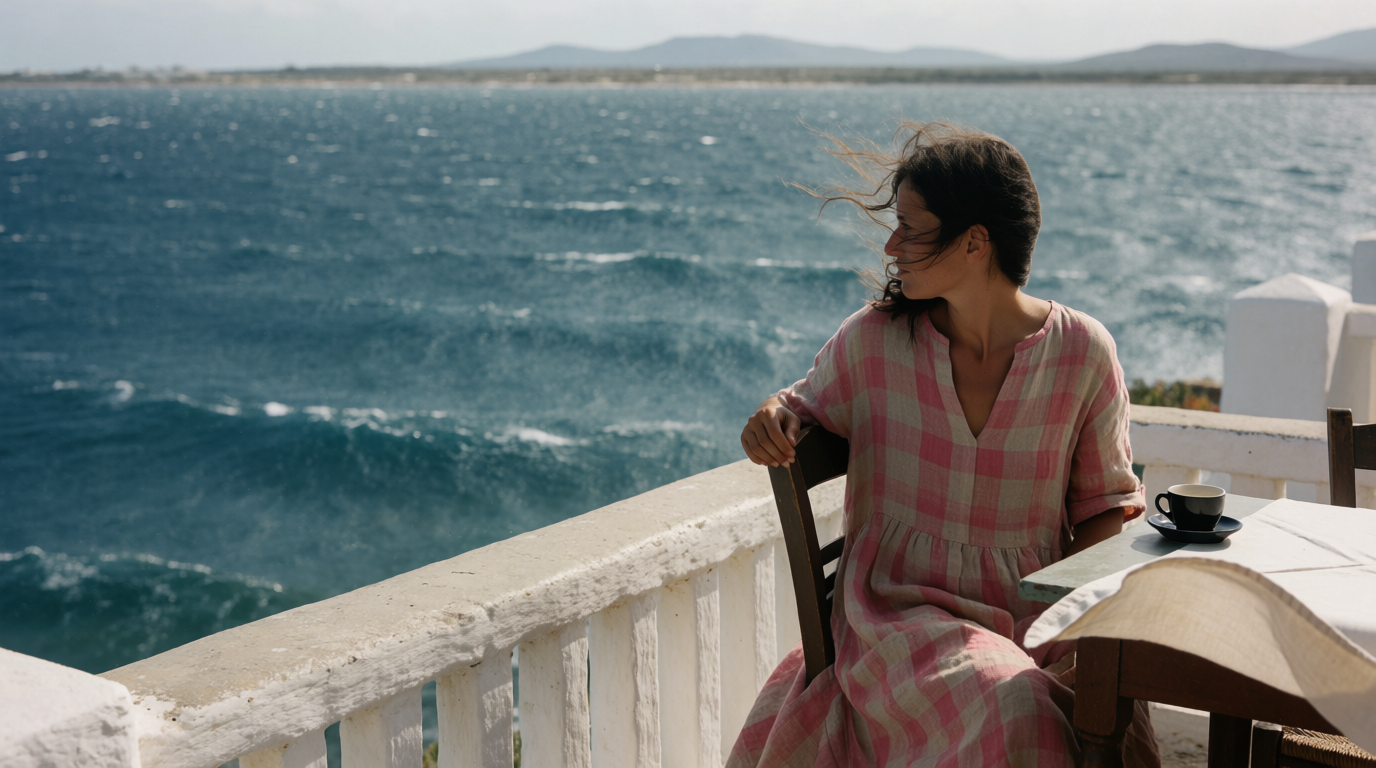
There is a particular sound the coast makes before you have even looked outside. A shutter ticking against its frame, a halyard slapping somewhere down at the port, the pines above a terrace suddenly finding their voice. Long before the forecast confirms it, anyone who has lived here a season or two already knows: the wind has turned.
We talk about sun on this coast until the word loses meaning, but ask anyone who actually lives here, from Manilva to Dénia, what really organises a day, and sooner or later they will mention the wind. Not as weather in the abstract sense, but as a character with two names, a temperament, and opinions about where you should be sitting for lunch.
It is not a nuisance to be endured until it passes. It is one of the coast's oldest rhythms, and learning to read it is part of learning to live here properly.
Levante and poniente, briefly
Around the Strait of Gibraltar, and up through the Costa del Sol, two winds do most of the talking. The levante blows from the east, funnelled through the Strait from the Mediterranean, and it arrives with a particular restlessness: it can rattle on for days, whip the sea into short choppy waves, and leave a faint haze over the hills. The poniente comes from the opposite direction, off the Atlantic, and tends to be gentler, clearer, the kind of wind that seems to polish the light rather than disturb it.
On the Costa Blanca the pattern shifts slightly, shaped more by the Mediterranean itself than the Strait, but the principle holds: a levante wind here too brings damper air and rougher seas, while a poniente or a mistral-like northerly clears everything to a hard, bright blue. Sailors around Dénia and Moraira watch the direction as closely as fishermen do further south, because it decides whether the marina is calm enough to leave.
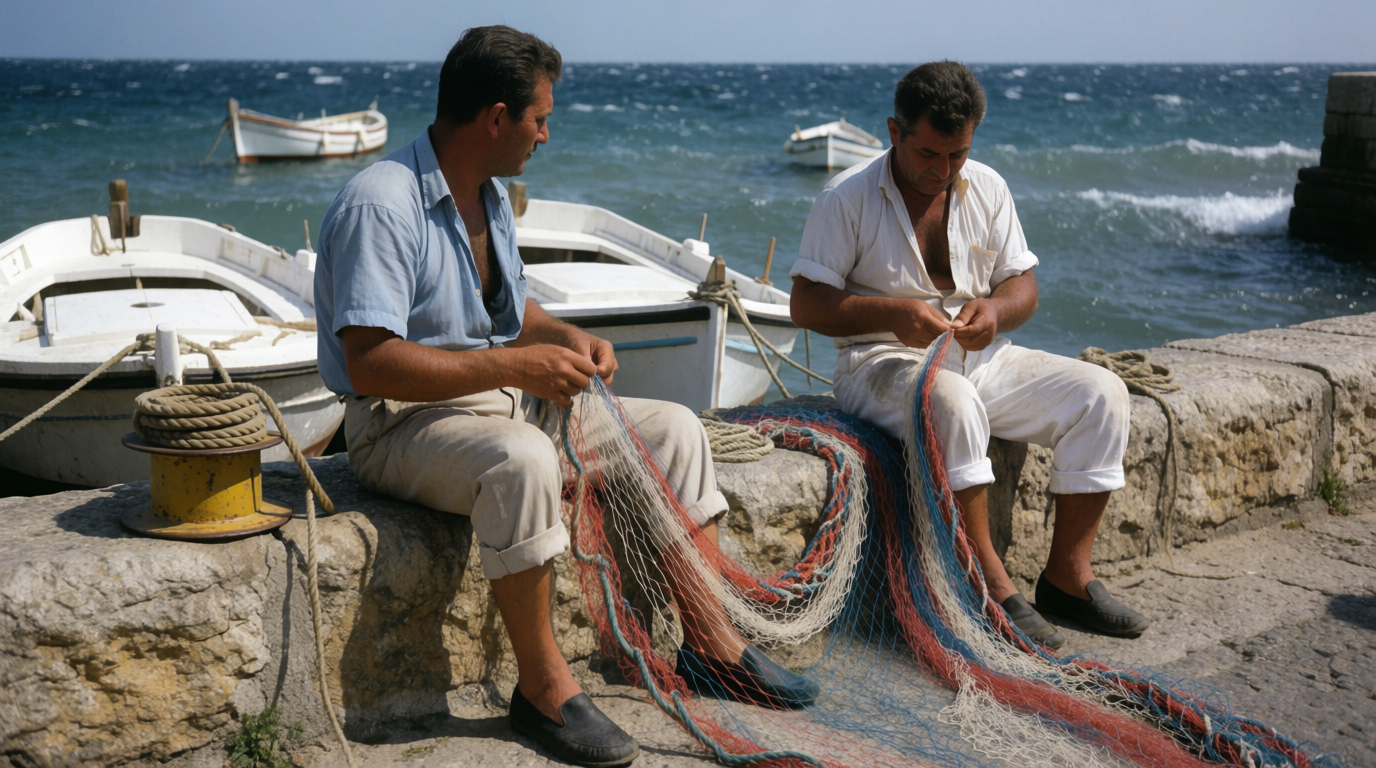
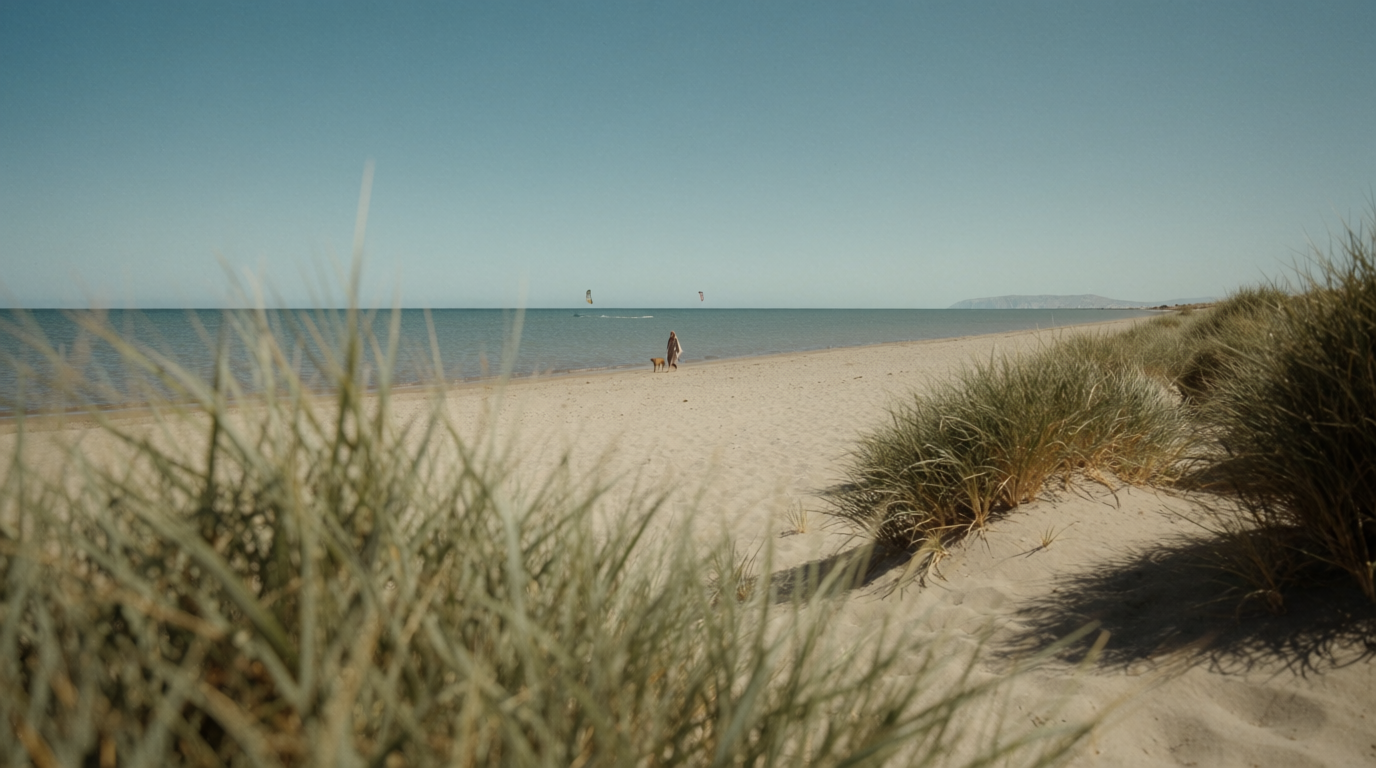
Tarifa, at the far end of the Costa del Sol, has built something of an identity around all this. It is one of the windiest points in Europe, which is precisely why the kitesurfers gather there and why the town's cafés have learned, generations ago, to angle their terraces accordingly.
What the flags on the beach are actually telling you
Every beach along this coast flies a flag, and most visitors read it only as a swimming instruction: green, yellow, red. Locals read it as a small daily briefing. A red flag on a levante day usually means more than rough water, it means the beach bars will be quieter, the paella will still come out but the tables outside might not, and the walk along the paseo marítimo will have a bit more grit in it than usual.
Ask a chiringuito owner in August which wind they would choose if they could, and most will say poniente without hesitation. It settles the sea, settles the sand, and settles the customers.
A poniente day, by contrast, tends to bring the coast's best version of itself: clear light reaching all the way to the horizon, calmer water, and a stillness in the evenings that makes the paseo hour feel unhurried rather than blustery.
Living with it, not around it
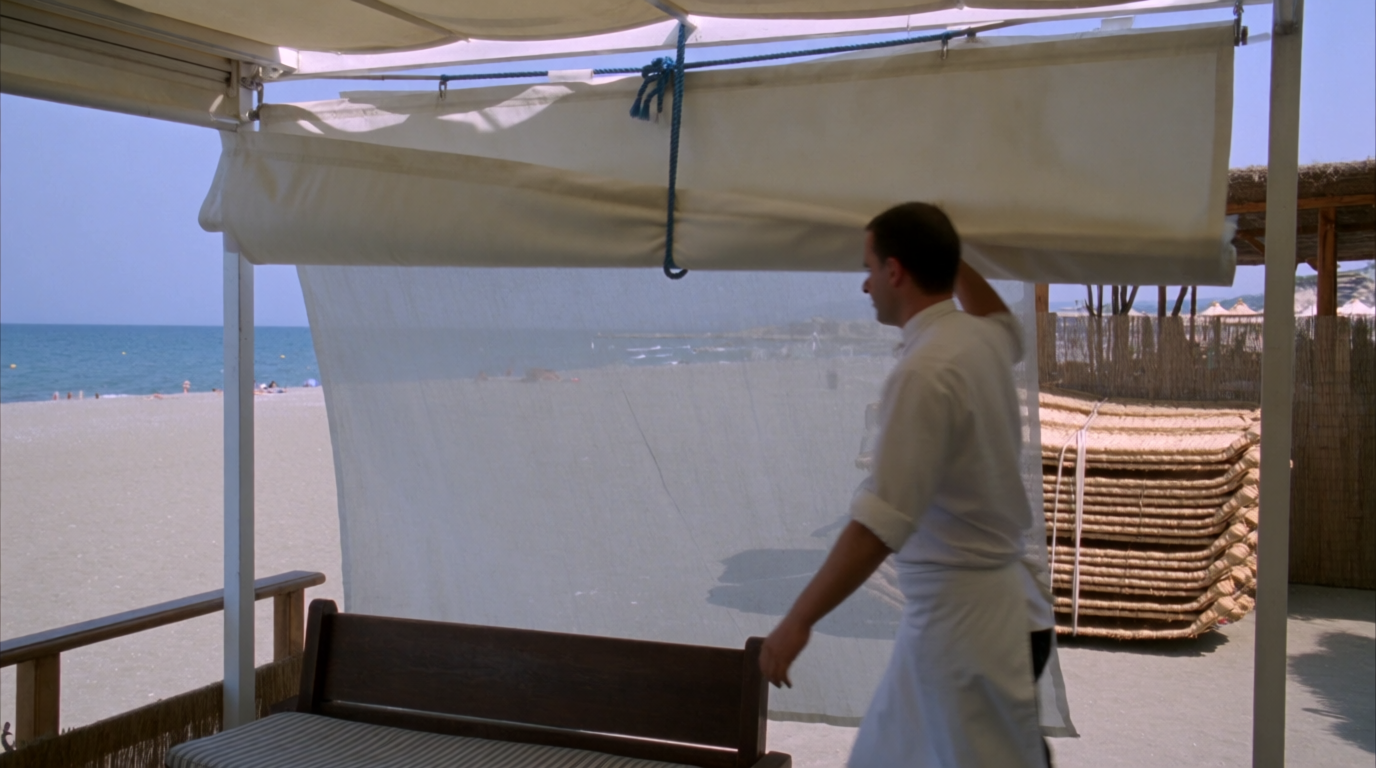
Owners who have been here a few years stop fighting the wind and start planning around it instead. Terraces on this coast are rarely built to face the sea alone, they are built to have a corner out of the wind for a levante day and a wide-open aspect for the poniente evenings when you want every bit of the breeze.
Communities with shared gardens often have an informal understanding about awnings and umbrellas on windy days, born less from any rule and more from the shared memory of a neighbour's parasol ending up in someone's pool. Estate agents rarely mention it, but ask at the ferretería in town which awning fabric holds up best to a proper levante, and you will get a genuinely useful, slightly opinionated answer.
Inland towns feel it differently again. Villages like Casares or Cómpeta, set back into the hills, are largely spared the worst of a coastal levante, which is part of why so many owners split their time between a coastal flat and a house with a view of the Sierra: two different relationships with the same wind, a short drive apart.
The wind as a kind of clock
Older residents along the Costa del Sol will sometimes tell you a levante that lasts three days tends to settle for good, an old bit of folk weather-reading that holds up more often than it should. Whether or not the pattern is exact, the habit of noticing it says something true about how this coast thinks about time. Days here are not just morning, afternoon and evening. They are levante days and poniente days, and each asks something slightly different of you.
It shapes small decisions more than people expect: whether lunch happens on the terrace or just inside the door, whether the boat goes out from Puerto Banús or stays tied up, whether the market stalls in Fuengirola put their awnings up or simply pack in a little tighter. None of it is dramatic. It is just the texture of an ordinary week on this coast, and it becomes, in time, something residents genuinely look forward to reading each morning, the way you might glance at the tide table somewhere else.
If you are still picturing this coast mainly through its sunniest photographs, the wind is worth knowing about early, not as a caution but as one more reason the light here has the character it does. We are always glad to talk through what daily life actually feels like in a particular town, wind included, and to put you in touch with the local people who know it best when you are ready to take a closer look.