Feria week, and why the noise is the point

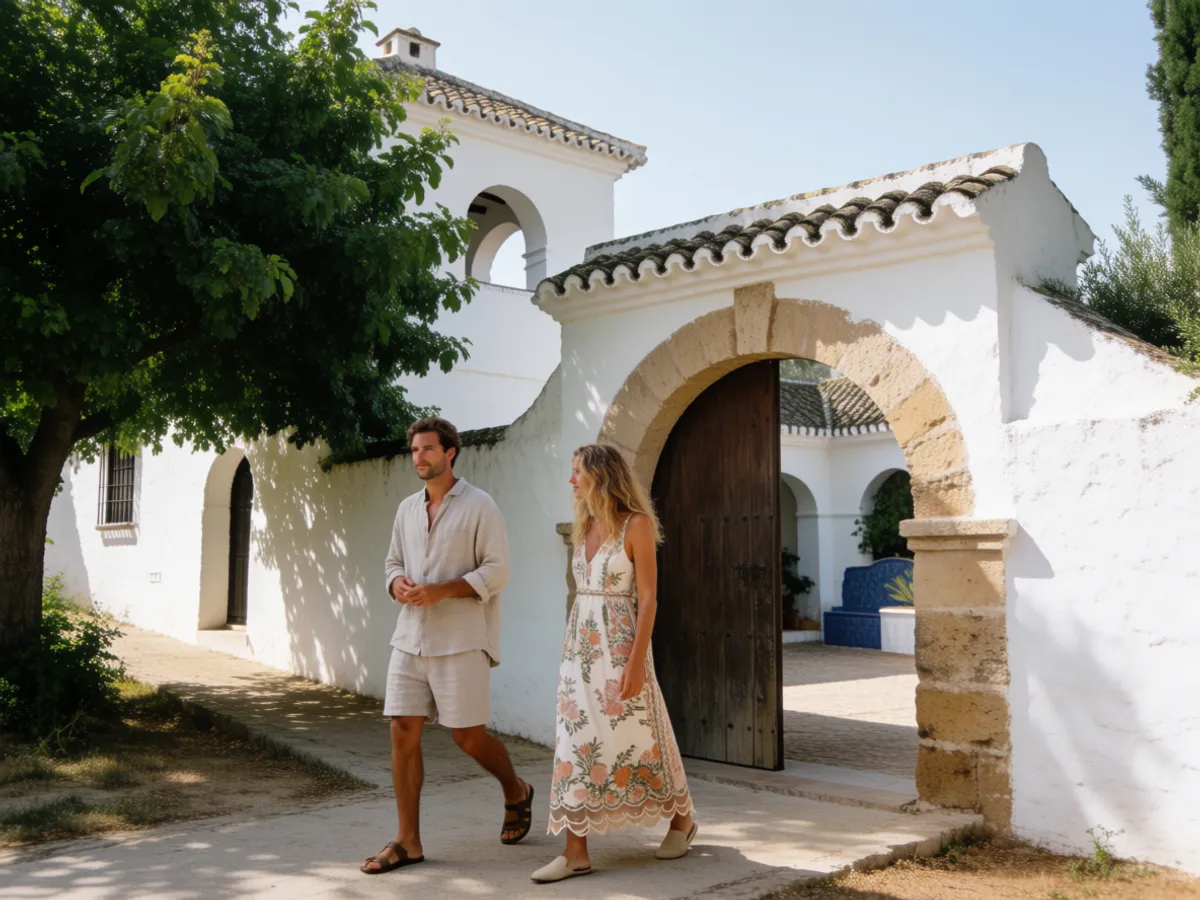
There is a week on this coast when the shutters that usually mean closed for lunch stay closed for something else entirely. The trumpets start somewhere near the fairground, a firework goes off in the middle of the afternoon for no obvious reason, and half the town seems to have somewhere to be that has nothing to do with work. This is feria, and if you own a home here, sooner or later it will happen on your doorstep.
We mention it not as a spectacle to watch from a safe distance but as one of the things worth understanding properly, because it tells you something about how this coast actually organises its year. Feria is not decoration laid on for visitors. It is the calendar's loudest and most sincere moment, and it belongs to the people who live here the other fifty one weeks too.
Each town has its own version, its own dates, its own particular flavour, and no two are quite the same. But the shape of the thing, once you have seen it once, starts to make sense everywhere else on the coast.
Málaga's August feria, and how it actually works
Málaga's feria in mid August is the one most newcomers hear about first, and it runs on a structure worth knowing before you arrive in the middle of it. There is a day feria and a night feria, and they are almost two different events wearing the same name.
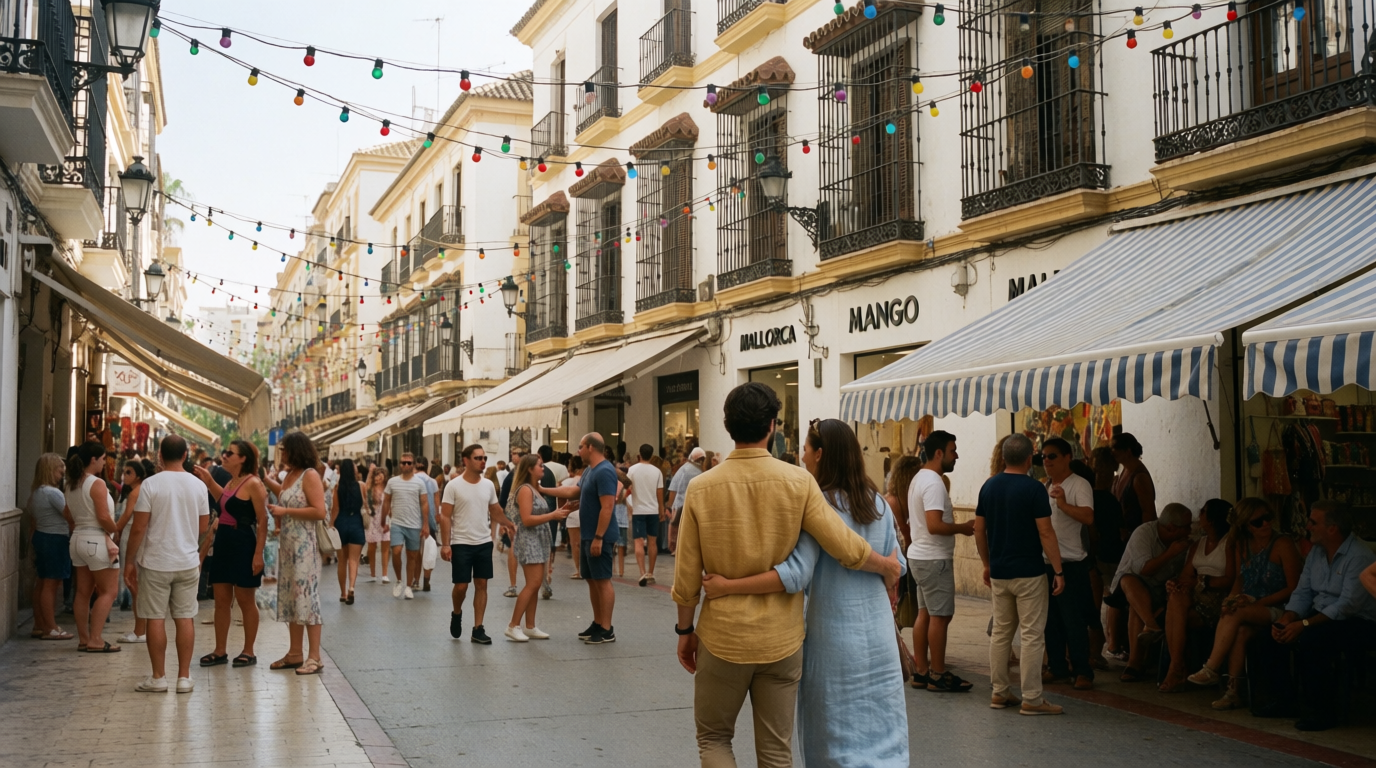
By day, the old town around Calle Larios fills with music and movement from late morning, women and children often in traditional dress, horses and carriages moving slowly through streets that are usually given over to traffic. It is loud, bright, and largely a street affair, open to anyone who wanders in. By night, the action shifts out to the Cortijo de Torres fairground, where casetas, the individual tents run by clubs, families and neighbourhood associations, serve food and drink and keep dancing going long past the hour most restaurants would have cleared their tables.
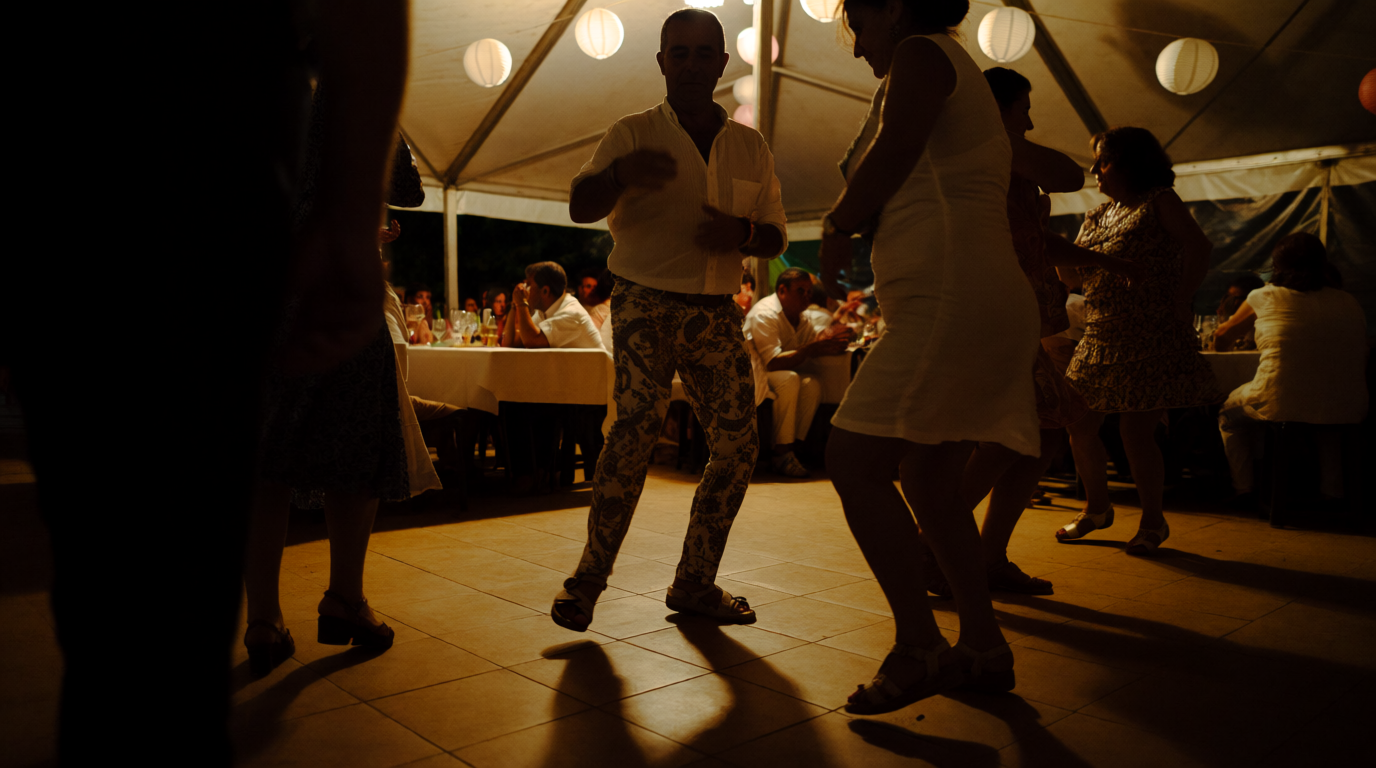
Getting into a caseta as an outsider is not always simple. Many are private, run by the same association year after year, membership passed down like a family recipe. But plenty are open to the public, and if a neighbour or the person who manages your building invites you along to theirs, it is worth saying yes without overthinking it. This is one of the few weeks when a foreigner with patchy Spanish and genuine goodwill is welcomed in without much fuss.
The Costa Blanca's own version, fire rather than flowers
The Costa Blanca does things differently, and its biggest fiestas lean towards fire rather than flowers. Alicante's Hogueras de San Juan, held around the summer solstice in June, fills the city with towering satirical sculptures called ninots that stand in squares for days before being burned in a single dramatic night, fireworks answering each other across the whole city until well past midnight.
Further along the coast, towns like Villajoyosa and Alcoy stage Moros y Cristianos, elaborate re-enactments of the historic contests between Moorish and Christian forces, with processions of costumes so detailed and so expensive that some families spend the better part of a year preparing them. These are not small parades. In Villajoyosa the fiesta runs for the better part of a week each summer, and the town's usual rhythm simply gives way to it.
If you own on the Costa Blanca, it is worth learning your town's particular fiesta dates the way you would learn the local market day. Streets close, parking disappears, and noise carries later than usual, and none of it is a nuisance so much as a fact of the calendar you are now part of.
What it is like to actually live through one
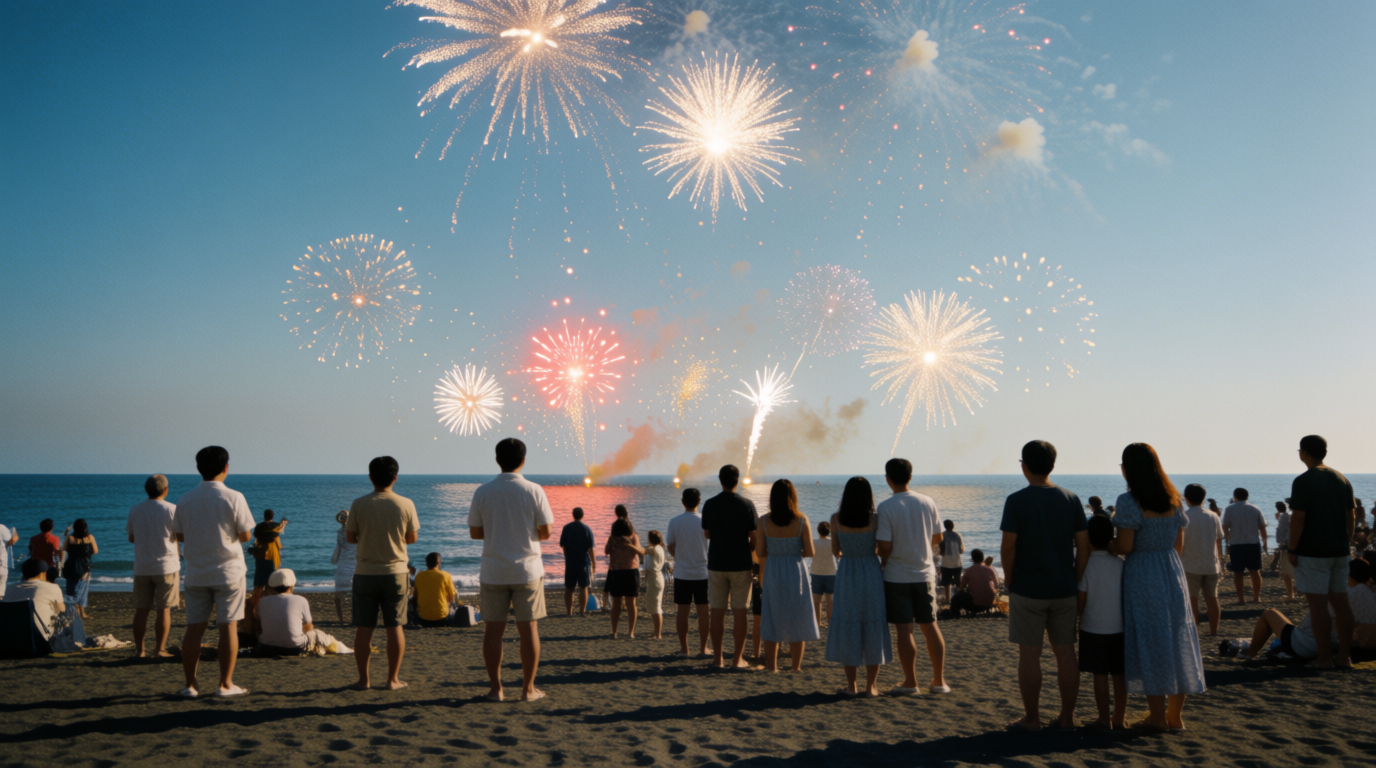
The first year, most owners are caught slightly off guard. A firework at three in the afternoon feels like an alarm rather than a celebration. The street below your terrace fills with a brass band rehearsing at an hour that would usually be siesta. Nothing about it is designed around your convenience, because it was never meant to be.
By the second or third year, something shifts. You start to recognise the particular tune the local band plays every feria, or you know which corner the fireworks will be best seen from, and you find yourself looking forward to the disruption rather than resenting it. It becomes less like an event happening near you and more like a season you belong to.
The week you stop minding the noise is usually the week you have actually settled in.
A few practical notes are worth keeping in mind if a fiesta falls near your stay. Restaurants often shorten their hours or close entirely for a day or two around the peak of the celebrations, so it is worth checking ahead rather than assuming a normal evening. Parking in the old town all but disappears for the duration, and it is far easier to walk in than to try to drive anywhere near the centre. And if you are hosting guests who are not used to the volume, warning them in advance saves a good deal of confused texting at midnight.
Why it is worth joining rather than enduring
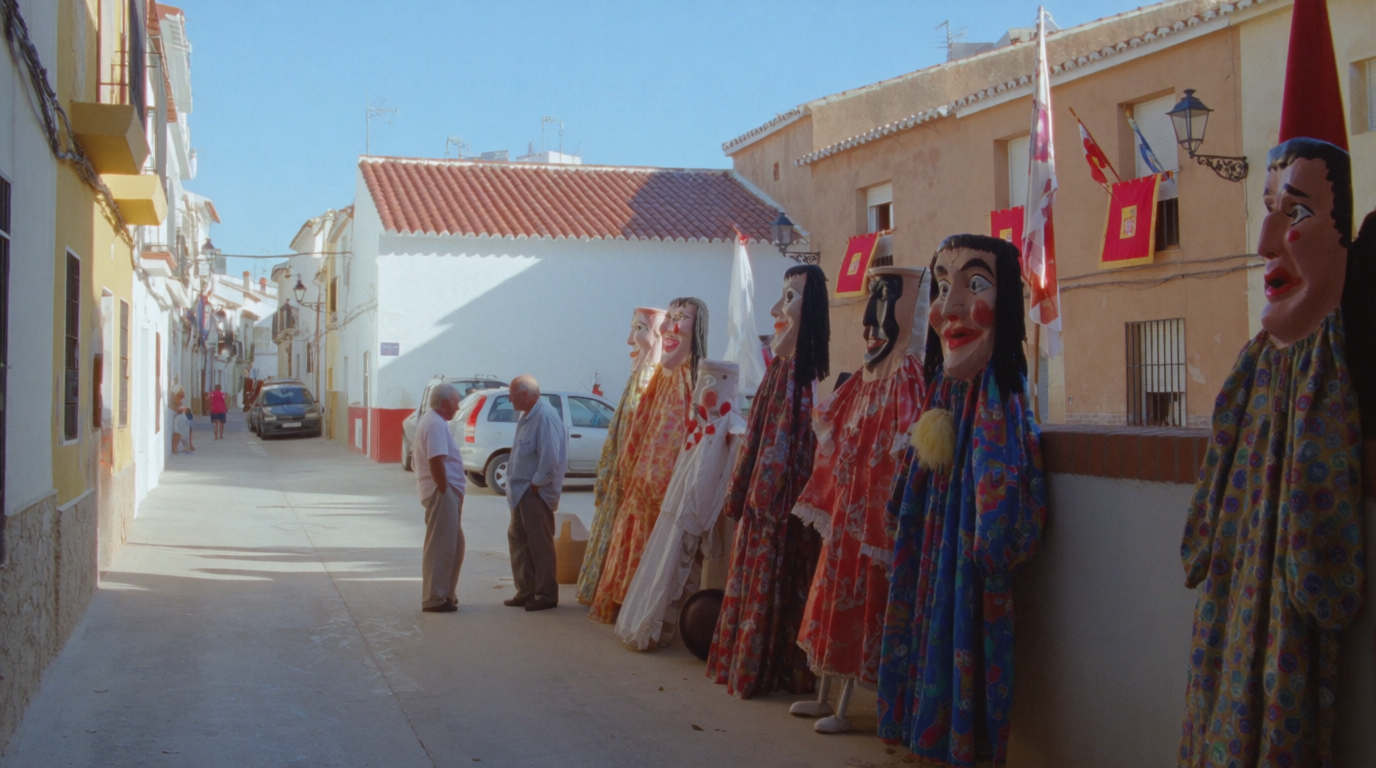
We often meet owners who arrive expecting the coast to be a permanent version of a quiet August afternoon, all shuttered calm and long lunches. That is a real and lovely part of life here, and we have written about it elsewhere. But feria is the other half of the same character, the part that is loud on purpose, generous with its noise, unembarrassed about celebrating something simply because the calendar says it is time.
Understanding that rhythm, rather than merely tolerating it, changes how a place feels to you. A firework at an odd hour stops being an intrusion and starts being a signal that you are living somewhere with its own pulse, not a resort built to soothe visitors into forgetting where they are.
If you are weighing up which part of the coast might suit you, the character of its fiestas is worth as much attention as the beach or the golf course. Some towns keep things modest and neighbourly. Others, like Málaga in August or Villajoyosa in its Moros y Cristianos week, throw themselves into it completely. Neither is better, but knowing which kind of year you are buying into helps.
If any of this has you wondering which town's calendar might actually suit the way you want to live, we are always glad to talk it through, and to put you in touch with the local people who know these streets, and these weeks, from the inside.