Why the padel court, not the beach, is where you meet your neighbours

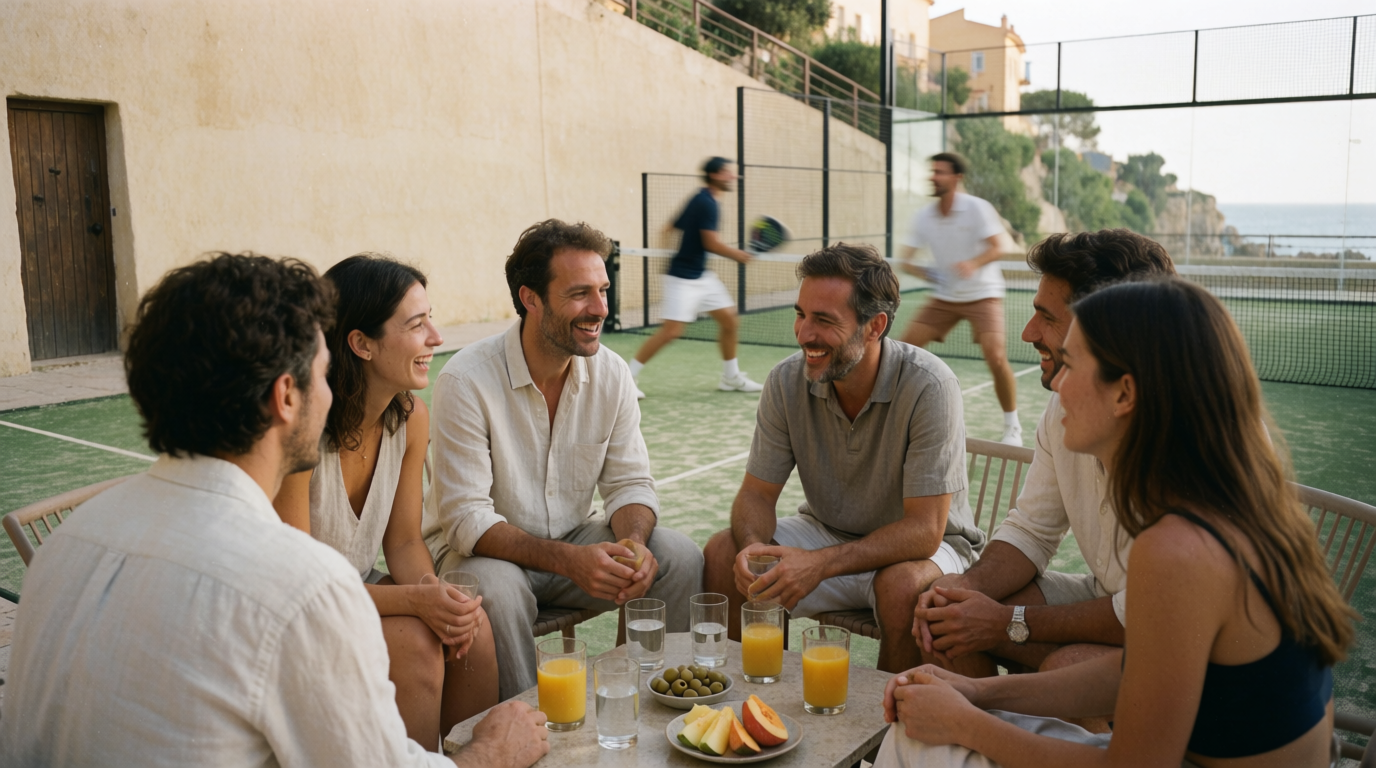
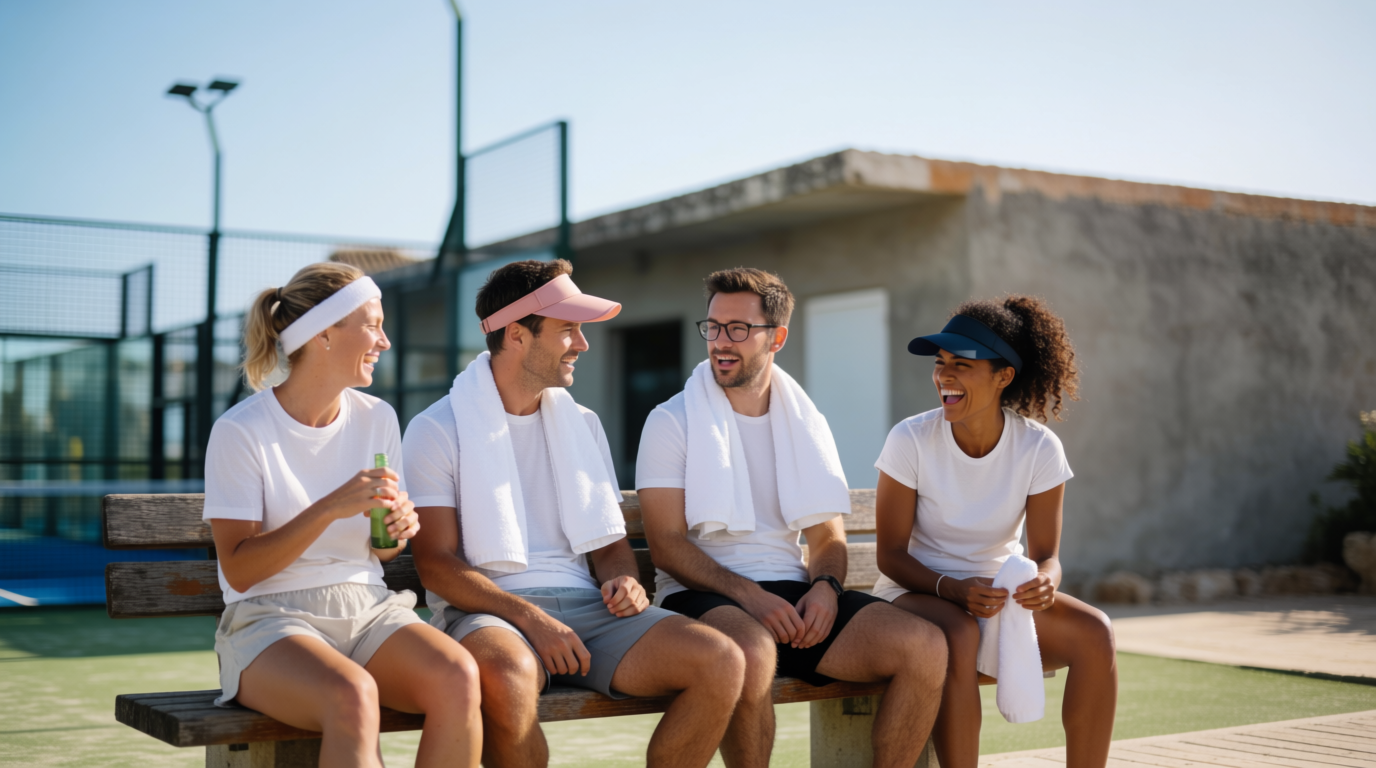
There is a particular hour on this coast, somewhere between seven and nine in the evening, when the light softens and the padel courts fill up. You hear it before you see it: the flat thwock of the ball against the wall, laughter carrying over the fence, someone shouting the score in a mix of Spanish and English. Walk past almost any club from Sotogrande to Dénia at that hour and you will find the same scene, four people finishing one match while four more wait with their bags, already talking.
We have watched this happen enough times now to say it plainly: on the Costa del Sol and the Costa Blanca, padel has become the informal social infrastructure that the beach never quite managed to be. The sand is where you relax. The court is where you actually get to know people.
It sounds like a small thing. It is not.
The plaza moved to the court
Every Spanish town has a plaza, a place where people gather without needing a reason. In the old towns, that role belonged to the square outside the church, or the bar on the corner where three generations still order their café solo at the same marble counter. For newer residents, especially those of us who have arrived from somewhere colder, that square can feel hard to find. We do not have grandparents buried in the local cemetery. We did not go to school with the barman.
Padel fills that gap almost by accident. Most clubs run on a rolling system where you book a court for an hour, often through an app, and play an americano format that rotates partners every set. You are not committing to the same three friends for a season. You are meeting whoever else booked in that evening, which on a well used court in San Pedro de Alcántara or Altea can mean a Spanish schoolteacher, a Swedish retiree, a Malagueño builder and a British owner who moved out three years ago, all on the same four square metres of blue turf.
How an evening on the court actually works
An hour of court time typically costs somewhere in the region of ten to fifteen euros, split between four players, which makes it cheaper than most gyms and far cheaper than golf. Clubs are busiest from six in the evening once the worst of the summer heat has passed, and again on weekend mornings when families take the earlier slots before the sun gets serious.
The etiquette is gentle. Nobody expects you to be good. What they do expect is that you turn up on time, that you laugh at your own mistakes, and that you stay for a drink afterwards if one is offered. That last part matters more than the score.
The match ends when the ball stops. The evening does not end until everyone has had a beer or a tónica and talked about something else entirely.
We have heard more than one owner say that they learned more practical Spanish on a padel court in six months than in three years of classes, simply because nobody was correcting their grammar, only trying to win the next point.
Golf, and the older version of the same idea
Golf has done this for longer, particularly along the stretch between Marbella and Sotogrande, where clubs like Guadalmina and Aloha have been quietly running the same social machinery since long before padel arrived. The rhythm is slower there, a round takes four hours rather than sixty minutes, and the demographic tends to skew older and more established. But the principle is identical: a shared, repeated activity gives strangers a legitimate reason to spend time together, without either side having to explain themselves.
Many owners end up doing both, golf in the cooler morning hours and padel in the evening, and the two memberships between them can end up mattering more to daily life on the coast than almost anything else they arrange in their first year.
What it teaches you about living here
There is a wider lesson in all this, one that goes beyond sport. Spanish social life, on this coast at least, is built around repeated small rituals rather than grand occasions. The same table at the same café. The same walk along the same stretch of front. The same court on the same evening, week after week, until the faces become familiar and then become friends.
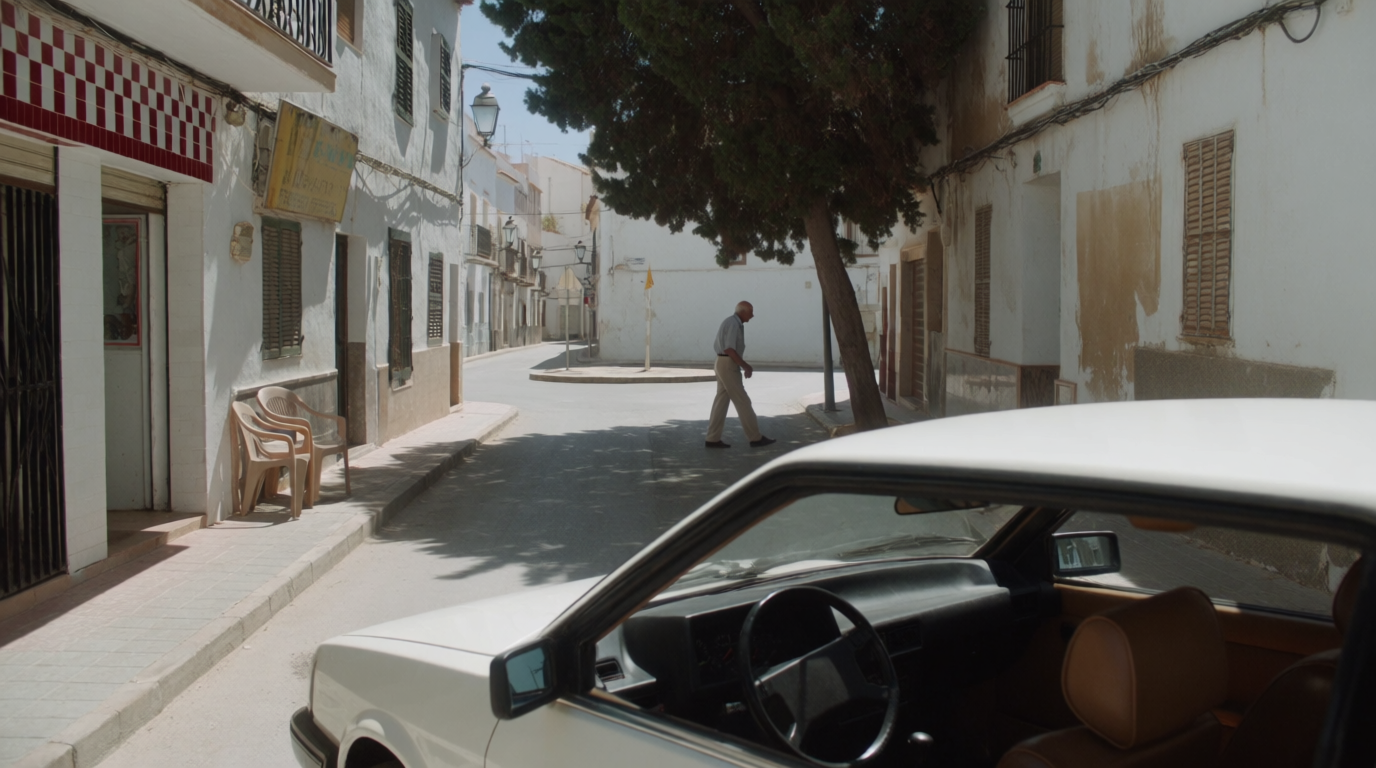
Owners who settle in well on the Costa del Sol and Costa Blanca tend to find one or two of these rituals early and stick to them, rather than trying to build a social life from scratch through invitations and dinner parties. A padel booking does the introducing for you.
A quiet advantage for owners
If you are still deciding where on this coast to buy, it is worth asking a practical question that estate agents rarely raise: is there a decent padel club, or golf club, within easy reach, and does it feel used rather than ornamental? A town with three courts booked solid every evening tells you something true about the life you would be joining, in a way that a brochure never can.
We are always happy to talk through what daily life actually looks like in the towns we know well, court bookings and all, and to introduce you to the local people who can help once you are ready to take the next step. Get in touch when the time feels right, and we will tell you honestly what an evening there really feels like.