Dénia: a working town on the Costa Blanca that happens to be beautiful

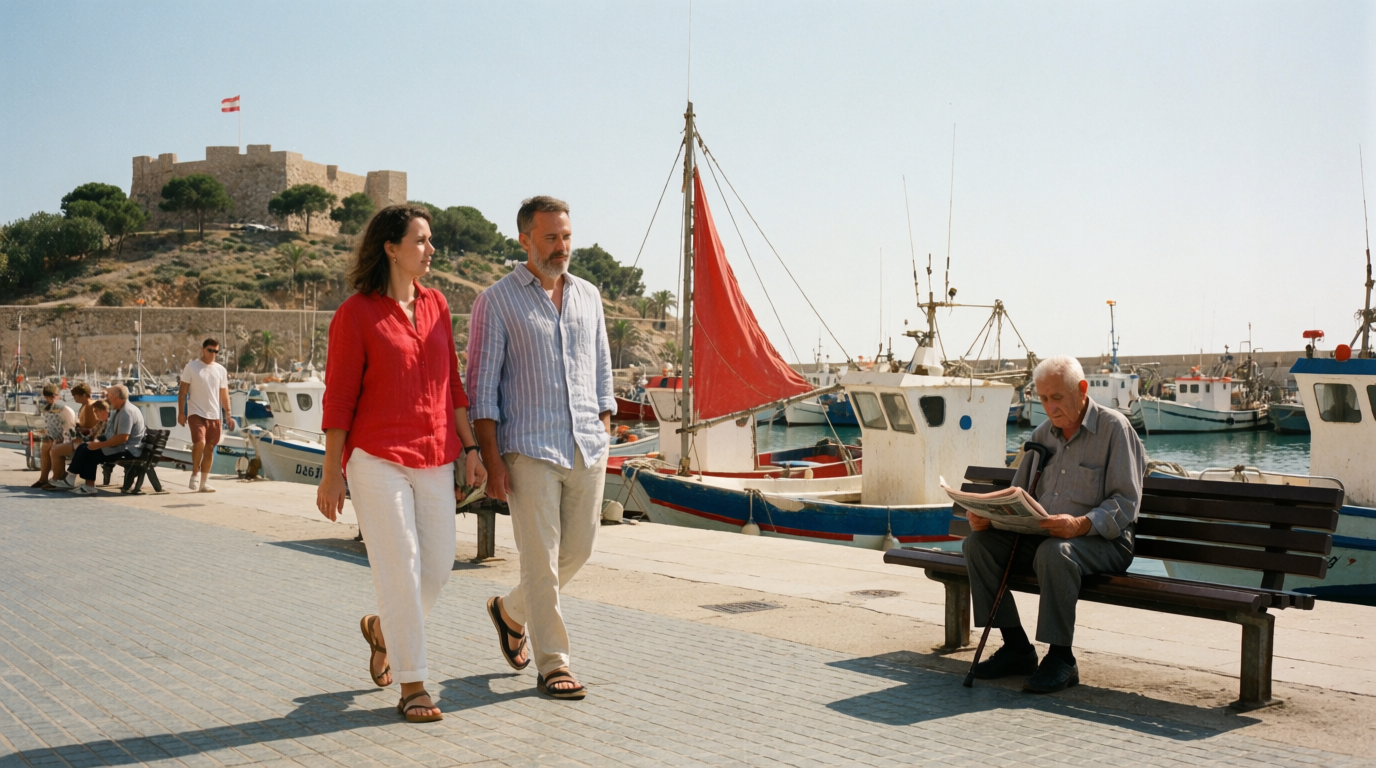
Dénia does not perform for anyone. It has a working port, a ferry terminal sending boats to Ibiza and Formentera, a castle that has watched over the bay since Moorish times, and a Wednesday and Saturday market that exists because people need to eat, not because tourists want a photograph. That unselfconsciousness is, for a certain kind of buyer, the whole appeal.
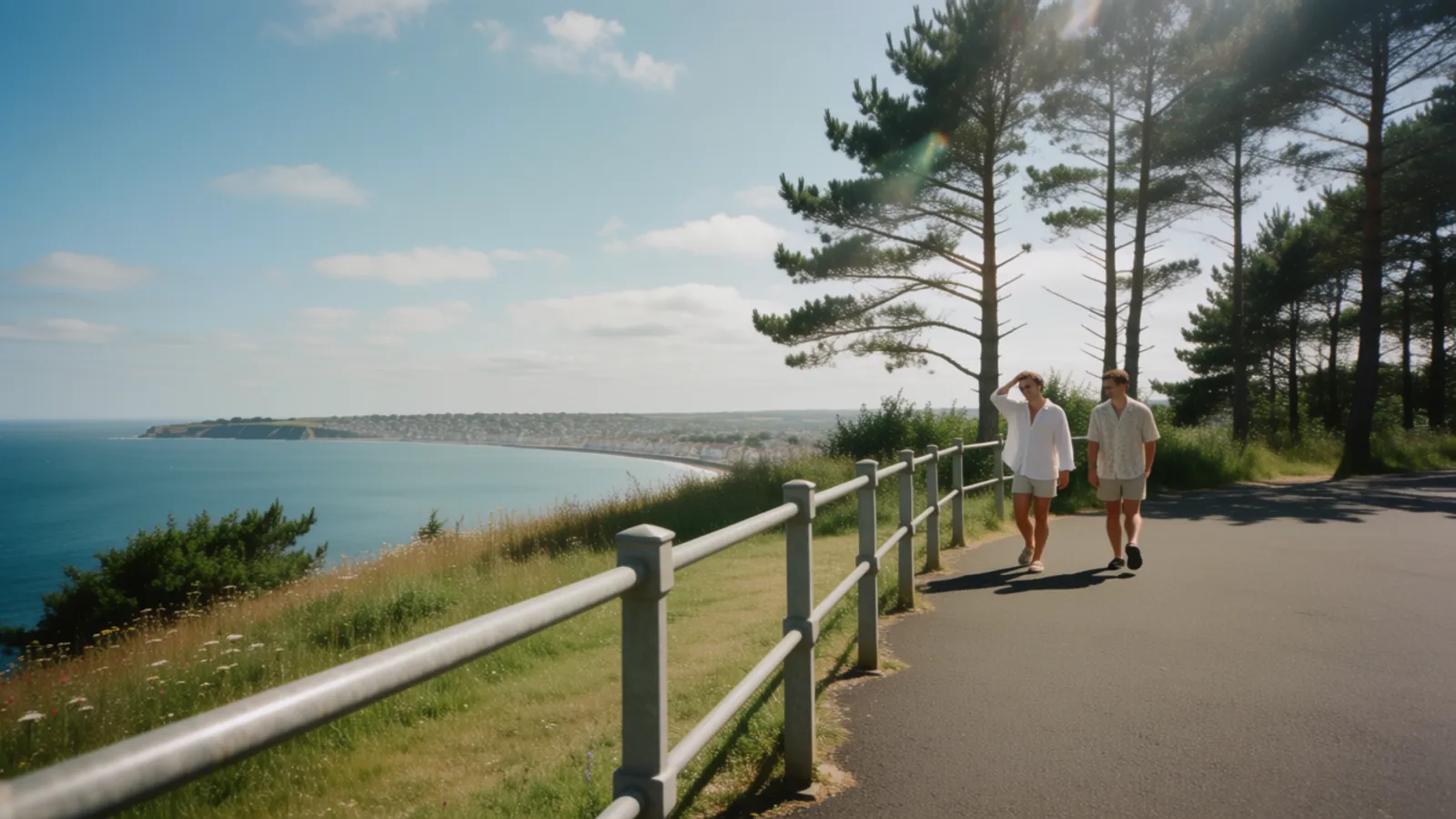
It sits roughly halfway up the Costa Blanca, an hour or so north of Alicante and about an hour south of Valencia, with its own direct road link inland to the AP-7 motorway. No airport of its own, which matters more to some people than others. What it has instead is a rare double geography: flat rice country and orchards rolling inland towards the Montgó massif, and a coastline that shifts from broad sandy beach in the south to rocky cove in the north.
We are not in the business of selling Dénia to anyone. We would rather describe it accurately, so that the people who belong there recognise it, and the people who do not can save themselves a wrong turn.
The seasons, honestly
Summer in Dénia is genuinely busy. Spanish families from Madrid and Valencia have holidayed here for generations, so July and August bring real crowds to Les Marines and the town fills with a domestic, family energy rather than a purely foreign one. The port hums, the chiringuitos are full, and parking in the centre becomes a small daily negotiation.
By October the town exhales. This is when Dénia's other identity shows itself: a UNESCO City of Gastronomy (the designation came in 2015, one of the first in Spain), where the raó and the local red prawn matter as much as any beach. Autumn and spring are when the walkers arrive for the Montgó natural park, when the market feels like a market again, and when long-term residents will tell you the town is at its best.
Winter is quiet, properly quiet in the old sense, with many summer apartments shuttered and a horario partido that empties the streets after two. It suits year-round residents who have made their peace with a slower clock. It does not suit anyone hoping for a lively winter social scene.
Neighbourhoods, in plain terms
The old town, clustered beneath the castle, is where the character lives: narrow streets, the Baroque church of Sant Domènec, small squares that fill with children after school. Property here is older, often needing work, and rarely has a lift or a pool, but you can walk to everything.
The port and marina area, around Les Rotes end of town, mixes the ferry terminal with a genuinely good run of seafood restaurants and a more modern residential feel. It is Dénia's most cosmopolitan corner, popular with people who want the town's daily life close at hand without living inside the old quarter's stairs and narrow doorways.
Les Marines, the long beach strip running north towards Els Poblets, is where most of the summer apartment blocks and villa developments sit. It is convenient for the sand and for driving, less so for walking to a bakery, and it is where the town's foreign-resident population concentrates most heavily.
Inland, developments around the Montgó and towards Jesús Pobre offer villas with space and views, a different rhythm again, more car-dependent, quieter, popular with people who want land and a mountain outlook rather than a stroll to the port.
Daily life, the texture of it
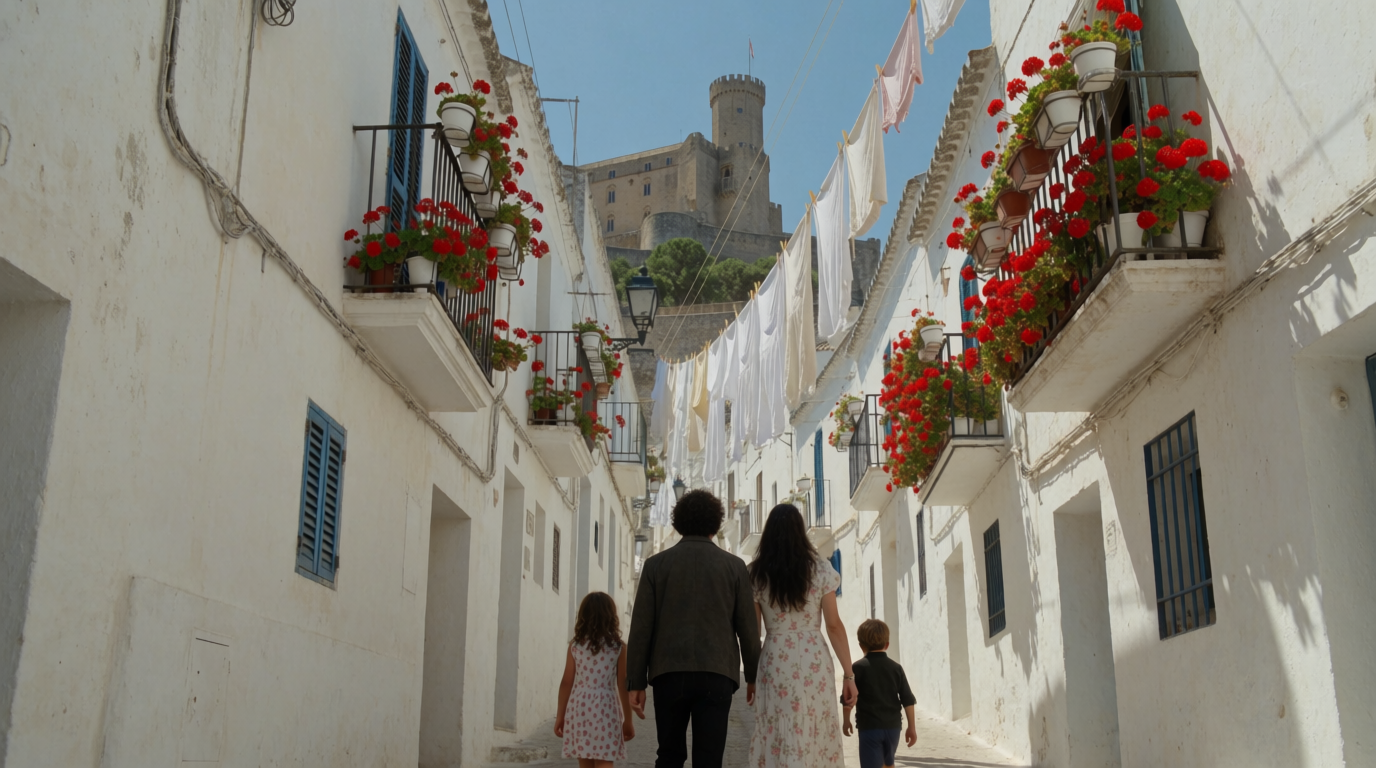
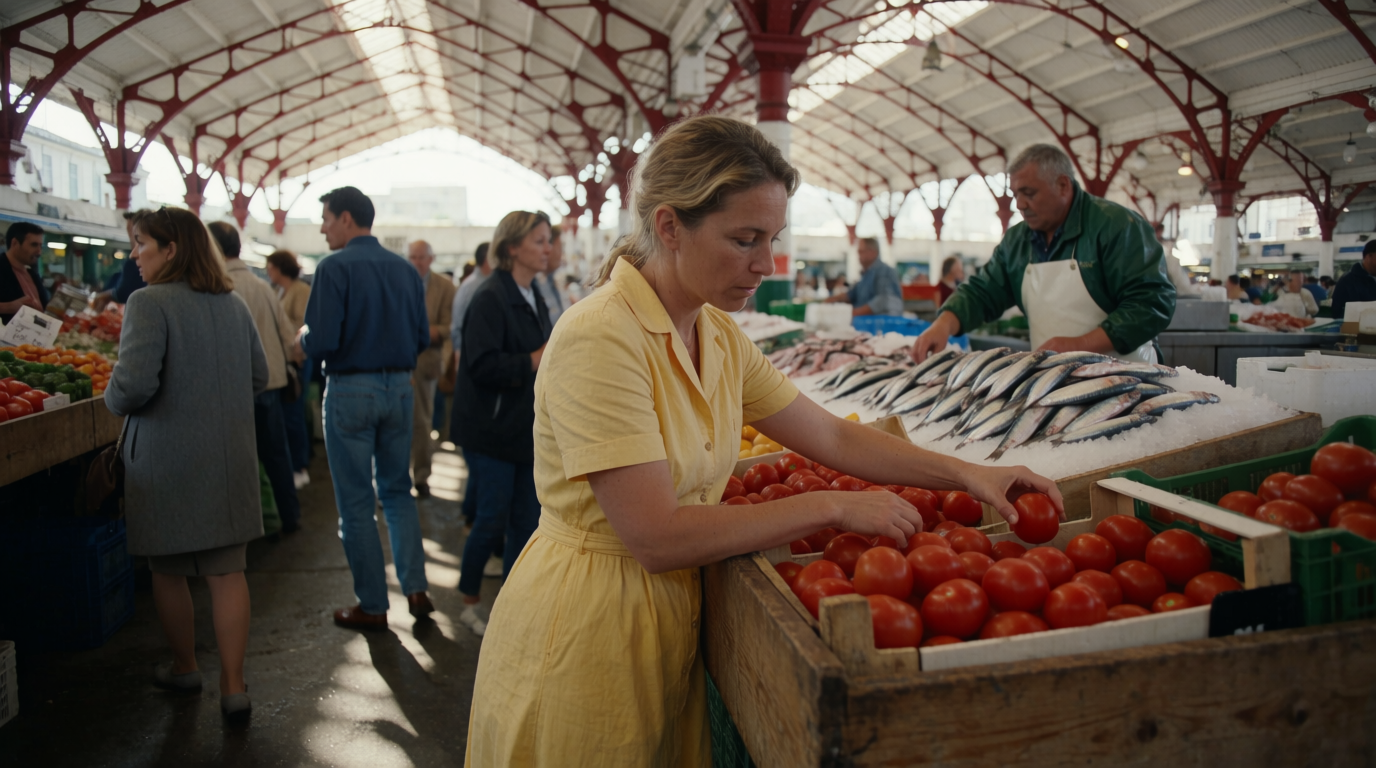
The Wednesday and Saturday market is not a tourist stop, it is where a large part of the town actually shops, and standing in the queue at a good fish stall will teach you more about Dénia's rhythm than a week of sightseeing. The paseo along the marina in the early evening, before dinner, is a genuine institution, not a performance for visitors, families and elderly couples and teenagers all moving along the same stretch of promenade.
Café culture here leans local rather than international. You will find plenty of places serving a proper menu del día at lunchtime, fewer serving flat whites to a laptop crowd, though that is slowly changing near the port. Remote workers do live here, and do fine, but Dénia has not yet built the co-working infrastructure that some Costa del Sol towns have.
Golf is not really why people come to Dénia. There are courses within reach inland and towards Oliva, but this is a coast built around the sea, the market and the mountain, not the fairway.
Dénia rewards people who want a Spanish town that happens to have beautiful things around it, rather than a resort dressed up as a town.
Who tends to be happiest here
Families do well in Dénia, helped by decent schooling options and a town small enough that children can walk or cycle once they are a little older. Walkers and hikers gravitate here for the Montgó, one of the more distinctive natural parks on this whole coast, rising sharply right at the edge of town. Year-round residents who want a real Spanish community, not an expatriate enclave, tend to settle in fastest, particularly in the old town or near the port.
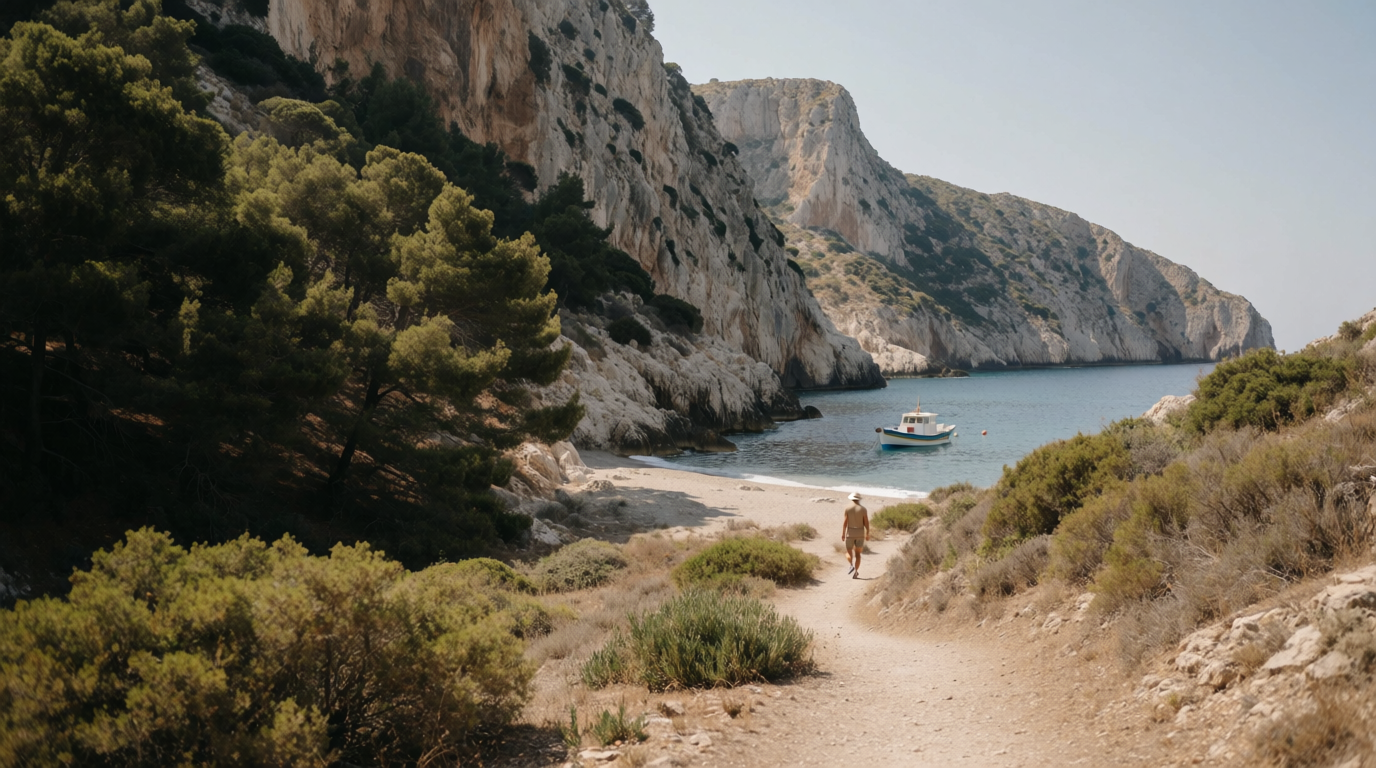
Summer-only owners are well served too, provided they accept that Dénia in February is a different, much quieter place, and that many restaurants and shops simply close for weeks at a stretch outside the season.
Who might be happier elsewhere
Dénia is not the place for anyone who wants an international airport twenty minutes away; Alicante and Valencia are both a real drive, not a hop. Anyone whose life revolves around golf will find more choice and easier access further south towards Alicante or on the Costa del Sol. And anyone hoping for a lively English-speaking social scene year round might find Jávea, just along the coast, or towns further south like Torrevieja, a more natural fit, since Dénia's daily life still runs largely in Spanish and Valencian.
If what you want is a working Spanish town with a market, a castle, a mountain and a sea, all in walking distance of one another, Dénia rarely disappoints. If you want resort convenience above all else, it is worth looking elsewhere on this coast before you commit.
If any of this sounds like the town you have been picturing, we are happy to talk it through, share what we have learned from people who have already made the move, and, when the time is right, introduce you to local experts we trust.