Sotogrande: what living behind the gates actually feels like

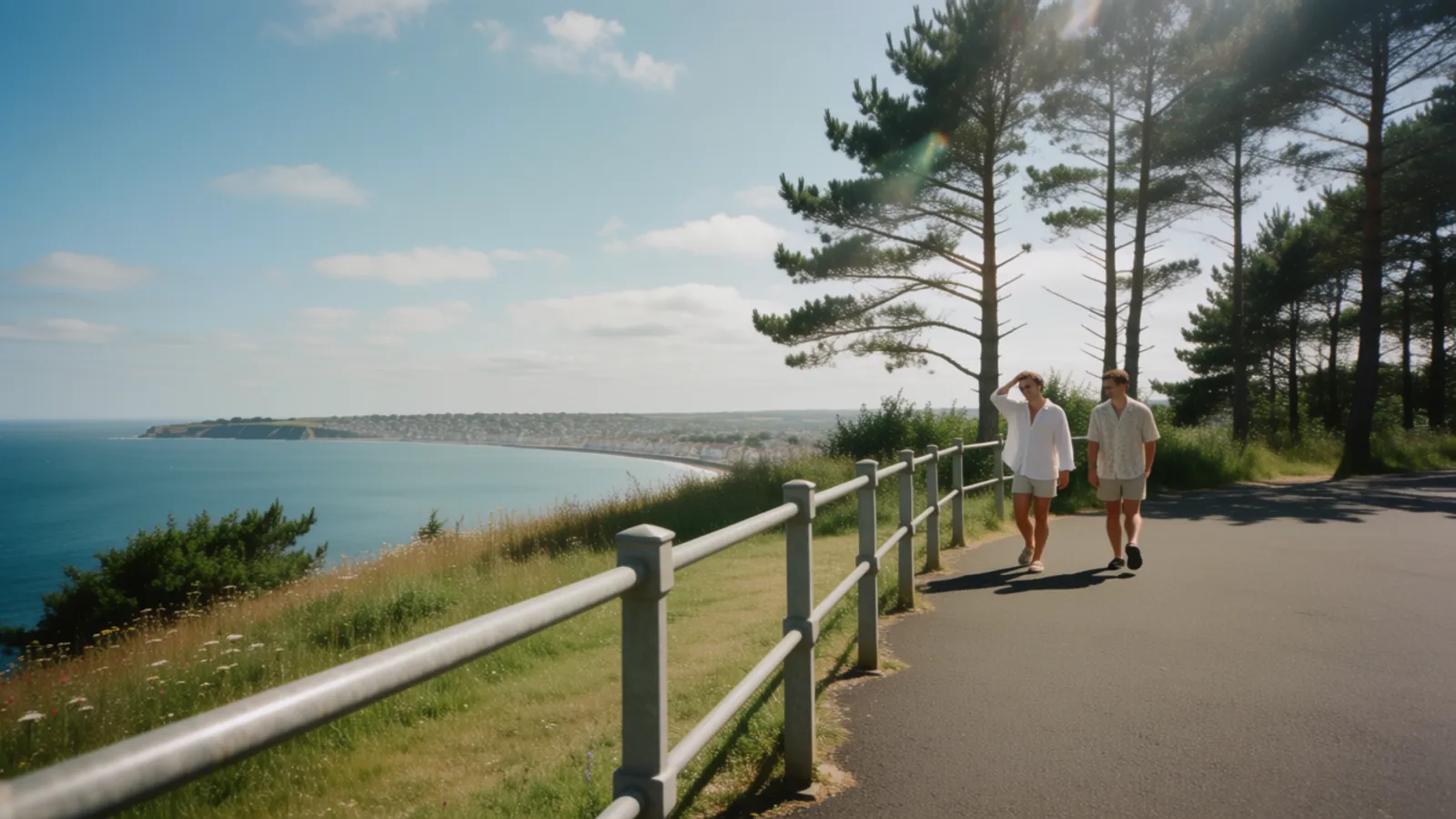
Sotogrande does not announce itself. There is no old town to wander into, no church bell marking the hour over a packed square. You arrive off the AP-7, turn down an avenue of pines, and the noise of the coast simply falls away. For some people that silence is the whole point. For others, it takes a season or two to decide whether they can live inside it.
Built from the early 1960s as one of Spain's first private residential resorts, Sotogrande has always been a place apart, geographically and in temperament. It sits at the western end of what people loosely call the Costa del Sol, closer to the Strait of Gibraltar than to Marbella, in the province of Cadiz rather than Malaga. That detail matters more than it sounds: the weather here has an Atlantic edge to it, the wind is a regular character rather than an occasional guest, and the whole place feels quieter, greener, and considerably less crowded than the coast further east.
The seasons, not the postcard
Winter in Sotogrande is genuinely quiet. Many villas stand shuttered, restaurants trim their hours, and the marina empties of anything larger than a fishing boat. What stays open is the golf, which is really the point: the courses are green, the light is clean, and the fairways at Real Club de Golf Sotogrande or Valderrama see more play from residents than from visitors.
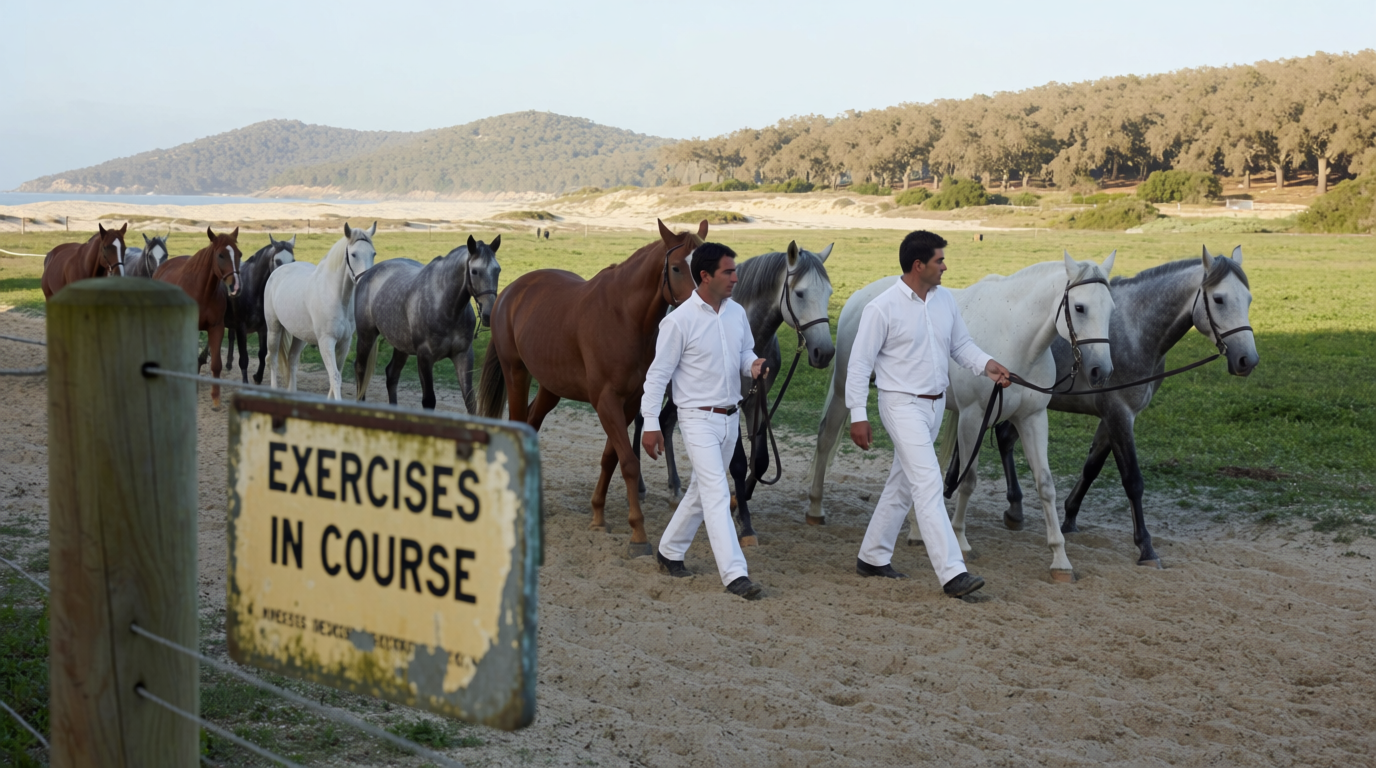
Spring brings the place back gradually, the polo grounds get mown and marked out, and by May the estuary of the Guadiaro river is loud with birdlife rather than traffic. Summer, especially August, is a different Sotogrande altogether: the polo season at Santa Maria Polo Club fills the beachside fields with matches and spectators, the marina restaurants run at full stretch, and an international crowd that keeps second homes here returns for six or eight weeks. Autumn is, by most residents' account, the best stretch of all: warm sea, empty beaches, and golf weather that does not punish you for being outdoors at midday.
The neighbourhoods, in plain terms
Sotogrande is not one place but several, loosely stitched together and best understood by what sits where. La Marina, around the port, is the closest thing to a town centre: canal-front townhouses, a promenade of cafés and chandlery shops, and the only stretch where you might plausibly walk to dinner. Sotogrande Costa runs along the beach and the polo fields, mostly larger villas on generous plots, popular with families who want space and a short drive to the sand. Sotogrande Alto climbs into the hills around La Reserva, where the newer golf development and pine-shaded lanes attract people who want privacy above all else and do not mind a longer drive for a pint of milk.
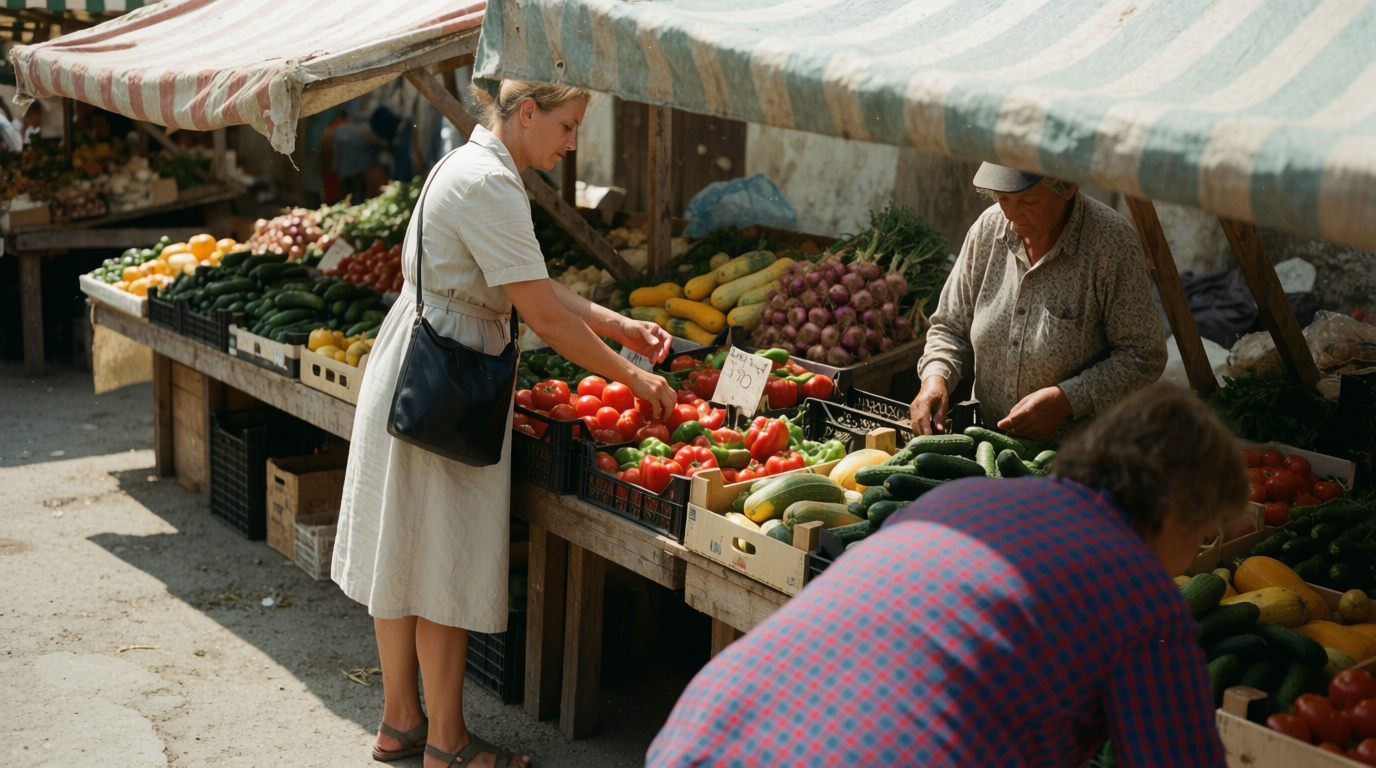
Just outside the gates, Pueblo Nuevo de Guadiaro and Guadiaro itself are the working villages that keep the wider area running: a weekly market, a proper butcher, a pharmacy, and the kind of ordinary Spanish life that Sotogrande's private urbanisation deliberately keeps at arm's length. Many residents end up shopping and eating there more than they expected to.
Daily life, once you are past the gate
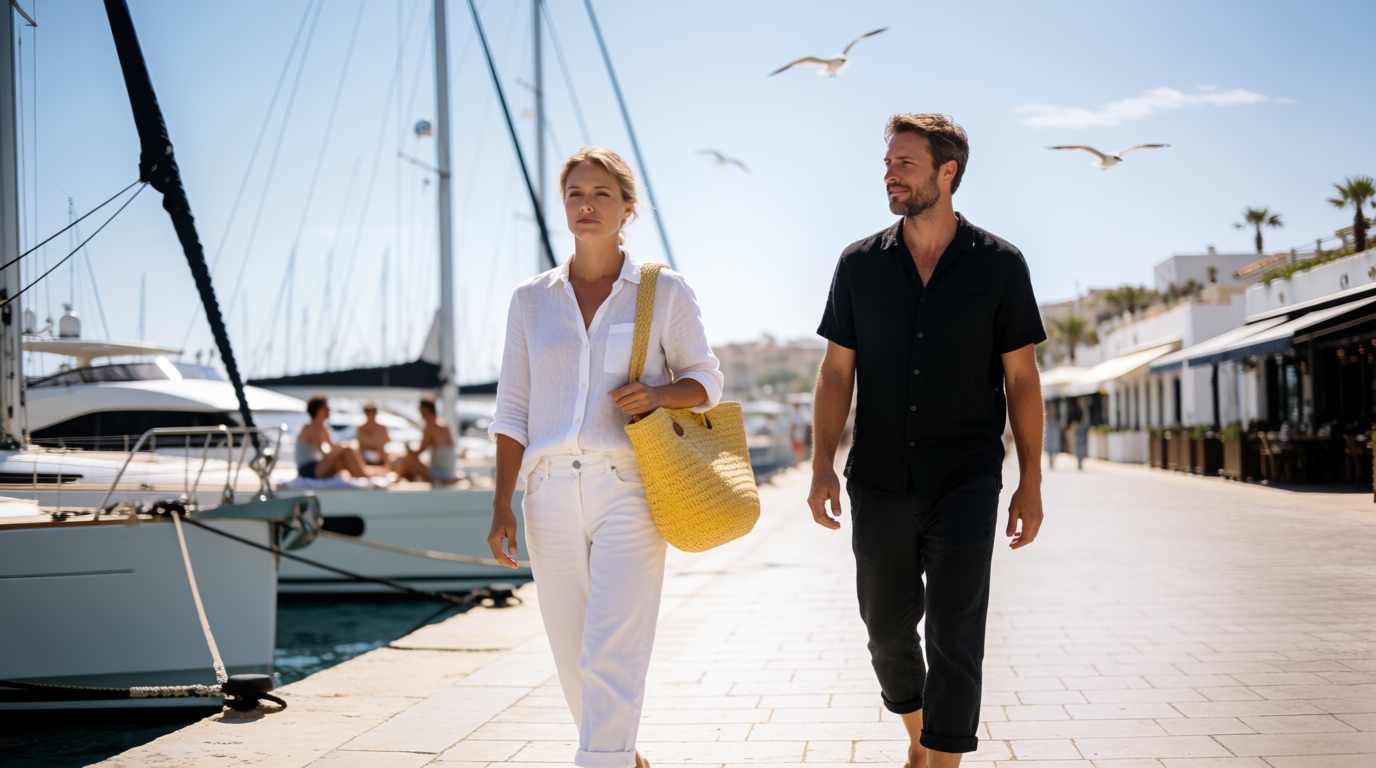
There is no paseo in the traditional Andalusian sense, no evening promenade past a lit-up plaza. What Sotogrande offers instead is a private version of the same instinct: the marina walk at sunset, a table at one of the cafés on the water, an easy nod to people you recognise from the golf club or the school run. It is sociable, but the sociability happens by appointment, not by accident on a street corner.
The rhythm of the week tends to be built around the golf calendar, the school term at Sotogrande International School (which draws a genuinely international mix of families), and, for a good part of the year, whatever the polo fixture list says. Cars are not optional here; distances between the marina, the beach, the hills, and the villages are walkable in theory and driven in practice.
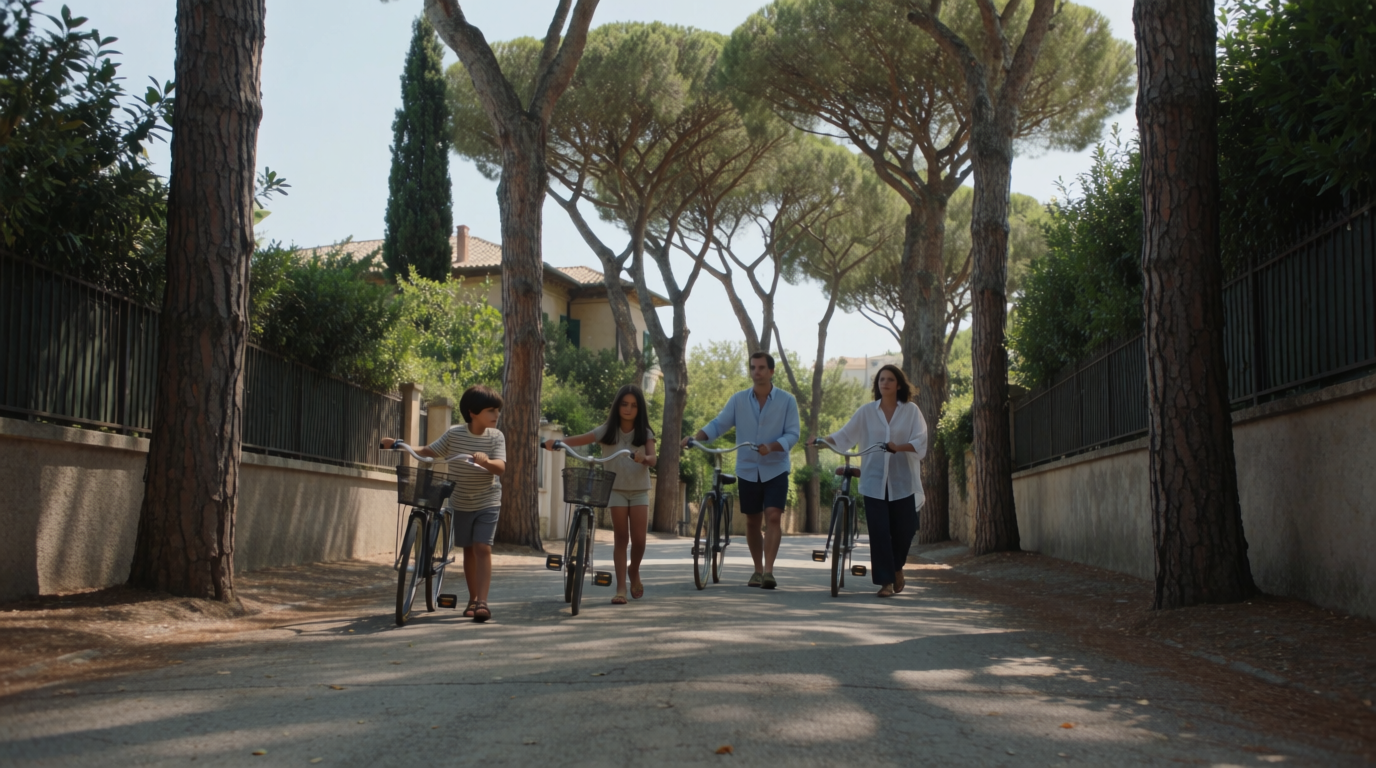
Sotogrande rewards people who already know what they want from a day, and asks very little of people who do not.
Who tends to be happiest here
Golfers are the obvious answer, and rightly so: three courses within minutes of each other, including one that hosted the Ryder Cup, is not something you find twice on this coast. Beyond golf, families drawn by the international school, people who follow the polo season seriously, and year-round residents who value privacy over proximity to nightlife all tend to settle in comfortably. Remote workers who want quiet and do not need a buzzing café scene outside the window often do well here too, provided they are honest with themselves about wanting a car and a bit of distance from everything.
Summer-only owners find a different rhythm again: a few intense weeks of polo, sailing, and long lunches, then a house that sits closed and cared for the rest of the year. That pattern works well for people whose life is elsewhere, less well for anyone hoping the house will fill up naturally with local friends over time.
What Sotogrande is not
It is not Estepona's old town, with washing lines over narrow streets and a bar on every corner. It is not Marbella's Puerto Banus, with its late nights and visible wealth on display. There is no historic centre to fall in love with, no flamenco night that starts on its own in a square, and supermarkets and everyday errands mean a short drive rather than a walk. Anyone who wants immersive, noisy, unplanned Spanish street life, the kind Estepona or San Roque town itself can offer, will likely find Sotogrande's calm feels more like distance than peace.
That trade-off is not a flaw so much as a design choice, made deliberately more than sixty years ago and largely unchanged since. The question worth asking honestly is whether you want a coast that comes to find you, or one you drive out to meet on your own terms.
If Sotogrande's particular quiet sounds like the life you are after, or you are still weighing it against somewhere busier further along the coast, we are happy to talk it through and, when the time is right, introduce you to people on the ground who know these streets far better than any listing ever could.