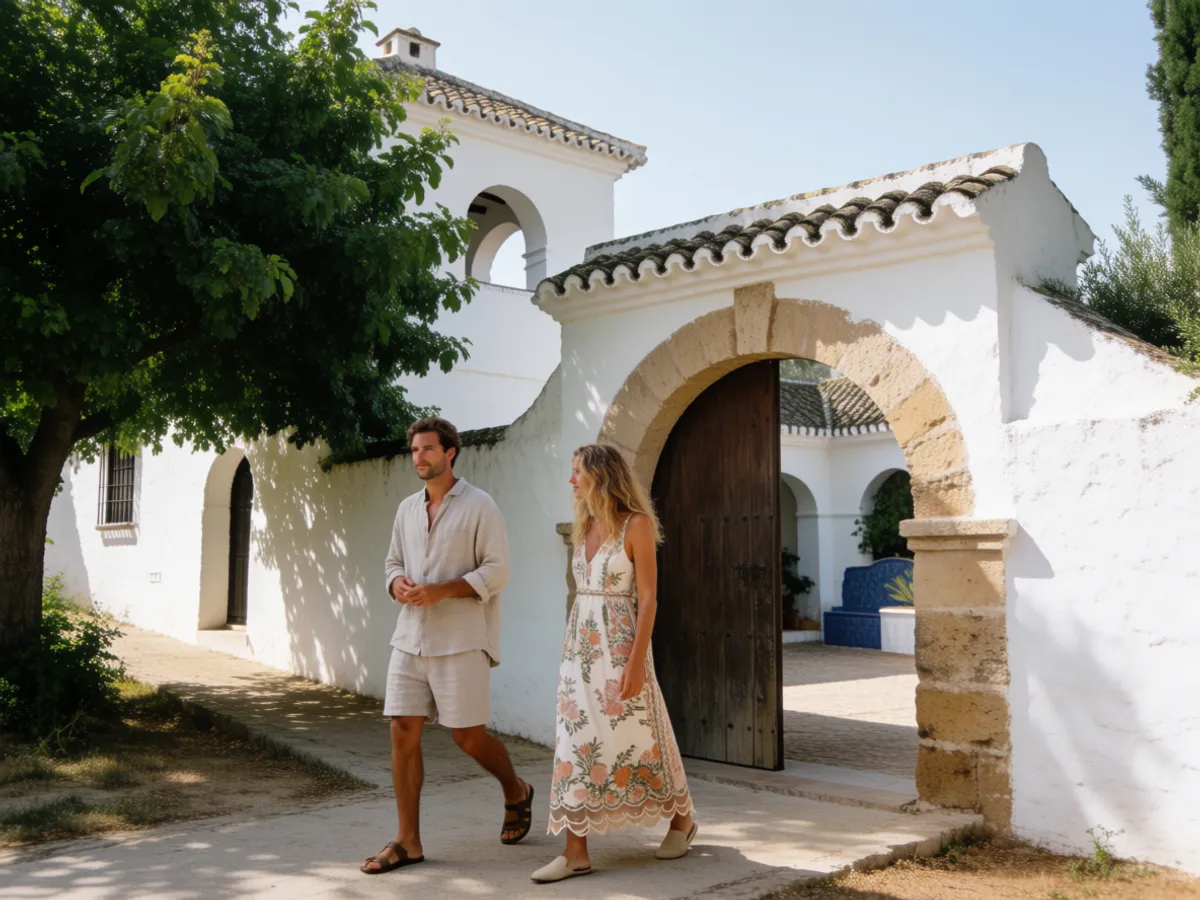
The green cross on the corner: what the local farmacia actually does

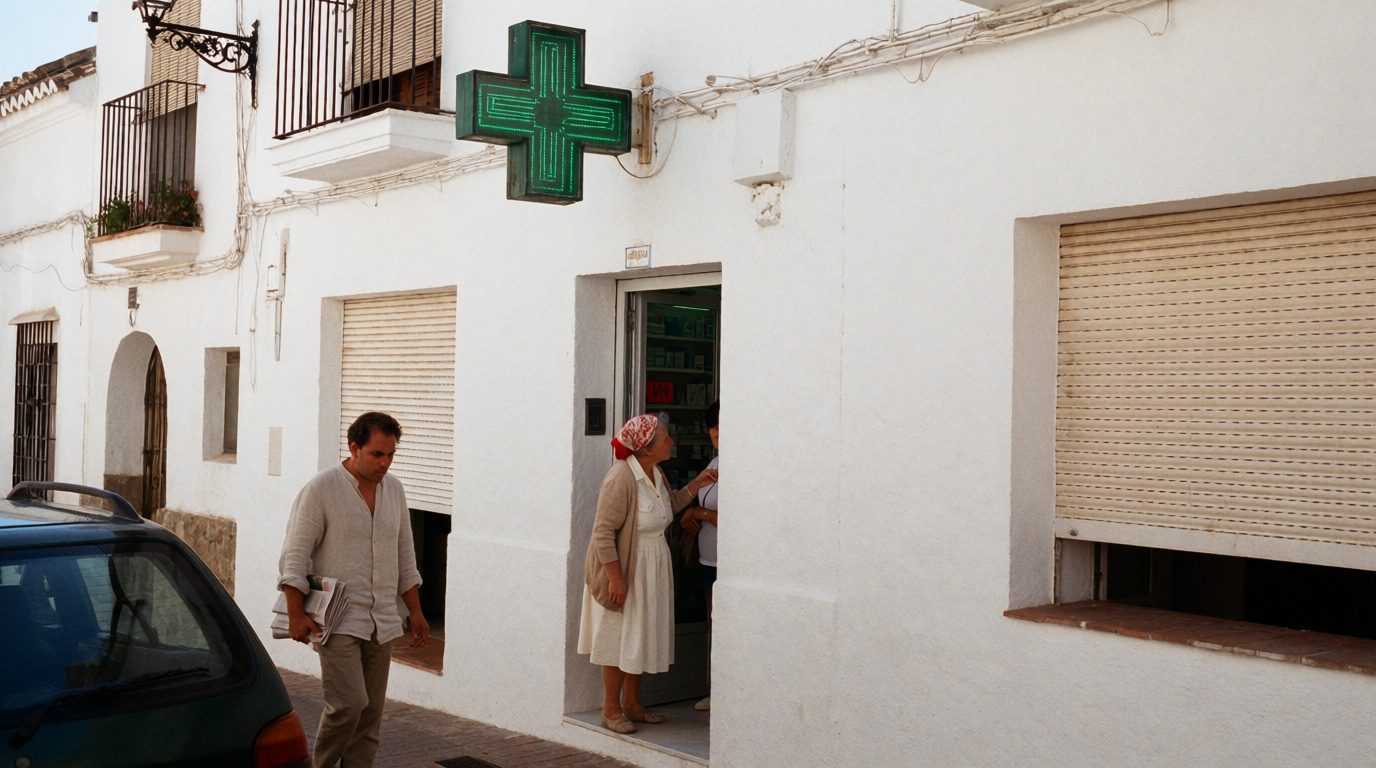
You notice the green cross before you notice much else. It sits above a doorway in every town on this coast, from the marina front in Altea to the back streets of Mijas Pueblo, blinking gently even in the brightest part of the day. For a while it is just scenery, part of the general business of a Spanish street. Then, one afternoon, you need it, and it becomes something else entirely.
What it becomes is one of the more useful things you will learn about living here. The farmacia on the coast is not quite the shop it resembles from the outside. It is closer to a first opinion, a translator of symptoms, and, in its own quiet way, a fixture of the neighbourhood's daily rhythm.
Most newcomers meet it by accident. A child's ear infection on a Sunday, a wasp sting that swells more than expected, a summer stomach upset after one too many days in the sun. The instinct, trained by other countries, is to look for a doctor or a clinic. On this coast the first and often the right move is simply to walk to the corner.
More doctor than shop assistant
Spanish pharmacists train for five years and carry a scope of practice that surprises most foreign residents. For a great many everyday complaints, an infected cut, a persistent cough, a rash that will not settle, they can examine, advise, and dispense something appropriate without a doctor's appointment first. They will also tell you, plainly, when it is time to stop asking them and go to a health centre instead.
This matters more than it sounds. On a coast where the nearest English-speaking GP might be a twenty minute drive and the public health centre a morning's wait, the farmacia is often the fastest and calmest route to feeling better. Pharmacists here are used to explaining things twice, in whatever language gets the point across, and most have quietly become fluent in the vocabulary of tourists and residents alike.
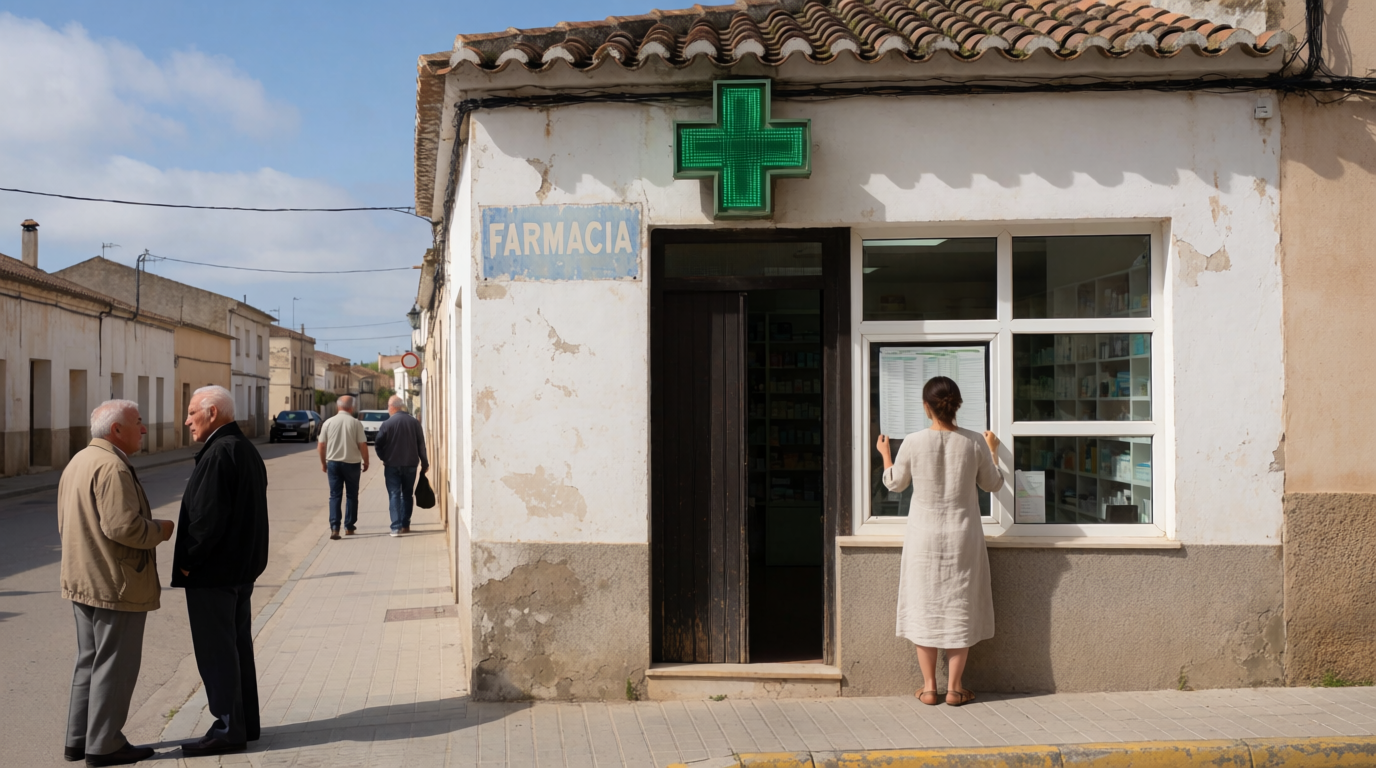
We hear the same observation from long-settled owners again and again: the local pharmacist knows their name, their allergies, and usually their dog's name too, well before the family doctor does.
The rota nobody thinks to check until they need it
Spanish pharmacies close for lunch like everything else, and none of them are open all night. What keeps the system working is the turno de guardia, a rota that rotates the duty of staying open late, or all night, or through the weekend, among the pharmacies of a district.
Every pharmacy that is closed will have a printed sheet taped inside its window, or a small sign directing you to whichever chemist is on duty that night. Local newspapers publish it too, as do most town hall websites, usually under a heading like farmacias de guardia. It is one of those small municipal habits, unglamorous and completely dependable, that keeps a coast full of scattered small towns functioning after dark.
Nobody remembers to look up the rota until midnight, with a feverish child and a half-empty medicine cabinet. It is worth knowing, in the calm of a Tuesday afternoon, exactly where to find it.
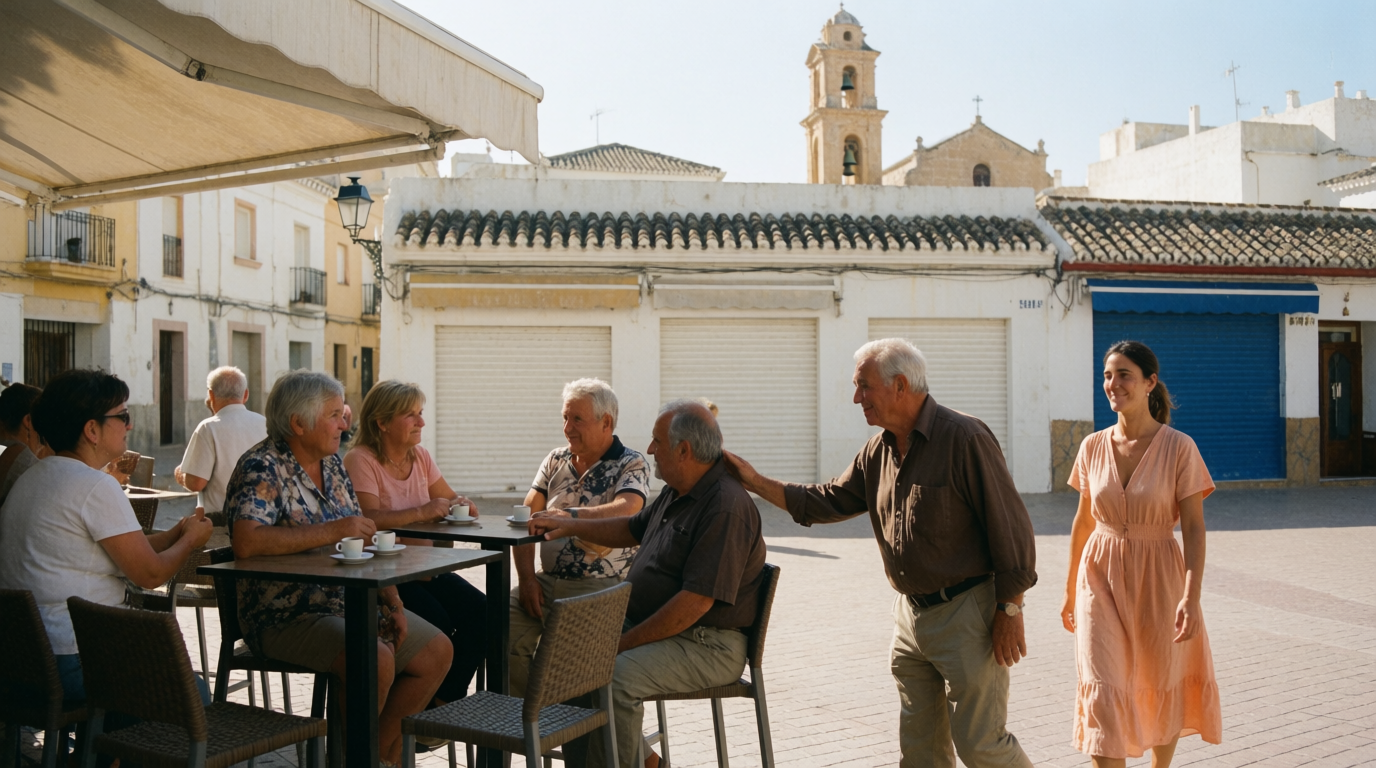
Most town halls, from Nerja to Dénia, list the current duty pharmacy on their municipal site, and the information is also printed each week in the free local papers you will find stacked near any bar's till.
A quiet kind of belonging
There is a slower thing happening here too, beneath the practical use. Because the pharmacist sees you at your least composed, sunburnt, worried about a child, embarrassed about a rash, the relationship builds faster and more honestly than most others in a new town. It is one of the first places where you stop being a tourist asking directions and start being a neighbour with a face they recognise.
Ask any owner who has lived on this coast for a decade which local shopkeeper they know best by name, and a surprising number will say the pharmacist before the baker or the barman. It is a small, unremarkable kind of belonging, built one minor ailment at a time, but it is real.
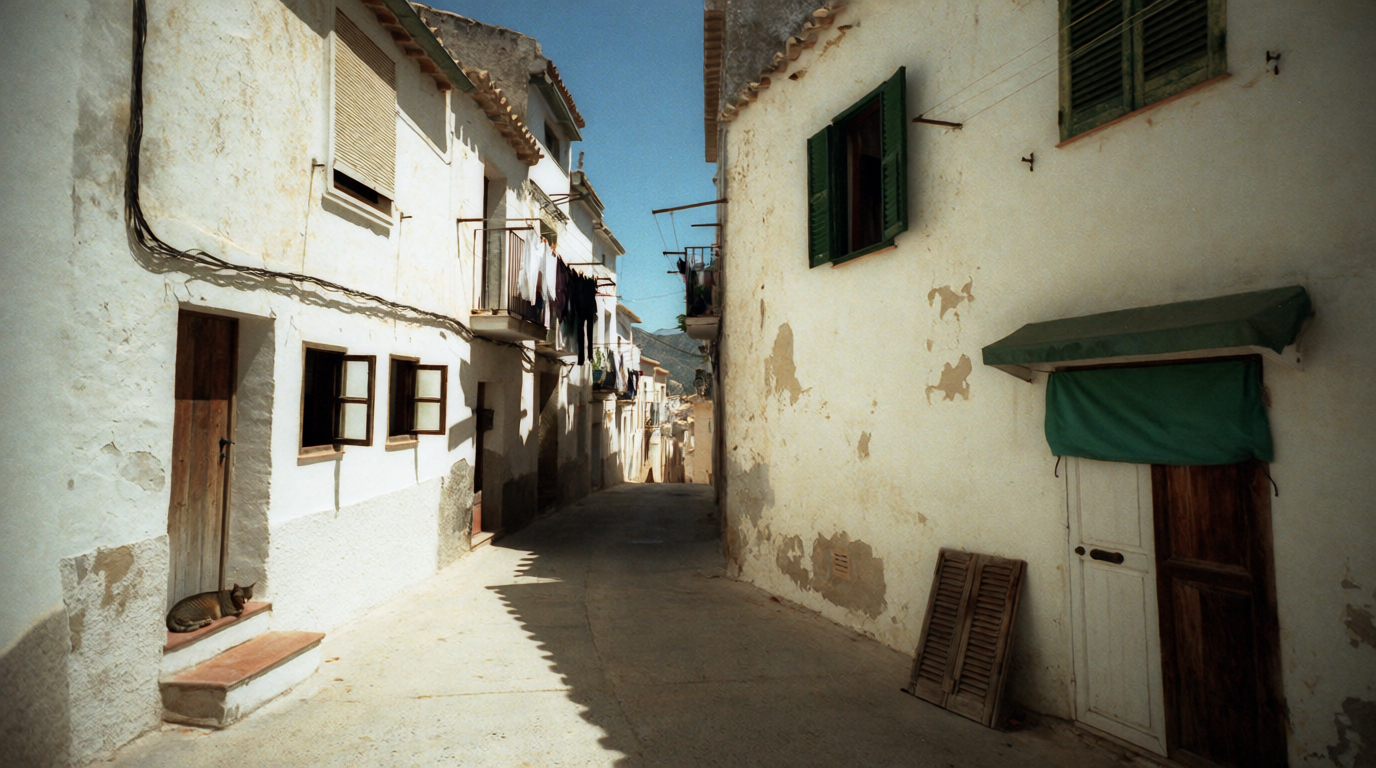
The farmacia also tends to double as an informal noticeboard for the parts of local life that matter but never make it into an English-language forum: which allergy season has arrived early, which supplement is in short supply, where the nearest walk-in clinic has moved to. Standing in the queue on a Friday morning, you will often learn more about the actual texture of the week than from anywhere else in town.
Settling in, one small errand at a time
None of this needs to be studied in advance. It arrives naturally, in the first year of owning a home here, the way most of coastal life does: not as a rule to be memorised but as a habit picked up by living alongside it. The green cross stops being scenery and starts being useful, and somewhere in that shift you notice you have stopped feeling like a visitor.
If you are still weighing up which stretch of this coast might suit the rhythm of your own daily life, from the pharmacy on the corner to the market on a Wednesday, we are always glad to talk it through. We do not sell property, but we know these towns well, and we are happy to share what we have learned, and to introduce you to the local people worth knowing when the time feels right.