
What the listings are telling us on the coast this August


August has a way of slowing a market down to walking pace, and that is not a bad thing. Fewer viewings get rushed, fewer offers get made on a whim, and the numbers that do move tend to mean something. We have spent the past few weeks less interested in headline price figures and more interested in what the listings themselves are quietly telling us about both coasts.
Look past the asking prices for a moment and you notice something more useful: who is listing, why, and what is filling the gap. That is where the real read of August 2026 lives.
Two coasts, two rhythms
The Costa del Sol and the Costa Blanca have never moved in lockstep, and this summer the gap is easy to see. Marbella, Estepona and the stretch towards Sotogrande keep pulling in buyers who want a finished, low-maintenance home near the beach, and that pressure keeps prime new-build scarce whatever the wider market is doing. Move inland or east towards Nerja and the pace softens noticeably, with more room to negotiate and more time to think.
The Costa Blanca reads calmer overall, and that is part of its appeal. Alicante city and Dénia have their own quiet momentum from buyers who want a working Spanish town rather than a resort, while Torrevieja and Orihuela Costa remain the more affordable, higher-volume end of the coast. Javea and Moraira sit somewhere between the two, priced for the view but rarely for a rushed decision.
Where the choice has opened up
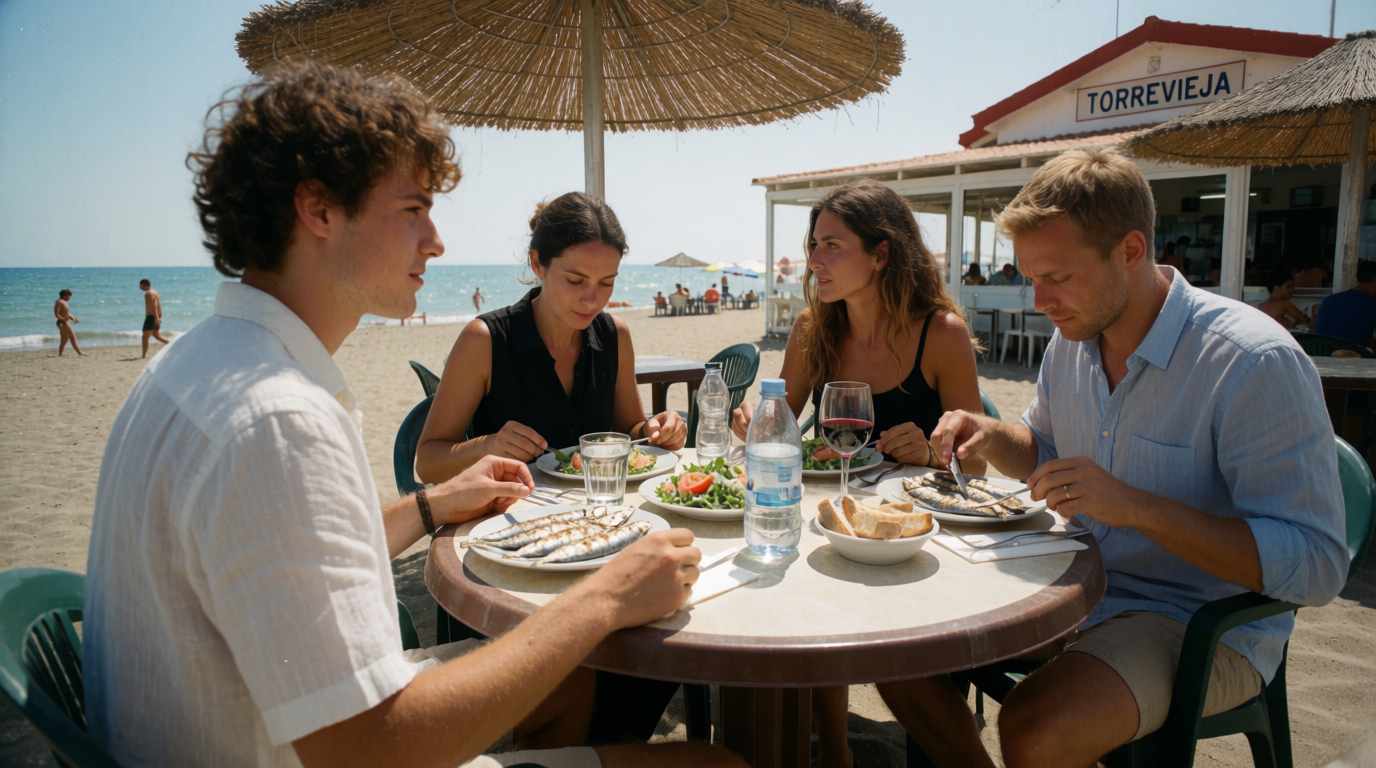
The most useful change we have seen this year is not in prices but in supply. A good number of people who bought resale property here between 2018 and 2022 are now selling, some to move up, some to move on, and their homes are giving buyers a wider resale pool than we have had for a while.
New-build tells a different story. Land near the coast is scarce and getting scarcer, and construction costs and permitting timelines have not eased much, so developers are building carefully rather than quickly. The result is a market with two speeds: more choice and a little more room to negotiate in resale, and continued patience required for anything finished and beachfront.
For a buyer, that split matters more than any single price figure. A resale flat two streets back from the front in La Cala de Mijas or a townhouse outside Dénia is a genuinely different negotiation to a new-build apartment on the front line in Estepona, and it pays to know which conversation you are actually having.
Who is buying, and from where
British buyers remain a steady presence on both coasts, though the post-Brexit reality of the ninety-in-a-hundred-and-eighty-day Schengen rule for non-residents shapes how many of them buy and use their homes, often favouring a base they can enjoy in shorter, more frequent stays rather than a full season. Alongside them we continue to see Belgian, Dutch, Irish and Nordic buyers drawn to the Costa Blanca in particular, and a slow but steady rise in interest from North American buyers on both coasts, often people who can work remotely and are choosing the coast on lifestyle terms rather than investment terms alone.
Spain's golden visa route, which for years let non-EU buyers secure residency through a property purchase above a set price, was withdrawn in April 2025, and its absence has quietly reshaped who arrives asking about property first and who arrives asking about residency options first. Those two conversations have become more separate than they used to be, and that is generally a healthier way to buy a home.

There has also been talk, on and off, of a much steeper transfer tax aimed specifically at non-EU buyers of Spanish property. As we have written before, that proposal has not become law, and buyers from outside the EU are still purchasing under the same rules as everyone else. We would rather tell you plainly where things stand than let a headline do the talking.
The cost of money, and one proposal still on the shelf
Financing conditions have eased from the sharper end of a few years ago, with Euribor settled well below its 2023 peak, which has brought monthly mortgage costs down for those borrowing in euros. That said, banks here still look closely at income, existing debt and the source of a deposit, and a non-resident buyer should expect that process to take real weeks rather than days.
None of this amounts to a dramatic shift. It is a market finding a steadier footing after a few loud years, with the loudest noise now coming from wherever supply is tightest rather than from the market as a whole.
What this means if you are starting your search now
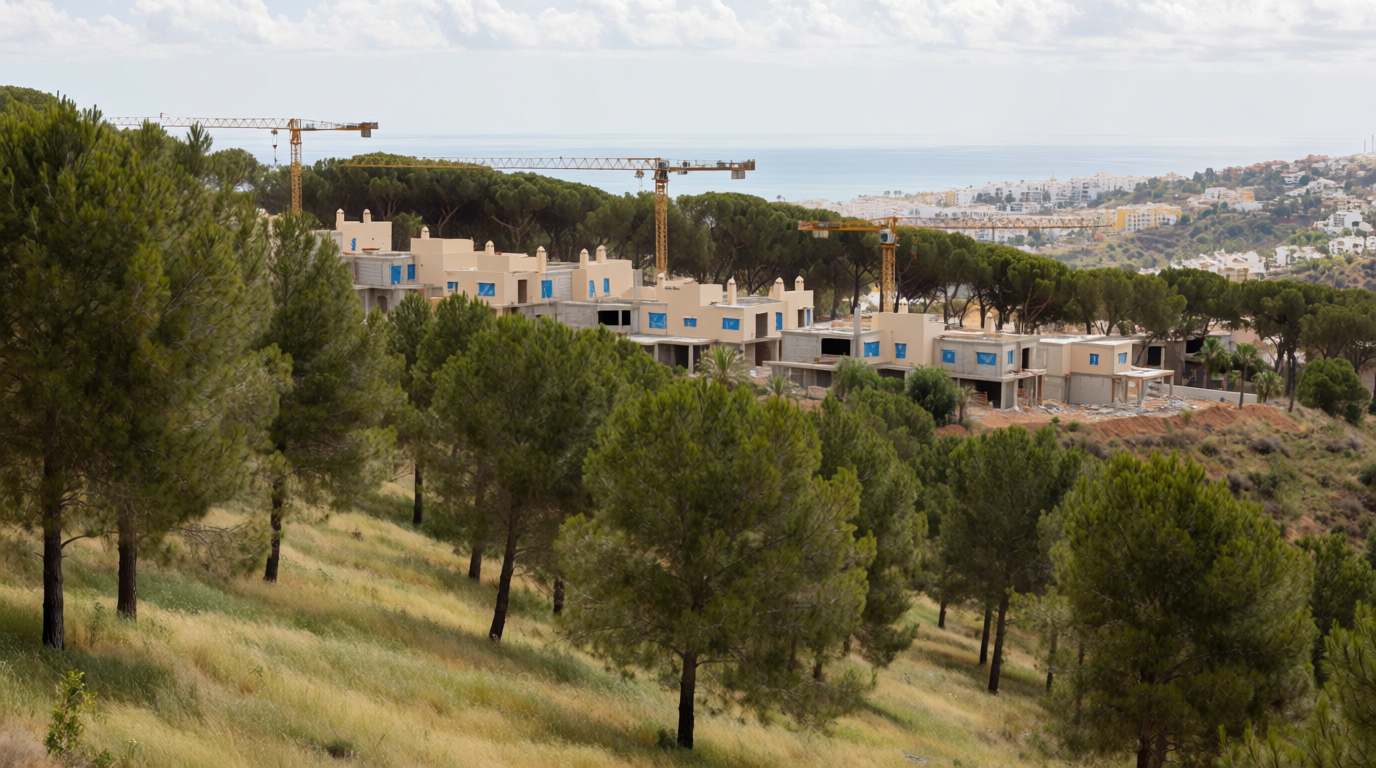
If you are only beginning to look, August's picture suggests a few practical habits worth keeping. Treat resale and new-build as genuinely separate searches with different timelines and different room for negotiation. Get your financing conversation started early if you will need a Spanish mortgage, since the process rewards patience rather than speed. And if residency is part of your thinking, keep that conversation separate from the property search itself, because the two no longer move together the way they once did.
A market that is not rushing anyone is a market where you can actually take your time to get it right.
Above all, take the slower August pace as an invitation rather than an obstacle. Whichever coast you are drawn to, and whichever end of that resale-to-new-build spread you find yourself looking at, a clearer market is simply an easier one to think in.
If any of this raises a question specific to your own situation, we are always glad to talk it through and, when you are ready, introduce you to the local experts we trust.