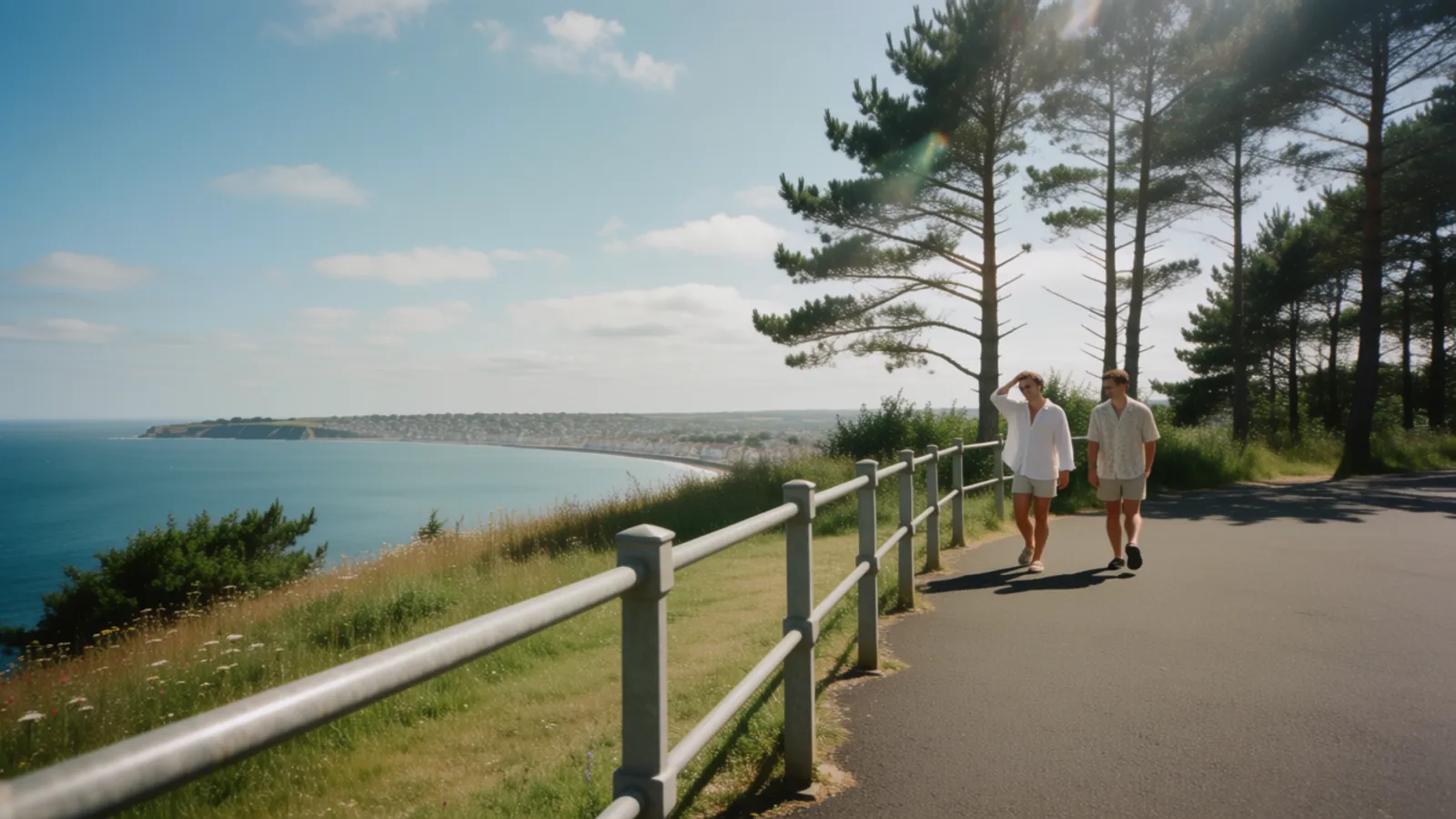

The sobremesa hour, and why nobody rushes you from the table here

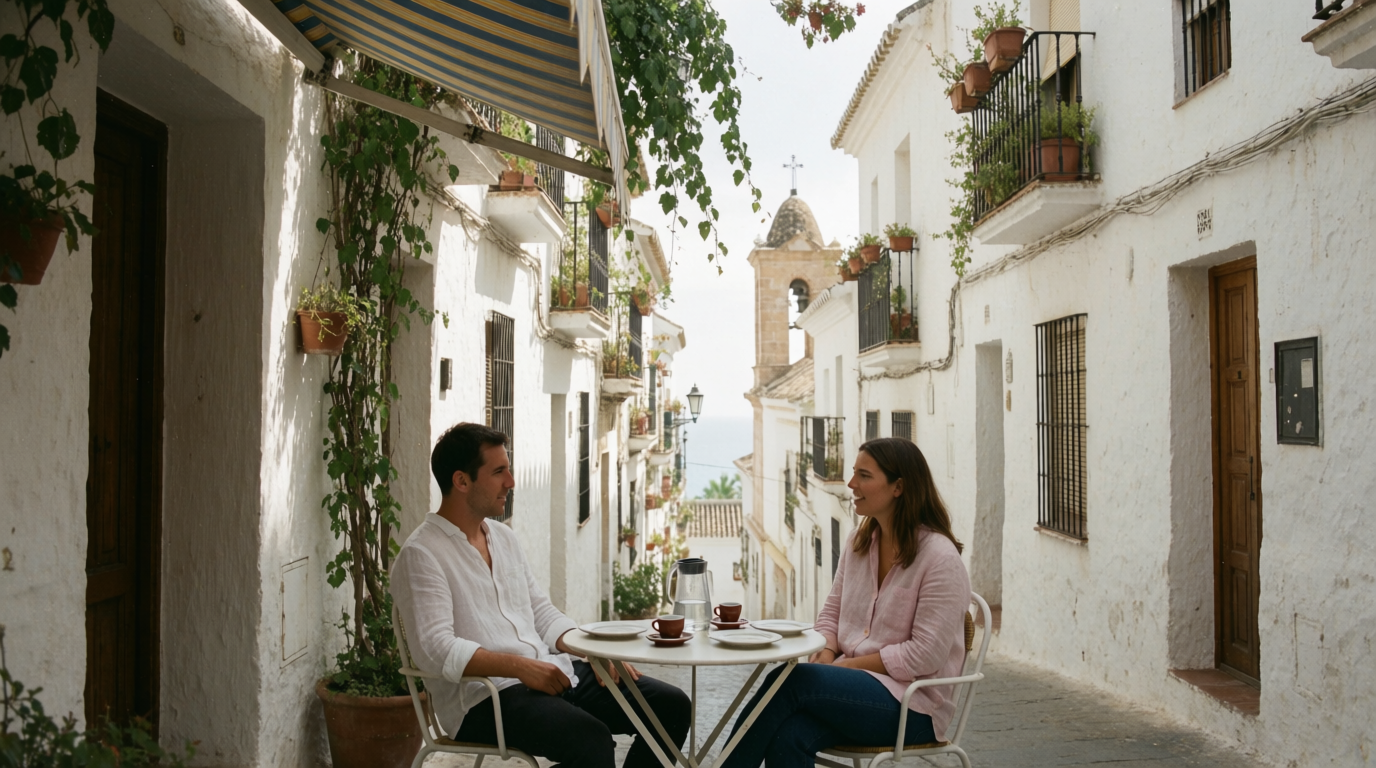
You notice it first because nobody comes to clear the plates. Lunch has clearly finished, the last of the bread has gone, and yet the table stays exactly as it is: crumbs, an empty bottle, small cups of coffee arriving one by one. Nobody at the table seems to think this is strange. Only the newcomer keeps glancing around for the bill.
This is the sobremesa, and it is one of the coast's quieter customs, easy to miss if you are used to restaurants that want your table back. It has no fixed length and no real end point. It simply runs until the conversation does, which on a Sunday can mean an hour, and sometimes considerably more.
We think it is worth understanding properly, because it changes how you read an afternoon here, and eventually how you plan your own.
What sobremesa actually means
The word comes from sobre la mesa, literally over the table, and it names the stretch of time after a meal when everyone stays put to talk. Not to eat more. Not to order another course. Just to sit, digest, argue gently about football or politics, and let the afternoon slow down around you.
It is distinct from the menú del día itself, which is about what you eat and for how little. Sobremesa is about what happens once the food is gone and the table becomes, for a while, simply a place to be together. A café solo or a carajillo often marks the shift, a small dark coffee that signals the meal has ended and the talking has properly begun.
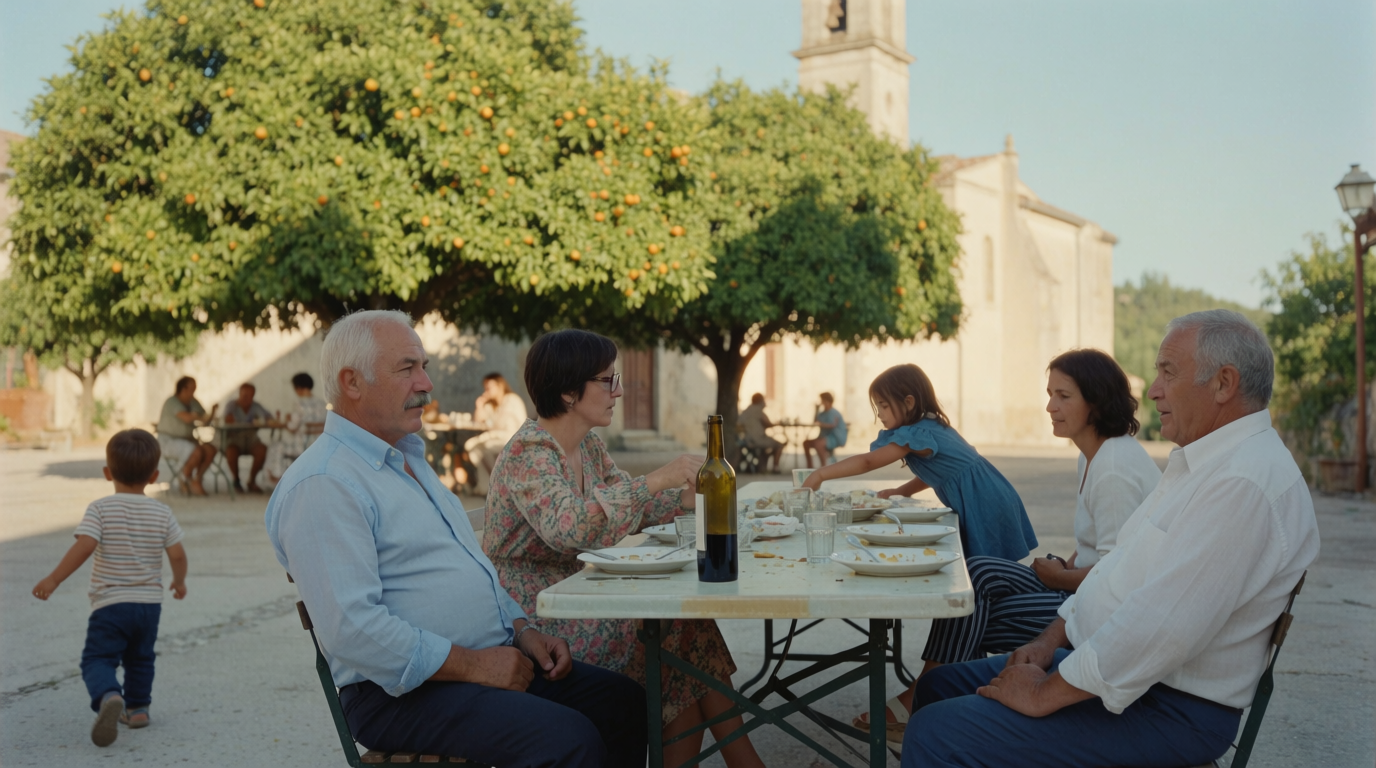
In family homes it can run longer than the meal that preceded it. In a mesón in the hills above Vélez-Málaga or a plaza table in Jávea's old quarter, you will see tables held for a second and third hour by people who ordered nothing further, because in most places nobody expects them to.
Why the coast is built for it
Sobremesa survives here partly because the shutters come down anyway. Between two and five, when many shops and offices close for the afternoon, there is simply nowhere pressing to be. A table under an awning becomes the obvious place to spend that dead time, and talking is the obvious way to spend it.
Heat plays its part too. In July and August, moving fast between one and four is not sensible, so towns from Altea to Estepona have quietly organised themselves around sitting still instead. The terrace stays shaded, the wine stays light, and the afternoon simply gets absorbed rather than rushed through.
Nobody is being lazy. They are simply not in the habit of treating a good conversation as time wasted.
What it changes for an owner
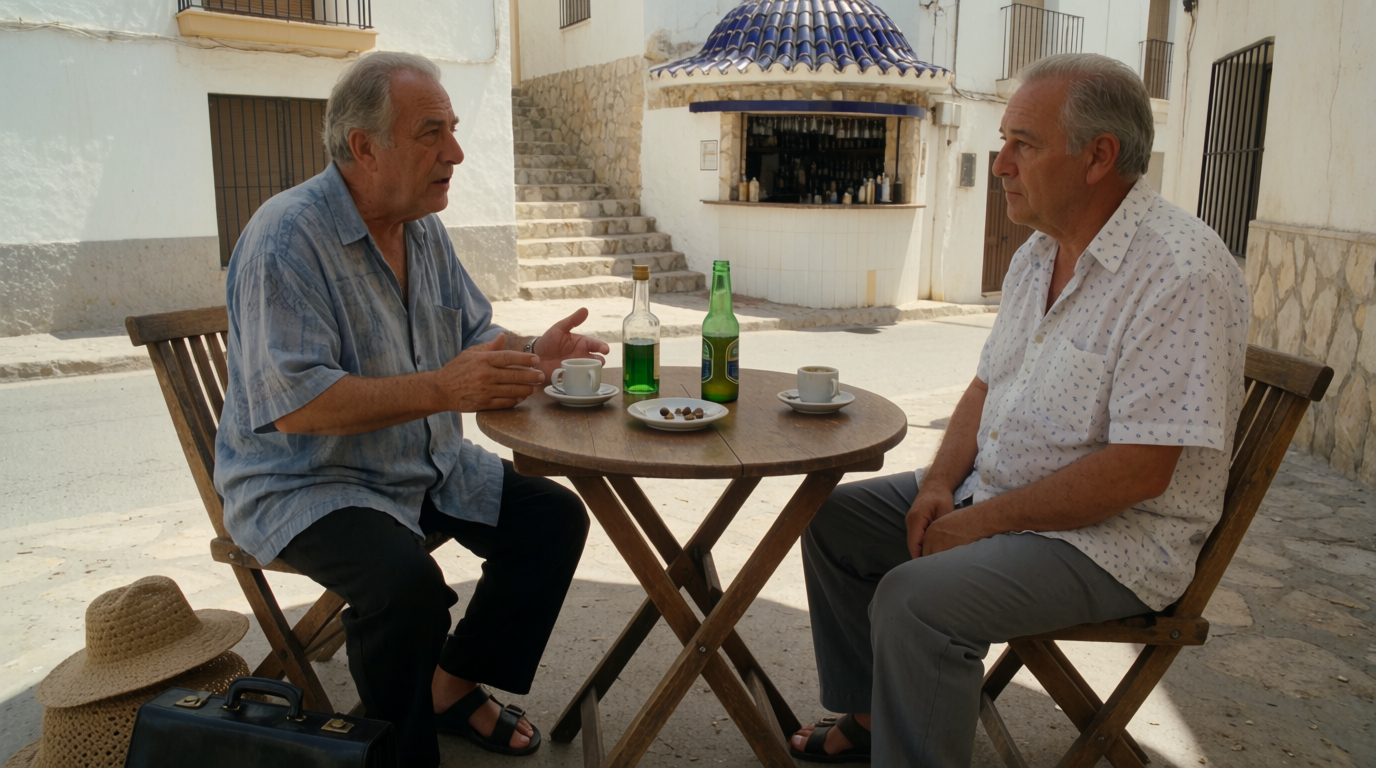
If you have only visited the coast on holiday, sobremesa can feel like a pleasant novelty, something that happens to other people at nearby tables while you wait for your bill. Living here properly is when you notice it start happening to you.
A Sunday lunch with neighbours in La Cala de Mijas or Rojales that you expected to last ninety minutes can run to four hours without anyone appearing to notice the time. A community meeting scheduled to start straight after lunch will often start when the lunch actually finishes, not when the invitation said. Deliveries, appointments, even builders, all move around this rhythm rather than against it.
The honest advice is not to fight it. Trying to schedule anything tightly around a Spanish lunch, especially at a weekend, tends to produce more frustration than it saves in minutes. Leaving the afternoon loosely held tends to produce, more often than not, a better afternoon than the one you had planned.
Making room for it in your own week
You do not need a large family table to take part properly. A small habit is enough:
- Order the coffee after the plates are cleared rather than with the bill, and see what happens to the pace of the table
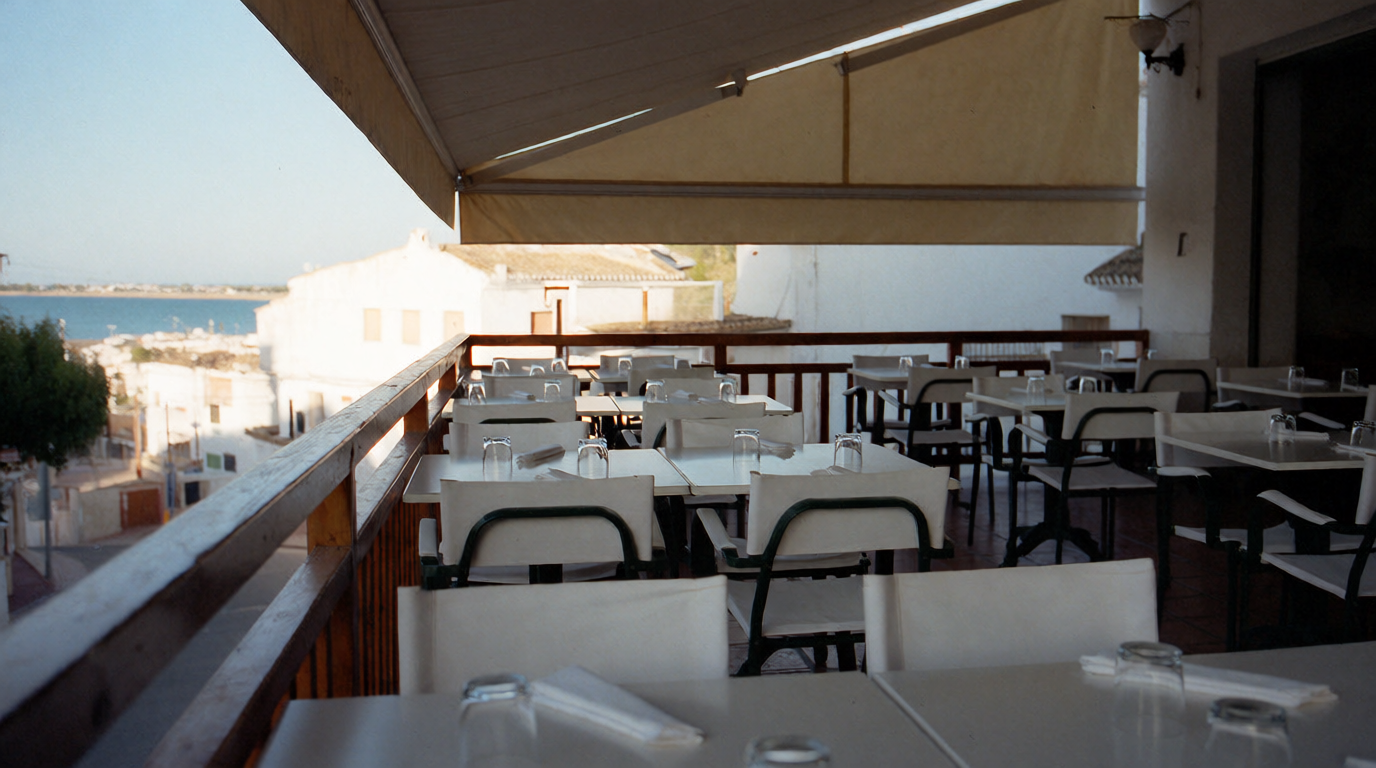
Keep one lunch a week free of anything that follows it, ideally with people rather than alone, and let it run as long as it wants to. Choose a terrace with shade rather than one with a view if you have to pick, because you will be there longer than you think. And when a Spanish friend or neighbour seems in no hurry to leave the table, take it as an invitation rather than an oversight.
Most owners tell us, once they have lived here a season or two, that this is one of the habits they miss most sharply when they are back home, more than the sea and almost as much as the light. A long lunch with nowhere urgent afterwards turns out to be harder to arrange in most other places than it looks from a holiday table on the Costa del Sol.
If you are weighing up where on this coast might suit the pace you are hoping for, whether that is a plaza table in an old town or a quieter terrace with room for a long Sunday, we are always glad to talk it through, and to introduce you to the local people who know each town's rhythm best.