
What has actually changed for buyers on the coast this year

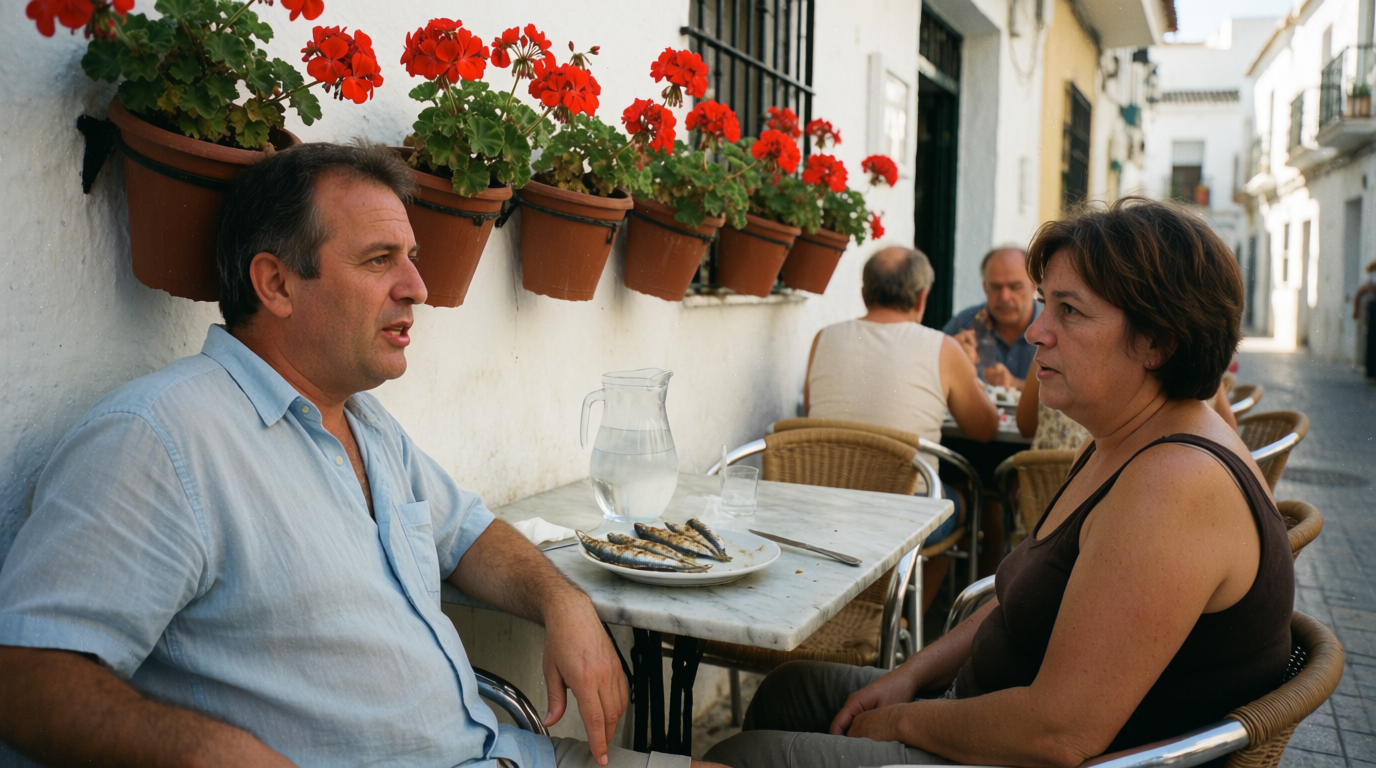
It is the middle of July, the terraces are full past ten at night, and the property conversation on both coasts has settled into something calmer than the headlines of a few years ago. We spend most of our time listening rather than selling, and what we hear from Estepona to Jávea is less a boom than a steady, uneven climb, with plenty of nuance underneath.
This is not a forecast. We do not deal in certainty, and anyone who tells you they know where prices will sit next July is guessing. What follows is simply what the market looks like from where we stand, in the middle of 2026, and what it might mean if you are starting to look.
What the numbers are actually telling us
Prices in the established parts of the Costa del Sol, Marbella, Estepona, the western strip toward Sotogrande, have kept climbing, though more gently than in the sharpest post pandemic years. Málaga city and its immediate coast have been pulled along by the same pressure, partly from buyers priced out of Marbella and partly from a genuinely strong domestic market.
The Costa Blanca tells a slightly different story in places. Alicante city and its coastal towns, Jávea, Altea, Moraira, have seen sustained interest and firming prices, while parts of the Costa Blanca South around Torrevieja and Orihuela Costa remain comparatively accessible, which keeps them popular with buyers working to a defined budget. The gap between the two coasts has narrowed in the middle of the market, even if Marbella's postcode premium has not.
Who is buying, and from where
British buyers remain the largest single foreign group on both coasts, a pattern that has held for decades and shows no real sign of shifting. What has changed is the company they keep. We are seeing more Belgian, Dutch and Irish buyers, and a steady trickle from the Nordic countries, drawn as much by direct flight connections as by price.
Spanish buyers themselves are a bigger part of this story than outsiders often assume. Remote and hybrid work has pushed a number of Madrid and northern city households toward the coast, competing for the same well located apartments that used to be an almost entirely foreign conversation.
On the non-EU side, the picture has changed since Spain closed its golden visa route to real estate investment in 2025. That route used to bring a certain kind of buyer, someone purchasing partly for residency, partly for the property itself. With it gone, non-EU buyers we meet now tend to be more straightforwardly motivated: a home for part of the year, sometimes paired with Spain's non-lucrative visa for those who want to spend real time here without working locally.
The policy conversation that will not go away
Madrid has spent the past eighteen months talking about housing affordability in ways that touch the coast even though the real pressure point is the big inland cities. There has been continuing debate about a heavier tax on non-resident, non-EU buyers, and it remains a live conversation rather than a settled one, so it is worth checking the current position rather than assuming last year's headlines still apply.
Town by town, short-let licensing has tightened in several places, part of a broader push by ayuntamientos up and down both coasts to bring holiday lets into a clearer registration system. This matters more to buyers planning to rent a property out than to those buying to live in, but it is a genuine practical question worth asking early, before you fall for a particular building or urbanisation.
None of this is dramatic on its own. Taken together, it is a market that has grown a little more procedural, and a little less improvised, than it was a decade ago.
Supply, and where that leaves value
New build supply close to the coast remains genuinely limited, particularly in the parts of Málaga province where flat land near the sea is nearly gone. That scarcity is a large part of what keeps first line prices firm, and it is why so much of the interesting building activity has moved second line, or inland, on both coasts.
The Costa Blanca has more room to build than the Costa del Sol in most of its stretches, which shows up in a wider spread of new developments around Alicante and further south, and in a market that still rewards patience if you are willing to look a few kilometres from the seafront. On the Costa del Sol, the same logic applies further inland from Estepona and around Mijas and Alhaurín, where a slightly longer drive to the beach buys noticeably more house.
What this means if you are starting to look now
If you are early in a search, the practical questions have not really changed, even if the answers move slightly year to year. Check the current rules on non-resident taxation and, if it applies to you, residency routes, since both have shifted in the last two years and are worth confirming rather than assuming. Ask any town hall or local expert about short-let licensing before you buy with rental income in mind, because the rules vary by municipality and change more often than people expect.
Widen your radius before you narrow your budget. A short drive inland, or a slightly less fashionable postcode on either coast, still buys meaningfully more space and calm than the well known names, and the difference in daily life is often smaller than the difference in price.
We are always glad to talk through what a particular budget and set of priorities actually look like on the ground, coast by coast, town by town. Get in touch and we will happily point you toward the local experts and the honest answers, without any pressure to move faster than you are ready to.