
A steady read on the coastal market, August 2026

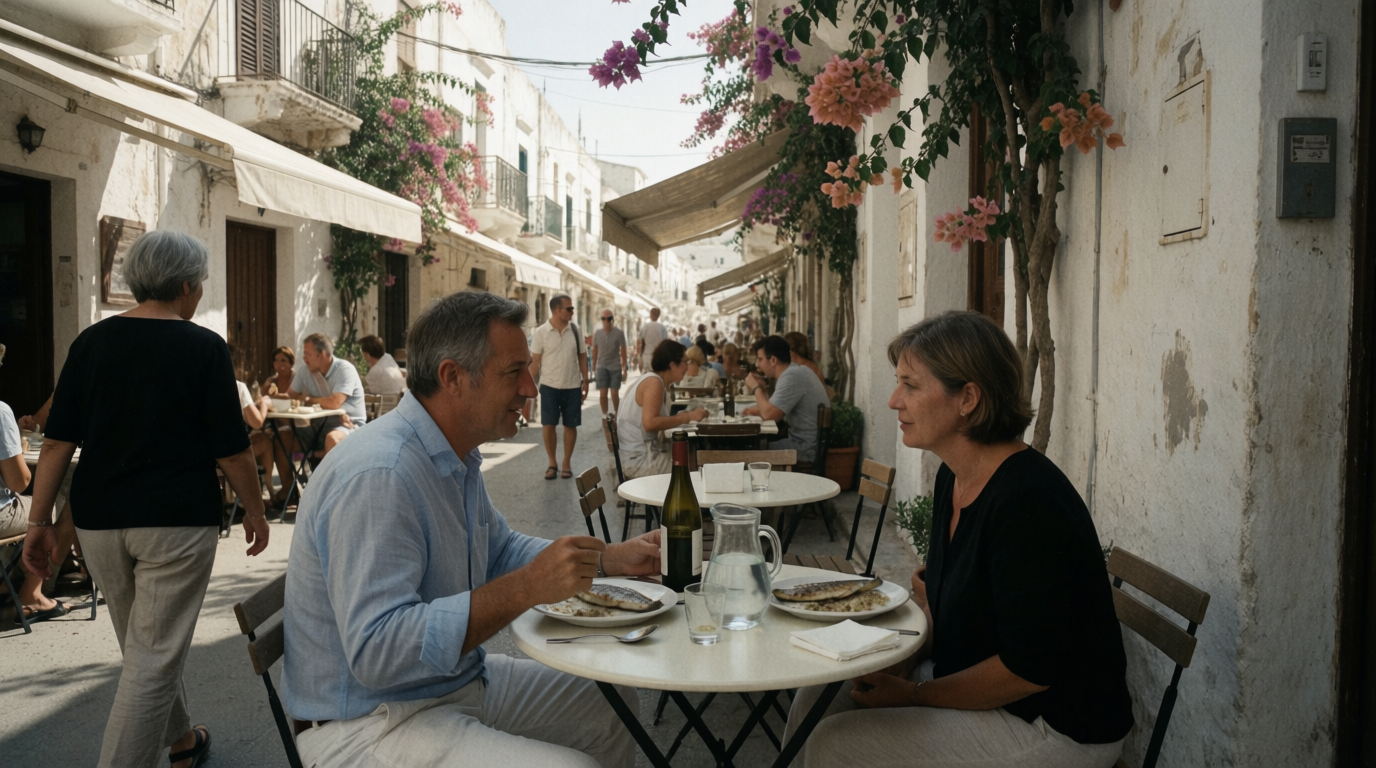
August is a strange month to take the market's pulse. Notaries' offices run on skeleton staff, half of Spain is at the beach rather than a viewing, and the coast itself is at its loudest and fullest. And yet completions still happen this month, chains still move, and the people who come to us in August tend to be serious: they have booked the flight, blocked out the fortnight, and want to see what the coast actually feels like before they commit to anything.
So this is less a forecast than a note on where things sit. Both the Costa del Sol and the Costa Blanca are still, broadly, rising markets, but the shape of that rise, and who is doing the buying, has shifted enough over the past year or two to be worth setting out plainly.
Prices: still climbing, but not evenly
The headline direction on both coasts has been upward for several years running, and nothing we see this summer suggests that has reversed. What has changed is how uneven that climb has become. Prime, walkable, sea-facing stock in Marbella, Estepona's old town, or the Málaga capital neighbourhoods closest to the centre keeps finding buyers at prices that would have seemed ambitious three or four years ago. A short drive inland, or a short walk back from the front on the Costa Blanca in towns like Dénia or Jávea, the pace is calmer and there is more room to negotiate.
We would resist reading a single average figure as the whole story. Spain's national statistics office and the main appraisal firms both publish regular house-price series, and both tend to show Málaga and Alicante provinces sitting above the national trend, but an average blends a beachfront villa with a village apartment and tells a buyer very little about the specific street they are looking at. The honest answer, most weeks, is still "it depends where."
Who is actually buying

The buyer mix has kept shifting. British buyers remain a large and steady presence on both coasts, but they no longer dominate the way they once did, and the pound's relative strength or weakness against the euro still shapes how far a British budget stretches from one year to the next. Alongside them, we continue to see strong interest from Germany, Belgium, the Netherlands and the Nordic countries, drawn as much by year-round flight connections into Málaga and Alicante as by price.
Two groups worth naming specifically: American buyers have become a more visible presence on the Costa del Sol in particular, often paying in cash and less sensitive to euro mortgage rates, and Polish and other Central European buyers have grown steadily on the Costa Blanca, helped by direct flights and a coastline that still reads as good value against Western Europe. None of this displaces the traditional Northern European buyer so much as it sits alongside them, making the coast's client base genuinely more mixed than it was a decade ago.
The supply side, and the rental question
New-build supply has struggled to keep pace with demand in the most sought-after pockets, partly because good coastal land is finite and partly because licensing and planning approval in Spain move at their own unhurried speed. That scarcity is one reason prime prices have held up even as the wider Spanish housing conversation, dominated by a genuine shortage of affordable homes in the big cities, has turned more political.
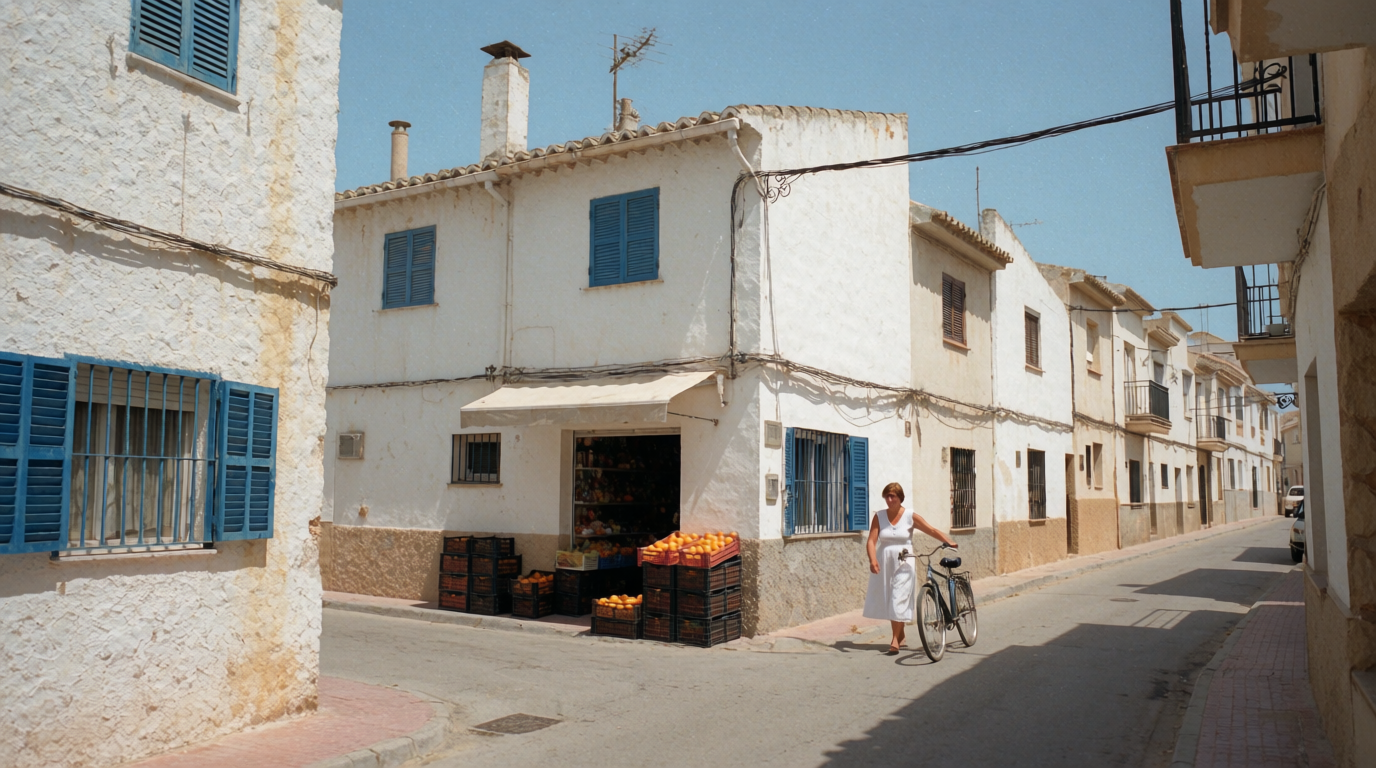
That political mood has reached the coast too, mostly through short-term rental rules. Málaga capital has restricted new tourist-rental licences across a large number of its neighbourhoods since 2024, and several other town halls on both coasts have tightened or paused new licences of their own. If a rental income plan is part of why you're buying, it is worth checking the specific building and postcode's current licence status before you fall for the property itself, because the rules genuinely do vary street by street.
Borrowing costs and the wider mood
Euro area interest rates have eased back from their 2023 peak, and mortgage rates for buyers borrowing in euros have followed, gradually making finance a less painful part of the conversation than it was two years ago. That has not translated into any sense of panic buying; if anything, the mood we encounter on viewings this summer is patient rather than pressured, buyers taking their time over a second or third visit before committing.
It is also worth remembering what changed and what has not. Spain's investor "golden visa" route, tied to property purchase, closed last spring, which removed one narrow motivation for buying but changed very little for the great majority of people who buy here to actually live in the property, not to secure a visa. Talk of extra taxes aimed specifically at non-resident buyers from outside the EU has continued in Madrid, but as of this summer it remains proposed rather than in force, and we would treat any claim that it is already law with caution.
What this means if you're starting your search now
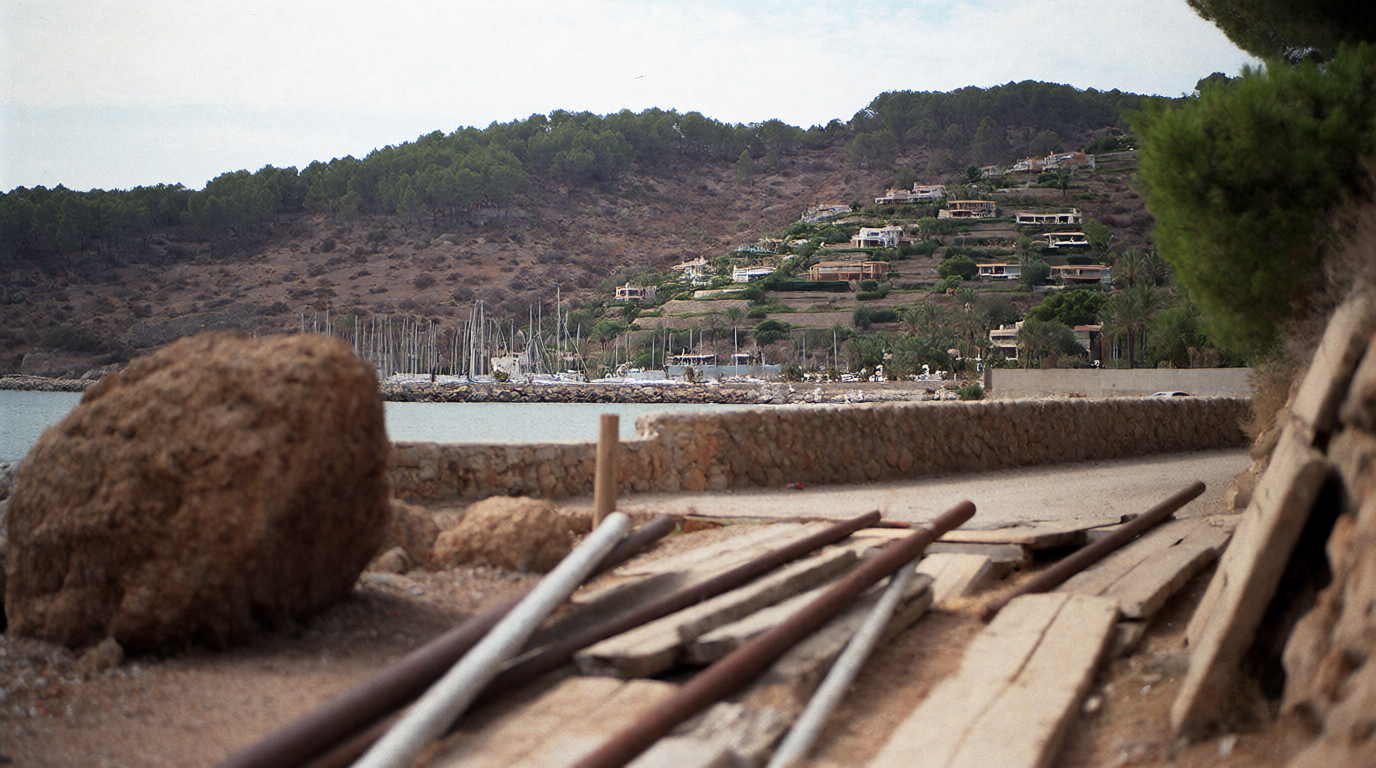
None of this points to a market you need to rush. It points to one where the work is in the detail: knowing which side of a town's rental-licence line a building sits on, understanding that a headline average price tells you almost nothing about your street, and being honest with yourself about whether you're chasing a beachfront postcode or a five-minute walk from one, because the price gap between the two has rarely been wider.
The coast rewards patience more than speed. Most of the people who end up happiest here took their time before they took the keys.
If you're weighing up where to start, or want an honest read on a specific town or building before you commit to a flight, we're always happy to talk it through. That is the whole point of us sitting on your side of the table.