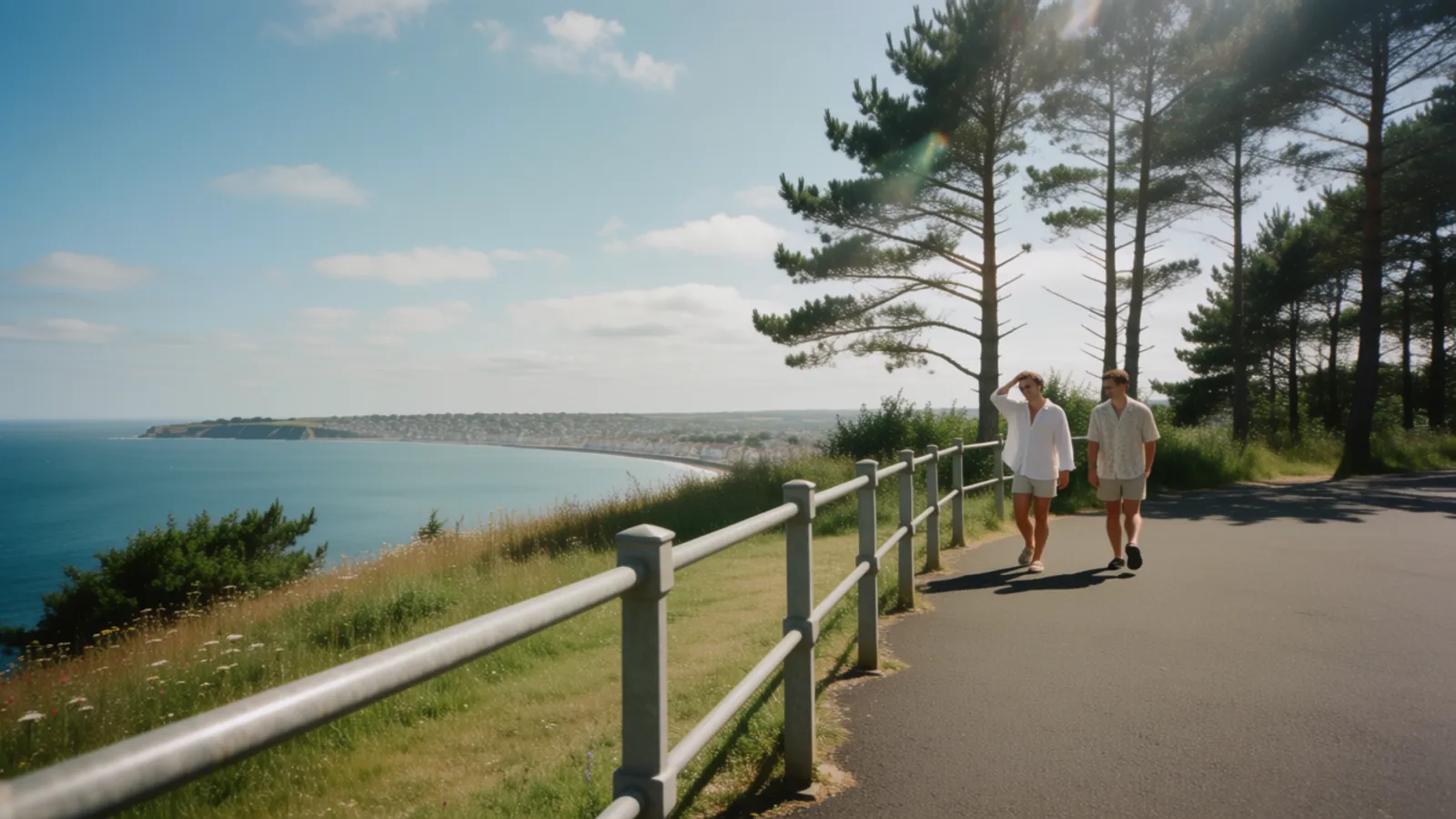

Why winter is when this coast quietly comes into its own

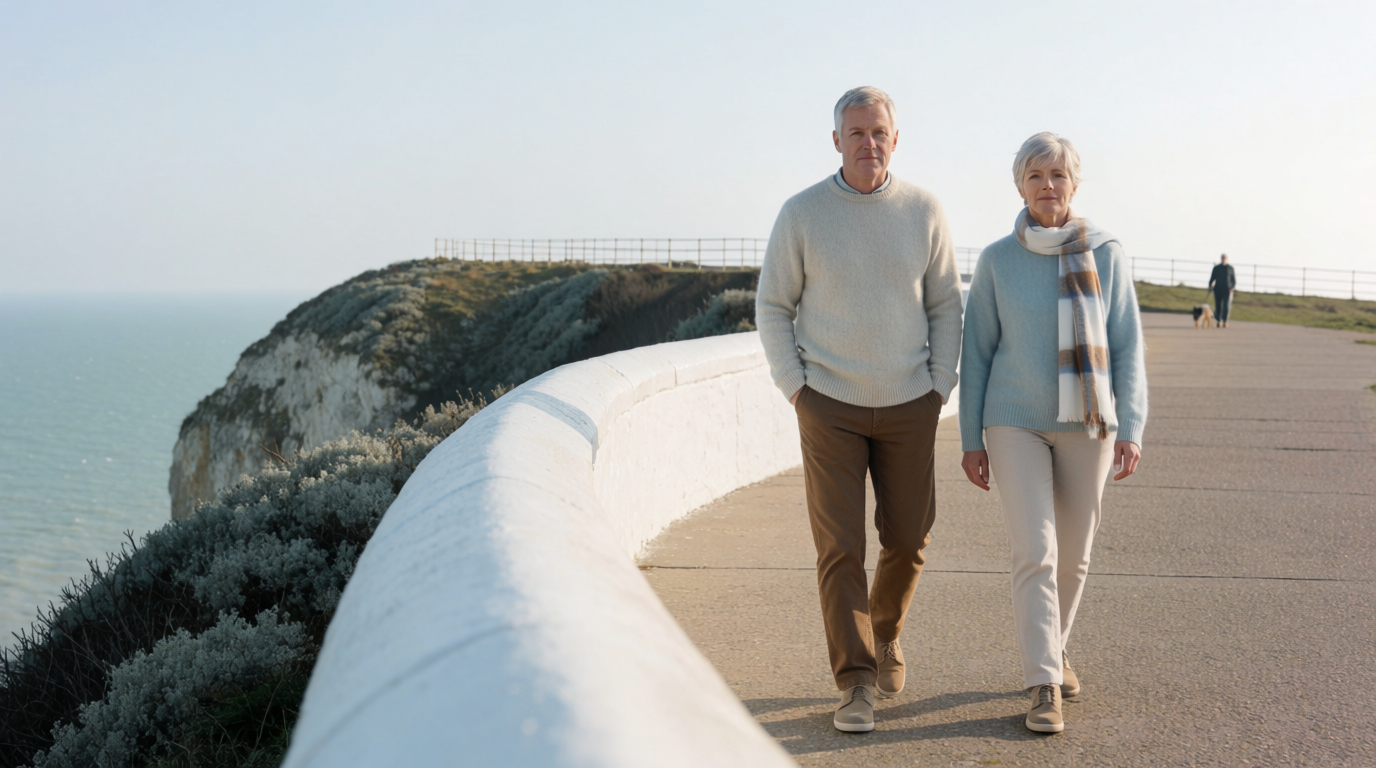
There is a particular quiet that settles over the coast once the clocks go back. The beach bars have folded their awnings, the hire cars have thinned out, and the light comes in low and steady rather than blazing straight down. Most visitors picture this coast in July. The people who actually live here will tell you, almost conspiratorially, that winter is when it makes the most sense.
It is not a secret exactly, more something that takes a season or two of ownership to notice. The temperature rarely drops in any way that troubles a Northern European. Málaga's winter days sit comfortably in the high teens, and a January lunch on a south-facing terrace on the Costa Blanca can still call for sunglasses rather than a coat. What changes is the texture of the place, not its warmth.
We find that owners who spend a winter here, rather than only summers, end up understanding the coast in a different way. It stops being a backdrop for a holiday and starts being somewhere people simply live, which is, after all, the whole point.
The light does the work that heat used to do
Summer light on this coast is flat and total, bleaching colour out of everything by midday. Winter light is lower, more angled, and it lingers on things: the ochre wall of a finca, the ridgeline behind Mijas, the white flank of a boat in Dénia's marina. Photographers know this instinctively, which is why so many of the images that make people fall for this coast in the first place were taken in November or February, not August.
There is also simply more of the day to notice it in. Terraces that were unbearable at 2pm in July become the best seat in the house in January, and locals treat them that way, moving their coffee or their aperitivo outside whenever the sun allows it, then back in when it dips behind a building around four.
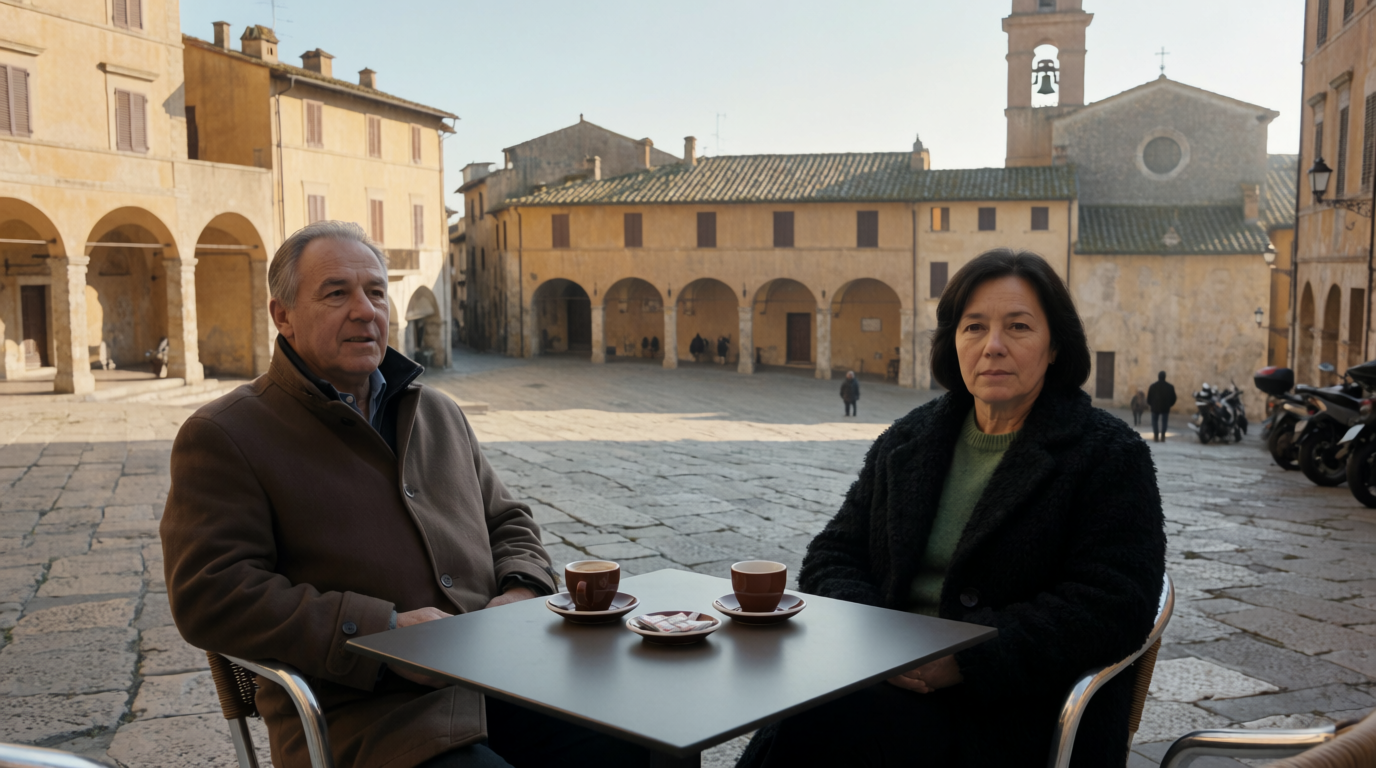
Inland, the season has its own calendar
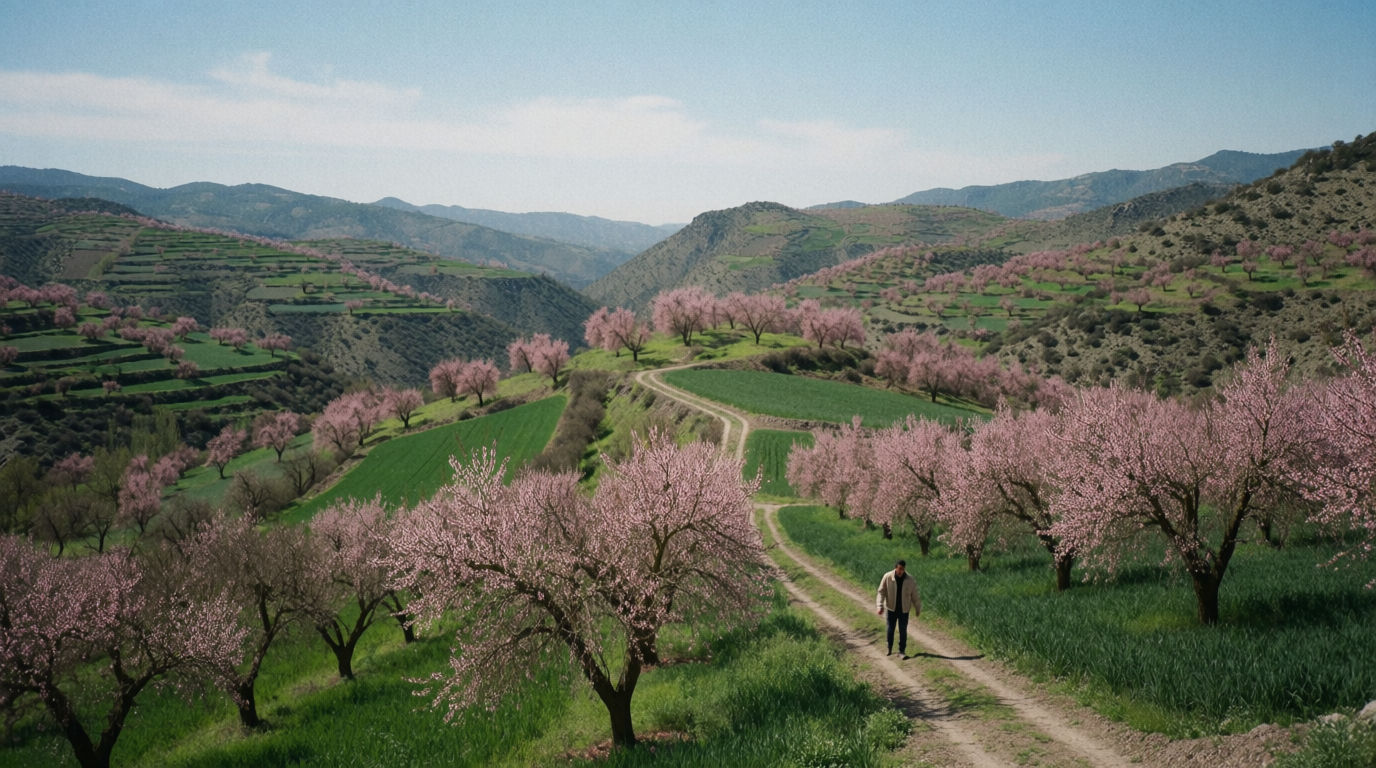
Drive twenty minutes off the coast in either direction and winter has a shape you can watch happen. On the Costa Blanca, the Jalón and Pop valleys turn a soft white in late January and into February as the almond trees blossom, weeks before anything else stirs, and villages like Alcalalí and Parcent fill briefly with walkers who come just to see it. On the Costa del Sol, the citrus groves around the Guadalhorce and the hills above Vélez-Málaga are heavy with oranges through the winter months, sold from the backs of vans and small roadside stalls at prices that make the supermarket version look faintly absurd.
These are not tourist events with a programme and a car park. They happen because it is what the land does that month, and the fact that so few visitors see them is part of what makes them feel like something the coast keeps for its residents.
The table gets heavier, and better
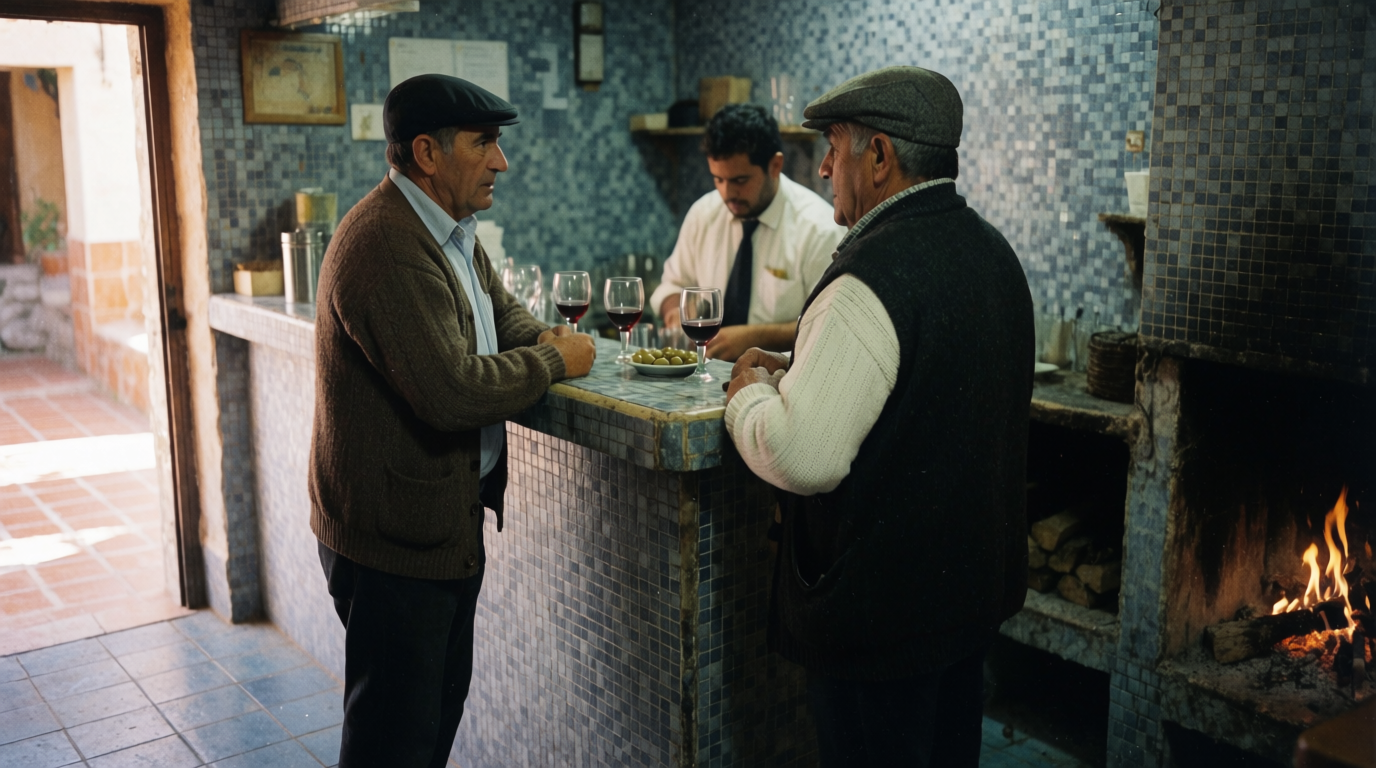
Menus change too, in a way that is easy to miss if you only ever visit in summer. The grilled sardines and espetos give way to migas, to cocido, to habas con jamón, to the kind of stewed, garlicky, unhurried dishes that make no sense on a 34 degree evening but are exactly right at 9pm in January with the heater glowing under the awning. Mountain villages like Cómpeta or Gata de Gorgos, which run almost entirely on tourist rhythm in August, quietly become themselves again: the same three bars, the same faces, a fire lit in the corner of the tiled bar rather than a fan on the ceiling.
The coast does not go to sleep in winter. It simply stops performing for anyone and gets on with being itself.
Fiestas without the heat
Winter also carries some of the calendar's most genuinely local celebrations, precisely because there is no tourist season to accommodate. The Cabalgata de los Reyes Magos on the evening of 5 January brings whole towns onto the streets, from Marbella's seafront procession to the smaller, more intimate versions in villages where every child in the crowd is known to every adult watching. Later in January, the fiesta of San Antón sees bonfires lit in village streets across inland Alicante and Málaga province, animals blessed outside churches, and chestnuts roasted on the embers until well past midnight.
None of this is arranged for anyone's benefit but the town's own. That is precisely why owners who experience it tend to feel, for the first time, like residents rather than guests.
Why this matters if you are choosing where to buy
It is worth walking a town in January before deciding you love it in July. A place that feels a little sleepy on a winter Tuesday afternoon, with shutters down between two and five and only the bakery and one bar open, is telling you something true about its rhythm the rest of the year will only amplify. Equally, a town that keeps its market running, its bars half full, and its promenade walked by locals in January is one that will hold its character whatever the season.
We think this is one of the more useful, least discussed pieces of due care a buyer can do for themselves: not checking a survey, but checking a season.
If you would like to see either coast in its winter mood before making any decision, we are glad to arrange a visit for exactly that time of year, and to introduce you to the local people who know these towns in every season, not only the one on the postcards.