Valletta, Sliema, St Julian’s: Real-life Trade-offs
Valletta’s drama, Sliema’s promenade and St Julian’s nightlife come with distinct market trade-offs; align lifestyle non‑negotiables to deed-backed data and season-aware viewings.
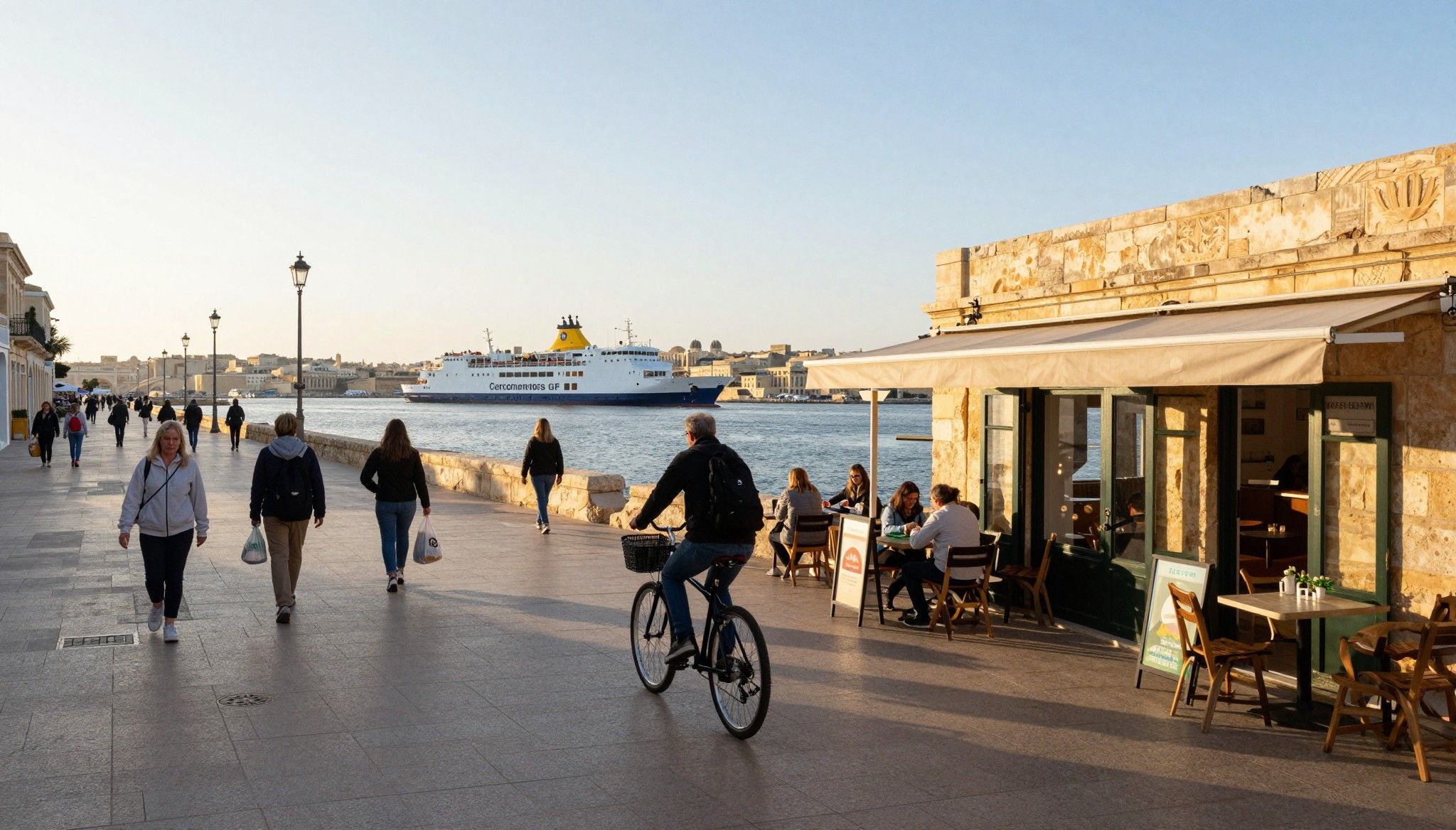
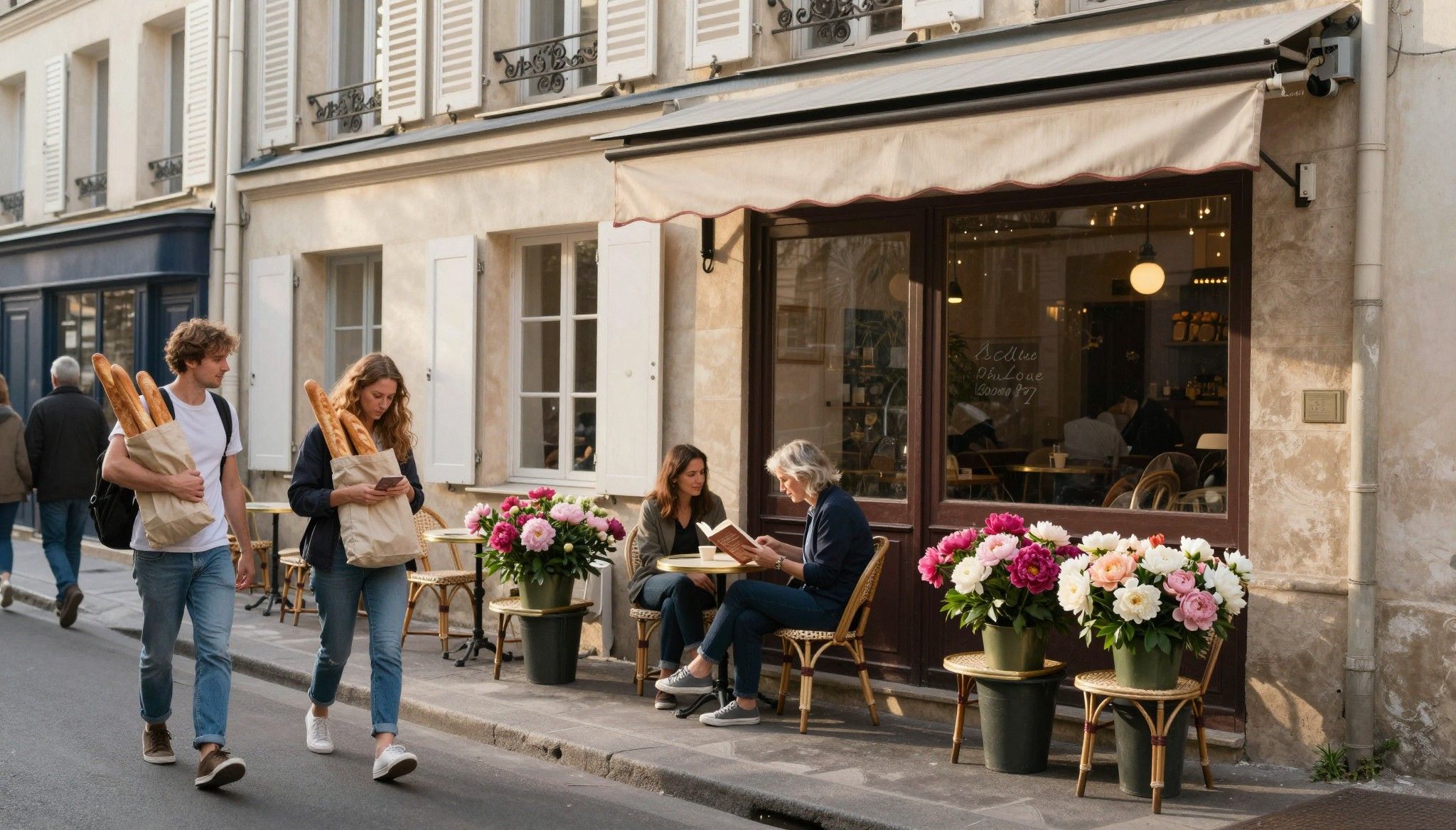
Imagine stepping out at 7am onto Valletta’s Republic Street with an espresso in hand, the limestone façades cooling after a hot night. In Malta, the mornings set a rhythm: cafes fill, ferries slide across the harbour and small shops open before the heat. That cadence is part of what you’re buying — not just square metres — and it shapes which neighbourhood will actually suit the life you want.
Living Malta: compact island life, big-day personality
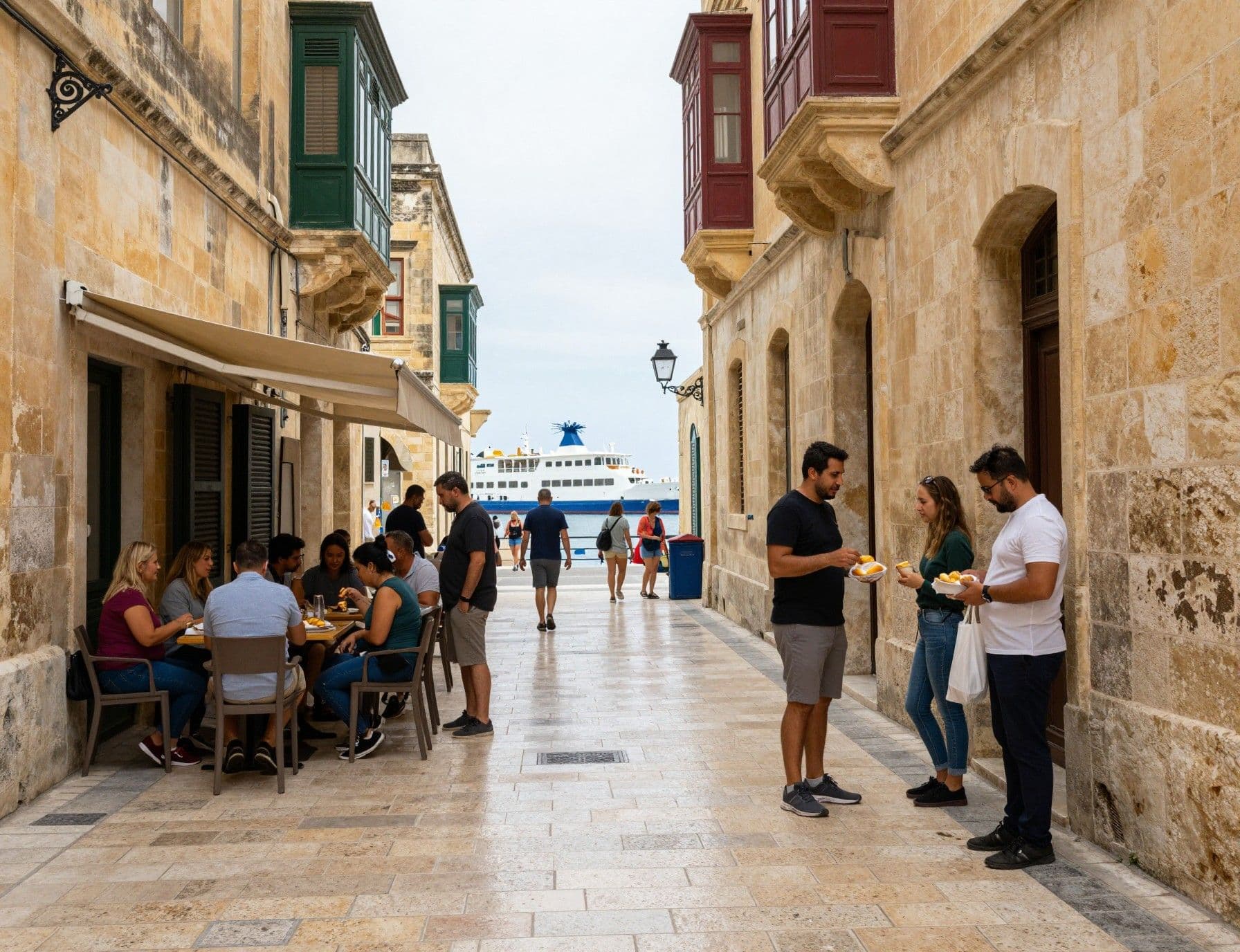
Malta feels small in the best way: everything is close, neighbourhood identities are intense and the sea is never far. That convenience pushes demand — and prices — in coastal hubs. Official statistics show steady price growth in recent years, so lifestyle choices come with market consequences. If you fall for morning markets in Marsaxlokk, expect different trade-offs than if you want late-night bars in Paceville.
Valletta: historic, walkable, theatrical
Light hits Valletta’s bastions in a way that makes evenings feel cinematic. Here you’ll find palazzos, boutique restaurants and steep streets that reward walking. Apartments tend to be period conversions with thick walls and high ceilings — gorgeous, but often needing bespoke upgrades. Expect noise on festival nights and the strongest sense of living in history.
Sliema & Gzira: coffee culture and coastal promenades
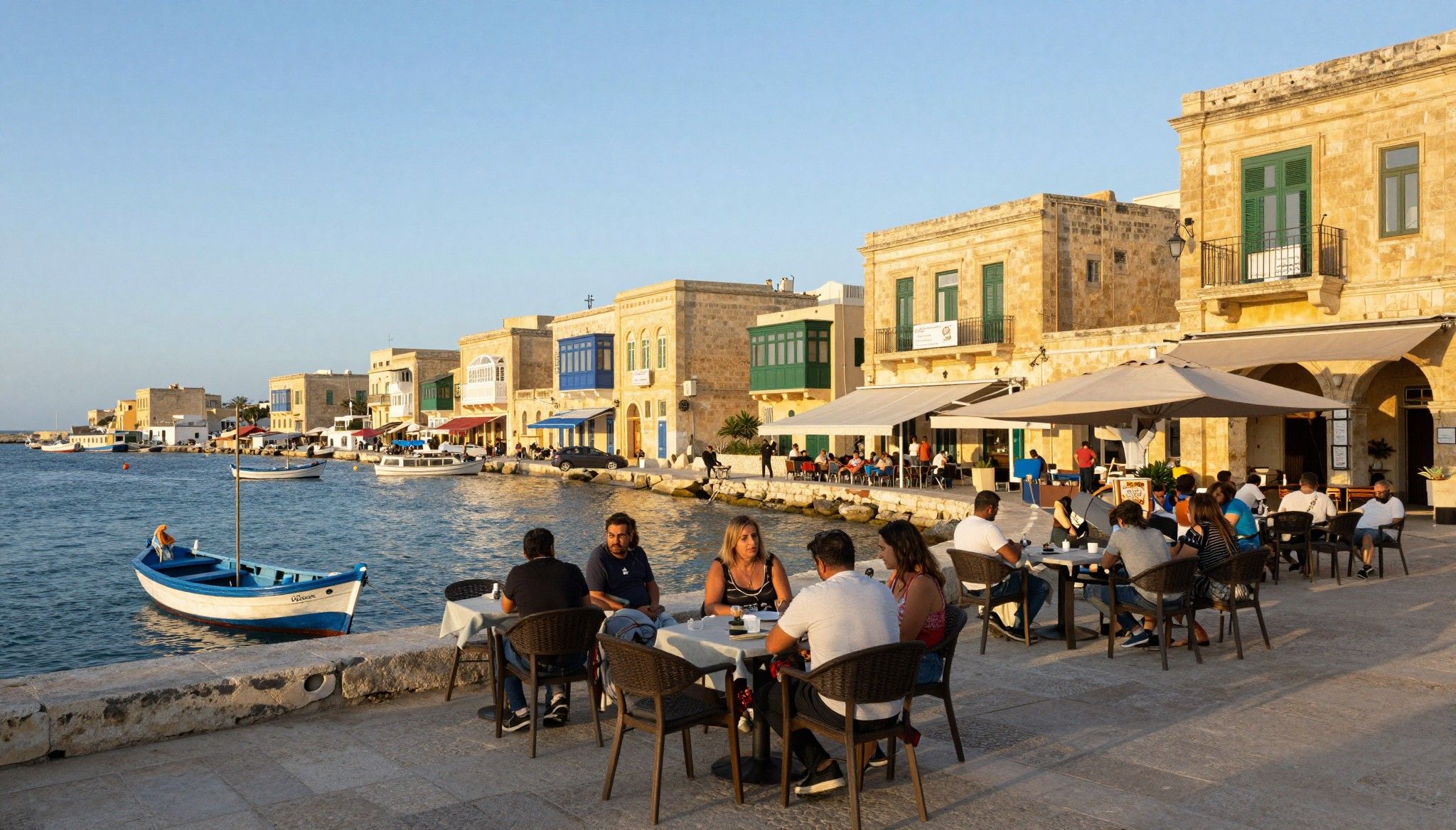
Sliema/Gzira are where you’ll pace the promenade at sunset, move between cafes and independent shops, and balance an easy commute to Valletta with modern apartment living. Newer developments and waterfront flats make life simple — lift-access, sea views, and a steady stream of cafes such as the standing bars on Tower Road — but the convenience comes with higher per-square-metre prices and active short-let demand.
Lifestyle highlights buyers actually care about
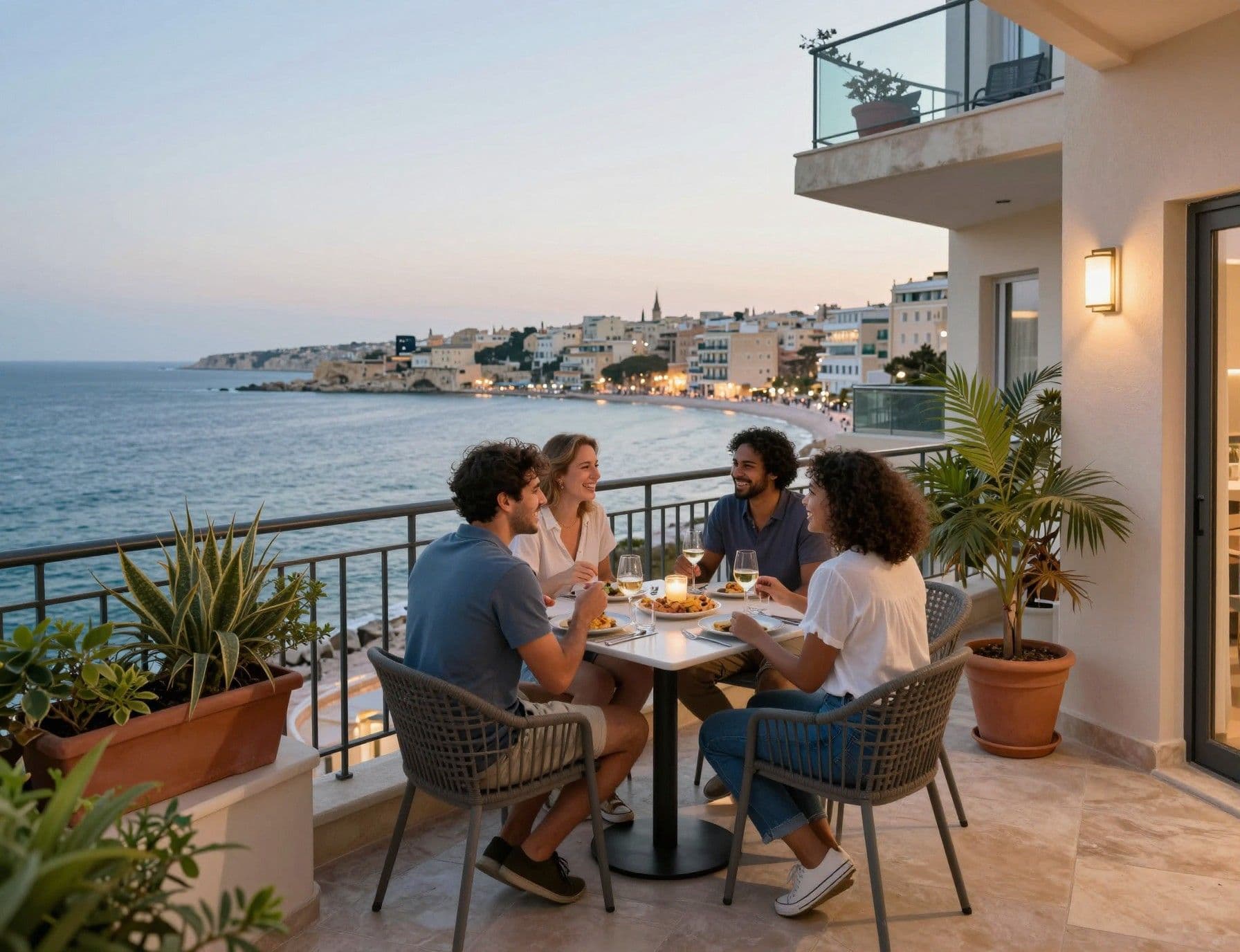
When buyers tell us which Maltese life they want, they mean concrete things: a balcony for sea air, a street with morning bakeries, quick ferry runs, or a quiet square for Sunday markets. These lifestyle markers should map directly to property features — and to the local market pressures that influence price and liquidity.
- Morning espresso and pastries on Republic Street (Valletta) — historic ambience
- Sunset stroll and sea-facing cafés on Sliema promenade — daily ritual
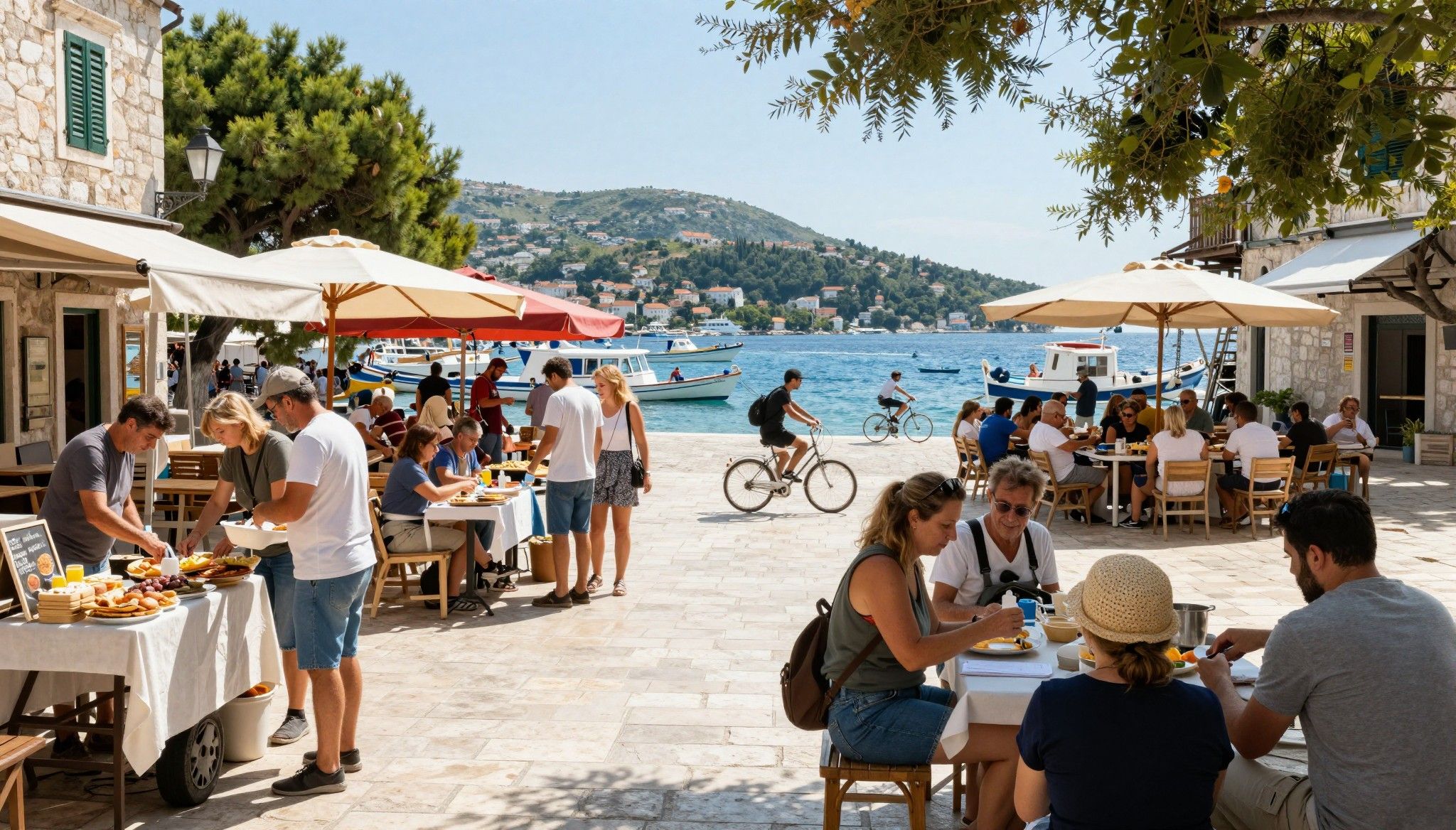
- Fresh fish market at Marsaxlokk on Sundays — weekend ritual and flavour
Making the move: practical realities tied to lifestyle choices
Buying in Malta is equal parts lifestyle decision and market bet. National reports show rising transaction values and constrained supply — meaning the most lifestyle-rich pockets carry a premium. Match your must-haves to neighbourhoods early, and accept that trade-offs (space vs. walkability, period charm vs. maintenance) are part of the deal.
Property types and what they mean for daily life
Maisonettes and traditional townhouses give you terraces and character but often come with renovation surprises: damp treatment, bespoke carpentry and compliance work. Modern apartments offer easier maintenance and amenities — lifts, air-conditioning, balconies — and they align with Malta’s growth in apartment living. Choose by how you want to spend weekends: restoring a palazzo or sipping coffee on a balcony?
Working with local experts who know the life you want
An agent who understands festival calendars, short-let pressure and building quirks will save you months of trial-and-error. Look for advisors who can show recent comparable deeds (not just listings), explain utility realities (cooling, water pressure) and connect you to trusted renovators who work with limestone and party-wall constraints.
- Match lifestyle to stock: 1) List your non-negotiables (balcony, proximity to sea, quiet street), 2) Ask agents for deed-backed comps, 3) Reserve budget for renovation (15–25%) if buying older stock, 4) Check short-let rules if you plan to rent.
Insider knowledge: expat realities and seasonal truth-telling
Expats often arrive chasing postcard views and underestimate local rhythms: August can be noisy and hot, while winter evenings are quieter and clearer. Statistically, the Residential Property Price Index shows growth — so consider timing: viewing in high season may feel busier, but off-season inspections reveal true daylight, noise and neighbour patterns.
Language, social life and finding your circle
English is an official language, which flattens the learning curve for many buyers. Still, neighbourhoods have different social textures: Valletta attracts culture-first residents, Sliema draws families and professionals, and St Julian’s (Paceville) suits nightlife-focused buyers. Join club nights, local markets and church festas to meet neighbours — these are the fastest ways to feel at home.
Long-term life: upkeep, community and value
Think five years ahead: maintenance on limestone facades, the impact of tourism cycles on local amenity quality, and the likelihood of further apartment rather than detached development. Official indices and industry surveys indicate steady demand; choosing a neighbourhood where life will still be good in five years helps both living quality and resilience of resale value.
- Budget realistic upkeep: stonework, waterproofing, AC servicing
- Prioritise natural light checks during winter visits (not only summer)
- Confirm short-let and rental rules with local council and agent
- If you want to move quickly: 1) obtain a local bank pre-approval or cash proof, 2) instruct a Maltese notary/solicitor recommended by your agent, 3) request copies of recent deeds and utility bills, 4) budget 3–6 months to complete purchase logistics.
When lifestyle beats the headline: a quick checklist
- If you value daily coastal walks — prioritise Sliema/Gzira over inner Valletta
- If you want theatre and festivals on your doorstep — prioritise Valletta
- If peace and family parks matter — look to the outer suburbs and south coast towns
We’ve toured these streets, measured daylight, and asked the right questions so you don’t have to. The lifestyle is real — the market context matters. Start with a clear list of how you want to live, then ask agents for deed-backed comps and off-season visits. That’s how you fall for Malta honestly, and buy wisely.
Norwegian market analyst who serves Nordic buyers with transparent pricing and risk assessment. Specializes in residency rules and tax implications.