Buy the Life, Not Just the Address — France Realities
Fall in love with French street life — then protect it. Regional taxes, notaire changes and cultural quirks shape whether a dream home is a good long-term buy.
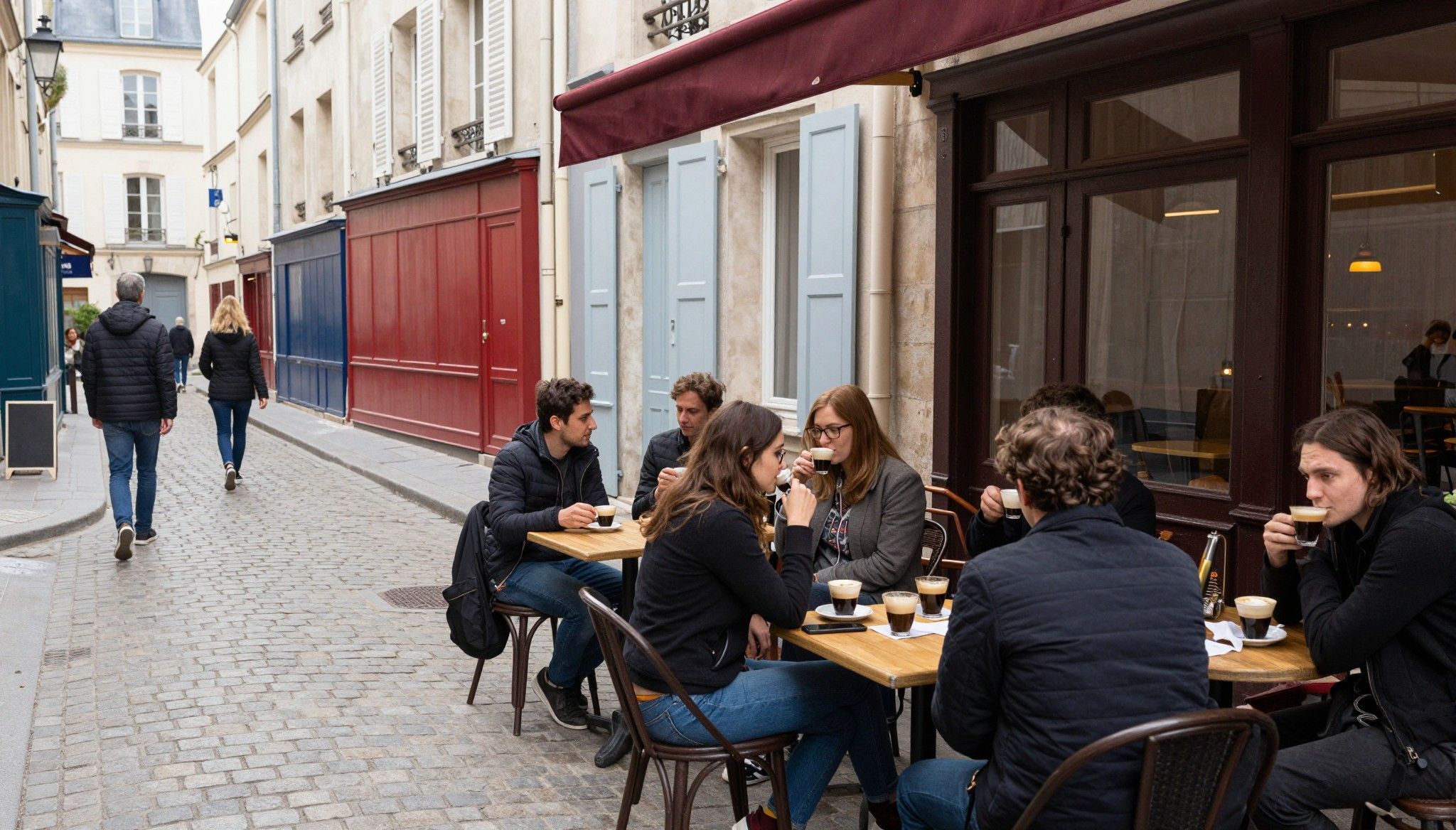
Imagine a Saturday morning in Aix-en-Provence: market stalls spilling figs onto sun-warmed tables, a barista pulling an espresso on Cours Mirabeau, and shutters opening on a centuries-old rue where neighbours still greet each other. This is the France many fall in love with — and it’s the feeling you should protect when buying property here. According to recent market analysis, prices and taxes vary regionally, and small legal missteps can turn a dream into a costly lesson.
Living the French life — what really matters
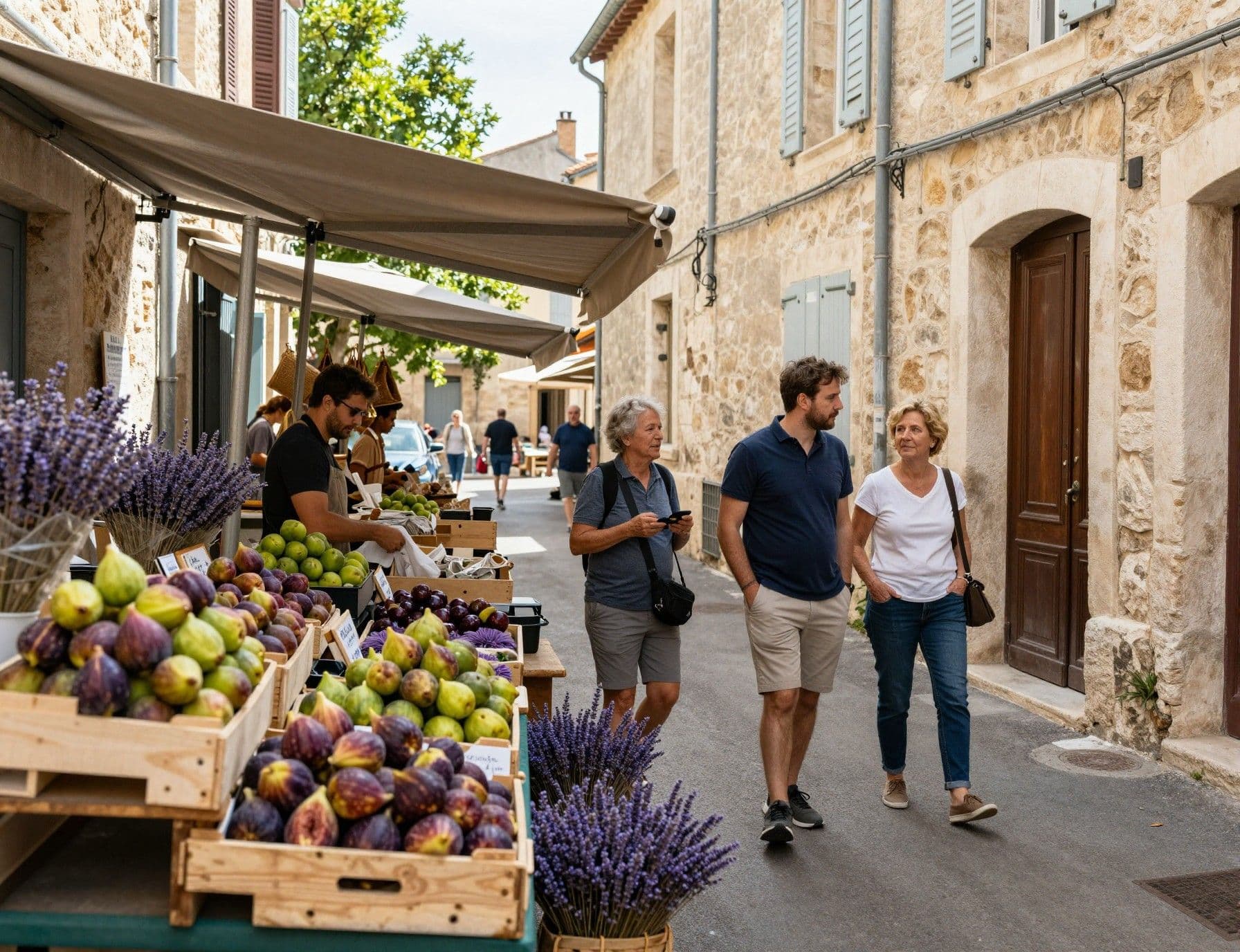
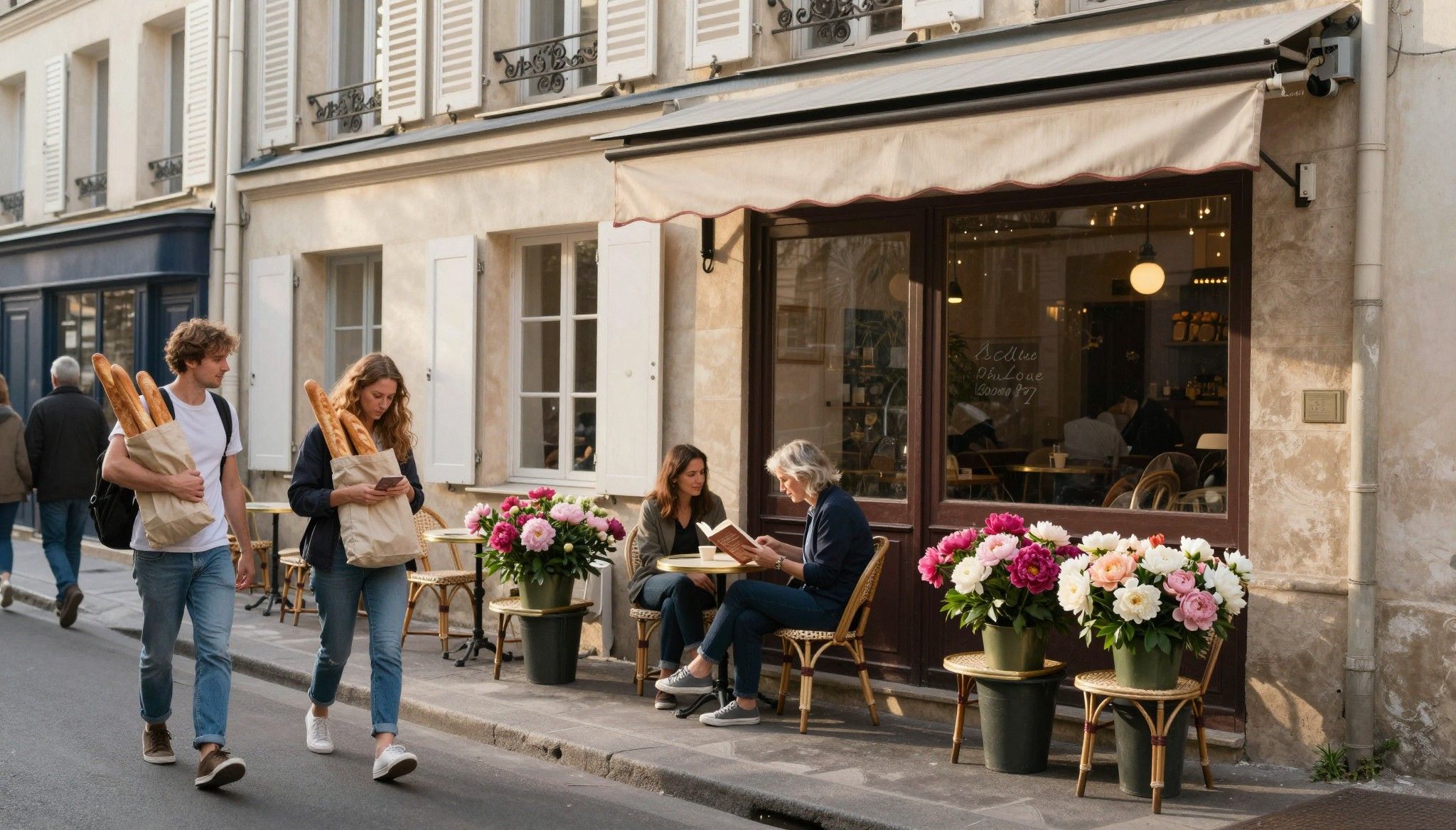
France isn’t one lifestyle; it’s dozens. In Marseille you wake to fish markets and harbour light; in Bordeaux weekends revolve around marchés and red wine; in Lyon the food culture dictates your social calendar. Street-level details — the boulangerie on Rue de la République, the terrasse outside Café de Flore, the Sunday marché at Place des Lices — shape how you live more than square metres or a view.
Neighbourhood spotlight: Le Marais, Lyon Presqu’île, Vieux Nice
Le Marais (Paris) feels like living in a museum that also sells good shoes — narrow streets, discreet courtyards, cafés that belong in novels. Lyon’s Presqu’île blends everyday commerce with classic bouchons; you’ll learn who makes the best quenelle in a month. Vieux Nice is summer light, narrow alleys and markets where you buy citrus by the kilo. These micro-areas determine demand cycles and rental appeal, so pay attention to street-level life as much as postcode averages.
Food, seasons and rhythms that change property choices
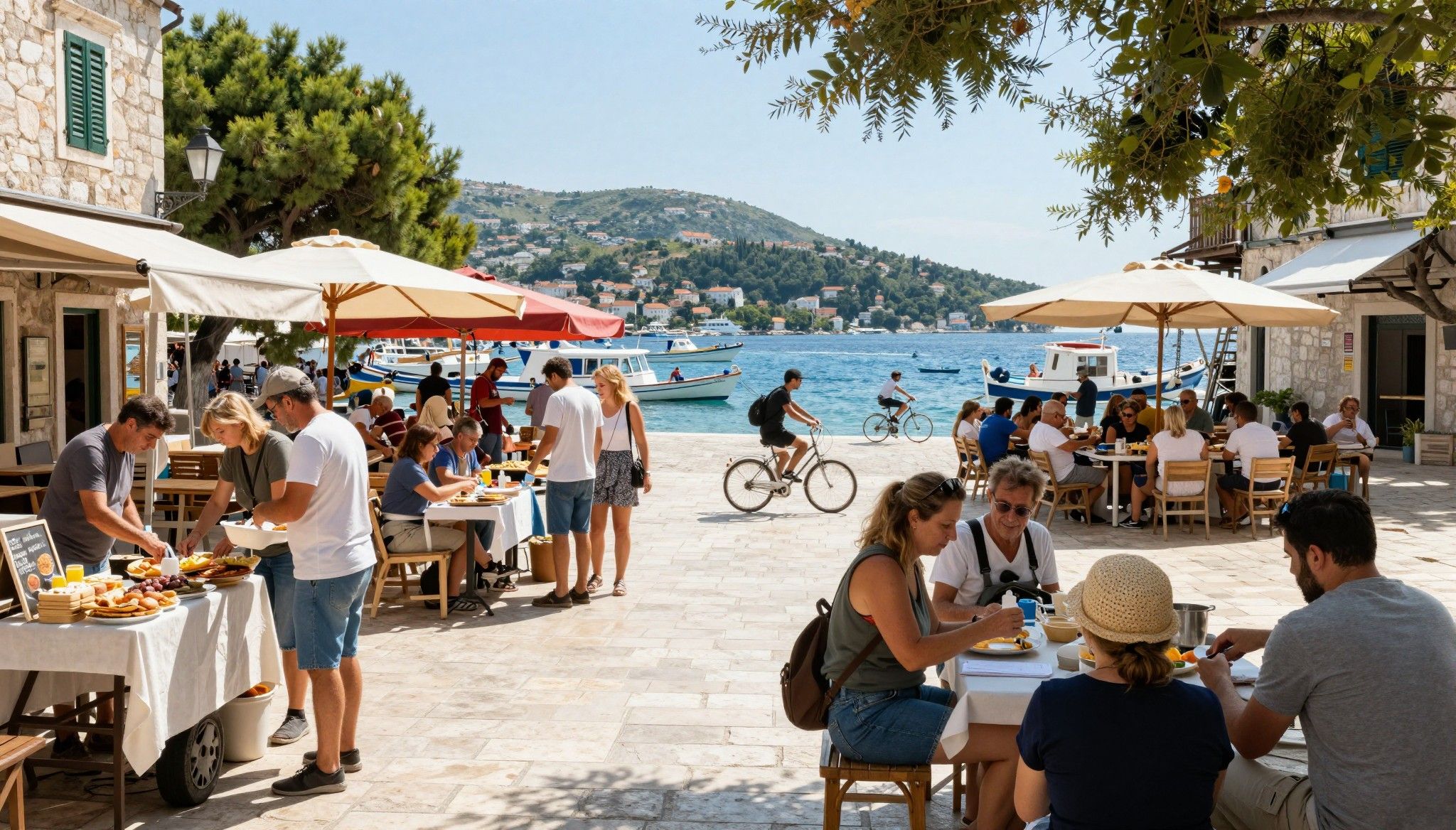
Markets and seasons matter. A coastal apartment that thrums in July can sit quiet eight months a year; tax and rental rules treat seasonal lettings differently from long-term rentals. If you plan to rent, learn how French taxation treats rental income — non-residents must declare and may be subject to specific regimes documented on official tax sites. That affects yield forecasts and whether a summer pied-à-terre will balance on paper.
- Lifestyle highlights to look for on a viewing
- A morning boulangerie within a two‑minute walk
- A weekly marché nearby that isn’t fully tourist-facing
- Evening noise profile — terraces and nightlife versus quiet residential streets
- Sun patterns for terraces and winter light in living rooms
- Local services: pharmacy hours, school options, and municipal transport links
Making the move: the legal and regulatory picture (with surprises)
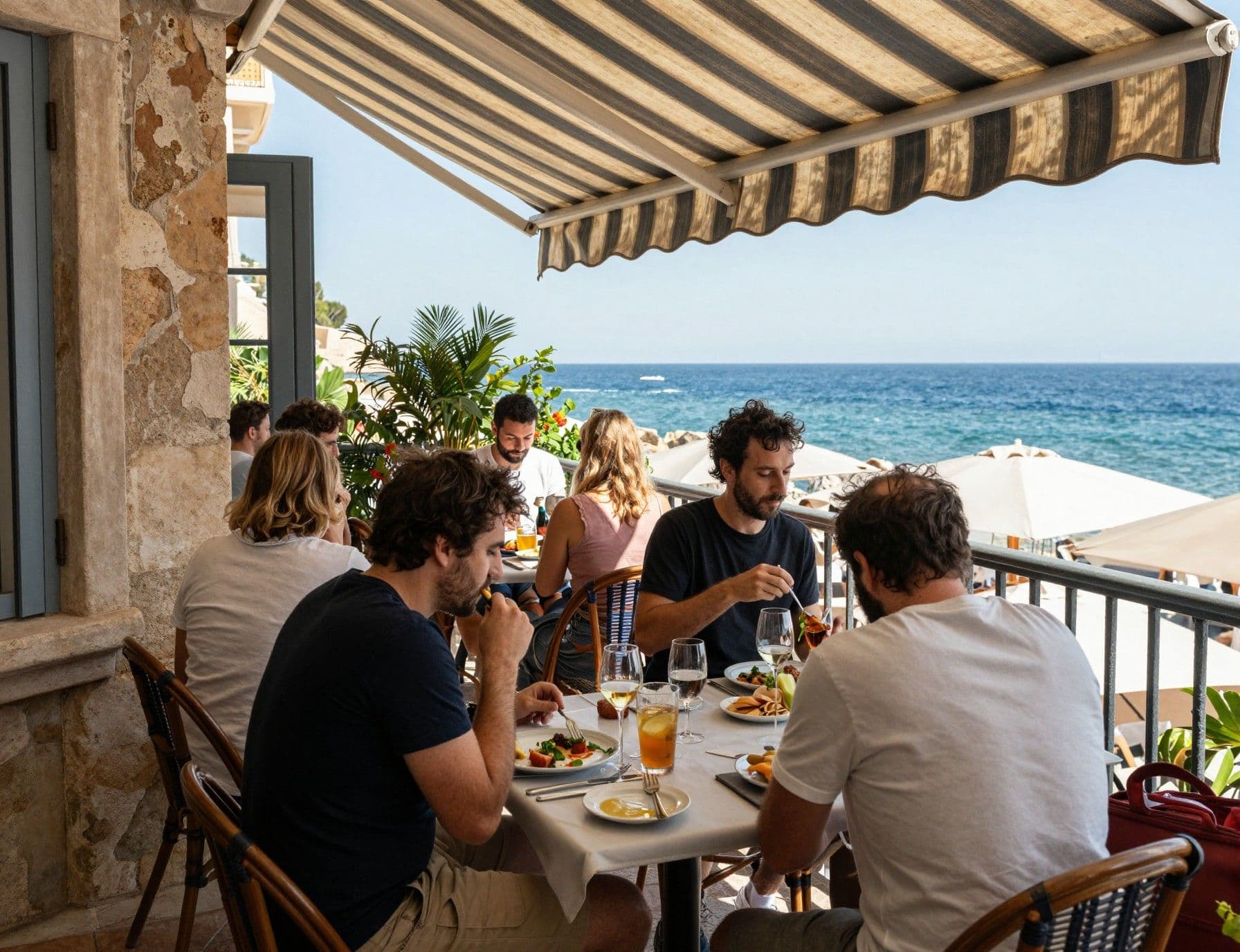
Here’s where lifestyle meets paperwork. Recent changes let some départements lift transfer duties (DMTO) by up to 0.5 percentage points from April 2025 — that can add thousands on closing costs depending on region. Meanwhile national indices show small price rebounds in 2025, but regional divergence is strong: Paris arrondissements behave differently to Bordeaux or coastal markets. That means your closing budget and timing should be local, not national.
Property types and what they mean legally
Buying an older apartment, a new-build (neuf) or a rural house triggers different taxes, guarantees and notaire calculations. New builds attract lower transfer taxes but come with reservation contracts (promesse de vente or contrat de réservation) and builder guarantees; older properties carry higher 'frais de notaire' which are mostly taxes rather than notary salary. Factor in energy performance obligations if you plan to renovate.
How local experts protect the lifestyle you bought
A local notaire, an agent who actually knows the street, and a French tax advisor are your core team. Notaires handle title, servitudes and registration; agents alert you to practical neighbourhood facts (e.g., monthly marché changes), and tax advisors model rental scenarios. We’ve seen buyers assume a department will keep transfer duties at 4.5% — only to discover a 5% charge on completion. Local expertise prevents those surprises.
- Practical steps that blend lifestyle and compliance
- Confirm the département’s DMTO rate with the notaire before making an offer.
- Ask your agent for a neighbourhood day-in-the-life: trash collection, market days, and terrace culture.
- If renting, run both micro-foncier and réel income scenarios with a tax advisor (official guidance available on impots.gouv.fr).
- Budget 6–8% for closing costs on older properties (notaire taxes, registration), and request a detailed estimate.
Insider knowledge: what expats wish they'd known
Expat buyers often underweight the social fabric: neighbours, associations, and the cadence of local life. They’re surprised by municipal regulations on short-term lets, by how school catchments affect resale, and by energy diagnostics that can halve renovation budgets if handled poorly. Regional price indices show small national rebounds but local differences: apartments and houses can diverge sharply even inside the same city.
Cultural and daily-life tips that impact property value
Learn a few French phrases for neighbourhood life (hello, merci, voisin) and attend at least one municipal meeting or marché day before committing. Buyers who do become part of local life faster — and properties in socially cohesive streets hold value better. Understand heating season costs in older stone houses and whether the roof or façade is a municipal responsibility.
Long-term considerations: taxes, inheritance and resale
French inheritance law and taxation can be surprising: forced heirship rules limit how you can bequeath property, and double-tax treaties vary by country. For non-residents, rental income and capital gains have specific reporting paths; check official guidance and get a residency-specific tax run-through before signing. Proper planning turns pleasant ownership into sustainable ownership.
- Red flags to watch for on viewings
- Missing diagnostics (DPE energy, asbestos, lead) or vague certificates.
- Ambiguous boundaries or shared courtyard access not recorded in the title.
- Unexplained high local taxes or a department that recently raised DMTO.
- A property that looks great in high season but sits empty for most of the year.
We often finish viewings with one practical question: will you use this every week or a few weeks a year? The answer changes the tax, financing and neighbourhood we recommend. Small choices — which street, which floor, which glazing — decide whether the French life you love is affordable long-term.
If you’re ready to explore, start local: visit on a market day, ask an agent for a notaire’s estimate, and get a short tax memo for your residency status. We’ll introduce you to agents who know the street and notaires who explain the fine print. Buy the life first, then the property that makes that life easy.
British expat who relocated to Marbella in 2012. Specializes in rigorous due diligence and cross-border investment strategies for UK and international buyers.