The Italian City Trade‑Off: Life vs Postcard Views
Italy’s cities are a mosaic of lifestyles — match the neighbourhood rituals (markets, cafés, transport) to your property plan; check short‑term rental rules and ISTAT trends.
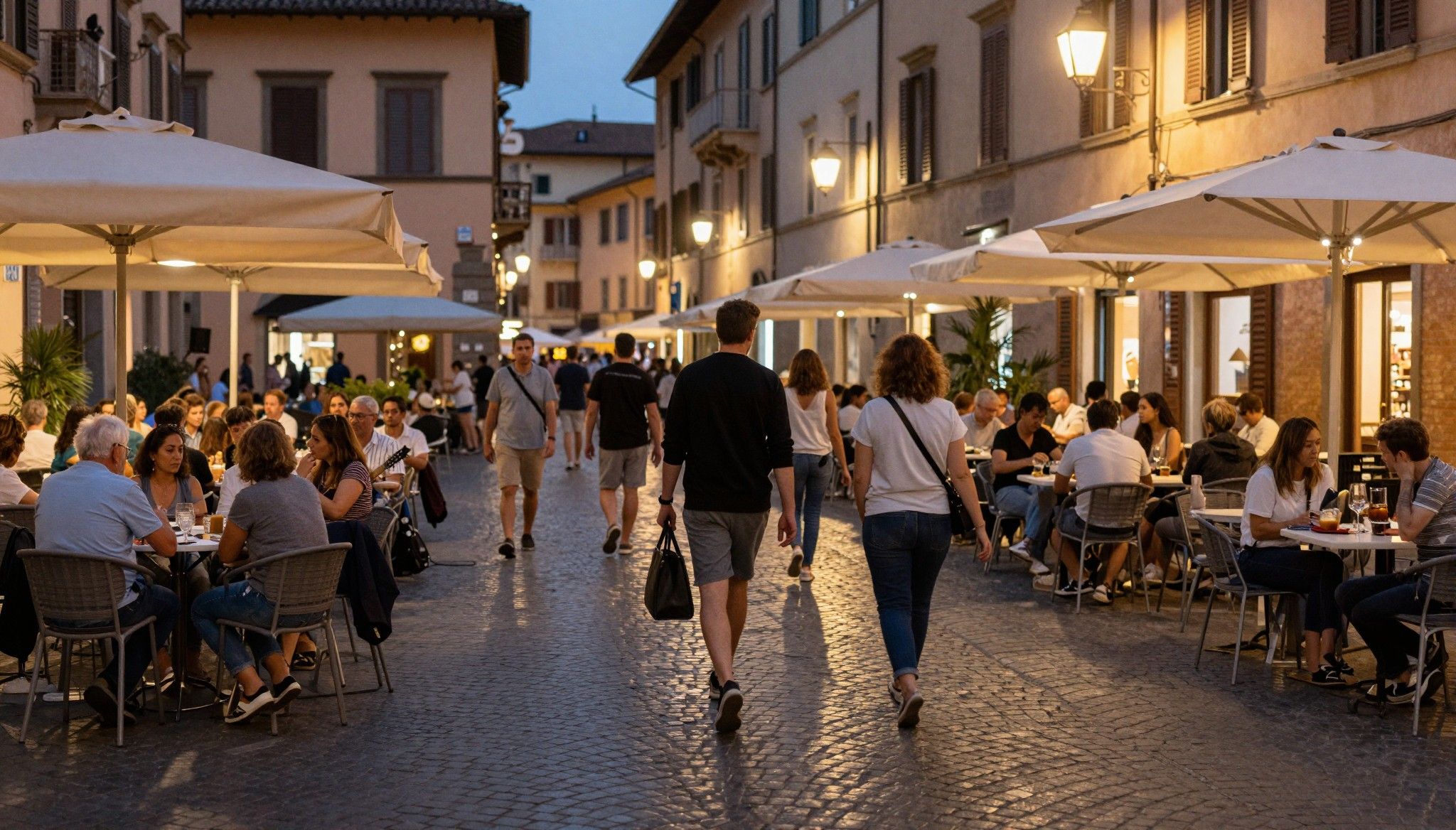
Imagine waking to a morning espresso on a quiet street in Trastevere, then switching to a bicycle ride past boutiques in Navigli and finishing with an aperitivo on the docks in Genoa. Italy’s cities are not a single postcard — they are a stack of daily rituals, micro-neighbourhoods and weathered facades that rearrange how you live. For international buyers, that’s the good news: the life you want exists here. The trick is choosing which version of Italy you want to wake up to.
Living the Italian urban life
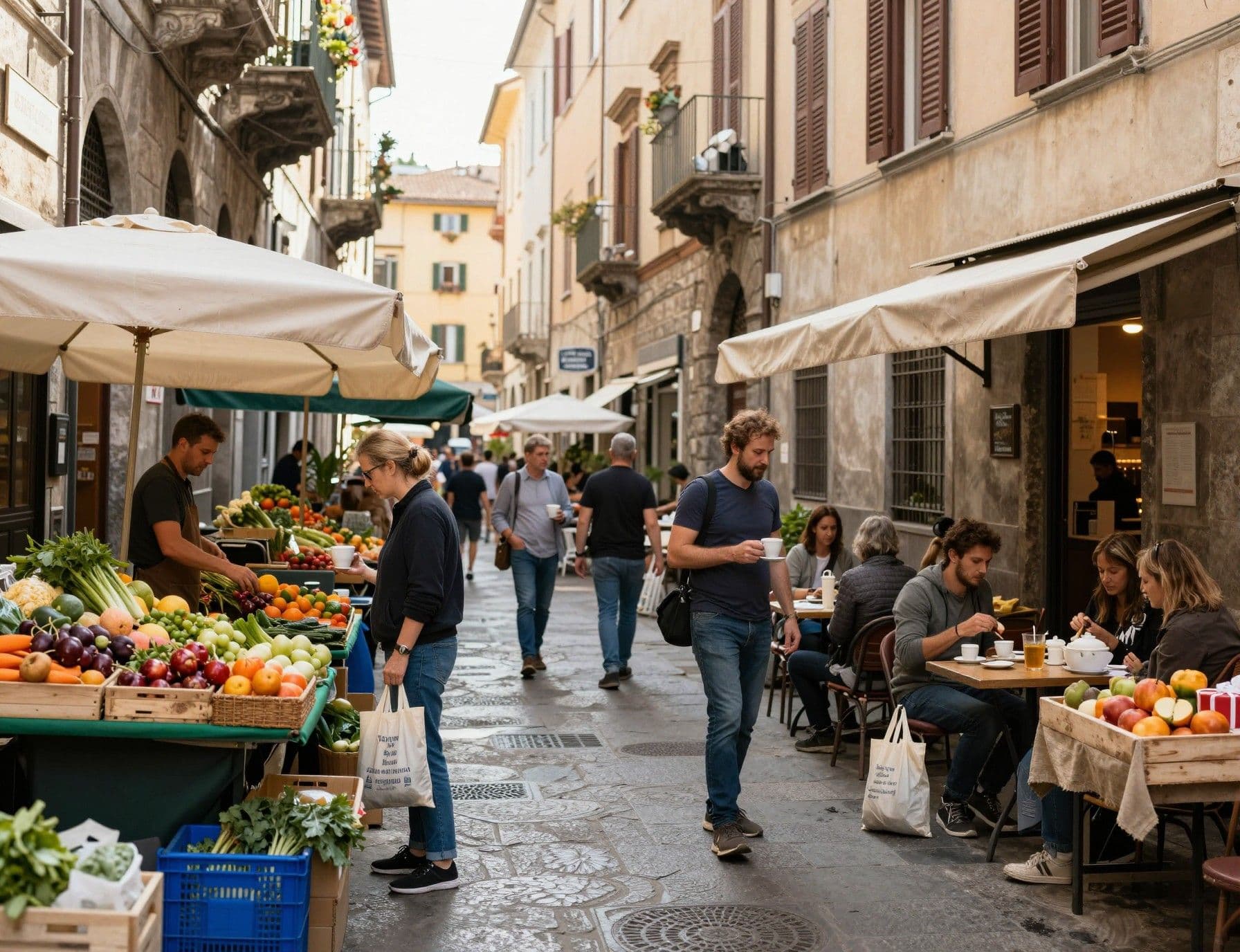
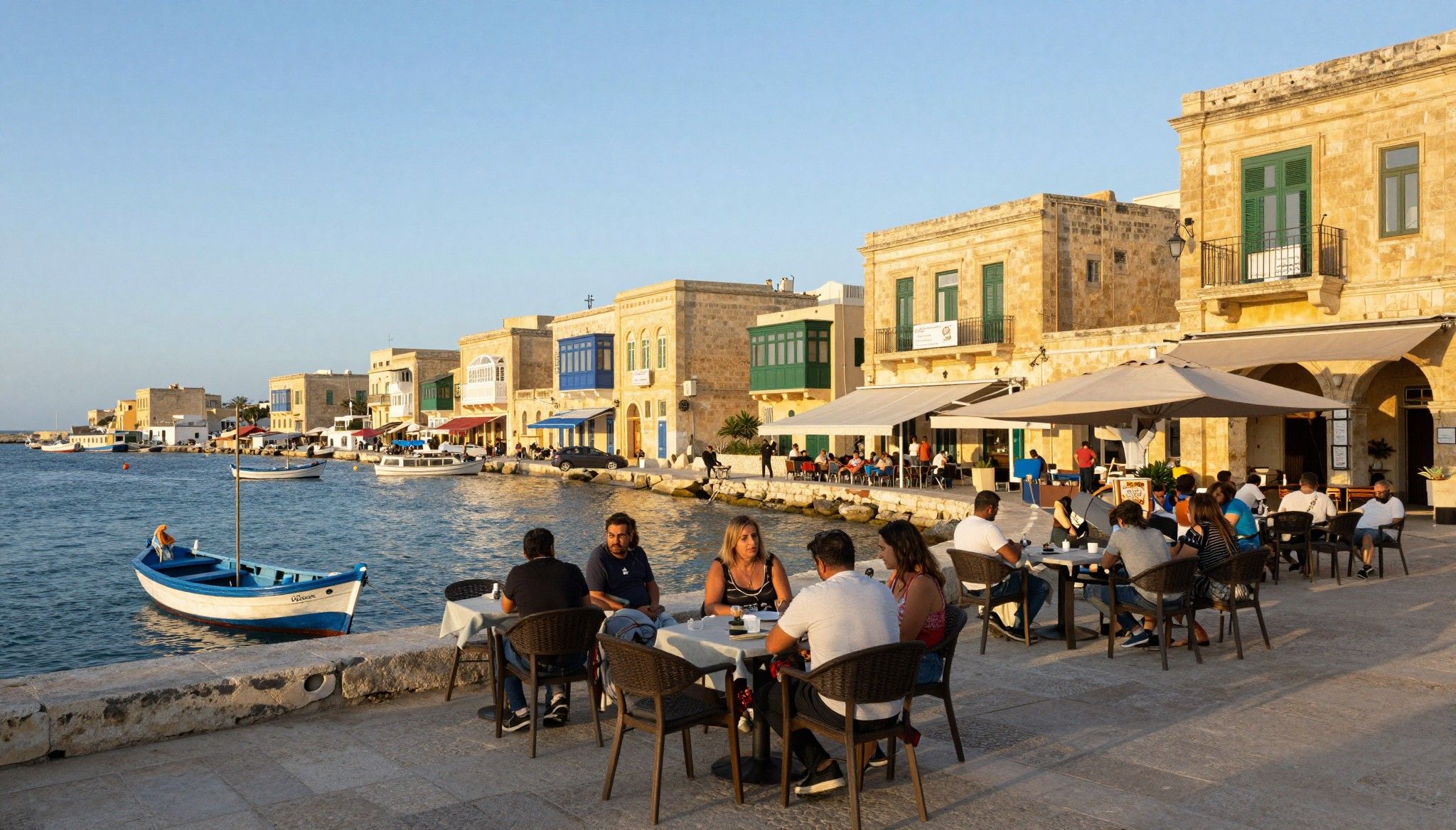
Cities in Italy feel rooted. Streets were designed for lives, not cars: piazzas still host the market on Saturday mornings, corner cafés hold conversations that last for hours, and the layers of architecture create pockets of micro-climates — a shaded alley that keeps you cool in July, a sunlit balcone that becomes your winter greenhouse. If you want a lifestyle, pick a neighbourhood; if you want a view, expect trade-offs.
Milan: design, trains and weekday rhythm
Milan is a city that runs on schedules: fashion weeks, efficient tram lines, coworking floors and aperitivi that spill into restaurants. Neighbourhoods like Brera and Porta Romana offer the cultural density of boutique galleries and design stores, while Isola and Navigli balance canalside life with younger energy. If your day includes client meetings and late dinners, Milan’s compact rhythm makes sense — but expect higher per-square-metre prices and a premium on modern finishes.
Rome & Naples: centuries, chaos and surprising calm pockets
Rome and Naples wear history openly: narrow streets, churches on every corner, and neighbourhoods where local life continues beneath tourist routes. Avoid assuming the centre is your only option. Areas like San Lorenzo in Rome or Vomero in Naples have authentic markets, student energy and better value per square metre than the postcard districts — and they feel like living in a city rather than visiting one.
Lifestyle highlights across Italian cities
Mercato mornings — buy fish in Rialto (Venice) or vegetables at Campo de' Fiori (Rome).
Evening passeggiata — the ritual of walking streets and stopping for gelato or a digestivo.
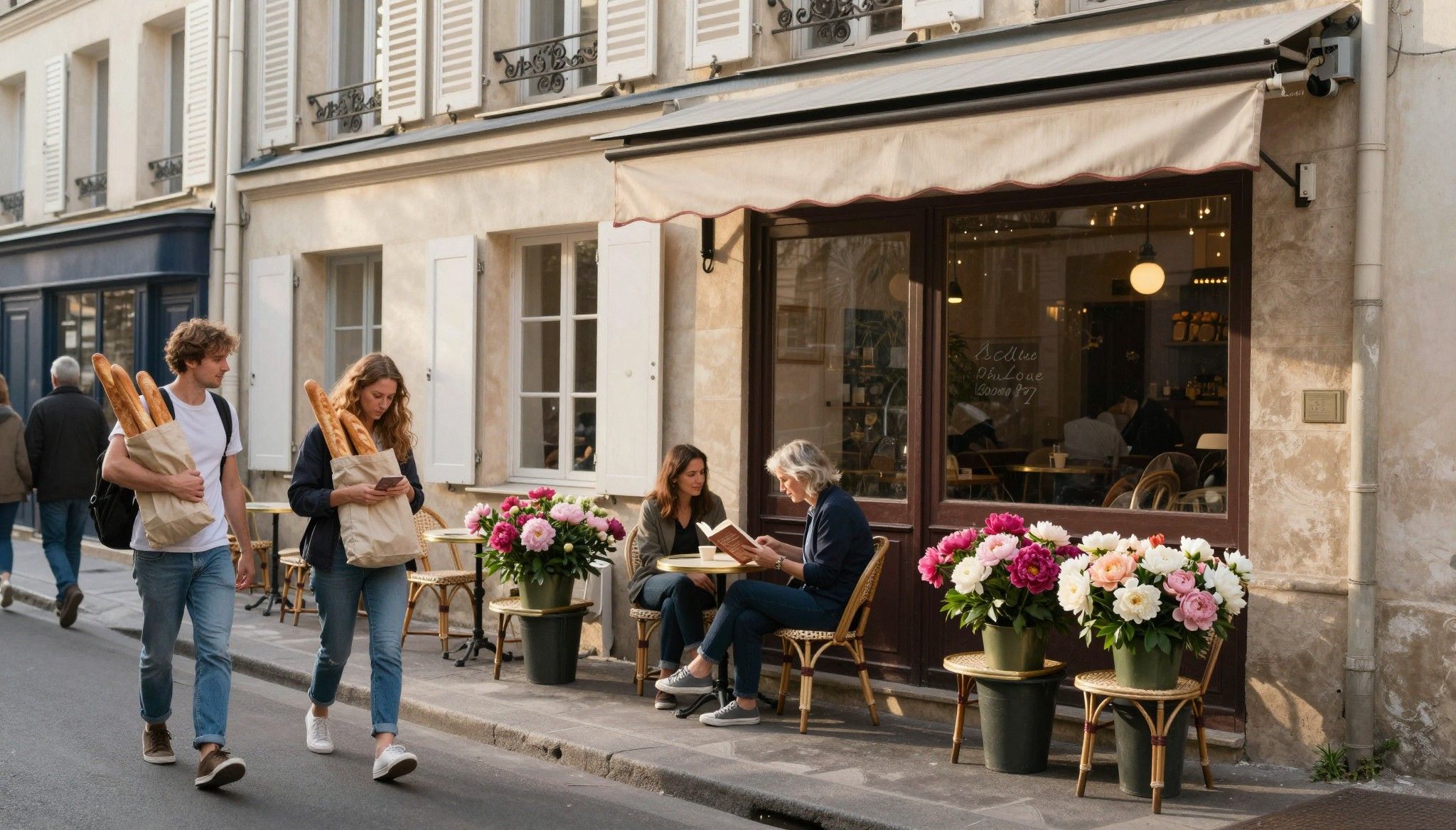
Neighbourhood cafés — spots like Caffè Propaganda (Rome) or Pasticceria Marchesi (Milan) that anchor daily life.
Making the move: lifestyle-led practicalities
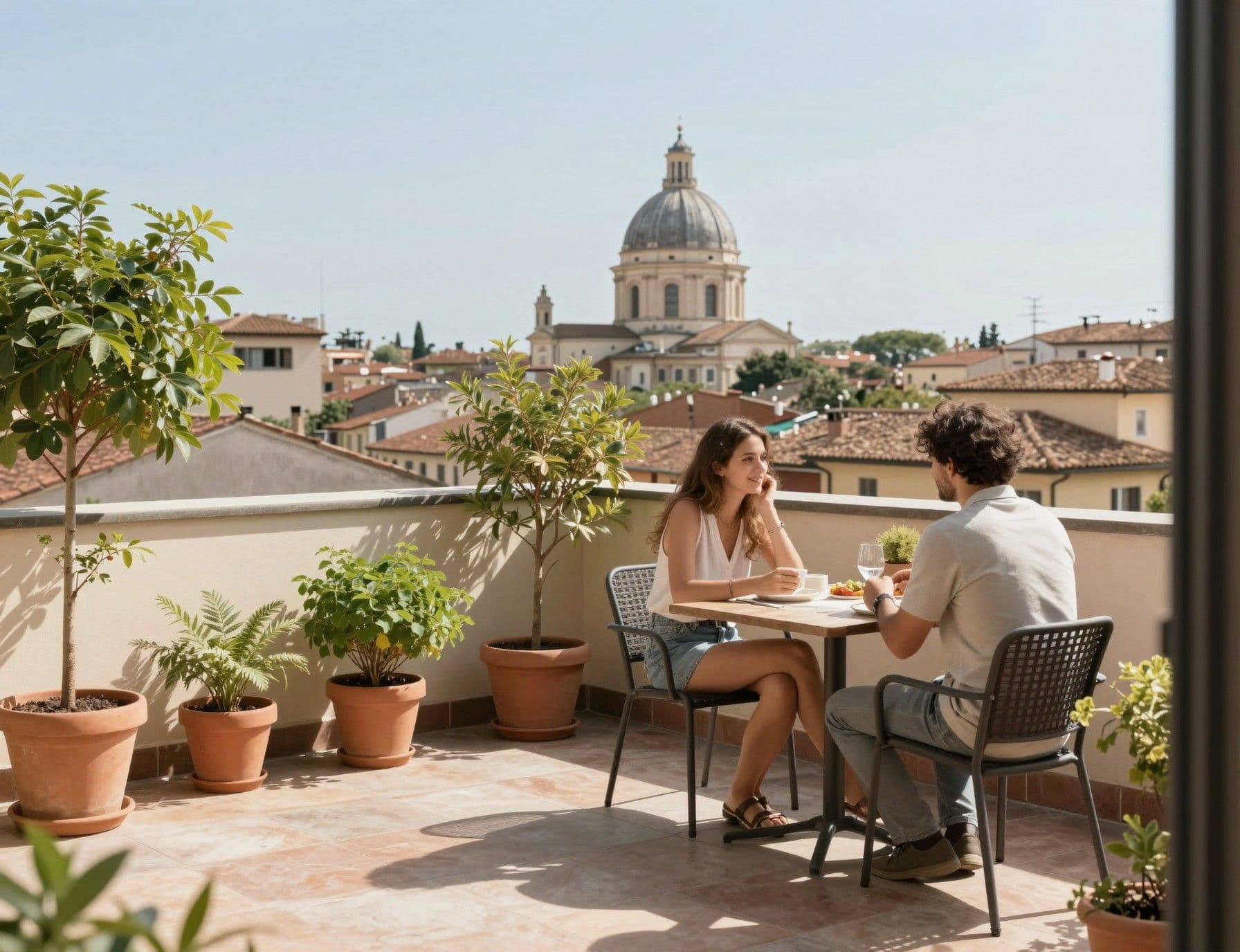
Want to live in a neighbourhood that’s lively in summer but sane in winter? Think beyond headline price per sqm. Recent data from ISTAT show steady, modest national price growth; local dynamics — tourism pressure, short-term rental rules and renovation incentives — matter more for neighbourhood-level value. In 2024–25 governments introduced a national rental accommodation database and CIN identifiers for tourist lets; these changes reshape local rental supply and can affect liquidity and yields. Use local market data, not just glossy listings.
Property styles and how you'll live in them
Historic apartments (centro storico) offer scale, high ceilings and a sense of place — but plan for stairs, limited insulation and renovation approvals. Newbuild flats in suburbs or redeveloped industrial areas give lifts, parking and better energy performance. If you crave morning light for a home office, check orientation and neighbouring buildings — in Italy a terrace or balcone changes how a space feels across seasons.
How local agents turn lifestyle into listings
A good local agent is your translator: they know which streets stay quiet on market days, which palazzi have issues with moisture, and where newer buyers from Milan are buying weekend pied-à-terres. Ask agencies for recent comparable sales (not just asking prices), energy class certificates, and evidence of compliance for short-term rental registration where relevant.
Steps to match lifestyle with property (practical, step-by-step)
List the three daily rituals you won’t compromise on (coffee spot, market, commute) and tour neighbourhoods in that order.
Request recent sale prices for the past 12 months on specific streets — agents should share hard figures, not wishful asking prices.
Check short-term rental rules and the CIN requirement for listings if you plan to rent seasonally.
Ask for a property dossier: building minutes, maintenance charges, recent façade works and energy class certificate.
Insider knowledge: what expats wish they'd known
Expat lessons aren't glamorous. They’re the small things: noise from a nearby trattoria on Sundays, the municipal schedule for rubbish collection that affects kitchen design, or a staircase that erodes usable storage. Expect bureaucracy to be precise and slow; paperwork for renovations or rental registration can take weeks. On the upside, incentives for energy upgrades and historic restorations can materially increase resale value if you plan correctly.
Cultural integration and neighbourhood life
Language matters but so do gestures: learning basic Italian accelerates access to local services and friendship. Join the mercato on a Saturday, attend a neighbourhood festa, and you’ll find doors open. For families, international schools cluster in suburbs around Rome and Milan; for remote workers, look for neighbourhoods with reliable cafés and coworking spaces rather than just a pretty piazza.
Long-term lifestyle and investment realities
Italy’s HPI shows modest growth at a national level, but pockets outperform — central business districts, transport-linked suburbs and areas with strong cultural draws see better liquidity. Be realistic: a sea-view apartment can sit empty half the year; a well-located city flat near a university often rents reliably. Match your holding period to the neighbourhood rhythm.
Red flags to watch for before you sign
No recent building maintenance plan for palazzi with shared façades — exterior works can mean significant special assessments.
Missing energy certificate (Attestato di Prestazione Energetica) — this affects resale and retrofit options.
Unclear short-term rental compliance — local CIN or tourism registration may be required and enforcement is growing.
Conclusion: Italy is not a single market — it’s a mosaic. If you love morning markets, pick a neighbourhood where the market defines the week. If you want calm and service, consider newer districts with parking and energy efficiency. Work with a local agency that shows you sold comparables, explains municipal rules for rentals, and walks the streets with you at different times of day. The life you fall for is usually the life you’ll keep — make sure the property matches the rituals that matter.
Dutch relocation advisor who moved to Marbella in 2016. Guides Dutch buyers through visa paths, relocation logistics, and balance of lifestyle with value.