Italy: Lifestyle-Led Markets Where Life Trumps the Headline
Italy is many lives in one: from Lucca’s walls to Palermo’s markets. Pair lifestyle-led choices with local market data to buy a home that actually fits your day-to-day.
Imagine a morning espresso on a narrow street in Lucca, the baker calling out warm focaccia, and an afternoon spent buying produce at a sunlit mercato in Palermo. Italy moves at many tempos at once—city precision, slow countryside afternoons, and coastal days that refuse to hurry—and that variety is the real draw for buyers who want life as much as a balance sheet.
Living the Italy lifestyle: why it feels like home
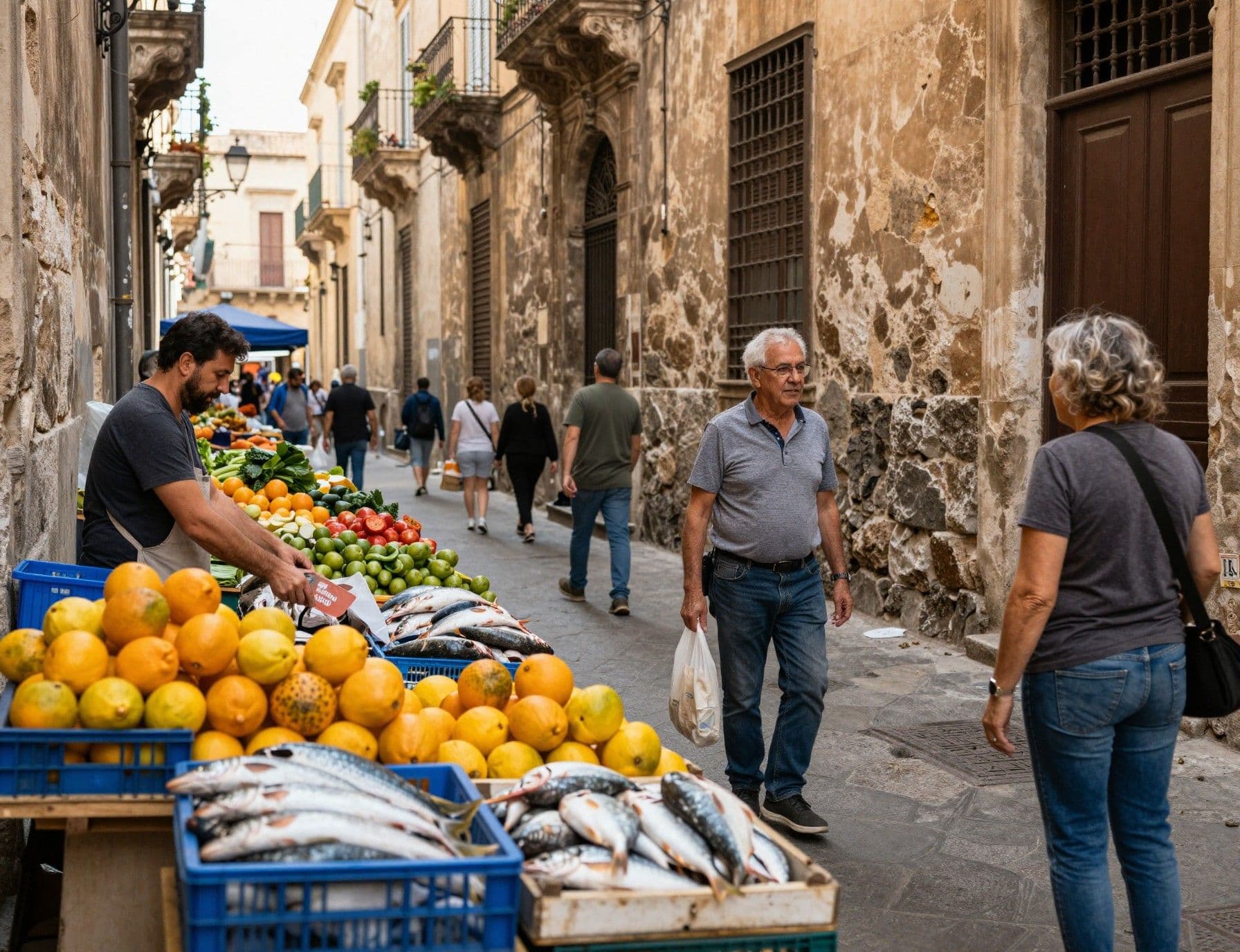
Italy is tactile: stone steps, market stalls, cortile courtyards and cafés that double as workplaces. In cities like Milan you hear espresso machines and impatient phone calls; in Siena you hear church bells and footsteps. That contrast explains why buyers split between lifestyle seekers—artists, chefs, remote workers—and investors following clearer price corridors in established hubs. Recent industry notes show prime-city resilience alongside countryside opportunity.
Neighborhood spotlight: Lucca’s human scale
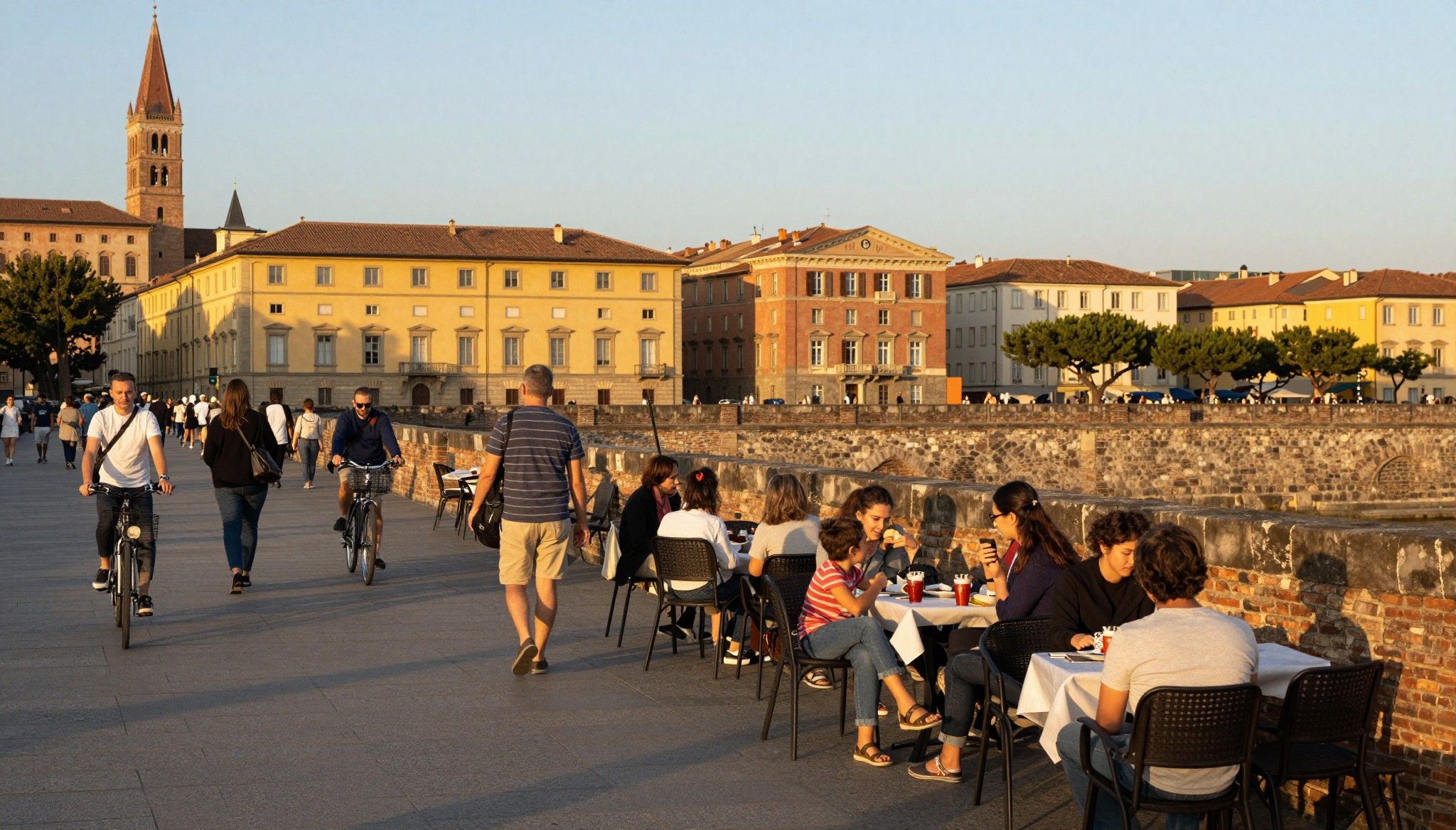
Walk Lucca’s tree-lined Renaissance walls at sunset and you’ll understand why buyers choose smaller cities. Narrow streets hide generous apartments with high ceilings, and the city’s rhythm is weekend markets, evening passeggiata and family‑run trattorie. For international buyers, Lucca offers immediate community and manageable renovation projects compared with larger metropolises.
Food, markets and ritual: how Italy structures your day
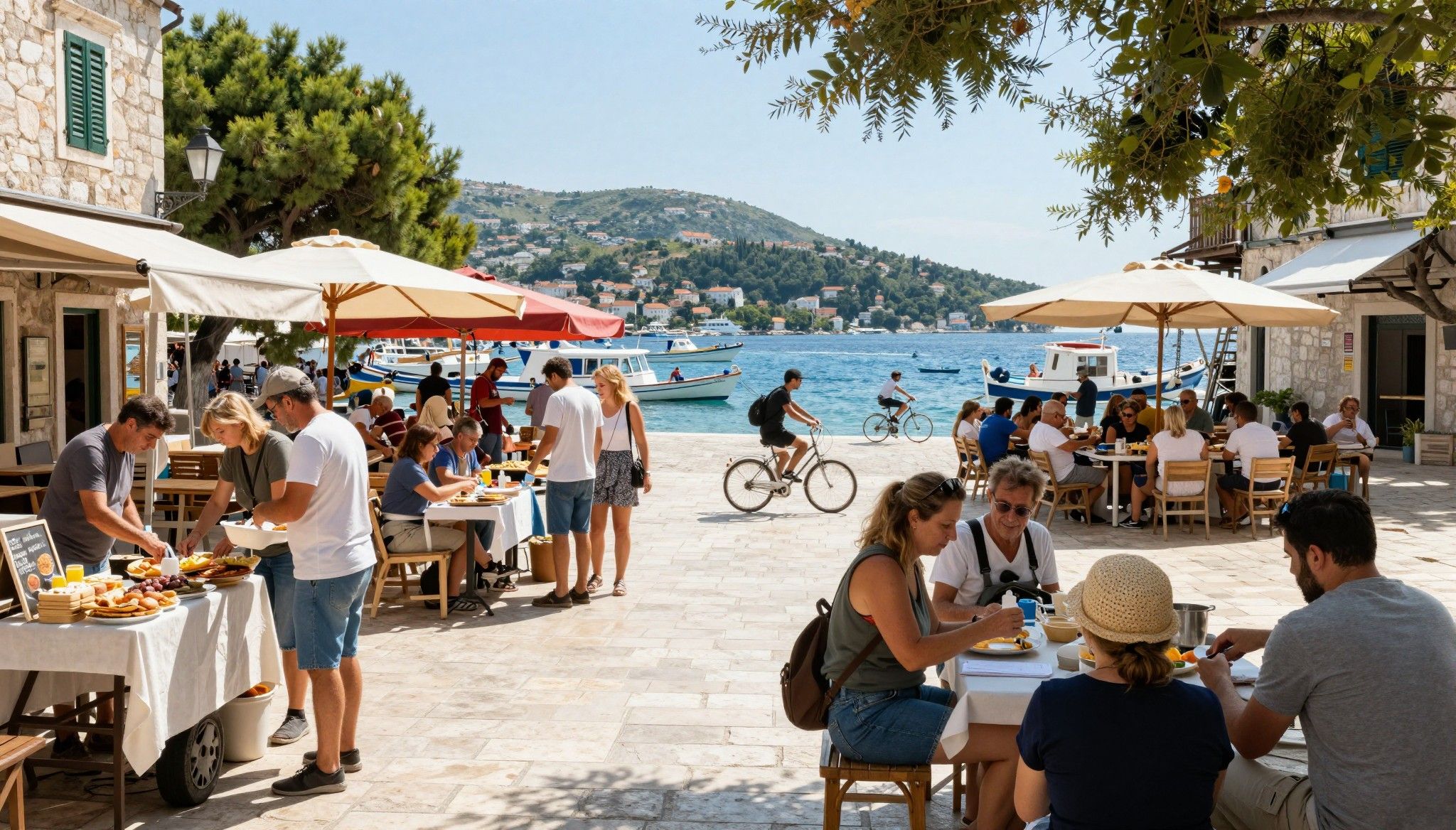
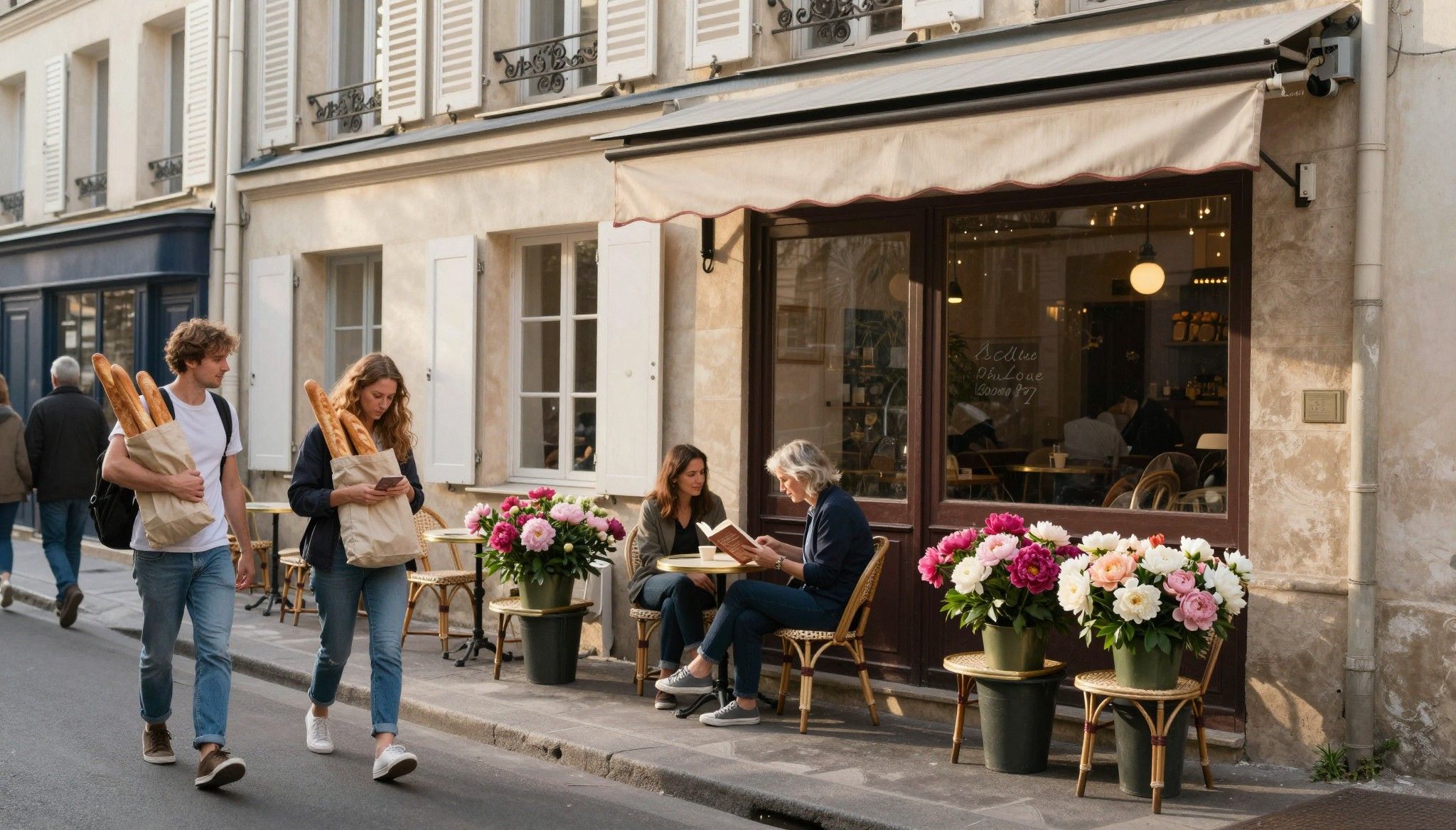
Your day in Italy unfolds around food and place: morning coffee at Bar Rossi in a piazza, a midday trattoria, an evening aperitivo on a terraza. Markets matter—not just for groceries but for community. That daily scaffolding shifts what you value in a home: proximity to a lively market square often beats an extra bedroom on paper.
- Lifestyle highlights: lived-in reasons to buy in Italy
- Morning markets in Palermo’s Ballarò and Vucciria—fresh fish, Sicilian citrus and neighbors who become friends
- Passeggiata on Lucca’s city walls and weekend outdoor concerts in summer
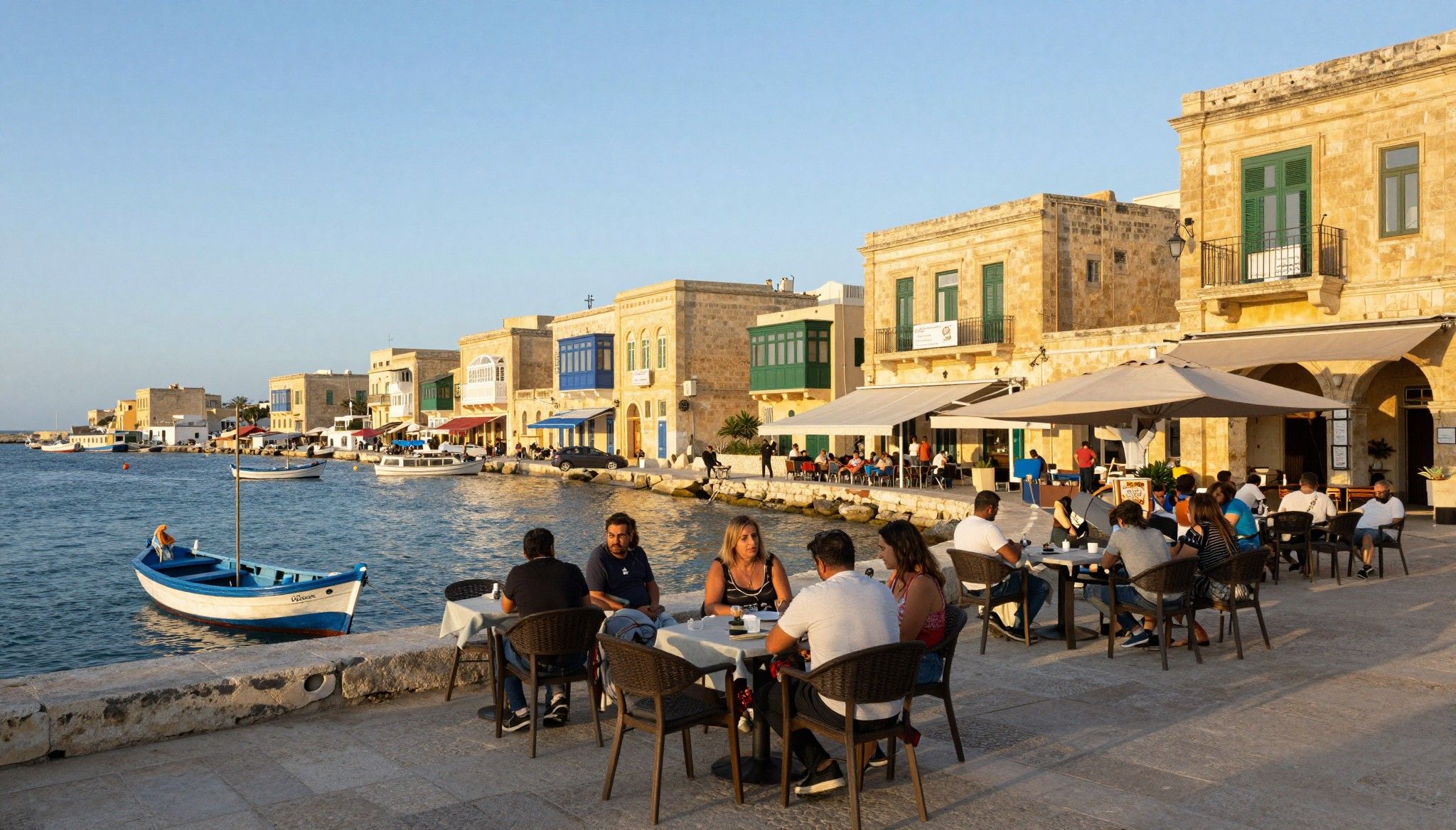
- Coastal life in Puglia and Liguria: terraces, small harbors and seafood markets within walking distance
Making the move: property types that match the lifestyle
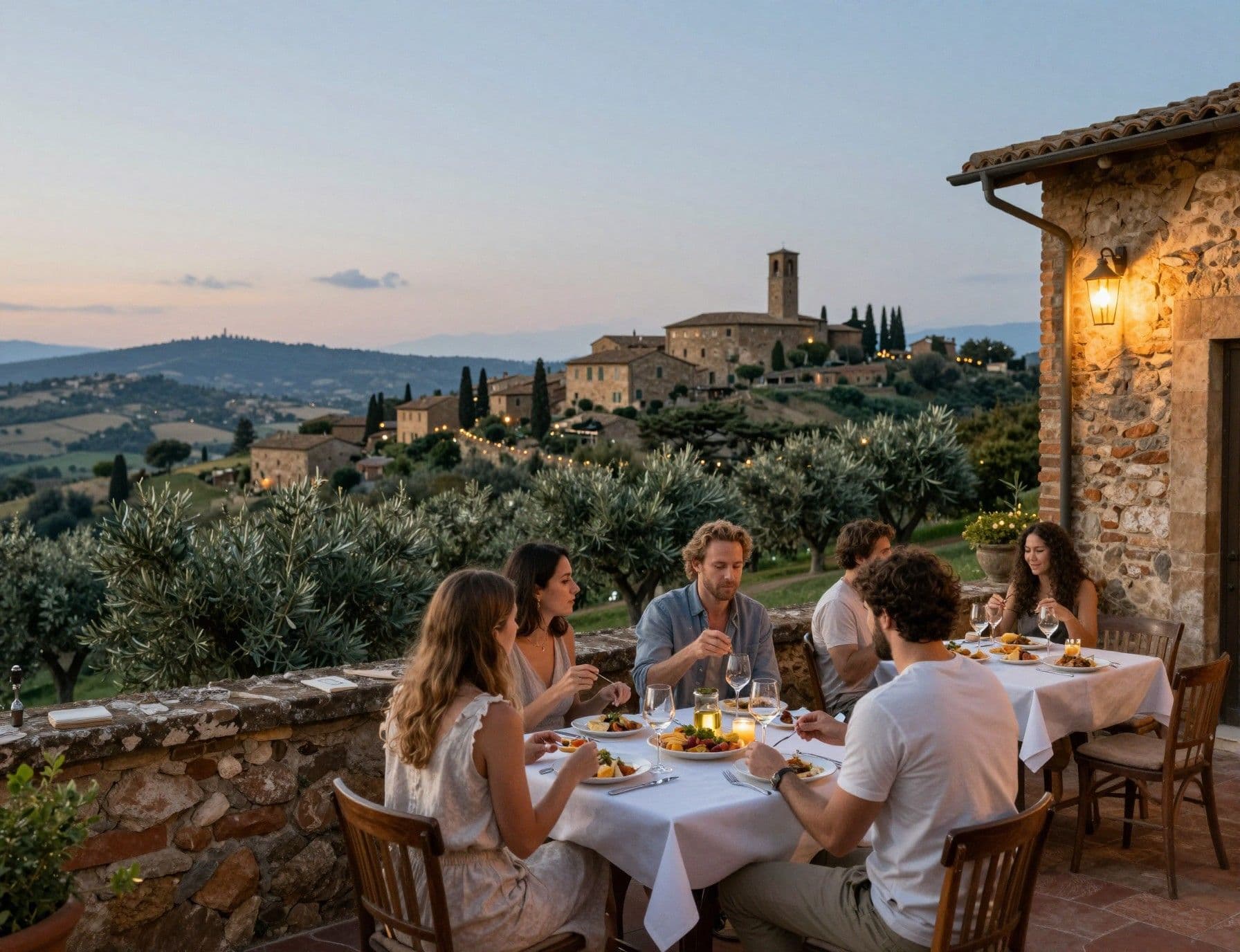
Dreams meet details when you consider actual property types. In the north, historic apartments with high ceilings and concierge services fit a city rhythm; in the south, restored stone farmhouses deliver space, gardens and different renovation logic. We’ll match the lived experience to the structure: terraces for aperitivo, low-maintenance courtyards for travel‑heavy owners, and flexible rooms for remote work.
Property styles and what they mean for daily life
A terraced apartment in Bologna means low heating bills and quick access to markets; a rural casale in Umbria means olive groves and longer commutes. National HPI data help you see where prices are moving, but local micro-markets—street, view and transport—drive value more than country averages.
Working with local experts who know the life you want
Agencies that live locally guide you to neighborhoods where the lifestyle in brochures actually exists. Expect them to introduce you to an architect, a notary and a property manager who understands seasonal lettings and local building codes. We recommend interviewing agents about specific streets—ask for walk-throughs, recent comparable sales and introductions to neighbours.
- A lifestyle-plus checklist when assessing a property:
- 1. Is there a walkable market or café within five minutes? (Community matters.)
- 2. Check solar orientation and terraces for real outdoor living, not just a labelled balcony.
- 3. Ask whether the building has recent seismic upgrades—many older Italian buildings need them.
Insider knowledge: what expats wish they’d known
Expats often underestimate seasonality and community rhythms. A coastal town that’s vibrant in July can feel empty in November. Conversely, smaller cities often provide steady year‑round life. Recent market overviews show national stability but emphasise regional divergence—southern pockets and smaller provincial capitals are where lifestyle price gaps appear largest.
Cultural integration: language, rituals and neighbourhood life
Learn the schedule: shops close for riposo, long lunches are normal, and introductions happen slowly. Join a market routine, volunteer at a local festa, and you’ll accelerate belonging. Many buyers tell us language was the final barrier—not impossible, but it changes negotiation tone and speeds up paperwork when you can read contracts in Italian.
Long-term view: how life and value evolve
Cities and well-served coastal towns tend to preserve value; rural properties require investment and local knowledge. Over time, buyers who invested in community—hosting dinners, supporting local artisans—found their homes easier to manage as rentals and more resilient as personal retreats.
- Red flags we see that spoil the lifestyle:
- Heavily touristed streets that look lively but limit local life outside high season
- Uninsulated roofs and old heating systems that make winters cold and expensive
- Poor access to basic services—pharmacy, post office, reliable transport—if your life needs year-round support
Conclusion: Italy isn’t a single market; it’s a collection of lives. If you want market stability plus everyday beauty, focus on places where culture and convenience coexist. Talk to local agents who can show you streets, not just statistics, and build a team—architect, notary, property manager—that protects the lifestyle you fell in love with.
British expat who relocated to Marbella in 2012. Specializes in rigorous due diligence and cross-border investment strategies for UK and international buyers.