Malta: Street Life, Premiums and What Really Matters
Fall for Malta’s sunlit neighbourhoods — but match the lifestyle you want to the island’s tight market, documented maintenance, and neighbourhood premiums.
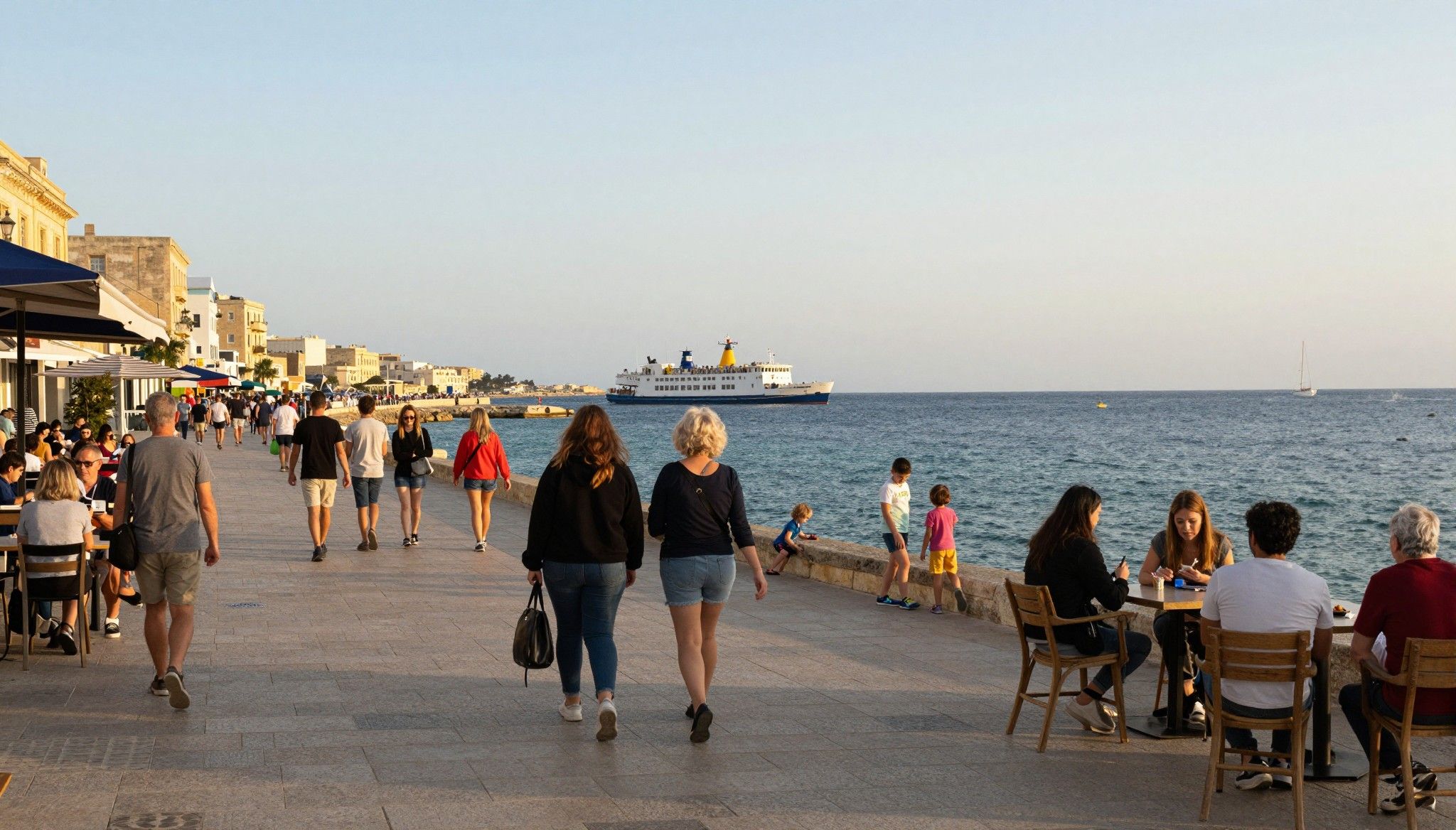
Imagine stepping out at dawn onto Valletta’s Lower Barrakka Gardens, the harbour silvering in the distance, and deciding that this will be the street you walk every morning. Malta lives in contrasts: baroque streets and compact modern flats, ferry commutes that beat traffic, tiny neighbourhood cafes where everyone knows your name. For international buyers this charm is the hook — but the tight, island market and recent price growth mean the romance has trade-offs. We’ll show you where the daily life is genuinely worth the paperwork, and where local realities change the math.
Living the Malta life: compact, social, sunlit
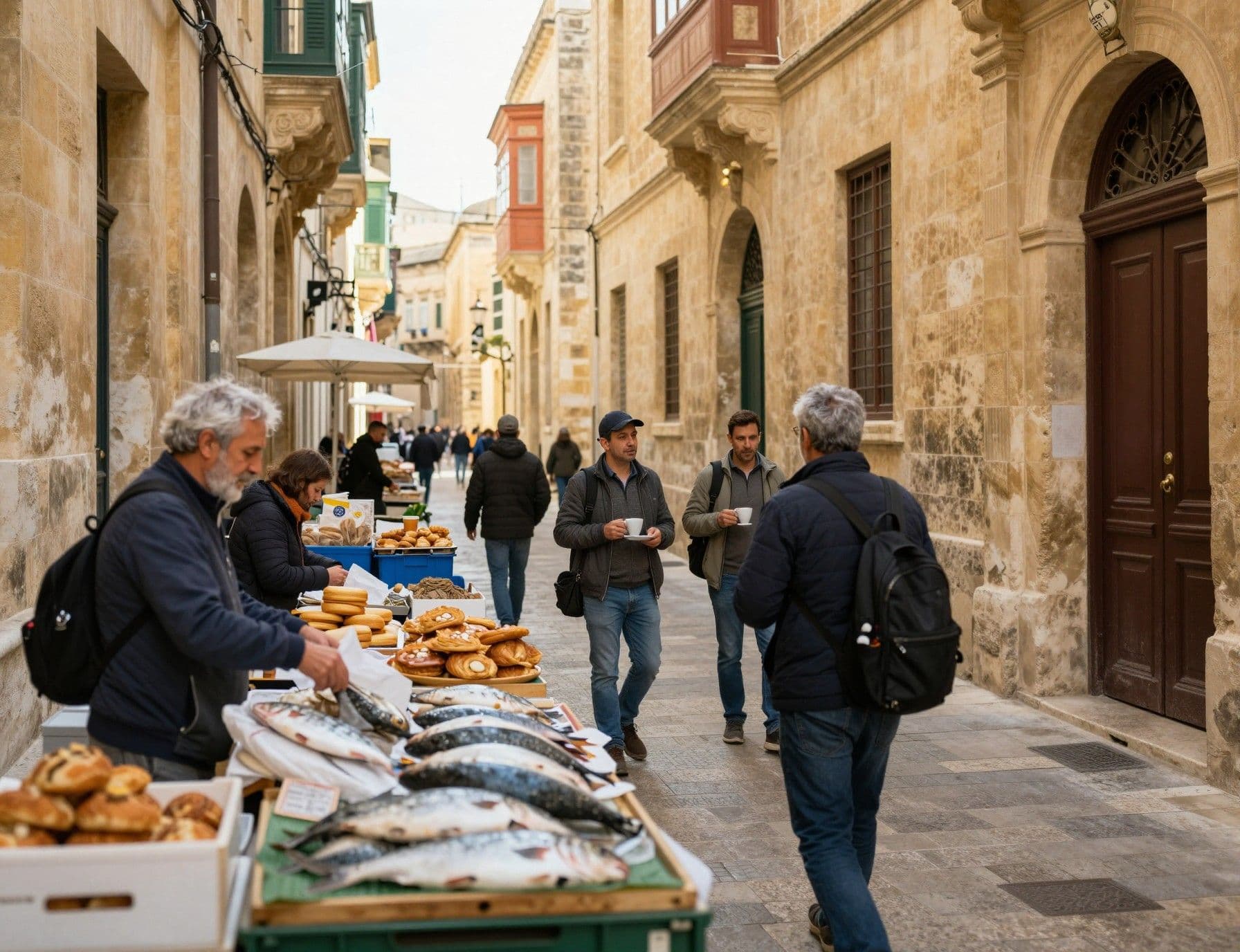
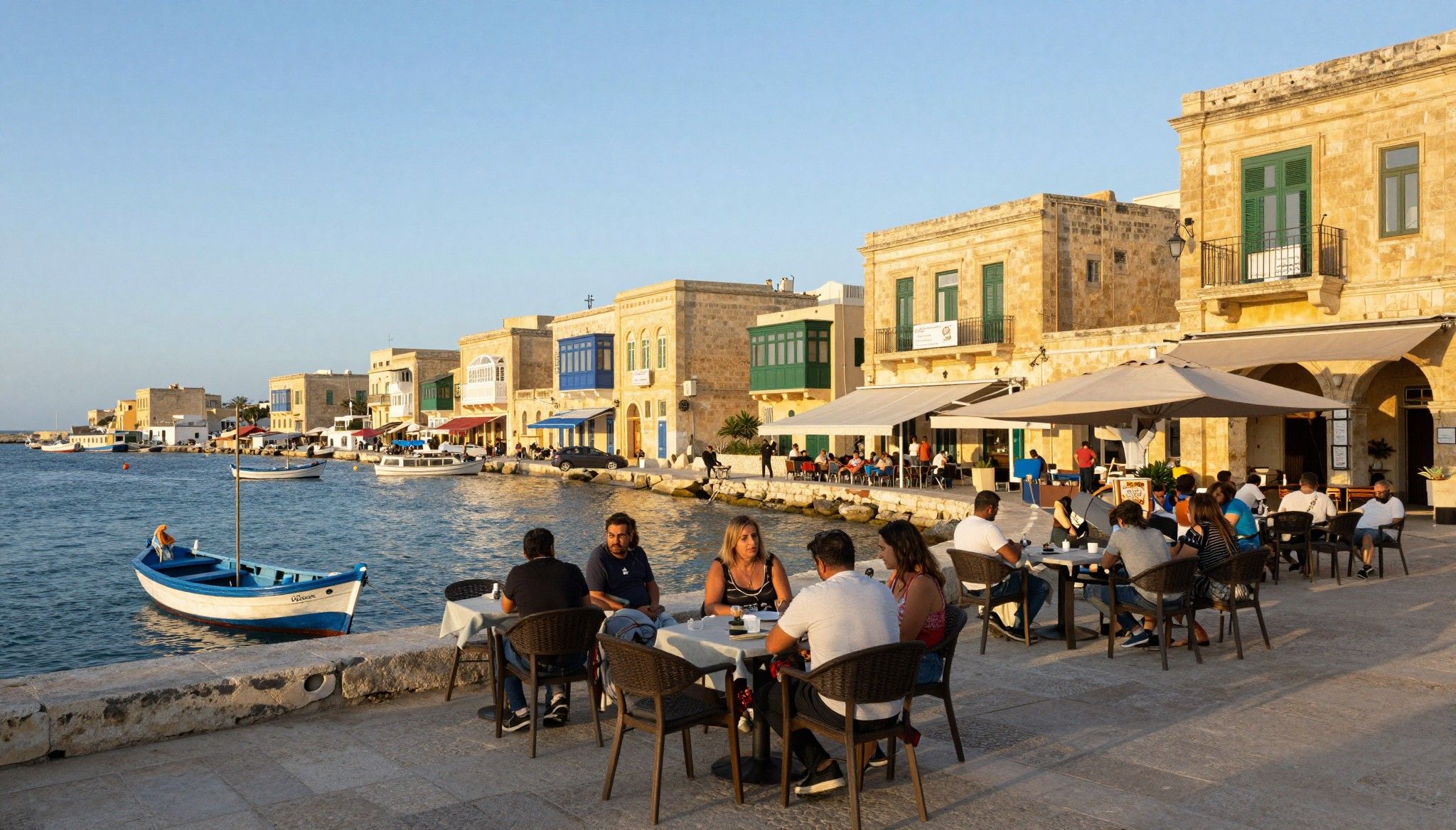
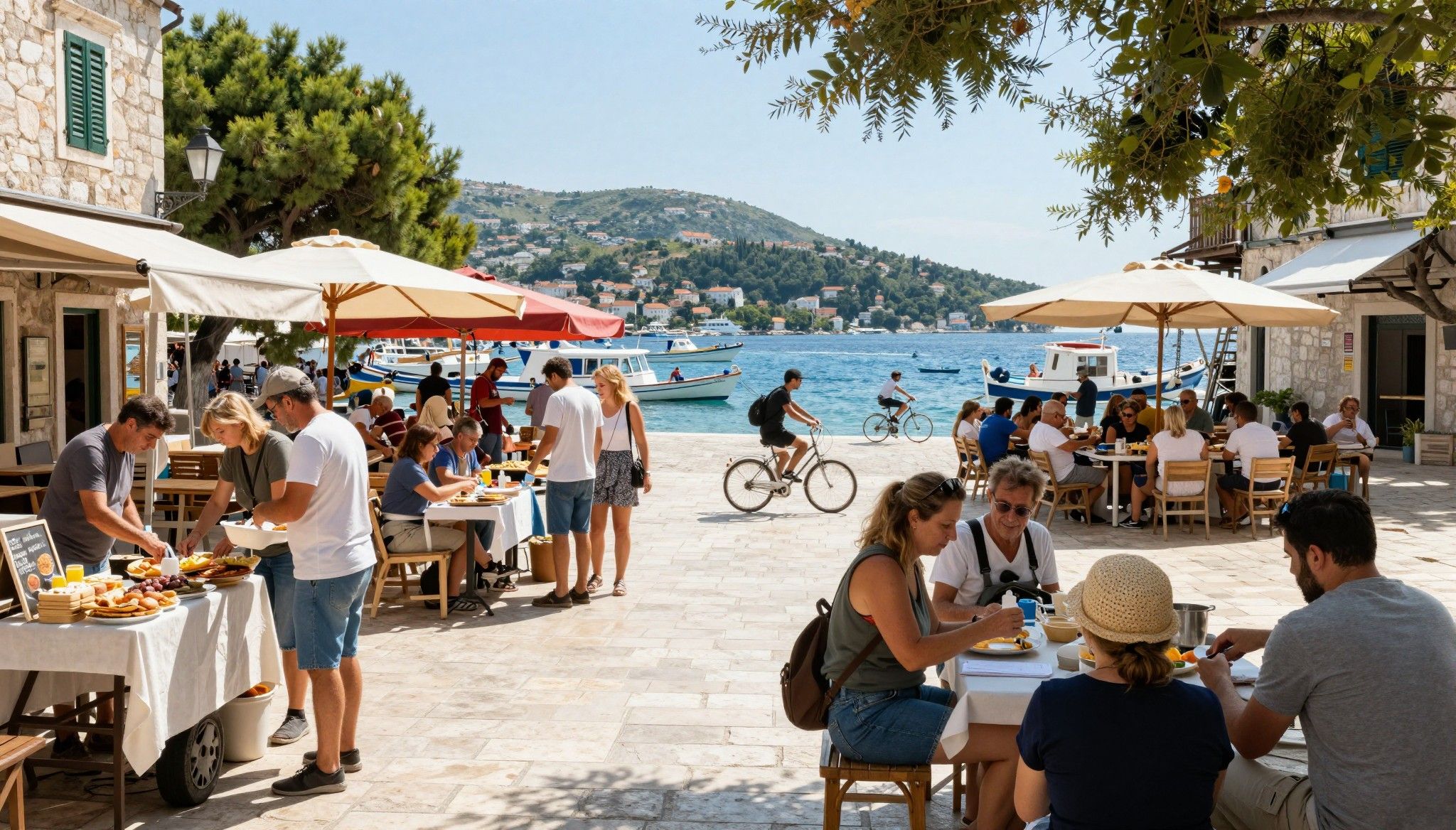
Malta’s day-to-day is small-scale and intensely social. Breakfast is an espresso at a corner pastizzeria, lunch often fish by the water, and evenings revolve around piazzas that fill with neighbors. That compact geography — most things are a 20–30 minute ride away — amplifies lifestyle benefits but concentrates demand for well-located homes. Recent macro reports note steady price growth tied to strong tourism and worker inflows, which shapes where international buyers should look if they prize lifestyle over pure yield.
Valletta & The Three Cities: history as a daily backdrop
Valletta is not a museum you visit — it’s a neighbourhood you live inside. Narrow streets, limestone facades, and rooftop terraces mean light and views come at the cost of compact rooms. If you want a ritual of morning market runs and evening theatre, Valletta delivers. But expect smaller floorplates and premium per-square-metre pricing; the trade is living inside centuries of architecture rather than a generic apartment block.
Sliema & St Julian’s: the expat and coastal social engine
If your life centers on cafes, sea promenades and an active expat scene, Sliema and St Julian’s are where evenings lengthen into restaurant choices and co-working meetups. The waterfront apartments here offer terraces and light, but they also carry the island’s steepest asking prices and the busiest streets. For buyers who want social life within walking distance, these areas read like a lifestyle upgrade — just be ready for noise, tourist season flux and tight supply.
- Morning espresso at Caffè Cordina (Valletta); ferry to Sliema for work; sunset drinks at Spinola Bay; weekend fish markets in Marsaxlokk; hidden cliff swims at Ghajn Tuffieha.
Making the move: lifestyle decisions that change the deal
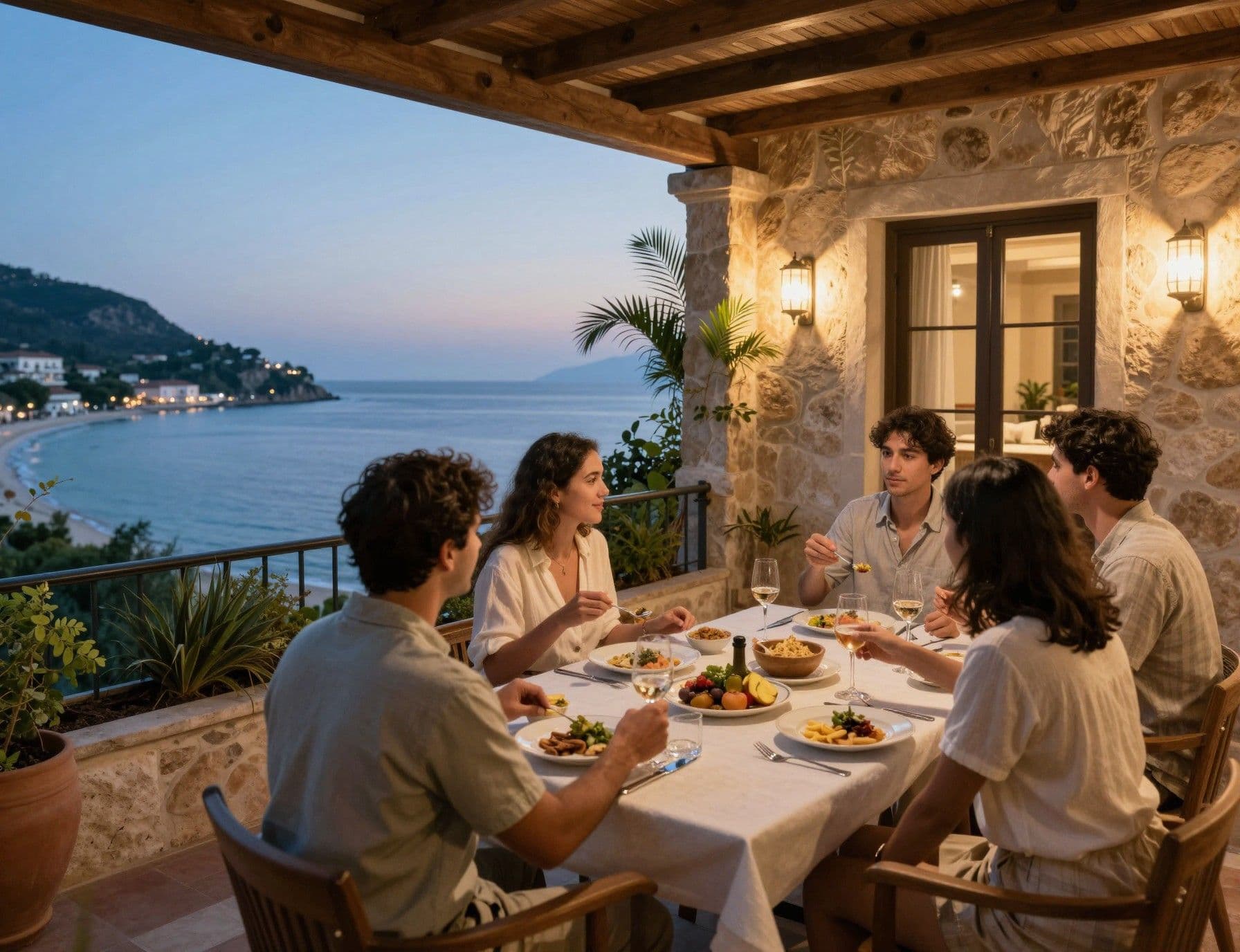
We often see buyers fall in love with a view and forget that Malta’s market fixes prices to location more than to square metres. That means choosing a neighbourhood is a lifestyle decision with direct financial consequences — proximity to ferry links, schools, and the sea can add 10–30% to asking prices. Practical choices (lift access, storage, air-conditioning) shape comfort more than glossy photos, especially in older, characterful buildings where renovation scope varies widely.
Property styles: maisonettes, townhouses, and modern apartments
Traditional Maltese houses-of-character and maisonettes offer high ceilings and patios — they’re atmospheric and great for long stays, but often need structural work and modern services. Modern apartments near the coast give you terraces and HVAC, which suit year-round living and remote work. Decide whether you want lifestyle authenticity (stone, internal courtyards) or turnkey modern comfort; that choice will direct your search and the experts you need.
Working with local experts who match lifestyle to paperwork
- 1. Choose an agency with experience in the specific neighbourhood you want — Valletta specialists know restoration costs; Sliema agents know rental seasonality. 2. Ask for recent comparable deeds (not just listings) to ground offers in transaction reality. 3. Engage a local architect early if you’re buying a house-of-character — hidden structural costs are common. 4. Confirm utility upgrades and lift planning when buying top-floor flats; island supply chains lengthen renovation timelines.
Insider knowledge: what expats wish they’d known
Expat enthusiasm meets island friction. The buses are cheaper than taxis but slower; driving gives freedom but demands patience; property maintenance on limestone buildings is more frequent than many expect. Many buyers underestimate recurring costs — insurance, facade upkeep, and service lifts in older terraces — which compress net yields despite attractive rental demand. Talk to residents in your target street and request recent service invoices; that’s often the clearest reality check.
Cultural integration: language, community and daily rhythms
English is an official language in Malta, which flattens the learning curve for many buyers. Still, adopting local rhythms — long lunches, evening passeggiata, festa calendars — helps you belong. Neighborhood bars, parish festas, and volunteer clubs are where lasting friendships form. If integration matters, prioritize smaller towns like Mosta or Naxxar where community ties are stronger and long-term residency feels more domestic than touristy.
Long-term lifestyle and resale: think beyond present comforts
Malta’s market shows steady demand, but future resale hinges on location, legal clarity, and maintenance history. Properties that combine sensible floorplans, outdoor space and straightforward title records age better in resale windows. If you plan a 5–10 year horizon, prioritize buildings with documented upkeep and energy upgrades — these attract long-term tenants and buyers and help your property hold value as the island continues evolving.
- Inspect for damp and rising moisture; check rooftop and parapet maintenance; get recent deeds and invoices; confirm rental seasonality in your street; verify ferry and bus links for daily commutes; budget 5–10% of purchase for immediate upgrades.
Malta is compact, social, and easy to fall for — but practicalities shape long-term happiness. Recent rulings and regulatory shifts around residency mean you should seek current legal counsel rather than rely on old headlines. Start with a neighbourhood visit, talk to local agents who show you both the charms and the service invoices, and build a small team: agent, lawyer, architect. That way you protect the lifestyle you bought, not just the address.
- 1. Visit the street at different times of day to test noise and light. 2. Request three comparable deeds for any listing you love. 3. Hire an architect or surveyor for houses-of-character before signing. 4. Negotiate a clause for unresolved maintenance or pending works. 5. Ask your agent for lived-in references — neighbours who’ll tell you the real rhythm.
If Malta’s picture feels like the life you want, start small and local: a one-bedroom with a terrace near the ferry or a maisonette in a quieter village. Live there six months, learn the rhythms, then act with informed confidence. We’ll help you marry the romance with the reality — matching streets to lifestyles and paperwork to peace of mind — so your move is joyful, not a surprise invoice.
Swedish expat who moved from Stockholm to Marbella in 2018. Specializes in cross-border legal navigation and residency considerations for Scandinavian buyers.