Buyers' Contrarian Playbook: Malta's Less‑Seen Neighbourhoods
Contrarian takes on Malta: why inland lanes, village festas and off‑promenade streets often deliver better lifestyle and steadier value than the obvious sea front.
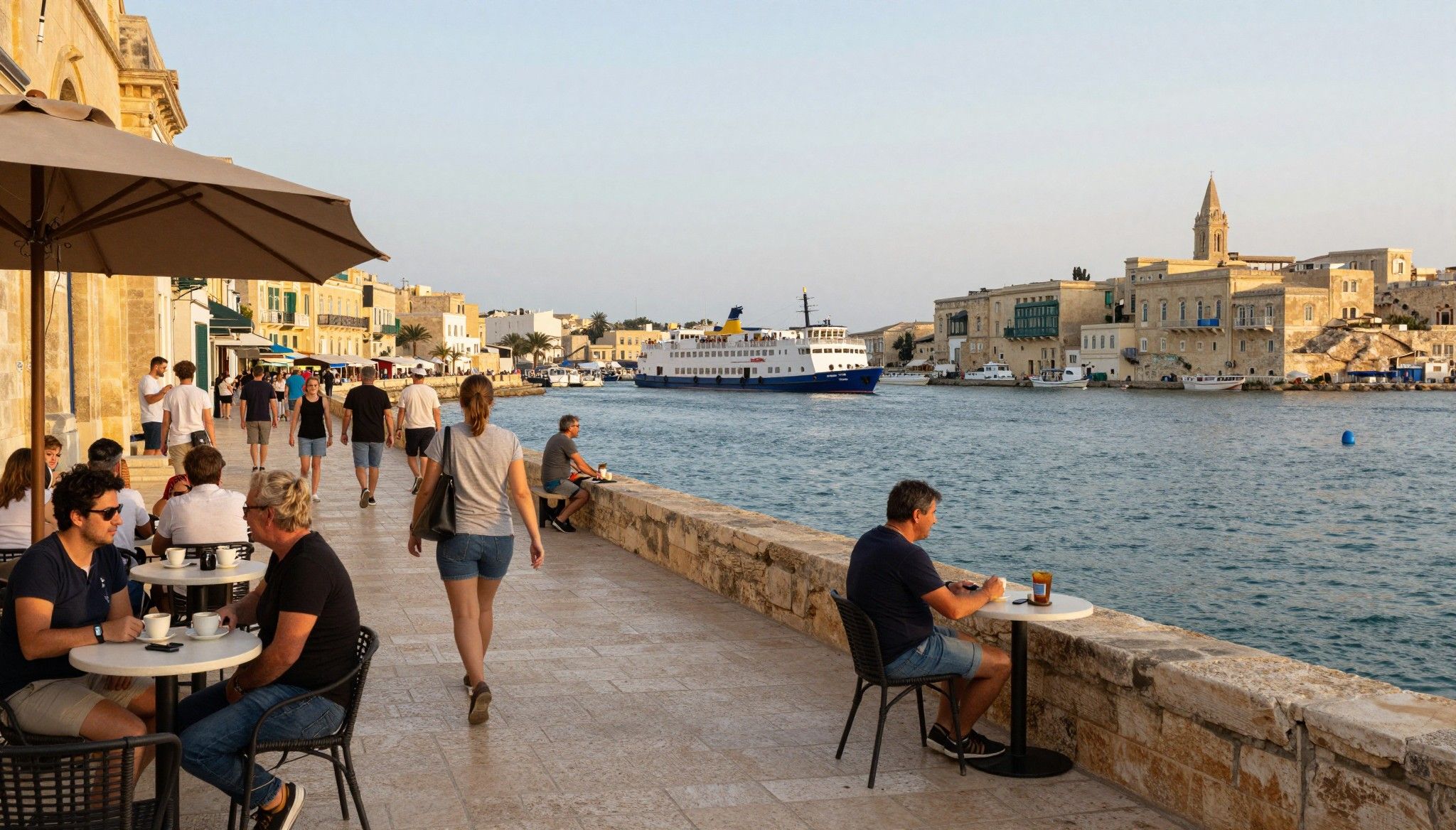
Imagine stumbling out of Caffe Cordina at 9am, a paper cup in hand, and deciding the street you just walked is where you’ll spend the next decade. That’s Malta: compact enough that a neighbourhood choice reshapes your days — where you shop, who you wave to, and how often you take the ferry to see the light change over the Grand Harbour. This piece looks at the corners international buyers often overlook, why they quietly outperform the obvious seaside addresses, and the practical trade‑offs beneath the postcard.
Living the Malta lifestyle
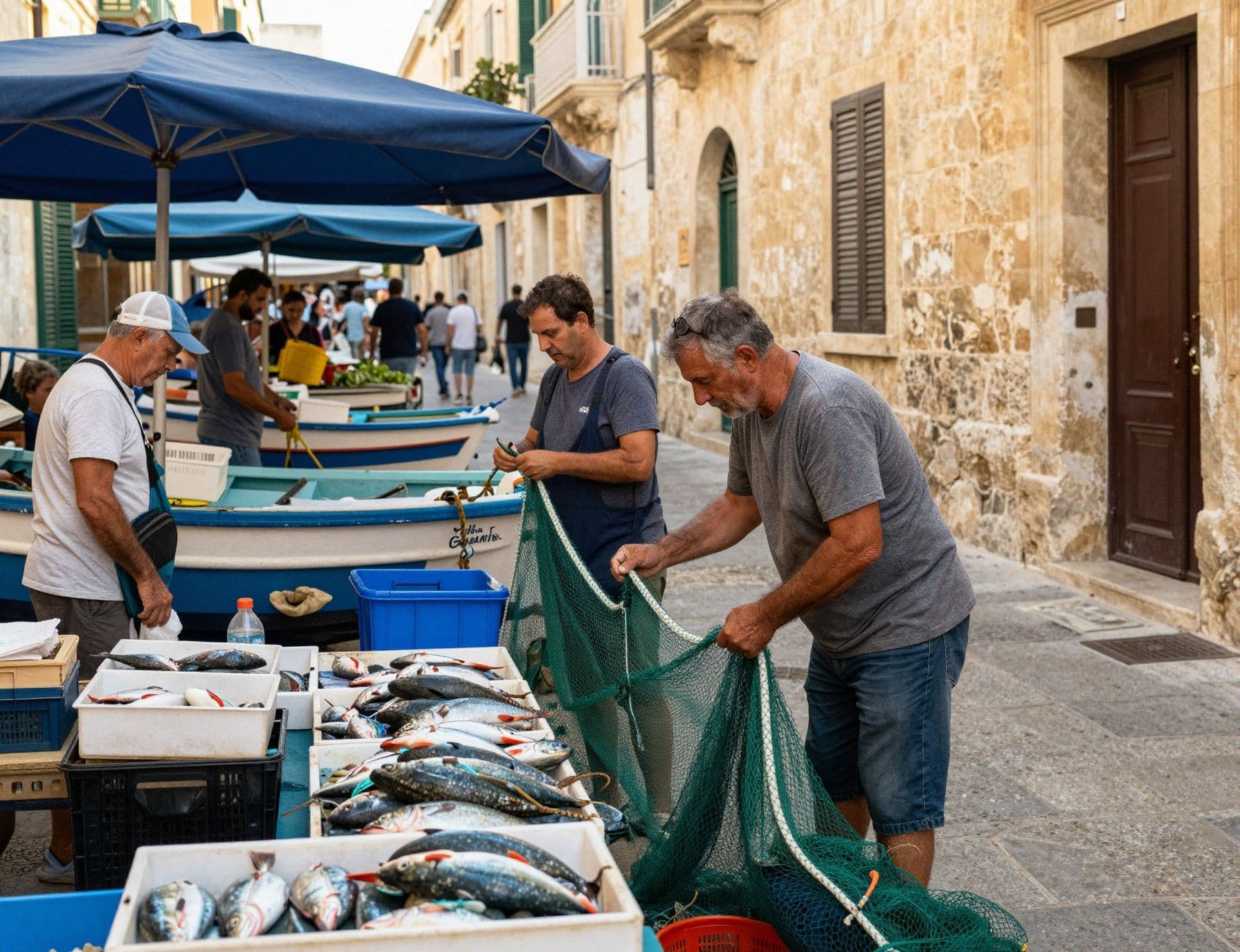
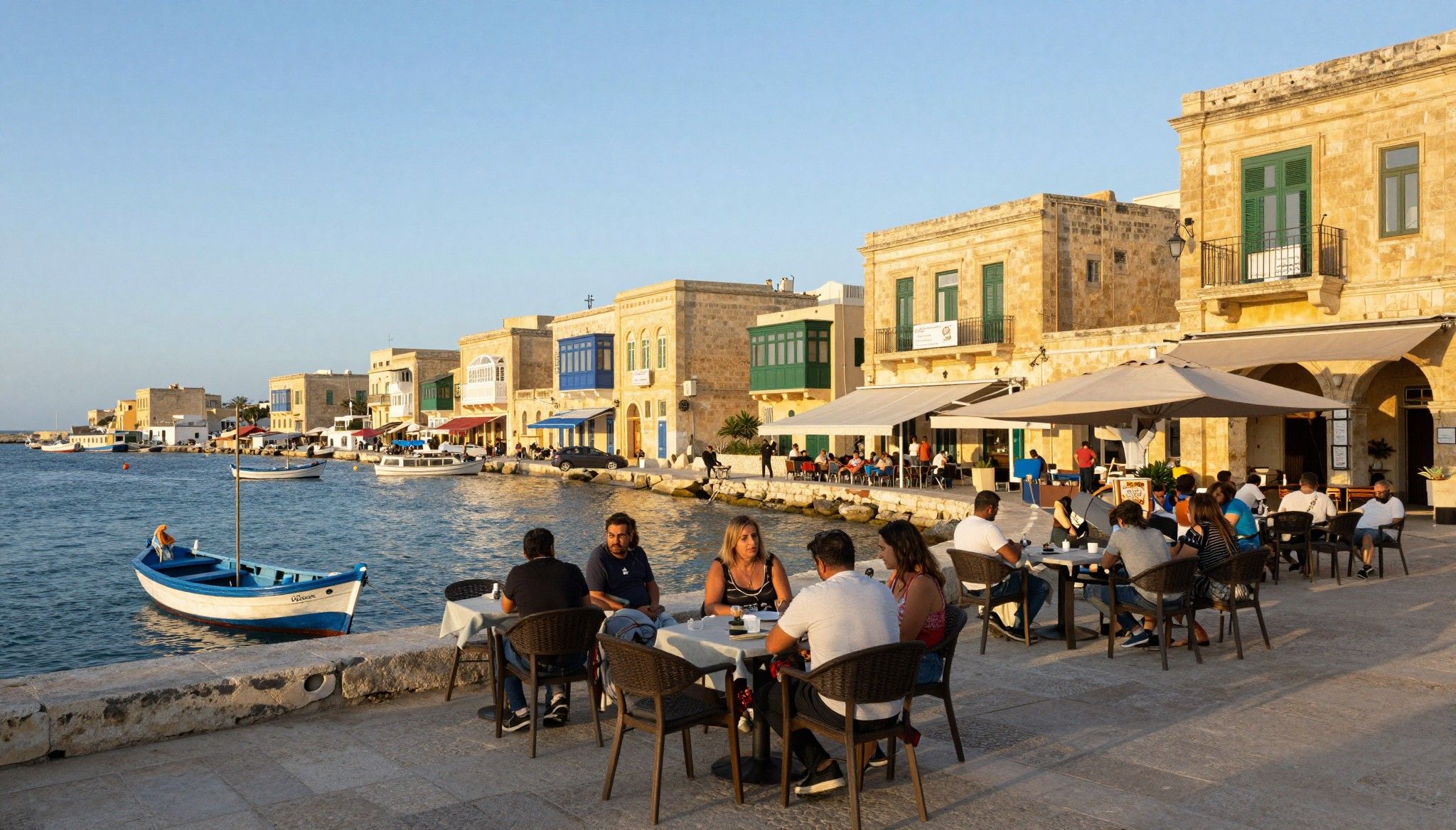
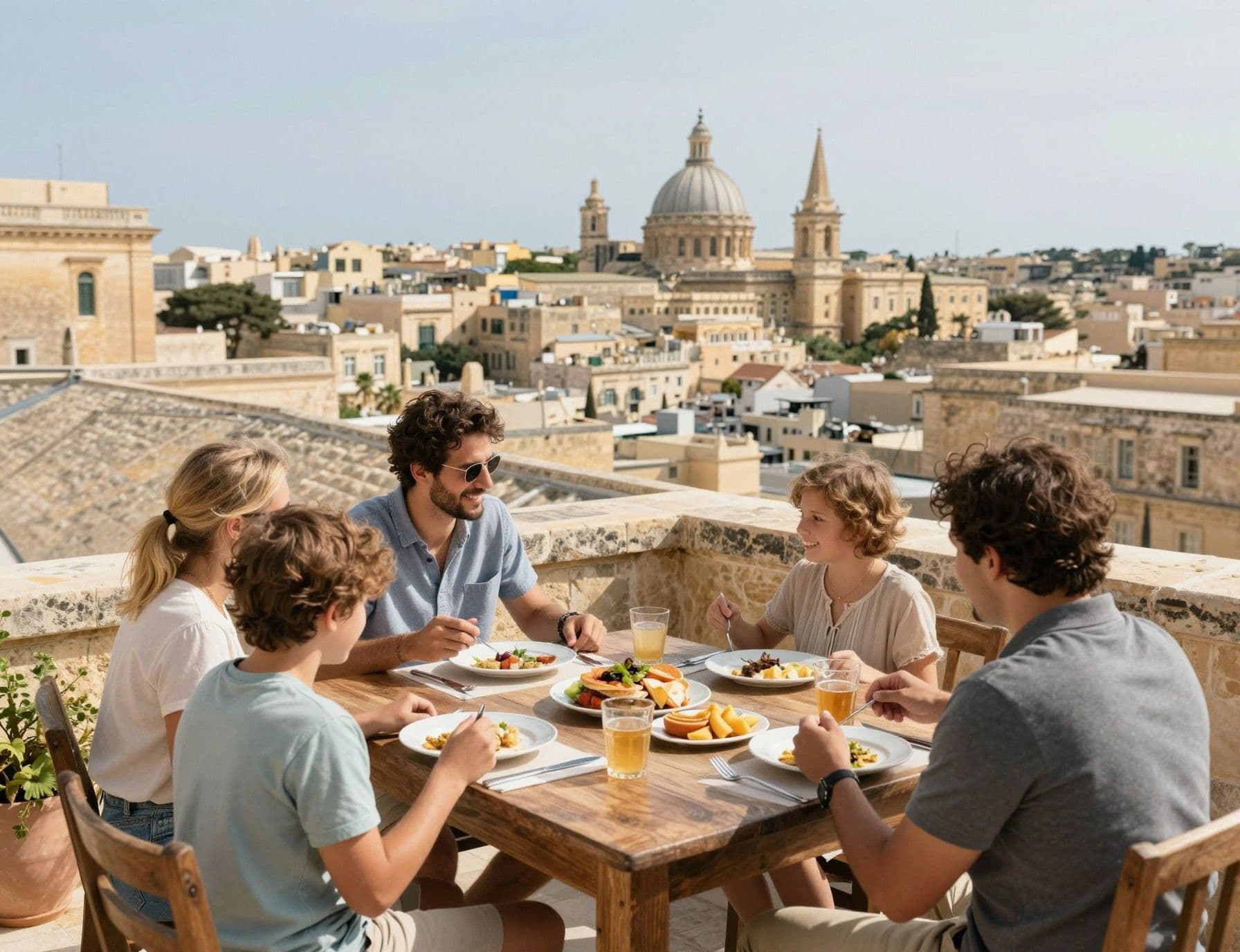
Life in Malta moves on a Mediterranean rhythm, but in half the distance. Mornings are olive‑toned light in narrow streets, afternoons drift to rooftop terraces, and evenings gather around festa bandclubs and waterfront restaurants. English is widely spoken, so you’ll find community quickly — but local habits, like long midday coffees and the annual festa calendar, determine how neighbourhoods feel across seasons.
Valletta and the hidden streets that breathe
Valletta’s waterfront and main squares get the postcards, but it’s the small lanes off St. Paul Street and the terraces behind Merchants Street that reward patience. At dusk, a retired choir rehearses near St John’s, and a tiny bakery on Strait Street still sells cannoncini while the city hums with festivals like Notte Bianca. For buyers who want history with everyday life, these tucked lanes offer short walks to cafes, culture venues and government offices without the tourist churn of the outer promenades.
Sliema & St Julian’s: seaside energy, neighbourhood tradeoffs
Sliema has the sea views and St Julian’s the nightlife; both pull a lot of attention — and prices. Walk inland from Tower Road, though, and you’ll find quieter streets where families live, small grocery shops trade, and local creperias have early queues. For many internationals, the appeal is convenience — ferries to Valletta, compact commutes, and a clear rental demand — but that convenience comes at a premium and greater seasonality during summer months.
Making the move: market reality and timing
The numbers show steady growth rather than runaway boom: Malta’s Residential Property Price Index has recorded mid‑single‑digit annual rises in recent quarters, and professional surveys flag stronger growth in the luxury segment. That means two things: the island remains in demand, but opportunities to find value still exist off the main waterfronts. Timing also matters — festivals, summer rentals and short‑term letting demand can distort asking prices between spring and autumn.
Property styles and what they give you
Stone townhouses in Mdina and Valletta give heritage character and dramatic interiors, but often need specialist restoration and carry conservation constraints. Newer apartments in Sliema and Gzira offer lifts, parking and modern layouts — better for rental income but pricier per square metre. On Gozo, you’ll find larger plots and a slower pace; on mainland coastal towns, terraces and communal pools are common. Each type answers a different life: daily convenience, rental flexibility, or restoration‑led lifestyle.
Work with experts who speak culture, not just law
Local agents who live the island will point you to streets where daylight, noise and social life match your expectations — not just to the nearest sea. For international buyers, a team that blends legal rigour (AIP process) with lifestyle curation (best quiet cafés, practical parking) saves time and money. Ask agencies for recent transaction dossiers, references from other internationals, and a walk‑through of typical monthly costs for the area you love.
Insider knowledge: what expats wish they'd known
Expats often tell the same story: they chose the obvious seafront, then discovered the imagined quiet life was actually noisy in summer and expensive all year. A contrasting approach — choosing a slightly inland street, or a small village with a strong ferry link — often produces better long‑term happiness and steadier rental returns. Small differences in location on an island this size have outsized lifestyle effects.
Cultural integration and daily life
Make time for village festas and market mornings; that’s where friendships happen. English works, but learning Maltese opens doors at neighbourhood barber shops, bakeries and council meetings. Public transport connects most hubs, yet owning a small car changes weekend routines — you’ll reach beaches, vineyards and Gozo faster and on your own schedule.
Long‑term lifestyle and property considerations
Consider how you’ll use the home in five years: a bolt‑hole for winter escapes, a rental asset during summer, or a full relocation. Structural condition, insulation against Mediterranean heat, and outdoor living space matter more than shiny finishes. Also account for local planning rules on terraces and rooftop conversions — changes that sound small legally can dramatically alter how you live there.
- Lifestyle highlights worth mapping before your offer
- Walk to the water: morning ferries from Sliema to Valletta for coffee and cultural nights.
- Sunday market rhythm: Marsaxlokk fish market for fresh catch and community scenes.
- Hidden terraces: rooftop gardens behind Merchant’s Street in Valletta for private sun and views.
- Village festas: calendar events that shape social life and reveal local warmth.
- Steps we recommend for a confident Malta purchase
- 1. Shortlist neighbourhoods after three in‑person walks at different times of day to check noise and sunlight.
- 2. Request recent comparable sale dossiers from your agent — not just listings — to see true prices and time‑on‑market.
- 3. Commission a local surveyor for older stone houses; restoration budgets commonly exceed initial estimates.
- 4. Check AIP permit requirements early if you’re non‑EU, and confirm whether the property sits in a Special Designated Area (SDA).
- 5. Test a short‑term let cycle (if investment) for one season before committing to long‑term furnishing choices.
When to visit and what to watch
Visit in spring or late autumn if you want to see Malta with active local life but fewer tourists; that gives a truer sense of neighbourhoods. If you schedule viewings during summer, expect amplified asking prices and a different street atmosphere. Also, align visits with a festa or Notte Bianca to sense social life, but don’t let festival energy be the only basis for a decision.
Conclusion: fall in love with a life, not a view. Malta rewards buyers who prioritise everyday rhythms over headline panoramas. Work with an agency that can show you both: the lively promenade and the quiet lane two minutes away where neighbours buy, plant tomatoes and stay. If you want, we’ll connect you with local agents who prepare dossiers, explain AIP steps, and walk those streets with you — because the right neighbourhood makes the move feel inevitable.
Danish investment specialist who relocated to Costa del Sol in 2015. Focuses on data-driven market timing and long-term value for Danish buyers.