Quiet Coast, Clear Files: Buying Transparently in Croatia
A lifestyle-first guide to buying in Croatia—spot the quiet neighborhoods, read the public records, and avoid common red flags with lawyer-verified checks.
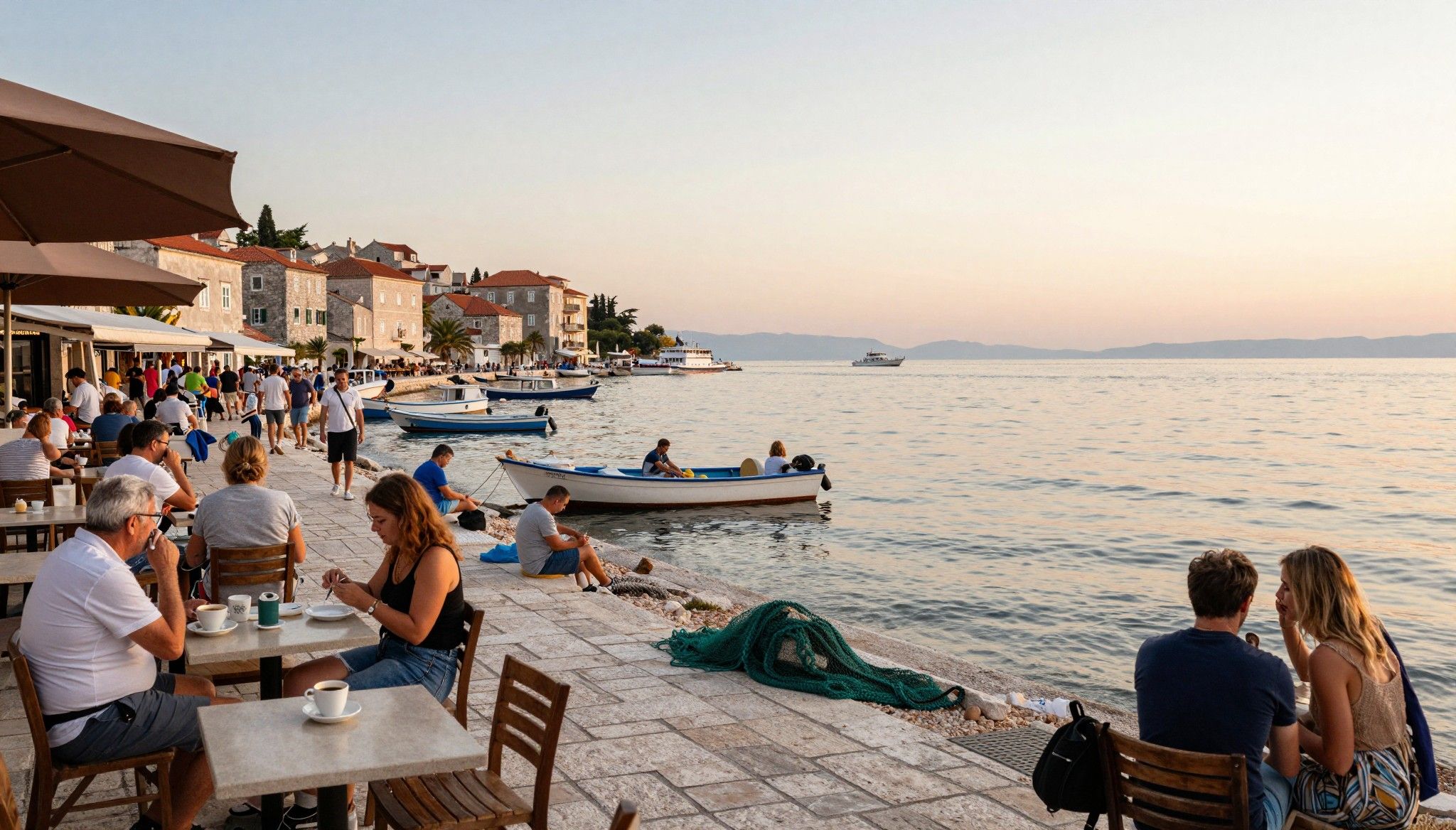
Imagine walking the riva in a sleepy Dalmatian town at 9 a.m., coffee steam rising, fishermen mending nets while the hotels—and the tourist crowds—are still closed for the season. That quiet is where we kept seeing the best bargains and the clearest disclosure practices: owners who will talk openly because they need a buyer, not a summer booking. This guide looks beyond the postcard—mixing how Croatia feels with the transparency rules and real data that protect (or expose) international buyers. We want you to fall in love with daily life here, then buy with your eyes open.
Living the coastal Croatian life
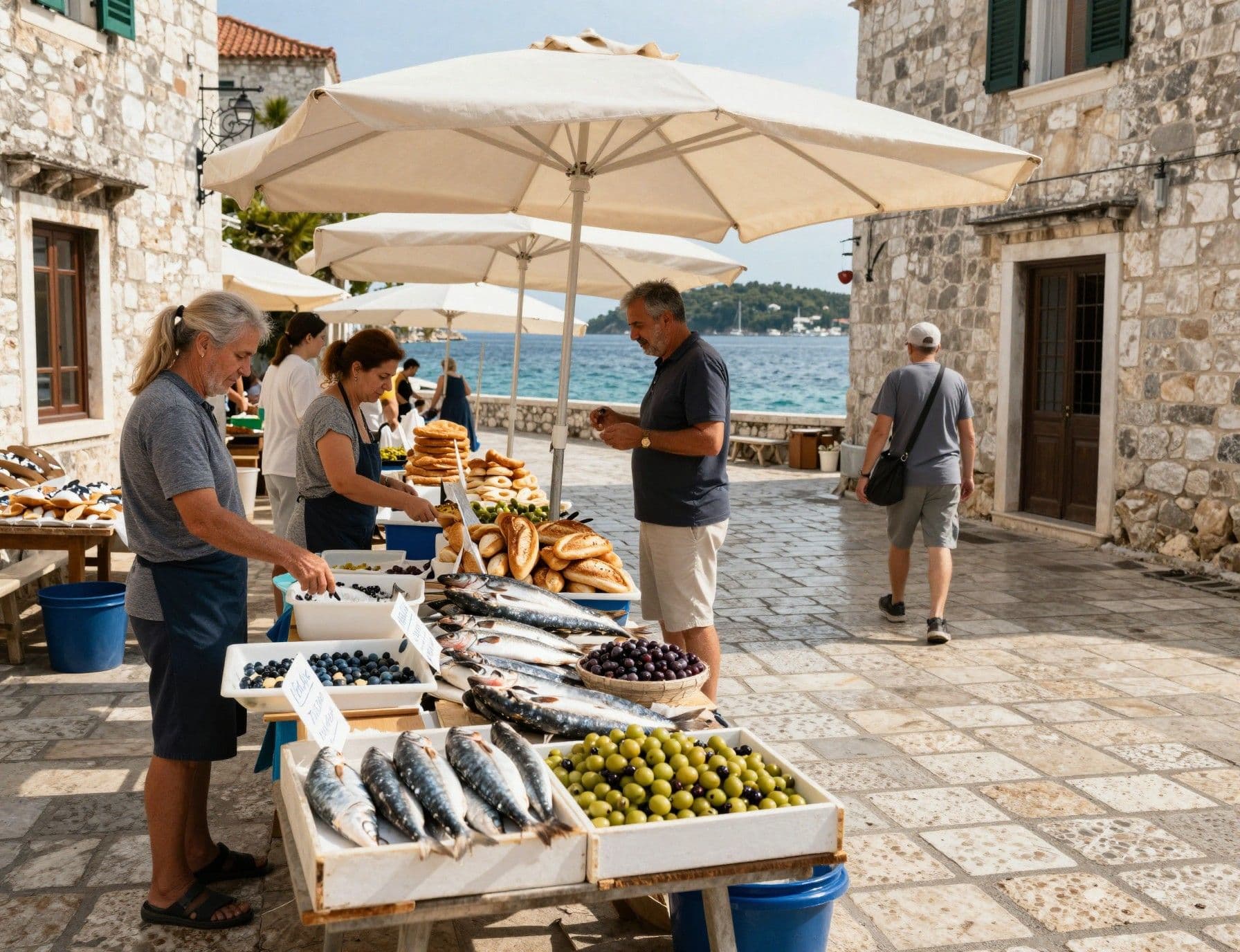
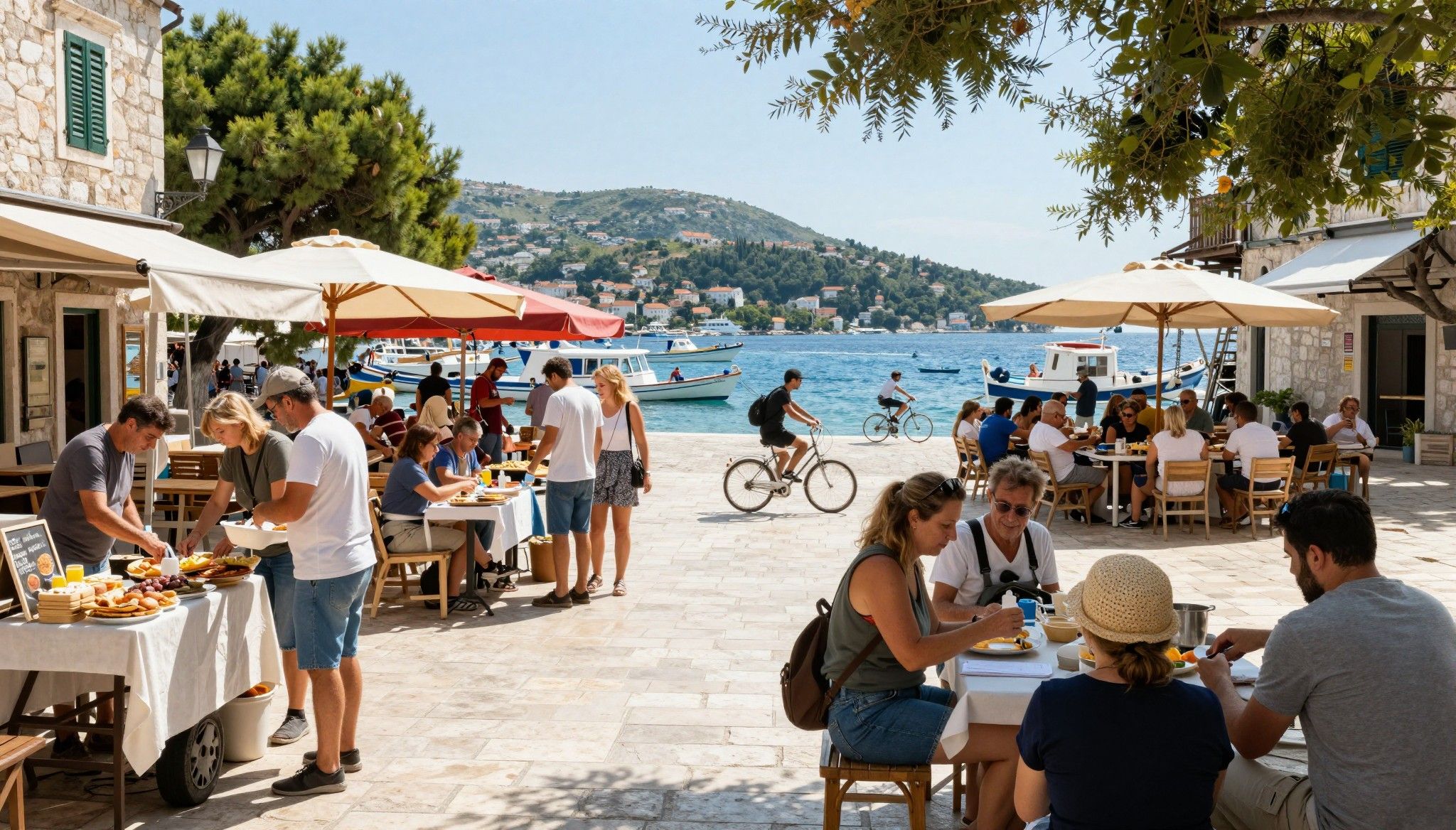
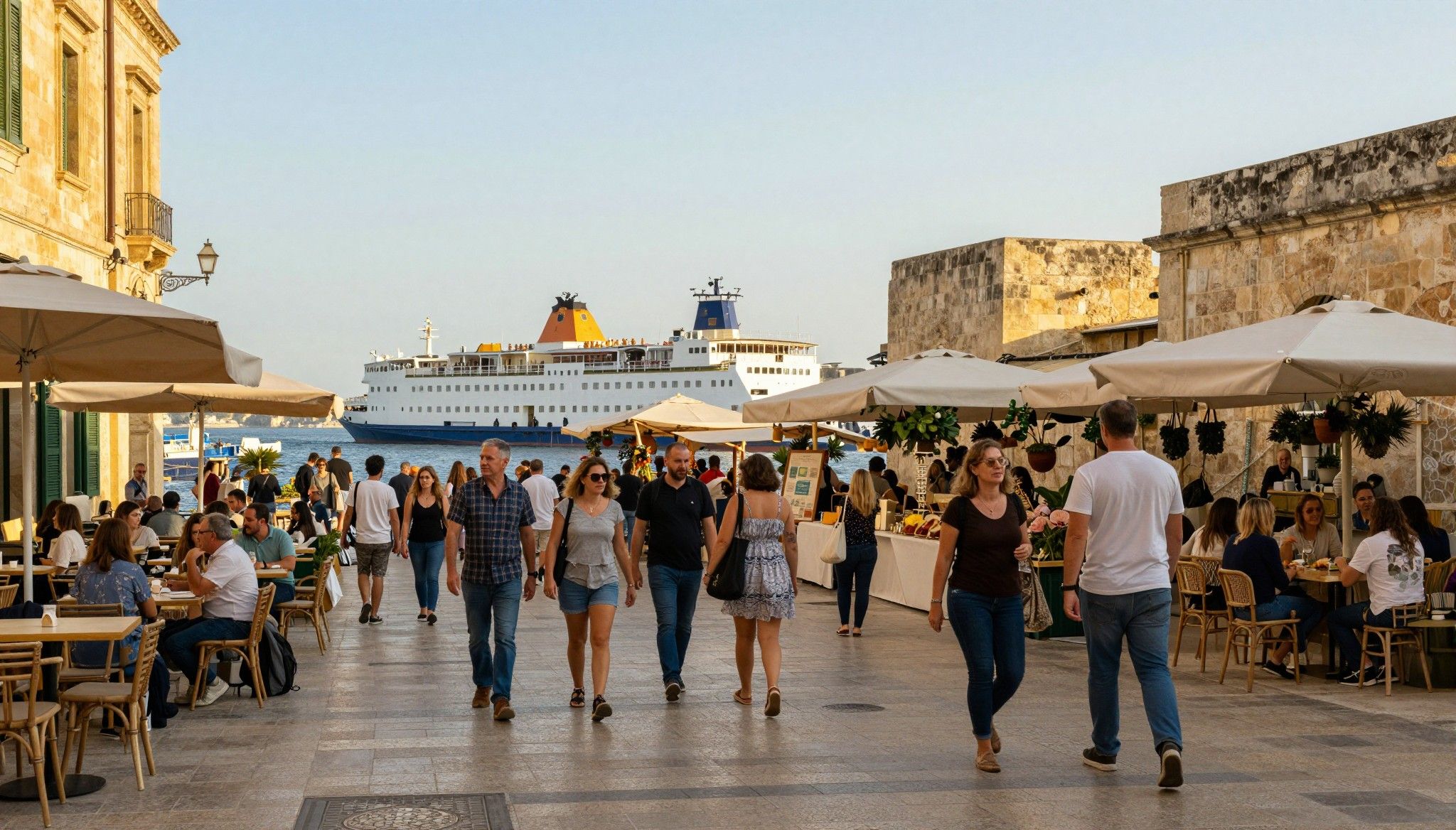
Croatia’s rhythm is Mediterranean but not a single note: mornings are market noise and espresso shots in Rijeka’s Korzo, afternoons are island ferries in Hvar, and evenings are slow fish dinners under plane trees in Istria. The daily tempo changes by place—Zagreb’s tram-slick streets hum year-round, while the Dalmatian islands sleep in winter and bloom in summer. What buyers love is tangible: stone courtyards, cafés where the barista knows your name, shorelines you can walk to in less than ten minutes from many coastal apartments. Expect seasons to shape both lifestyle and liquidity; where locals live year-round you’ll find stability, where tourism dominates you’ll find volatility.
Neighborhood spotlight: Split’s Veli Varoš and Firule
Veli Varoš—narrow alleys, locals eating at konobas, and a coastline that feels like a neighborhood amenity more than a tourist backdrop—shows how everyday life and authentic ownership overlap. Firule, a little east, trades that intimacy for more post-war modernism and shorter walks to sandy beaches, and attracts families who prioritise space over spectacle. In both, you trade bustling seafront views for streets where neighbours know each other; that local fabric often reveals clearer title histories and more reliable seller disclosures because homes change hands through community channels.
Food, markets and the calendar that shapes life
A Saturday at Dolac Market in Zagreb or the fish markets of Split tells you what living here tastes like: seasonal produce, oysters from local coves, and bakers who start at dawn. These markets are signals to property buyers—areas with active markets tend to have year-round demand, better municipal services, and clearer property records. Festivals (Ultra in Split, Summer Festivals across Dalmatia) reshape short-term rental economics, so neighbourhoods that host big events can look deceptively liquid come July but thin come November. If you want community, follow the weekly markets and calendar, not just price per square metre.
- Local lifestyle highlights: Dolac Market (Zagreb); Veli Varoš walkways (Split); St. Lawrence’s street cafes (Hvar Town); Vela Plaža beach (Baška, Krk); Pula’s Roman amphitheatre evenings; small konobas on Istria’s inland roads.
Making the move: practical considerations where lifestyle meets law
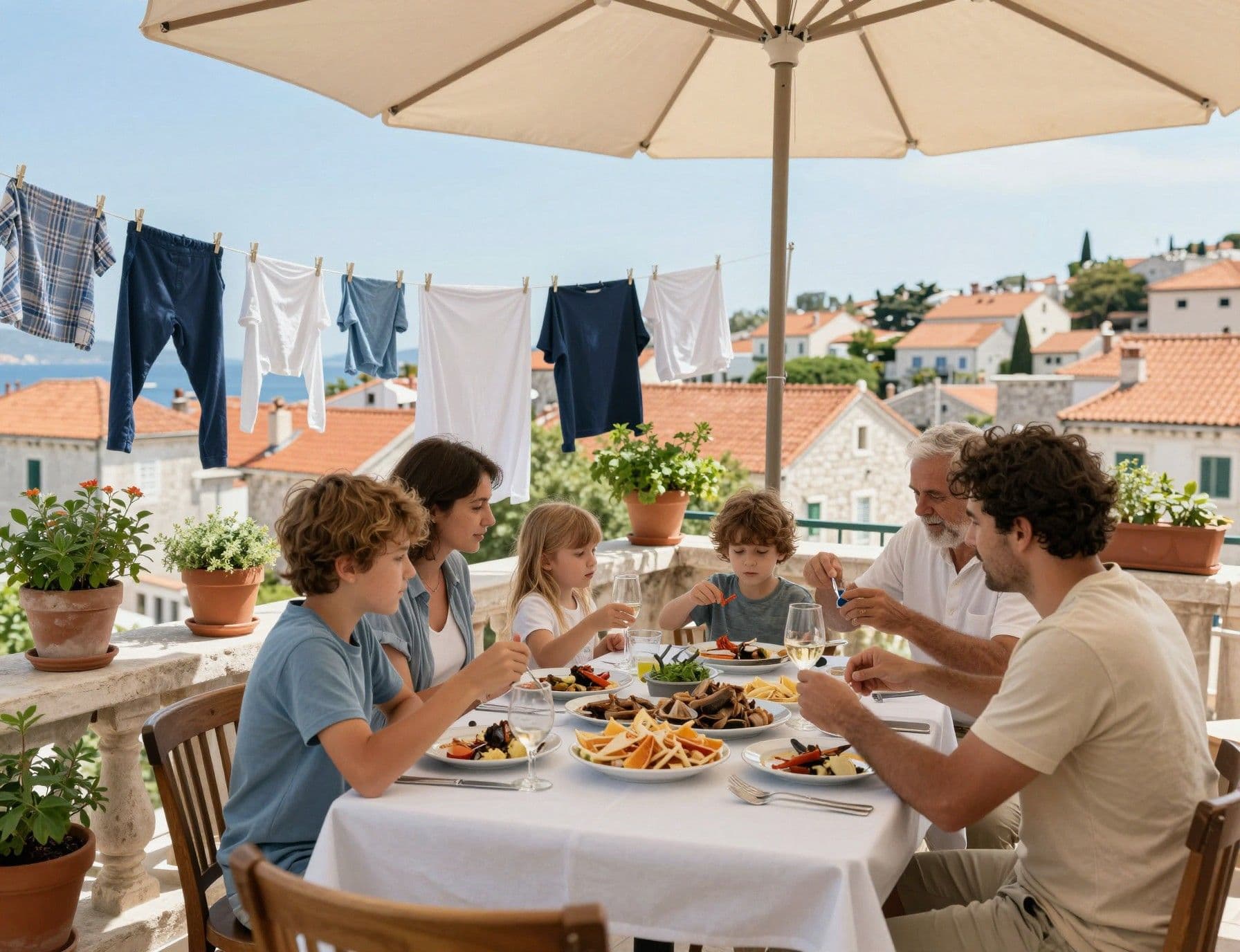
Your dream terrace needs a reliable file. Croatia publishes house price indices and transaction data that help you check asking prices against realised sales, but you should always compare national statistics with local county records for the clearest picture. The Croatian Bureau of Statistics provides house price indices and transaction volumes that are useful starting points for spotting where headline prices are outpacing deal flow. Use public data to stress‑test agent claims and to spot areas where prices rose on short-term tourist demand rather than sustained local interest.
Property types and how they shape life—and risk
Stone town flats are romantic and energy‑efficient but can hide complicated title chains and communal maintenance costs. New builds offer warranties and clearer construction records but may sit in districts with underdeveloped local life. Agricultural or forest land still has special rules and, until recently, moratoria affected purchases—so check the property type against restrictions and recent legal changes. Match the property style to how you want to live: large family homes for year‑round life, compact apartments for seasonal rental income, and renovated studios if you want a low‑touch pied‑à‑terre.
- How local experts protect your lifestyle vision (and money):
1) Ask a lawyer to obtain and check land registry extracts and any servitudes—this reveals hidden burdens that alter daily life, like shared access or tenant rights. 2) Confirm reciprocity status for non‑EU buyers and whether Ministry of Justice approval is required; this affects timelines and negotiation leverage. 3) Use an agent who demonstrates records-access (not just glossy photos): ask for past sale prices, not just asking prices. 4) Insist on formal energy certificates and building permits for conversions—these protect you from post‑purchase surprises and align with how you intend to use the property.
Insider knowledge: what expats wish they’d been told
Expats often tell us the same story: they fell for a view, signed quickly, then spent months unpicking title quirks and neighbour agreements. Croatia’s market shows strong coastal price growth by value, but transaction volume can lag in off-season—so timing matters for transparency. Major datasets show transaction values and regional splits that help you understand whether a price jump was broad-based or localised to short-term rental hotspots. Use these datasets to ask sharper questions of sellers and agents.
Cultural cues that change where you buy
Croatian sellers often assume buyers speak the local shorthand: ‘renovated’ can mean structurally sound but cosmetically dated; ‘sea view’ may be a sliver from a third-floor balcony. Language and custom matter: a friendly offer from a neighbour can be a formal servitude in law, and inheritance splits can leave properties co-owned in ways that complicate sale. Learn the local phrases, read every clause, and ask for all registered encumbrances in writing—what sounds like local generosity can be a legal snag.
Long‑term lifestyle realities and red flags
- Watch for: 1) Rapidly rising asking prices with falling transaction counts (a sign of speculative listings). 2) Properties listed heavily for short‑term rental but with unregularised permits. 3) Large undeclared terraces or additions lacking permits—these mean future compliance costs. 4) Shared access or unclear coastal rights that affect everyday use. 5) Sellers offering long ‘grace’ periods to vacate—this often masks tenancy complications.
If you spot any of the red flags above, pause and escalate: request a notarised chain of title, ask for municipality confirmations of building permits, and get a local lawyer to request any outstanding tax or municipal debt certificates. These steps add time but preserve your lifestyle outcome—owning somewhere that actually works in the long run. We’ve sat watching buyers scramble to retrofit legal clarity after a purchase; it’s costly and avoidable with early scrutiny.
Steps to a transparent purchase: 1. Obtain a land-registry extract (Zemljišna knjiga) and utilities/tax clearance. 2. Verify seller identity and any co‑owners through notarised documentation. 3. Check local zoning and permit history with the municipality. 4. Insist on a written inventory of fixtures and confirmed boundary lines. 5. Use escrow via a notary and register the transfer promptly to avoid interim claims.
Final picture: the life you buy matters more than the price tag
Buying in Croatia is as much about taste as title. Choose streets where morning markets and neighbours make you feel at home, and then use public records and local counsel to turn that feeling into a secure legal position. Walk the neighbourhood at different times, talk to local shopkeepers, and let municipal data and a lawyer’s letter reaffirm the romance. If you do that, you won’t just buy a property—you’ll buy a life that works.
Ready to see the files behind the views? Start by asking your agent for land-registry extracts, recent transaction comparables, and municipality permit confirmations. We’ll connect you with vetted lawyers and local agents who treat transparency as part of the service, not an extra. Fall in love first, then check the file—Croatia rewards the patient, the curious and the cautious.
Swedish expat who moved from Stockholm to Marbella in 2018. Specializes in cross-border legal navigation and residency considerations for Scandinavian buyers.