The Summer Illusion: Why Hot‑Season House‑Hunting Fails in Greece
The summer sparkle in Greece can mislead buyers. Visit off‑season, prioritise services not sunsets, and use local expertise to translate romance into realistic, year‑round living.
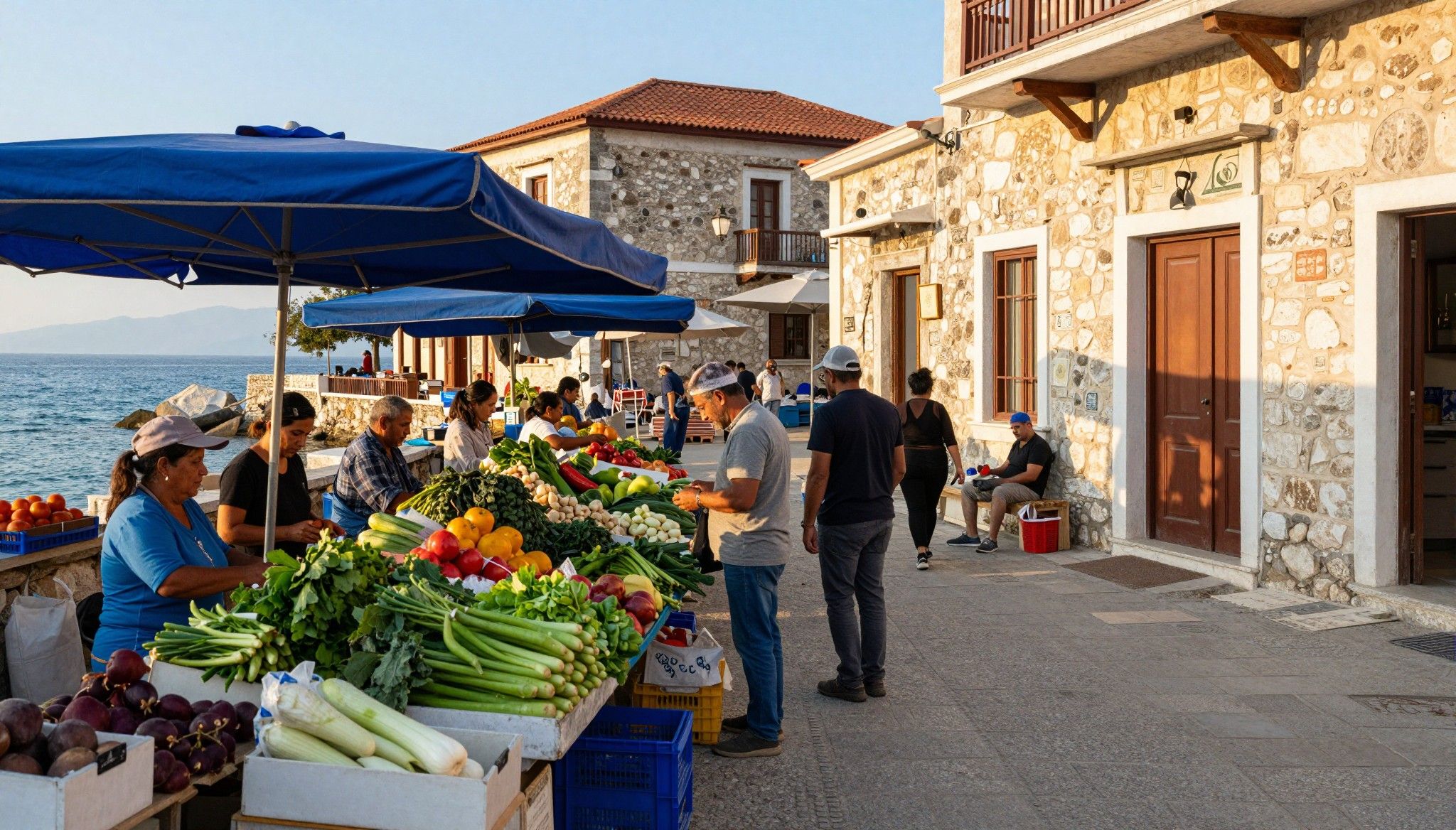
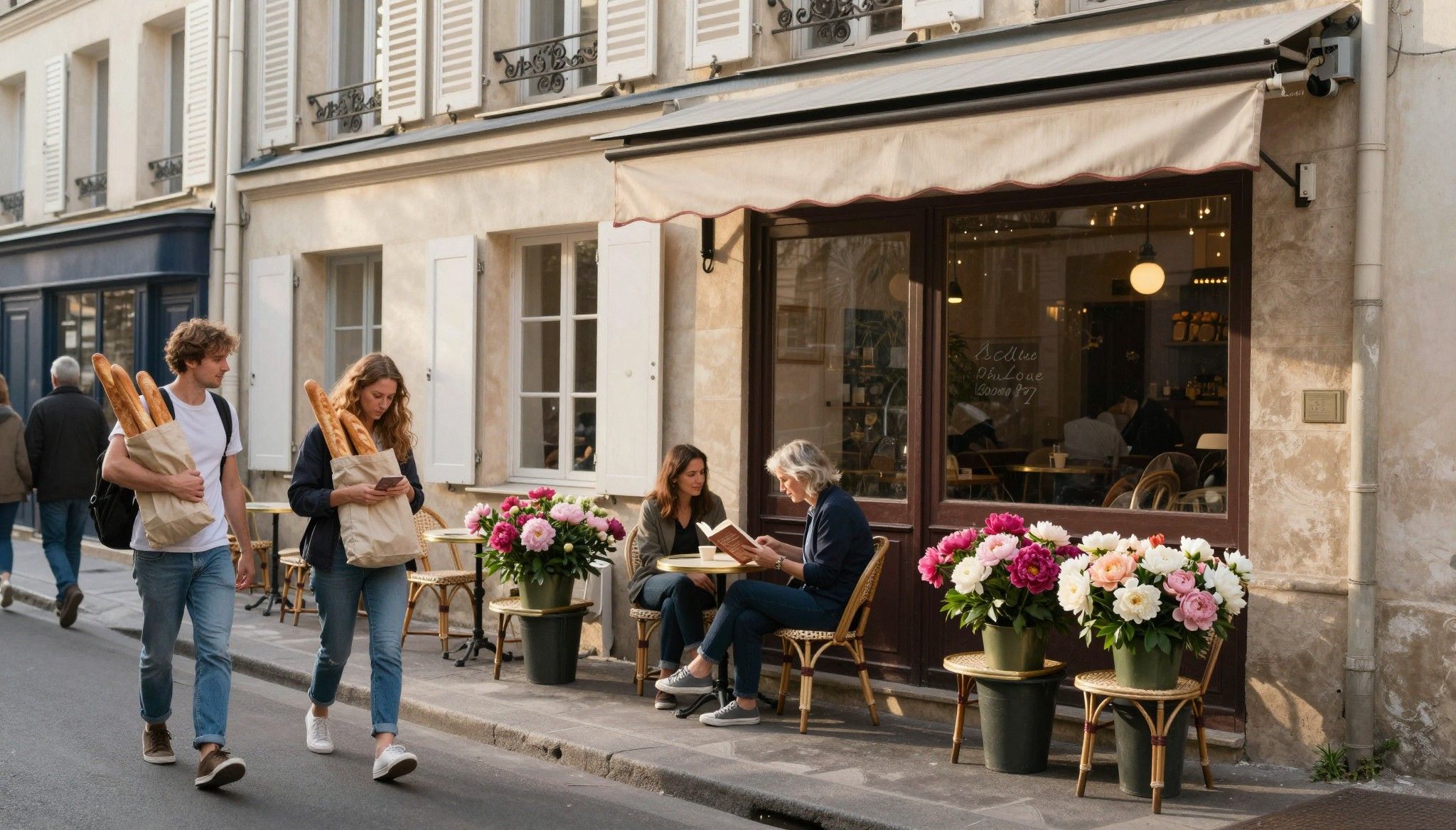
Imagine stepping out at dawn in Koukaki with a strong espresso in hand, the Acropolis light catching the limestone facades as bakers set out trays of koulouri. You can feel how life in Greece moves between long, deliberate mornings and vibrant evenings; that rhythm changes where you choose to live. We argue the season you look—and how you look—matters as much as the street or island name on the contract. Read on: we'll show how the summer sparkle hides key trade‑offs, and where buyers actually find better value.
Living the Greece lifestyle
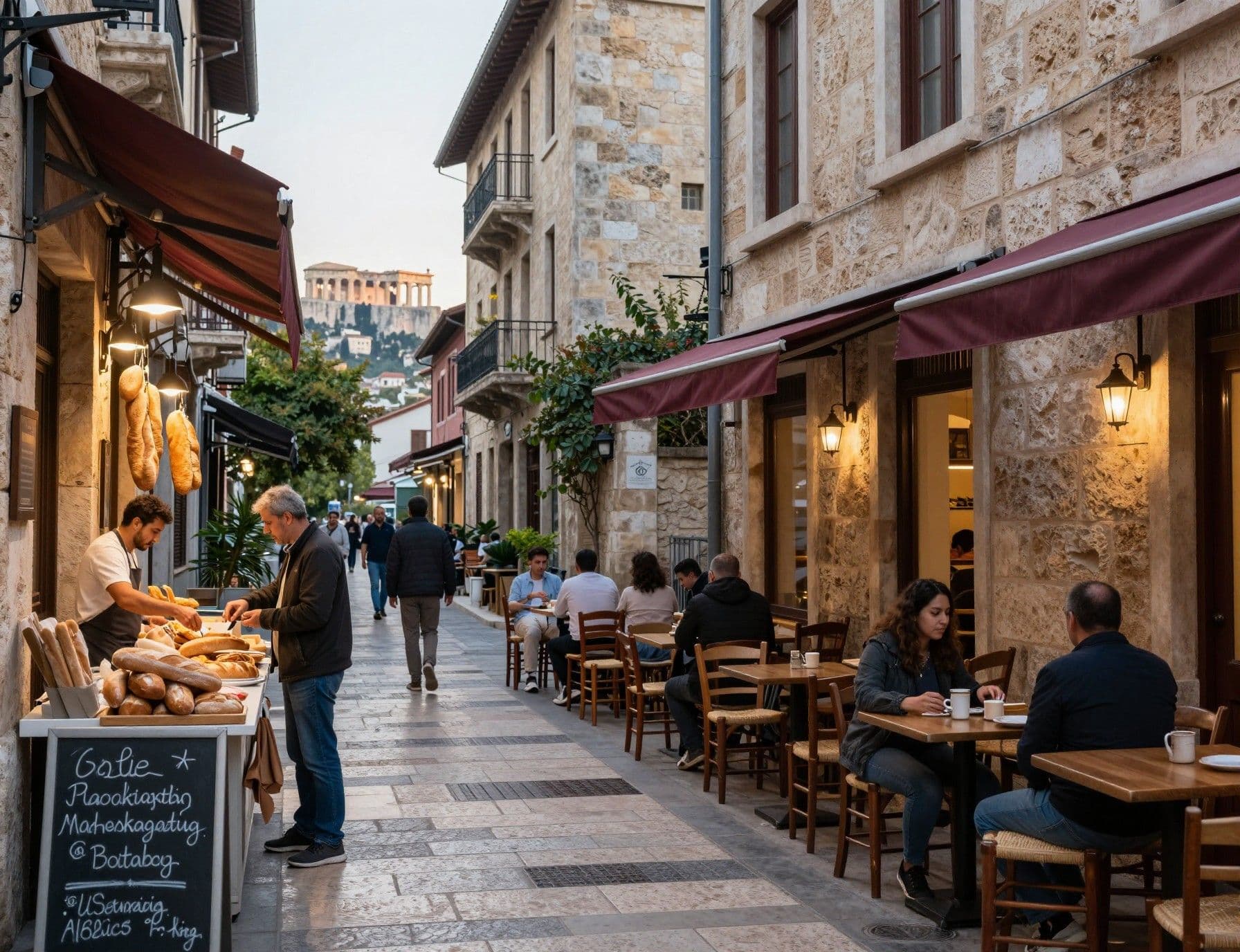
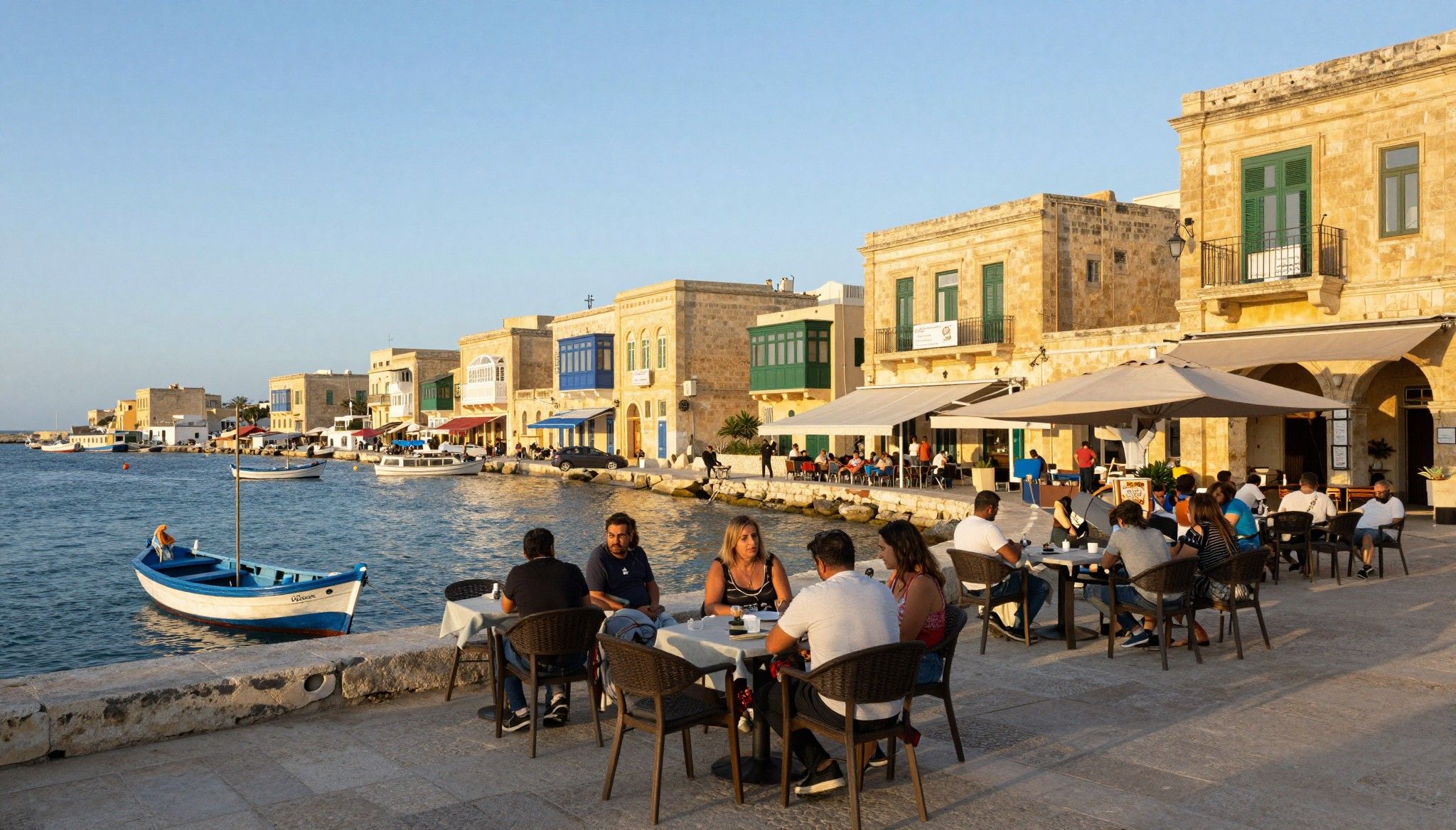
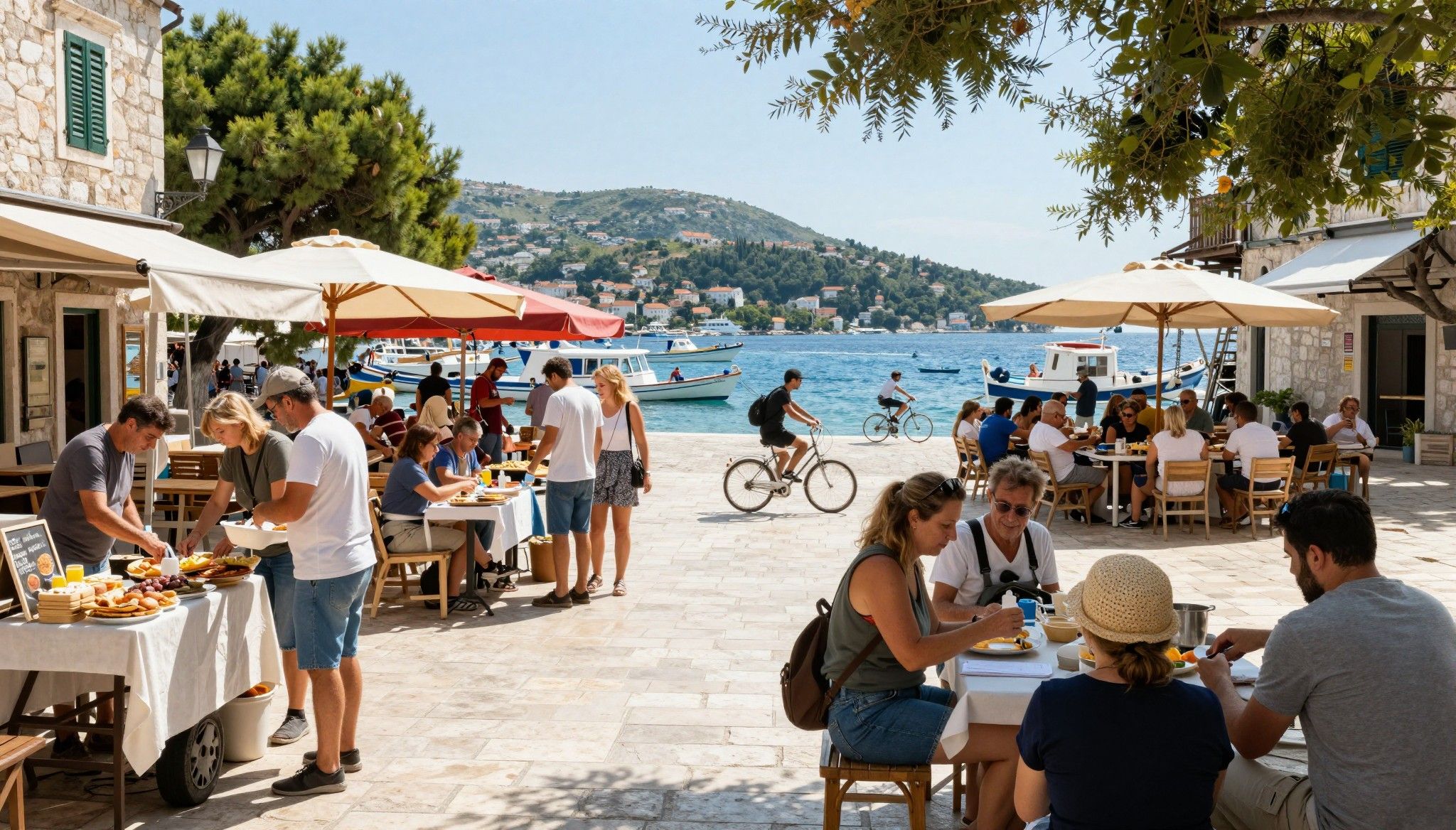
Greece is easy to romanticise: sun, sea, taverna dinners, and slow afternoons. But everyday life is textured—neighbourhoods hum with markets and municipal rhythms, islands vary wildly in services, and cities blend ancient stones with modern co‑working cafés. The real question for buyers is how you want to live on a typical Tuesday, not during a July postcard moment. That everyday view should steer where you buy more than a summer sunset photograph ever could.
Athens: urban villages and late‑night life
Walkable neighbourhoods like Koukaki, Pangrati and Kifisia each feel like a small town within Athens. Koukaki trades polished cafés and boutique galleries for narrow streets where neighbours know one another; Kifisia is green and suburban, suited to families who prize parks and calmer mornings. If you want nights that spill from plateia to rooftop bars, central Athens delivers; if you want calmer weekday life with easy metro links, look northward. We always match lifestyle priorities to micro‑neighbourhood cues before property searches begin.
Islands and coast: service, seasonality, and surprises
A Crete harbour town like Chania hums year‑round because it has local industry and an airport; Paros and Naxos swell in summer but quieten sharply in autumn. Many buyers fall in love with island life on a single holiday and then discover limited off‑season services or steep renovation costs when they commit. We advise visiting twice—in high season and in a shoulder month—to see whether the place you adore in July still feels livable in November.
Making the move: what the market really looks like
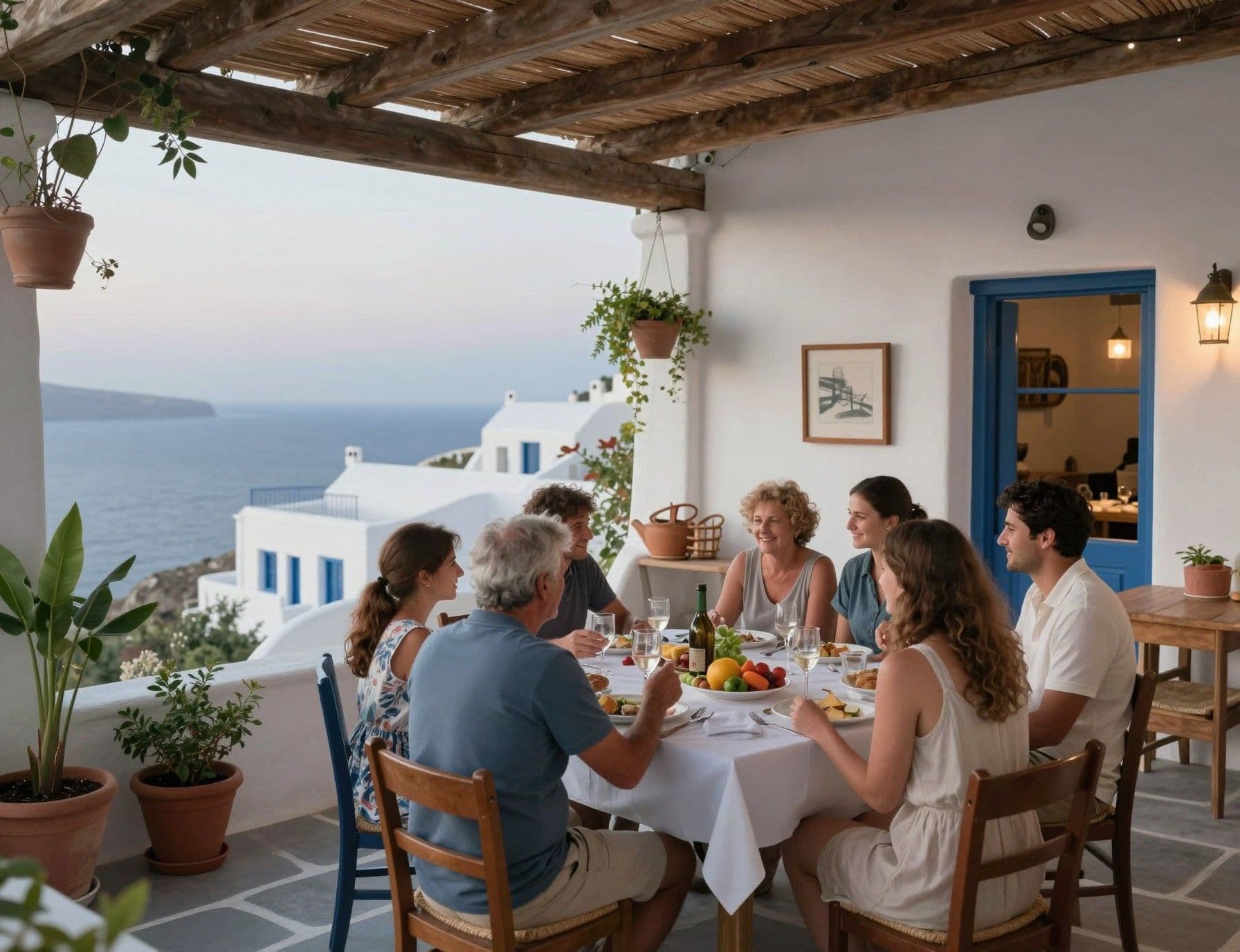
Macroeconomic data matter because they shape pricing, availability and the pace of sales. The Bank of Greece and Eurostat data show Greece's housing market has seen steady price rises in recent years, but growth has moderated from the double‑digit spikes buyers read about in headlines. That means there are still pockets of value—often outside the busiest summer hotspots—if you look at quarterly indices and local transaction volumes rather than advertised asking prices.
Property types: stone houses, neoclassical flats, modern builds
Traditional stone houses on islands offer romance, but many need structural work and modern insulation to be comfortable year‑round. In Athens, neoclassical flats have high character but often require internal rewiring or seismic upgrades. New builds give convenience and energy performance but are pricier per square metre. Match the building type to how you intend to use the property: seasonal holiday, full‑time residence, or a rental hybrid—because each use changes renovation and maintenance costs materially.
Working with local experts who know the lifestyle
We pair buyers with agencies who act as cultural interpreters, not salespeople. That means they vet neighbourhood services, local schools, healthcare access and seasonal workforce patterns—details that change how the place feels nine months of the year. They also know recent legal changes that affect residency and minimum investment rules; for example, amendments to the Golden Visa framework and residency paperwork that affect how properties must be structured. A good agent brings neighbourhood evidence, contractor contacts and municipal know‑how to every viewing.
Insider knowledge: what expats wish they'd known
Expats often tell us their biggest surprise isn’t language; it’s the municipal hours, local supply chains, and how services shrink in winter. A beach bar that operates seven days in July may close for three months—so if you want a lively calendar year‑round, choose towns with airports, seasonal economies anchored in more than tourism, or established expat communities. That everyday infrastructure drives long‑term happiness more than panoramic views alone.
Cultural cues and community
Greeks tend to build long relationships around cafes, municipal festivals and local associations; joining a sport club or volunteering at a cultural event speeds integration. English is common in tourist areas but less so in villages, and simple investments—learning a few phrases, knowing market days, and identifying your nearest public health clinic—pay off quickly. We advise buyers to spend several weekends living like a local (shop at the market, call a taxi at odd hours, try a doctor) before signing.
Long‑term living: seasons, services and sustainability
Think beyond aesthetics: check internet speeds for remote work, service boat timetables for islands, and the reliability of winter heating. Property taxes and municipal charges are modest compared to many Western European countries, but maintenance and seasonal workforce costs can erode returns if you plan rentals. Consider energy retrofits and water supply resilience—practical upgrades that improve comfort and long‑term resale value.
Lifestyle highlights to look for (and where to start): - Morning koulouri and espresso on Athenian side streets (Koukaki, Thissio) - Harbourfront walking and fish tavernas (Chania, Nafplio) - Wind‑surf and kitesurf communities (Paros, Naxos) - Quiet village life with good air links (Elounda, Chania hinterland) - Year‑round markets and municipal services (Thessaloniki neighbourhoods)
Steps we recommend before you commit: 1. Visit in high season and a shoulder month to test services and noise. 2. Ask for utility bills, condominium minutes and renovation permits from the seller. 3. Have a local surveyor inspect seismic resilience and insulation. 4. Confirm residency/residence permit implications with an immigration lawyer. 5. Build a 10–15% contingency into your budget for island properties.
Conclusion: fall in love with the life, not the season. Pick a place that works for ordinary weekdays as well as holiday weekends, and use local expertise to translate romantic feelings into durable, livable choices. If you want help testing neighbourhoods against your routines, we can introduce agencies that treat lifestyle fit as the primary KPI—not a secondary talking point. Start with two visits, clear evidence on services, and a local team that knows which summer postcards mask winter realities.
Swedish expat who moved from Stockholm to Marbella in 2018. Specializes in cross-border legal navigation and residency considerations for Scandinavian buyers.