When France Seems Expensive — Look at the Data
France’s price story is nuanced: national indices show modest shifts while regional pockets rebound. Fall for the life, then use Notaires/INSEE data and local checks to buy with confidence.
Imagine sitting at a sunlit table on Rue Montorgueil with a croissant, then walking ten minutes to a calm apartment whose price trend has actually softened compared with headline figures. France feels both timeless and surprisingly modern: lively markets, small-city calm, Riviera light, and urban corners where values are stabilising rather than soaring. That mix is the reason international buyers fall in love — and why smart decisions come from data, not myths.
Living France: atmosphere, neighbourhoods, daily rhythms
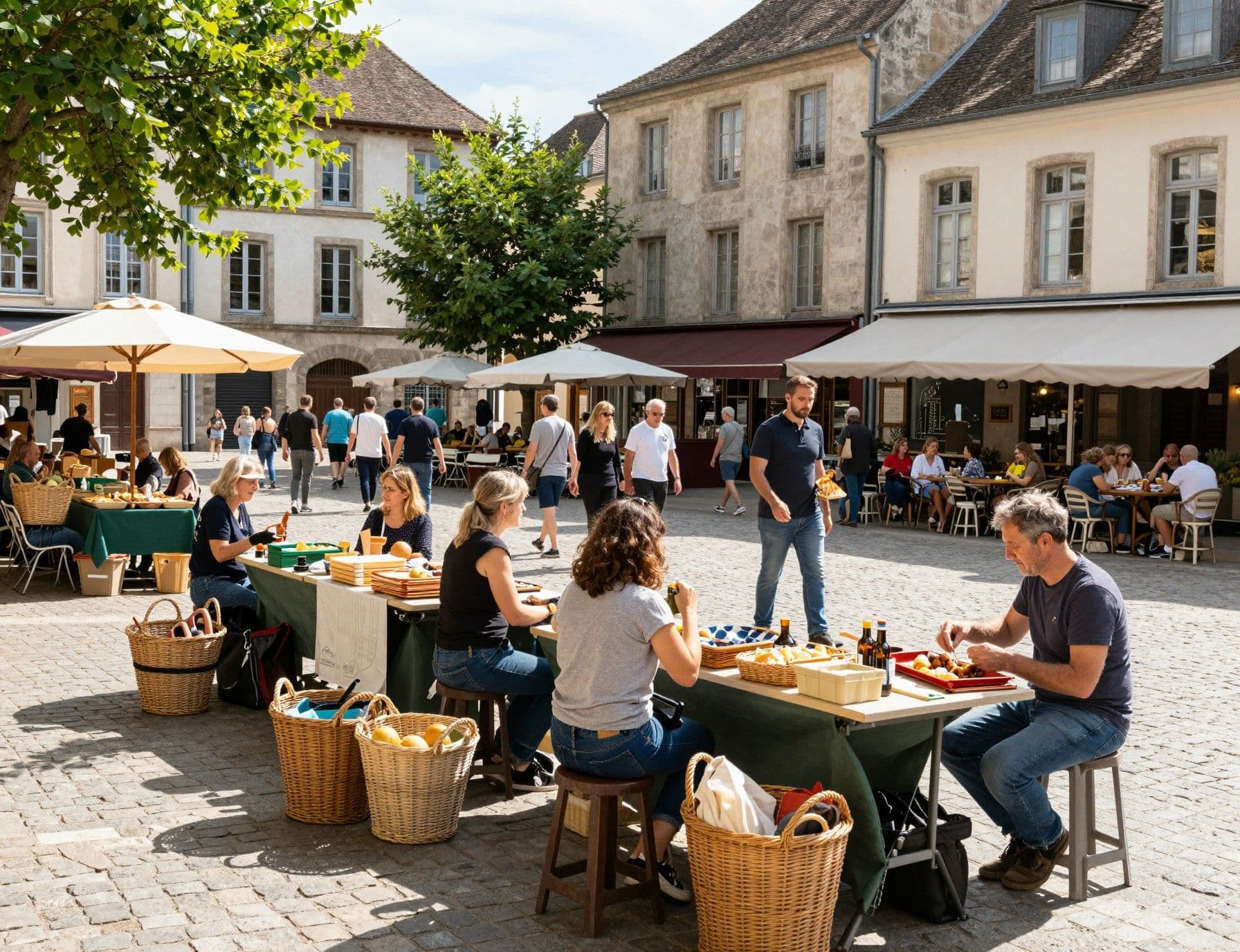
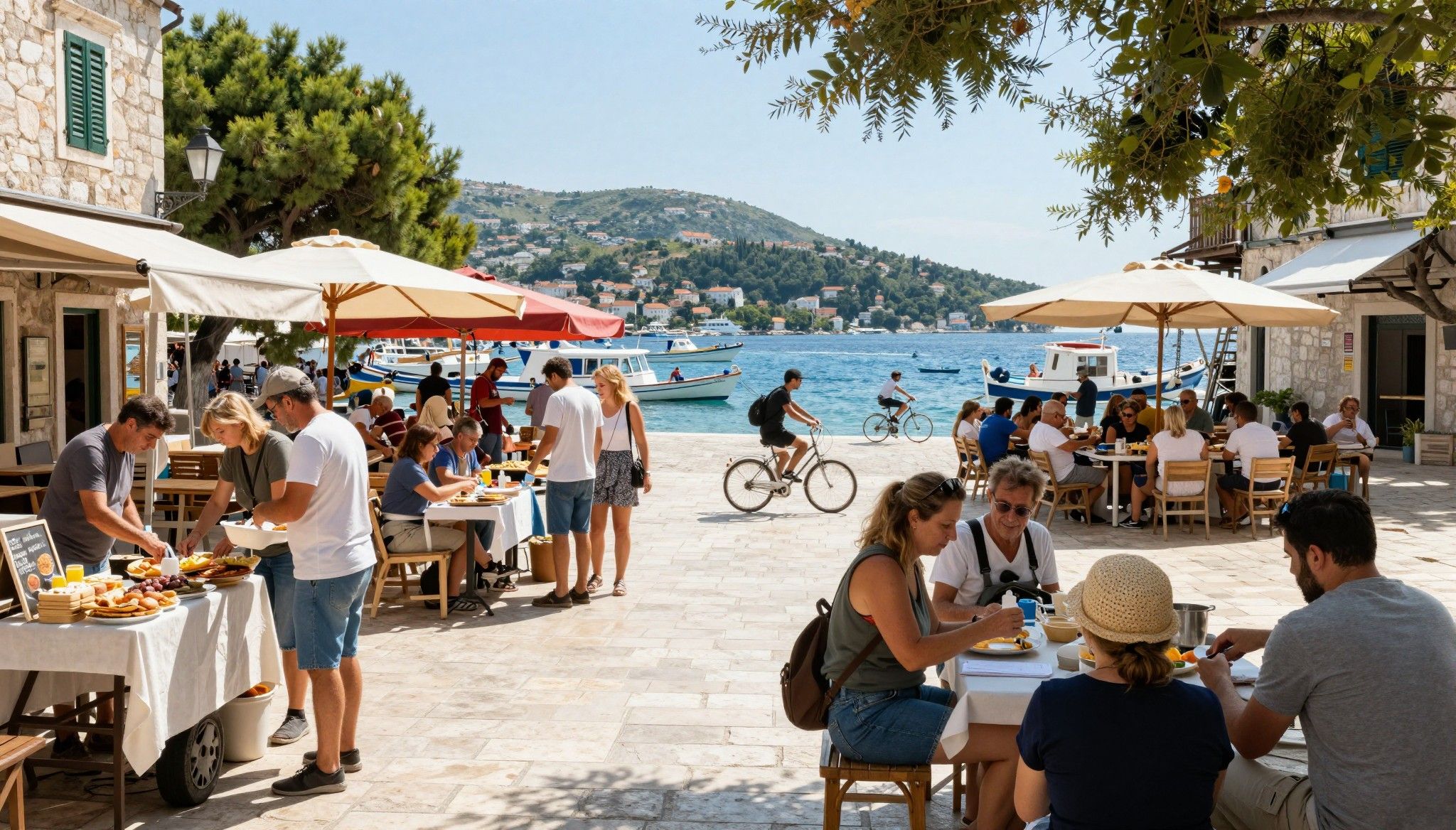
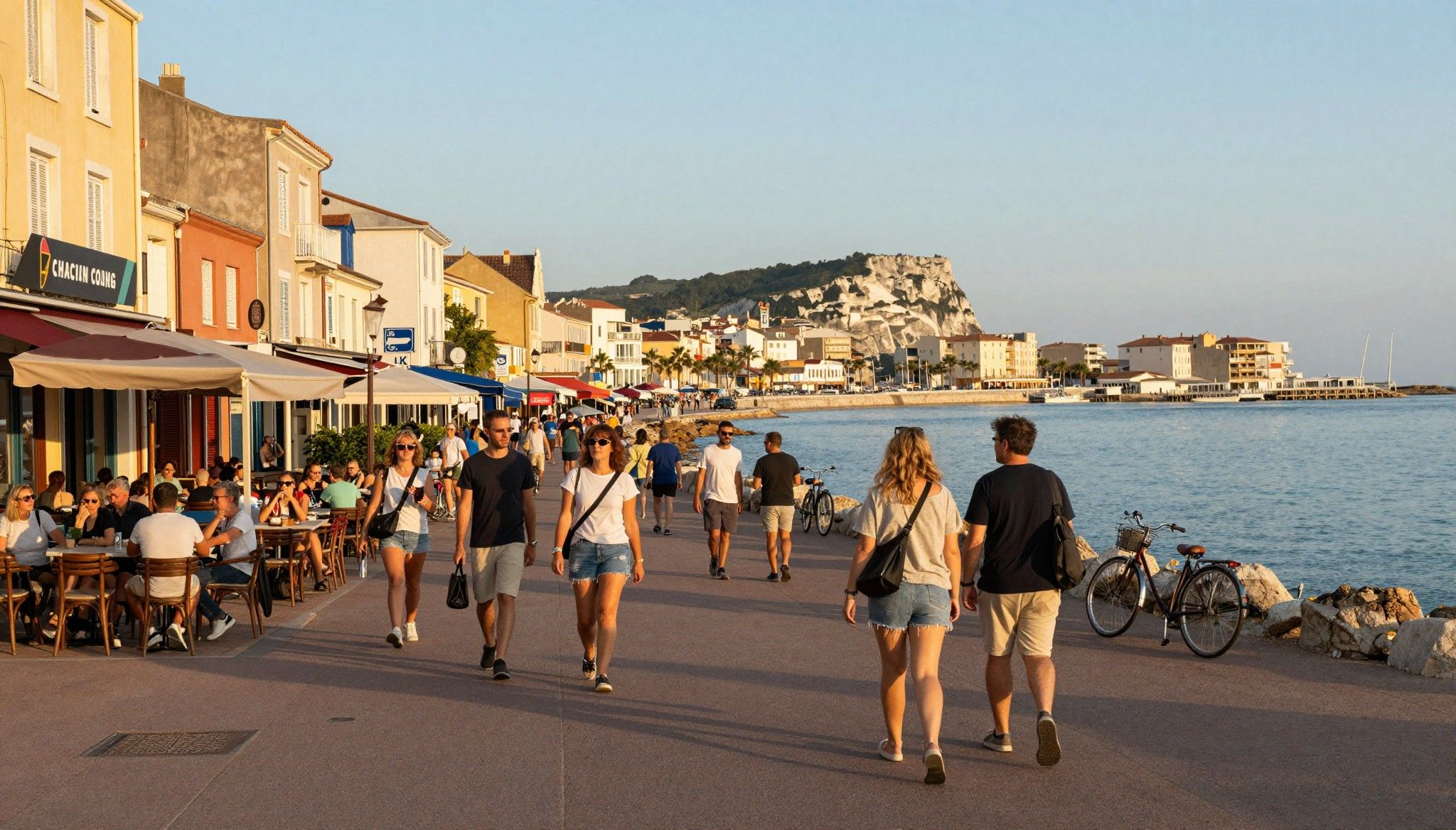
France is many lives at once. Morning markets hum in Aix-en-Provence, cyclists thread through Lyon’s Croix-Rousse lanes, and small beaches near Biarritz feel local even in high summer. Daily life here is shaped by cafés, municipal parks, weekly marchés and a slower rhythm that rewards walking and neighbourhood shops. These rhythms determine what kind of property suits you more than price-per-metre alone.
Paris & Île-de-France: city rhythm and price nuance
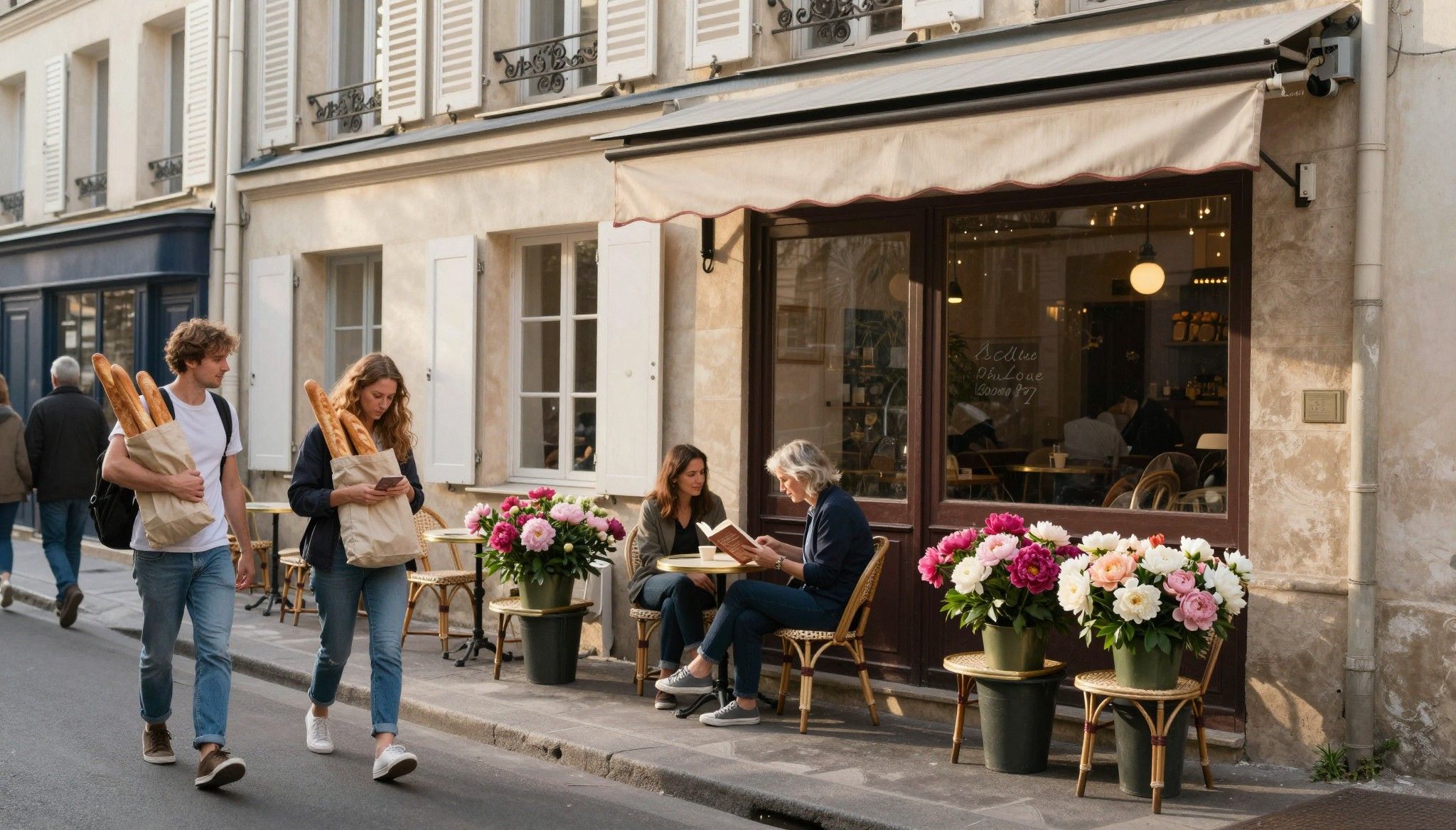
Paris still commands premium addresses — Le Marais, Odéon, and parts of the 7th — but city-wide trends are far from uniform. The Notaires du Grand Paris reported modest year-on-year shifts in 2025 and early 2026, and pockets of the city that fell in recent years are rebounding while outer arrondissements show steadier, gentler gains. Street-level choices (arrondissement, rue, transport links) matter far more than the 'Paris' tag.
Coast and regional cities: the west, south and interiors
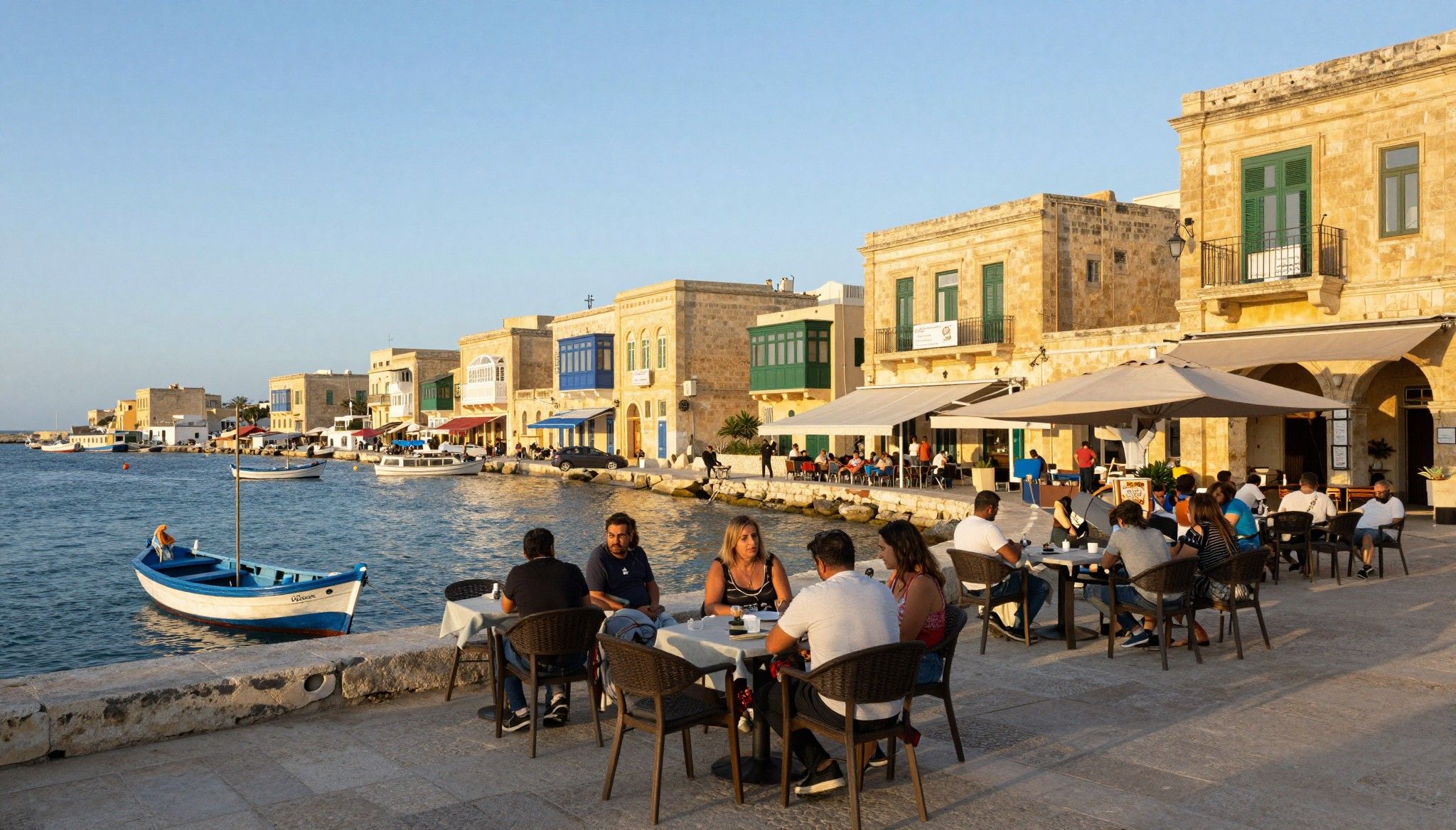
Cities like Nantes, Bordeaux and regional coasts showed resilience in 2025 with renewed buyer interest. Notaires data suggests volumes recovered and prices stabilised or climbed modestly in many regional markets — a reminder that the French market is a mosaic: Atlantic towns, Alpine villages and Mediterranean coasts each tell a different price story.
- Lifestyle highlights to scout before you buy: - Morning marché on Cours Mirabeau (Aix), picnic-ready produce - Café life on Rue des Martyrs (Paris) and nearby small flats - Surf mornings in Biarritz, late-afternoon market strolls in Bayonne - Vineyard weekends near Saint-Émilion with weekend rental demand - Promenade des Anglais walks and compact apartments with sea views - Local boulangeries that determine neighborhood desirability
When ‘expensive’ is a label — and when it’s misleading
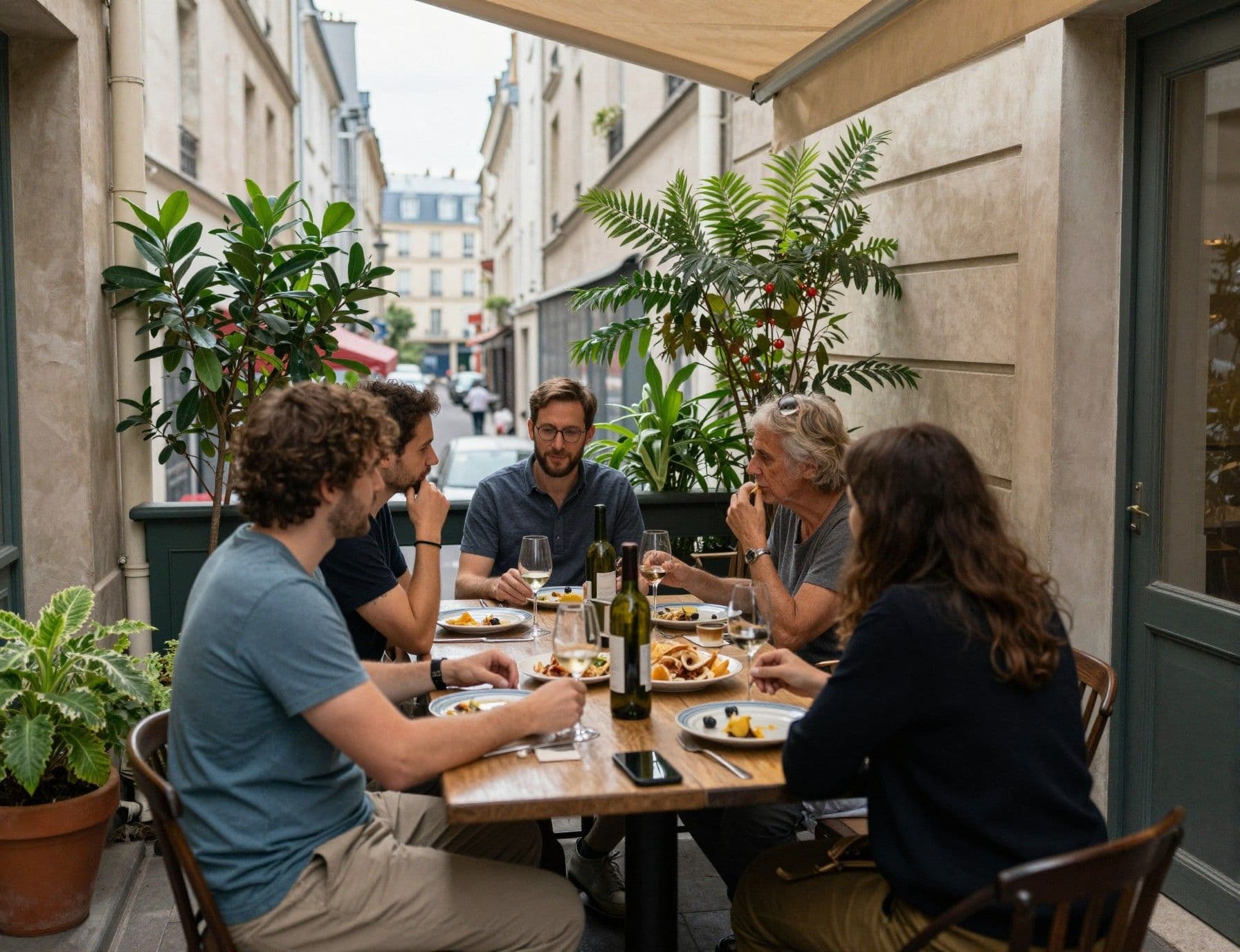
Headlines call France 'expensive' because Paris and certain coastal towns grab attention. But national indices from INSEE and Notaires show near‑flat or modest annual rises in 2025–2026, with regional heterogeneity. That means expensive reputation often reflects selective sampling — prime streets versus the national median — rather than the full market reality. Data helps you see where real value sits.
What the numbers actually say
Notaires reported a rebound in transaction volumes in 2025 and small price increases into early 2026 for apartments and houses in many regions. Knight Frank’s 2026 outlook highlights stabilising yields and the influence of bond yields on pricing. In short: activity has returned, but the pace of price growth is measured — good news if you’re hunting for value and patient with timing.
A contrarian move: buy where locals actually live
- Steps to find under-the-radar neighbourhoods: 1. Compare Notaires m² maps with local listings to spot streets where price per m² lags amenities. 2. Attend a weekend marché to assess daily life (footfall, cafés, schools). 3. Talk with two local agents and one independent property manager about rental demand. 4. Check transport projects (tram extensions, regional rail) for 3–5 year price catalysts.
Making the move: property styles, experts, and practical trade-offs
Your lifestyle must drive the property type. A vaulted stone house near Uzès promises slow mornings and land; a compact Haussmann flat near Saint-Germain is about cafes, museums and efficient transit. Each comes with different maintenance expectations, renovation timelines and local regulations — so pair lifestyle choice with the right local specialist.
Property styles and what they mean for living
Stone village homes: big gardens, seasonal utility bills, sometimes limited broadband. Haussmannian flats: history, high ceilings, stricter building rules and copropriété fees. New builds near regional centres: lower maintenance, modern insulation and predictable charges. Choose the lived experience first, then layer in costs and timelines.
- How local experts help (and what to ask): 1. Ask agents for transaction histories on the exact street, not just the town. 2. Request recent syndic (copro) charges and minutes for flats. 3. Get a local architect to cost likely renovation items per m². 4. Use a notaire early to understand inheritance clauses tied to rural properties. 5. Ask for proof of rental demand if buying for income.
Insider knowledge: what expats wish they’d known
Expats often underestimate the importance of neighbourhood rituals: the boulangerie queue, fête votive dates, and municipal holiday closures. These rhythms affect renters’ expectations and your enjoyment. Many buyers also misread seasonal markets — summer looks busy but serious buying often happens in late autumn and winter when motivated sellers reprice.
Cultural integration and daily practicalities
Learning a few phrases, attending local markets and joining an association (sport, language, culture) accelerates belonging. Practically, get a local bank relationship for mortgage options and a syndic contact for flats. These small steps change how you experience a neighbourhood and how others welcome you.
Long-term lifestyle: what holds value in France
Durable value in France often ties to location fundamentals: transport links, school catchments, protected landscapes and local services. Renovation quality and authenticity (well-executed stone work, proper insulation) also sustain desirability. Where local councils plan infrastructure upgrades, prices can shift within a few years — that’s where patient buyers find advantage.
- Red flags and quick checks before you sign: - Missing syndic accounts or delayed AGM minutes - Unexplained spikes or drops in street-level transaction prices - Large, unresolved works in the copropriété - Overdependence on seasonal rental income in small towns - Transport links that are promised but not funded
France rewards buyers who mix romance with reason. Fall in love with the life — the markets, cafés, coastlines and festivals — but ground that passion in Notaires and INSEE data, on-the-ground checks, and local experts. Start with a weekend visit, attend a market, speak with an agent and a notaire, and compare street‑level transaction histories before making an offer.
Swedish expat who moved from Stockholm to Marbella in 2018. Specializes in cross-border legal navigation and residency considerations for Scandinavian buyers.