Malta: Where Price Tags Hide Lifestyle Value
Malta’s headline prices hide nuance: small apartments, location premiums and lifestyle trade-offs mean value often lives in terraces, terraces and neighbourly streets — not square metres.
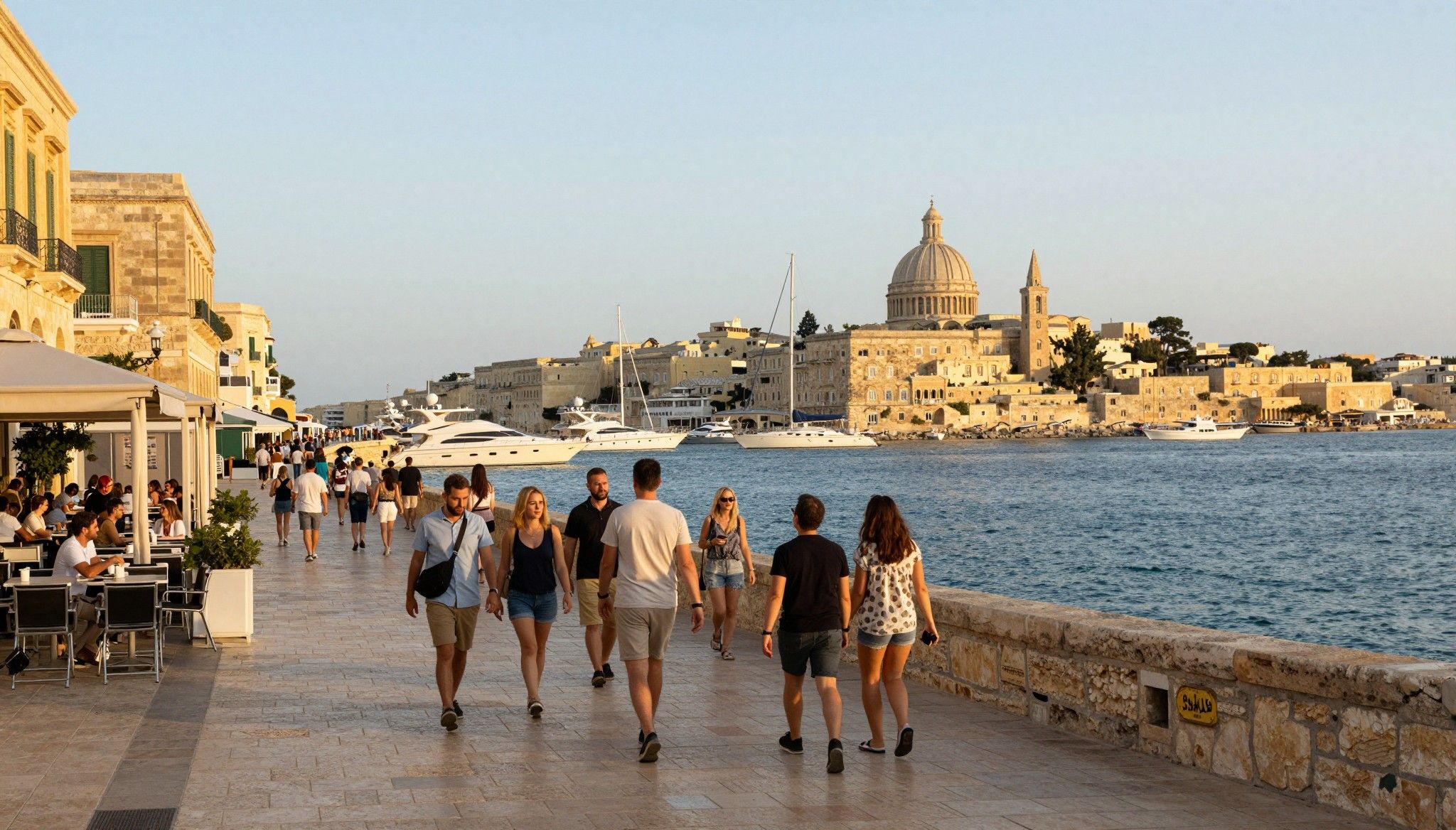
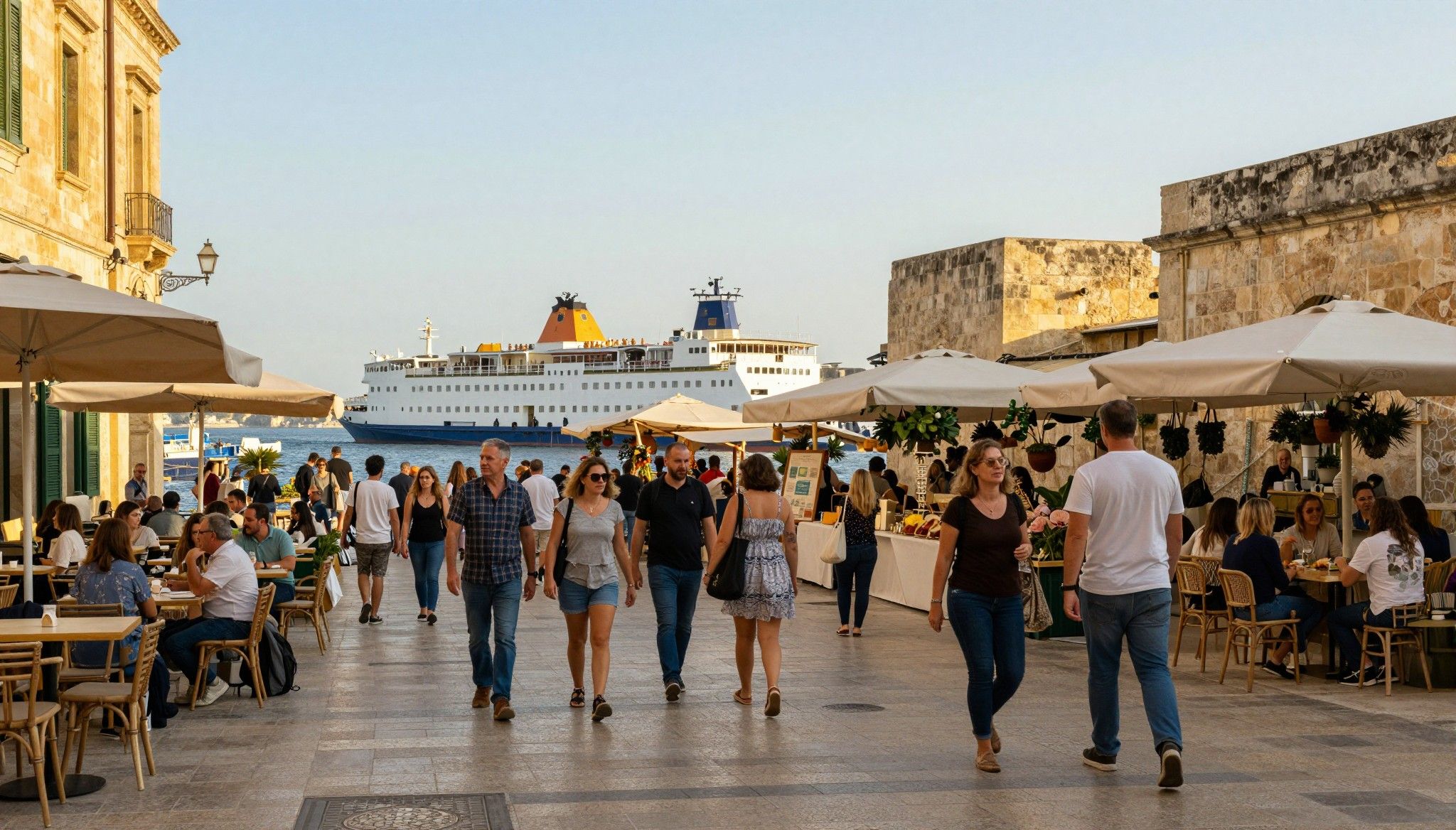
Imagine an espresso at Cafe Cordina in Valletta, limestone sun warming the table, ferries chugging across the Grand Harbour and a neighbour waving as they walk past with a bag of fresh fish. That compact, lived-in feeling — historic streets but modern rhythm — is Malta. For international buyers the island’s price headlines often provoke a sharp inhale; the reality? It’s more nuance than narrative, and that’s what we want to show you.
Living the Malta lifestyle
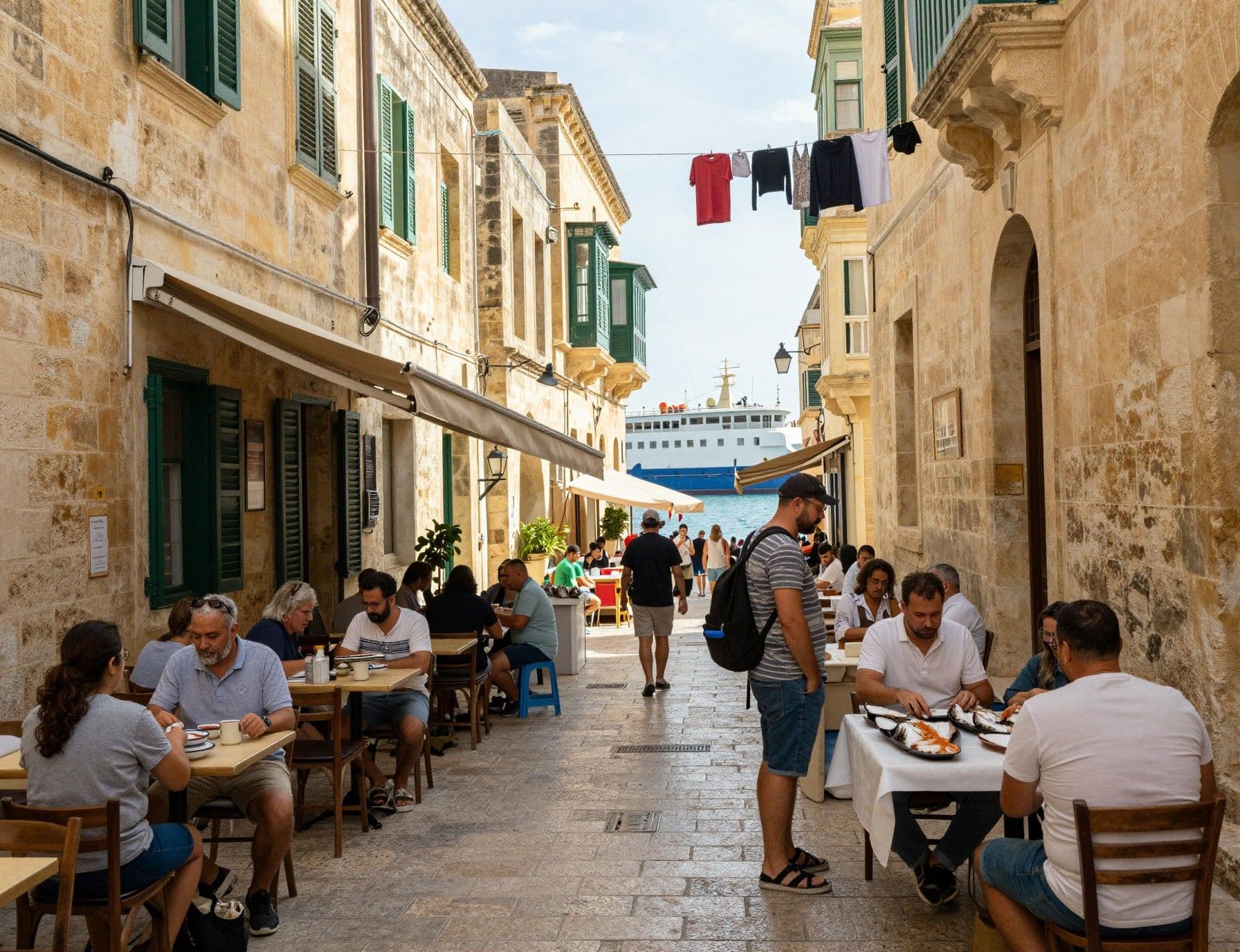
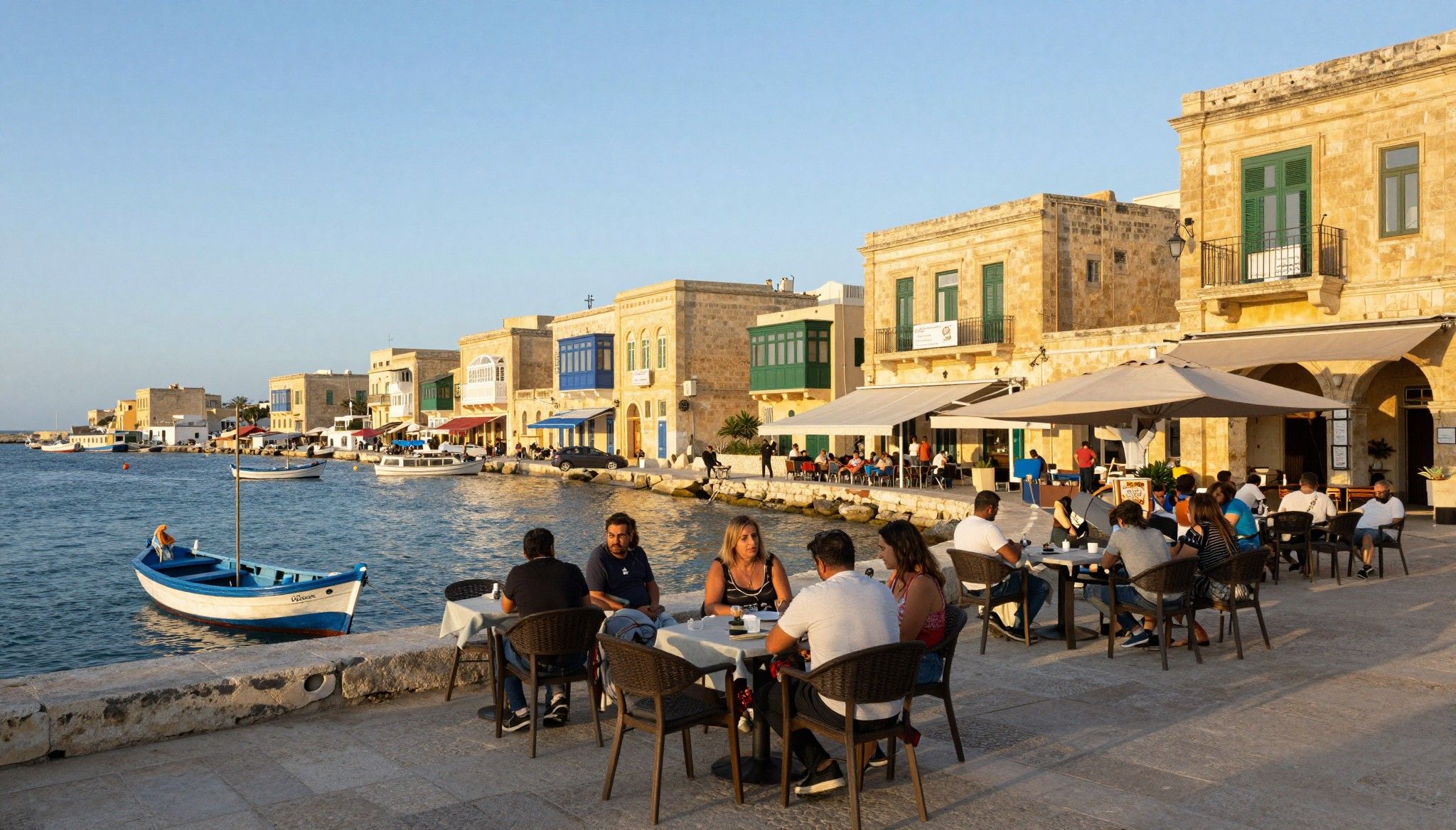
Malta is dense, human-scale and intensely coastal — mornings on tiny boulangeries in Sliema, afternoons at Għajn Tuffieħa for wind and surf, evenings in St Julian’s for seafood and live music. The island’s small size means your commute, café and doctor are often within 20 minutes. That closeness shapes the way people buy: outdoor terraces, rooftop living and proximity outweigh vast gardens or big yards.
Valletta, Sliema and St Julian’s: different pulses
Valletta is theatre — stone alleys, baroque facades and compact apartments that come with history and restrictions on alterations. Sliema is flat, walkable and café-rich, with terraces that look out to the harbour; it’s where many expats choose daily life over fantasy. St Julian’s (Paceville) feels louder: nightlife, serviced apartments and short-stay demand that pushes rental yields in certain pockets. Each area asks different trade-offs between lifestyle and property shape.
Food, markets and the rhythm of weekends
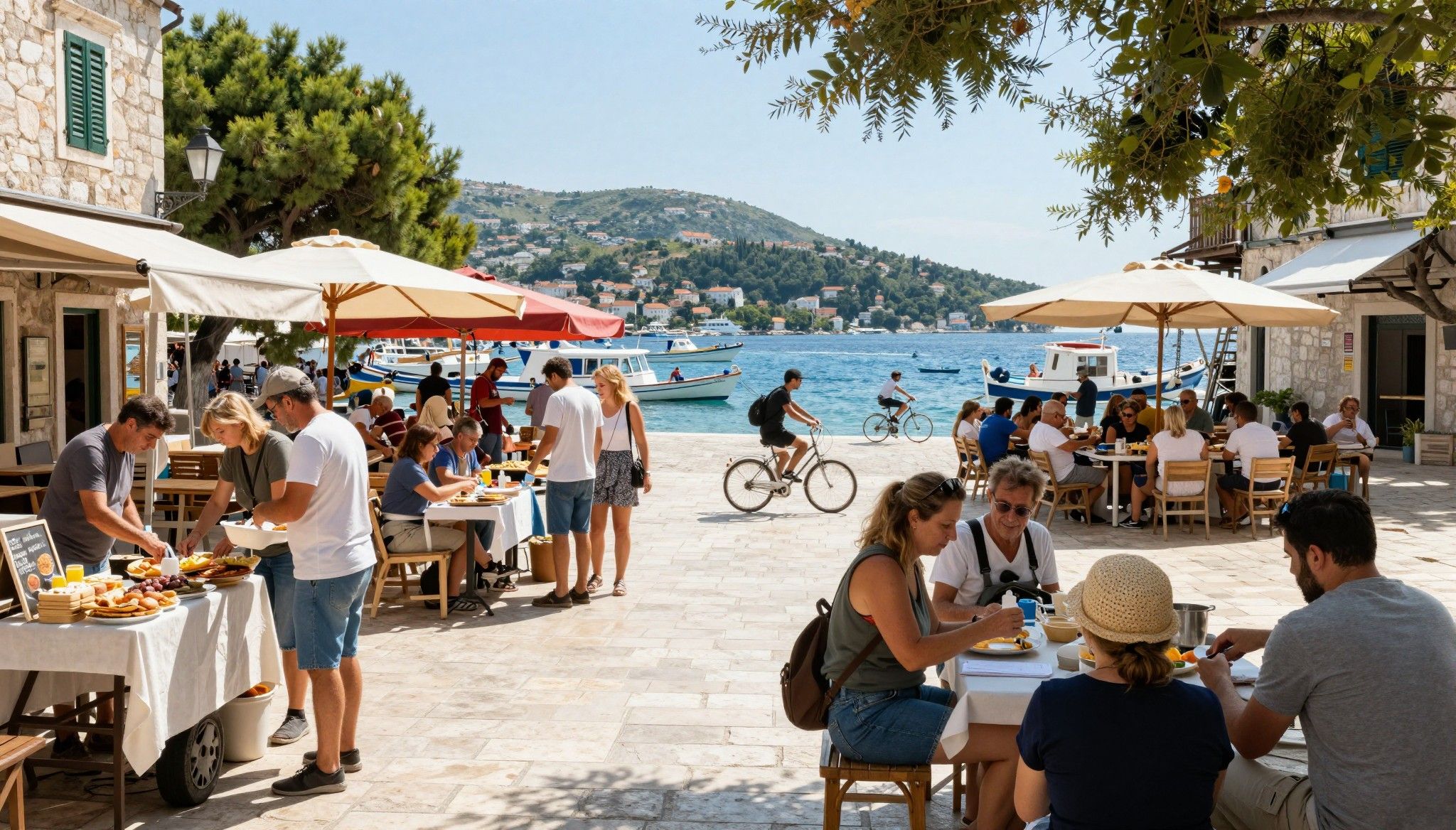
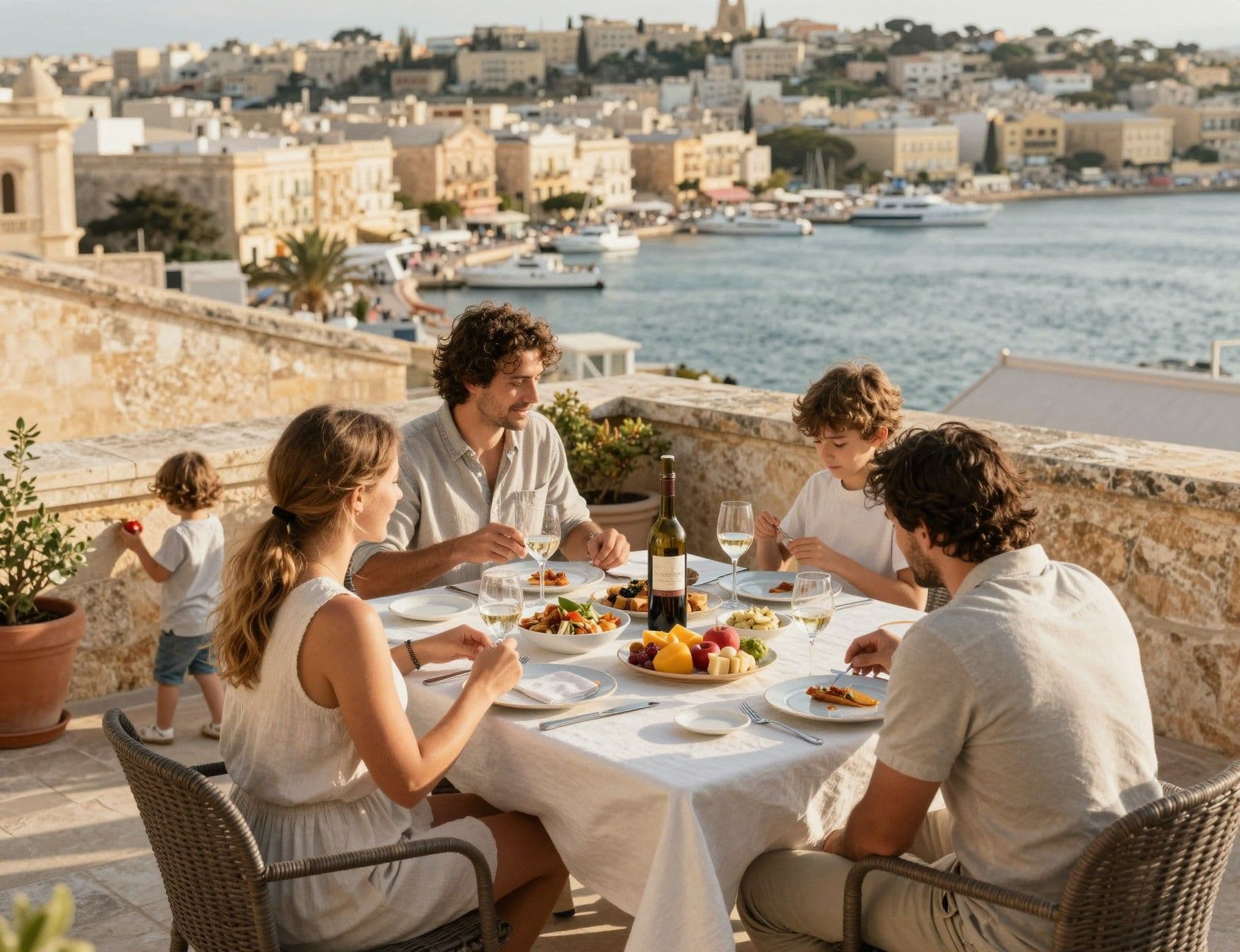
Weekends here orbit markets and the sea. Marsaxlokk’s fish market on Sunday is as local as it gets — plan your kitchen around it. Small pastizzerias, family-run trattorias, and modern bistros coexist; the island’s food scene is less about haute cuisine and more about conviviality. For property buyers that translates into kitchen-forward homes, roof terraces for evening dining, and ground-floor units near the street life.
Making the move: practical considerations (without killing the dream)
Yes, prices in aggregate have risen in recent years — NSO figures and central bank indexes show sustained growth — but headline numbers hide where value still sits. Apartments dominate transactions, smaller floorplans are common, and location premiums vary dramatically between harbour-front blocks and inland villages. Translate the national index into neighbourhood reality before you judge Malta’s market as universally expensive.
Property styles that match island life
You’ll mostly see apartments, maisonettes and converted period homes; villas with large gardens are rare and command a steep premium. If you love terrace living, seek south-facing balconies and internal courtyards for privacy and light. For families, maisonettes on quiet lanes offer a better sense of space than micro-apartments. Expect to sacrifice sprawling interior square metres for location, light and sea air.
Working with local experts who understand lifestyle fit
Before you make an offer, have an agent or local advisor take you on a lifestyle walk (morning, afternoon, evening).
Check actual daylight and shade on terraces across the seasons — winter sun angles change what rooftop living feels like.
Confirm noise patterns: busy harbour areas are vibrant but noisier than inland streets after 10pm.
Ask for energy and insulation details — older stone buildings often lack modern thermal comfort unless retrofitted.
These lifestyle-minded checks save money in renovation and leisure costs later. Work with agents who can map the property to your day — where you’ll buy groceries, where your friends will meet, where your weekend walks will be. That’s the local expertise that turns a purchase into a life.
Insider knowledge: what expats wish they’d known
Expat buyers often underappreciate the administrative side: some property types require permits for non‑residents, and the timeframe for deed transfers can feel slow if you’re used to faster markets. Planning regulations in historic zones are strict and can limit changes, which is good for heritage but frustrating if you imagined a full renovation. Ask early about permits and typical timelines — it changes negotiation posture.
Culture, language and community cues
English is an official language and widely used in business, which eases the move. Social life is strongly neighbourhood-based — you’ll meet people at the grocer, the marina or the parish festa. Be ready for slower bureaucratic rhythms and learn the local social rituals: church festas, band marches and late-night passeggiatas are part of the social calendar and shape where people choose to live.
Long-term thinking: value beyond the headline price
Decide whether you are buying for life or for flexibility: location wins for lifestyle buyers; precise unit selection and legal diligence matter more for investors.
Factor in rental seasonality if you plan short lets; tourism nodes like St Julian’s outperform inland spots in summer but are quieter in winter.
Plan maintenance budgets for older stone buildings and verify any ongoing community (condominium) fees before you commit.
These steps convert emotional attraction into a sustainable daily life and protect you from surprises. Buyers who balance feeling with file — the lifestyle walk with the permit check — end up happiest.
If Malta feels right, start with three things: spend a week living the rhythm in your chosen neighbourhood, commission a local property report (title, permits, floor plans) and work with a recommended notary and agent who’ve closed similar deals. We’re happy to introduce buyers to local partners who know both the streets and the registry.
Swedish expat who moved from Stockholm to Marbella in 2018. Specializes in cross-border legal navigation and residency considerations for Scandinavian buyers.