The Island Price Myth: Smart Picks in Greece’s Periphery
Greece’s ‘island premium’ is uneven—match the life you want to local realities to save money, avoid winter headaches and pick sustainable, year‑round value.
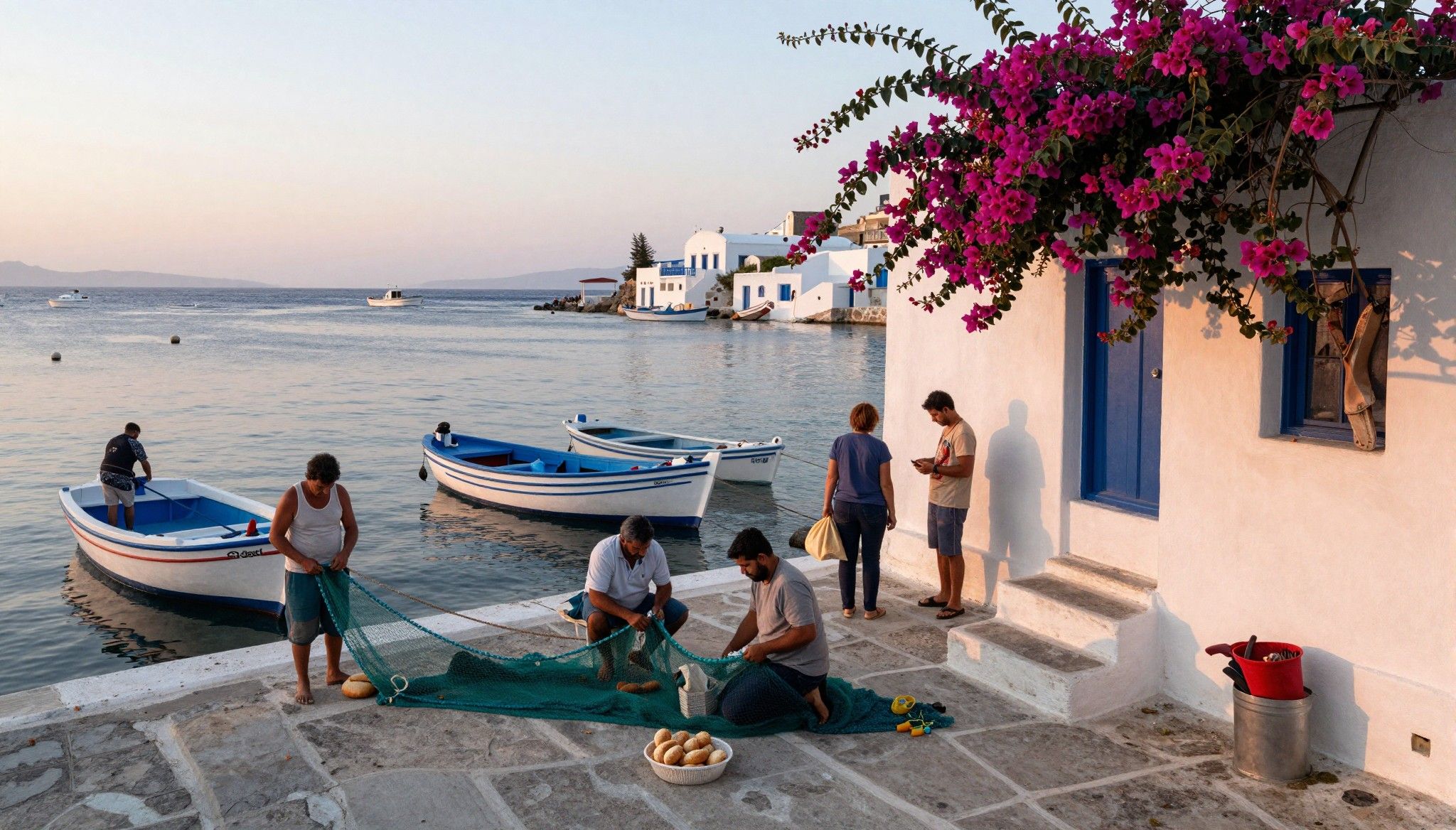
Imagine walking a sea-salted lane in Syros at 9am, stopping for a freddo espresso where the barista already knows your name, then catching a ferry to a quieter beach at noon. Greece sells that day-in-the-life easily: sunlight, neighbourhood ritual, food that feels like family. But the map of lifestyle and the map of price rarely line up the way travel brochures imply.
Living the Greece Life — beyond the postcard
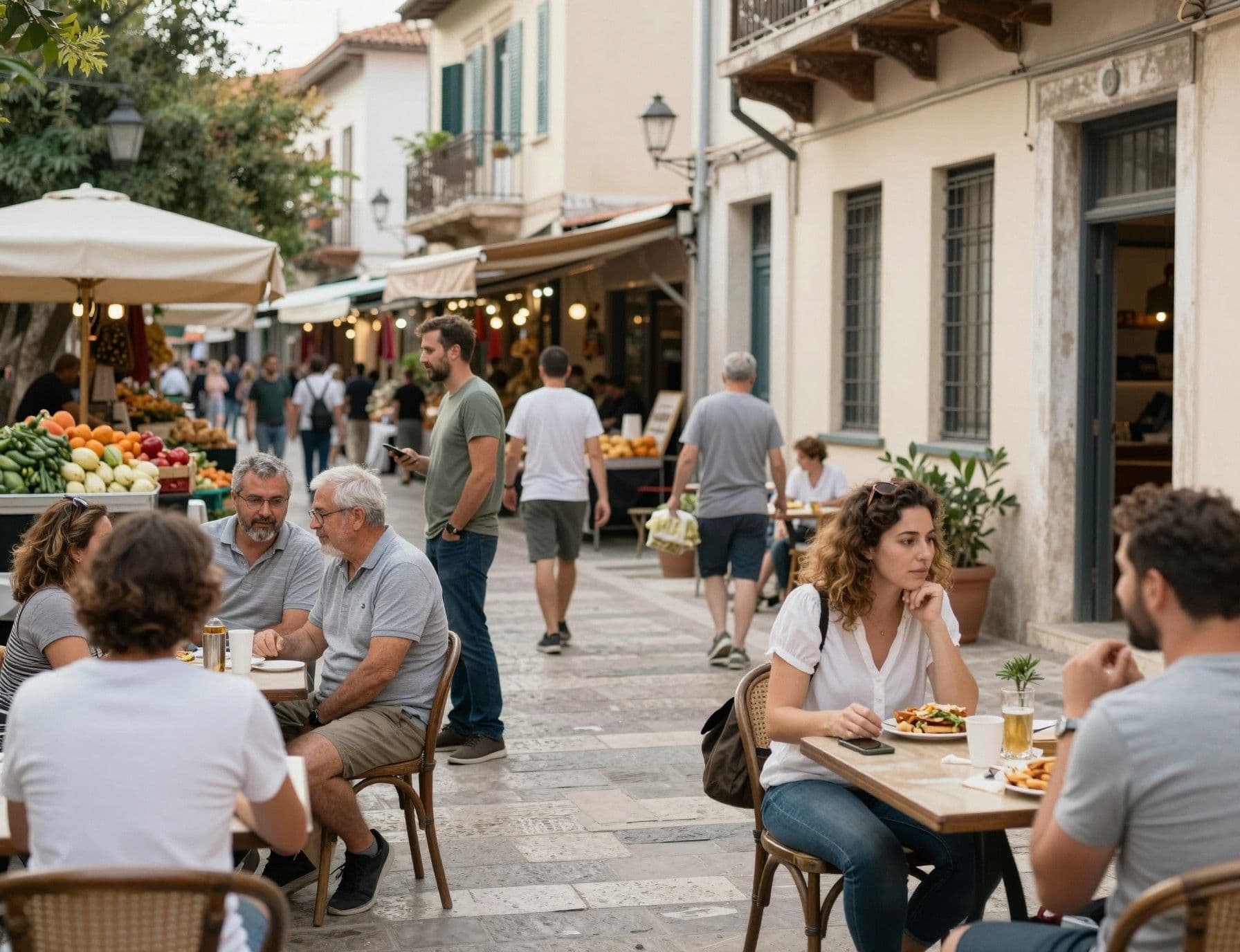
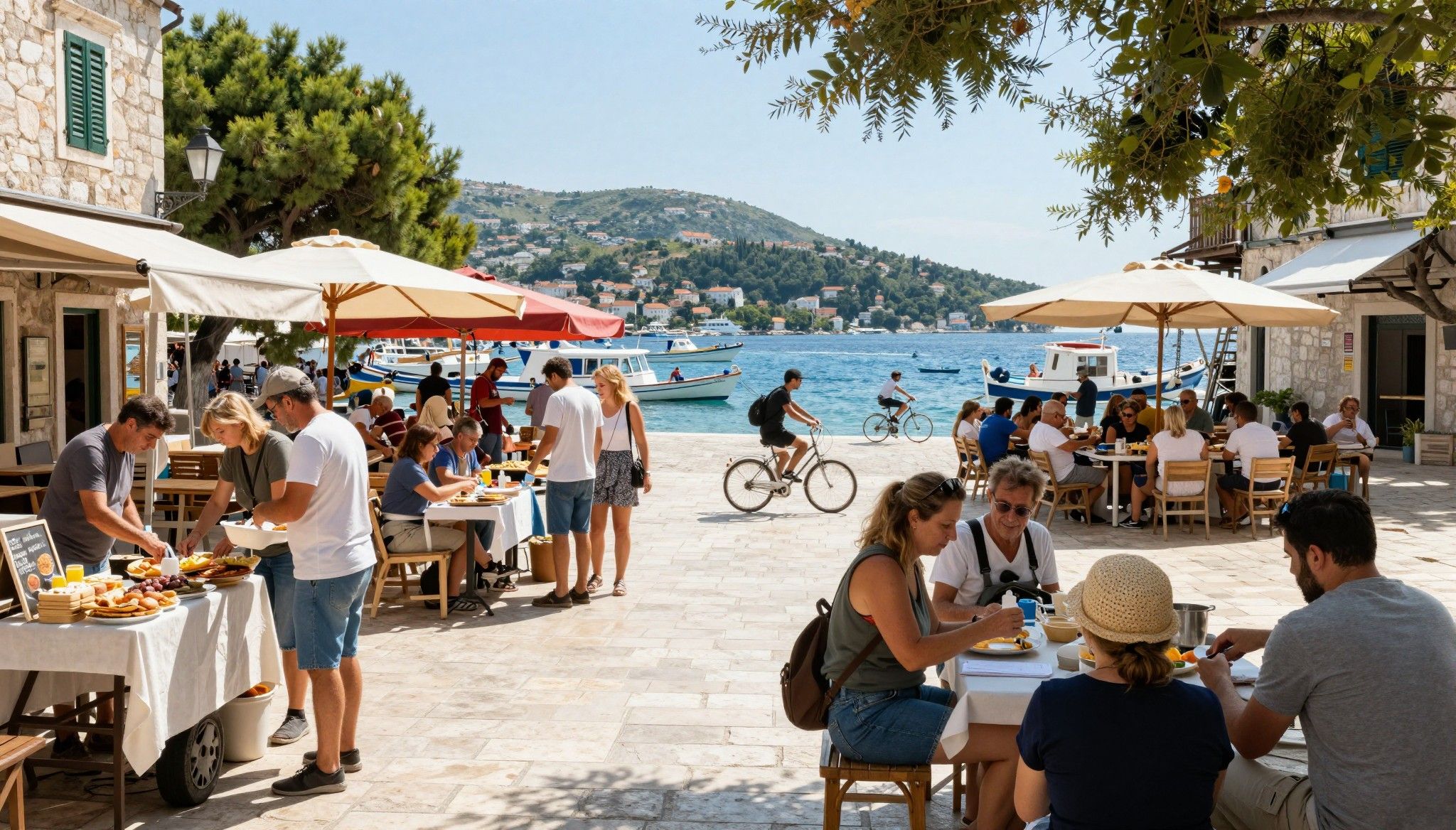
In cities like Athens, and on islands from Naxos to Ikaria, daily life is shaped by small routines: market visits, siesta-era cafes, and late dinners under bougainvillea. You’ll find young designers in Koukaki, families in Pangrati, and artisans in Psyrri — each neighbourhood offering a different tempo and a different set of practical property trade-offs. These rhythms matter more than a view when you plan to live long-term.
Neighbourhood pulse: Athens’ approachable pockets
Walkable streets, corner bakeries, and coworking cafes matter. Koukaki feels lived-in and quiet by day; Pangrati has morning markets and an active community calendar; Psyrri pulses at night. For many internationals, these are the neighbourhoods that deliver daily joy — and they also help explain why price movement is strongest where habit meets convenience, not only where postcards point.
Island life: not all Aegean coastlines are equal
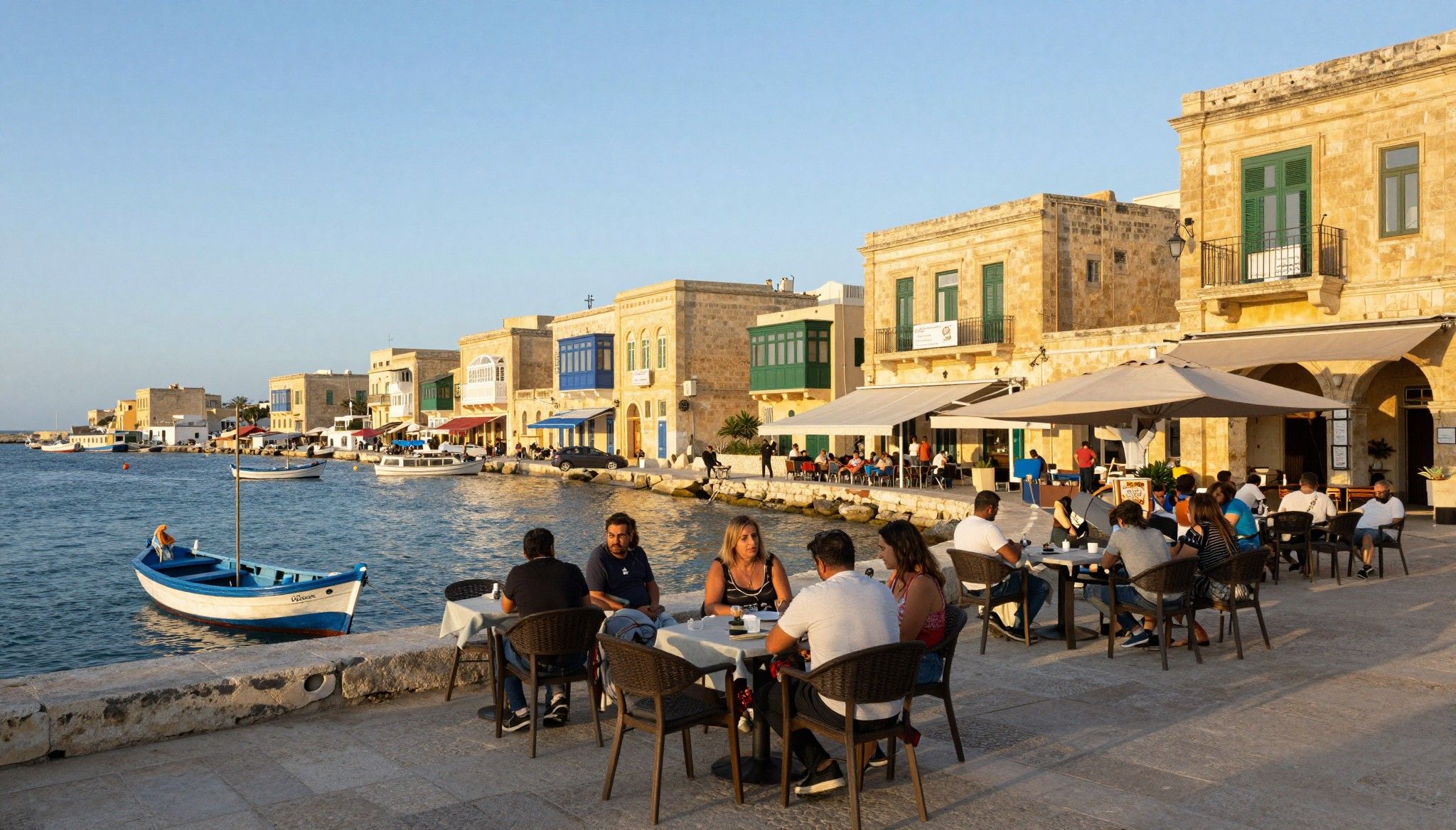
The instinct is to equate 'island' with 'premium'. In practice, islands are a spectrum: Mykonos and Santorini command tourist-weighted prices, while islands like Naxos, Ikaria or Evia offer quieter communities and more value. The difference often comes down to infrastructure, flight links, ferry frequency and planning restrictions — not just scenery.
- Lifestyle highlights to test when you visit
- Morning ritual: espresso at a neighbourhood kafeneio (try Koukaki’s small squares).
- Market score: fresh fish and backyard vegetables at a municipal market by 10am.
- Evening rhythm: long dinners that begin late; look for neighbourhood tavernas with locals, not just tourist menus.
Making the move: how lifestyle should shape the search
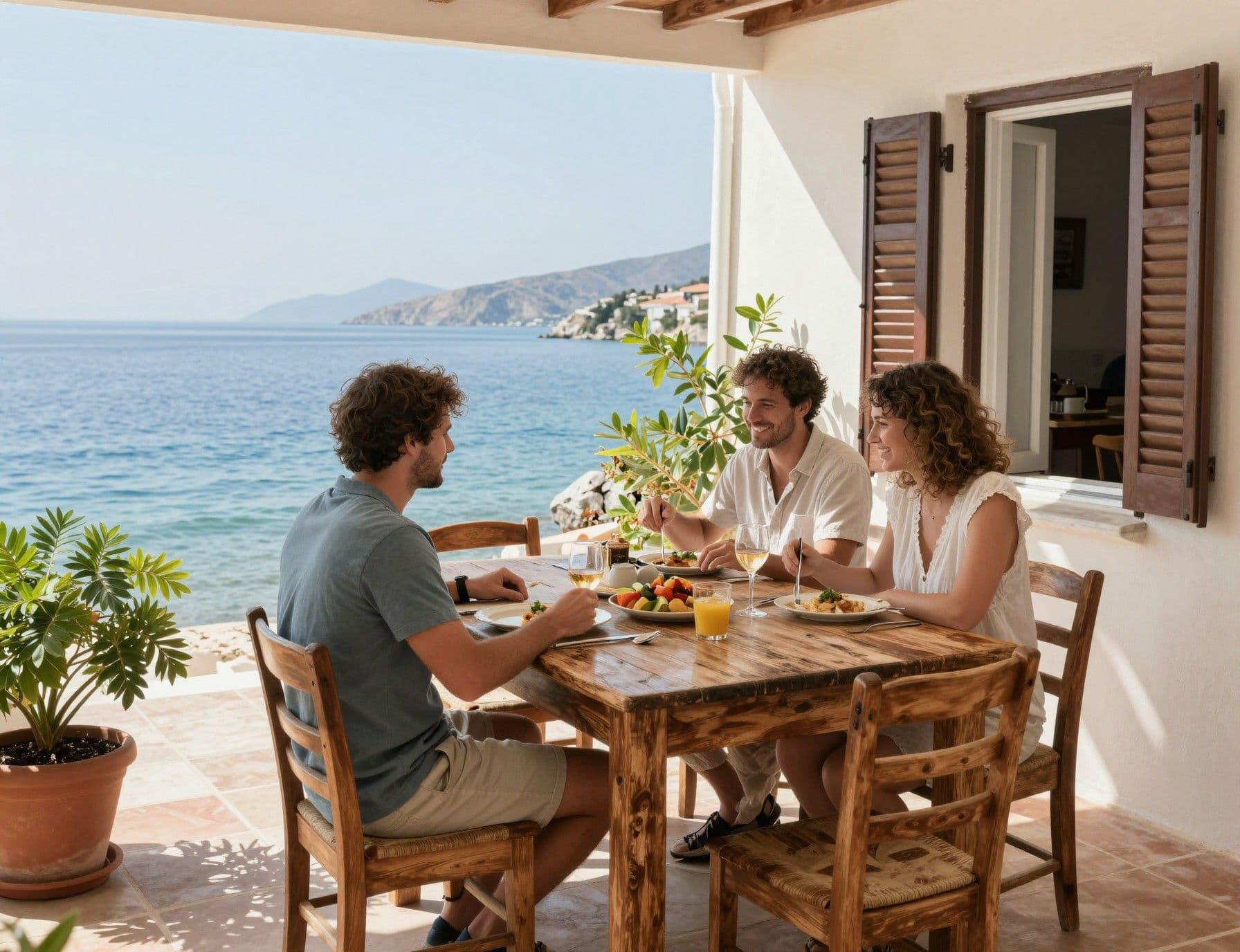
Property prices in Greece have risen in recent years, driven by renewed demand, constrained new supply and stronger urban rental markets. But headline increases hide regional nuance; Athens and some islands lead the gains, while many peripheral areas remain comparatively affordable. That means matching the life you want to buy with the right geography can materially change the cost and long-term upside. Use market data to test assumptions, not to make them.
Property types and how they shape daily life
A restored neoclassical flat in Koukaki feels different to a new-build villa on Paros. If you crave street life and short walks for groceries, prioritise central apartments with balconies. If you want outdoor living and private green space, look at villas or detached houses in coastal villages—but factor in utility reliability, winter access and maintenance. Architecture defines rhythms: terraces are for long summers; thick stone walls matter for coolness in July.
Working with local experts who live the life you want
A local agency does more than list homes: they point out which streets have reliable internet, which neighbourhoods close for August, and which properties carry hidden renovation costs. When residency options matter, be clear about recent changes to investment residency rules and thresholds — these are real and can affect how you structure a purchase.
- Steps that blend lifestyle and legality
- Visit in two seasons: neighbourhood feel in high and low season.
- Match the property type to daily life: balcony vs garden vs communal square.
- Confirm utility standards, winter access and concierge services if you’ll be remote-working.
- Check recent legal changes that affect residency-by-investment and conversion rules.
Insider knowledge: what expats wish they'd known
Expat reality often diverges from the romantic idea. Locals value routine over vistas; municipal services and year-round shops determine comfort more than sunsets. You’ll hear that a village is 'untouched' — but ask about winter roads and doctor access. We’ve seen buyers fall for a view and then struggle with a single ferry per day in winter. These are the trade-offs worth naming early.
Cultural cues that change how you live
Language, social rhythm and municipal timetables matter. Learn basic Greek phrases; it opens doors and goodwill. Expect shops and services to pause mid-afternoon in many places, and plan deliveries and contractors around local calendars. Integration is practical: regular market visits, a friendly kafeneio and participation in local events are faster paths to belonging than online forums.
Long-term life: how your needs evolve
Your priorities will shift: what seems essential on vacation (private pool, panoramic terrace) can become costly to maintain. Over five years, buyers often prioritise local community access, transport and healthcare. Think ahead: if you plan to rent when away, choose properties that appeal to year-round tenants, not just summer holidaymakers.
- Red flags locals warn about
- Sparse winter services: minimal public transport and shops after October.
- Properties without clear renovation permits — ask to see permits before you sign.
- Islands with limited medical facilities: check nearest hospital and travel times.
Conclusion: Greece rewards patience and local taste. If you buy where daily life fits — not only where the photos seduce — you’ll find a place that feels like home year-round. Start with visits in different seasons, prioritise neighbourhood routine over fleeting views, and work with agents, lawyers and builders who know the island’s rhythms. We’ll help you find the street where the coffee is reliably good and the paperwork is clean.
Dutch relocation advisor who moved to Marbella in 2016. Guides Dutch buyers through visa paths, relocation logistics, and balance of lifestyle with value.