Greece: Where the Daily Life, Not the Postcard, Pays
Greece sells a way of life — sunlit streets, markets, island rhythms — but buyers must match lifestyle priorities with post‑pandemic market shifts and new rental rules.
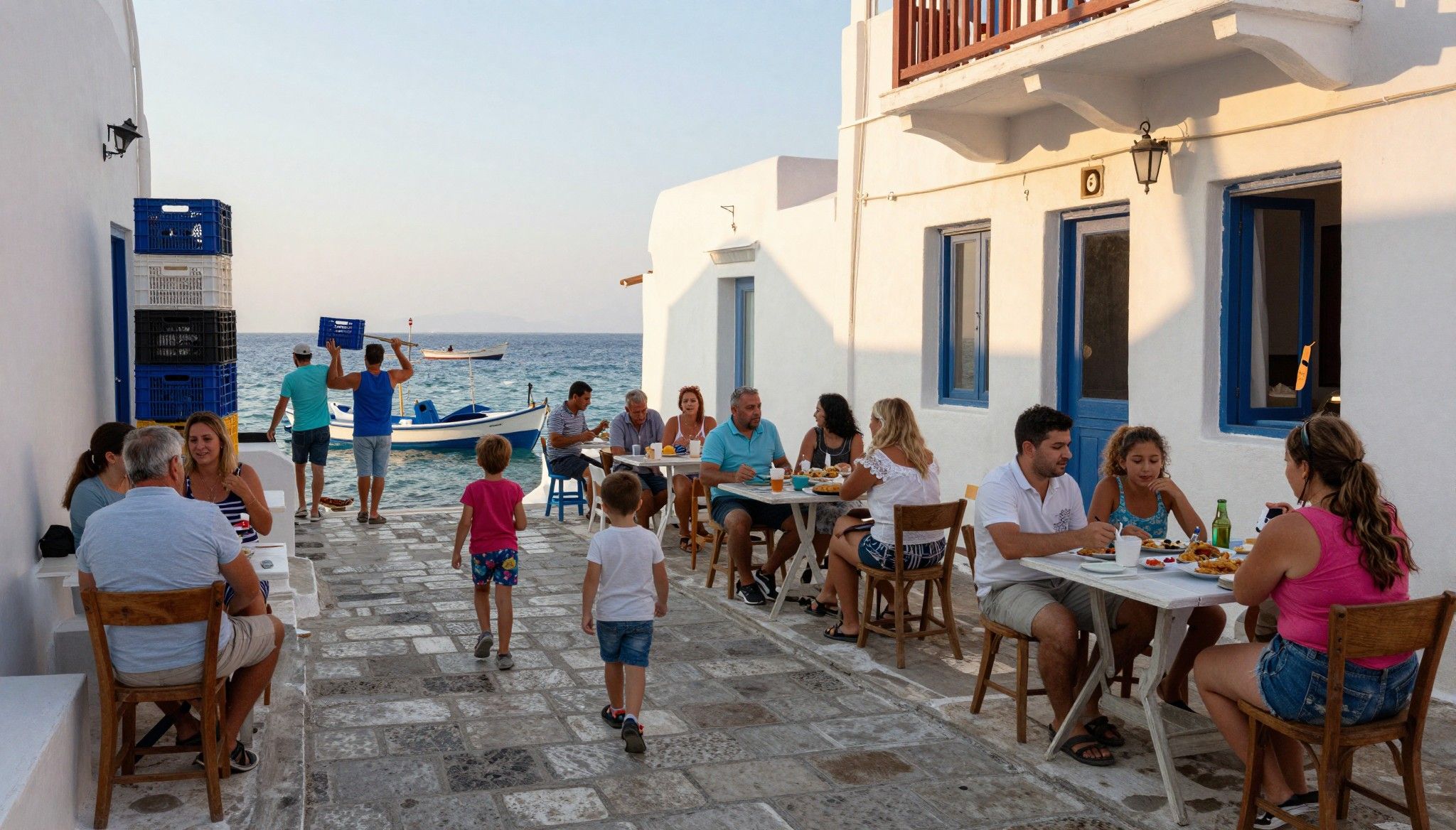
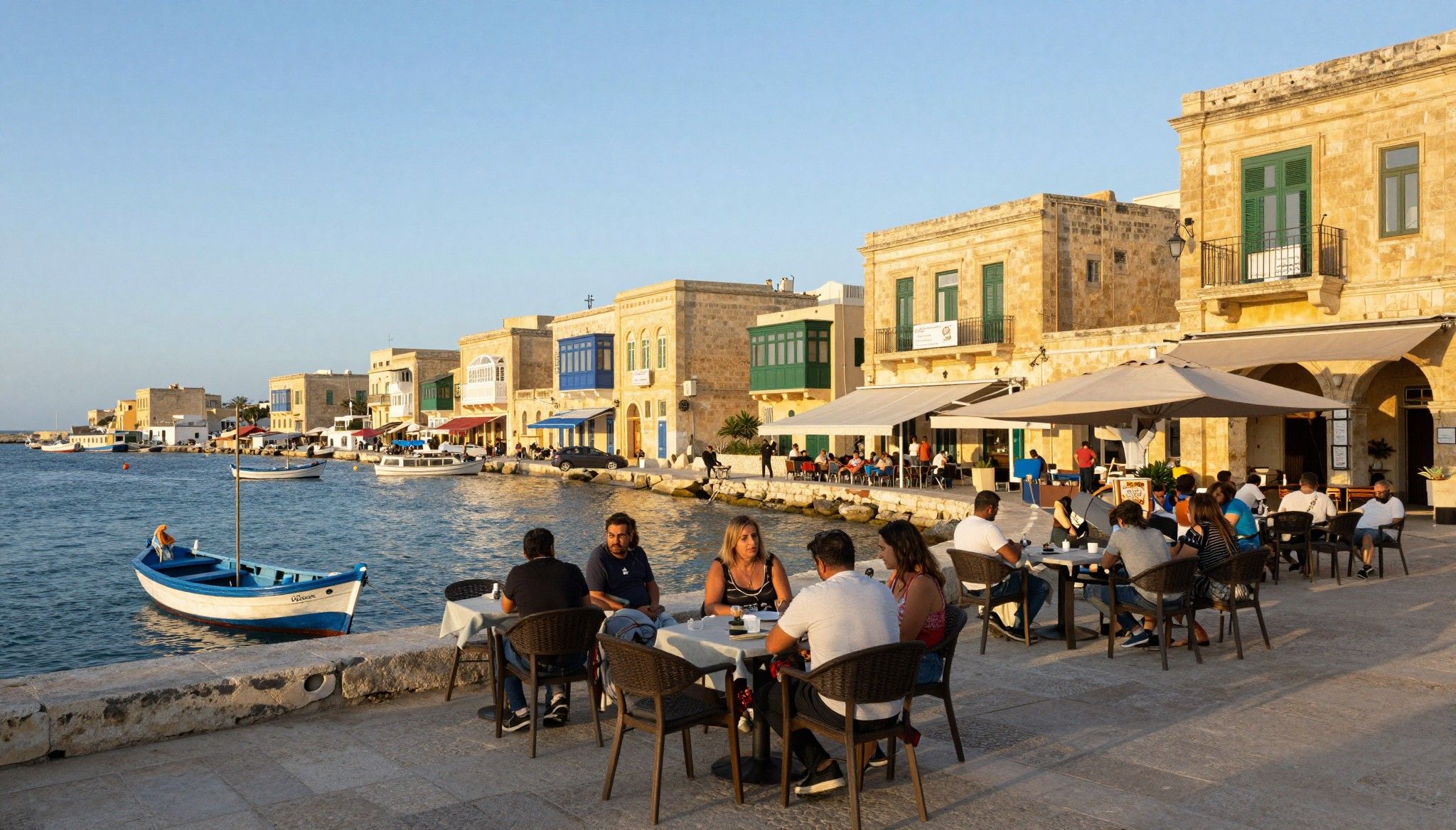
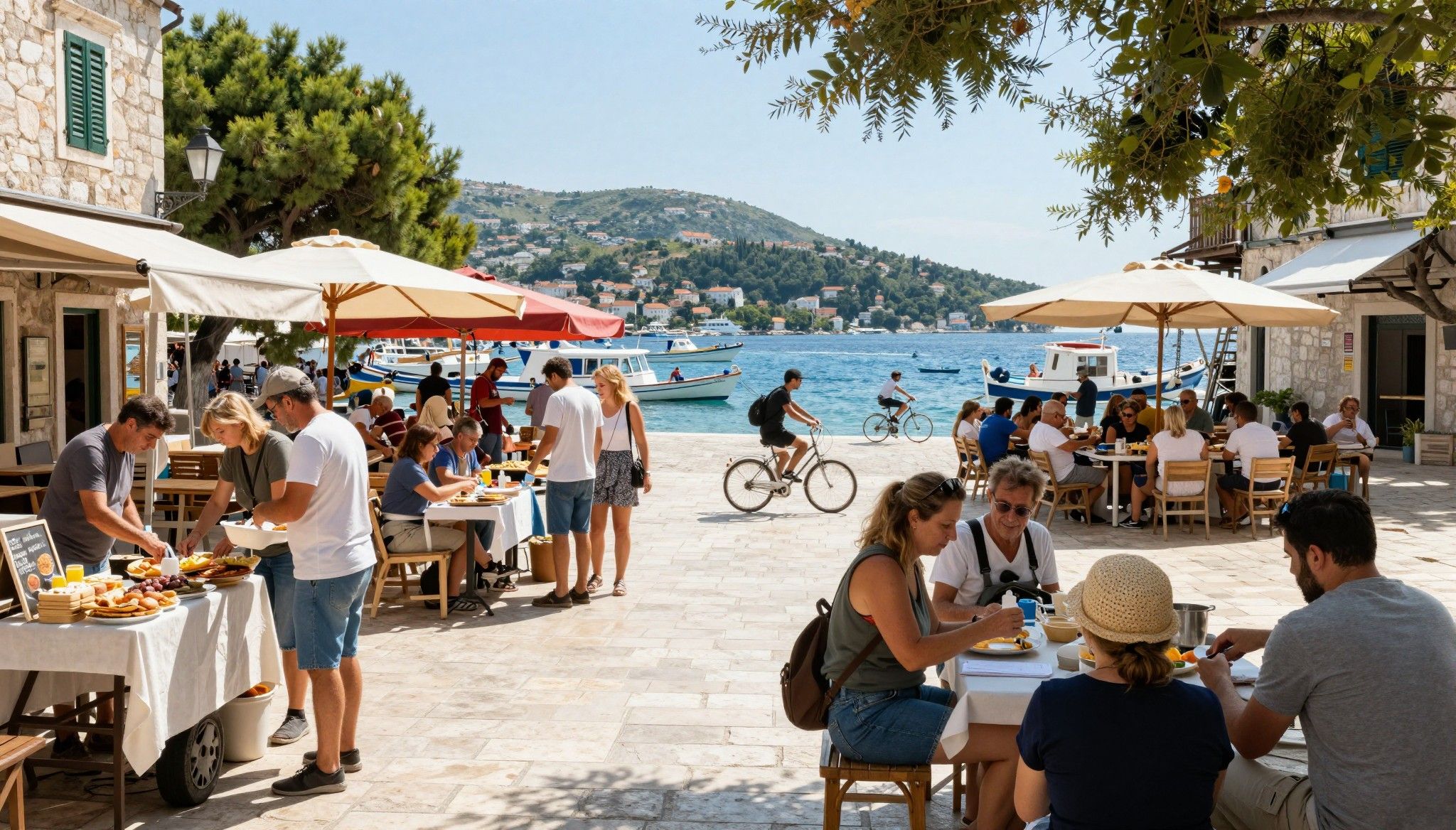
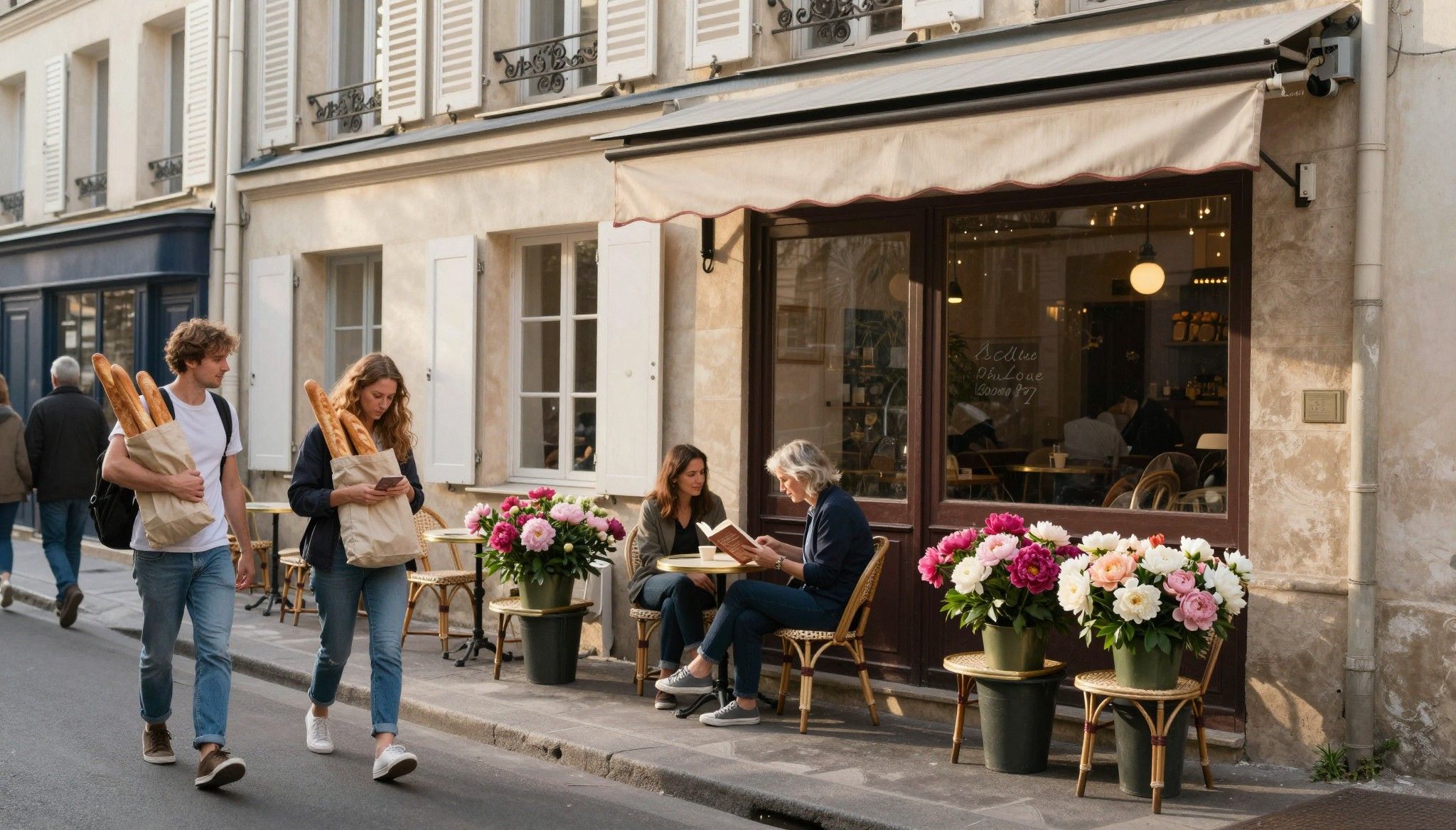
Imagine waking to a market that smells of fresh koulouri and strong espresso, then wandering past faded neoclassical facades to lunch on grilled octopus by a blue‑white fishing quay. That's Greece: sun on limestone streets, neighborhoods that change mood with the ferry schedule, and ordinary life that somehow always feels like part of the holiday. For many international buyers this is what sells them — the daily rituals, the cafes that remember your order, and an easy rhythm of outdoors living. But beneath the postcards are real market dynamics and rules that shape where you should look, how you should buy, and when a neighbourhood is genuinely ready for a new life.
Living Greek Days: rhythm, food and place
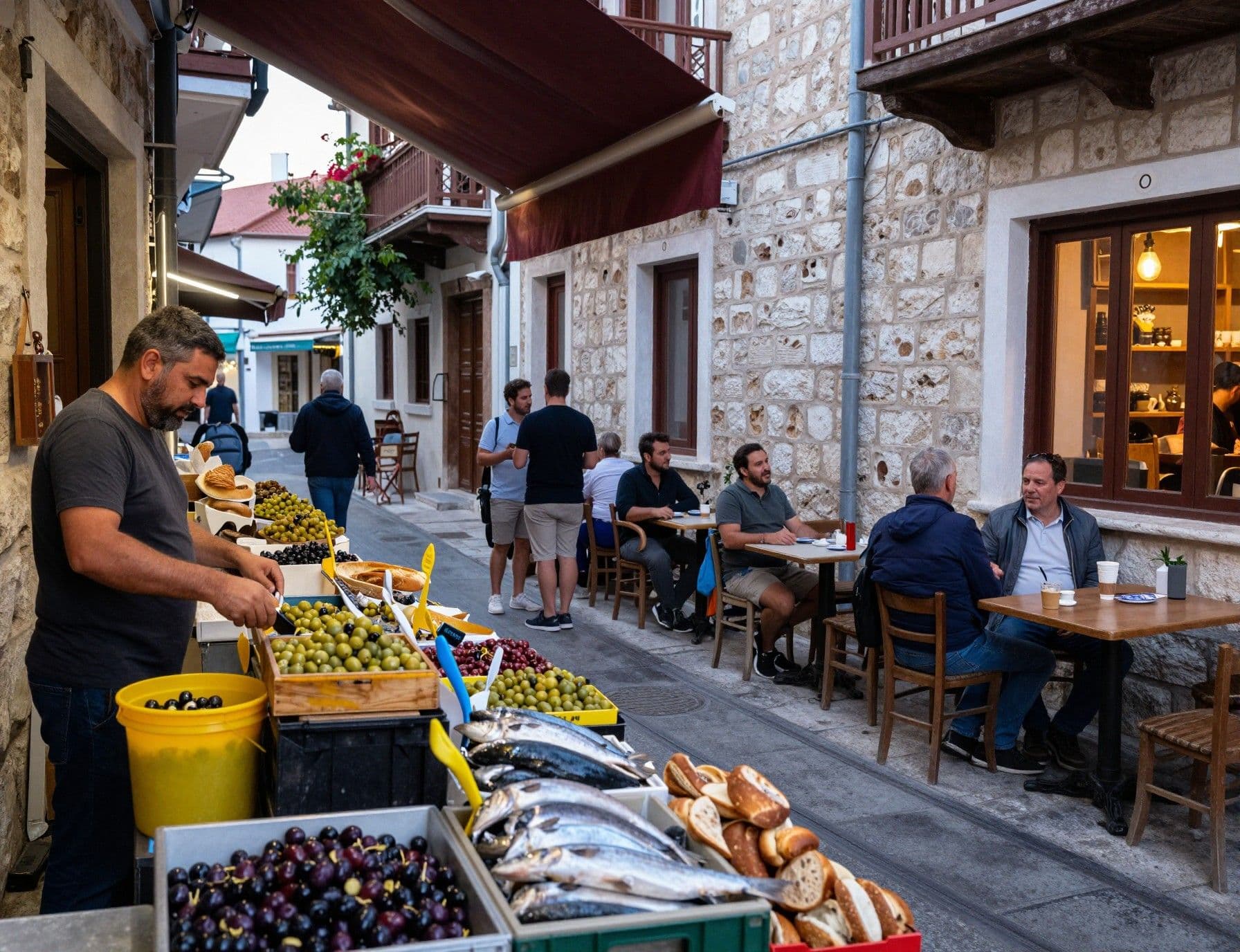
Daily life in Greece folds around sun and season: mornings at markets (Varvakios in Athens, Koukkini in Heraklion), late lunches that stretch into siesta‑style breaks, and streets that fill again at dusk. The recent uptick in property prices and the regulatory focus on short‑term rentals are changing neighbourhood rhythms — some areas get livelier through tourists and temporary rentals, others are quietly reclaimed by families and long‑term residents. If you picture yourself here, think less about the postcard view and more about the block you’ll live on: will it have a morning bakery, an evening taverna, reliable transport, and neighbours you want to keep? Those everyday details decide whether a house becomes a home.
Athens: terraces, tramlines and late‑night streets
Athens is simultaneously gritty and cultivated: Kolonaki and Pangrati trade on streetside cafes and late‑night bars, while Koukaki and Mets offer quieter streets near Acropolis views and family bakeries. Here you buy into urban life — morning bakeries, compact apartments with terraces, and the convenience of hospitals and international schools. The city’s regeneration pockets (Kerameikos, parts of Piraeus) can feel like finding a secret you’ll tell your friends about; prices reflect proximity to transport and hotspots rather than pure sea view. Expect to trade a bit of square footage for a street that feels alive year‑round.
Islands & coast: seasonal pulse and summer influx
The islands sell a life: lazy mornings, swimming from rocky coves, and tavernas with immediate sea views. But island life is governed by season — many places sleep after October and revive in May — so choose depending on whether you want year‑round life (Crete, Corfu, parts of Rhodes) or a summer escape (Mykonos, Santorini). Recent reporting shows foreign buyers often buy mid‑range homes for holiday use rather than luxury palaces, which keeps options varied across price bands. If you want community in winter, target larger islands and towns with hospitals and regular ferry or flight links.
- Lifestyle highlights: markets, beaches and rituals
- Morning ritual at Varvakios market (Athens) — buy olives and watch butchers carve.
- Sunset fish plates at Agios Nikolaos (Crete) — a local evening you’ll join within weeks.
- Koukaki’s backstreets — coffee culture and terraces where neighbours actually know each other.
Making the move: property types and real trade‑offs
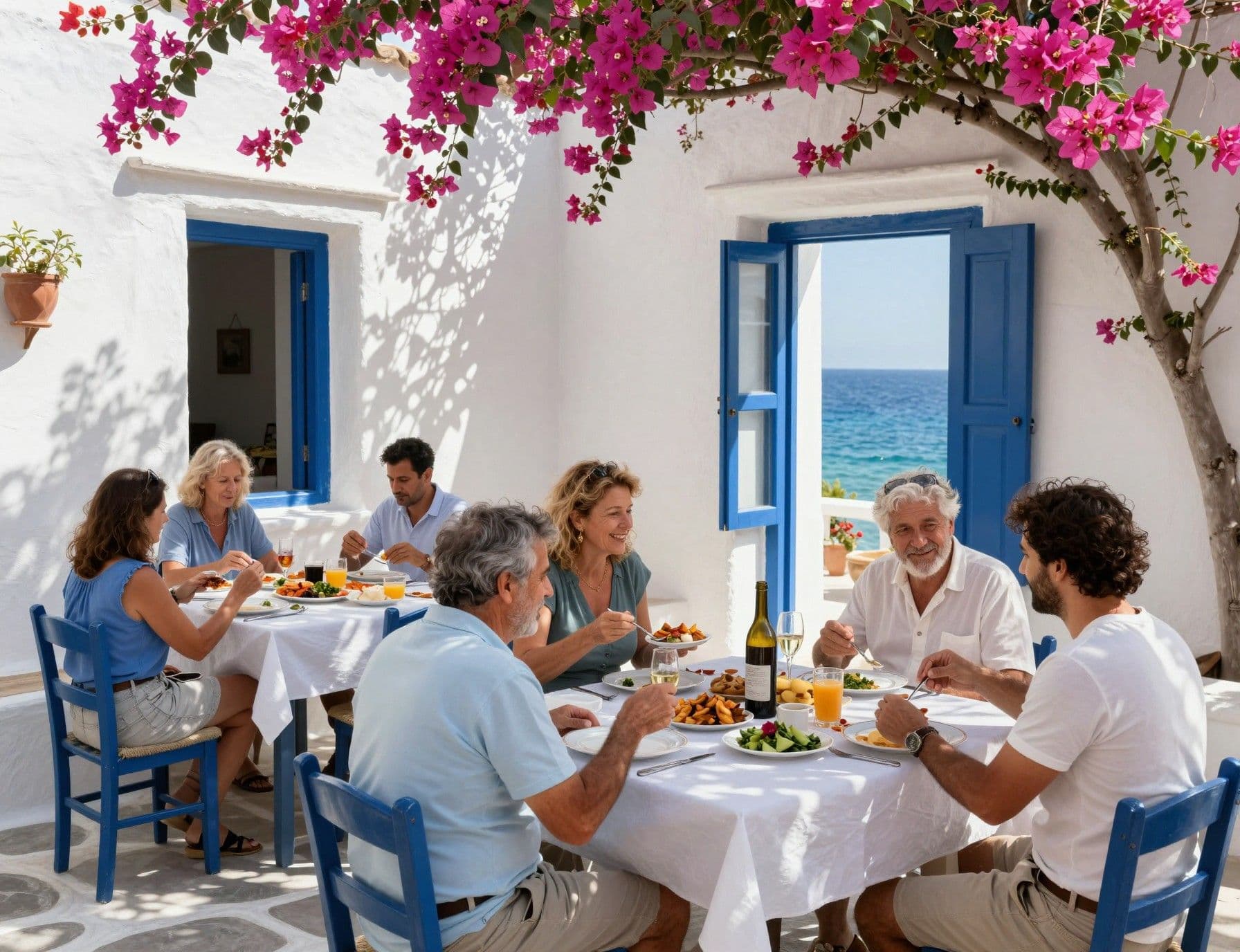
Greece’s housing stock is a mix of compact city apartments, renovated island houses, and newer developments on main islands and the mainland. Recent market data points to steady price growth and limited supply in popular pockets, which means your priorities — community, year‑round services, investment upside — should guide the type of property you pick. We often see buyers seduced by postcard views but later realise they needed reliable internet, a parking spot, or proximity to a clinic. Think of the property as a lifestyle machine: will it deliver weekdays, weekends and winters in the way you want?
Which architecture fits how you live
A Neoclassical city flat gives you street life and scale; a Cycladic house gives you terraces and light but often demands maintenance and climate‑wise adaptations. If you plan remote work, prioritise properties with dedicated spaces for a home office and reliable wired connectivity — Athens, Thessaloniki and larger island towns score better for fixed broadband. For rental potential, tighter rules on short‑term lets — and rising compliance — mean returns are still possible but require careful local advice. Match the building type to how you’ll use the place most of the year.
Working with local experts who understand life, not just listings
- How an agency helps you blend lifestyle and process
- They scout neighbourhoods at different times of year so you see winter life, not just summer postcards.
- They check short‑term rental compliance and local rules before you assume income potential.
- They introduce you to bilingual lawyers and local contractors who can cost renovation realistically.
Insider knowledge: what expats wish they'd known
Expat buyers tell a common story: the life is better than the brochure but the paperwork, seasons and local norms need respect. Recent reports show foreign buyers mostly purchase mid‑market homes for second‑home use, while prices overall continued rising into 2025 — a reminder that timing and location matter. Short‑term rental reforms and tighter registrations in Athens neighborhoods like Kolonaki and Koukaki have shifted investor behaviour towards longer lets and more realistic yield expectations. Learn from locals: ask about deliveries, snow (yes, in some places), ferry reliability and where neighbours actually shop.
Cultural notes: language, rhythm and community
You don’t need fluent Greek to fit in, but learning basic phrases opens cafés and neighbourhood doors faster than any app. Weekends in Greece are social — expect invitations, shared plates and slow meals that build friendships. For community continuity, look for neighbourhoods with families and year‑round shops, not just seasonal villas. Agencies who live locally can introduce you to neighbours and micro‑communities that make integration quicker.
Long‑term lifestyle realities
Think five years ahead: will the local school system, healthcare access, and transport support your life as it evolves? Islands with growing year‑round populations (Crete, some Ionian towns) offer a better balance if you want permanence; small Cycladic islands are superb for seasonal escape but require more logistics for daily life. Property maintenance — waterproofing terraces, shutters, and AC servicing — is an often‑underestimated ongoing cost. Good local agencies plan for these realities from the first viewing.
If Greece feels like the right life, take two immediate practical steps: 1) ask a local agent to show you the neighbourhood in winter and summer; and 2) secure a bilingual lawyer to run title and local compliance checks before you place any earnest money. We’re happy to connect you with advisers who know both the lifestyle and the file — because in Greece, beauty without the paperwork is a fragile thing. Start by choosing the life you want on an ordinary Tuesday, then build the purchase steps around that choice.
Dutch relocation advisor who moved to Marbella in 2016. Guides Dutch buyers through visa paths, relocation logistics, and balance of lifestyle with value.