Buy Where the Neighbourhood Fits the Life (Greece)
How to match Greece’s neighborhood rhythms with market realities—seasonality, new Golden Visa rules, and neighbourhood-level tradeoffs you need to know.
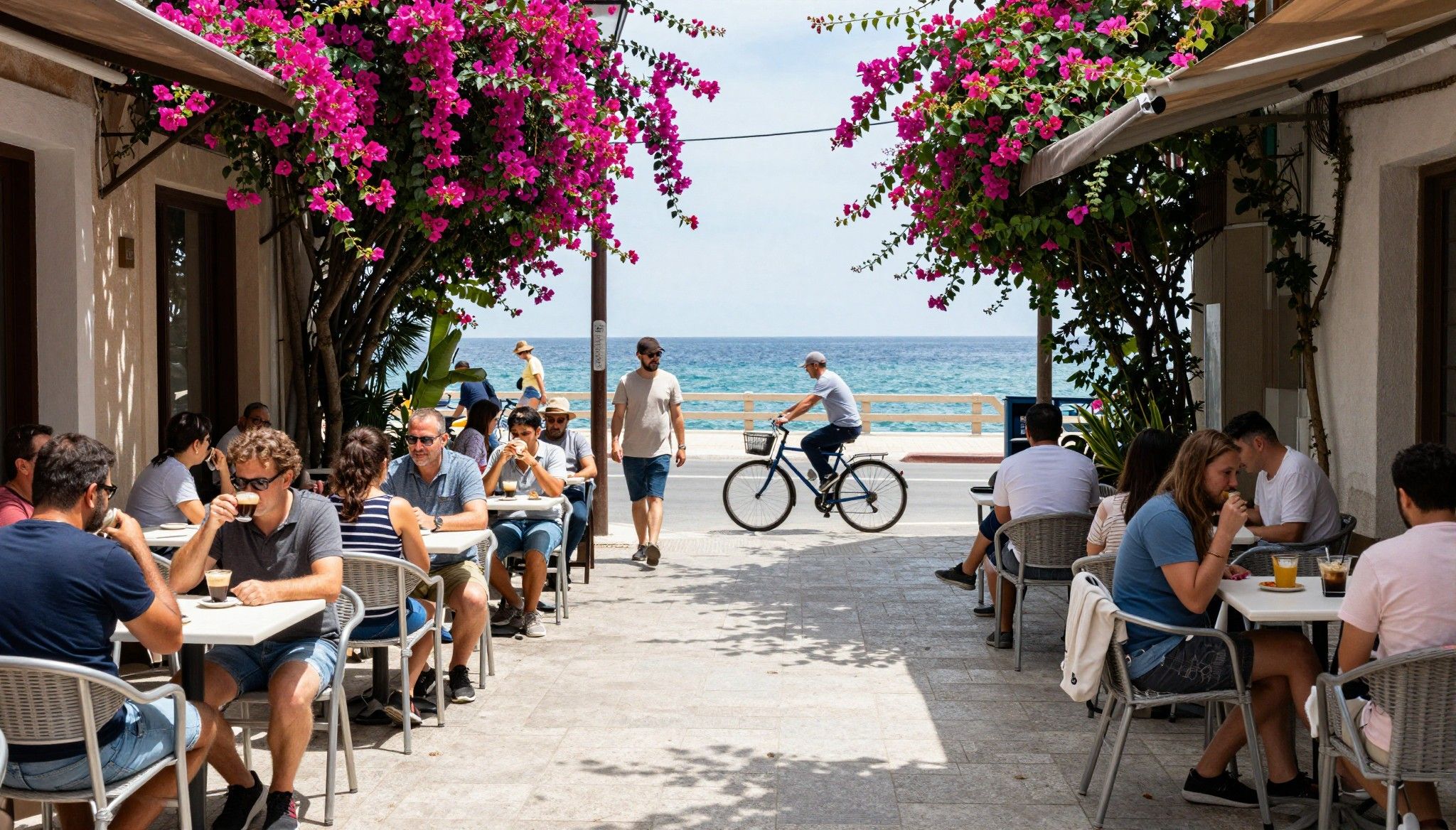
Imagine walking from a sunlit kafeneio in Koukaki to a narrow street of neoclassical facades, a paper cup of Greek coffee warming your hands while bougainvillea flutters against white plaster. That mix — everyday ritual, layered history, and a coastline a short drive away — is what draws people to Greece's urban hubs. But lifestyle daydreams collide with market reality: price pockets, seasonality and new investor rules are reshaping where buying makes sense. We’ll show you the parts of Athens, Thessaloniki and the larger urban fabric where life and the ledger actually line up.
Living the Greek urban life
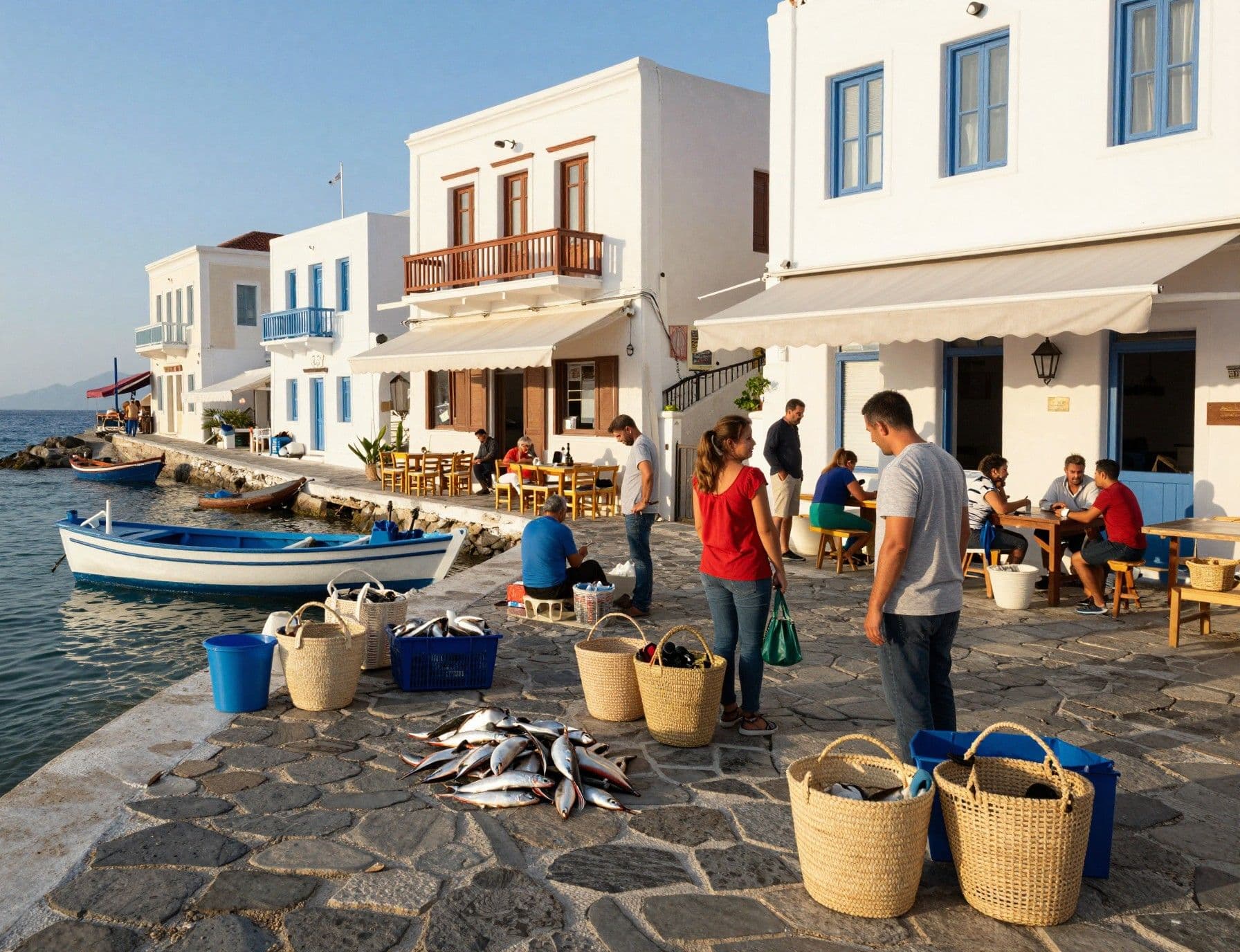
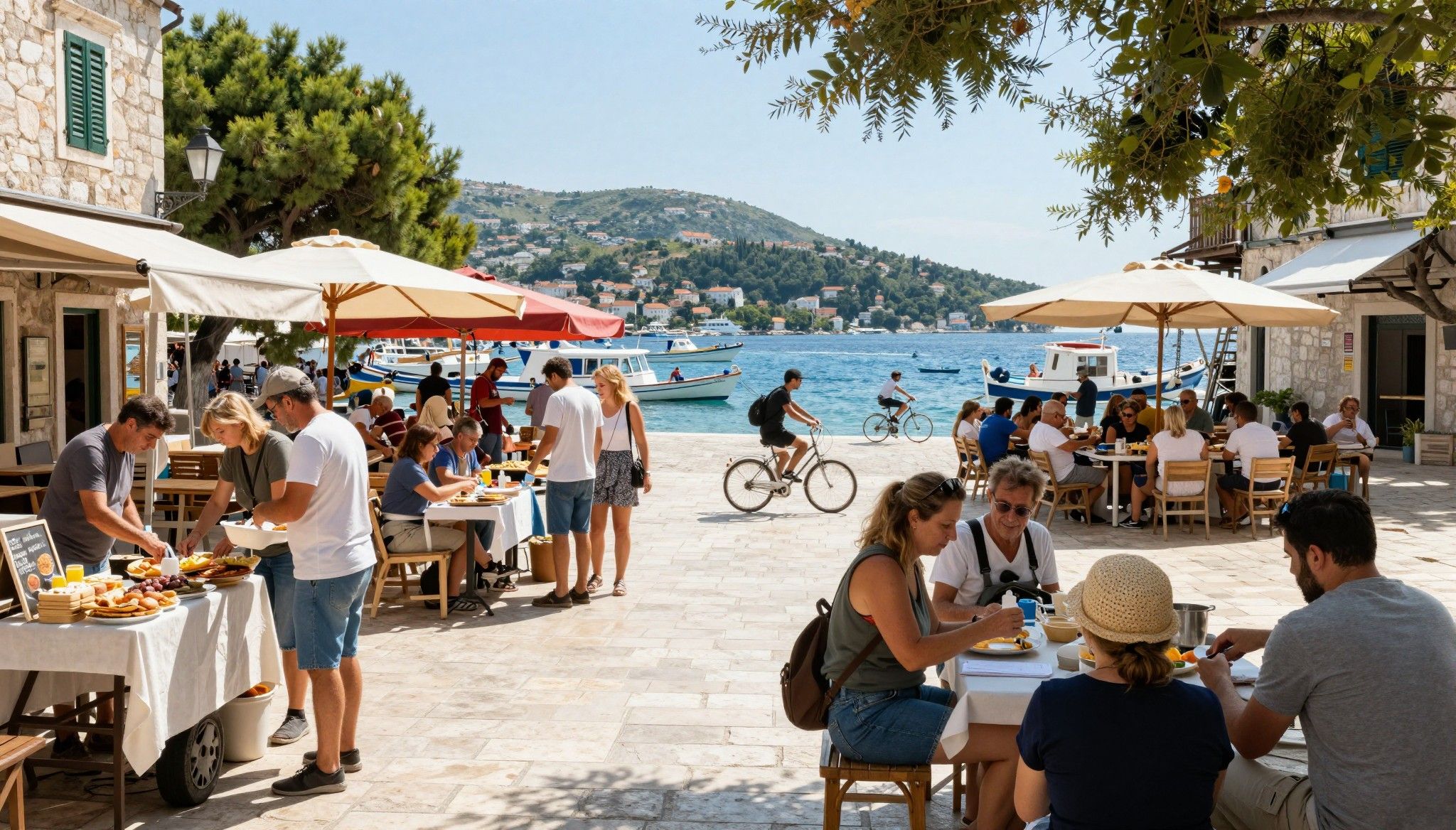
Daily life in Greek cities moves at human speed: espresso in the morning, a late lunch that can last two hours, and streets that feel like stages for neighborhood life. In Athens, that looks different block by block — Kolonaki’s tree-lined boutiques and Koukaki’s tavernas create very different routines. Thessaloniki brings waterfront promenades and tavernas clustered around Modiano market; it’s a city that eats late and sings loud. Small details — a municipal market stall, a favorite butcher, a nearby kafenion — often determine which property truly fits your life.
Athens micro‑neighbourhoods that feel like home
Kolonaki is polished and quiet during weekdays, alive with galleries and small restaurants — an easy choice if you value walkability and a shorter commute to embassies or private schools. Koukaki, near the Acropolis, is more intimate: narrow streets, family-run cafés and pockets of renovated apartments where morning light matters. For coastal living inside the Athens orbit, Glyfada and Voula give you marinas, seaside promenades and a different social calendar focused on beaches and yachts. Each of these neighbourhoods will deliver a distinct daily rhythm — pick the one that matches how you actually want to live, not just an Instagram postcard.
Thessaloniki’s texture: markets, music and the seafront
Thessaloniki mixes student energy and old-city charm: Ano Poli’s cobbled lanes give you panoramic views and traditional tavernas, while Ladadika and Nikis Avenue offer nightlife and waterfront cafes. It’s the city for buyers who want urban density with Mediterranean temperament: evening promenades, live music, and markets that supply dinner ingredients any night of the week. If you want to feel part of the city rather than watching it from a terrace, look for apartments close to Modiano market or the seafront boulevards.
- Lifestyle highlights to look for
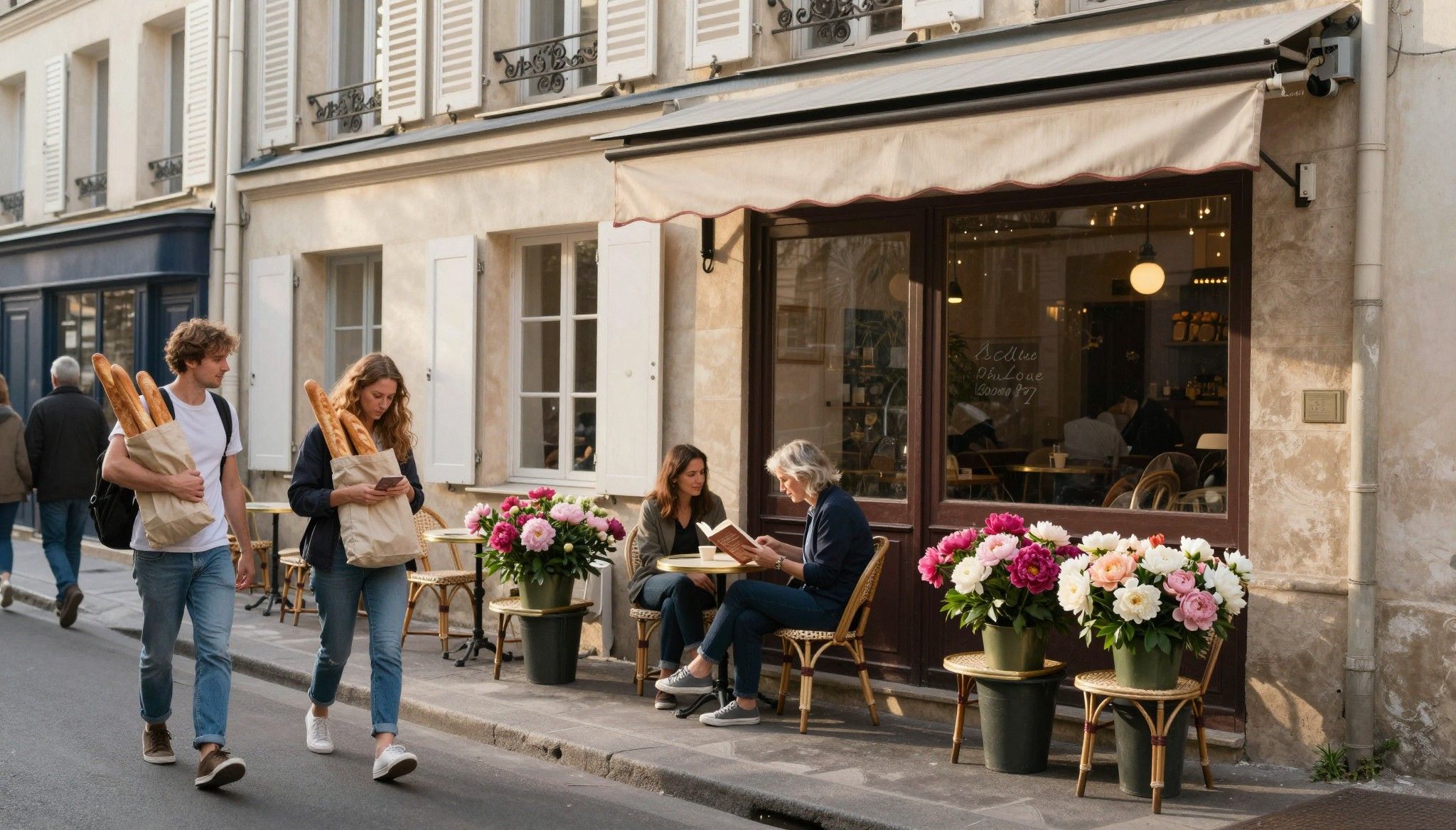
- Morning espresso rituals: corner kafeneia in Koukaki or Kolonaki
- Weekly market runs: Modiano Market (Thessaloniki) or Varvakios (Athens)
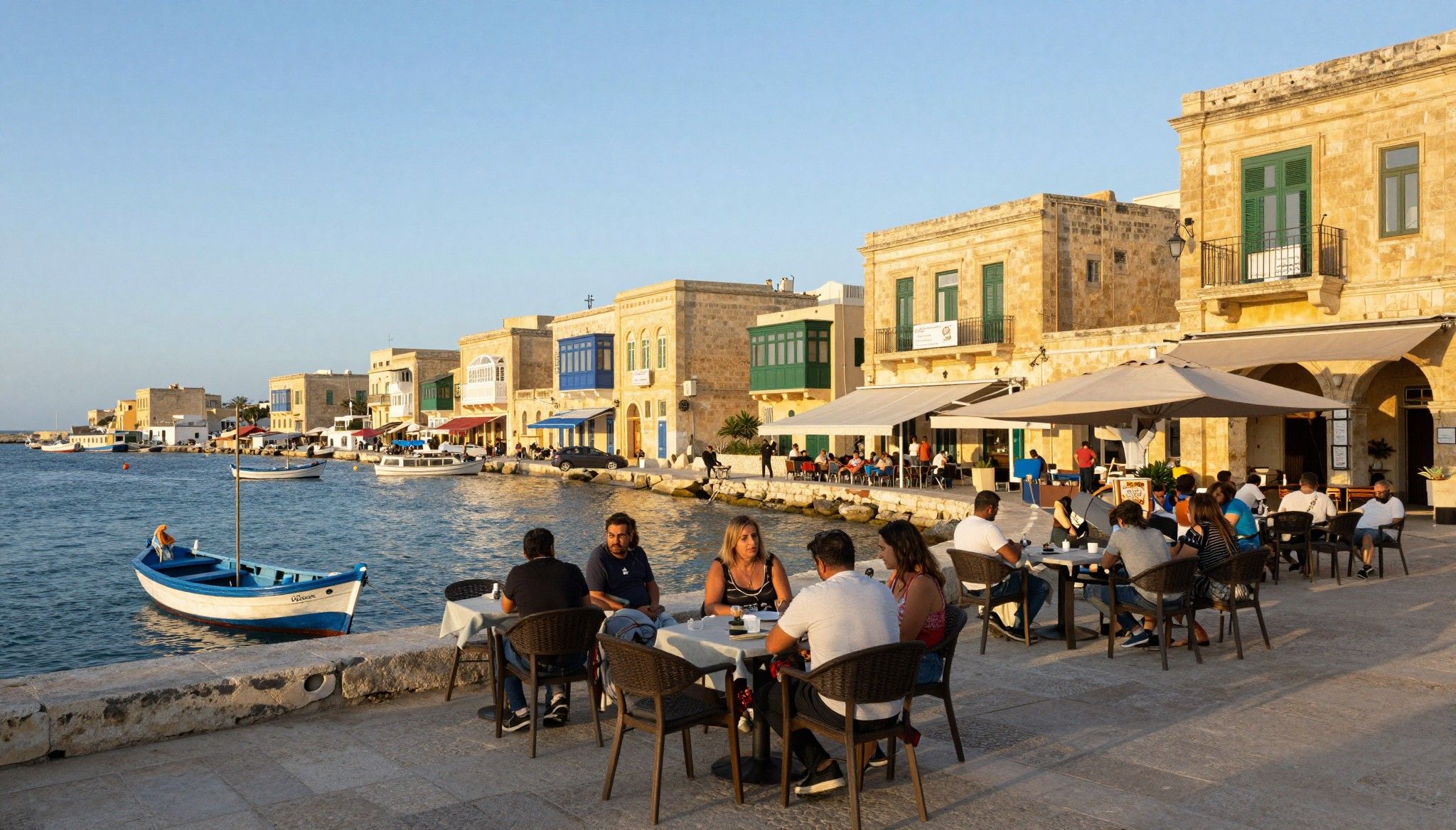
- Coastal afternoons: Glyfada/Voula promenades and small marinas
- Hidden‑gem streets: pedestrian lanes behind Syntagma with family tavernas
Making the move: practical considerations that preserve the life you bought

The romance of narrow streets should meet the facts of the market. Nationwide, apartment prices have been rising in recent years and urban areas recorded notable annual growth, so timing and neighbourhood choice matter. Relying on national headlines misses local granularity: southern suburbs and Athens Riviera districts command higher per‑m2 asking prices than inner-ring neighbourhoods where renovations are delivering value. Use current indices and local portals to compare trends for the exact neighbourhood you’re eyeing, not just the city average.
Property types and how they shape daily life
A restored neoclassical apartment offers high ceilings and character — and usually a tighter maintenance budget and strict heritage rules. New builds and conversions deliver insulation, elevators and terraces but can sit in locations with less organic street life. A coastal condo in Glyfada gives easy sailing and beach access, while an Athens courtyard flat places you inside neighborhood rituals. Choose the type that supports the routines you value: morning markets, evening promenades, or weekend island hops.
Working with local experts who understand lifestyle fit
Local agents, lawyers and architects are your translators of culture and code. Since Law 5100/2024 raised thresholds and introduced zoning rules for investor residency, your team must confirm eligibility before you pay deposits. A good agent will show you both the lived experience of a neighbourhood and the file — past permits, noise profiles, and renovation constraints — that makes a property actually usable. Think of agencies as lifestyle curators: they should connect the menu of daily life to the paperwork you need to enjoy it.
- Steps to match lifestyle to legal reality
- 1. Spend at least two weeks living in the neighbourhood (rent first) to test daily rhythms.
- 2. Ask your agent for three comparable recent sales and the renovation history for the building.
- 3. Have a local lawyer verify titles, permitted uses, and any Golden Visa eligibility before deposit.
- 4. Factor in seasonal utility and maintenance variations (island winter closures, summer wear).
Insider knowledge: things expats wish they knew earlier
Expats often tell us the same surprises: the seasonality is real, a favourite café can close for the winter, and transport links make a bigger difference than a view. Coastal properties feel perfect in August but can be quiet and maintenance-heavy in February. Buyers chasing island life sometimes underestimate infrastructure issues — from water pressure to winter ferry frequency — that change how often you’ll actually use the place. The smarter purchases are those where daily life during off‑season still fits your needs.
Cultural integration and the social map
Learning a little Greek opens more doors than you expect: shopkeepers remember names, neighbours share renovation tips, and invitations to local festivals follow. Expat communities cluster differently — teachers, digital nomads, retirees each find their pockets — so identify which social scene you want and target properties nearby. Volunteer with a local cultural group or attend a neighbourhood panigiri (festival) to test whether you’ll feel at home. Integration affects long‑term happiness as much as square metres do.
Longer-term lifestyle realities
Think five years ahead: will that narrow Athens street still suit family life, or will you want a garden by then? Urban regeneration and renovation projects can tip value and daily comfort; older buildings often become attractive once lifted comprehensively. Consider resale paths: properties close to markets, good transport and schools tend to keep demand. And remember: the life you buy is as much about neighbours and routine as it is about views.
- Red flags we see too late
- Unresolved permits for change of use (can invalidate Golden Visa claims).
- Properties advertised with ‘close to the sea’ that require a car for daily errands.
- Buildings with no lift and loud commercial ground floors despite the advertised tranquility.
Conclusion: fall for the life, keep the file
Greece’s urban hubs give you mornings of slow coffee, evenings of long meals, and weekends that still feel like discovery. If you want that life, focus first on neighbourhoods where the daily script matches your imagined routine and then build a local team to secure the legal and market details. Start by renting locally for a month, ask for on‑file comparables, and confirm any Golden Visa eligibility with a lawyer before you pay a deposit. When culture and contract align, you don’t just buy a property — you buy a life you can actually live.
Dutch relocation advisor who moved to Marbella in 2016. Guides Dutch buyers through visa paths, relocation logistics, and balance of lifestyle with value.