Croatia: Lifestyle-Led Price Trends & Insider Checklist
Croatia’s charm meets data: coastlines and markets pulse with seasonal demand while house‑price indices show steady gains—match lifestyle goals to regional HPI and local volumes.
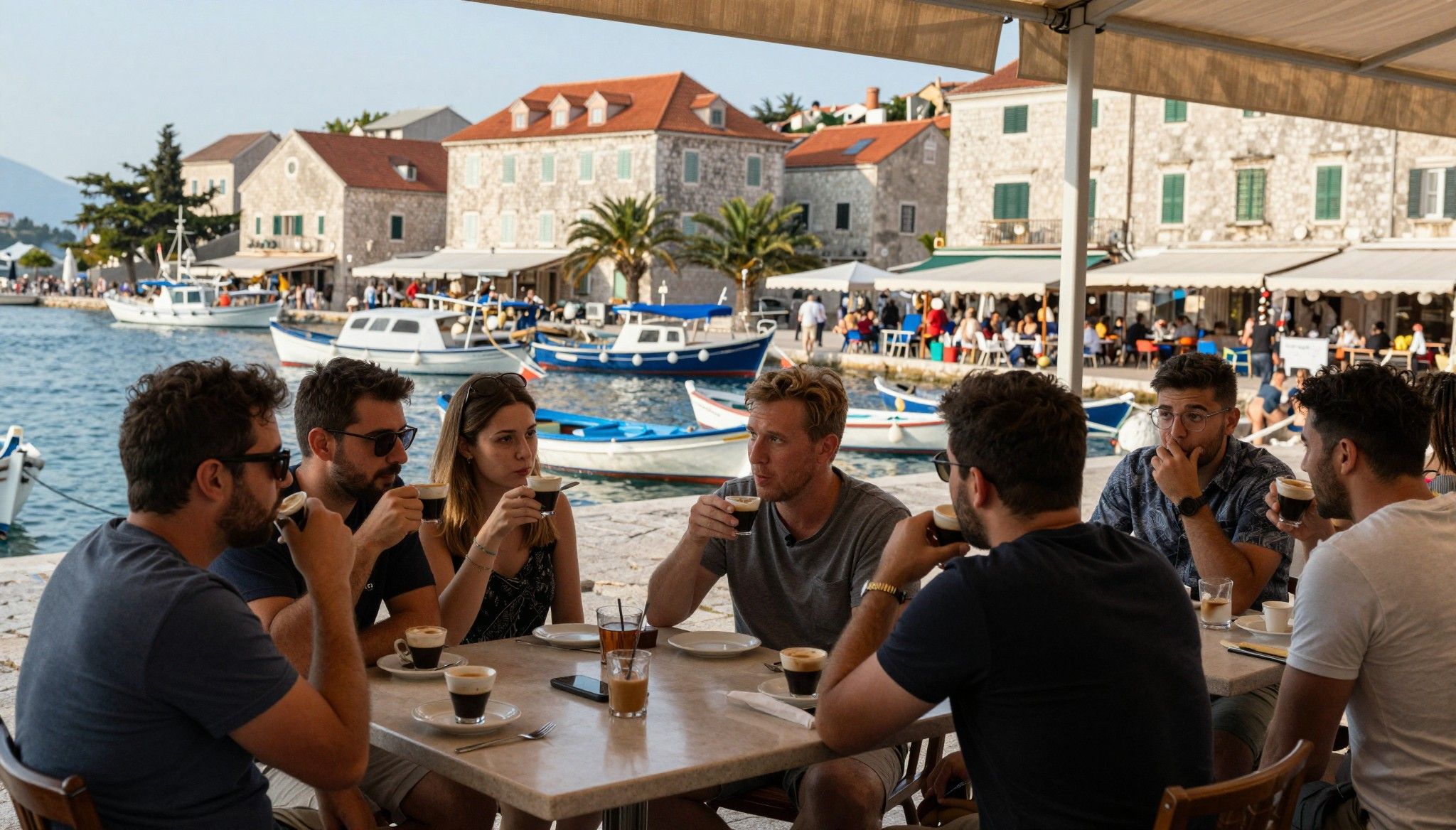
Imagine early morning in Rovinj: a baker pulls warm focaccia from an oven while fishermen strip nets at the harbour and a neighbour pours espresso for anyone who lingers. That rhythm — slow breakfasts, market runs, late walks along the Adriatic — is what draws people here, not just price-per-square-metre figures. Yet behind the cobbled streets and terrace dinners there’s a clear market story: Croatia’s housing market has been rising steadily in recent years and that trend shapes which neighbourhoods feel like a lifestyle buy versus a speculative one. We wrote this guide to marry those two sides: how Croatia actually feels, and what the data says you should pay attention to before you commit.
Living the Croatia lifestyle
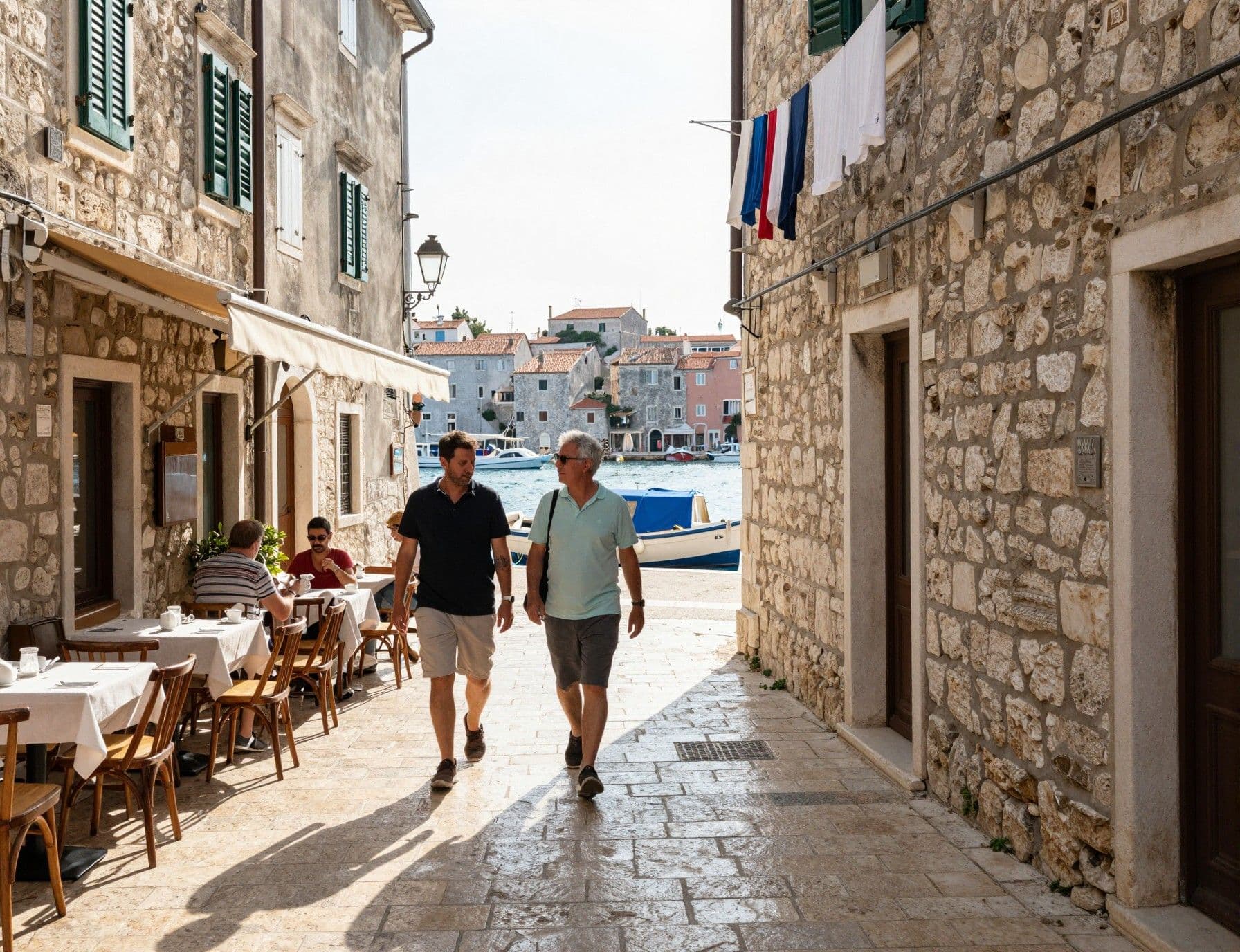
Croatia is both Adriatic idyll and pragmatic small‑city country life. Mornings in Split mean brisk café culture on the Riva and afternoons spent swimming off Marjan Hill; in Zagreb the pace is more urban, with farmers’ markets and galleries that make weekday life feel cultured and local. Coastal towns — Dubrovnik, Zadar, Rovinj, Hvar — are seasonal and social, while inland towns like Varaždin and Osijek offer quieter rhythms and lower prices. For buyers, that means the lifestyle you want (island summer, year‑round city life, or calm countryside) directly determines which market rules apply and how liquidity and rental demand behave.
Zagreb, Split and the coast: three different days
Zagreb mornings feel like a European provincial capital — trams, espresso bars, and an easy commute if you choose a central flat. Split is half‑city, half‑holiday: liveable neighborhoods like Veli Varoš or Firule are a short walk from restaurants and a stone’s throw from the sea and Marjan. On the coast, islands and historic centres trade off high seasonal demand for quieter off‑season months, which affects short‑term rental yields and vacancy patterns. Think about the daily life you want: if you crave steady off‑season social life, a Zagreb apartment will behave differently as an asset than a seaside penthouse in Hvar.
Food, markets and the rhythm of seasons
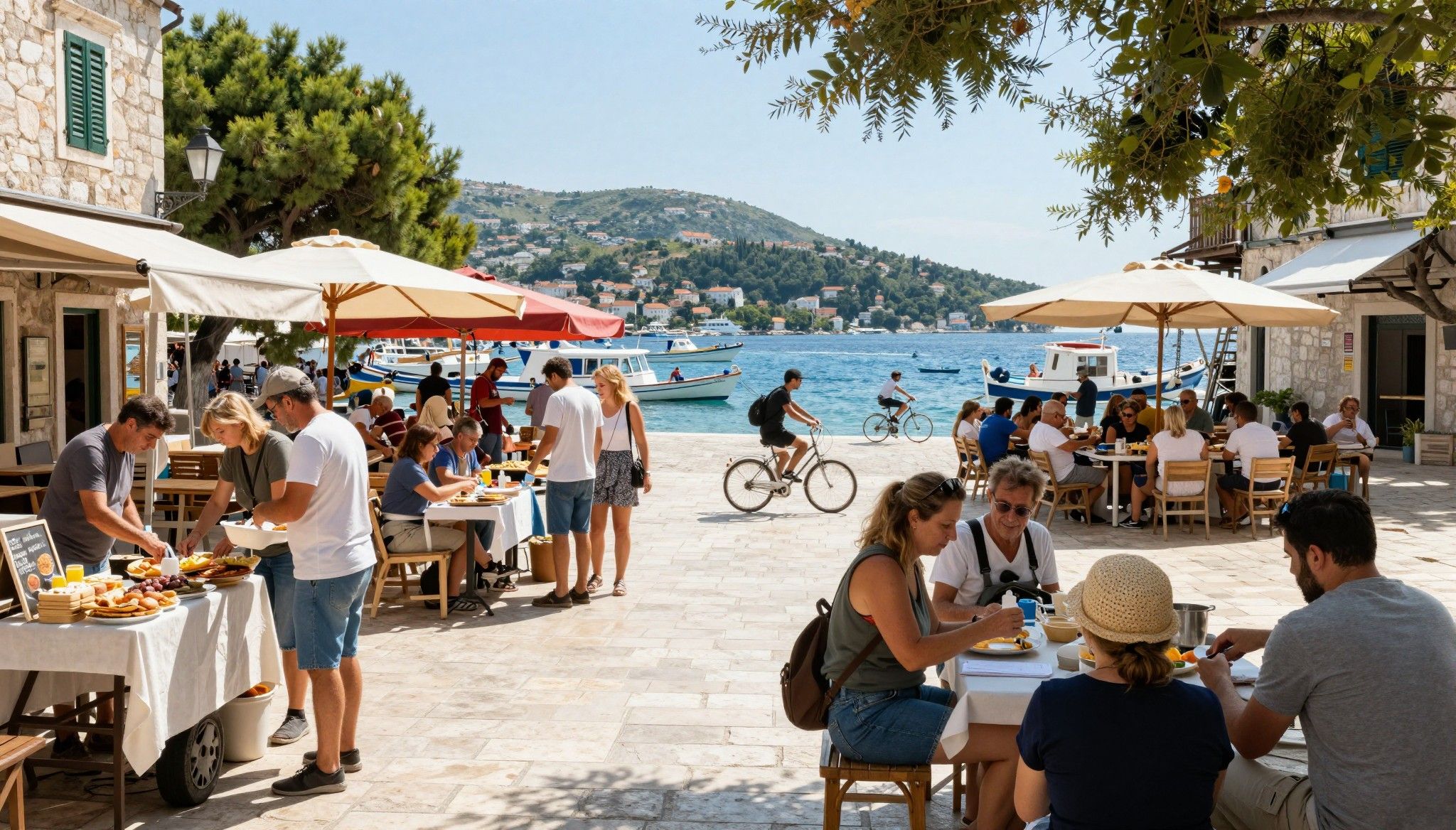
Weekends are market days. In Zagreb, Dolac is a ritual; on the coast local fish markets set the day’s menu. Seasonal festivals — olive harvests in Istria, summer music in Split, winter town fairs — are not tourist spectacles only; they anchor community life and affect short‑term rental demand and cleanliness of neighbourhoods. When you picture life in Croatia, include the season: summer offers vibrancy and income potential, winter reveals whether a place truly supports year‑round living.
- Lifestyle highlights: coastal walks, markets and hidden streets
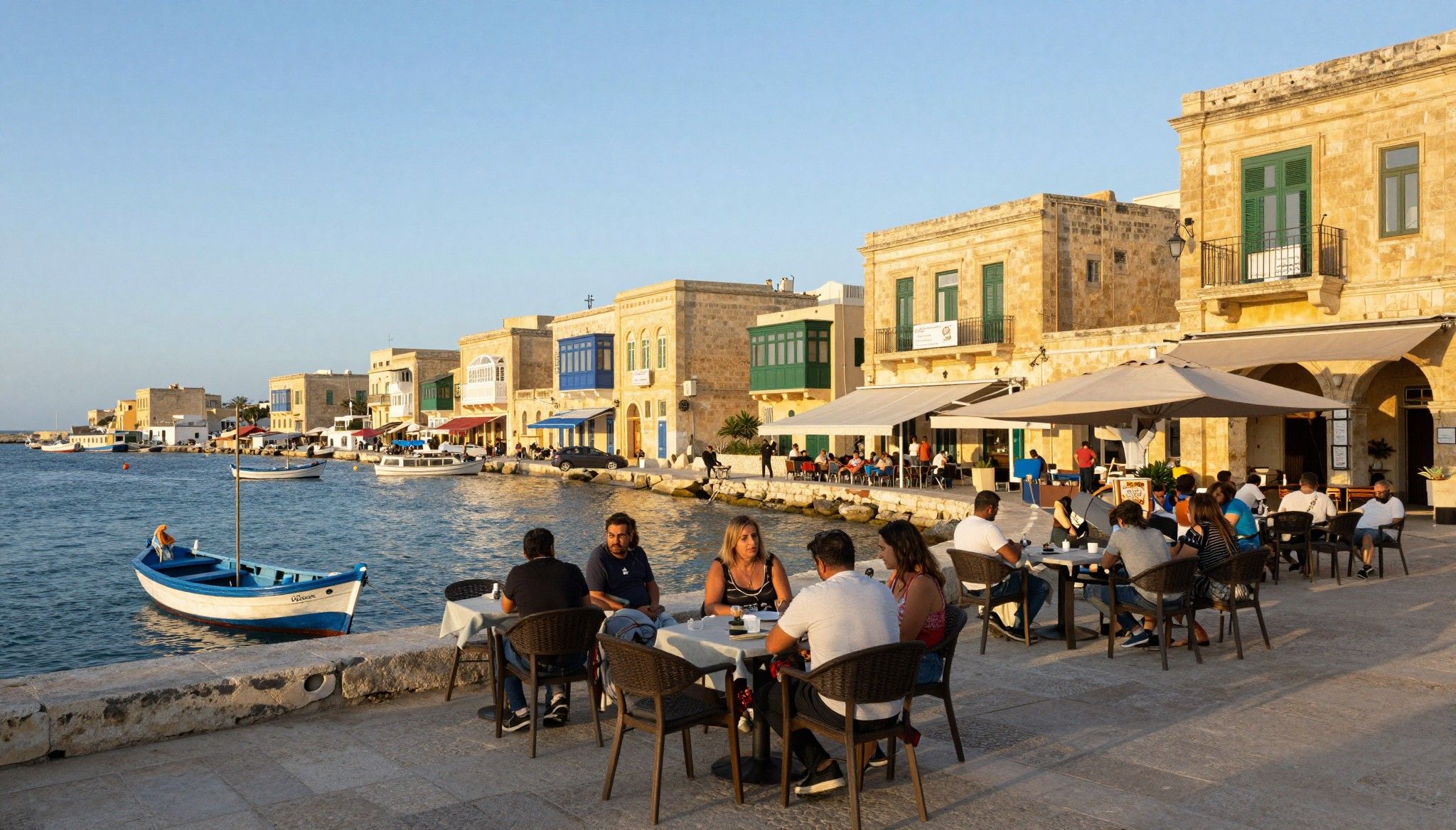
- Rovinj’s old‑town lanes and seaside cafés — for slow afternoons and strong local identity.
- Split’s Riva promenade — the social spine where neighbours meet and small businesses thrive.
- Hvar’s harbour life — summer energy and off‑season quiet that reveals the island’s true character.
Making the move: practical considerations
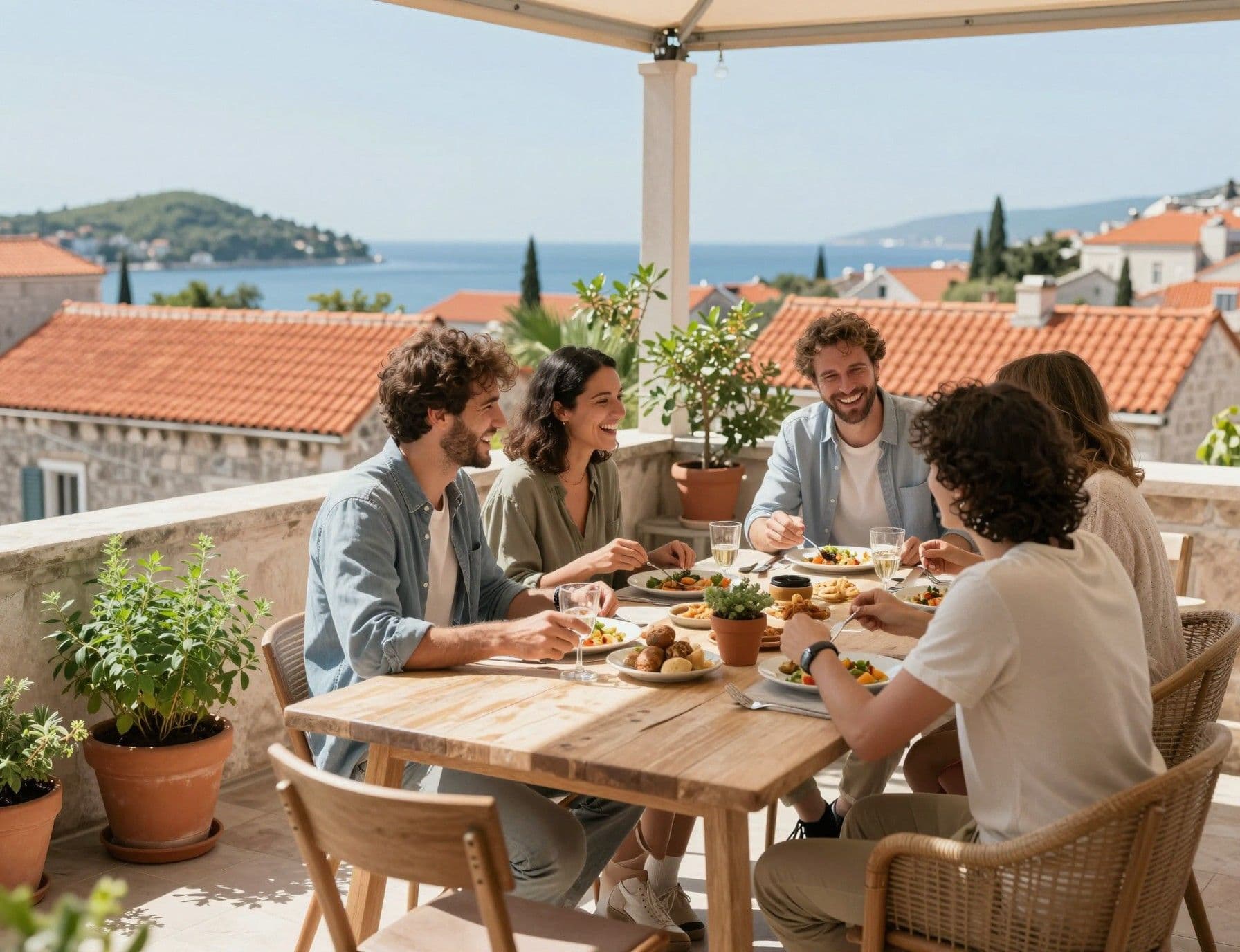
The romantic picture is essential, but property buying is data‑led. National statistics show Croatia’s house price index has climbed in recent years and coastal counties lead in price per square metre. That growth is real, supported by tourism, improved infrastructure and rising domestic demand — but it’s uneven across regions. Before you write an offer, match the lifestyle you want to empirical signals: supply dynamics, transaction volumes and local seasonality all matter.
Property types and what they mean for daily life
Stone town apartments and restored Dalmatian houses give you immediate access to waterfront life but often bring maintenance and limited parking. New builds around Zagreb and coastal suburbs offer modern systems, better energy ratings and easier rental management. Apartments inside historic cores deliver charm and instant walkability, while newer developments trade that for appliances, elevators and predictable maintenance. Choose the property type that fits how you’ll live there — weekend escape, full‑time move, or a rental income play — and factor upkeep and utility readiness into your budget.
Working with local experts who know the lifestyle
An agency that understands both local paperwork and local life shortens the path from curiosity to keys. Agents who know which streets clear of tourists in winter, which neighbourhoods have reliable internet, and which buildings face maintenance headaches will save you months of guesswork. Look for agents who provide rental performance data, recent comparable sales and on‑site photos from different seasons. That blend of lifestyle sense and transactional data is where you protect both your dream and your capital.
- 6 steps to combine lifestyle and market data before you bid
- Visit the area in at least two seasons (summer and off‑season) to test noise, services and transport.
- Compare official HPI and local agency price lists — Croatian Bureau of Statistics numbers show recent national rises, but local patterns differ markedly between counties.
- Ask for actual annual running costs (utilities, communal fees, seasonal services) from sellers or their agents and validate with neighbours.
- Check transaction volumes and foreign‑buyer share locally — Istria and Dubrovnik have higher foreign participation which means stiffer competition at peak season.
- Get a local legal check on land registry, encumbrances and building permits before signing; physical charm does not equal clean title.
Insider knowledge: what expats wish they'd known
Expats tell a similar story: the best‑looking property isn’t always the best place to live year‑round. Many buyers fall for sun‑drenched terraces and then struggle with winter isolation or maintenance costs on older stone houses. Others underestimated the difference between headline rental yields in summer and realistic average yields across the year. The honest lesson: align the property’s strengths with how often you’ll be there and whether you need it to self‑finance through short‑lets.
Cultural cues that change where you buy
Language matters less in everyday life than a neighbour who helps with deliveries or a local shop that stays open in winter. In smaller towns, social integration — attending markets, joining the local association, learning a few phrases — turns a property into a home. That social capital often translates to practical benefits: reliable caretakers, recommendations for tradespeople, and realistic local advice on renovations. Plan for integration: language lessons, membership in community groups and regular visits in different seasons.
Looking 5–10 years ahead: resale, tourism and resilience
Croatia’s fundamentals — EU membership, strengthening tourism, and improving infrastructure — support medium‑term resilience, but localized oversupply and seasonality can create pockets of volatility. Coastal hubs may continue to outperform on liquidity while inland markets offer more conservative, steady returns. Use regional HPI trends and local transaction volumes to test scenarios: if your plan depends on high short‑term rental returns, model both summer peaks and winter troughs before you buy.
- Red flags smart buyers watch for
- Unclear title or missing permits — charm doesn’t replace paperwork.
- High seasonal vacancy — properties that sit empty six months cost you maintenance and taxes.
- Overreliance on summer rental comps — always calculate realistic annual yields.
- Neglected building fabric in stone houses — restoration costs can be large and slow.
We love how Croatia lives — the evening Bura wind off the coast, the simple market breakfasts, the quiet lanes after tourist season — and we also respect that buying here requires a sober checklist. Start with visits in two seasons, ask for HPI and local transaction data (the Croatian Bureau of Statistics publishes house price indices), insist on land registry checks and a local lawyer, and use an agent who can show you neighbourhoods at 9am and 9pm. When lifestyle and data line up, Croatia becomes both a life and a durable asset.
Dutch relocation advisor who moved to Marbella in 2016. Guides Dutch buyers through visa paths, relocation logistics, and balance of lifestyle with value.