Buy the Life, Carry the File — Croatia’s Realities
Fall for Croatia’s daily rhythms — then align lifestyle choices with local legal and tax realities (transfer tax, residency rules, maintenance) to buy with confidence.
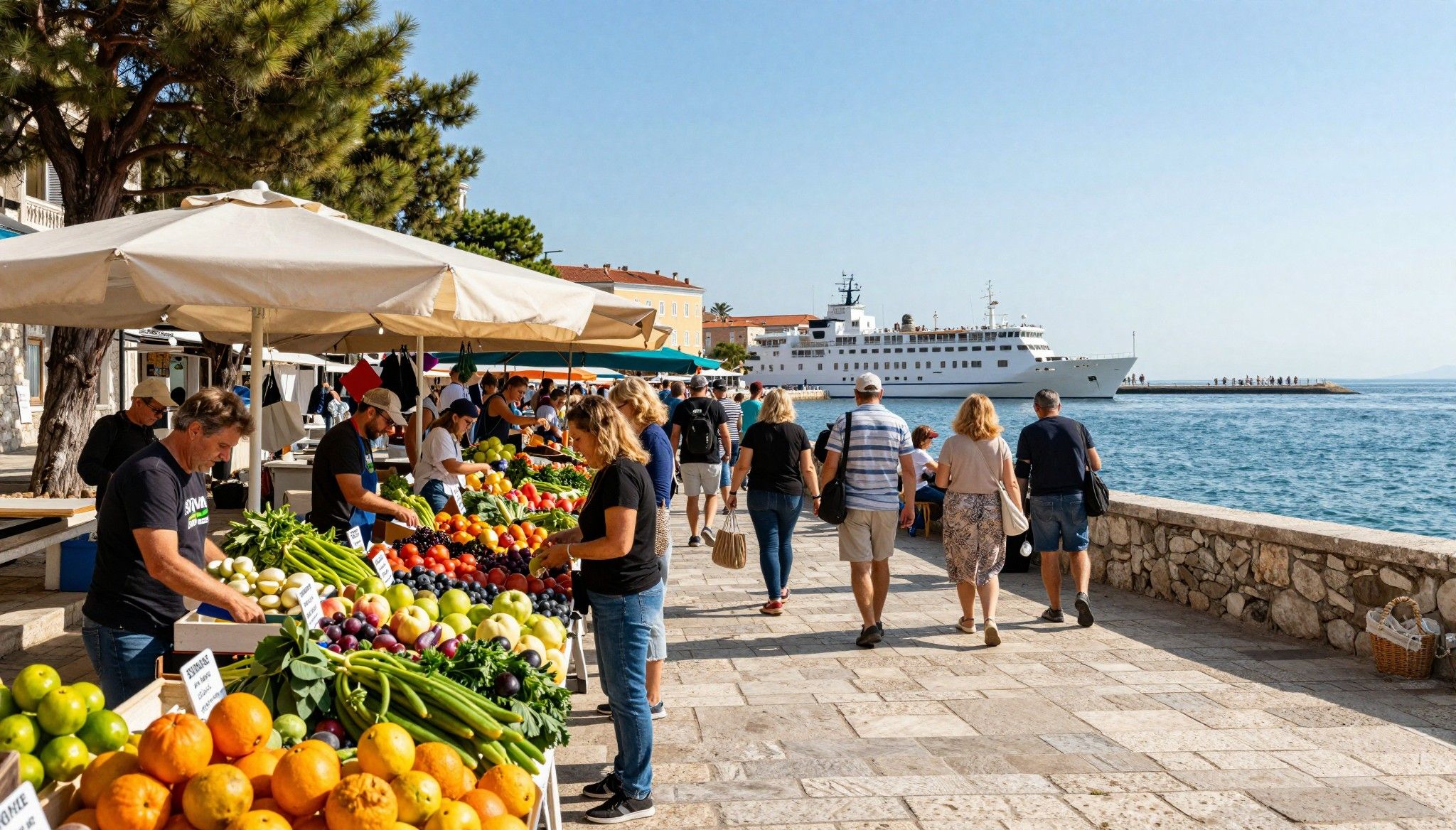
Imagine a summer morning in Split: espresso steam, limestone streets warming under bookshop awnings, a fisherman mending nets by the Riva. Croatia feels like a mix of old-world rhythm and easy coastal life — but buying here isn’t just about postcard views. According to recent market analysis, international buyers must balance lifestyle choices with specific legal and tax realities to make a confident purchase.
Living Croatia: what the day-to-day actually feels like
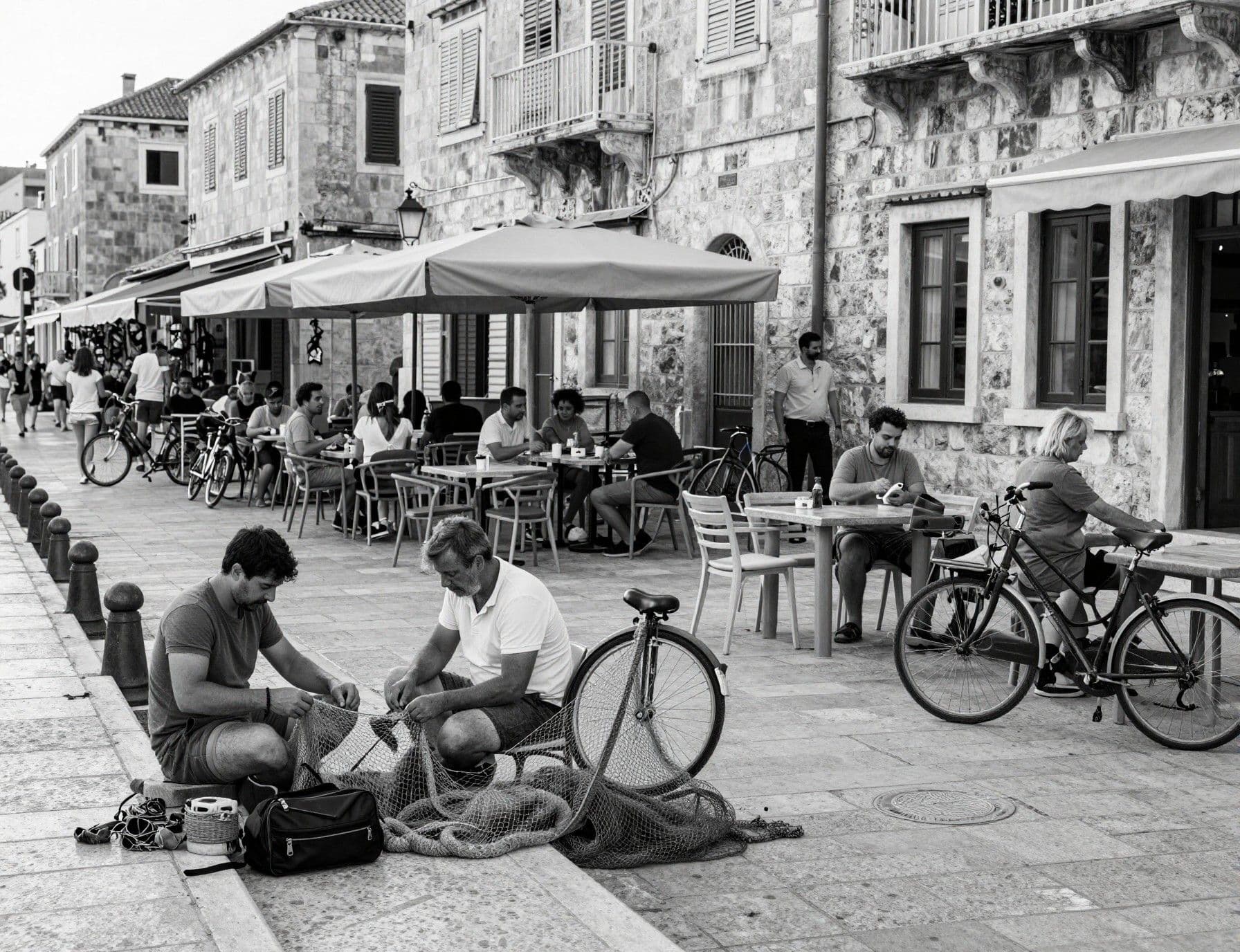
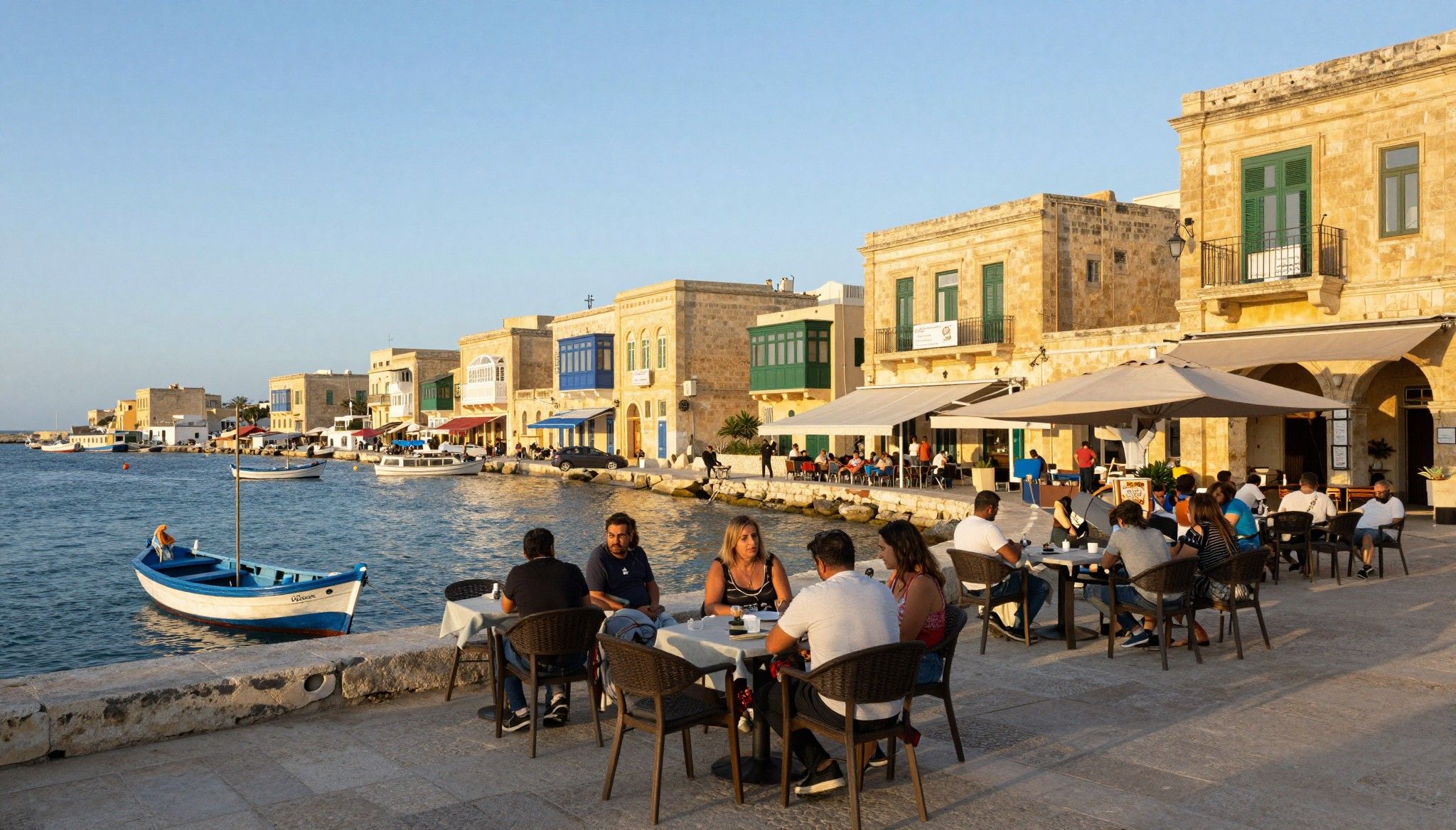
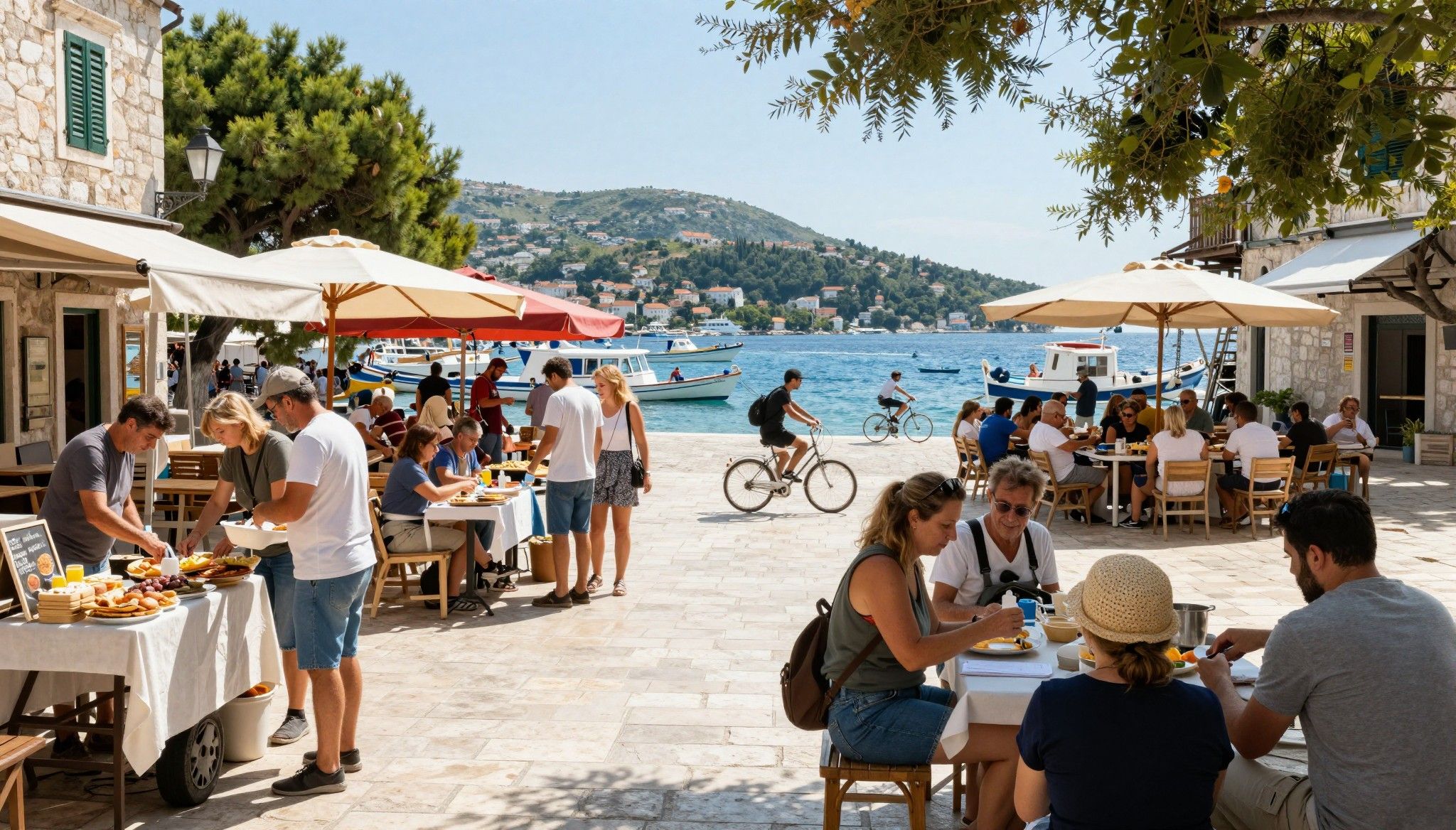
Croatia’s daily rhythm changes by place. In Dubrovnik’s Old Town mornings are for narrow alleys and late breakfasts; in Zadar, people gather at the sea organ at sunset; in Istria, weekends mean markets and truffle hunts. The Adriatic shapes how people live: terraces, courtyards and small gardens matter more than big manicured lawns, and proximity to a ferry or marina often trumps square metres when buyers plan for lifestyle use.
Neighborhood spotlight: Split’s Veli Varoš and Trumbić
Veli Varoš (below the Marjan hill) is where locals sip coffee before work and walkers loop the promontory; Trumbić’s promenade brings cafés, artisan bakeries and a feel of everyday conviviality. If you want sea-views plus a life lived outdoors, these streets—Ulica kralja Tomislava and the lanes around Prokurative—deliver morning markets, neighbourly familiarity and short walks to ferry connections.
Food, markets and the social calendar
Eat like a local: fish at Kaštil in Hvar, truffle pasta in Motovun, shelled almonds at Zagreb’s Dolac market. Seasonal festivals — from the Dubrovnik summer festival to Istria’s truffle fairs — reshape neighbourhood life and rental demand. For buyers this means thinking beyond purchase price: a property next to a seasonal festival can be lively for months and quiet off-season, affecting both enjoyment and short‑term rental potential.
- Lifestyle highlights to map during visits
- Morning espresso on Split’s Riva; afternoon swim at Bačvice; Sunday markets in Zagreb’s Dolac; seafood dining on Korčula’s waterfront; truffle hunts and wine tasting in Istria; ferry hops from Zadar to the Kornati islands.
Making the move: practical considerations that preserve the lifestyle
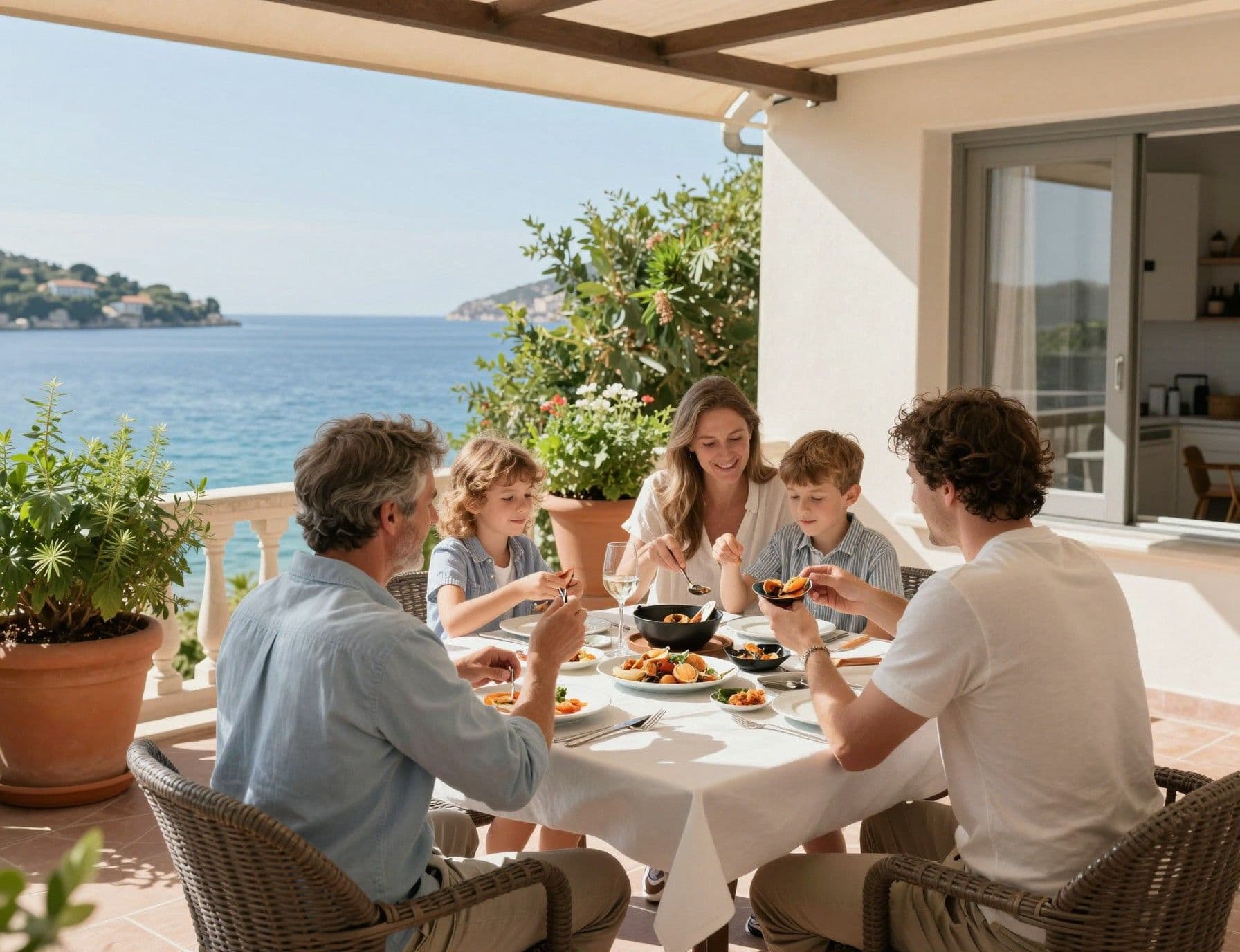
The dream (sea breeze and weekend markets) meets a set of rules that will shape affordability and usage. Croatia’s laws distinguish between EU and non‑EU buyers, require an OIB tax number, and typically charge a real estate transfer tax — features that change whether a property is an effortless pied‑à‑terre or an investment you manage from afar.
Property types and how they map to life
Think in use-cases: a restored stone townhouse in Rovinj gives you immediate local texture and lower running costs but often higher renovation need; a modern coastal apartment offers easy maintenance and rental appeal but can sit in dense zones with stricter rules and higher HOA fees. Match the property type to how often you’ll be here and how much local bureaucracy you’re willing to manage.
Working with local experts who preserve the lifestyle
A good local lawyer and agent do more than file papers. They check land registry records, clarify permitted uses (tourist rental vs long‑term), and advise whether a purchase supports a residence application. For non‑EU buyers, reciprocity rules may require extra steps — often setting up a Croatian company if direct ownership isn’t permitted — and agents who know the lifestyle can recommend neighbourhoods that actually match the life you want.
- Practical-lifestyle checklist before you sign (do these in order)
- 1) Visit across seasons — morning markets, high‑season crowds and quiet winters reveal true living patterns. 2) Get an OIB and preliminary land registry extract to confirm title and encumbrances. 3) Ask an agent for running costs: HOA, utilities, waste management and expected seasonal maintenance. 4) Confirm permitted usage (tourist rental rules) with a lawyer and municipality. 5) Budget transfer tax (typically 3%) and legal fees into total acquisition costs.
Insider knowledge: the small rules that change everything
Expat buyers often underestimate tax and administrative detail. Capital gains may be taxable under local rules; municipal charges and seasonal waste collection can be surprisingly high in coastal towns; and recently introduced incentives or refunds on transfer tax (conditioned by law) change net costs. Use authoritative sources and a local tax advisor to model ownership costs for five and ten‑year horizons.
Cultural realities that affect property life
Croatian communities value continuity: noisy short‑term lets can create local friction, and building without permits remains a sore point. Learn local rhythms — when shops close for mid‑day, which neighbourhoods host weekly markets, where public parking is practical — because a beautiful sea view is worth less if daily life is a logistical headache.
Long-term thinking: climate, maintenance and resale
Sea‑salt, sun and humidity dictate materials and maintenance budgets. In coastal areas, expect higher façade and woodwork upkeep; inland properties may need insulation upgrades for winter comfort. Consider resale channels: local buyers favour renovated period houses in historic centres, while international buyers prize easy‑access coastal apartments — that split affects liquidity and pricing over time.
- Red flags to watch for during due diligence
- Unclear land registry entries; unresolved building permits; ambiguous ownership shares; lack of connection to mains (water/sewer); unusually high HOA arrears; any seller insisting on large cash downpayments off-record.
If you fall in love with a street — say Šetalište Petra Preradovića in Dubrovnik or Ulica Sv. Ivana in Rovinj — don’t skip the practical checks. Visit in low and high season. Meet neighbours or the café owner. Ask an agent about typical maintenance cycles for that street. Those small, lived details determine whether the property becomes a weekly escape or a reliable new home.
Conclusion: buy the life, but carry the file. Croatia sells itself in moments — market days, ferry runs, seaside dinners — yet the legal and tax steps determine whether that life stays yours. Start with lifestyle mapping, bring in a local lawyer and tax adviser early, and budget for transfer tax, running costs and seasonal maintenance. When you pair a clear lifestyle brief with rigorous local expertise, Croatia stops being a postcard and starts being home.
Danish investment specialist who relocated to Costa del Sol in 2015. Focuses on data-driven market timing and long-term value for Danish buyers.