Croatia: The Life You Buy—and the Legal Checks to Keep It Safe
Why Croatia sells a life as much as a house — and the specific legal checks and local steps to keep the romance safe (transfer tax, permits, reciprocity for non‑EU buyers).
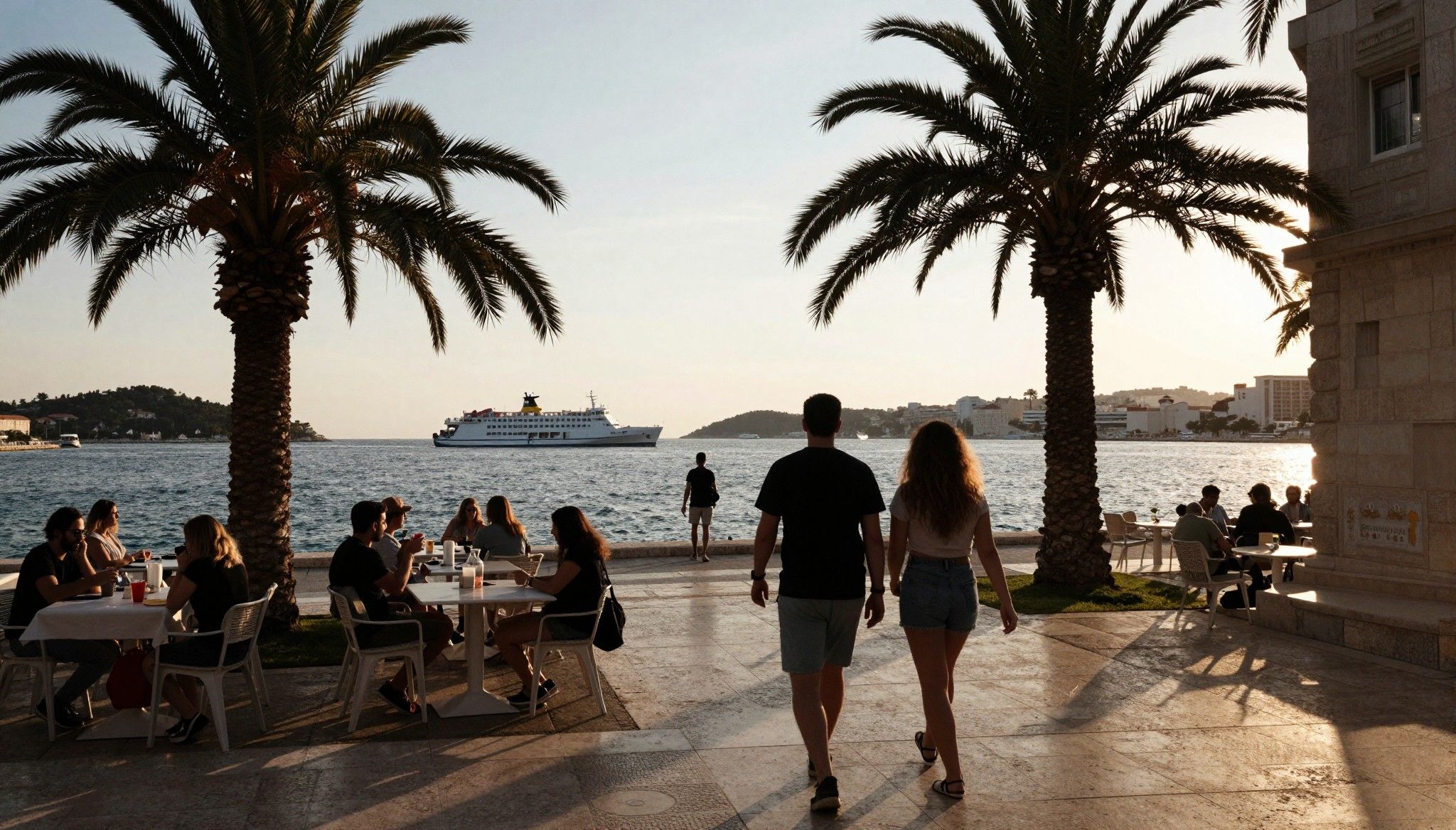
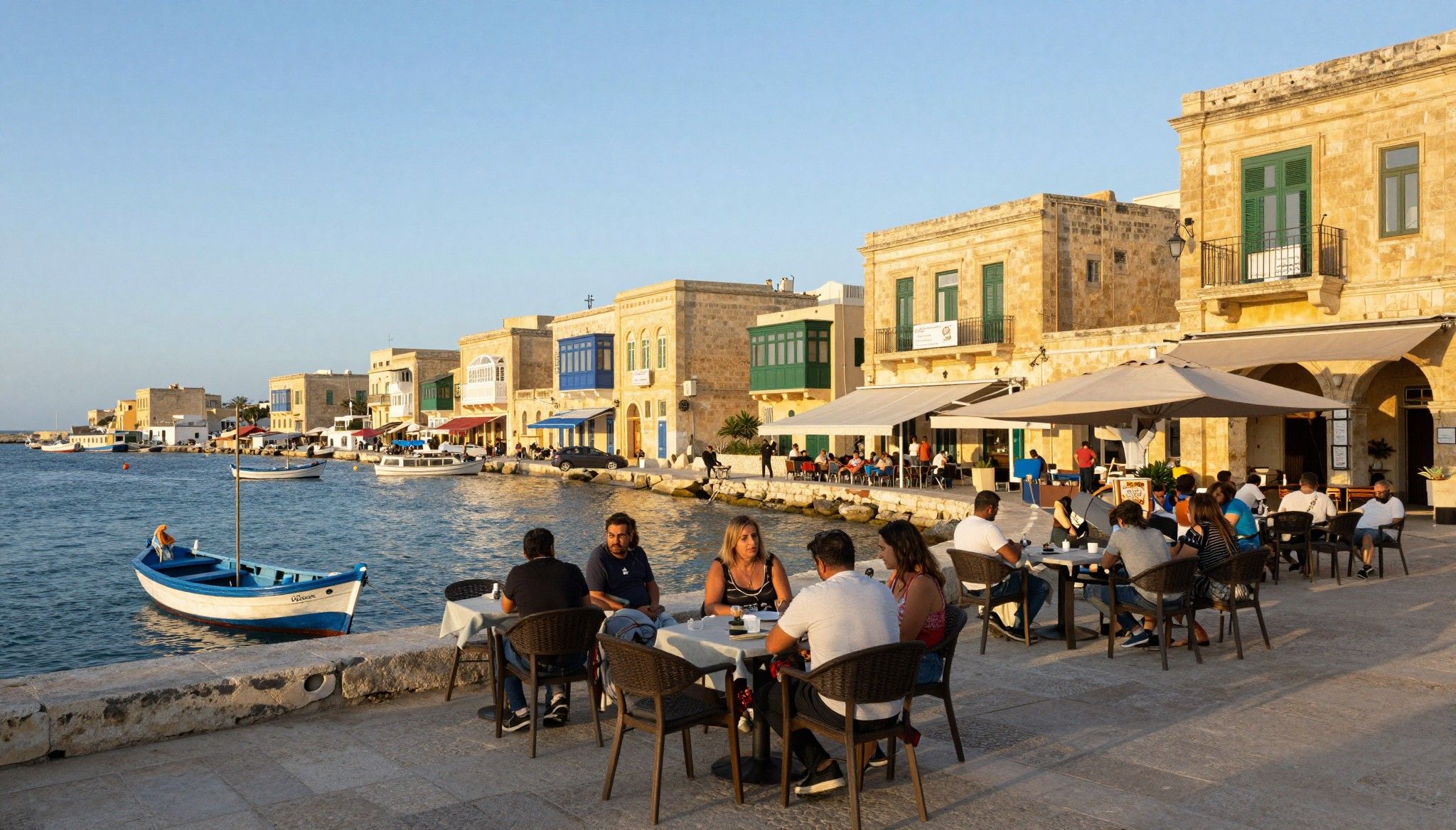
Imagine stepping out at dawn to grab a burek in Zagreb’s Tkalčićeva, then a few weeks later watching fishermen mend nets on a Pelješac quay as late light rims limestone houses. Croatia moves at two speeds: compact, modern city life inland and a slow, sun-baked rhythm along the Adriatic. For many international buyers the decision is as emotional as it is financial — and the legal road under that romance matters as much as the view.
Living the Croatia life: coastal mornings, city winters
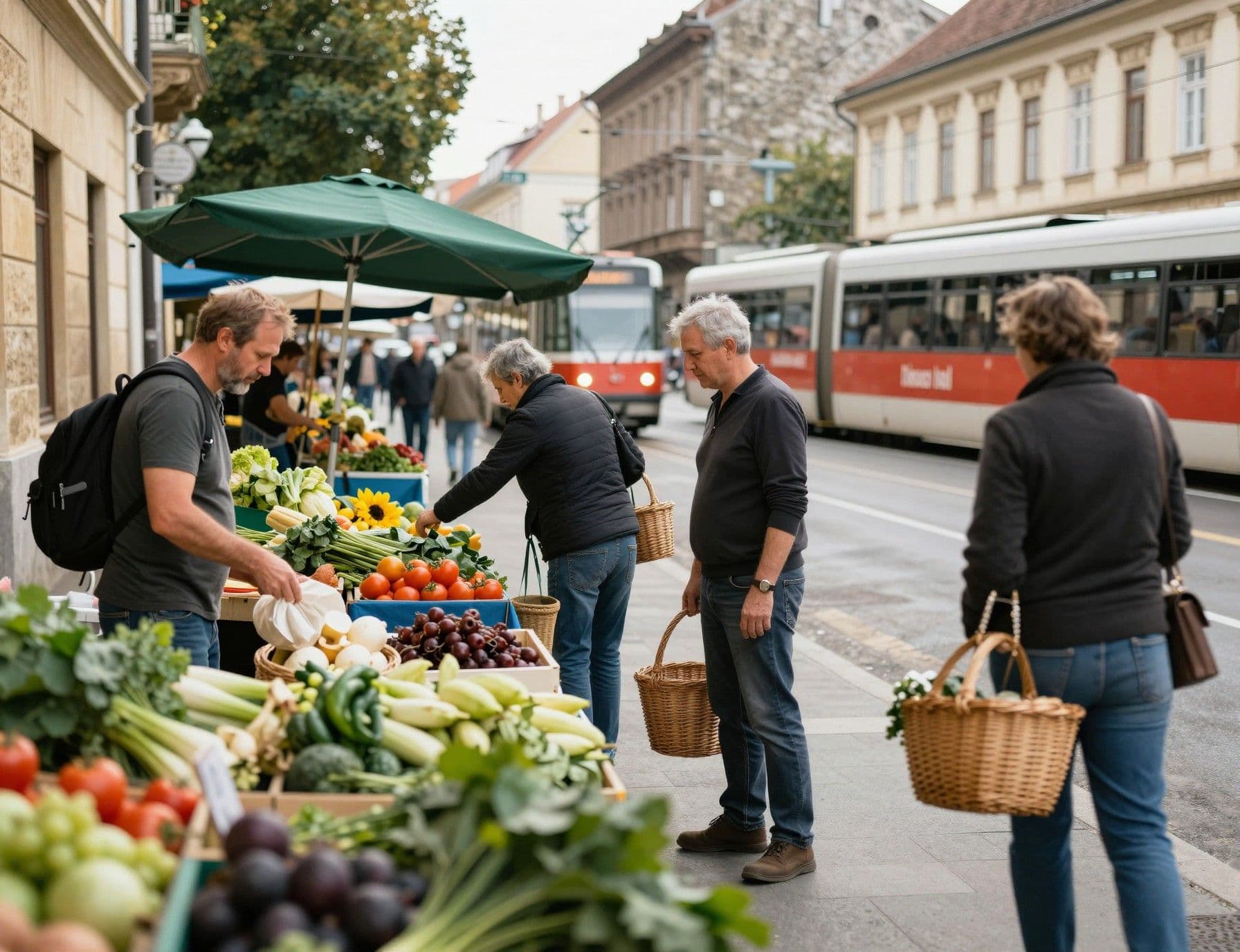
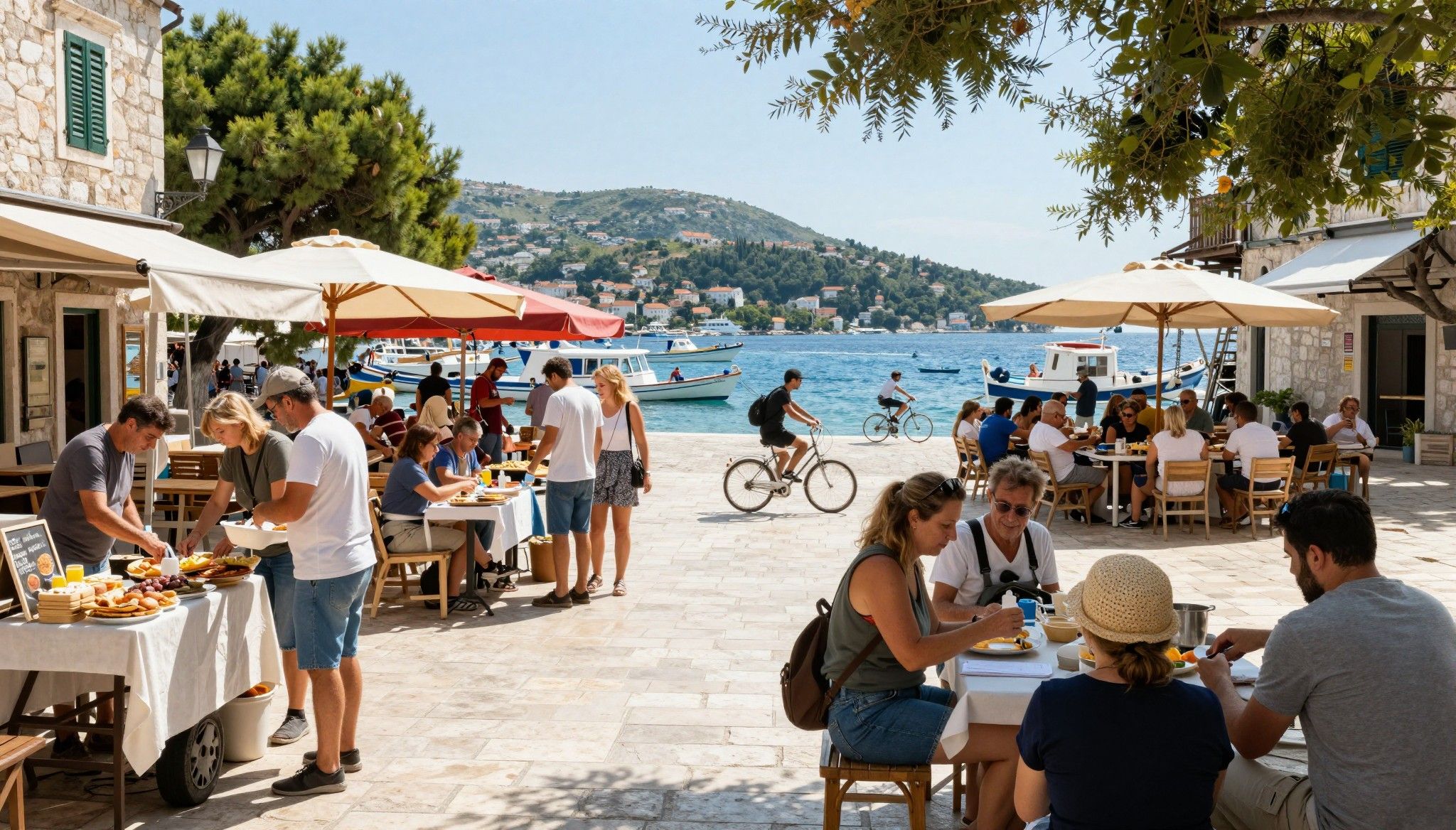
Croatia’s daily life is convincingly local. In Split you’ll learn café names by the baristas; in Dubrovnik tourists arrive early, but locals still meet in tucked-away konobas on the hill. Zagreb offers a compact cultural calendar — galleries, markets, and evening concerts — while Istria and Dalmatia give you an outdoor life: olive groves, island-hopping and late-night promenades that stretch into cicada-lit summers.
Neighborhood spotlight: Zagreb’s Lower Town to Split’s Veli Varoš
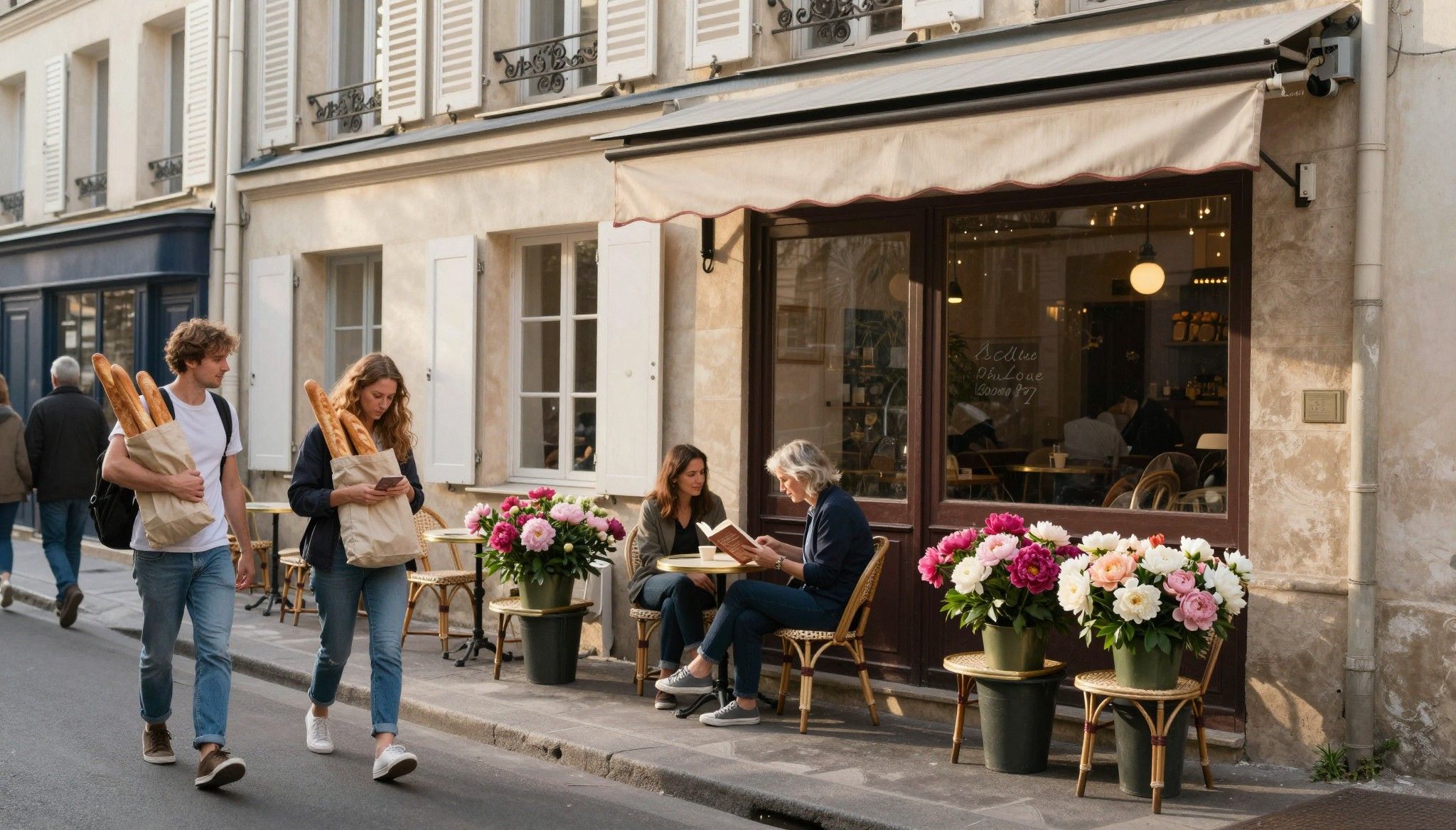
Lower Town (Donji grad) in Zagreb is the rhythm of everyday urban Croatia — tram stops, bakeries, and leafy squares where your morning coffee tastes like membership. Veli Varoš in Split feels entirely different: stone alleys, terraces that tilt toward the sea and neighbours who’ll invite you to a last-minute squid roast. These are the micro-places that decide whether you’ll thrive here long term.
Food, markets and seasonality: life by the calendar
Weekends are market days — Dolac in Zagreb, Pazar in Split — and that shapes how you live: small kitchens, fresh shopping, sociable terraces. Seasonality also drives prices and availability: coastal properties spike with summer demand, but inland towns offer steadier year-round community life. Practical note: tax and residency rules (and how you plan to use the home) should be aligned with your seasonal intentions from day one.
- Dolac market (Zagreb); Riva promenade (Split); Ploče ferry to islands; Trg od Baluna (Pula street food); Ston oysters and Pelješac wines; Kamenjak cliffs (Istria)
Making the move: practical considerations that preserve the lifestyle
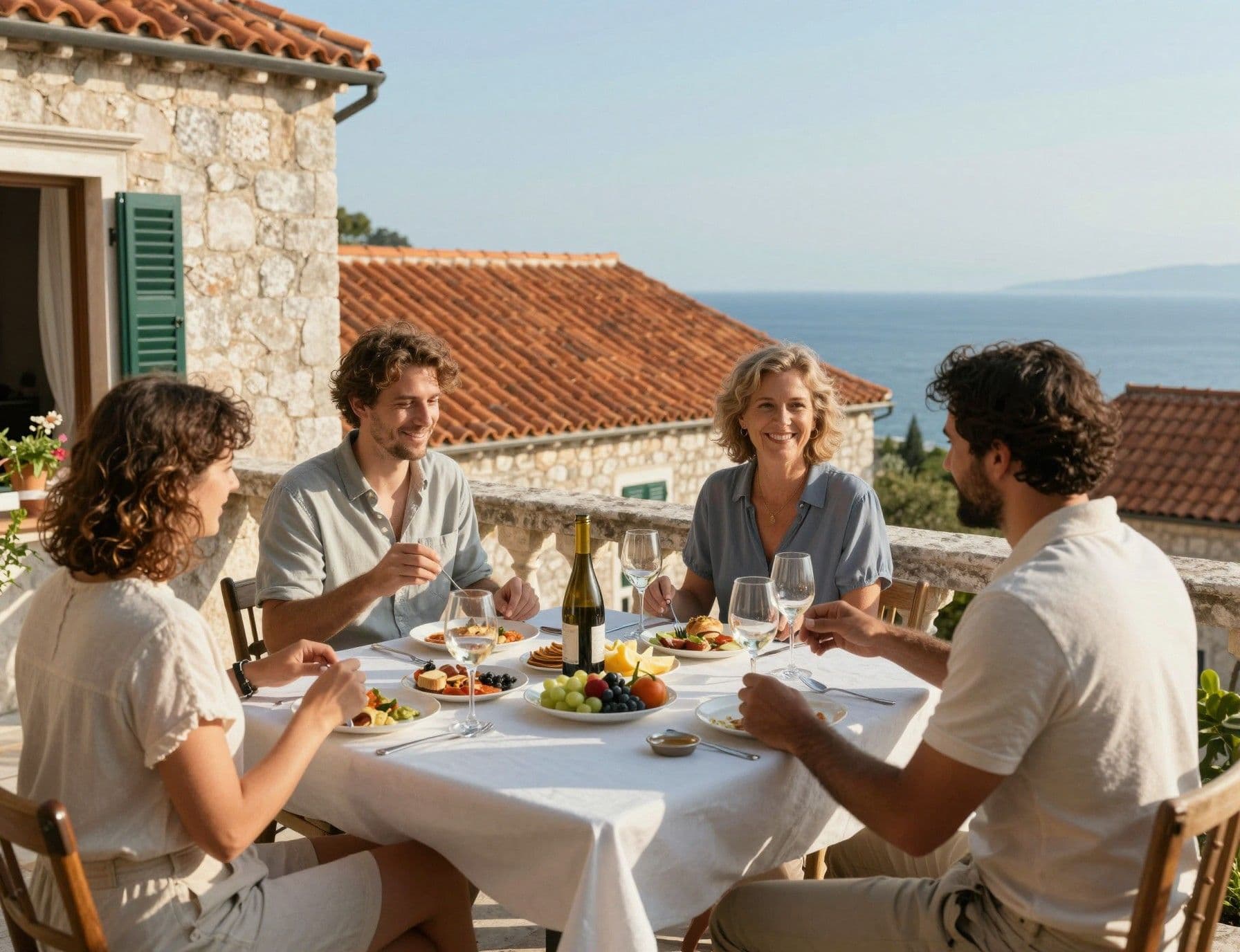
The dream of terraces and stone streets meets a dynamic market. Croatia’s house prices have been rising — especially along the Adriatic — so timing and type matter. Official data shows steady upward pressure in recent quarters, concentrated in coastal counties and Zagreb. That means buyers who prioritise lifestyle should be pragmatic about price growth and liquidity when choosing exact neighbourhoods and property types.
Property styles: stone houses, new builds, and converted villas
Stone Adriatic houses sell the lifestyle: high ceilings, small courtyards and terraced roofs. New-builds inland give modern insulation and easier maintenance during Croatian winters. Converted historic properties offer charm but frequently need structural and permit checks — and those checks are where cost planning wins or loses. Think about how you actually want to live: a big terrace for summer evenings or a well-sealed flat for winter comfort?
Working with local experts who know both life and law
An agent who can point to the best corner kafana and the exact notary who handles foreign buyers is worth the fee. Non-EU buyers often need reciprocity confirmation or ministerial consent; EU citizens enjoy near-equal rights. Your team should include a bilingual lawyer, an agent with on-the-ground knowledge, and a notary familiar with foreign purchaser paperwork — that trio keeps the lifestyle promise intact by preventing legal surprises.
- Confirm reciprocity/permissions for non-EU buyers; Check whether VAT or transfer tax (3%) applies; Verify building permits and utility connections; Ask about seasonal running costs and property management options
Insider knowledge: myths, red flags and the unspoken local rules
Myth: ‘Coast is always better value.’ Truth: coastal properties carry liquidity and seasonal premiums — you buy the summer economy as much as the stone house. Red flag: sellers who can’t produce a final use permit or clear cadastral extract. The unspoken rule here is to treat local paperwork as storytelling — it tells you how a place has been used, by whom, and how it will stand up to your lifestyle plans.
Tax reality-check: transfer tax, VAT and the new real estate levies
Plan for a 3% real estate transfer tax unless the sale is VAT‑able (new builds sold by VAT‑registered sellers). From 2025 some municipalities and national measures have introduced new levies and reporting requirements, so always confirm the latest local charges. For rental plans, declare income and check short‑term rental rules — compliance keeps the kitchen-open terraces feeling like a business, not a headache.
Red flags to stop the sigh-and-sign moment
- No clear cadastre extract or multiple owners listed; Missing or provisional use permit for recent renovations; Utilities not connected or disputed access routes; Unclear boundaries with coastal public domain; Vague rental history when you plan to let the property
Steps to protect the life you’re buying: insist on property‑level searches, ask for official cadastral extracts (Izvadak iz zemljišne knjige), have a lawyer review the notarial contract in English and Croatian, and budget for a localized property manager if you won’t be resident year-round. These steps are small compared with the cost of discovering a disputed access road after you’ve moved in.
What expats wish they’d known: community, language and the long view
Expats tell us the social payback in Croatia is high: a welcome coffee turns acquaintances into invitations. But take the long view — population decline in some rural areas affects services and resale prospects. If you want sustained community life, look for towns with year‑round economies (Zagreb, Rijeka, larger Istrian towns) or cluster near established expat nodes on the coast.
Long-term lifestyle and resale: thinking beyond the first season
Properties closest to services — grocery, medical clinic, ferry link — tend to retain demand even in slow markets. Consider energy efficiency and insulation for winter months; a well-upgraded property sells easier than a romantic ruin. Also, document your local networks: gardeners, cleaners and a property manager are the infrastructure that keeps the life you fell in love with.
- Decide if year-round life or summer income matters more; Secure legal checks (cadastral, permit, owner history); Confirm tax outcome (VAT vs transfer tax) before signing; Line up local management/maintenance before completion
If you’re ready to imagine Croatia as home, treat the process like crafting a life, not just executing a transaction. Start by visiting neighbourhoods at different times of year, ask direct questions about paperwork, and assemble a local team that values the life you want as much as the sale itself. When lifestyle and paperwork match, that harbour-side espresso feels permanent.
Swedish expat who moved from Stockholm to Marbella in 2018. Specializes in cross-border legal navigation and residency considerations for Scandinavian buyers.