Italy's Urban Hubs: Fall for Rhythm, Check the Market
Fall for Italy’s city rhythms — then match neighbourhood life to market reality. Data from Istat, Nomisma and market analysts show uneven rises; location matters more than headlines.
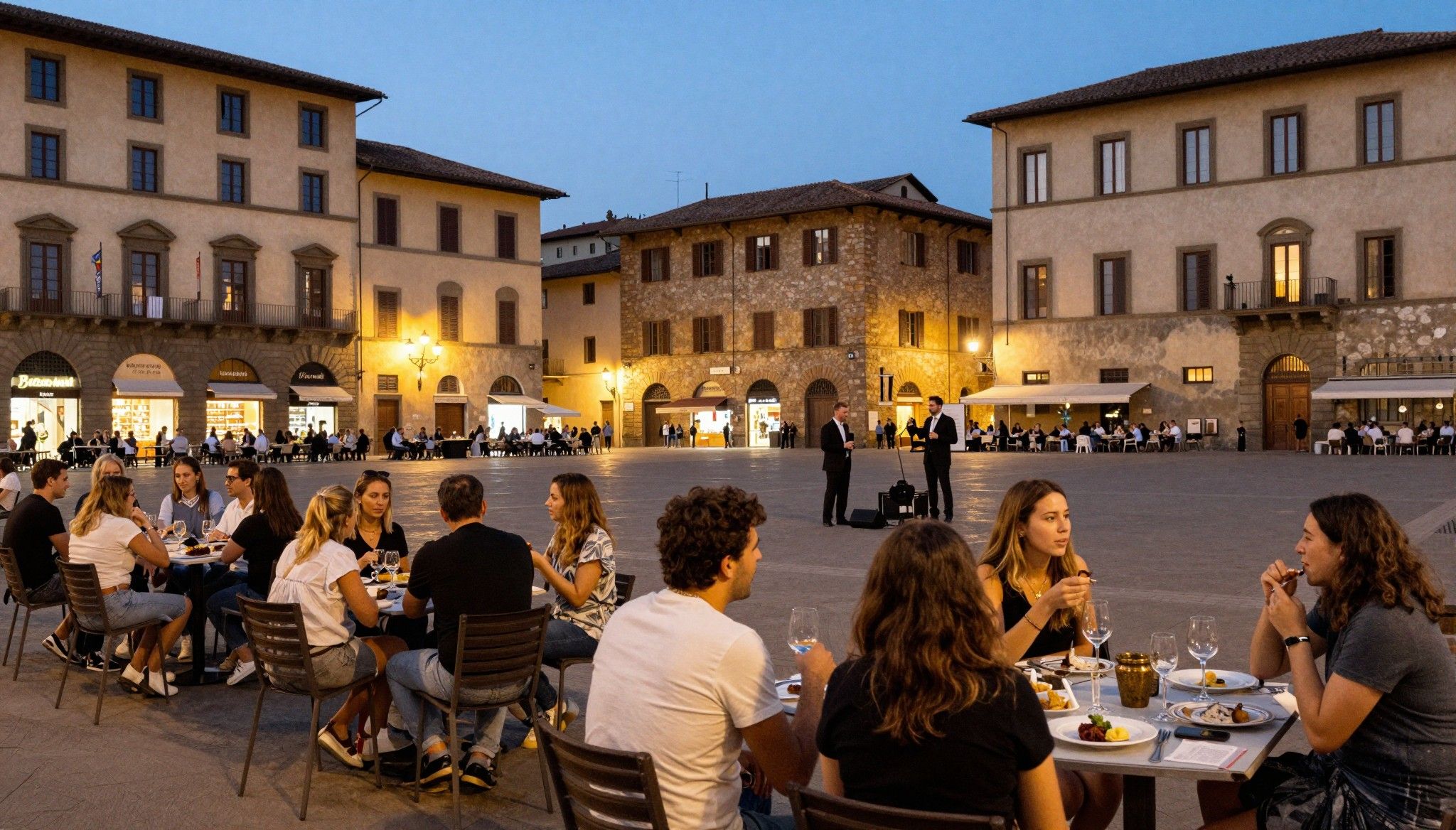
Imagine waking to the smell of espresso and warm focaccia, stepping onto a narrow street in Trastevere or a sunlit Corso in Milan where life moves at an elegant, unrushed pace. That sensory first impression is why people fall for Italy — but falling in love and buying are different acts. We start with the life: markets, neighbourhood rhythms, cafés and markets — then ground each desire in the market realities you’ll meet as a buyer. Recent national data show prices are moving again, but the story is uneven between city centres and provinces.
Living the Italian Urban Life
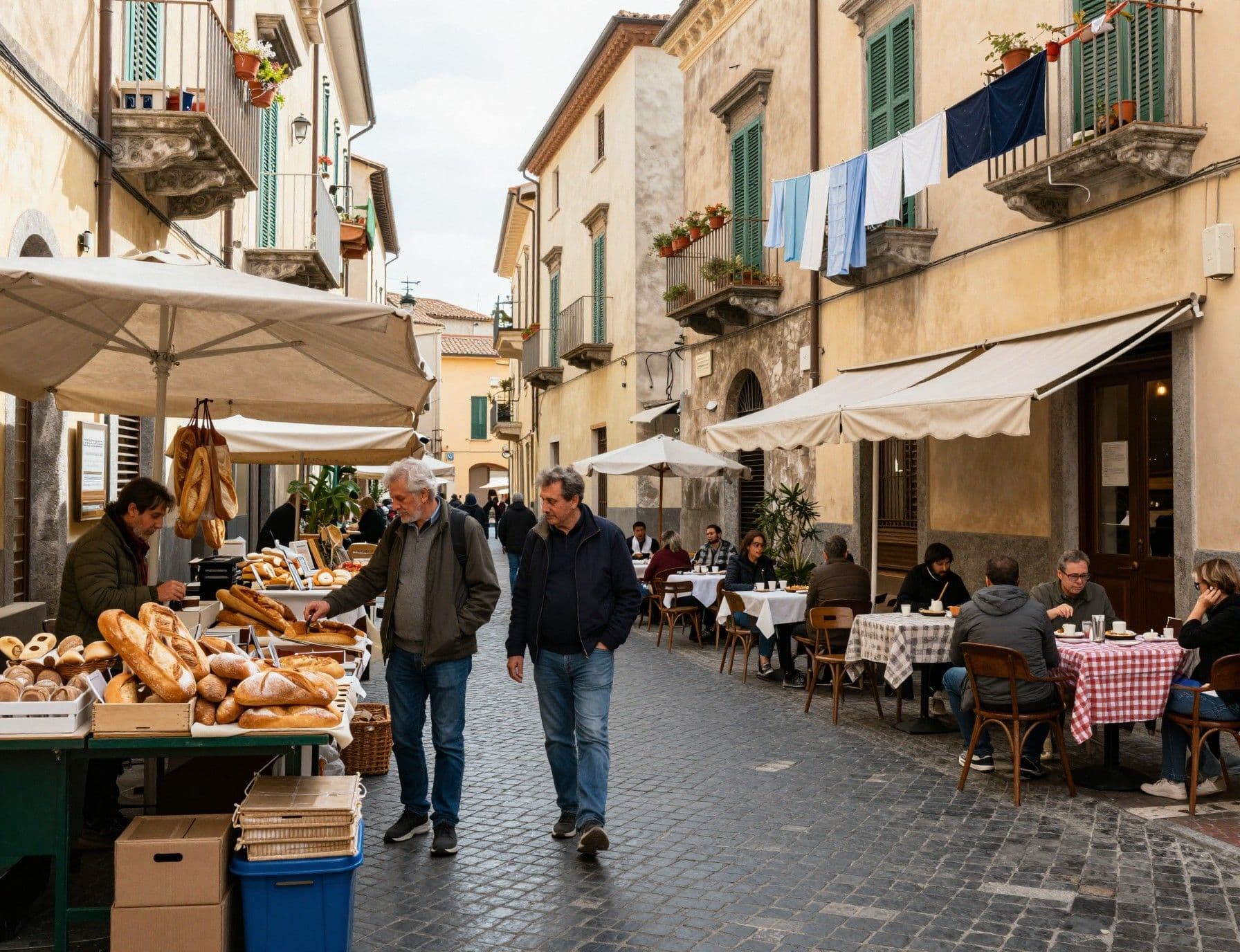
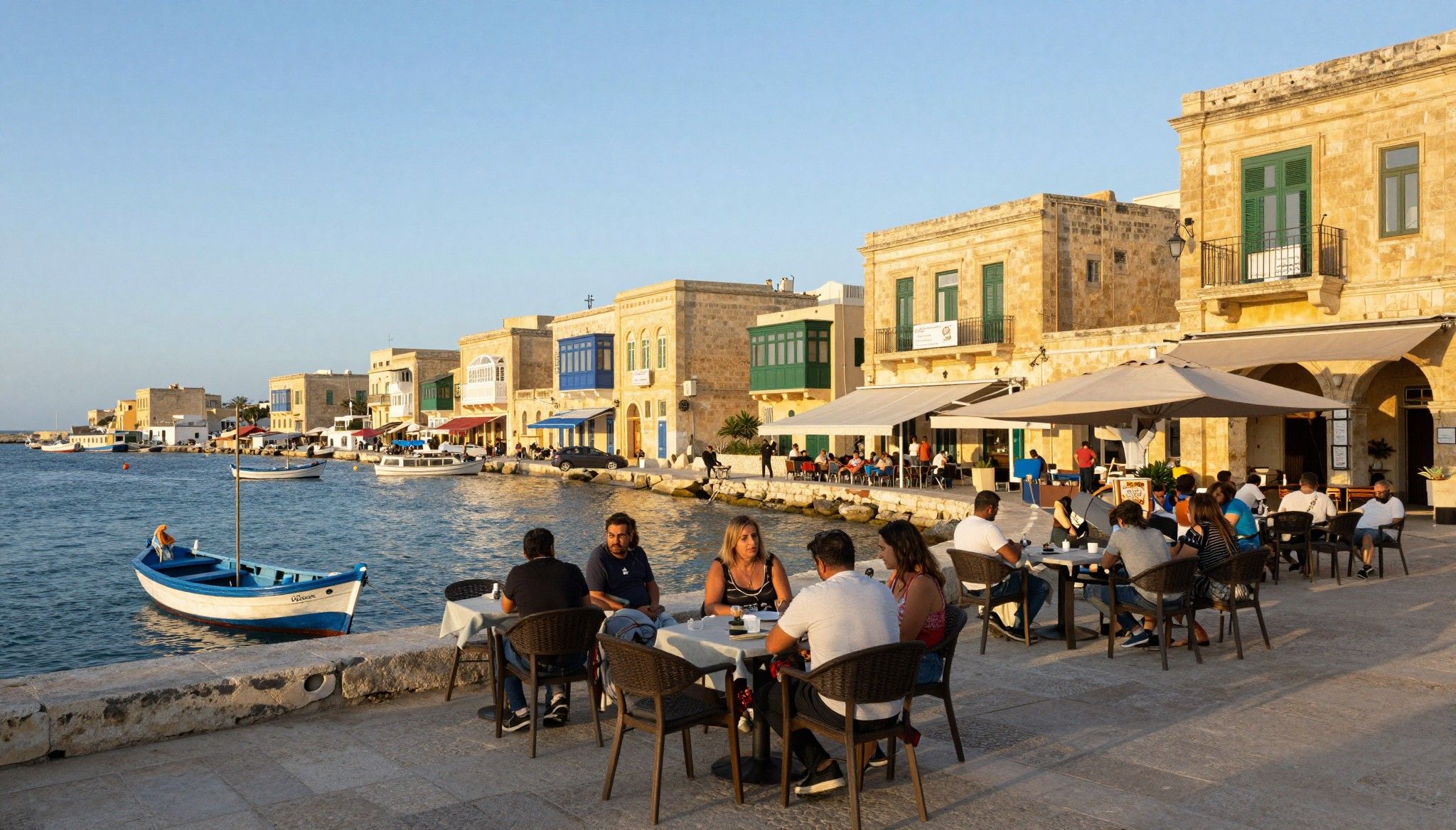
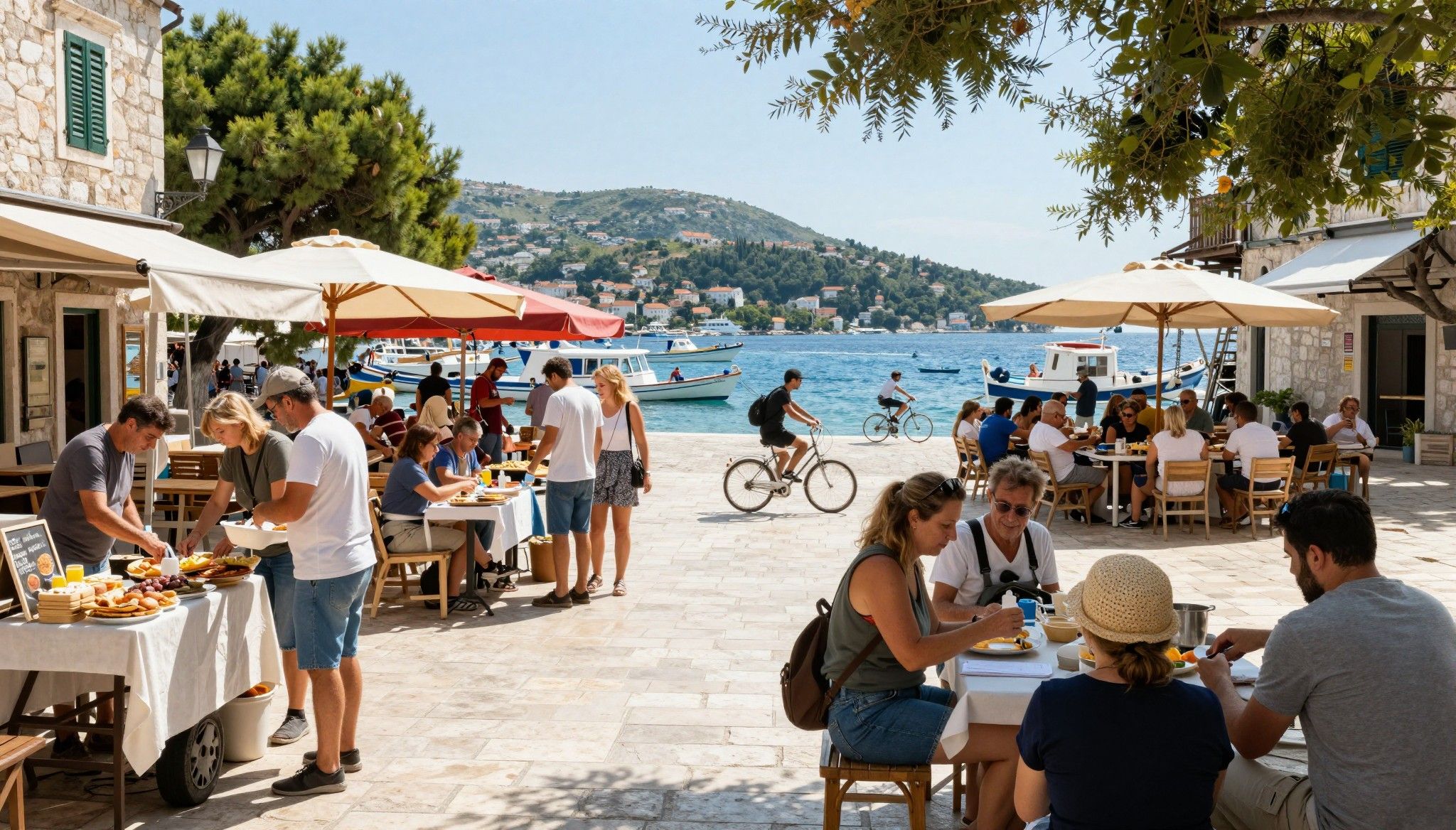
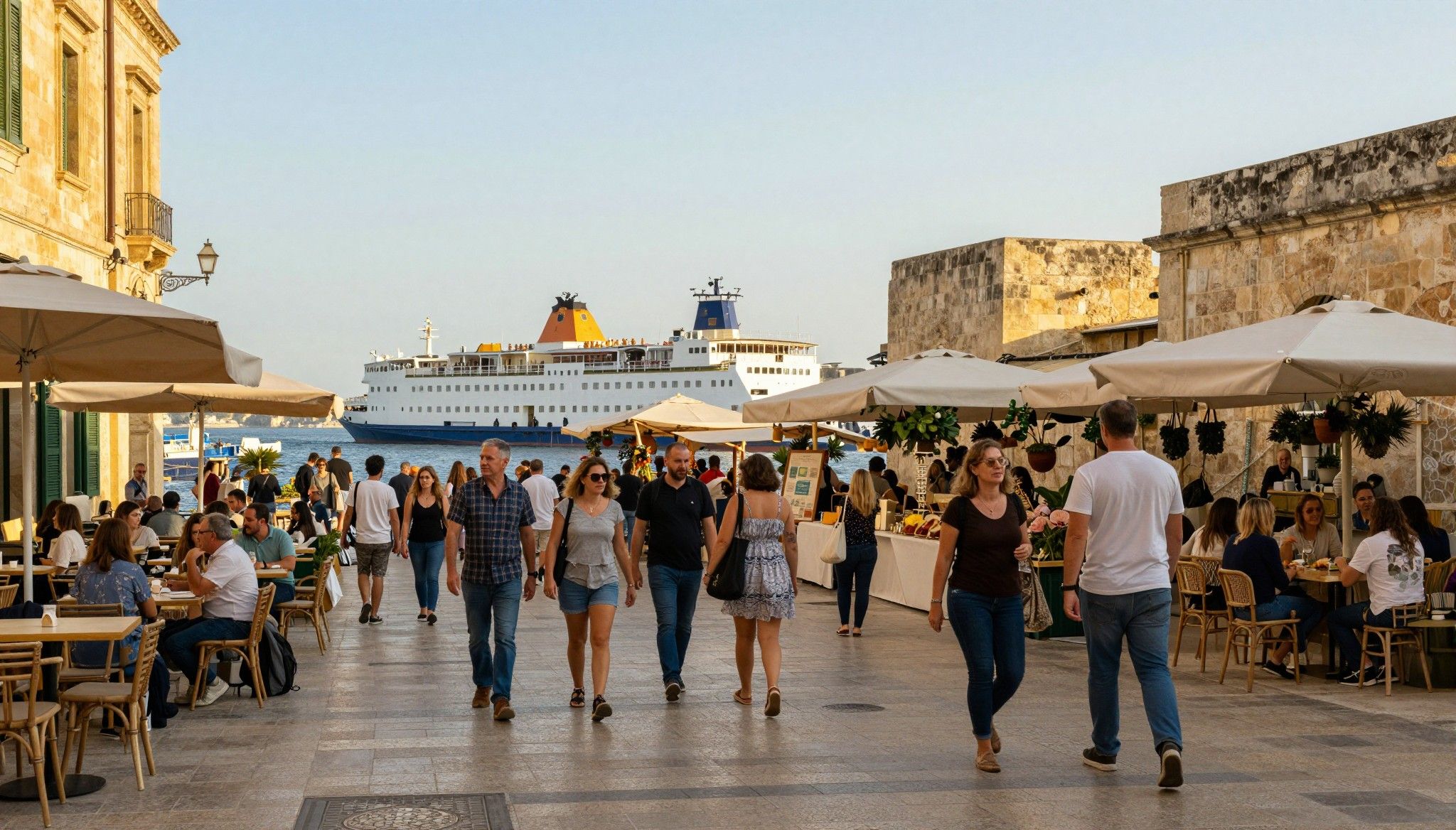
Italy’s cities each have a character you can taste. Milan is business-dressed and architecturally modern; Rome folds ancient ruins into daily life; Bologna hums with university energy and food markets; Naples has a theatrical coastline and chaotic charm. Walking morning routines — espresso at the bar, a quick news check on your phone, baker heading to market — repeat across cities but with their own accents. For international buyers, choosing a city means choosing a daily rhythm more than a price point.
Milan: Work, design and staged public life
In Milan, mornings near Brera feel like a curated set, with espresso culture rubbing shoulders with design showrooms. Porta Romana and Isola offer quieter residential streets with cafes where locals know your order. The city’s market is pricier per square metre — but many buyers accept a smaller apartment for better access to coworking, galleries and transit. If you want the buzz of commerce and a compact life, Milan rewards daily convenience.
Rome & Naples: History, noise and generous streets
Rome’s rioni like Monti or Prati mix cobblestones, aperitivo terraces and an almost theatrical public life. In Naples, the historic centre and Chiaia give you dramatic sea views and lively street markets — days are louder and more spontaneous. These cities give you space to live inside history, but that means accepting quirks: older buildings, uneven maintenance and local paperwork that moves at a different tempo.
- Lifestyle highlights: Mercato di San Lorenzo (Florence) for food evenings; Aperitivo on Navigli (Milan) and Trastevere terraces (Rome); early-morning fish stalls in Naples' Pignasecca; Saturday artisan markets in Bologna; coastal swims at Posillipo and Val di Susa mountain escapes — all short trips from major hubs.
Making the Move: Practical Considerations

You can love the street life and still need a clear plan. National reports from market analysts point to slowing transaction growth and regional differences — prices rose in many areas during 2024–25 but activity and direction depend on local demand, mortgage rates and regeneration projects. Translation for buyers: pick a neighbourhood with sustained demand, not just a postcard view.
Property types and what they actually deliver
Old-town apartments give proximity and character but often require renovation and modern systems; modern developments offer energy performance and amenities but can sit outside the most desirable walkable cores. For remote workers, a two-bedroom with a balcony in a well-connected suburb often beats a tiny city-centre studio — you’ll live more and host more. Consider ceiling height, natural light and heating systems as lifestyle features, not technical afterthoughts.
Working with local experts who know the life you want
An agent should be your cultural translator: pointing to where the neighbourhood shops close, which streets flood in heavy rain, where the morning market keeps its best vendors. Ask agencies for client references from your home country, examples of off-market searches, and evidence of local due diligence. A good local team saves you both time and a lot of avoidable headaches.
- Steps that blend lifestyle and practical checks: 1) Visit the neighbourhood at different times of day to confirm tempo and noise. 2) Verify building records and condominium minutes for maintenance issues. 3) Ask for recent energy certificates and a plumbing/electrical report. 4) Confirm public transport and grocery access versus weekend escape options. 5) Run a rental-demand check if you plan to rent when not in Italy.
Insider Knowledge: Expat Reality and Seasonality
Expats often say the surprise is how seasonal urban life is. Rome and Naples have off-season calm and festival spikes; Milan pulses during trade weeks and is quieter in August. National statistics show rising prices in many quarters but with big city-by-city variation — your timing matters less than choosing the right micro‑location within the city.
Cultural integration, language and daily rituals
Learning basic Italian pays immediate social dividends: baristas remember you, neighbours open doors to local suppliers, and you’ll decode municipal notices. Join a neighbourhood association or market loyalty circle; these are faster paths to belonging than formal expat groups. Expect bureaucracy to be slower than you’re used to — patience and a local fixer (legal or agency) are not luxuries, they’re practical tools.
Long-term lifestyle decisions that change finances
Think beyond the purchase: maintenance of older stock, condominium rules, and municipal taxes vary and influence total ownership cost. Cities investing in regeneration (Milan, parts of Turin and Naples waterfronts) can lift neighbourhood value, but expect slow, multi‑year change. If longevity of lifestyle matters, prioritise walkability, green space access and healthcare proximity over short-term price swings.
- Red flags we watch for: missing or incomplete cadastral documentation; overdue condominium levies; unresolved building permits for alterations; energy certificates older than five years; neighbourhoods with high vacancy and few daytime services.
We’ve shown buyers apartments in cobbled streets that gained value for lifestyle reasons and suburban builds that failed to deliver weekly pleasures. The practical next steps: shortlist three neighbourhoods by lifestyle fit, visit in person outside tourist season, and ask your agency for a local comparables report plus recent condominium minutes. If you want us to look at options that match a life of market mornings and evening passeggiata, we’ll start there.
Danish investment specialist who relocated to Costa del Sol in 2015. Focuses on data-driven market timing and long-term value for Danish buyers.