France’s Price Story: Where Headlines Overstate Cost
France isn’t uniformly expensive — regional, seasonal and feature-driven data show pockets of value. Match lifestyle priorities with local price trends to buy smarter.
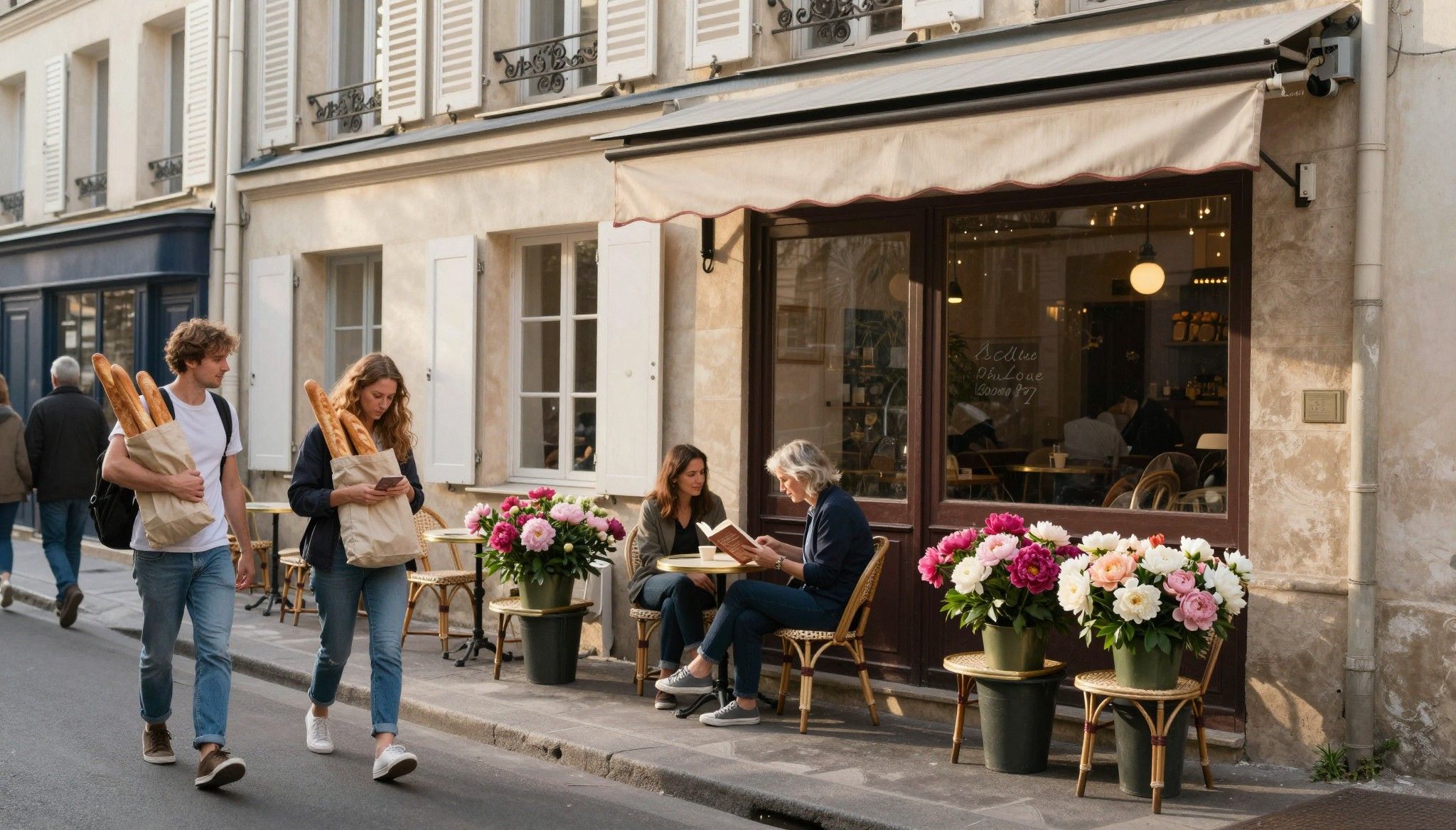
Imagine a Sunday morning at Marché d'Aligre, a café chair scraping on cobbles, the smell of warm baguette and roasted coffee rolling down the Rue du Faubourg Saint-Antoine. Now imagine that same feeling in a stone farmhouse outside Angers, or a sunlit apartment above the port in Nice. France is not one market: it is a thousand rhythms, prices and priorities — and headlines that lump them together often mislead international buyers.
Living the France lifestyle
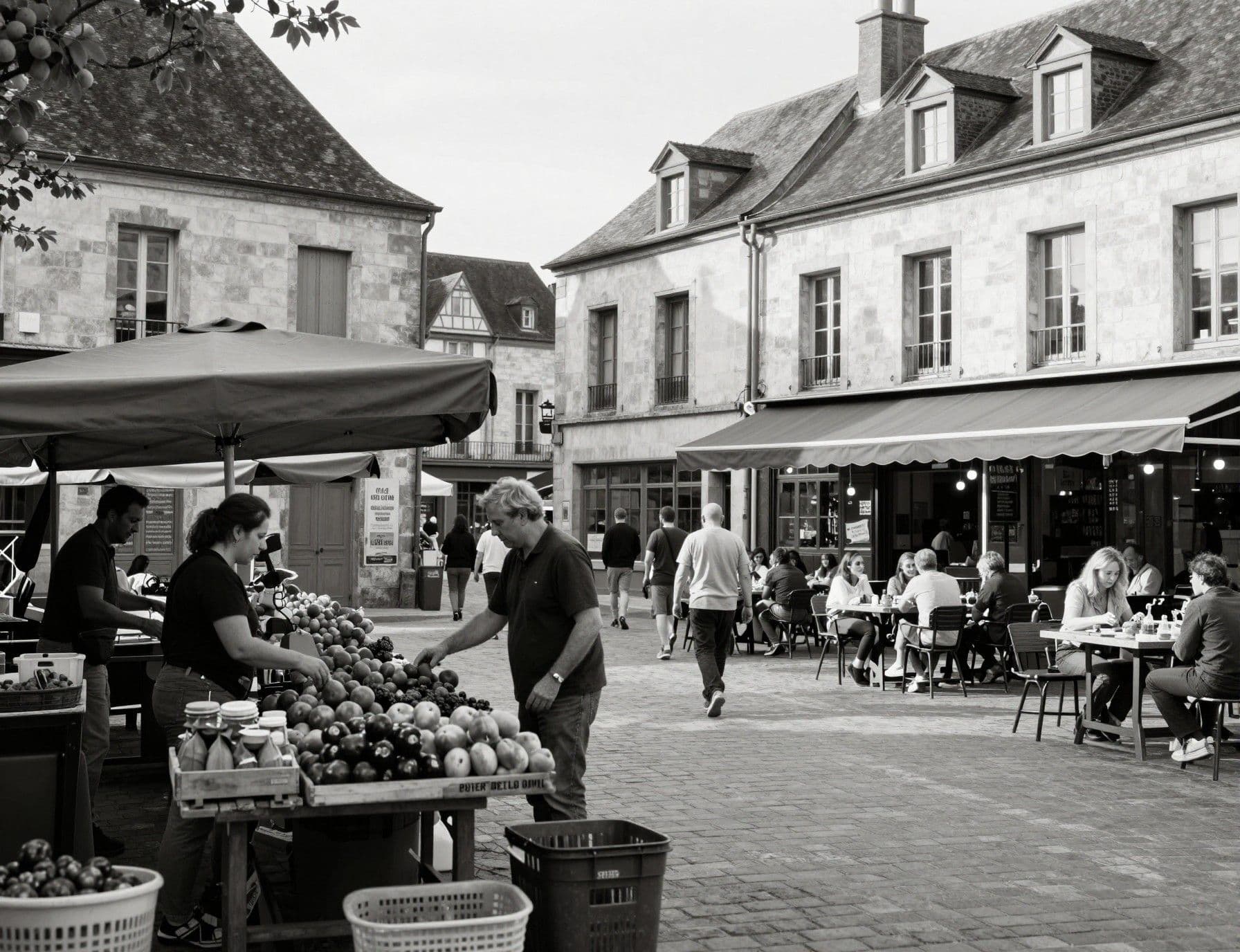
France's everyday life is sensual and slow in all the best ways: market mornings, midday pauses, late dinners. In Paris the day starts with espresso and ends with a stroll along the Seine; in Biarritz it's surf at dawn then seafood for lunch. These rhythms shape what buyers want: a kitchen for markets, a balcony for aperitifs, insulation for damp winters in older stone houses. The lifestyle you chase determines the segment you should study — not national price averages.
Neighborhoods that tell the story
Paris’s 11th arrondissement still hums with bistro life and smaller flats that suit owners who want community over trophies. On the Côte d’Azur, Nice’s Liberation district has markets and wide boulevards, while Vieux-Nice is the postcard — both fetch different premiums. In Lyon, Croix-Rousse brings hilltop village energy, while Presqu’île is for urban convenience. Knowing the street-level names — Rue Oberkampf, Place Masséna, Quai Fulchiron — is more useful than citing a national index.
Food, markets and daily life
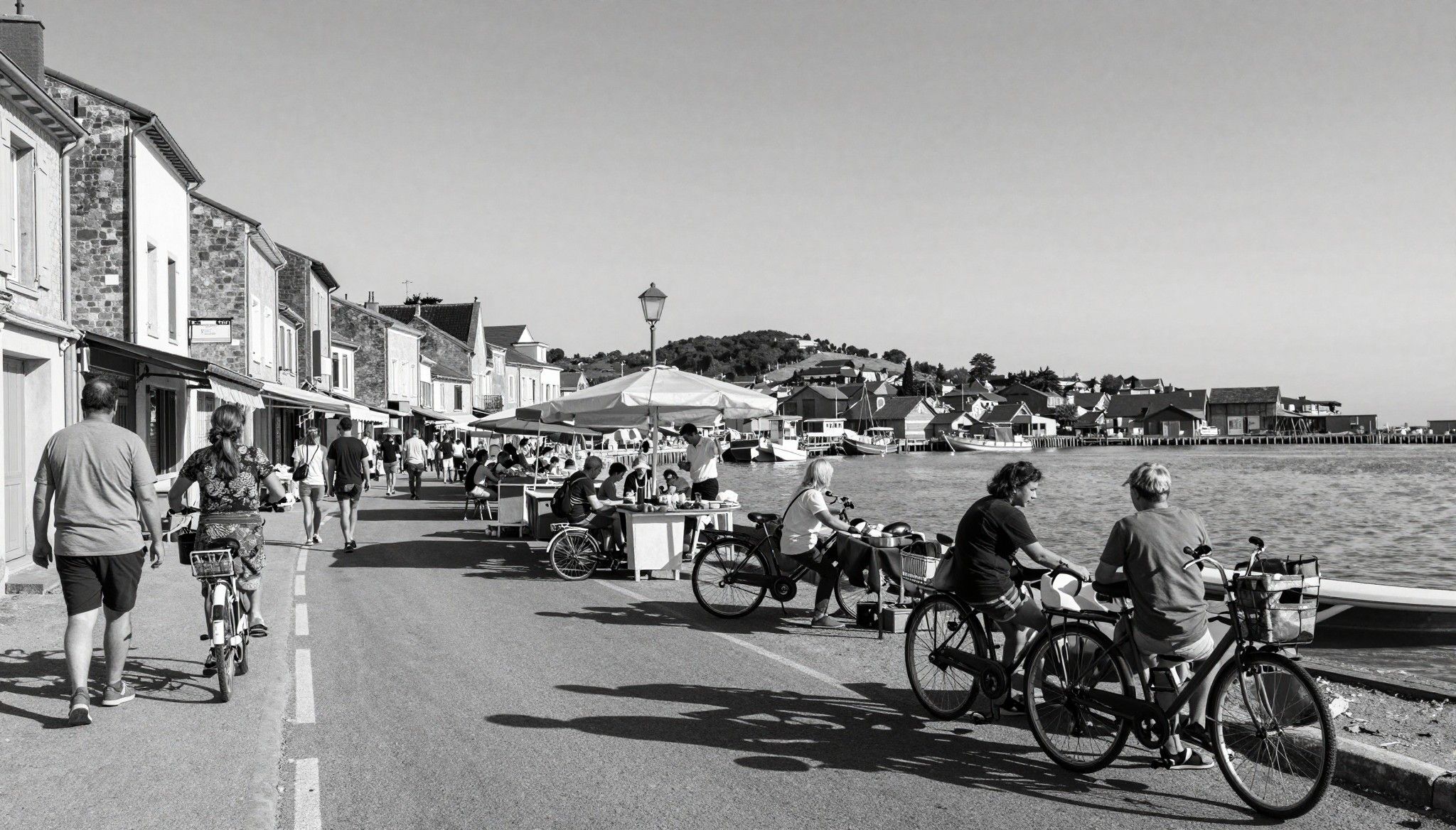
Markets drive routines: plan properties around where locals shop. In Montpellier and Toulouse, neighborhood markets are weekly anchors; in coastal towns like La Rochelle the harbourfront defines weekend life. Festivals — Fête de la Musique in June, village fêtes in summer — shift rental demand seasonally and create short windows for viewings, offers and price movement. Lifestyle patterns, not just mortgage rates, nudge local pricing.
Making the move: practical considerations

National data shows stabilization rather than uniform growth: INSEE and notaries report price recovery in many regions while Île-de-France has seen slower movement. That means your strategy should be regional and feature-led: think thermal comfort in the north, outdoor living on the coast, and energy labels for rental markets. Treat national headlines as directional only — dive into departmental and arrondissement-level figures before making decisions.
Property styles and how they match life
Stone farmhouses come with land and renovation needs; Parisian flats trade space for connectivity; townhouses in Bordeaux blur indoor-outdoor life with courtyard gardens. Choose by habit: if you prize cafés and walkability, a compact apartment in a central arrondissement or a historic centre like Aix-en-Provence will fit. If you want vegetable beds and late sunsets, look at Manche, Dordogne or Lot-et-Garonne where square metre costs can be materially lower.
Working with local experts who know the rhythm
A local agent who knows market seasonality — when the village fête inflates short-term lets or when winter viewings find motivated sellers — saves you money. Good agents bring neighborhood comparables, recent compromis de vente dates and a sense of how long a property will sit. Ask for three local comparables no older than six months and a breakdown of recent sale-to-asking ratios to spot real value.
- Practical tips that balance life and market sense:
- Check energy ratings (DPE): from 2025 rules increasingly affect rental eligibility and resale value.
- Compare price per m² within the same street rather than the whole city — micro-differences matter.
- Factor seasonal demand: coastal towns swell in summer and can depress off-season yields for short lets.
Insider knowledge: what expats wish they'd known
Expats often arrive enchanted, then surprised by small realities: the chore of heating a listed maison de village, the paperwork for subdivision, or the quietness of a neighbourhood in winter. Those are not deal-breakers — they're trade-offs. We recommend living in your chosen area for a month if possible (Airbnb or a long-stay rental) to test noise, light and local services before buying. This is how you align the dream with the day-to-day.
Cultural integration and daily routines
Learning the rhythm of markets and hello rituals matters. Neighborhood cafés and boulangeries are social nodes where you’ll meet neighbors and learn unspoken rules. French bureaucracy can be patient and precise: expect documents, certified translations, and local notary steps. Comfort with this rhythm accelerates settling in and reduces post-purchase surprises.
Long-term lifestyle and investment sustainability
France’s market shows regional resilience: while national headlines call attention to Paris, many departments have returned to sustained gains. Notaires data through 2025 shows transaction volumes and price rises outside Île-de-France, highlighting opportunity in western and southern corridors. For long-term owners, areas with diversified economies and good rail links (Nantes, Rennes, Toulouse) combine lifestyle with market depth.
- A short checklist before you make an offer:
- 1. Verify three local comparables and ask for sale dates not more than six months old.
- 2. Order a recent DPE (energy certificate) and factor in upcoming rental bans on low-rated homes.
- 3. Get a written breakdown of the notaire’s fees, local taxes and any co-ownership (copropriété) charges.
- 4. Build a seasonal calendar of local life (tourist influx, festivals, market days) and test a month-long stay.
Conclusion — keep the romance, do the homework. Fall in love with a street, not a statistic. France gives you markets, cafes, and coastlines that feel personal; treating each micro-market with care protects that feeling. If you want help turning a lifestyle wish into a defensible offer, we’ll connect you with agents who live and work in the neighbourhood you’ve fallen for.
Swedish expat who moved from Stockholm to Marbella in 2018. Specializes in cross-border legal navigation and residency considerations for Scandinavian buyers.