Italy’s Affordable Corners: Lifestyle, Not Price Alone
Italy isn’t uniformly pricey—regions like Abruzzo, Puglia and Calabria offer authentic Italian life at accessible prices. Match lifestyle to property type and hire local experts.
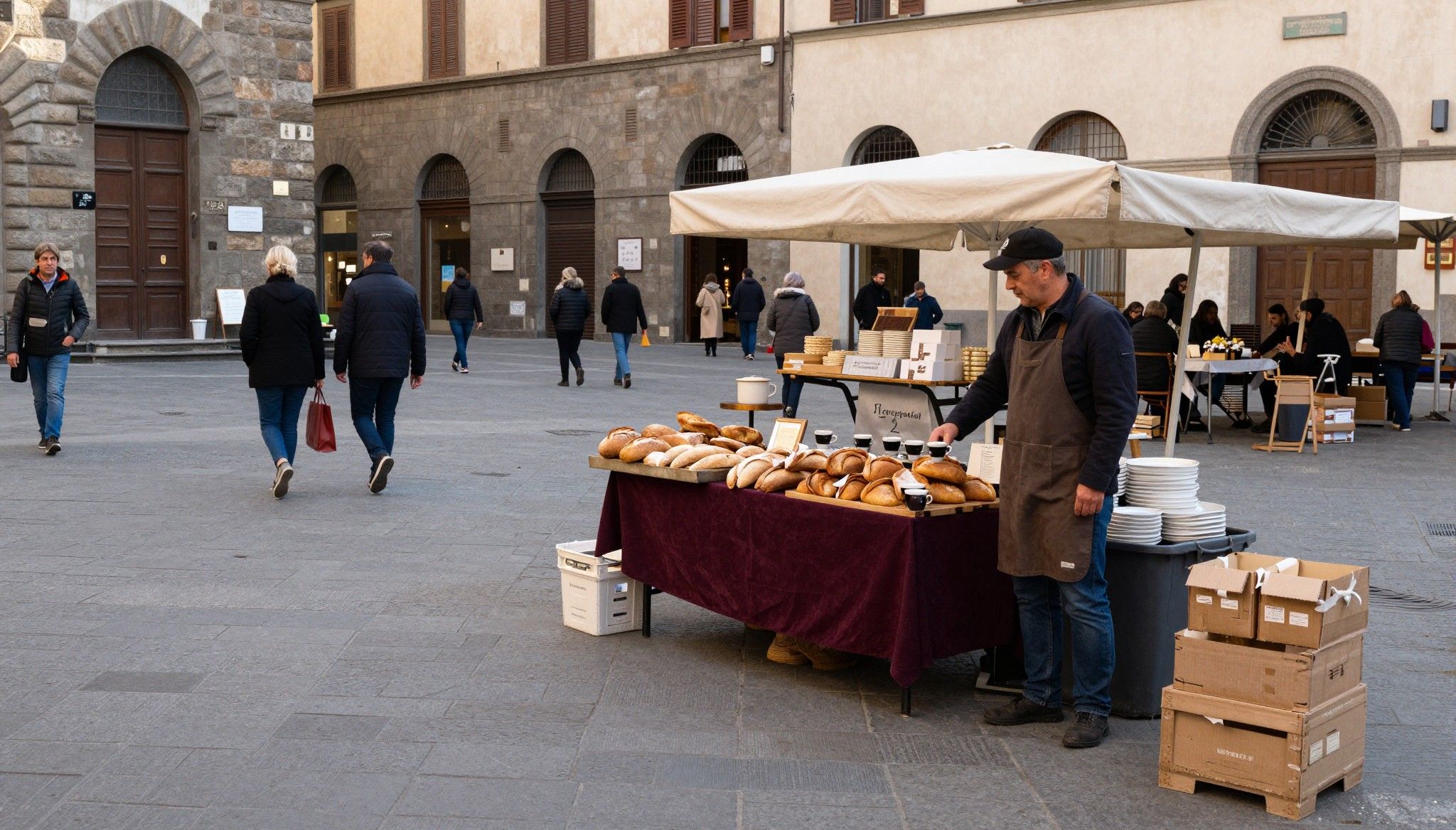
Imagine stepping out at dawn in a hilltown piazza — espresso in hand, light sliding across stone, a baker calling the day to life. That scene is Italy, but not only in Florence or the Amalfi postcard. Over the last 24 months a quieter story has been unfolding: whole regions—Abruzzo, Puglia, Calabria and parts of Sicily—are offering genuine lifestyle upside at prices that still surprise international buyers. We’ll show you where the myths about "expensive Italy" break down and how to match the life you want with the right property type and local partner.
Living the Italy lifestyle — beyond the postcard
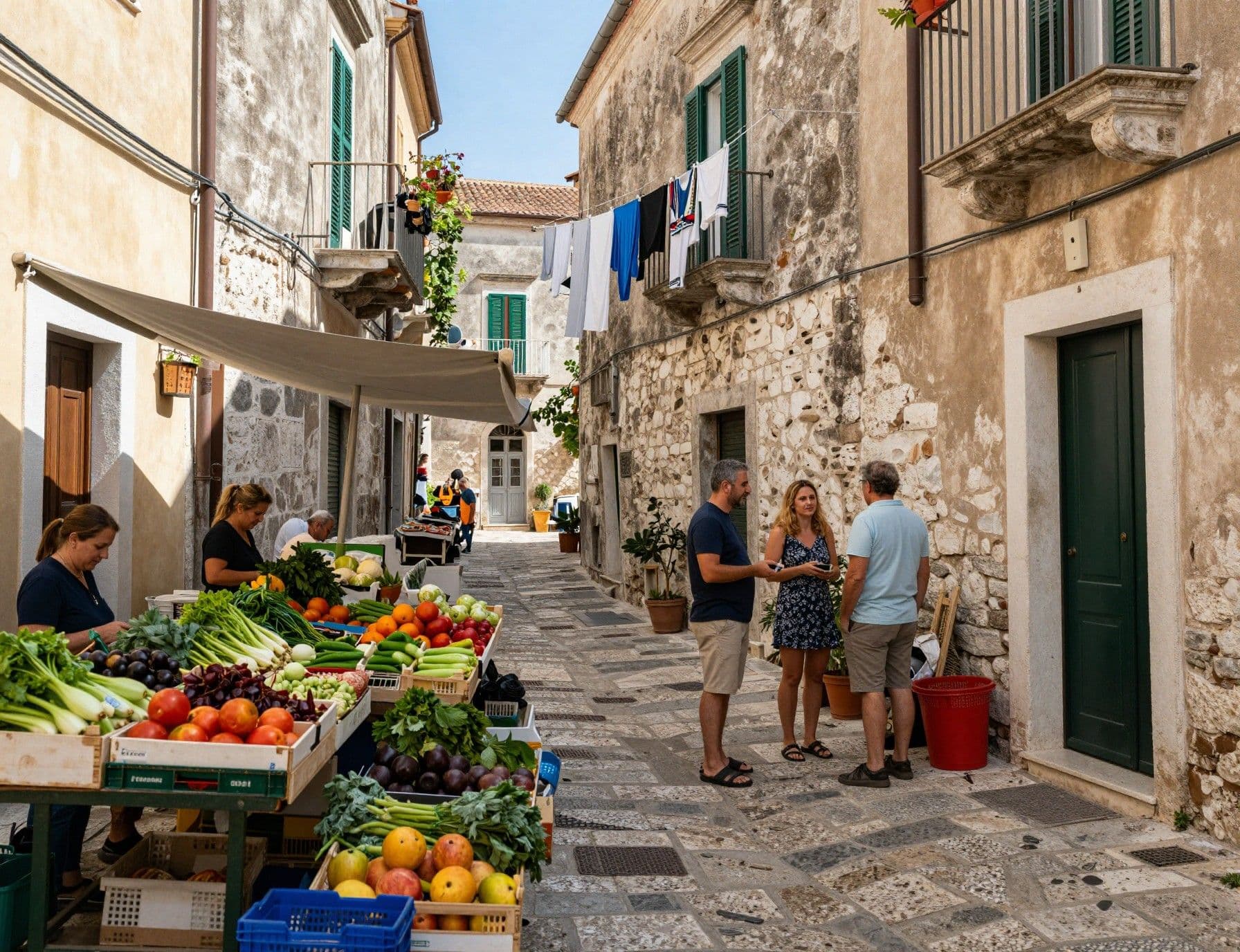
Italy’s daily rhythm is small-scale and sensory: morning markets, long lunches that slow time, and evenings that move from aperitivo to a walk across a piazza. This is true in Liguria and Tuscany — and equally true in Puglia’s trulli towns or Abruzzo’s mountain villages. For many internationals the surprise is not just the quality of life but that it can be had for far less than the coastal headline prices suggest. Regional price dispersion is real: national averages hide large gaps between expensive city neighbourhoods and affordable rural pockets.
Neighbourhoods that feel local (and live that way)
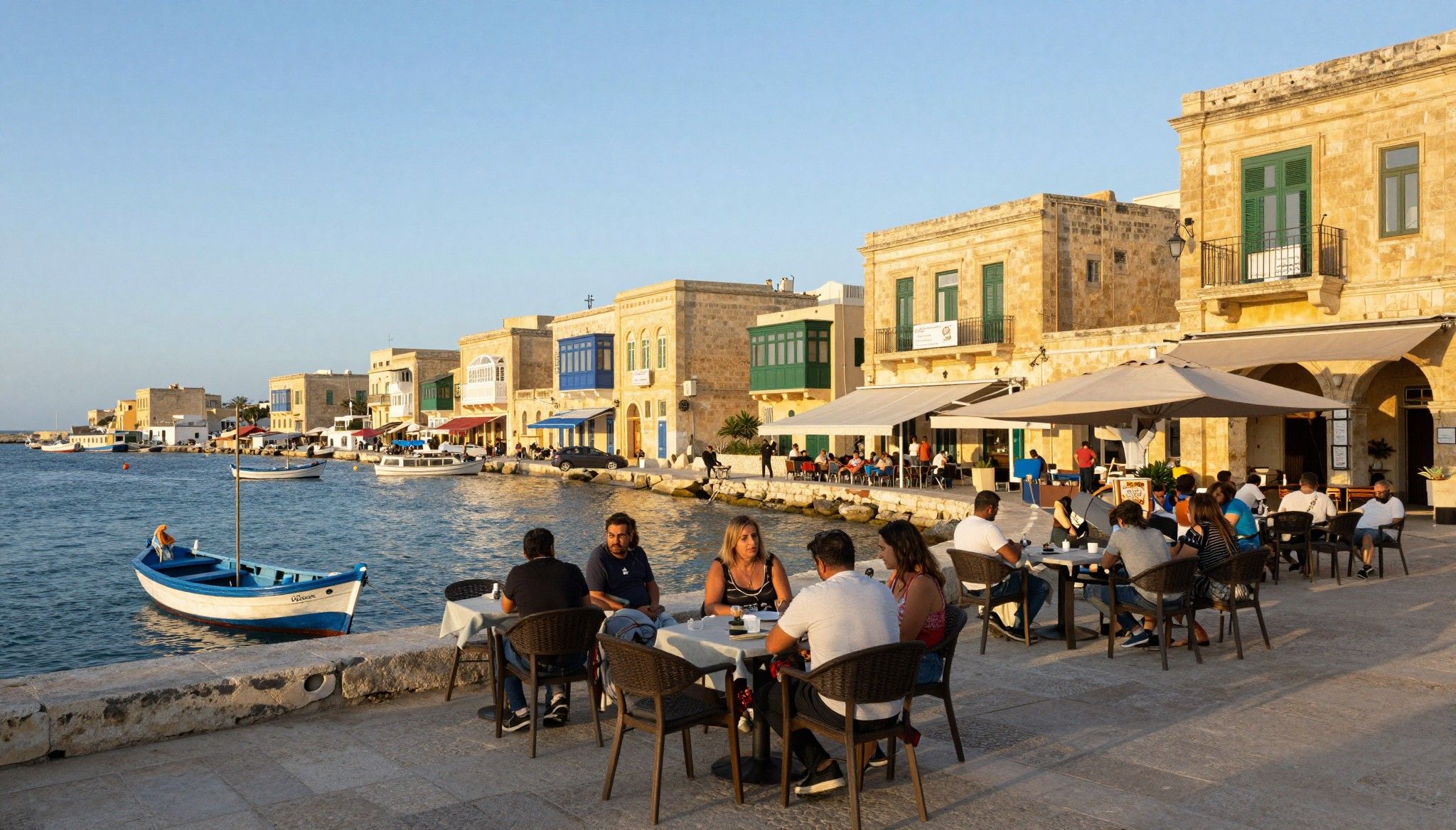
Pick a town and the local rules change. In Lecce and Ostuni (Puglia) you’ll find baroque squares and lively evening passeggiate; in Pescara (Abruzzo) the seafront cafés and surf culture shape weekends; in Tropea (Calabria) cliffside beaches meet tight historic lanes. These places are not empty tourist sets — they sustain bakeries, schools and year-round life. That permanence is what makes them compelling for buyers who want community, not a seasonal rental schedule.
Food, markets and the weekly ritual
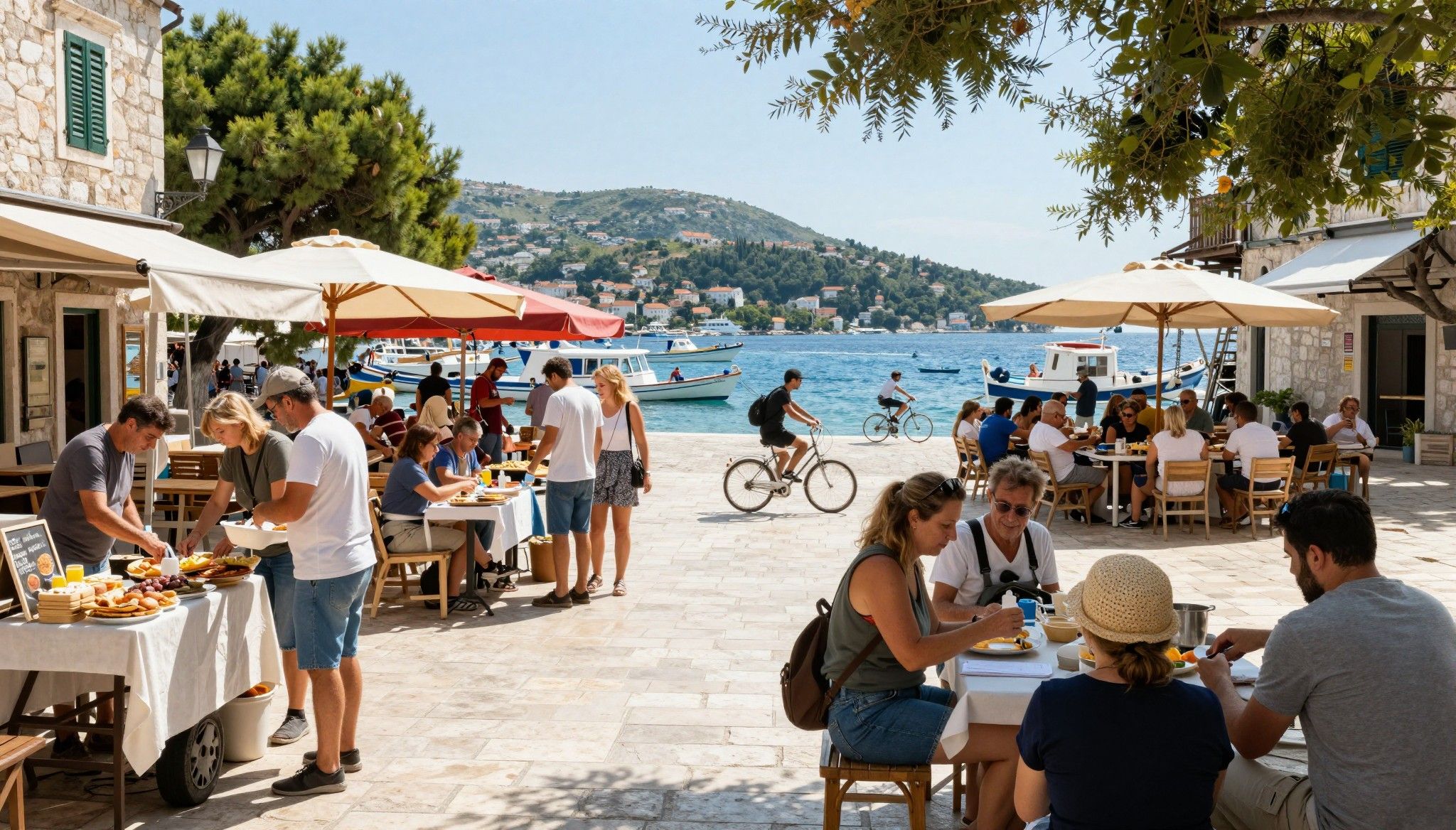
Food structures life in Italy. Morning market runs, an open-air fishmonger, a family-run osteria two streets over — these are the daily anchors. Regions like Puglia and Sicily combine affordable properties with strong food identity: olive oil, seafood, local wines. For buyers this means you can prioritise a kitchen built for real cooking and find a neighbourhood where meals and friendships form naturally.
- Market-to-table lifestyle highlights: morning markets in Bari Vecchia; afternoon aperitivo on Lecce’s Piazza Sant’Oronzo; weekend agriturismo truffle hunts in Abruzzo; cliffside swims in Tropea; traditional festivals (sagra) in small towns that bring the community together.
Making the move: practical realities that keep the lifestyle intact
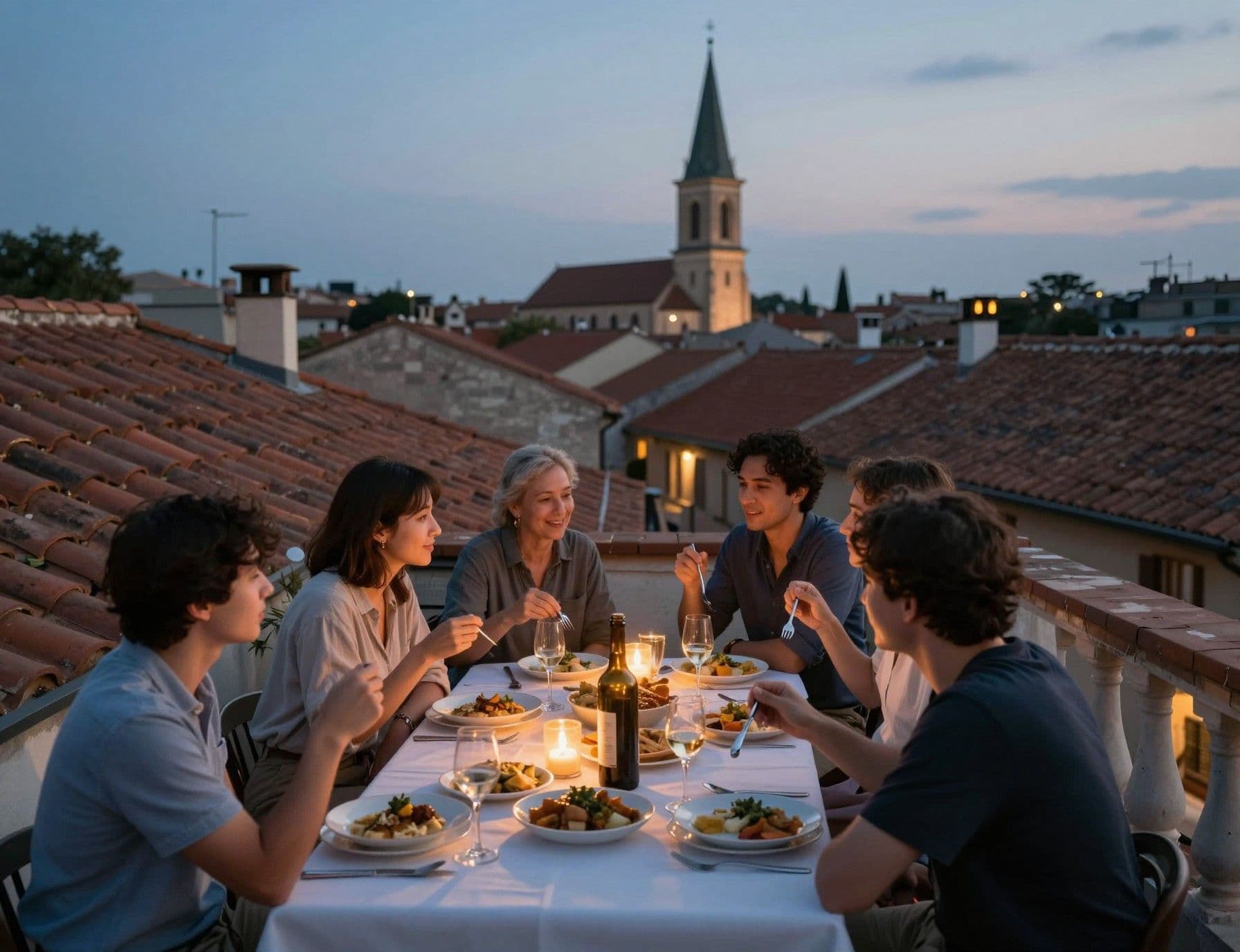
Dreams need scaffolding. Regional affordability is real — immobiliare.it shows sub-€1,200/m² averages in parts of the south — but so are regional quirks: smaller markets mean fewer English-speaking lawyers, variable renovation standards, and seasonal employment patterns. A practical search balances the lifestyle you crave (market access, coastline, hills) with logistics (transport, healthcare, and the local agency’s network).
Property styles and what they actually deliver
Stone townhouses in Puglia give you terraces and character but often require electrical and insulation upgrades. Modern seafront apartments in Pescara offer convenience and rental appeal but less authentic street life. A farmhouse (masseria) buys you land and privacy — and ongoing upkeep. Match the form (townhouse, apartment, farmhouse) to how you want to spend time: cooking, hosting, commuting, or simply watching light change on the walls.
- Steps to convert a lifestyle wish into a residence: 1. Start with three lived-in days in your target town (eat, shop, talk to locals). 2. Instruct a bilingual local agent who shows off-market and renovation projects. 3. Commission a local surveyor early — structural surprises are cheaper found before offer. 4. Budget 15–30% above purchase price for immediate works and registration fees. 5. Agree a phased renovation plan if you’ll live there during works.
Insider knowledge: what expats wish they'd known
Real buyers tell the same small truths: local bureaucracy moves in its own time; neighbourhood choice matters more than region for everyday happiness; and a local network — the baker, the realtor, the notary — is your most valuable asset. Those who arrived thinking only about price discovered they’d traded community for a bargain. Conversely, buyers who prioritised street life and local services paid a bit more but gained an easier, fuller life.
Cultural integration and daily routines
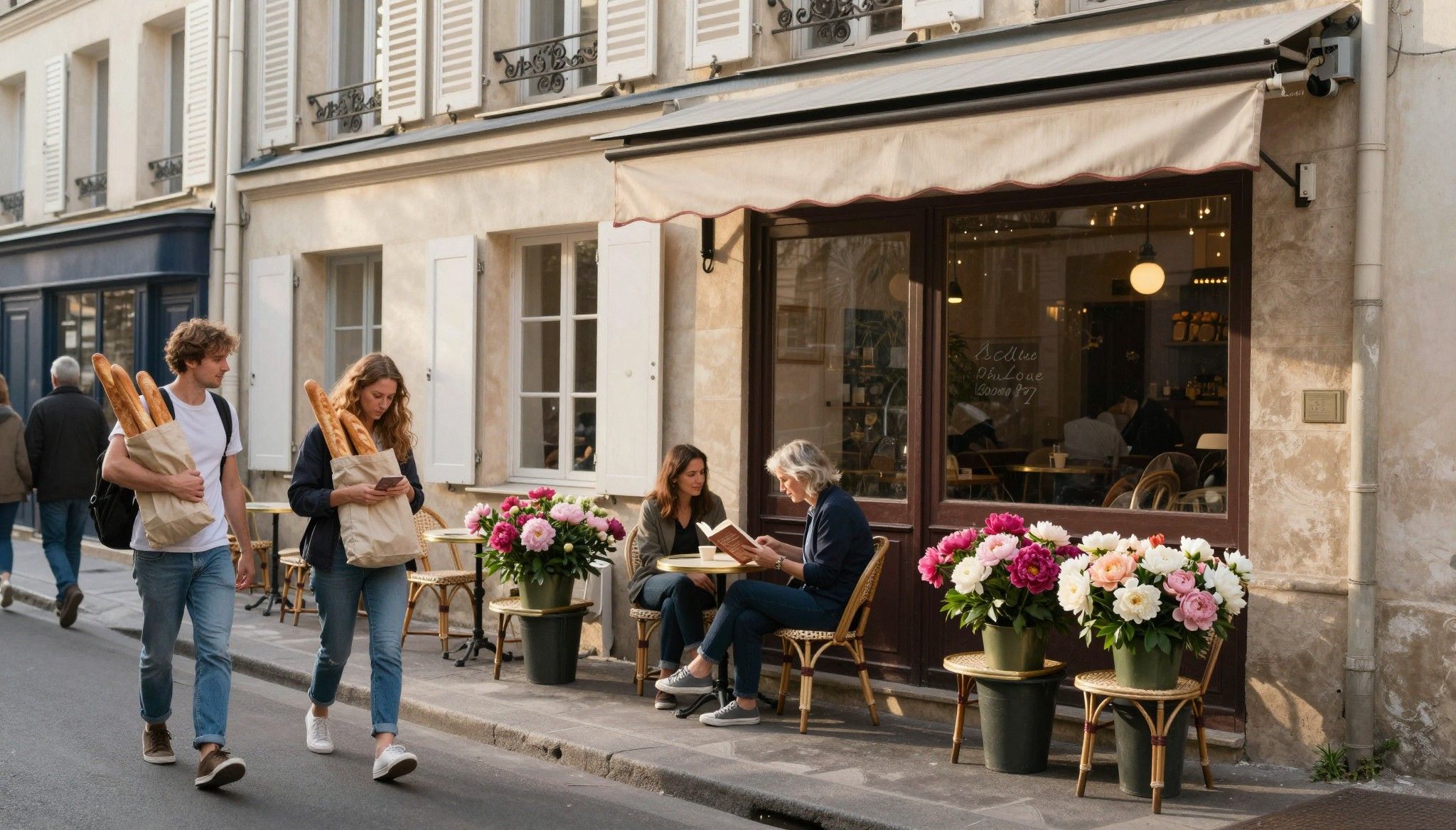
Language matters at the level of small tasks: arranging waste collection, understanding utility bills, or negotiating with a builder. Learn a few local phrases, join the market day, and accept that many relationships begin over simple repeated interactions — the barista who remembers your name, the neighbour who borrows a ladder. These micro-connections are what convert a house into home.
Looking five years ahead: which places are quietly changing
Invest where infrastructure and community are improving: better rail links, restored town centres, and local tourism strategies that favour longer stays. Puglia’s Valle d’Itria, parts of Sicily’s inland towns, and Abruzzo’s coastal-aps combine attainable prices with slow but steady demand — the kind that brings renovation projects, new cafés, and, crucially, sustainable neighbourhood life.
- Signs a place is moving from "emerging" to "established": improved public transport; a cluster of year-round businesses (not just summer outlets); investment in heritage restorations; growing expat-friendly services (international schools, medical clinics).
If Italy’s image is one of scarcity and sky-high prices, the reality for many buyers is the opposite: deliberate choice between a high-cost city life and a rich, more affordable regional rhythm. We believe the smartest international buyers marry lifestyle accuracy with rigorous local expertise. See the place in every light, hire the right local team, and budget for the realities of renovation and registration. Do that, and the piazza at dawn becomes your everyday.
Dutch relocation advisor who moved to Marbella in 2016. Guides Dutch buyers through visa paths, relocation logistics, and balance of lifestyle with value.