Why Italy’s Coast Feels Affordable (And When It’s Not)
Coastal Italy sells a lifestyle more than square metres—learn which towns deliver the daily life you want and the practical checks that protect your purchase.
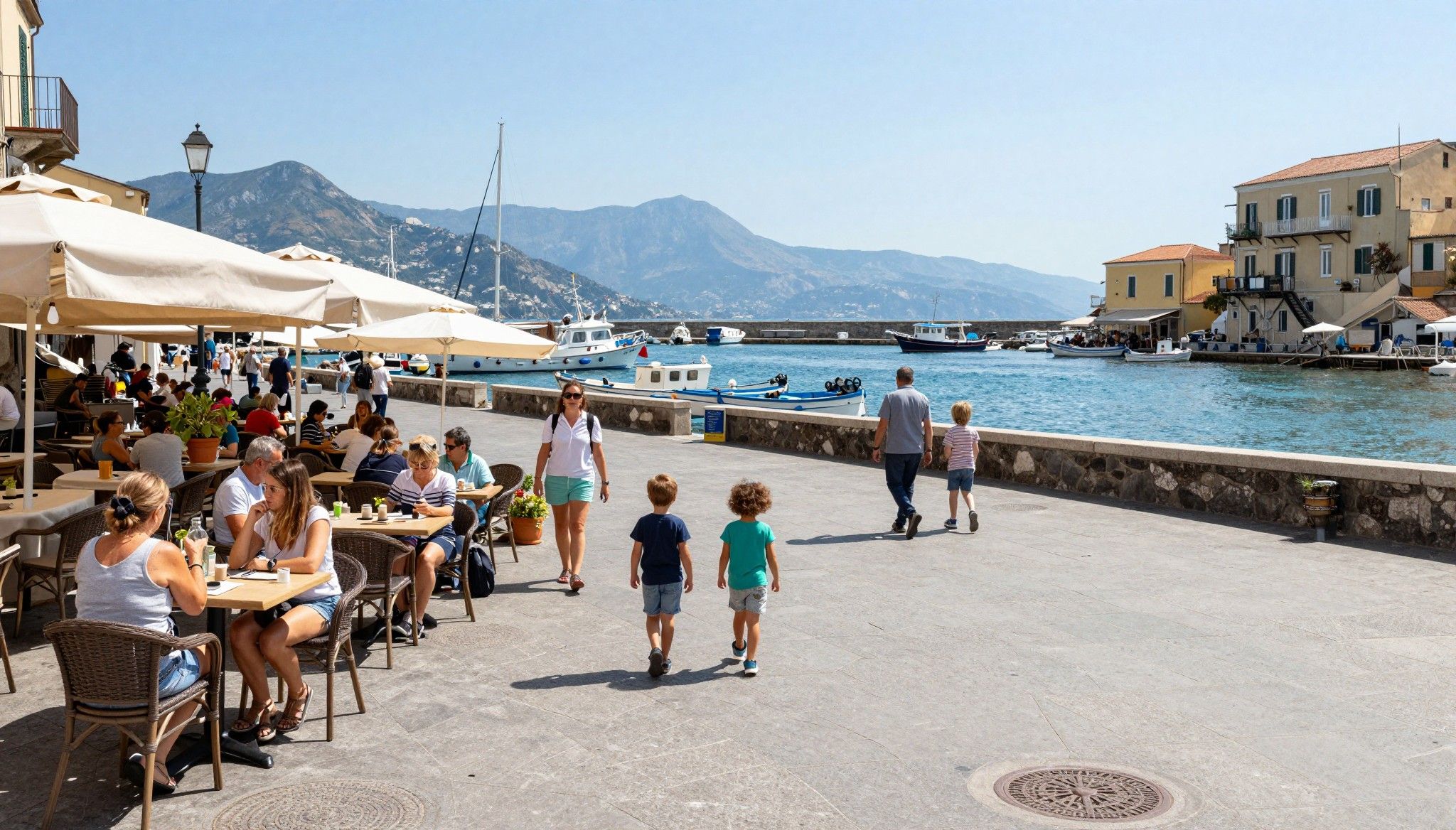
Imagine sipping espresso on a sun-warmed terrace in Positano at 9am, then walking home past flower-draped alleys where a local baker already knows your name. Italy is a place where daily rituals — morning coffee, late dinners, market runs — shape how homes are used and bought. For international buyers dreaming of coastlines, piazzas and olive groves, the lifestyle is the first pull; the market reality is the second.
Living the Italian coast: more than a postcard
Coastal living in Italy is sensory: the salt-sweet air of Liguria, the citrus scent in Amalfi, the wind-sculpted dunes of Puglia. These textures shape demand — buyers don’t just buy square metres, they buy a rhythm of life. That’s why areas like Portofino, Amalfi and the Costa Smeralda trade as lifestyle products as much as property.
Neighborhood spotlight: Amalfi Coast vs. Ligurian Riviera
On the Amalfi Coast (Positano, Praiano, Amalfi) terraces and steep lanes create compact, dramatic living: small apartments with big views. The Ligurian Riviera (Portofino, Santa Margherita, Camogli) offers gentler promenades, colorful facades and a stronger year-round community. Your choice changes everyday life — groceries in Amalfi may require a climb; in Santa Margherita you might walk to the harbour for dinner.
Food, markets and seasonality: how life dictates the house
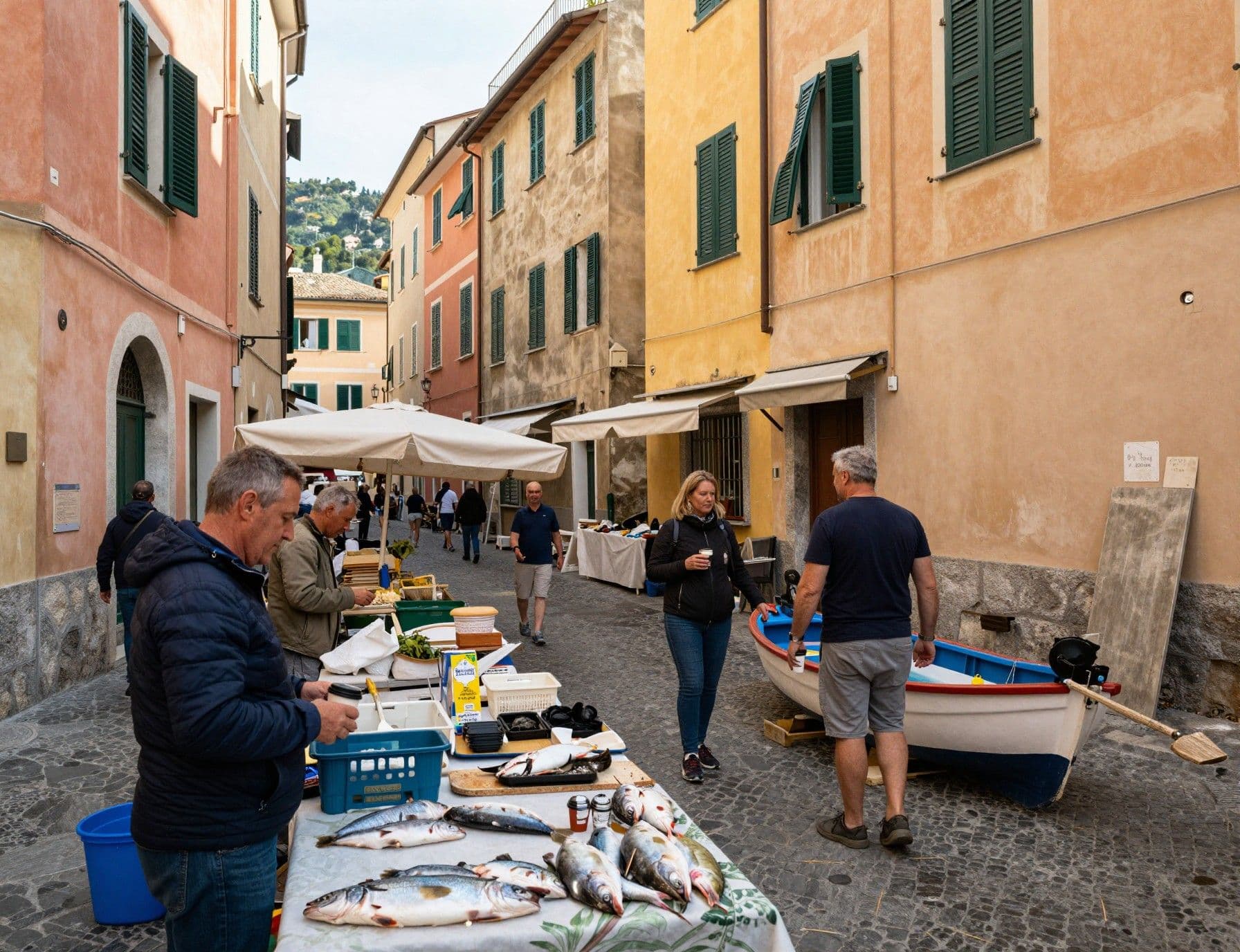
Weekends are market days: fishmongers on the seafront in Genova, truffle stands near Livorno, and farmers selling peaches in Puglia. Many buyers pick properties close to weekly markets and small family-run restaurants — lifestyle convenience that also supports strong short-term rental demand in high season. But remember: seasonality matters. Coastal towns can feel sleepy in winter and packed in July.
- Liguria promenade walks (Portofino, Camogli)
- Amalfi terraces and lemon groves (Positano, Praiano)
- Puglia’s whitewashed towns and seaside markets (Ostuni, Polignano a Mare)
- Sicily’s coastal villages with authentic local life (Taormina, Cefalù)
Making the move: lifestyle-led practicalities
We always start with the lifestyle vision, then test it against market signals. Italy’s house-price growth has been steady but measured: Istat reported modest year-on-year increases in 2025, concentrated in the north and prime markets. That means coastal bargains still exist — often in lesser-known towns — but prime views and historic centres command premiums.
Property styles: cliffside apartments, trulli, and coastal villas
Architectural type determines daily life: a cliffside apartment in Positano means fewer rooms and unforgettable views; a renovated trullo in Puglia gives you land and privacy but often limited services; a modern villa near Forte dei Marmi adds pool and parking but costs more. Match the property type to the life you want to live every day.
Working with local experts who sell the lifestyle
- Hire an agent who understands daily life: (1) asks about your morning routine (market or supermarket?), (2) tours neighbourhoods at different hours, (3) checks practicalities: storage for scooters, winter heating, access in peak season, (4) verifies short‑term rental rules if you plan to rent.
Insider knowledge: what expats wish they'd known
Here’s the unglamorous truth: the life you fall for is often not the life you buy. Narrow lanes make deliveries tricky; historical façades mean higher renovation complexity; municipal rules can restrict rentals. Expat buyers who succeed spend time living in a place for weeks, not days, before committing.
Cultural integration: language, rhythms and community
Italians build relationships slowly. Baristas remember faces, not names — until you become a local fixture. Learn basic Italian phrases, join a market morning, volunteer at a festival. These small choices convert a house into a home and often smooth bureaucratic processes when you need municipal help or tradespeople.
Long-term lifestyle checks
- Project checklist: (1) visit in winter and summer, (2) confirm local services (doctors, schools, ferry schedules), (3) measure sunlight across terraces for seasonal living, (4) plan for energy and insulation upgrades, and (5) budget 10–20% extra for unexpected restorations in older buildings.
We love telling people: buy the neighbourhood’s daily life, not just the view. If your mornings are espresso and a newspaper on a café stool, find the café first. If you want a garden for olive trees, prioritise land and seasonal services. When lifestyle and structure align, the property stops being a project and starts being a life.
Swedish expat who moved from Stockholm to Marbella in 2018. Specializes in cross-border legal navigation and residency considerations for Scandinavian buyers.