Why France’s 'Pricey' Tag Hides Opportunity
France isn’t uniformly 'expensive' — national indices show recovery and regional divergence. Buy the lifestyle, read local notaires/INSEE data, and budget for real upkeep.
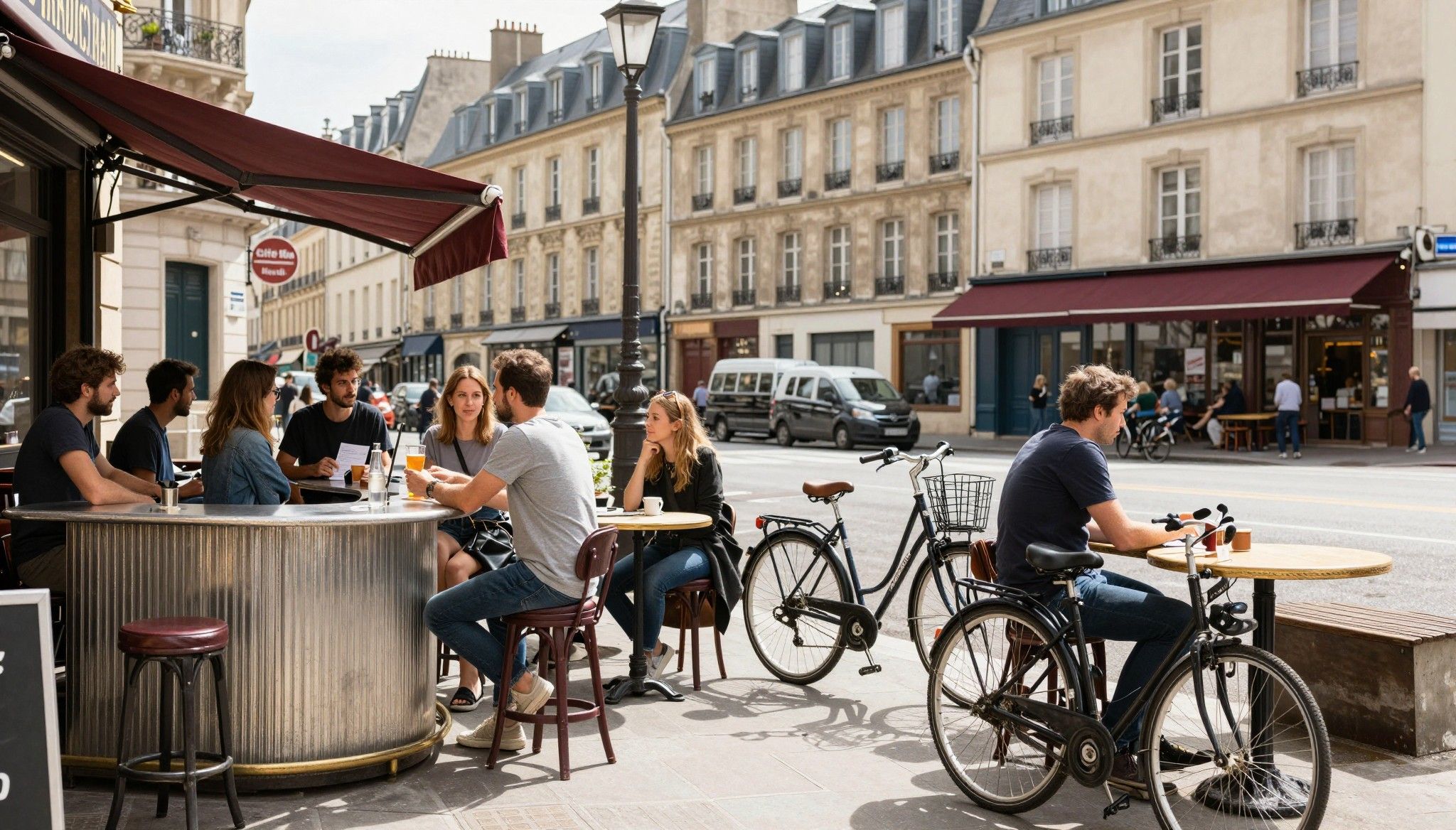
Imagine sitting at a zinc counter in Le Marais, espresso steaming, while a row of Haussmann façades catches a winter sun that makes even mid‑century tiles glow. That everyday light is one reason people fall for France — and why prices can feel like a headline rather than an invitation.
Living the French Life — What You Really Buy

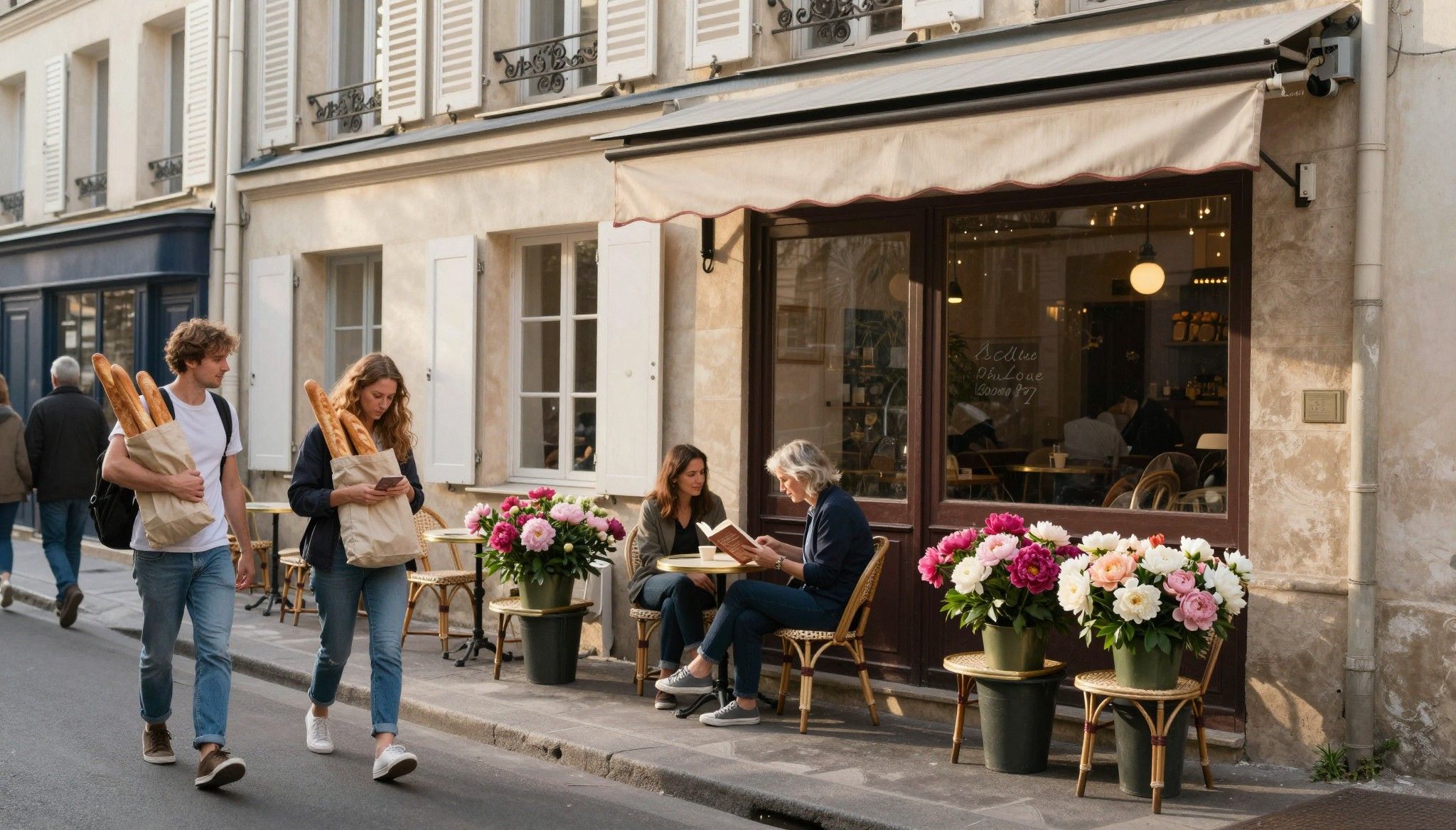
France sells a life as much as square metres: morning markets, long lunches, coastal afternoons in Cassis or Contis, and small rituals that shape where you choose to live. Those rituals change the value equation — 100m from a marché can matter more than an extra bedroom.
Neighbourhoods that feel like a country
From Saint‑Germain’s cafes to Bordeaux’s Chartrons and Lyon’s Croix‑Rousse, neighbourhood personality overrides municipal lines. You buy a rhythm: boulangeries at 7am, aperitif crowds at 7pm, and local market Saturdays. Those habits are what a local agent will map for you — not just price per m².
Food, markets and the year-round calendar
Seasonality is subtle but real: Brittany’s summer surge, Provence’s lavender months, Alsace’s winter markets. For buyers seeking lifestyle use (short stays, rentals, retirement), understanding the calendar is as important as understanding recent price moves.
Making the Move: Market Signals and the Data Behind Them

Contrary to breathless headlines, national indices (INSEE, Notaires) show recovery and regional divergence rather than uniform inflation. INSEE recorded modest quarterly gains in 2025, while notaries’ local maps reveal sharp contrasts between central Paris, outer suburbs and provincial cities. Read the layers, not the banner.
Why the ‘expensive France’ myth sticks
Media focus on Paris and the Riviera creates a single‑image story. But national data show pockets of affordability and pockets of premium performance. Large cities and holiday coasts lead headlines; inland towns and smaller coastal ports often lag — and sometimes hide value for buyers ready to trade short‑term yield for long‑term lifestyle.
How to read the indices (quick checklist)
Indices are rebased, seasonal, and skewed by where transactions happen. Check: the timeframe (quarter vs year), whether figures are national or commune‑level, and transaction volumes. Low volume means higher volatility — especially in rural historic homes and châteaux.
Insider Knowledge: What Expats Wish They'd Known
Expats tell the same three lessons: neighbourhood rhythm beats headline price; renovation budgets climb on older properties; and local networks — baker, syndic, notaire — shape daily happiness. Those are the intangible costs and returns that numbers don’t capture.
Cultural realities that change value
French buying culture values quality of life: proximity to market, light, and an evening terrace. That means a compact, well‑oriented 50m² flat near a marché can outperform a larger property further out — in both personal satisfaction and rental desirability.
Hidden costs and how locals plan for them
Beyond purchase tax and notary fees, expect maintenance for older stone buildings, co‑ownership (copropriété) reserve funds, and seasonal utility swings in coastal homes. Local agents prepare buyers with real budgets — and renovation timelines that respect planning rules.
- Lifestyle & market checks to ask your agent
- Where the weekly marché sits and what day it runs
- Recent transaction volume in the commune (last 12 months)
- Copropriété reserve status and known upcoming charges
- Local rental demand by season and long‑stay tenants
- Step-by-step to a lifestyle-aligned purchase
- 1. Spend three full days in the neighbourhood (market day, weekday, weekend).
- 2. Ask your agent for transaction lists (not just listings) for the last 12 months.
- 3. Budget for specific local costs: syndic notes, façade works, and seasonal utilities.
- 4. Choose an agent who can show lived examples — tenants, neighbours, and contractor contacts.
Where smart international buyers are looking now
Savvy buyers balance Parisian apartments with provincial towns: Rennes, Nantes and parts of Occitanie show strong lifestyle appeal with lower entry prices. Bordeaux and Aix can command premiums but also offer predictable demand. Check recent local notary price maps before committing.
Conclusion: France is not a single market. It’s a mosaic of lifestyles whose value shows up in different ways — market stability in provincial centres, seasonal spikes on the coast, and unadvertised premiums in neighbourhood rhythm. Fall in love with a place first; use the data to buy it wisely.
Danish investment specialist who relocated to Costa del Sol in 2015. Focuses on data-driven market timing and long-term value for Danish buyers.