Cyprus: Love the Life, Check the Deed
Cyprus sells a Mediterranean life—beaches, markets and slow Sundays—but title-deed realities and residency rules demand clear due diligence before you buy.
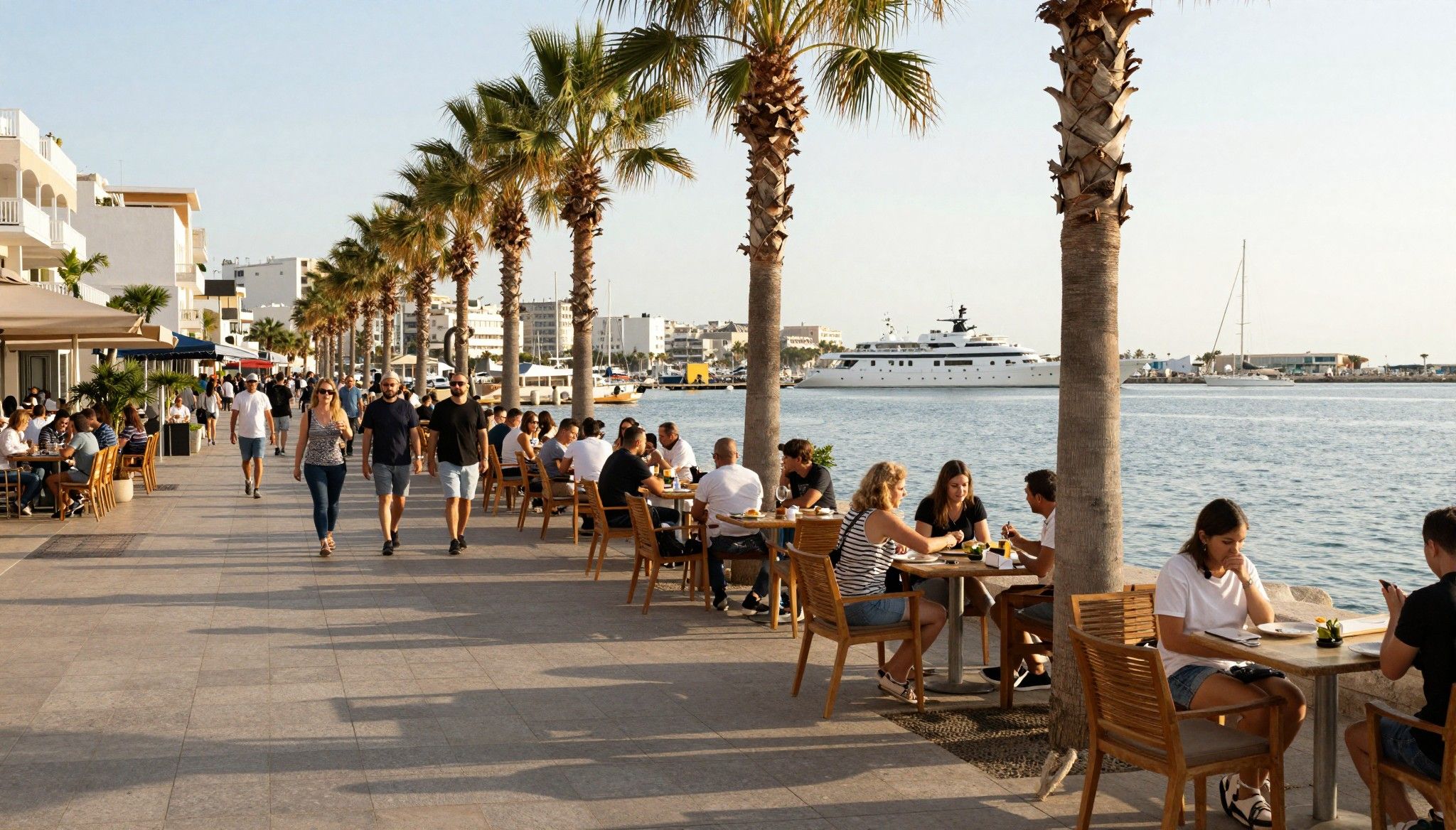
Imagine stepping out of a café on Makariou Avenue in Nicosia at 9am: the smell of strong coffee, a street full of office workers and students, and a neighbour calling across the road to ask about the market. Cyprus can make you fall in love in small doses—a slow afternoon on Fig Tree Bay, a Sunday lunch in a village square in Omodos, that first walk along Limassol’s Molos promenade—yet the island’s property market carries a few technical quirks you must know before you sign. We’ll show you the everyday life that sells the island, then lift the paperwork curtain so you buy with confidence. (See the Central Bank’s recent RPPI report for national price trends.)
Living the Cyprus Life
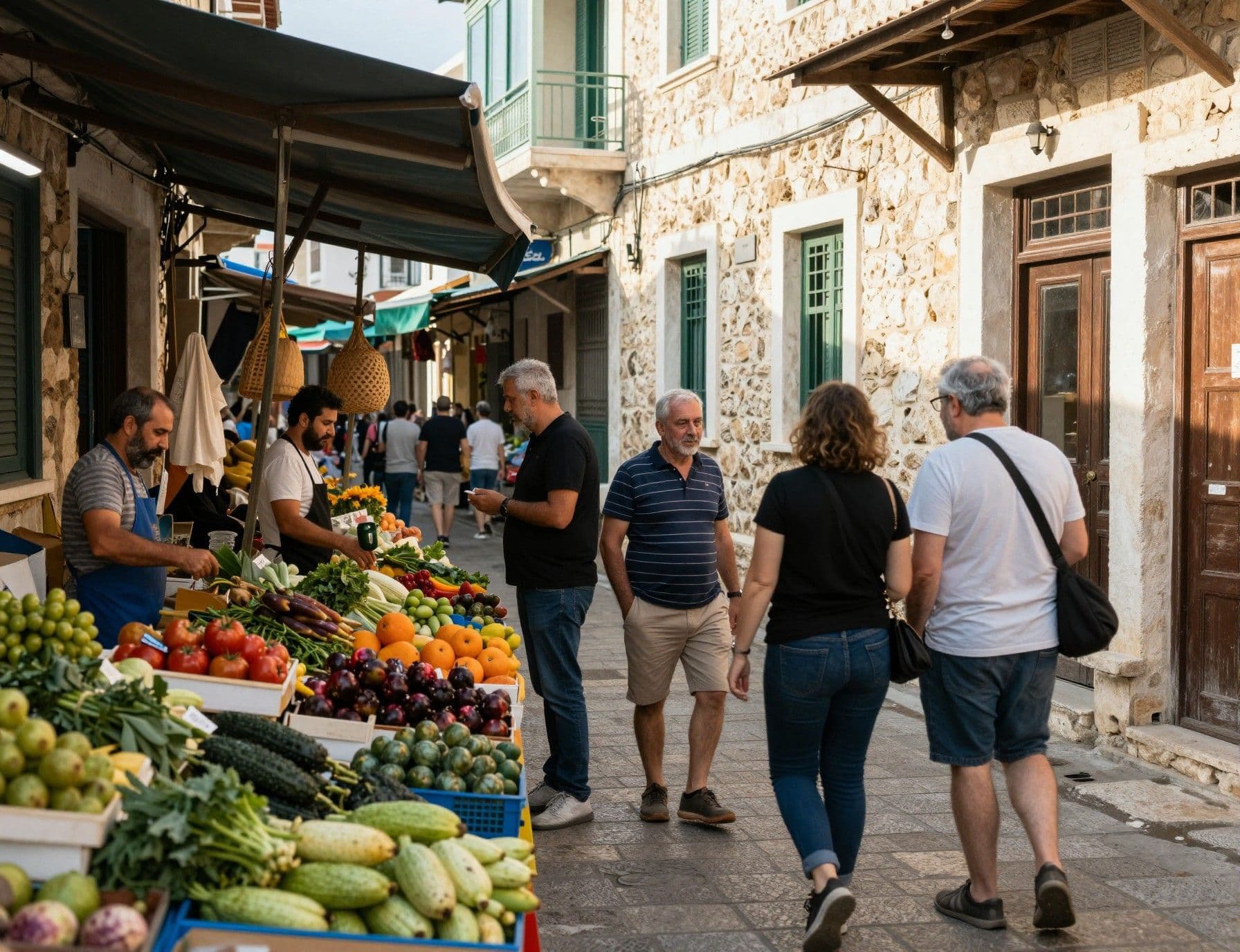
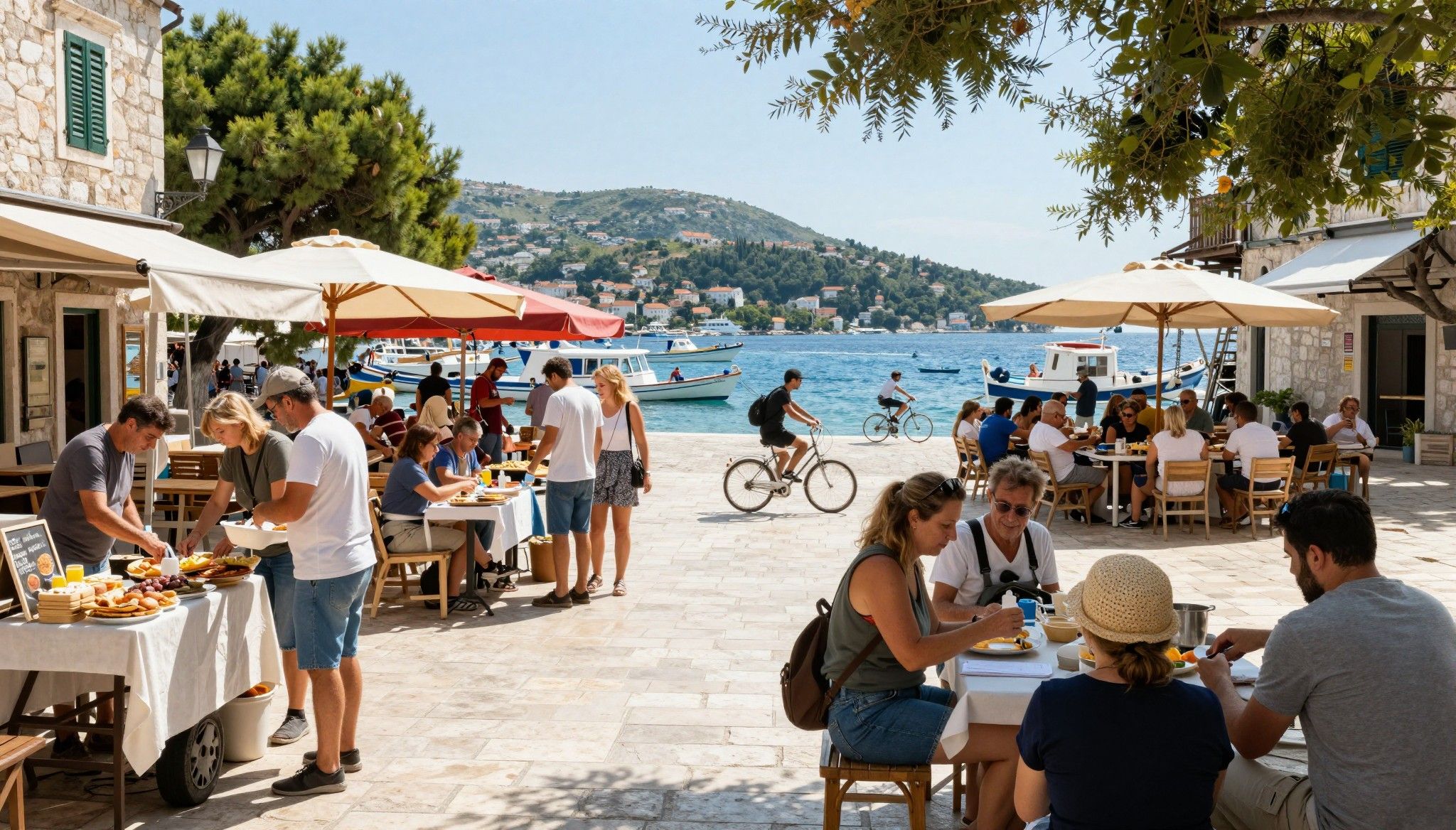
Cyprus is not a single mood—it's a trio. In Nicosia you’ll find a compact, urban rhythm of cafés and galleries; Limassol hums with coastal leisure, yachts and late-night tavernas; Paphos and Larnaca give quieter coastal living with deep local communities. Expect a Mediterranean tempo: extended lunches, late evenings, and markets that shape your weekends. Seasons matter—autumn and spring are glorious for hiking in the Troodos, summer is for the coast, and winters are surprisingly mild but damp in the hills. That lifestyle map should guide where you look: urban apartments suit year-round city life, coastal villas suit a sun-first routine, and mountain houses reward those after slow, seasonal living.
Nicosia & Makariou: Urban days, village politeness
Walkable neighbourhoods like Ledra and Makariou mix Ottoman-era lanes, modern offices and small artisan shops. Mornings are for espresso at To Pani café and afternoons for browsing the municipal market. If you crave convenience—international schools, law firms, cultural centres—Nicosia gives you that, plus quieter streets after dinner. For property buyers, this means a sensible apartment purchase often trades outdoor space for proximity and community; factor in noise and parking when comparing listings.
Limassol & the coast: Sea, marina life and late nights
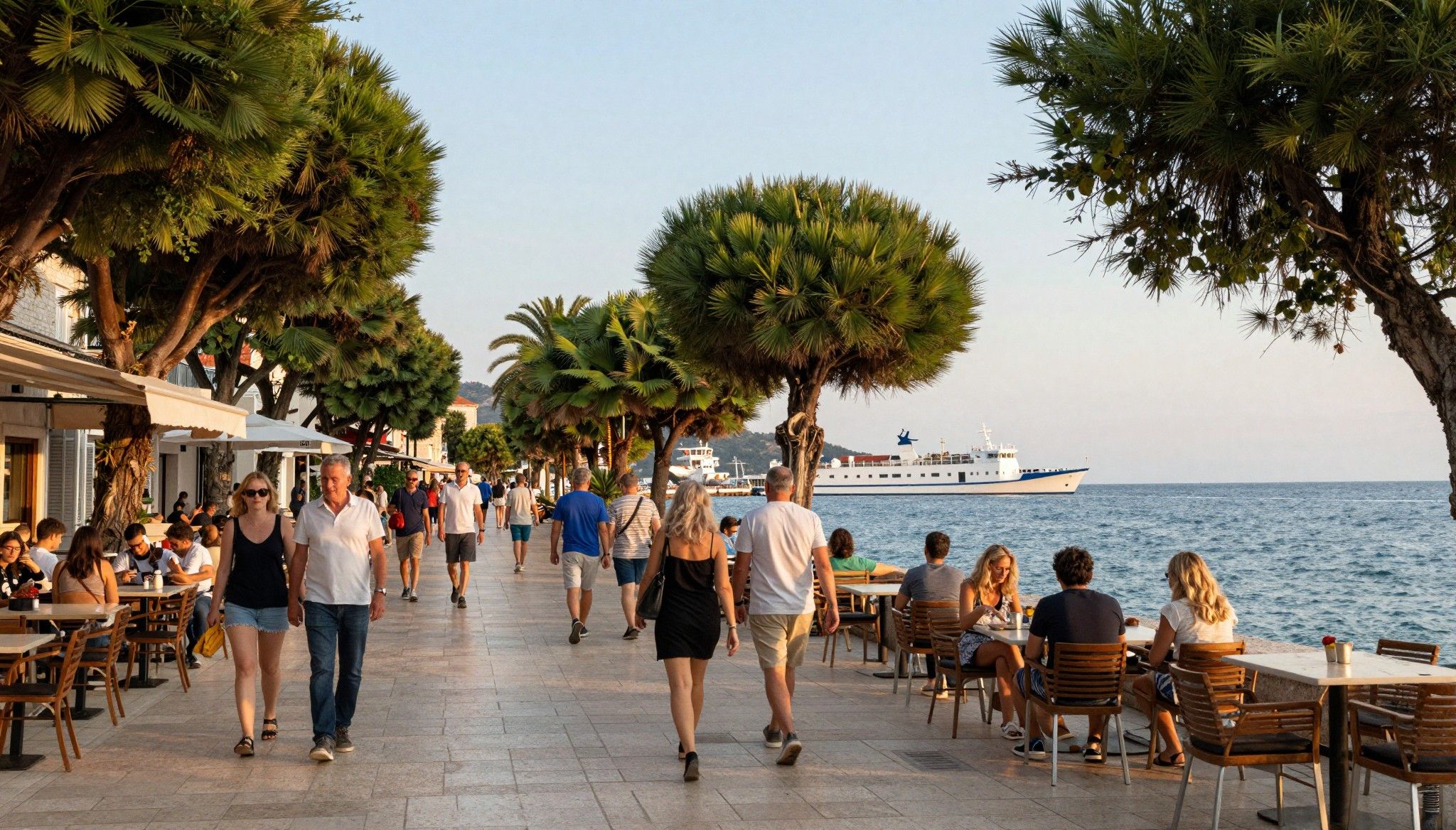
Limassol’s Molos, Old Port and Germasogeia attract a mix of families, expats and weekenders. Picture morning runs along the promenade, mezze at local tavernas by sunset and a lively weekend market. Coastal properties command a premium for sea views and access; the trade-off is seasonality of demand and higher service charges in newer developments. If you want an apartment with a terrace and a local café two minutes away, Limassol often delivers—but check management fees and rental rules carefully.
- Lifestyle highlights: cafés, beaches and hidden delights
- Sip an iced frappé at To Kazani in Paphos and watch fishermen bring in the morning catch.
- Sunday lunch in Omodos: local wine, slow-cooked lamb and a village square that doubles as town theatre.
- Morning market in Larnaca: spices, halloumi and the kind of conversation that makes you feel quickly known.
Making the Move: Practical Considerations
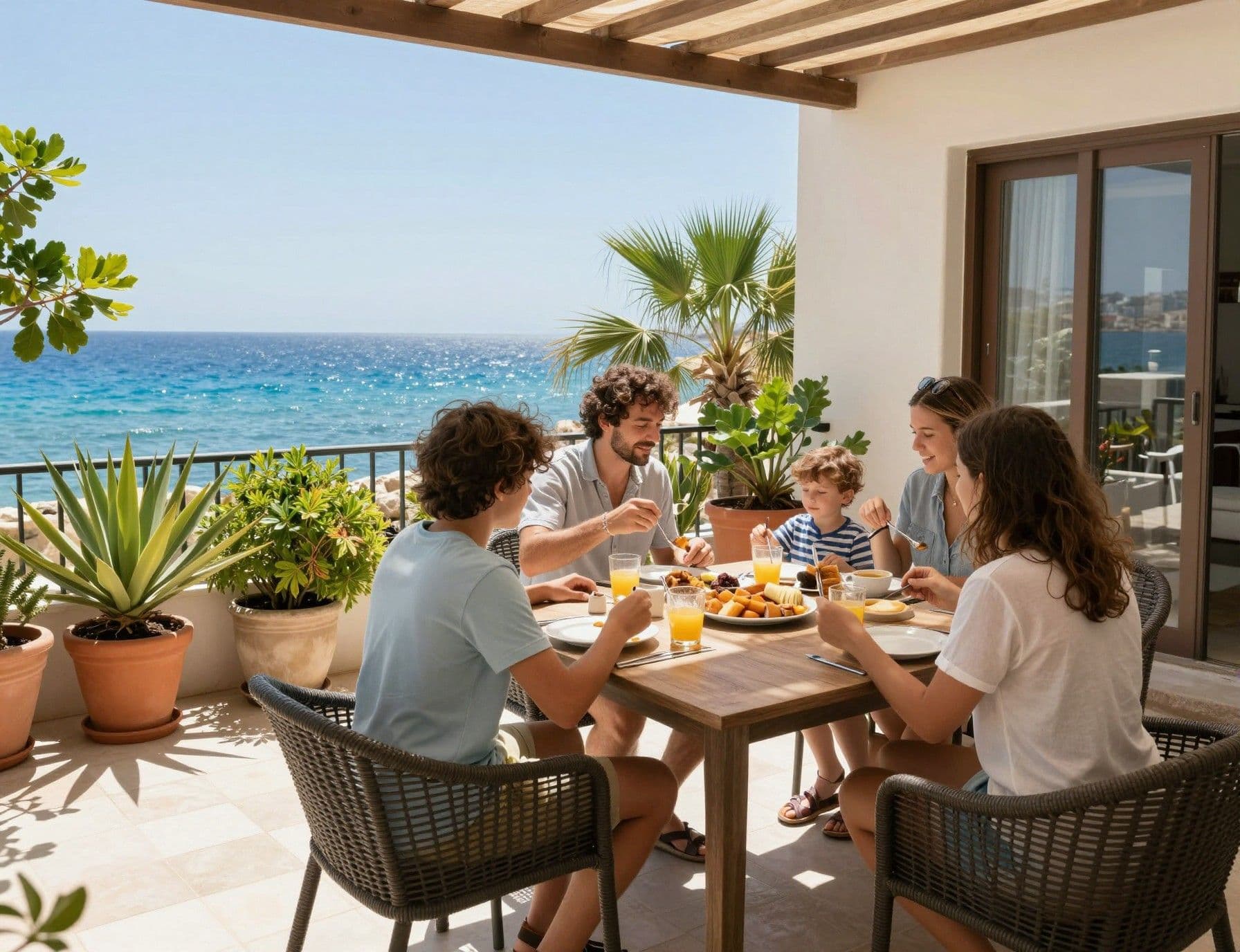
Dreams meet deeds here. National price indexes show steady, moderate growth—useful context when weighing coastal premiums versus inland value. But Cyprus has one persistent technical reality: title deeds. For many buyers the emotional pull of a terrace or sea view is immediate; the legal clarity can take time. Fortunately, the government and Land Registry have been addressing backlogs, and the Central Bank’s RPPI gives you a sense of where prices are moving nationally. Always pair lifestyle visits with a clear title-deed check before committing.
Property types and how they feel to live in
New developments near Limassol often offer pools, maintenance and concierge-style living—great for lock-and-leave owners but costly to run. Traditional stone houses in villages like Omodos require more hands-on maintenance and reward you with garden and community ties. Apartments in Nicosia give urban convenience with lower maintenance but smaller outdoor space. Think through daily life: do you want morning sea breezes on a terrace, or a compact flat steps from cafés? That choice changes the legal checks you must make and the ongoing cost picture.
Working with experts who know both life and law
Good local agents act like cultural translators: they show you where people actually live, where the best cafés are, and what the neighbours are like—while connecting you to a solicitor who will check title, planning permissions and encumbrances. Because Cyprus still has a legacy of delayed title deeds, your team should include a Cyprus-licensed lawyer and an agent with a record of completed transfers. Don’t outsource that check to the seller’s representative; insist on independent searches.
- Practical steps to marry lifestyle with legal safety
- 1. Visit the neighbourhood across times of day to test noise, light and services.
- 2. Ask your lawyer for a fresh Land Registry search certificate (dated within five working days of contract signing where possible).
- 3. Confirm whether the property is first-sale (new) or resale—some residency-by-investment routes require a first-sale purchase.
- 4. Budget separately for legal fees, tax, stamp duty and realistic maintenance; coastal new builds typically have higher service charges and VAT obligations.
Insider Knowledge: What Expats Wish They'd Known
Here’s the real talk: even buyers with contracts have faced years-long waits for title transfers in pockets of the market. Reforms introduced since 2023 aim to clear backlogs and speed issuance, but problems persist in complex cases—mortgages, inheritance disputes and planning irregularities are usual culprits. That’s why transparency matters more than charm. Ask for documented evidence of past transfers on similar developments: completed examples are the best proof an agent can show.
Cultural integration: how life off-paper shapes where you buy
Cypriots value community rituals—neighbourly invitations, church festivals, and coffee-table conversation—that transform a house into home. English is widely spoken in business and expat circles, but learning basic Greek opens doors. For families, local schools and weekend activities often decide the neighbourhood; for remote workers, strong mobile coverage and cafés with reliable Wi‑Fi matter more than municipal prestige. Match the social life you want to the neighbourhood’s tempo before committing.
Long-term considerations most buyers underweight
Residency-by-investment routes still exist but have specific conditions: many require a minimum spend on first-sale property and have documentation hurdles that are stricter than headline figures suggest. Also, while Cyprus aims for Schengen accession, residence in Cyprus does not automatically grant Schengen access today—so travel freedom is not identical to EU residency. Think beyond the purchase: resale liquidity, local rental demand, and the quality of building management determine whether the property remains a joy or becomes a burden.
- Red flags to walk away from
- Seller cannot provide a recent Land Registry search certificate.
- A development with many unresolved planning or mortgage disputes.
- Promises of future title deeds without documentary proof of prior transfers.
Conclusion: buy the life, but check the file. Cyprus gives you mornings by the sea, evenings in a village taverna and weekends that feel like holidays. To keep those moments intact, pair a local, lifestyle-savvy agent with a Cyprus-licensed lawyer who insists on up-to-date Land Registry searches and clear transfer precedents. If you want, we can introduce you to agents and solicitors who specialise in the island’s trickier cases—people who show you where to live and how to close with your eyes open.
British expat who relocated to Marbella in 2012. Specializes in rigorous due diligence and cross-border investment strategies for UK and international buyers.