France: Where Lifestyle Beats the Headline Price
France’s charm is local — match lifestyle to micro‑market data. Regional divergence and seasonality create selective buying opportunities for international buyers.
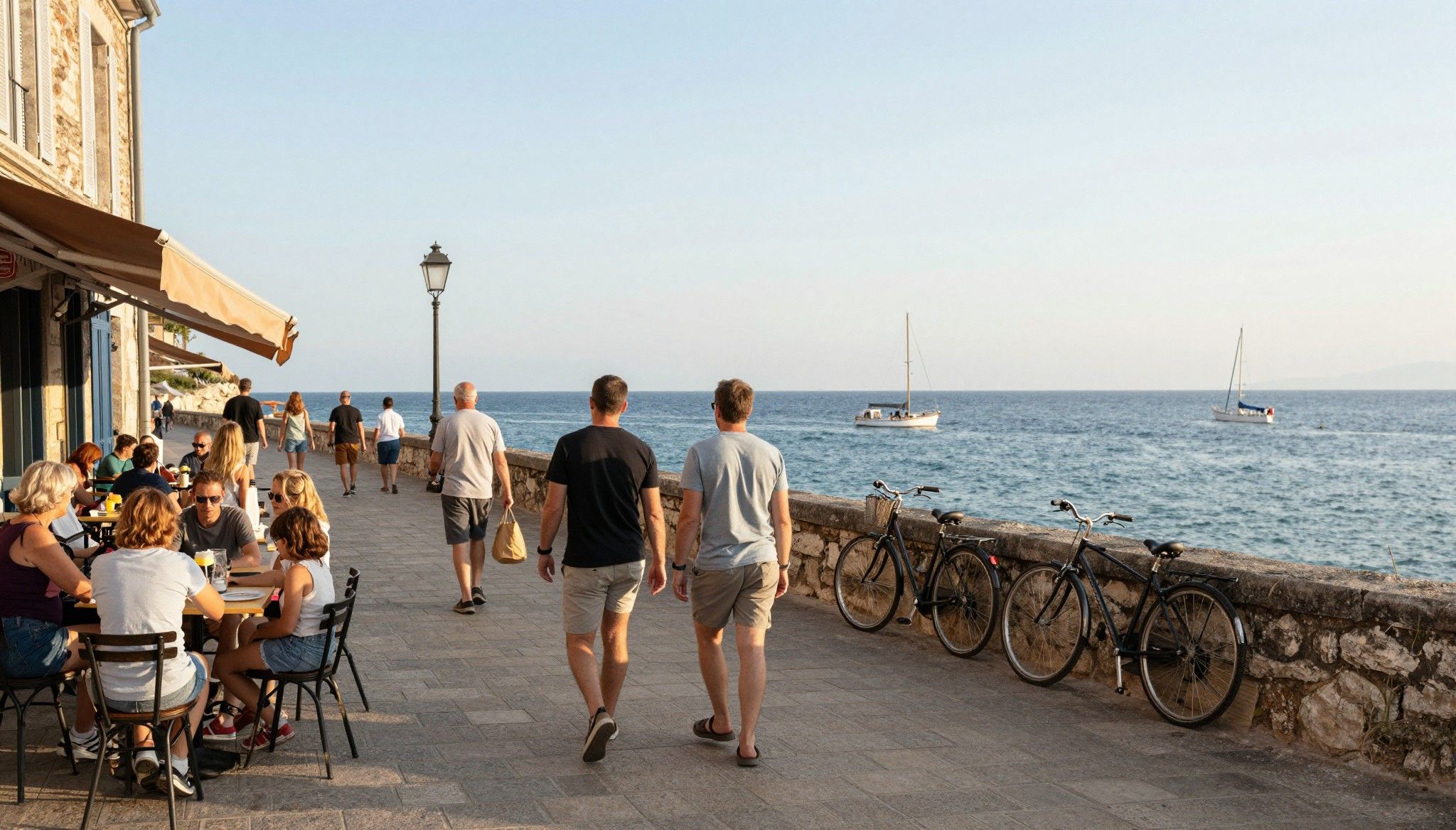
Imagine a Saturday morning in Lyon’s Croix-Rousse: the baker’s van backs onto Rue du Mail, cast-iron balconies drip with geraniums, and a buyer from Amsterdam nurses an espresso while comparing neighbourhood prices on their phone. France feels lived-in — markets, terraces, coastal walks and village fêtes — and those rhythms shape where, how and when properties hold value. But beneath the poetry there’s data: regional divergence, seasonality, and pockets where conventional wisdom is wrong. We’ll lead with the life first, then show the numbers and the exact moves we’d make if we were buying here now.
Living the French Life — what you’ll actually wake up to
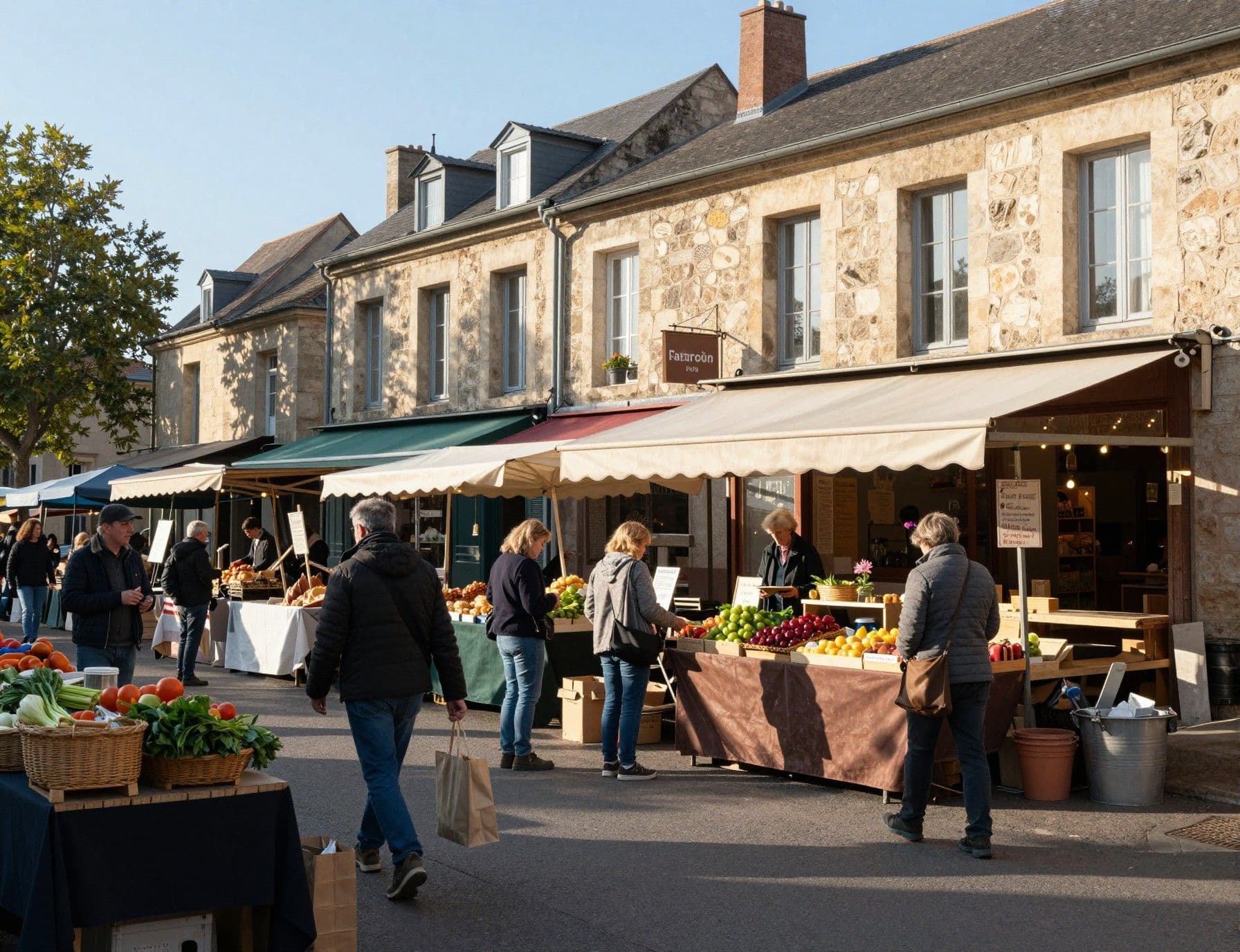
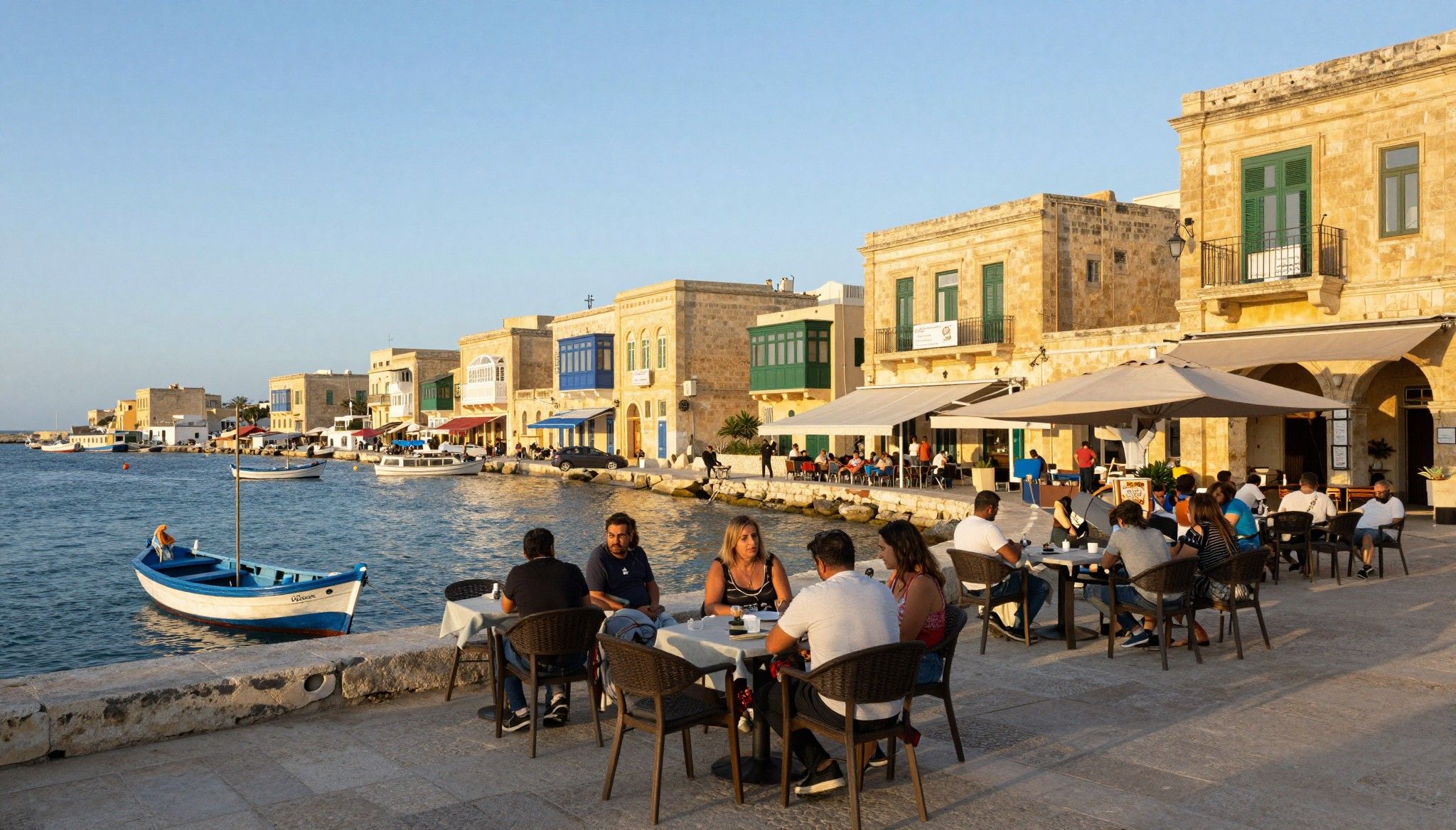
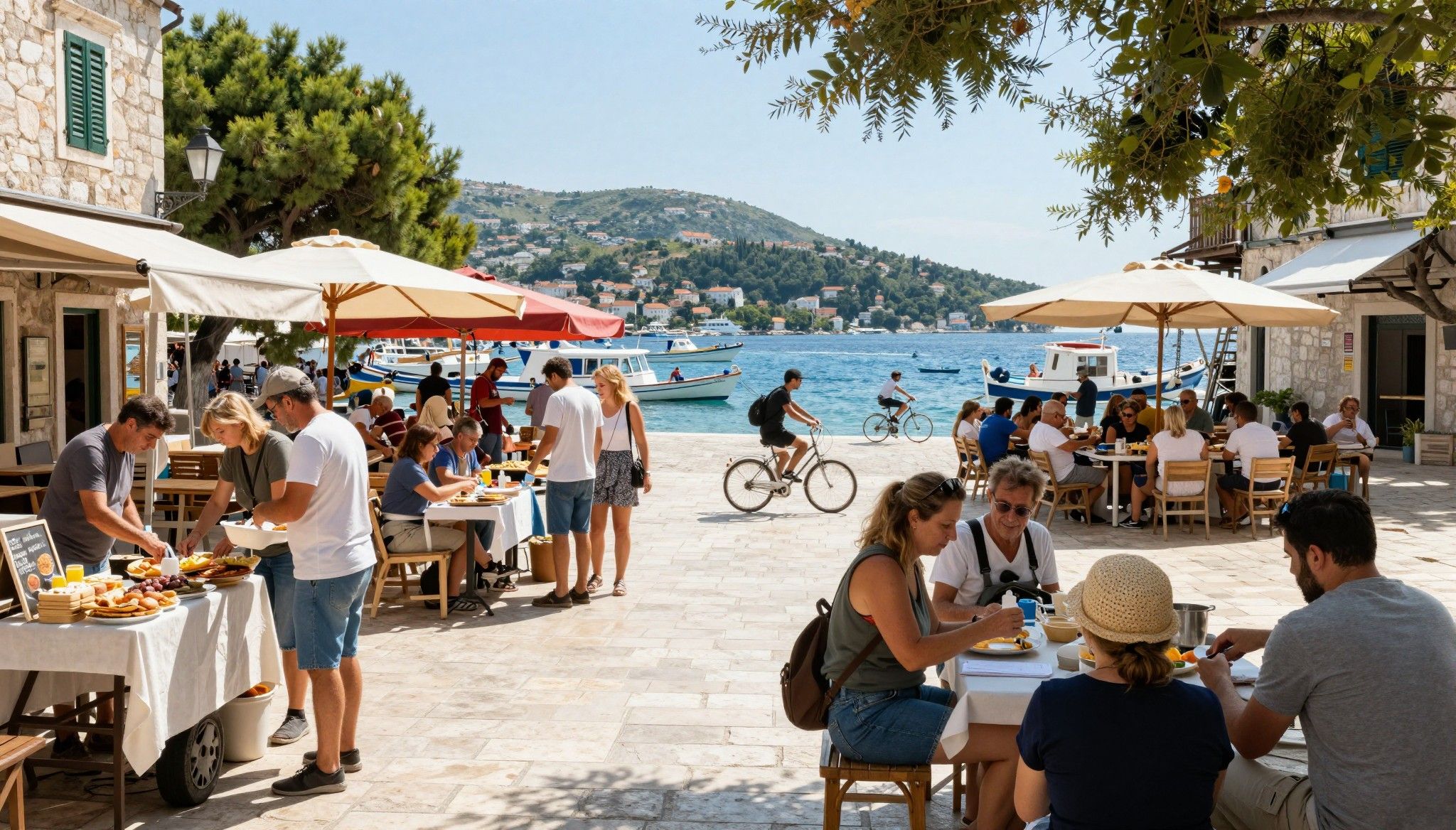
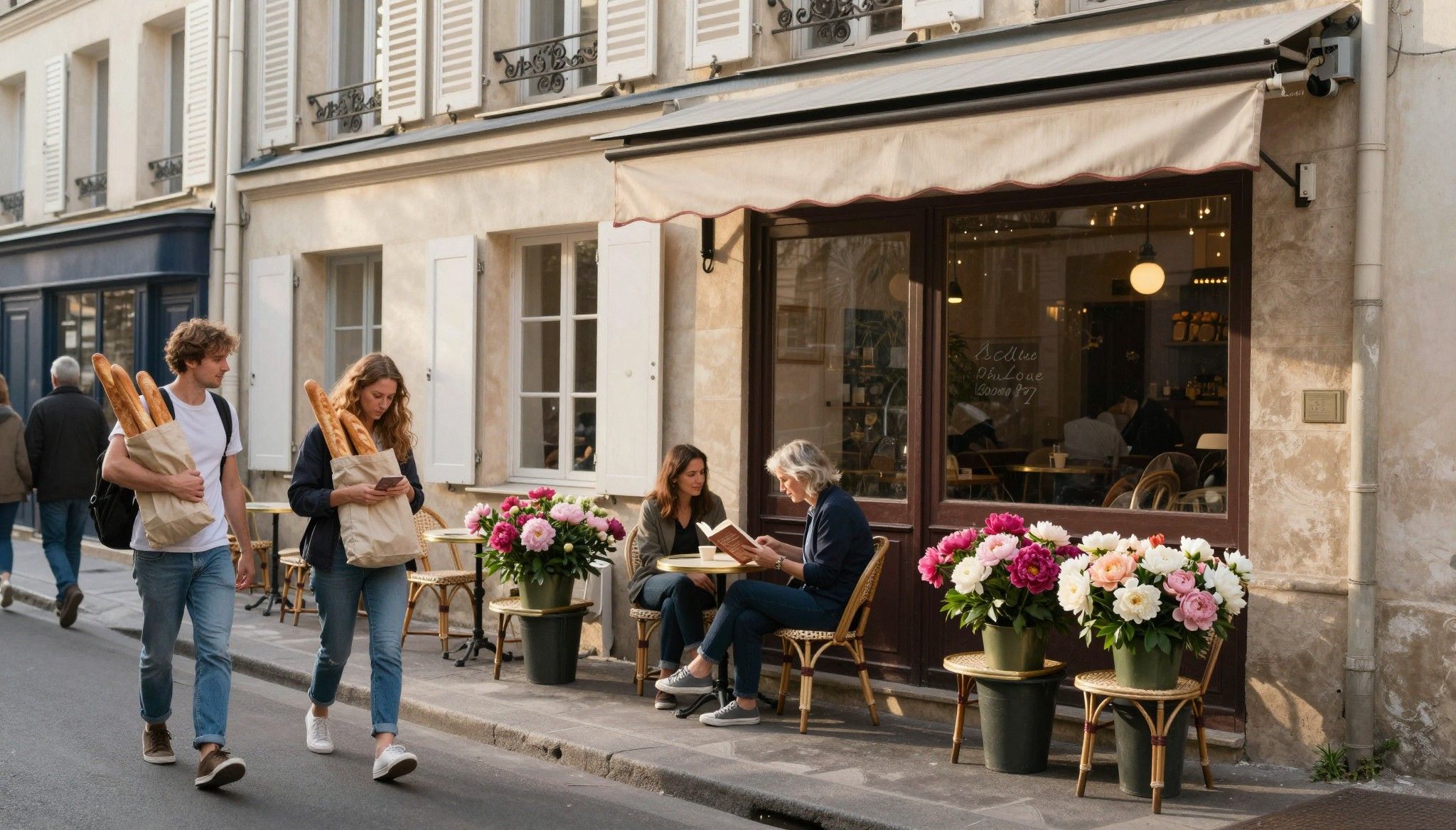
France’s daily rhythm is local. Morning markets set the tempo; after that, neighbourhood cafés stitch together friendships and useful estate-market gossip. From the stone alleys of Avignon to the salt air of Biarritz, the lived experience directly affects property desirability — a lively market square will sustain long-term demand, while a commuter suburb may trade on convenience more than charm. If you want to feel at home here, pick a place that matches how you want to live, not just where the headline price looks tempting.
Neighbourhood spotlight: Paris — beyond the arrondissements you know
Yes, Paris is expensive — but the story is granular. The 6th and 7th remain pricey, yet adjacent pockets like parts of the 19th or some Seine‑side suburbs can offer better square‑metre economics and authentic local life. For international buyers who want city life without the concierge price, consider Canal Saint‑Martin for cafés and small commerce or Levallois‑Perret for roomy apartments with easier commutes. These choices change your lifestyle more than a single euro per metre ever will.
Coast and countryside: Provence vs. the Atlantic arc
The Riviera still sells the dream, but buyers often overlook Languedoc, Charente‑Maritime or the Vendée for superior value and authentic coast life. Inland, Dordogne villages offer restored stone houses and slower seasons that attract long‑stayers. If you want a summer‑packed calendar and the bustle of seasonal tourism, the Côte d'Azur fits; if you prefer calmer weekly markets and lower entry prices, head slightly west or inland.
Lifestyle highlights to weigh when choosing a France address:
- Morning market culture — daily supply, social life and resale appeal near reliable food markets (e.g., Marché Forville in Cannes, Marché des Enfants Rouges in Paris).
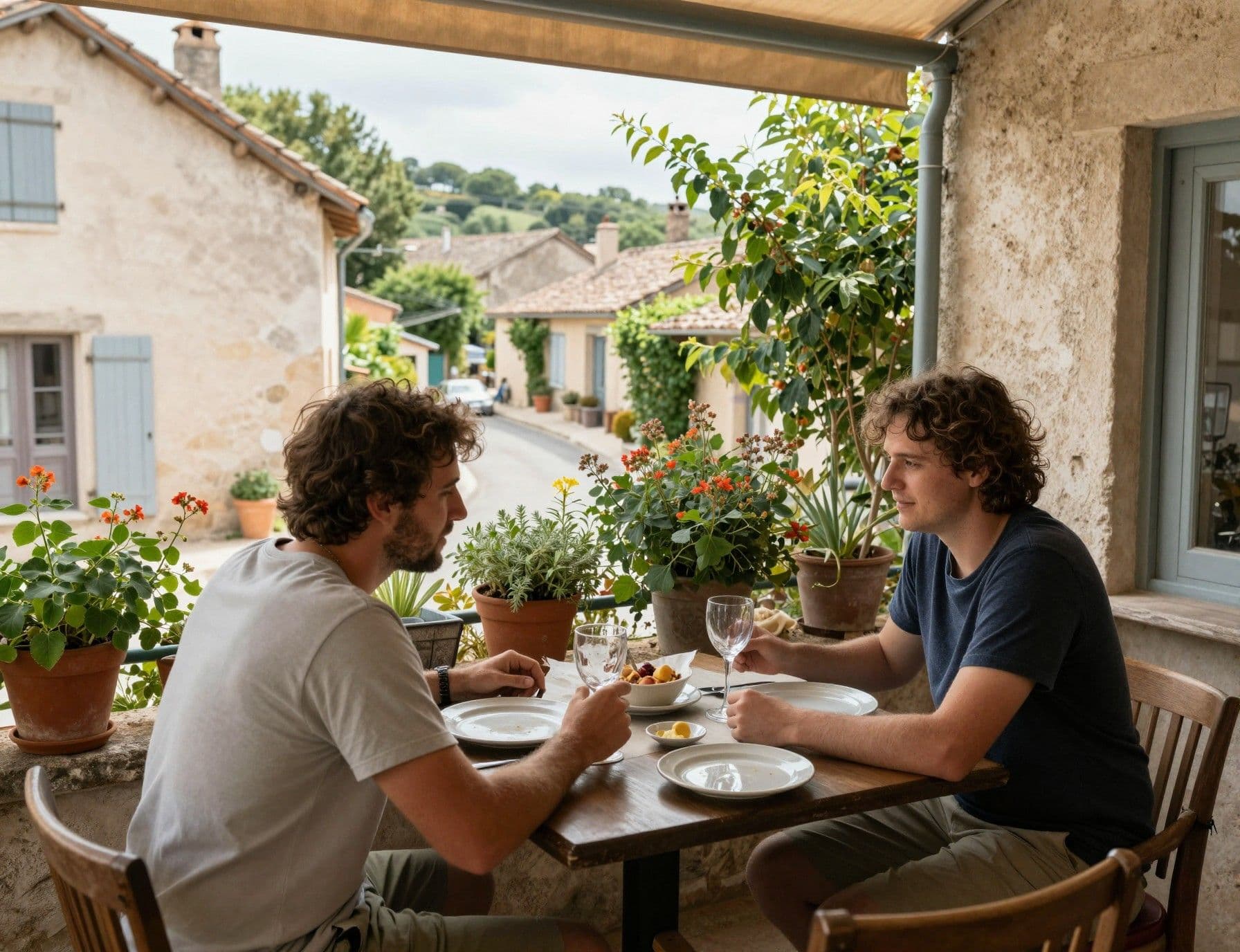
- Local cafés and terraces — neighbourhood hubs that make an area feel alive (Rue des Barres in Le Marais, Place du Même in Aix‑en‑Provence).
- Coastal microclimates — Mediterranean winters are milder, Atlantic coasts have stronger seasonal swings; both affect heating costs and year‑round rental potential.
- Transport links — proximity to TGV stations (Avignon TGV, Aix‑en‑Provence TGV) often lifts prices and rental demand.
Making the move: how lifestyle choices meet market reality
The numbers matter. After two years of softening, INSEE and Notaires data show stabilisation and modest increases in late 2025 — a reminder that national averages can hide regional contrasts. Paris and other large cities have seen renewed activity, while some rural departments still report lower prices. Use official indices to check momentum where you plan to buy, but always cross‑reference local notaire reports and agency market notes.
Property styles and how they fit daily life
In Paris, classic Haussmann flats mean high ceilings and light but limited outdoor space; in the south, mas and bastide houses offer gardens and terraces that shape an outdoor lifestyle. New builds in secondary cities often deliver energy‑efficiency and less maintenance, but they may lack local character. Decide whether you want a lived‑in neighbourhood or a low‑maintenance pied‑à‑terre — your choice will affect renovation budgets, running costs and rental appeal.
How local experts help you match life and ledger
A local agent or notaire does more than show listings: they translate neighbourhood nuance into numbers. We rely on them to confirm seasonality of demand, historical price per square metre on specific streets, and quirks like copropiété (co‑ownership) budgets that can surprise buyers. For international clients, choose an agent fluent in your language who can also deliver local dossiers — floor plans, co‑ownership minutes, and recent works invoices — before you commit.
Practical steps that blend lifestyle and market sense:
- Track official indices (INSEE, Notaires) for regional trends; then drill down to arrondissement/commune data for micro‑pricing signals.
- Visit in two seasons — a summer weekend and an off‑season weekday — to see how the place lives year‑round and to test rental demand if relevant.
- Ask sellers for the last three co‑ownership AG minutes, works invoices and energy bills; these documents reveal maintenance cycles and upcoming costs that reduce surprise.
- Run a local rentability check if buying to let: compare typical nightly/long‑stay rates, seasonality, and occupancy in your target street or commune.
Insider knowledge: myths, surprises and what expats wish they’d known
Myth: ‘France is uniformly expensive.’ Reality: metropolitan averages mask extremes — Paris districts, Riviera towns and Alpine resorts skew national figures. Le Monde and INSEE data show renewed price rises concentrated in large cities and iconic resorts, while many rural markets lag. Expats we work with often tell us they overpaid for proximity, not for lifestyle fit; it’s a mistake that’s obvious in hindsight.
Cultural signals that change how you live in France
Language matters less than participation: showing up at the boulodrome, weekly market, or local association does more to integrate you than perfect French. Local customs — summer closures, extended lunch hours, municipal fêtes — also affect service availability and renovation timelines. Expect bureaucratic patience; start early with paperwork and accept that a renovation timeline can double once permits and neighbours weigh in.
Long‑term lifestyle vs. short‑term returns
If you plan to live in France long‑term, prioritise community, daylight and access to everyday needs over speculative short‑term gains. If investment rhythm matters, target TGV corridors and student cities where demand is structural. Recent ConnexionFrance reporting highlights that while national prices stabilised in 2025, regional divergence created selective opportunities for buyers who matched strategy to place.
Before you make an offer: set a clear lifestyle brief, validate it against hard data, and ask an agent for a local dossier. We prefer buyers to test the neighbourhood life first, then use data to negotiate. If you want help assembling that dossier — comparable sales on the same street, notaire notes, and a reality check on rental demand — we can point you to French specialists who speak your language and the market fluently.
If France is in your future, start with a personal visit timed to the season you expect to live there. Walk the streets at 8am, 1pm and 8pm. Talk to a shop owner. Look at three properties across two price bands. That mix of sensory research and disciplined data checking is the difference between buying a postcard and buying a life.
Danish investment specialist who relocated to Costa del Sol in 2015. Focuses on data-driven market timing and long-term value for Danish buyers.