Croatia: Law, Life and the Seasonal Buy‑In
Croatia delivers Adriatic life and complex buying rules: understand nationality rules, VAT vs transfer tax, and seasonality to turn romance into a secure purchase.
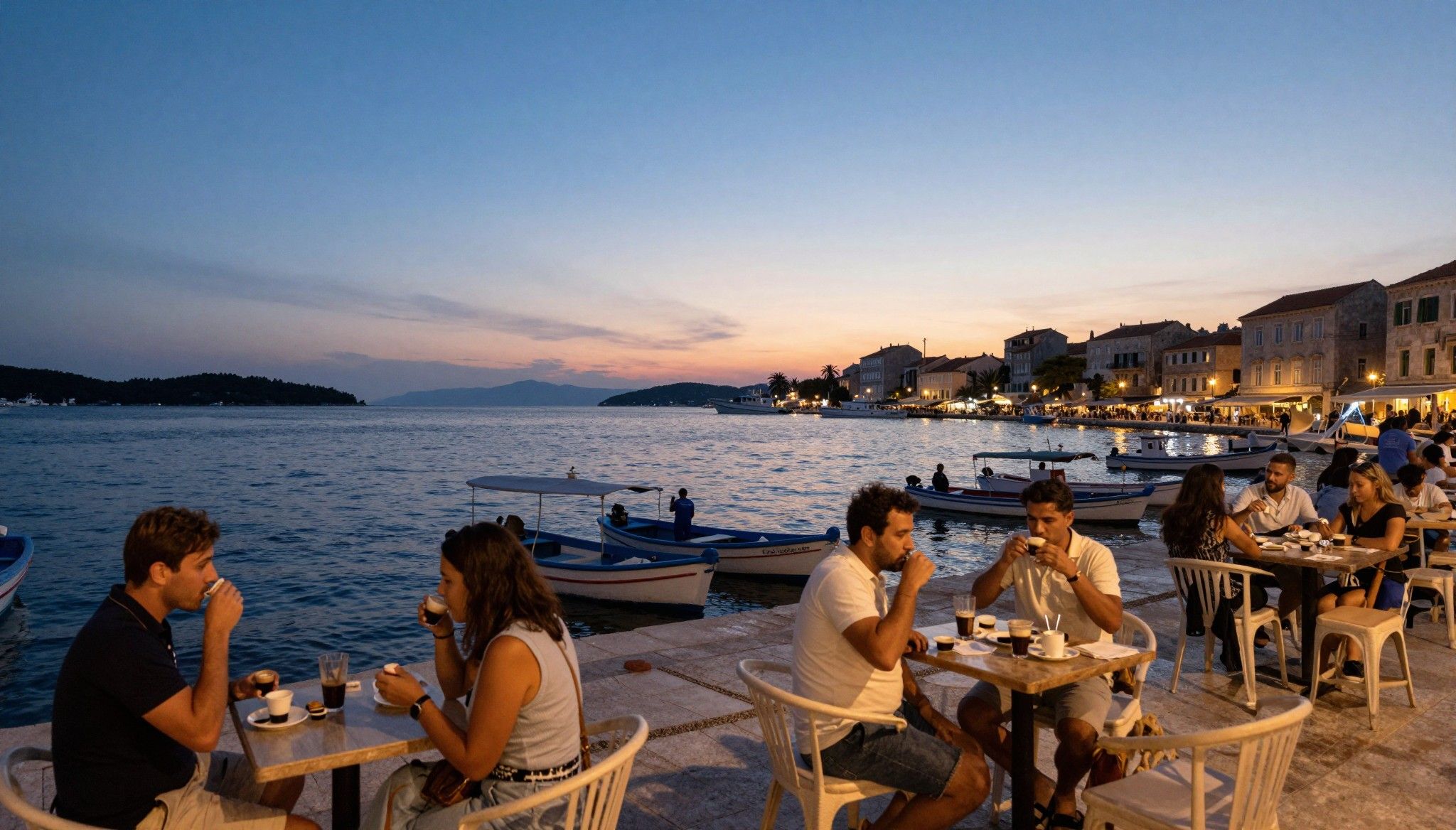
Imagine a late‑afternoon espresso on Split’s Riva, the Adriatic turning pewter as fishing boats glide by — and two streets inland, a stone stairway that leads to a quiet courtyard where a neighbour grills sardines. That contrast — dazzling coastlines and intimate local life — is what draws people to Croatia. But the romantic picture collides with rules, taxes and paperwork that surprise buyers who arrive expecting the Mediterranean as seen on postcards.
Living the Croatia life: what you really buy
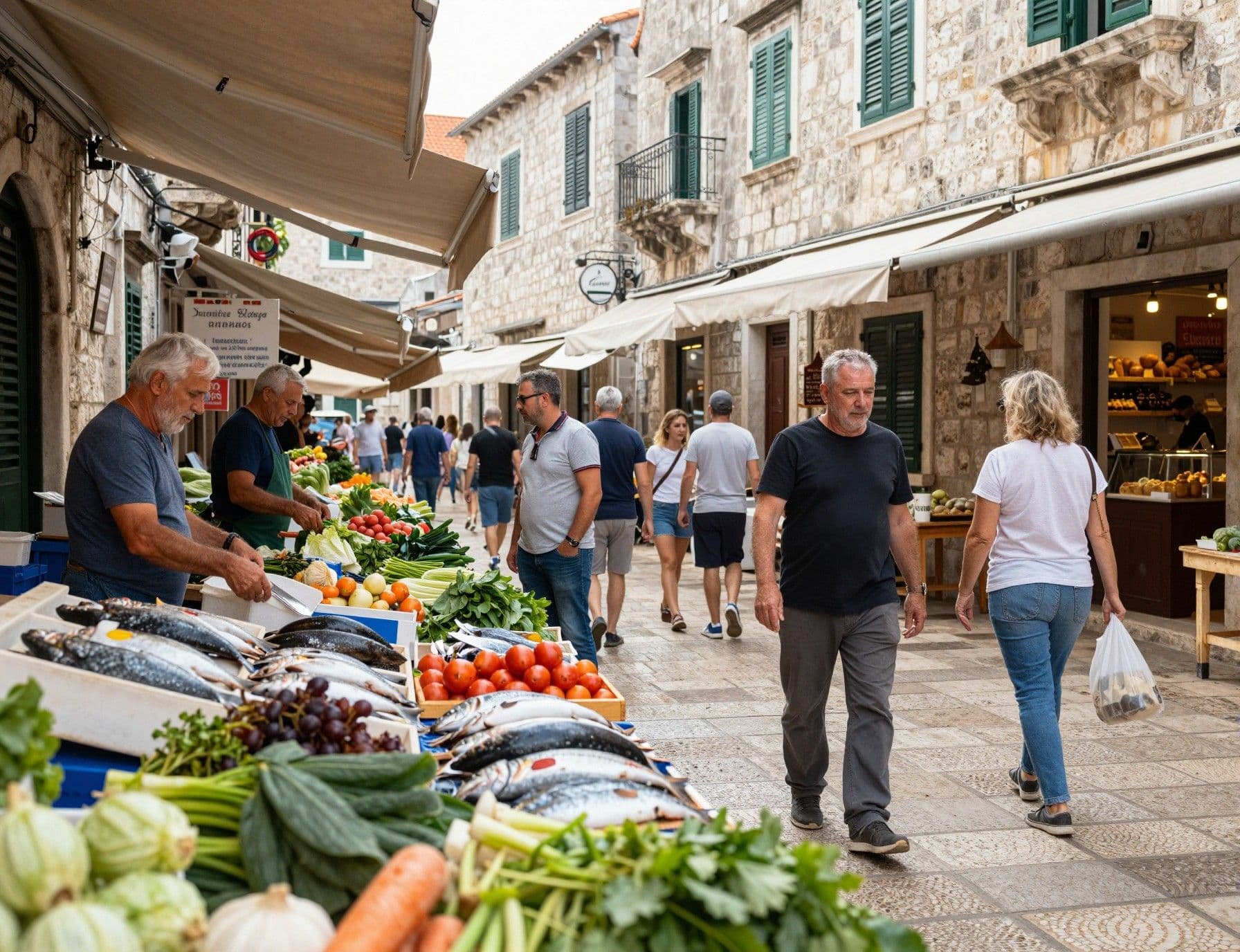
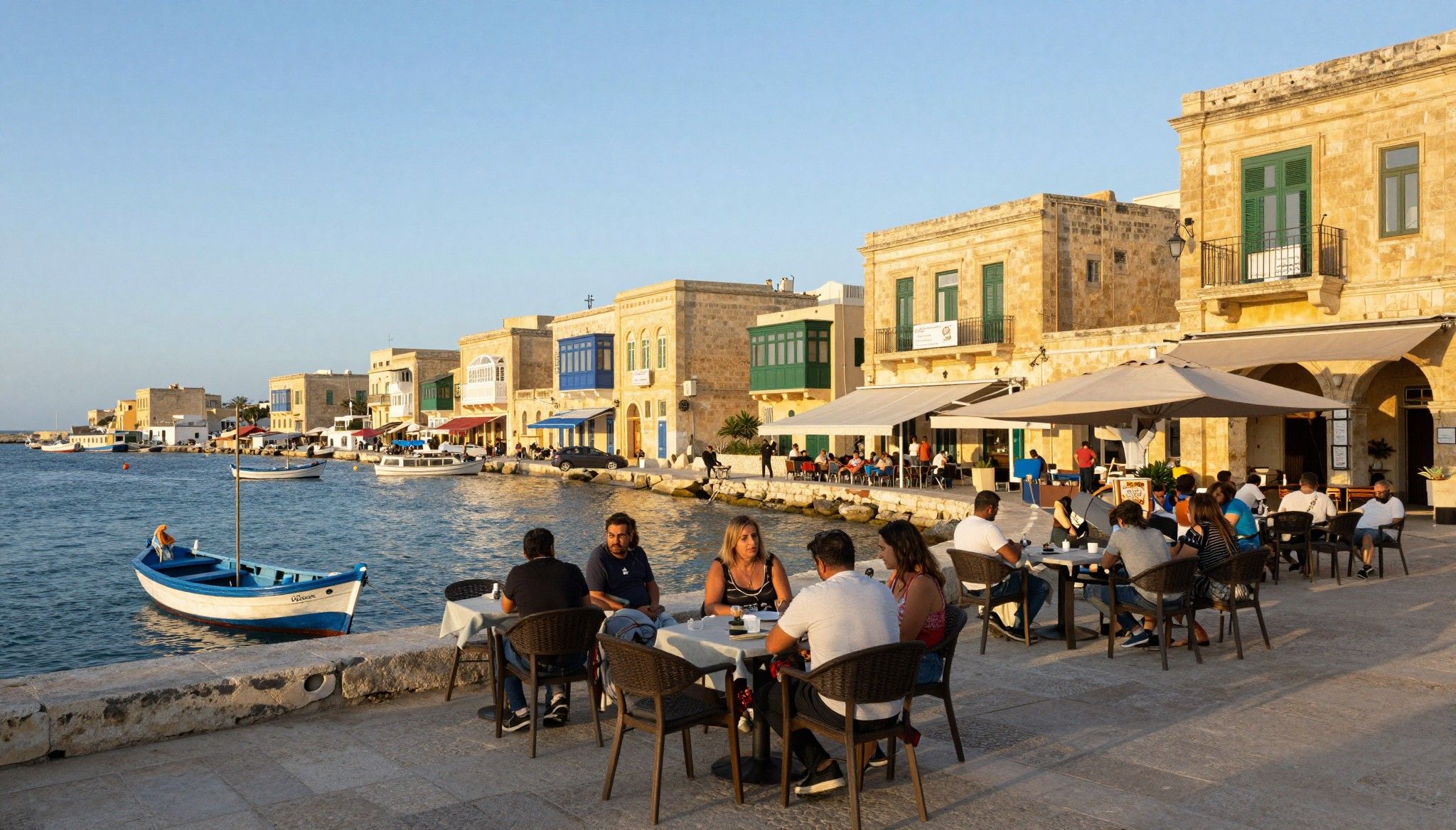
Croatia feels small and large at the same time. In Dubrovnik you live inside history; on Hvar the day is organised around the harbour; Zagreb hums with café culture and weeknight concerts. Streets to know: Split’s Riva and Marmontova, Dubrovnik’s Stradun and the tucked lanes off Od Sigurate, Rijeka’s Korzo. Expect cobbled steps, stone façades that hold heat, and terraces that become summer living rooms.
Coast vs city: two very different Croatias
If you crave beaches and marine life, choose Dalmatia — Split, Trogir, Šibenik and the islands. For year‑round services, schools and hospitals, look to Zagreb and Rijeka. Smaller islands like Vis or Lastovo offer silence and authenticity, but expect ferry timetables to shape your life. Seasonality matters: the coast fills up in July and August; the rest of the year you’ll meet locals again and discover different rhythms.
Food, markets and the social pulse
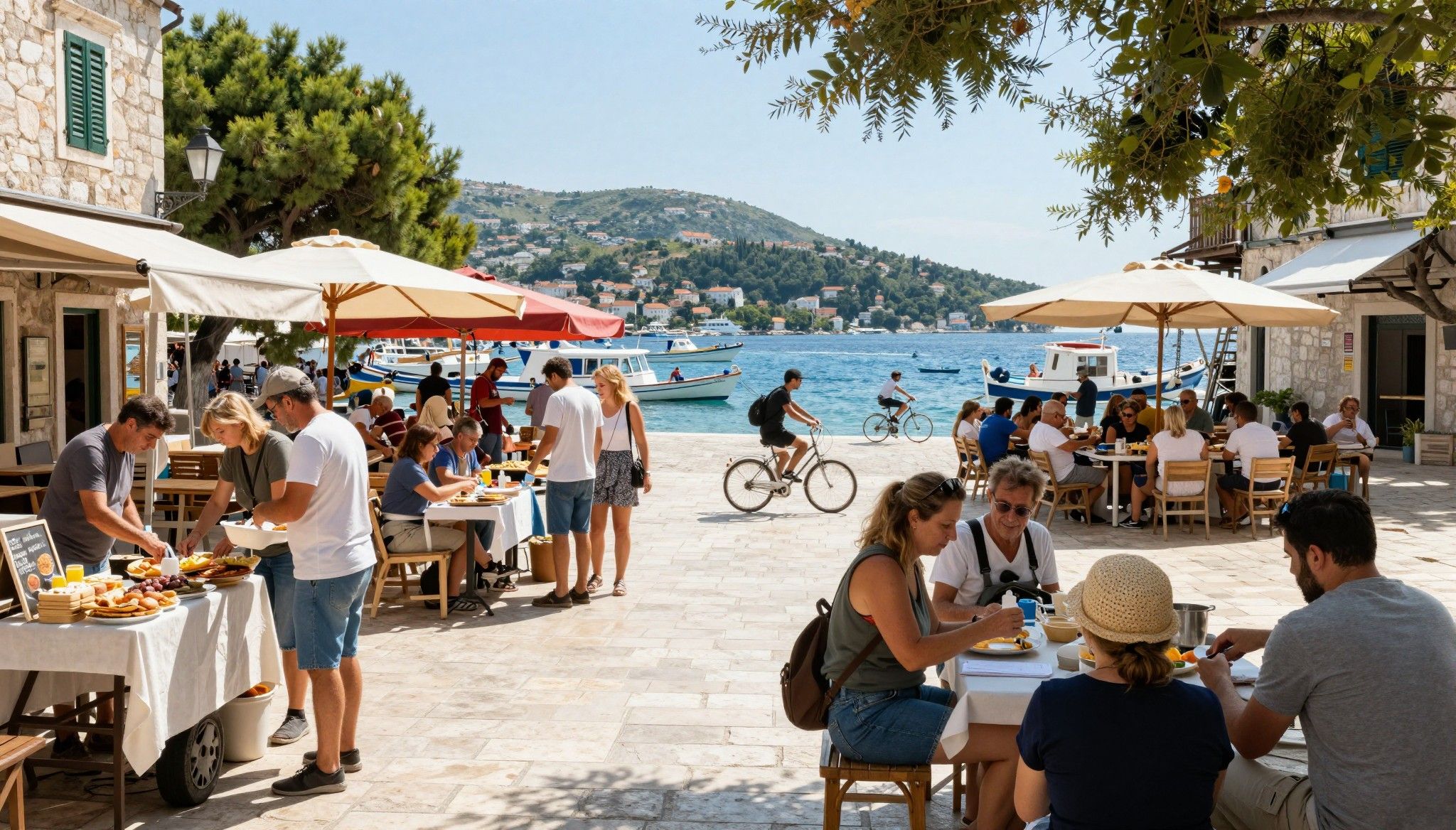
Markets are weekly community centres — Dolac market in Zagreb, Pazar in Split’s Varoš — where you pick up cheese, smoked ham and sea urchins in season. Cafés open early; konobas (family taverns) close late. Festivals — from Trogir’s summer concerts to Zagreb’s Advent — punctuate the year and are worth timing a visit around if you want to feel the social pulse before buying.
- Lifestyle highlights to scout in person
- Morning espresso on Split’s Riva; evening fish at Kontesa in Hvar
- Saturday market at Dolac (Zagreb) — test neighbourhood access and produce quality
- Walk the city walls in Dubrovnik at quiet hours to judge noise and tourism flow
Making the move: the legal and fiscal map

Living the lifestyle is one thing; owning property is another. Croatia’s legal framework has changed noticeably since joining the EU: EU/EEA citizens generally buy on the same terms as Croatians, while many non‑EU buyers from OECD countries now face fewer hurdles than before. The official Investment Guide lays out transfer taxes, VAT rules and land categories you must understand before you sign. Always assume paperwork will take longer than expected — ministry approvals can be slow for some non‑EU nationals.
Key buying rules that shift how you search
Two headline mechanics shape cost: the 3% real estate transfer tax (applies to most resales) and a 25% VAT that replaces the transfer tax on purchases from developers or for new builds. Since 2025 Croatia introduced an annual residential property tax replacing the old holiday‑home levies — budget for ongoing costs. Notary and land‑registry fees, and occasional municipal surcharges, push closing costs higher than the advertised price, so add at least 3–5% for closing and administrative expenses.
How nationality affects the process
EU/EEA buyers have near‑parity with Croatian citizens. For non‑EU buyers, the landscape cleared in recent years: several OECD countries now have de‑facto access without lengthy ministry approvals, but agricultural and forest land remain tightly restricted. If your search targets plots or rural land, expect extra permissions or to consider buying via a Croatian company (d.o.o.) — a legal manoeuvre that changes tax and inheritance profiles.
- Practical checklist before making an offer
- Obtain an OIB (Croatian tax number) — banks and notaries require it for contracts and mortgages.
- Request a land‑registry extract (izvod iz katastra) and confirm any pre‑emption rights or mortgages.
- Clarify whether VAT (25%) or transfer tax (3%) applies — this changes total cost materially.
Insider knowledge: what expats wish they’d known
We talk to buyers every week. The single biggest surprise? Seasonality and bureaucracy change your love story into a negotiation. Properties that look quiet in October can be unshowable in July; conversely, you’ll see better value in shoulder seasons when locals work deals. Data shows foreign buyer activity has softened recently — that can be an opportunity for patient buyers who visit outside peak season and negotiate with sellers who depend on a summer rental calendar.
Cultural rules that affect offers
Sellers in coastal towns often price properties with rental income in mind. That means a summer booked calendar can inflate prices; test the math yourself. Croatian sellers expect a formal offer and a quick notarised preliminary contract (predugovor) with a deposit. Be ready to show financial seriousness: bank certificates, proof of funds, or a pre‑approved mortgage speed things up and builds trust.
Long‑term considerations: tax, inheritance and management
Think beyond purchase: capital gains rules, annual property taxes and local utility surcharges shape long‑term returns. Croatia’s newer annual residential property tax replaced older holiday home levies, and capital gains on sales within short windows are taxed at specific rates. Also plan for property management if you won’t live there—local managers are essential for rentals, bills and seasonal care, and their fees are a non‑negligible line item.
- Red flags to stop a purchase in its tracks
- No clear land‑registry extract or unresolved liens
- Seller cannot prove VAT vs transfer‑tax status on new builds
- Properties inside protected areas or small islands with state pre‑emption rights
- Unusual restrictions in communal ownership agreements (especially in older stone complexes)
If any of the above appear, pause and get a local lawyer. It’s the single best spending decision for international buyers and often prevents multi‑month headaches.
- How a local agency actually helps you (step-by-step)
- 1) Curate neighbourhoods that match your daily life, not just photos — agencies read local calendars, ferry timetables and noise patterns.
- 2) Pre‑check legal status and VAT/transfer tax exposure so your offer includes accurate closing costs.
- 3) Introduce trusted lawyers, notaries and property managers — that network speeds approvals and protects your purchase.
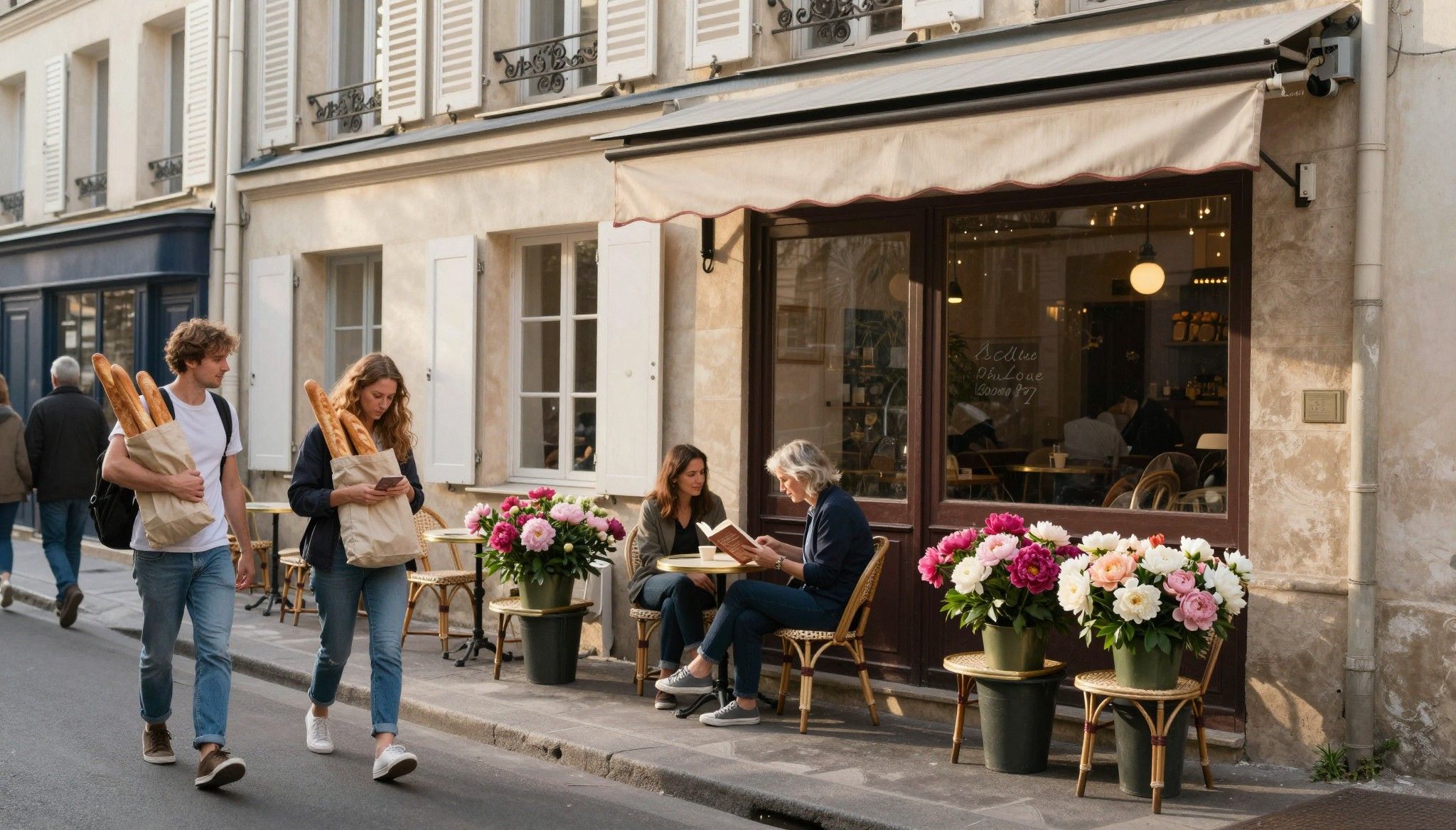
Conclusion: Croatia asks for patience and curiosity. Visit outside peak season, walk the streets you’d live on, and test the routines — the morning bakery run, the ferry timetable, the Sunday market. If the lifestyle fits, the legal and fiscal work is manageable with local experts. We’ll help you find the neighbourhood that makes those island afternoons and urban coffees feel like home — then read the file together.
Dutch relocation advisor who moved to Marbella in 2016. Guides Dutch buyers through visa paths, relocation logistics, and balance of lifestyle with value.