Croatia: Love the Rhythm — Then Check the File
Fall for Croatia’s everyday rhythms — then check the file: reciprocity rules, a 3% transfer tax, and the new annual property levy reshape where and what internationals should buy.
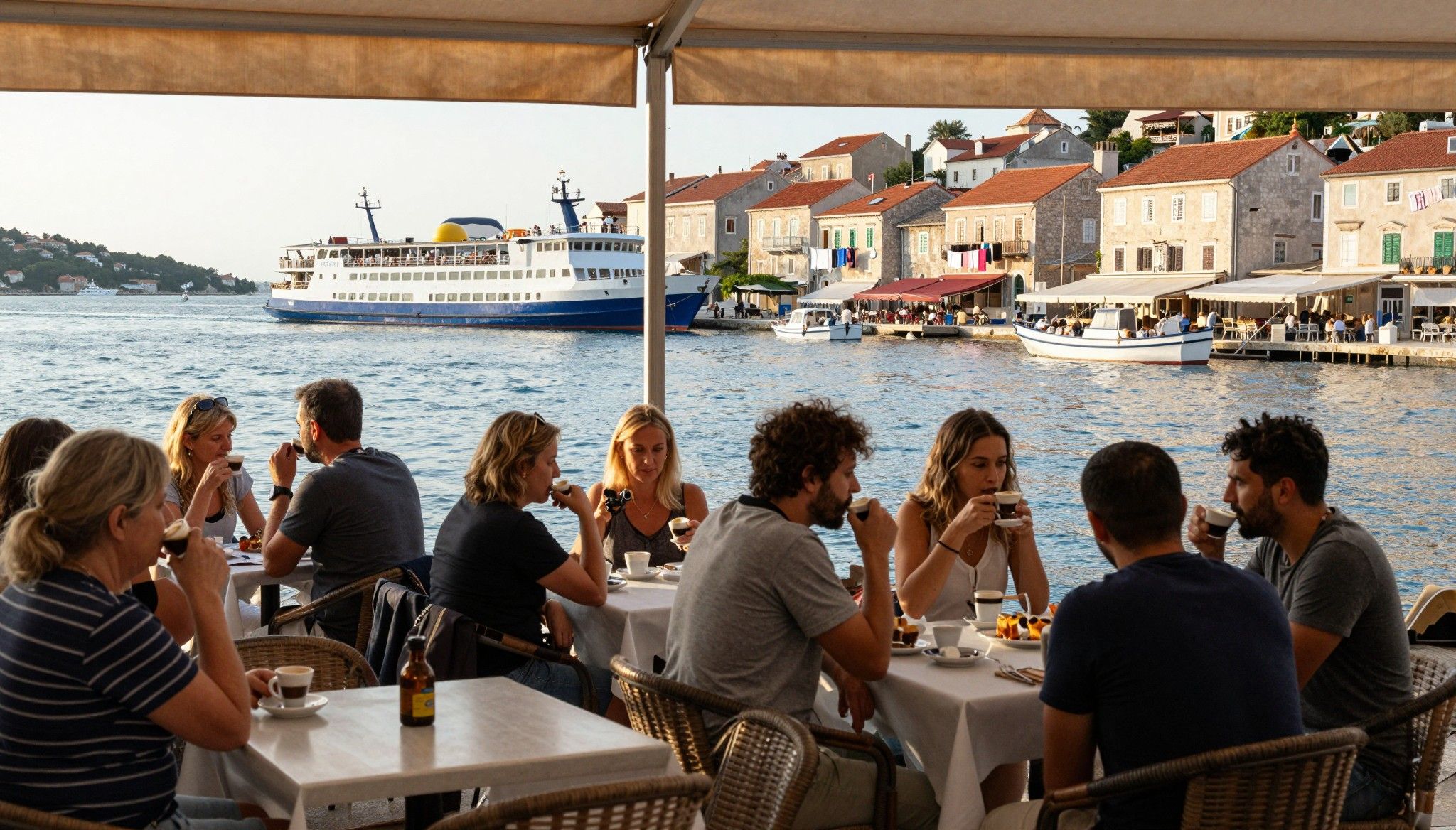
Imagine stepping out of a stone doorway in Split at dawn, the scent of espresso and grilled fish trailing down Poljička ulica, or wandering a quiet Istrian lane in October as truffle hunters return with their day’s haul. Croatia asks you to slow down — to choose a terrace table over a taxi, a market stall over a supermarket chain — and that rhythm shapes what and where people buy.
Living Croatia: the rhythm you’re buying into
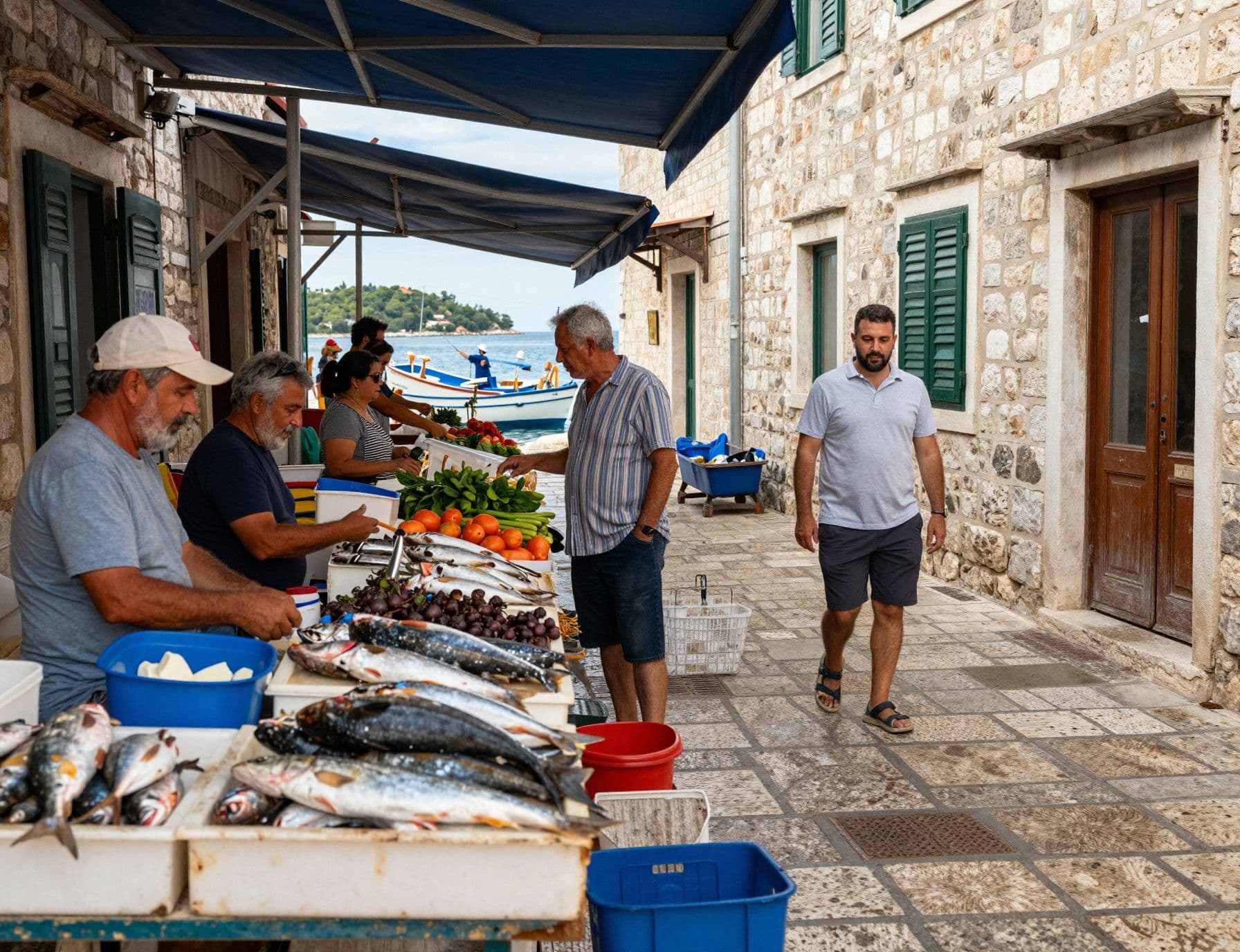
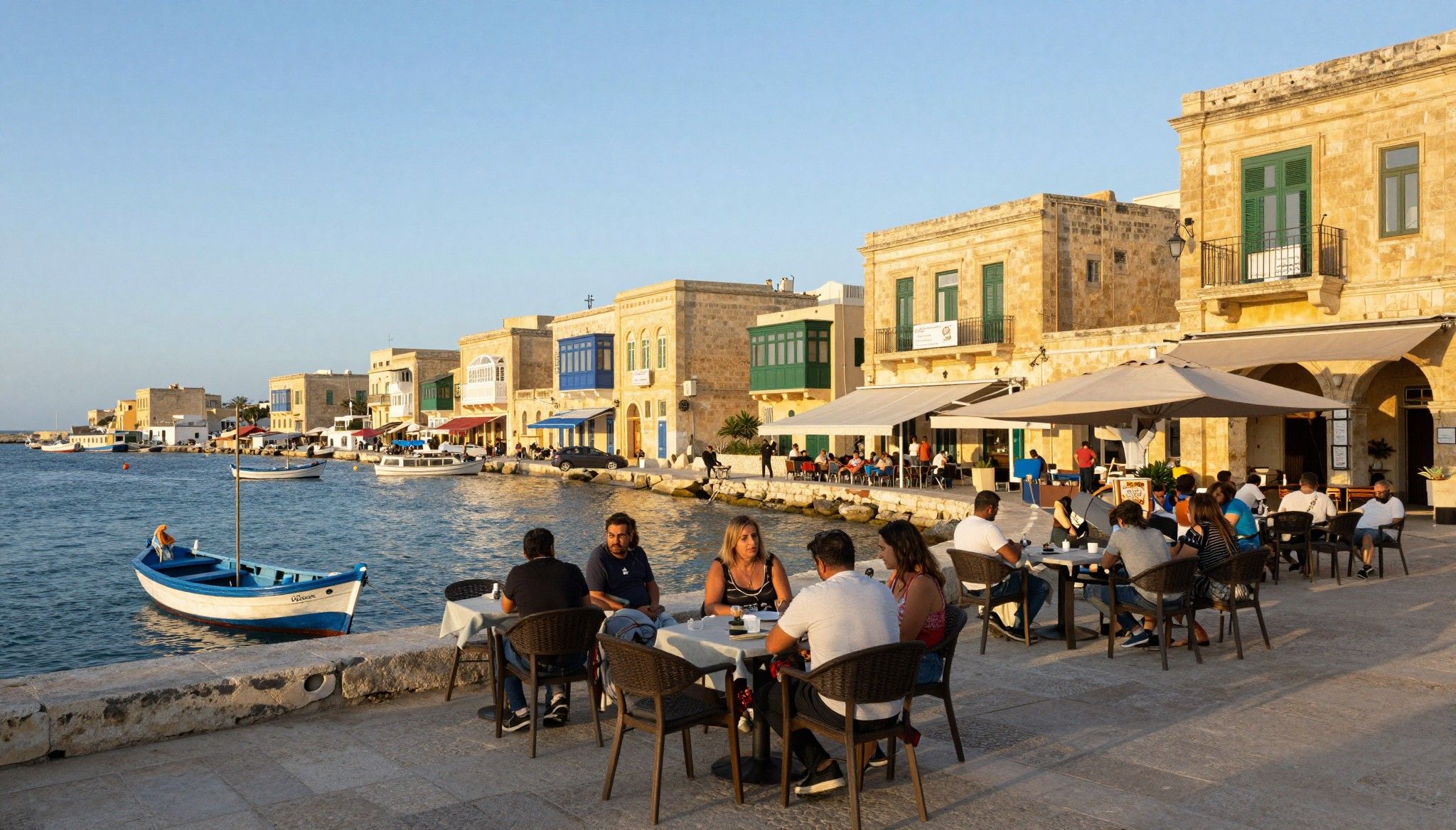
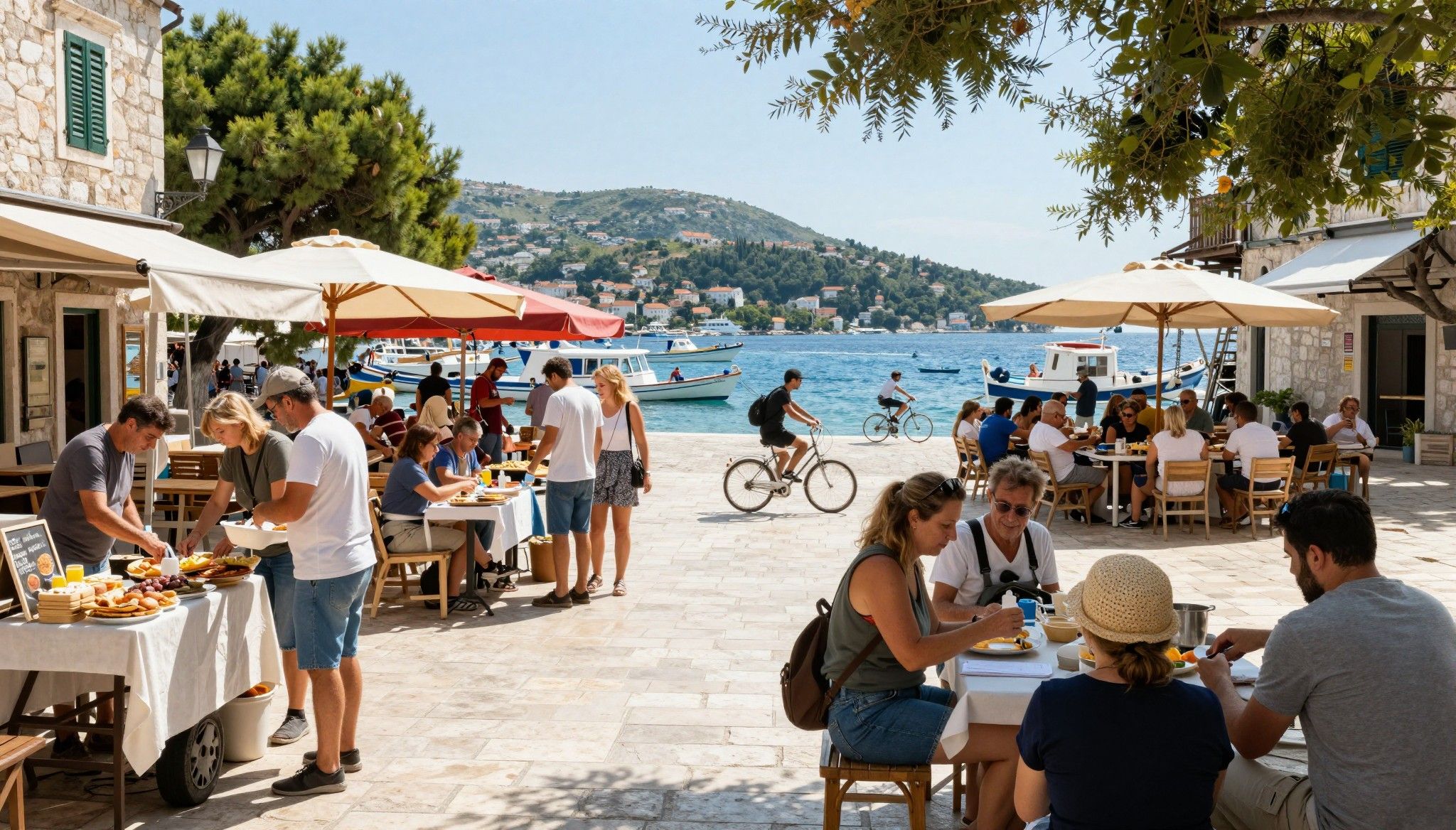
Life here is coastal cafés, late markets, and summers that rewrite your calendar. From the marble streets of Diocletian’s Palace to the pebble coves of Brač, neighborhoods have personalities — some loud and tourist-facing in July, others quietly local for eleven months of the year. That seasonality is not a nuisance; it’s the product. If you plan to call Croatia home, expect a life organized around the sea, the market, and a social hour that starts with coffee and often ends at the konoba.
Coastlines and old towns: Split, Dubrovnik, Rovinj
Split’s Varoš and Sustipan offer the morning ritual we love: fresh bread, local olive oil, and the ferry horn in the distance. Dubrovnik’s Ploče and Lapad feel theatrical in high season but surprisingly peaceful in late autumn. Rovinj’s old harbour — narrow alleys, painters, and seafood grills — is a magnet for people who want village scale with an international pulse. Each place changes character through the year; choosing the right street matters as much as the right view.
Inland life: Zagreb’s neighbourhoods and Istrian hinterland
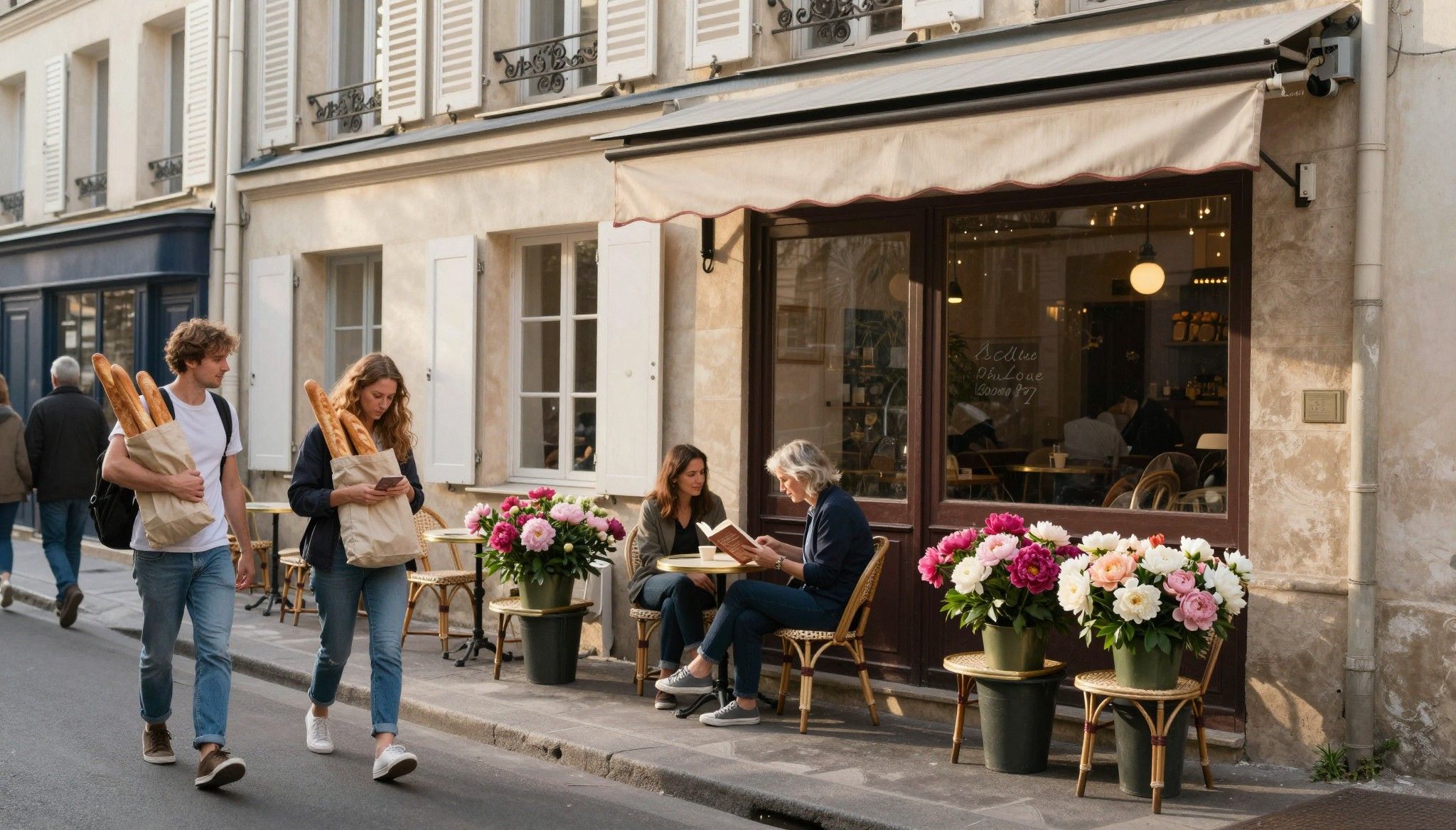
Zagreb buys you mornings at family bakeries and evenings at jazz bars around Tkalčićeva. In the Istrian interior, Motovun and Grožnjan reward slow weekends — stone houses, vineyards, and communities that gather for film festivals and truffle fairs. For many internationals, inland Croatia offers lower entry prices and a lifestyle that’s more local year-round.
- Market highlights to taste the place:
- Morning espresso on Split’s Obala or Zagreb’s Britanski trg
- Sunday fish market at Hvar’s port or Pula’s stalls
- Istrian truffle weekends in autumn, Motovun Film Festival in summer
Making the move: what the lifestyle means for legal choices
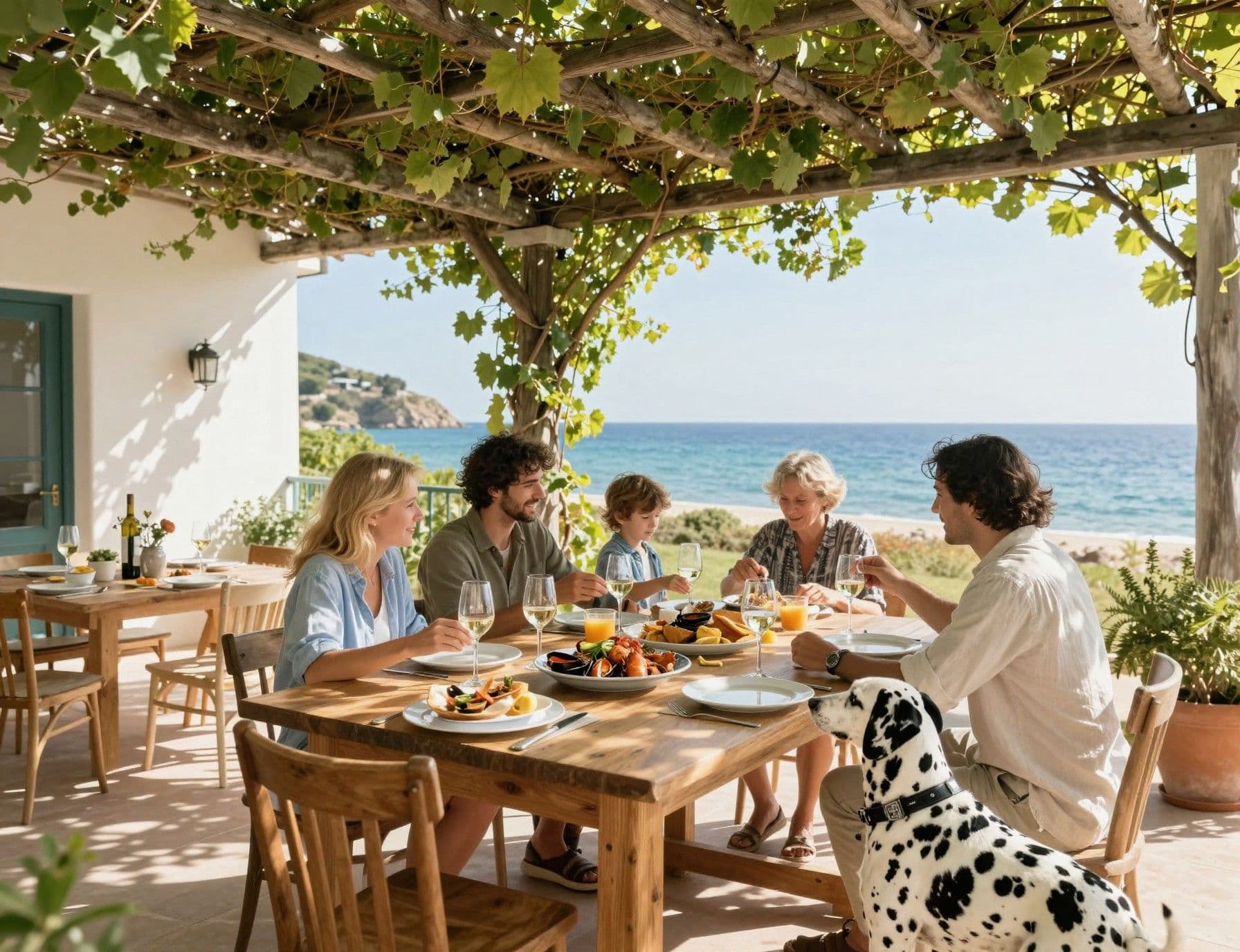
The romance of a seaside apartment should be balanced with the practical: not all non‑EU buyers can buy as freely as EU citizens. Croatia operates a reciprocity system — your ability to buy often depends on whether Croatia’s rules are mirrored in your home country. This is not merely bureaucratic friction; it shapes which properties are accessible and how long paperwork will take.
Who can buy, and who needs permission
Citizens of EU, EEA and Switzerland generally buy without special permission. Third‑country nationals may need prior approval; for example, recent public notices show reciprocity changes for certain countries and time‑limited conditions — always check the ministry list early in your search so you don’t fall in love with an inaccessible plot.
Tax reality: transfer tax, VAT and annual property levies
Expect a 3% real estate transfer tax on most resale purchases, and VAT (typically 25%) for new builds when applicable. Recently introduced annual property tax rules (effective 2025) mean recurring costs now matter more when comparing coastal villas and city apartments. Factor 5–9% in extra acquisition costs beyond the purchase price when budgeting.
Property types, agency help and a lifestyle-first checklist
Architectural variety here is wide: Dalmatian stone houses with pergolas, modernist apartments in Zagreb, renovated Austro‑Hungarian villas in Istria, and contemporary seaside developments. Match the property’s grain to how you’ll live — if mornings are for markets, a ground‑floor flat near a harbour matters more than a penthouse with a long staircase.
How local agencies translate lifestyle into legal certainty
Work with agencies that know municipal quirks: coastal zoning, cadastral records, tourist rental permissions, and the typical renovation headaches in stone houses. A good local lawyer and agent will check burden entries, utility access, and whether a property’s tourist license is transferable — small details that determine whether your morning coffee ends with a seaside view or a long dispute.
- Practical steps to pair lifestyle with legal peace of mind:
- 1. Verify reciprocity early (check ministry list) and confirm whether you need prior approval.
- 2. Include 3% transfer tax, possible VAT, and the new annual property tax in your cashflow model.
- 3. Ask the agent for the cadastral extract, utility confirmations and any tourist rental licences.
- 4. Budget for renovation realities — stone houses need specialist trades and longer timelines.
Insider knowledge: myths, mistakes and what expats really wish they’d known
A common myth: Croatia is only for seasonal buyers. The truth is more nuanced — many internationals buy for blended use: several months a year living locally, short‑term rentals in summer, and a stable, lower-cost life off‑season. But misjudged seasonality, ignoring local maintenance cycles, and underestimating the time required for permits are the top mistakes we see.
Cultural practicalities that change where you buy
Community life matters: neighbor relationships, local associations, and seasonal population swings affect everything from noise to services. Learn basic Croatian phrases, attend a local market, and you’ll find faster access to craftsmen and clearer signals about which streets stay lively in January.
Long-term thinking: resale, rentals and climate risks
Tourism drives demand but also causes volatility. Regions like Istria and some Dalmatian islands command premiums; inland areas can offer steady, year‑round demand. Consider flood and coastal erosion risks for low-lying plots, and be realistic about summer rental yields versus the work of managing short‑lets.
- Red flags local buyers and agencies watch for:
- Unclear cadastral ownership entries or missing building permits
- Tourist licence not transferable or disputed
- Promises of future zoning changes without written municipal confirmation
We’ve seen buyers fall for a postcard sunset and then spend months sorting municipal records. Treat paperwork like part of the charm: it’s the price of buying into an ancient coastline and the local life it supports.
Conclusion — if Croatia is the life you want, plan for both. Fall for the market rhythm, the markets, the neighbourhood cafés and the island lanes — but also hire the agent who will read the file, the lawyer who will check the registry, and the local builder who understands stone and sea. Start your search by checking reciprocity, building a realistic budget (including the 3% transfer tax and possible annual property levy), and lining up a small team who speaks Croatian, cadastral, and human.
Danish investment specialist who relocated to Costa del Sol in 2015. Focuses on data-driven market timing and long-term value for Danish buyers.