Greece: Streets, Markets and the Homes You’ll Actually Live In
City mornings, markets and neighborhood rituals matter more than views. Match lifestyle first, then check titles, residency rules and renovation timelines with local experts.
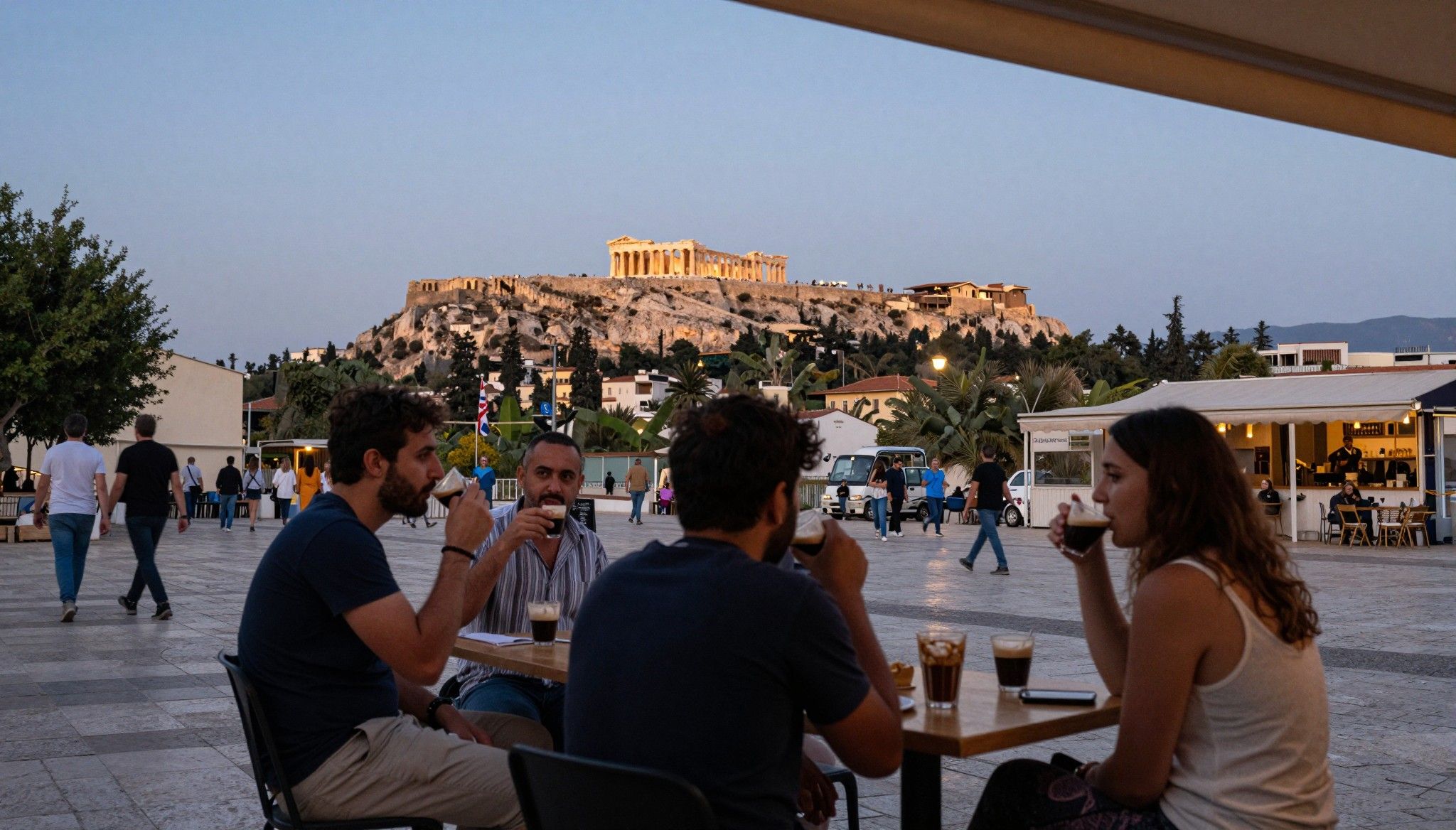
Imagine waking to the clink of a coffee cup on Drakou Street in Koukaki, then wandering through Varvakios market where fishmongers still shout prices in the morning light. This is Greece: city rhythms that breathe between ancient stones and modern cafes, neighborhoods where a sea view may arrive down a narrow lane rather than from a gated terrace.
Living the Greek urban life: texture, markets and morning light
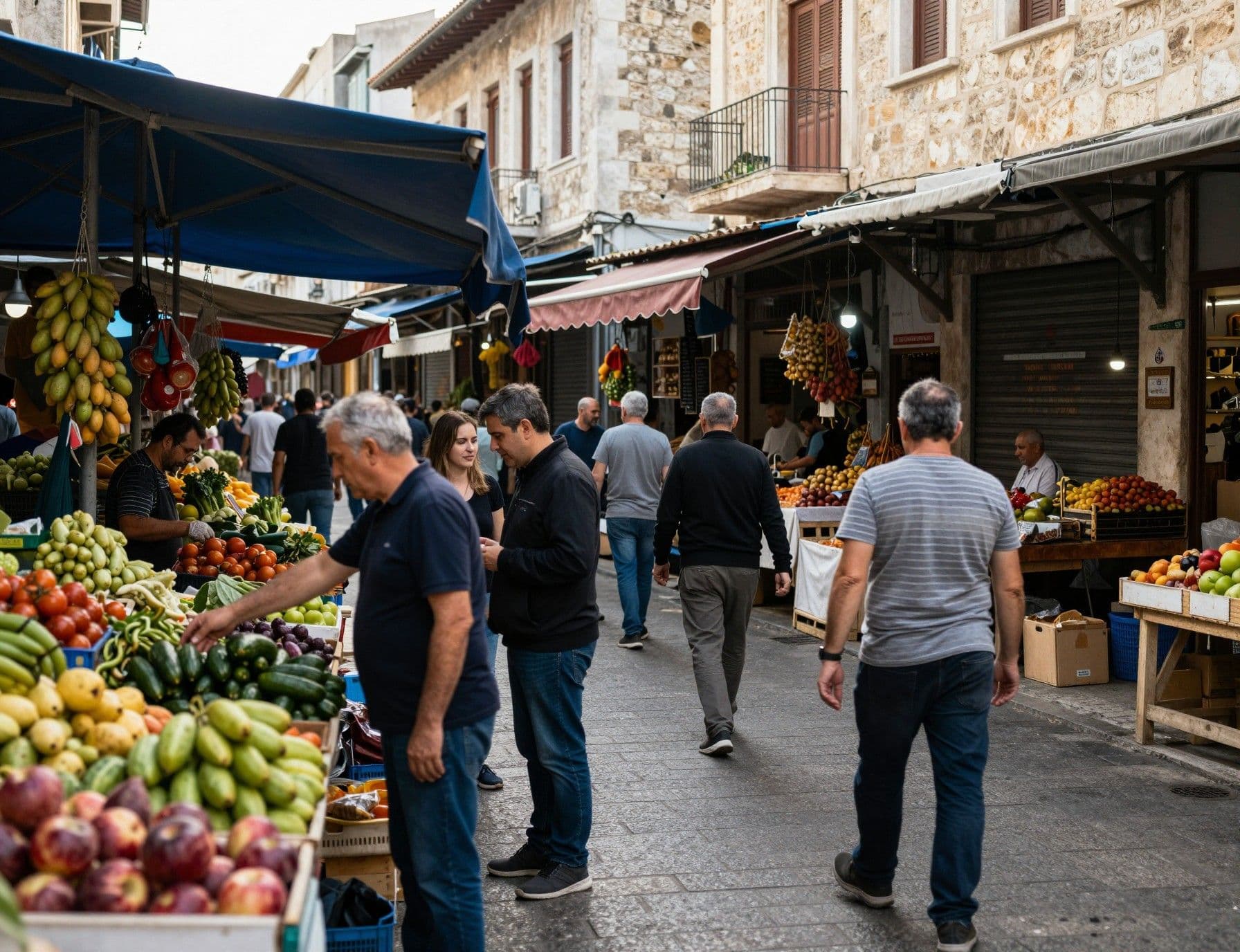
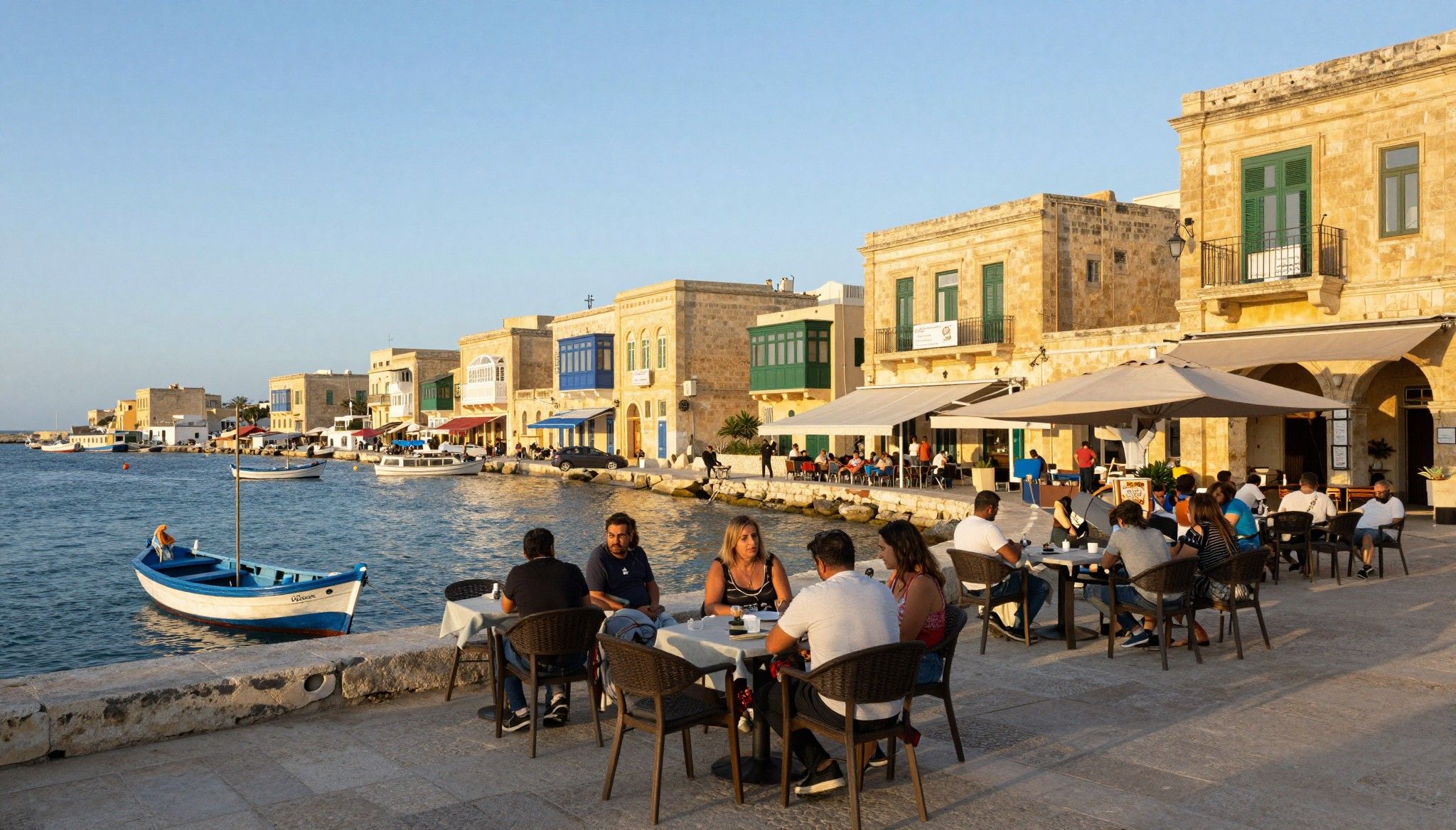
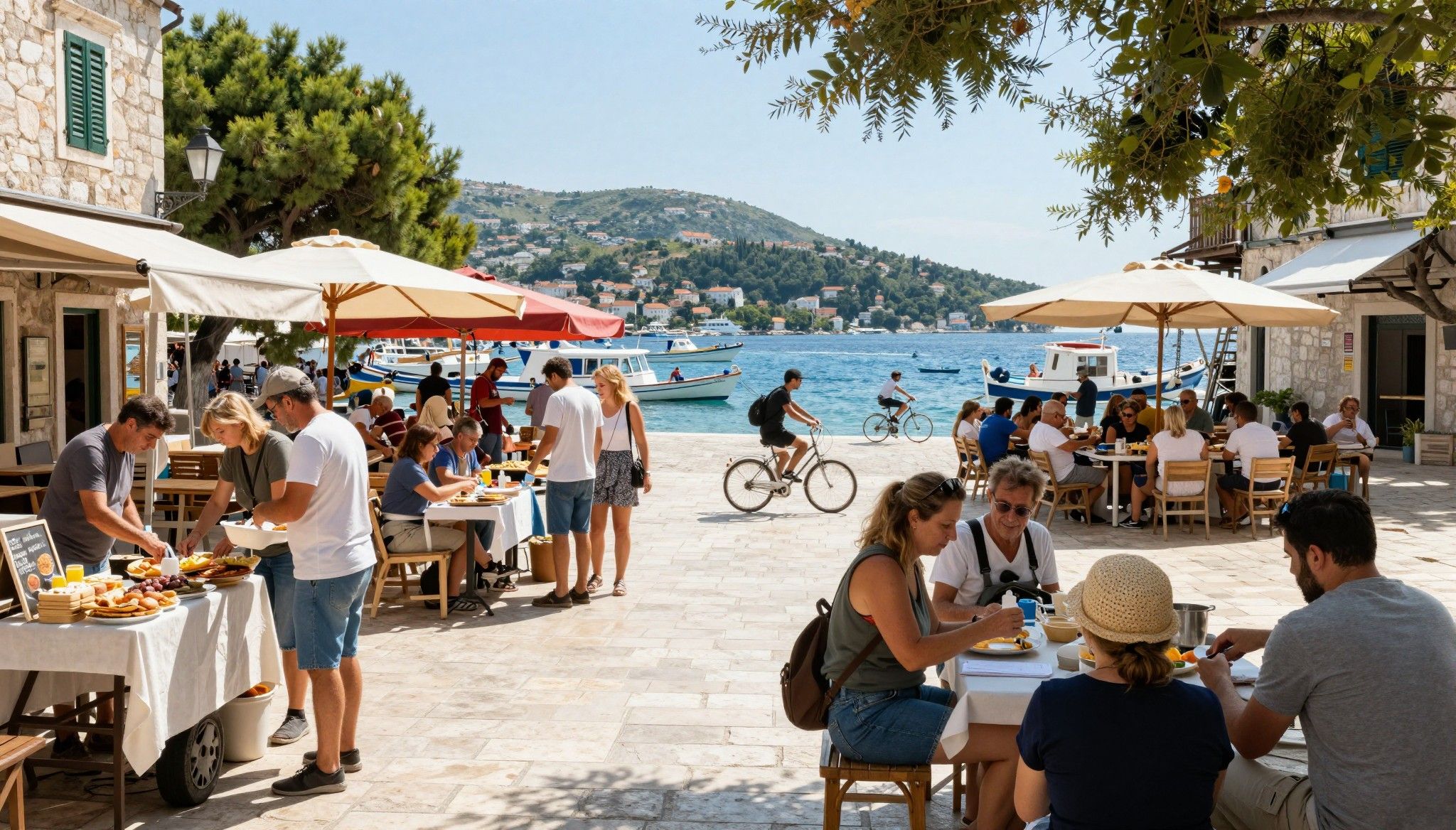
Greece’s major urban hubs—Athens, Thessaloniki and the larger island towns—blend street-level social life with surprising pockets of calm. Think pavement cafes where freddo espresso is ritual, municipal markets that act as weekly town squares, and parks that fill with families at dusk. The result: a life lived in public, where community rhythms shape which property really ‘works’.
Athens: neighborhoods that actually feel like home
In Athens, Koukaki is close to the Acropolis but keeps a lived-in village energy—small tavernas, quiet squares and morning bakeries. Metaxourgeio and Kerameikos have reworked industrial bones into galleries and craft coffee shops. If you want walkable life with a mix of old and new, these are the streets you’ll walk five times a day.
Thessaloniki and island towns: daytime markets, night-time life
Thessaloniki still carries an open, maritime pulse: seaside promenades, daily fish markets and a nightlife that favors long dinners. Smaller island towns (Chania, Mytilene, Rhodes) trade big-city anonymity for a close-knit calendar of festivals and market mornings—appealing if you want community as a daily habit.
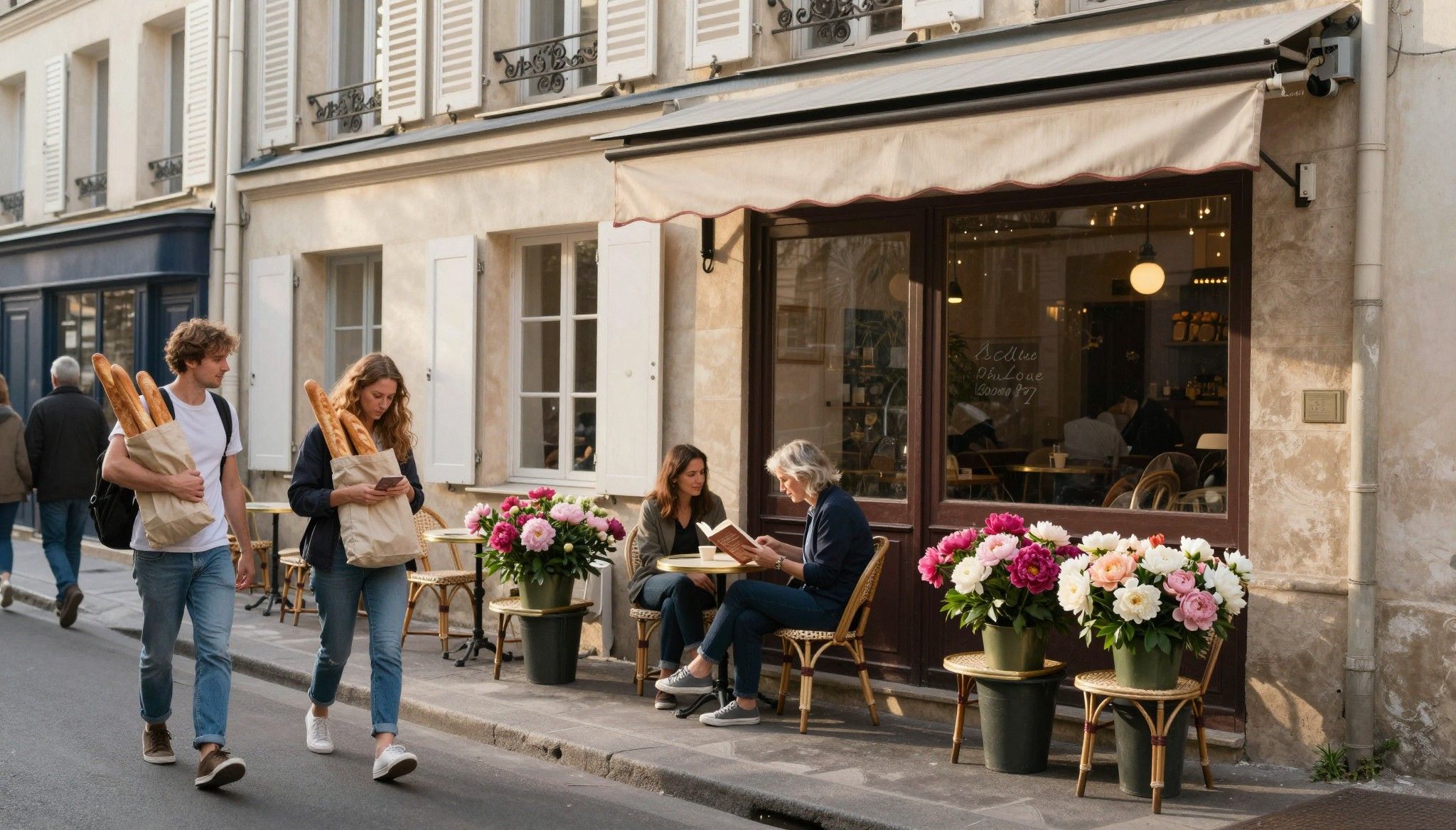
- Morning freddo espresso on a shaded square (Koukaki); Varvakios Central Market for weekly provisioning; Evening strolls along Thessaloniki’s waterfront; Sunday bazaars in Chania; Rooftop dinners with Acropolis views on slow summer nights; Local boulangeries and neighborhood tavernas where chefs source produce.
Making the move: how lifestyle choices shape property decisions

Your idea of Greek life—market mornings, long dinners, seaside weekends—should steer what you buy. City apartments close to squares let you live the public life; a townhouse near a small port gives weekend escape without island logistics. Remember: price movement and rental demand are uneven across neighborhoods, so match lifestyle first, then check the file.
Property styles and the life they enable
Neo-classical flats in Athens offer tall windows and mouldings that make afternoons glow; renovated industrial lofts give space for home offices and galleries; modern island terraces prioritize indoor-outdoor flow. Choose by routine: do you want a terrace for morning sun, a kitchen big enough for market hauls, or a street with evening life for social ease?
Working with local experts who care about lifestyle
- 1) Tell your agent the life you want—market mornings, ferry weekends, or city-center nightlife. 2) Ask for neighbourhood walks, not just viewings: see the bakery and the bus stop. 3) Prioritise agencies with local networks (lawyers, renovators, management). 4) Test short-term rentals first to confirm daily rhythms.
Insider knowledge: the expat truths we tell clients
Expat enthusiasm often glosses over chores that shape satisfaction: seasonal noise on tourist streets, the unpredictability of municipal services in some districts, and renovation lead times in old buildings. Locals adapt by forming routines—market days, coffee corners, trusted tradespeople—and that local scaffolding is what makes a property feel like home.
Cultural integration and daily life
Learn a few phrases, join a local taverna’s loyalty, and accept a slower administrative tempo. The reward is a social life where neighbours know your name and invitations to cookouts are real. For buyers, that texture reduces turnover and improves long-term value more than any superficial view.
Practical note on residency: investment residency terms have changed recently and deadlines for property contract completion were extended into early 2025 for some investors. Always confirm the current rules with your lawyer before planning around residency schemes. Policy moves fast, and buying timelines must reflect that reality.
- Tip list: inspect these before you sign—title clarity and encumbrances; neighborhood noise and seasonal tourism patterns; utility upgrades in older buildings; access to healthcare and schools if you’ll stay long-term; realistic renovation timelines and local contractor references.
If you can picture yourself buying here, start small: visit in-market for multiple weeks across seasons, walk morning markets and evening squares, hire a lawyer to check the file, and work with an agent who can show you not just properties but rhythms. We’ll help you find the street that fits your life—not just a listing that fits a wish.
Conclusion: Greece offers a life that’s tactile, social and seasonally rich. Fall for the smell of baking bread and the light on old stone, but balance romance with inspections, local counsel and neighbourhood walks. That way, the postcard becomes your daily routine.
Swedish expat who moved from Stockholm to Marbella in 2018. Specializes in cross-border legal navigation and residency considerations for Scandinavian buyers.