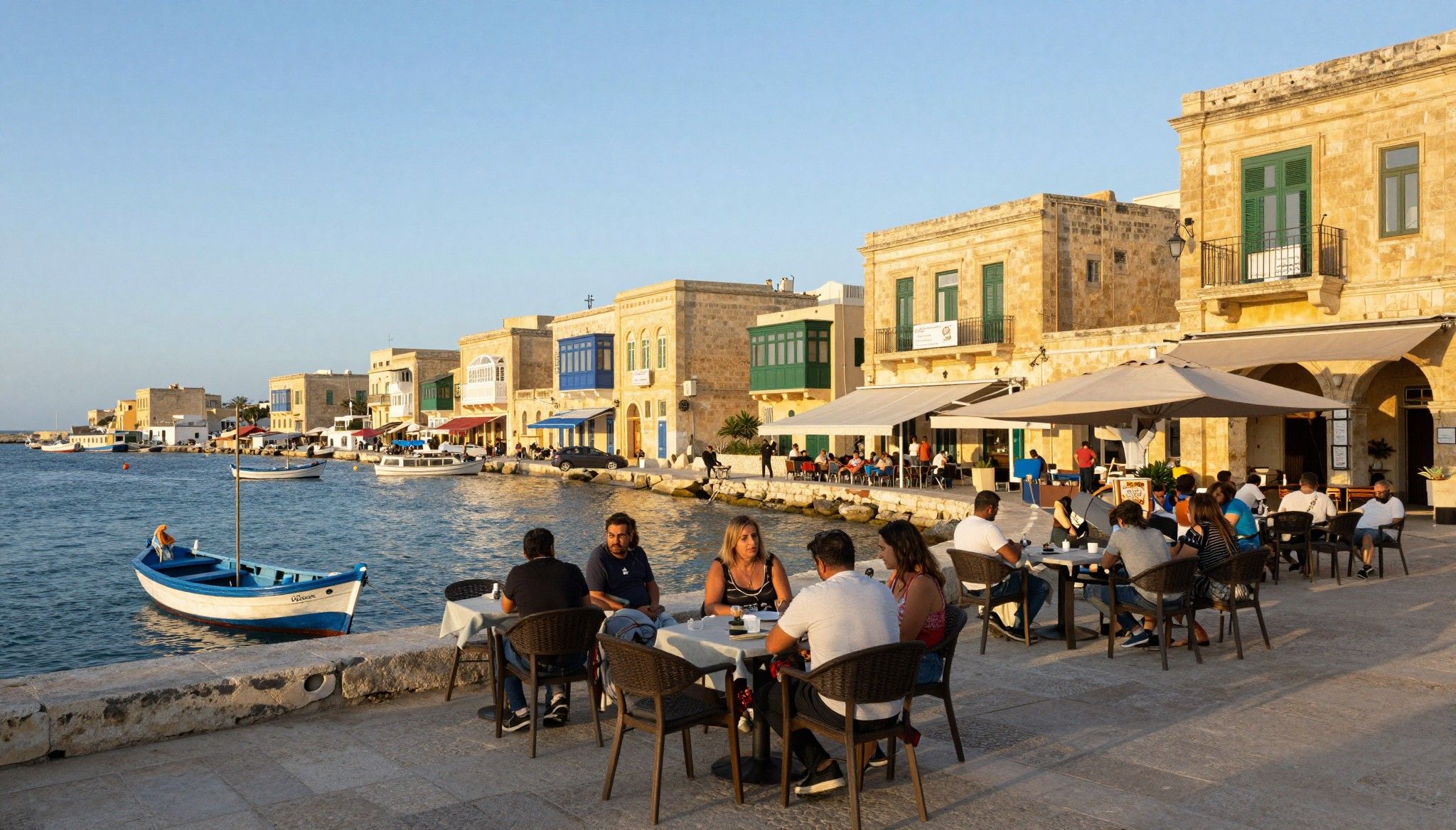
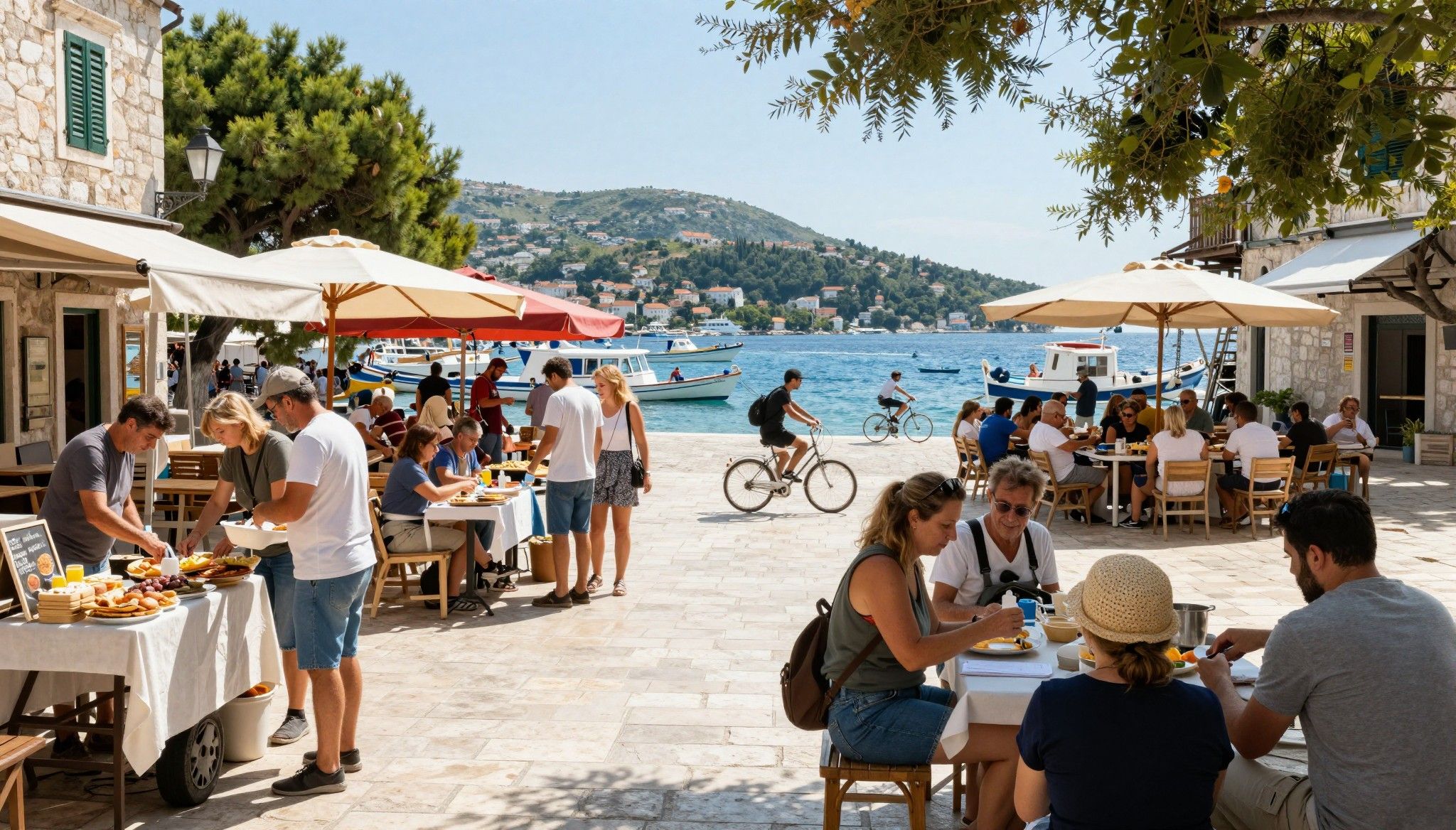
Croatia: Life, Law and the Little Rules That Matter
Fall for Croatia’s coast and culture — then check reciprocity rules, VAT vs transfer tax, and municipal limits that change cost and renovation potential.
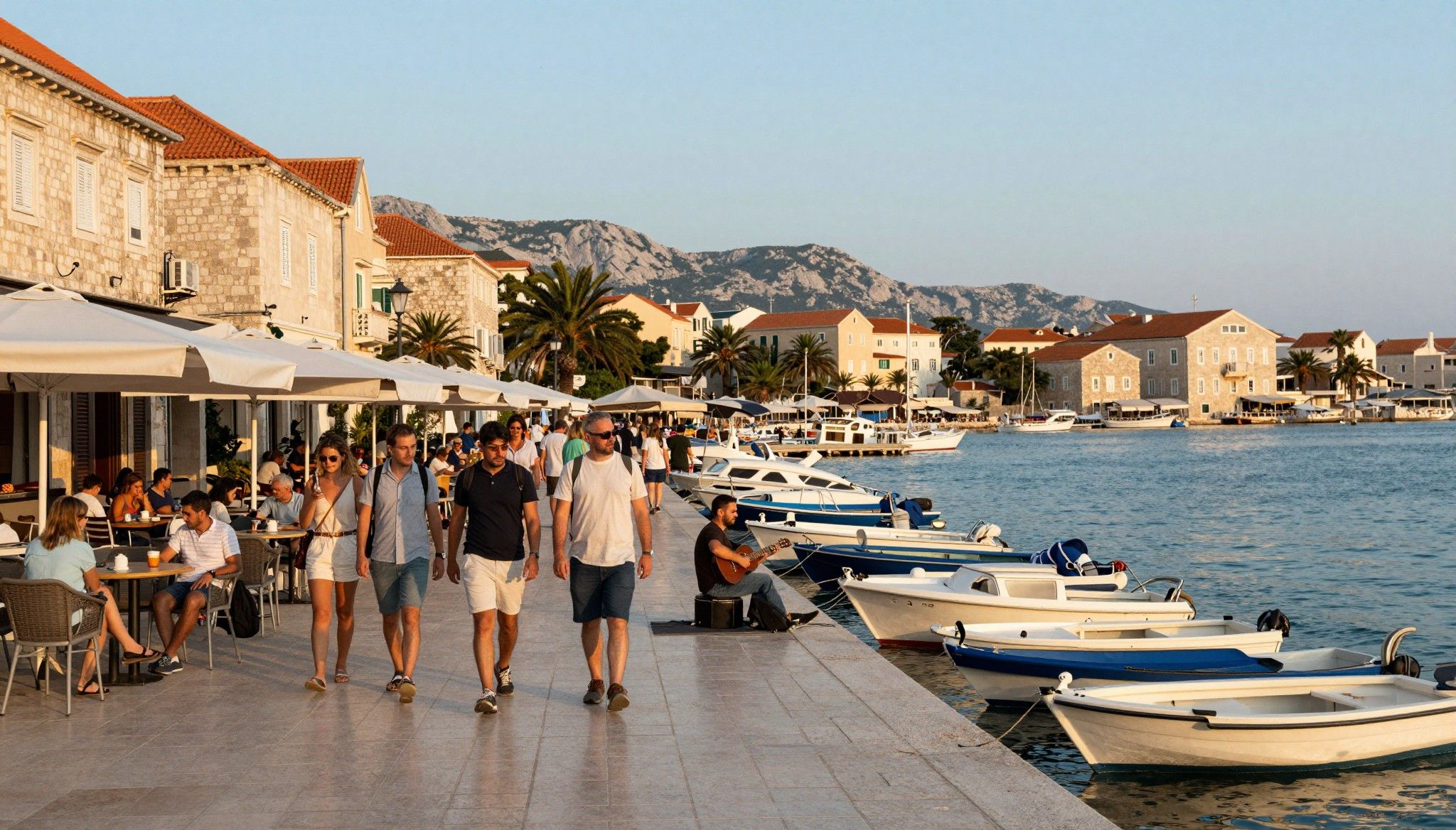
Imagine sipping a slow espresso at Split’s Pazar market at 9am, then wandering to a seafront kafana where locals argue over the best grilled anchovies. Croatia lives in a comfortable tempo: coastal mornings, island ferries, stone streets that remember centuries. That rhythm is the reason many of us fall in love quickly — but falling in love is the easy part. If you plan to buy here, the legal and fiscal map matters as much as the view, and small rules (reciprocity, VAT vs transfer tax, municipal levies) change what a dream purchase actually costs.
Living the Croatia lifestyle
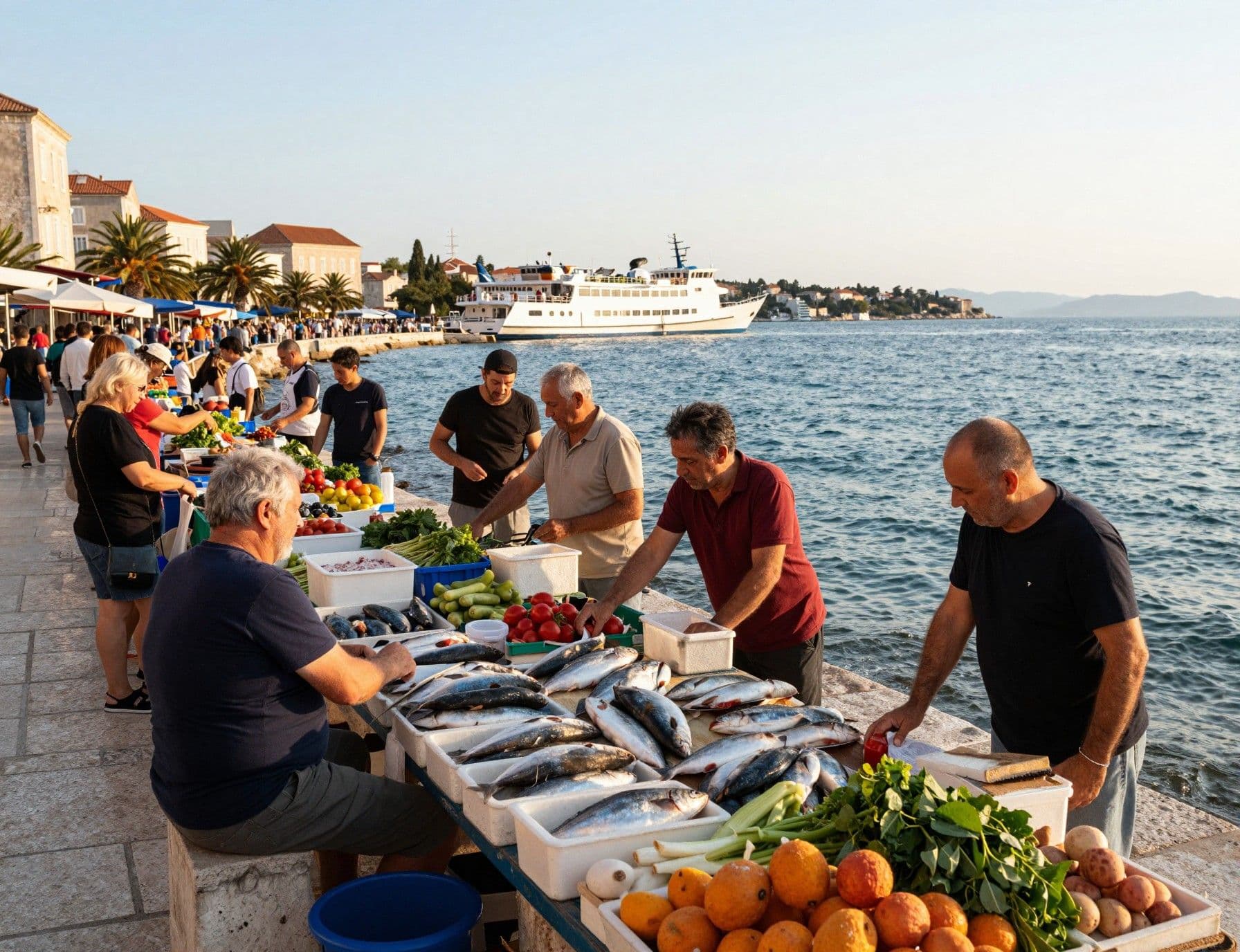
Daily life in Croatia depends on where you plant yourself. On the Dalmatian coast, your day is punctuated by ferries, fish markets and late‑hour aperitifs; inland, in Zagreb or Istria, there’s more of a café‑culture morning and market afternoons. The coastal towns are seasonal — summers hum and winters quiet — and that seasonal heartbeat affects property use, rental demand and services. Recent housing data shows regional variation in prices and activity, so lifestyle choices translate directly into market outcomes and purchase strategy.
Dalmatian coast: island time and stone facades
Walk the Riva in Split at dusk and you’ll see why buyers pay premiums: shuttered stone buildings that open onto a public life. Hvar’s lavender fields and Stari Grad’s narrow lanes sell a particular fantasy of Mediterranean living, while smaller islands like Vis or Šolta reward buyers with privacy and slower growth. But with popularity comes variability: Split and Hvar show stronger price growth than many northern coastal towns, and services (schools, hospitals) differ from place to place. Buying here is buying into a seasonal economy — know whether you want a year‑round community or a summer house.
Istria & Kvarner: food, wine and a different tempo
Istria rewards slow living — truffle hunts, weekend wine fairs in Motovun and stone towns where Italians and Croats meet over lunch. The architecture leans Venetian, and towns like Rovinj combine robust tourist seasons with strong expat communities that use properties year‑round. For buyers who value gastronomy, reliable services and a more temperate micro‑climate, Istria often matches lifestyle needs and steadier rental demand outside peak months. It’s a pro‑buyer nuance: less volatility in occupancies can mean fewer management headaches if you plan to rent.
- Morning market coffee in Zagreb’s Dolac; ferry timetable rhythm in Split; truffle season drives in Istria; evening promenades on Dubrovnik’s Ploče; island bakeries on Hvar — features that shape where you’ll want to live.
Making the move: practical considerations
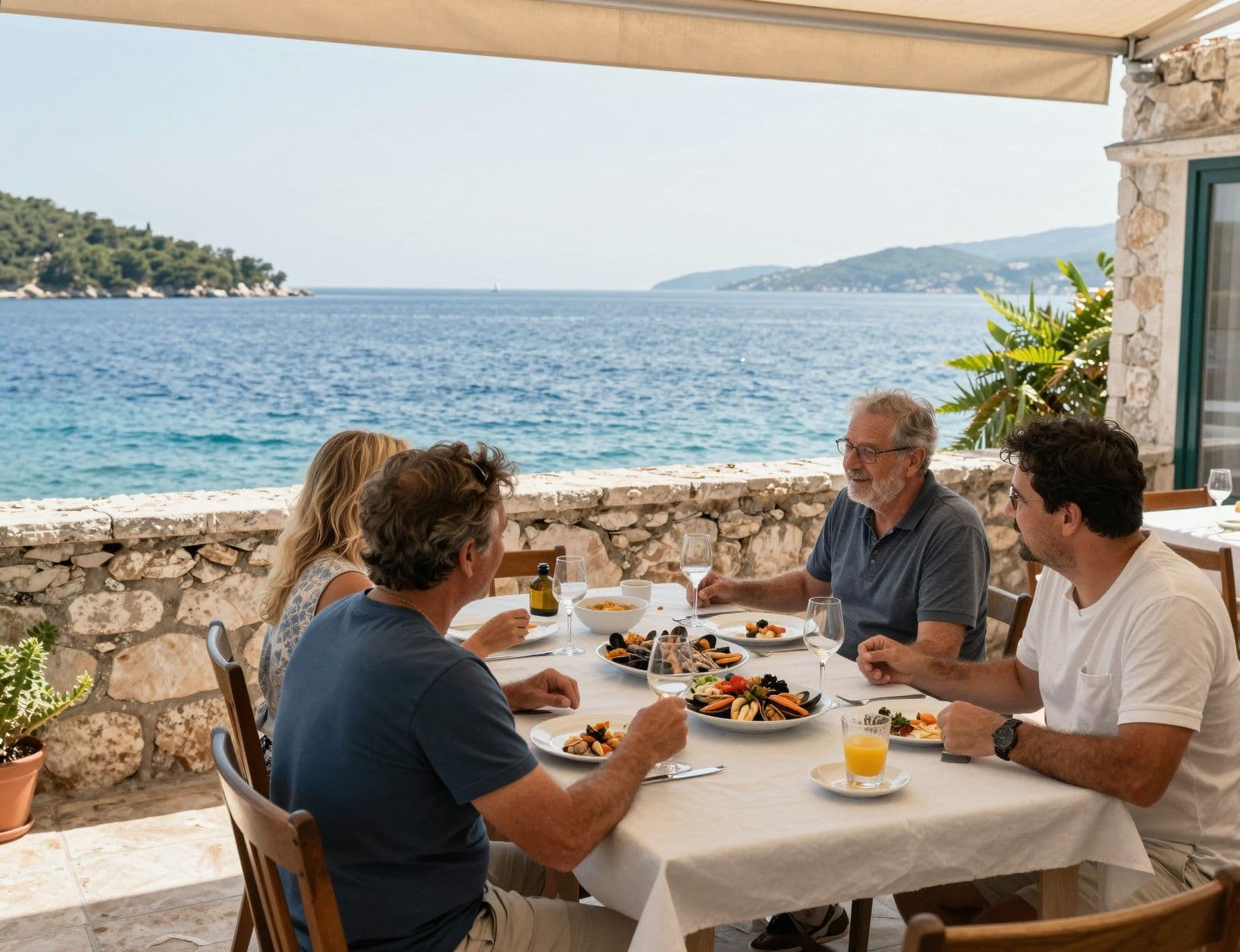
Lifestyle is why you look. The law explains if you can keep the place. Croatia’s rules are straightforward for EU/EEA buyers but a little more involved for others. Reciprocity checks and municipal variations can add paperwork; VAT applies to some new builds while a 3% transfer tax generally applies to standard resale transactions. Those distinctions change headline costs and are worth clarifying before you make an emotional offer.
Property types and the tax truth
New builds sold by VAT‑registered developers are commonly subject to 25% VAT; resale properties are usually outside VAT and face a 3% transfer tax instead. That means a modern seafront apartment from a developer can carry a different tax profile than a restored stone house in Korčula. For income planning (short‑term rental vs private use) check whether your letting model triggers VAT or municipal tourist levies — these operational costs affect net yield more than headline price per square metre.
Work with experts who know both life and law
- Find a local notary and lawyer early; Croatian conveyancing is document‑heavy and notary checkpoints shape timing and costs. Insist on agency experience in the specific town — agencies that know island logistics and ferry schedules reduce surprises. Ask sellers for utility and communal fee histories; these ongoing numbers matter for your annual budget and winter occupancy decisions. Get a tax opinion on residency implications (property ownership does not automatically give residency) and inheritance rules, especially if you plan a family transfer later.
Insider knowledge: expat lessons and regulatory red flags
A common surprise: EU citizens buy freely; many non‑EU buyers need a reciprocity approval or a local legal structure. In practice that means non‑EU buyers should budget for legal steps and allow extra weeks for the reciprocity process. Another repeated lesson from expats is seasonal reality: properties that seem cheap in winter may demand expensive maintenance in summer when services and utilities ramp up. Lastly, municipal rules vary — building permits, seaside setback rules and protected coastal zones can halt renovation plans if you assume uniformity.
Cultural and practical integration
Croatians value directness and local ties — learning basic Croatian phrases and joining community events (church fêtes, markets, olive harvests) accelerates integration. For families, public healthcare and schooling differ between islands, coastal towns and Zagreb; check regional service maps before you commit. Expat social hubs exist — English cafes in Dubrovnik, international parenting groups in Zagreb — but the best friendships often form through neighbours and local associations.
Long‑term lifestyle vs short‑term gain
If you buy for life, prioritize services, winter access and community. If you buy for rental yield, pick towns with year‑round demand or ensure strong summer occupancy and a reliable property manager. Market data shows accelerated price gains in key coastal hotspots, but transaction volumes have cooled recently — a sign to check both price trends and real demand, not just postcard appeal. Balancing return and life quality means testing your assumption: spend a month there off‑season before signing.
- Red flags to watch • Missing or unclear building permits for renovations. • Sellers insisting on cash deals or unregistered sales. • VAT vs transfer tax confusion on new builds (costly if misunderstood). • Municipal rules on coastal building lines that limit rebuilds. • Utility histories that spike in summer (water, electricity, waste).
- Visit in two seasons (high and low) before buying to check services and noise. Obtain a lawyer’s written opinion on title, reciprocity (if applicable) and tax consequences before exchanging contracts. Confirm whether a sale is VAT or transfer‑taxable and model net annual costs (tourist levies, communal fees, maintenance). Agree contract conditions for fixtures and completion timelines; coastal renovation often uncovers additional structural works.
Croatia gives you sea‑air mornings, slow lunches and neighbourly squares — but it also gives you legal specifics you cannot ignore. Start with a clear lifestyle brief (island life, food‑centric town or Zagreb year‑round?) and use that to filter legal checks and agency choice. Local experts turn the dream into a deliverable: the right agent will know which streets in Split are actually quiet in winter, which Istrian houses have legal olive groves attached, and which Dubrovnik apartments come with enforceable parking rights. Fall in love with the place first; do the paperwork second.
Norwegian market analyst who serves Nordic buyers with transparent pricing and risk assessment. Specializes in residency rules and tax implications.