Paris Isn't Always Out of Reach — Where Value Hides in France
France's charm hides varied pricing and seasonal trade‑offs. Learn where local rhythms create unseen value and which transparency checks reveal real risk.
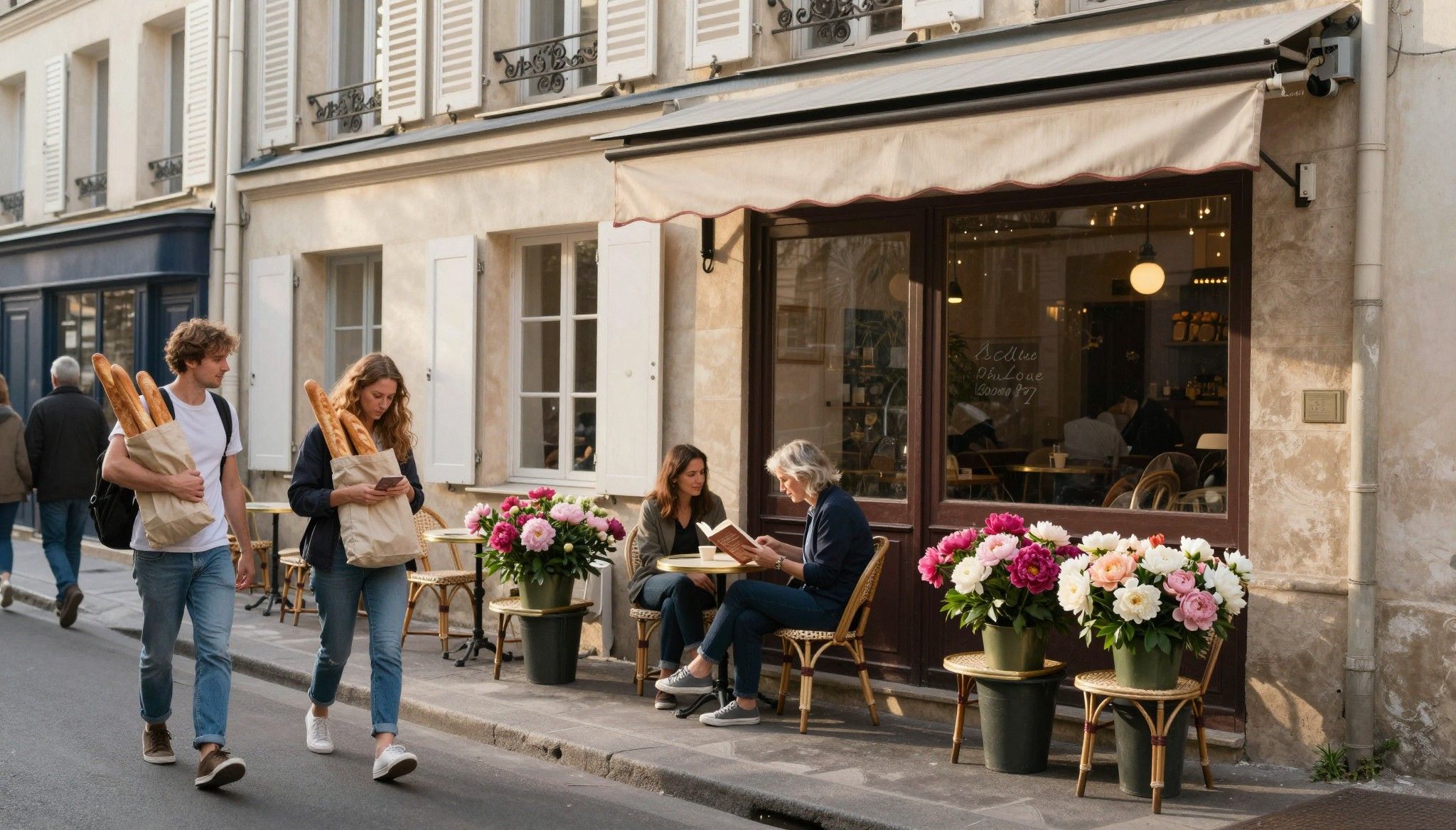
Imagine this: a Saturday morning at Marché d'Aligre, the smell of roasting coffee mixing with cut flowers, and a quiet stone apartment two blocks away that, on paper, costs less than a comparable place in central London. That sensory, street-level life — the boulangerie, the park bench, the weekday rhythm — is what makes buying in France irresistible. But the French market is not a single thing: it's coastal Riviera weekends, provincial provincial towns with steady rents, and Parisian micro‑markets that behave differently street by street. We start here because falling in love is the easy part; the rest is about seeing where real value hides under reputation and paperwork.
Living the France lifestyle
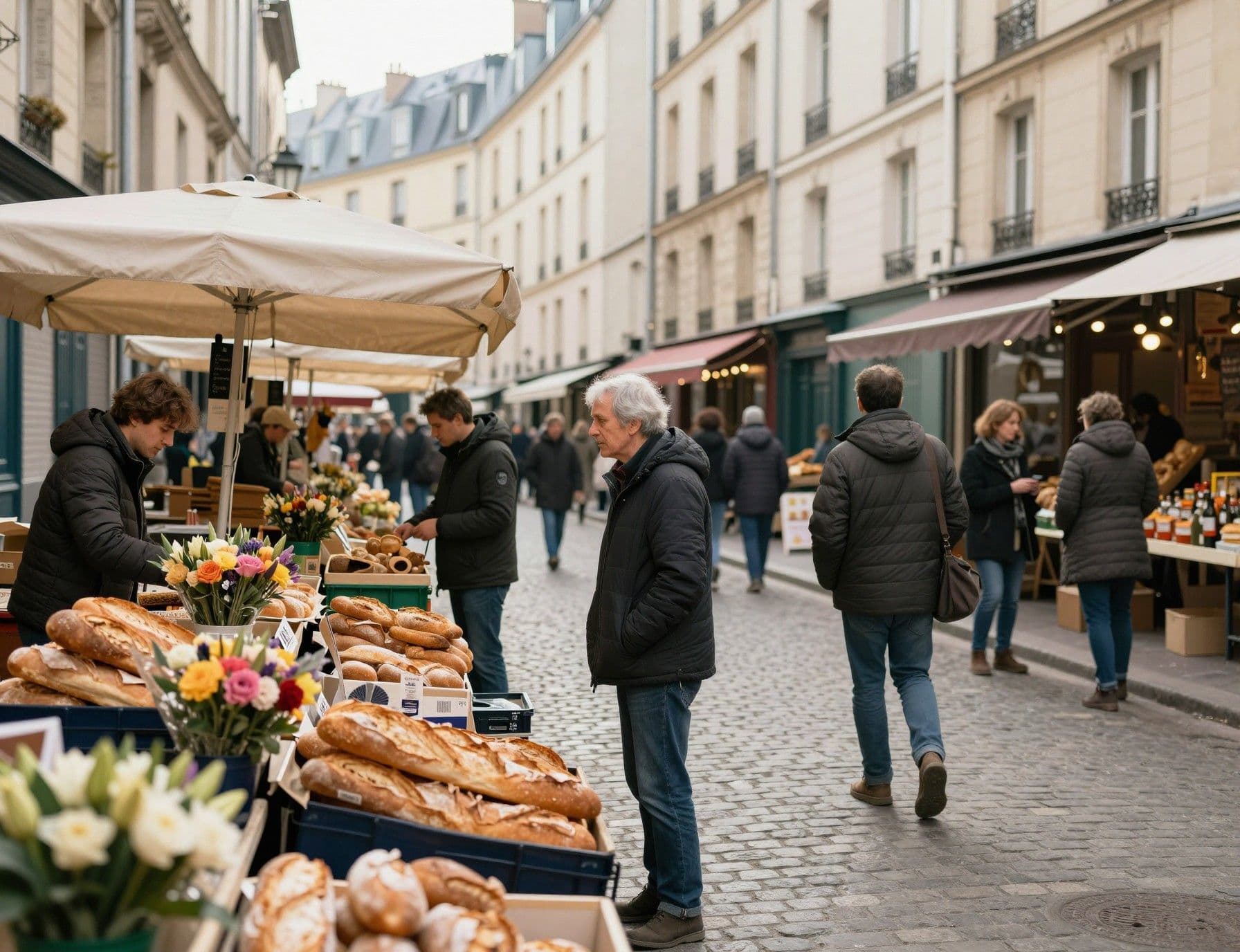
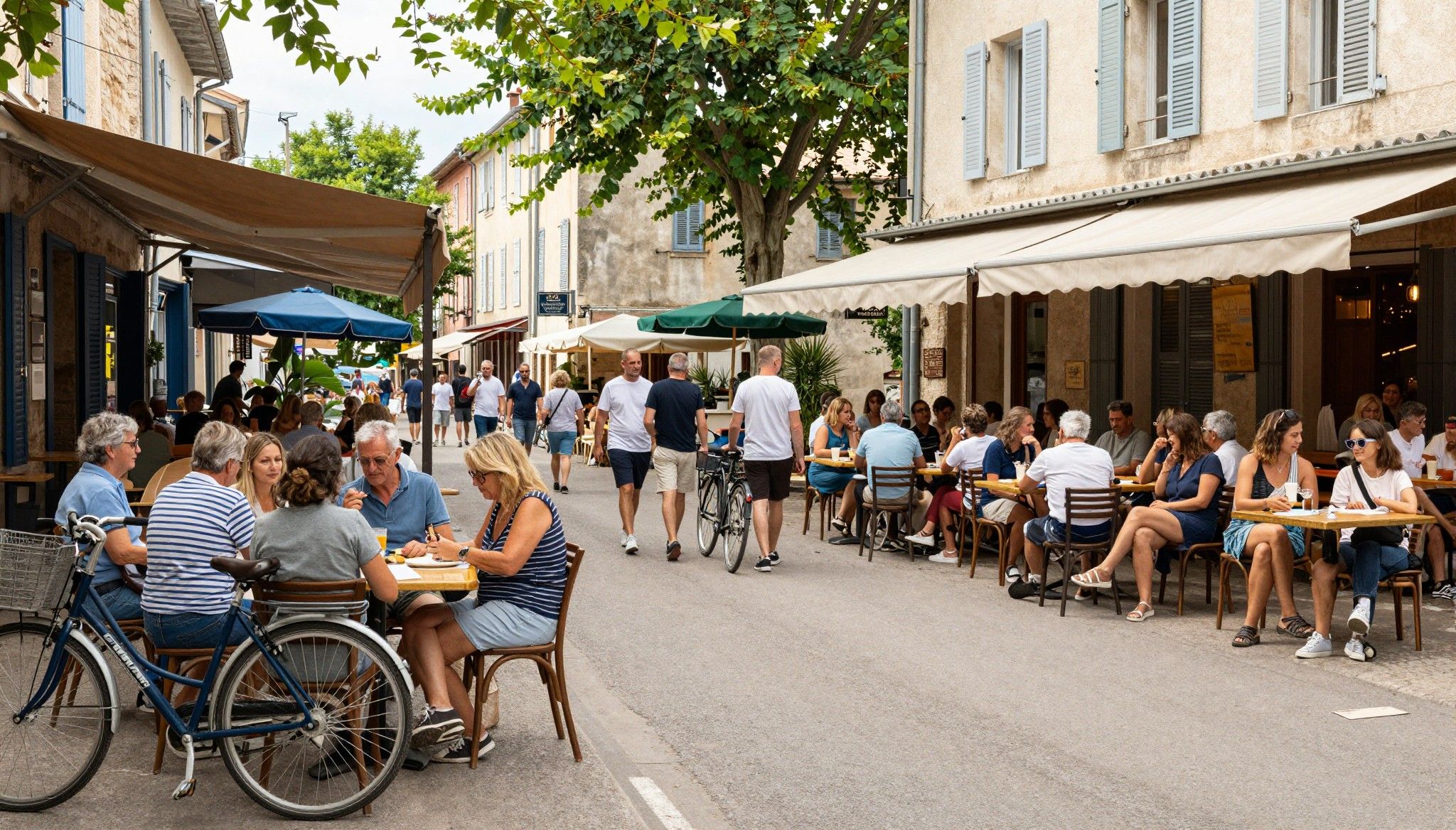
France feels like a set of living rooms: left-bank cafés in Paris, fishermen repairing nets in Sète, children chasing pigeons on Place Massena in Nice. Daily life is schedule shaped — a long lunch here, market shopping on the weekend there — and neighborhoods show their character early. When you walk a street three times at different hours, you learn the rhythm: where dog walkers gather, which deli closes on Mondays, which square hosts an impromptu jazz session. For buyers, these rhythms map directly to property suitability and long-term satisfaction; lifestyle is the first filter, not an afterthought.
Paris: micro‑markets, big reputations
People say 'Paris is too expensive' and, broadly, they are right — central arrondissements command high per‑m² figures. But the city's property story is granular. Outer arrondissements, nearby suburban towns, and overlooked corners near canals or former industrial zones can show significantly different price trajectories, social mixes, and renovation potential. National indices (Notaires‑INSEE) show Paris contrasting trends with wider France, which is why a measured, street‑level approach matters. We recommend walking potential streets in morning and evening; the lived experience often exposes hidden value the averages miss.
Provincial towns & the coast: different seasons, different bargains
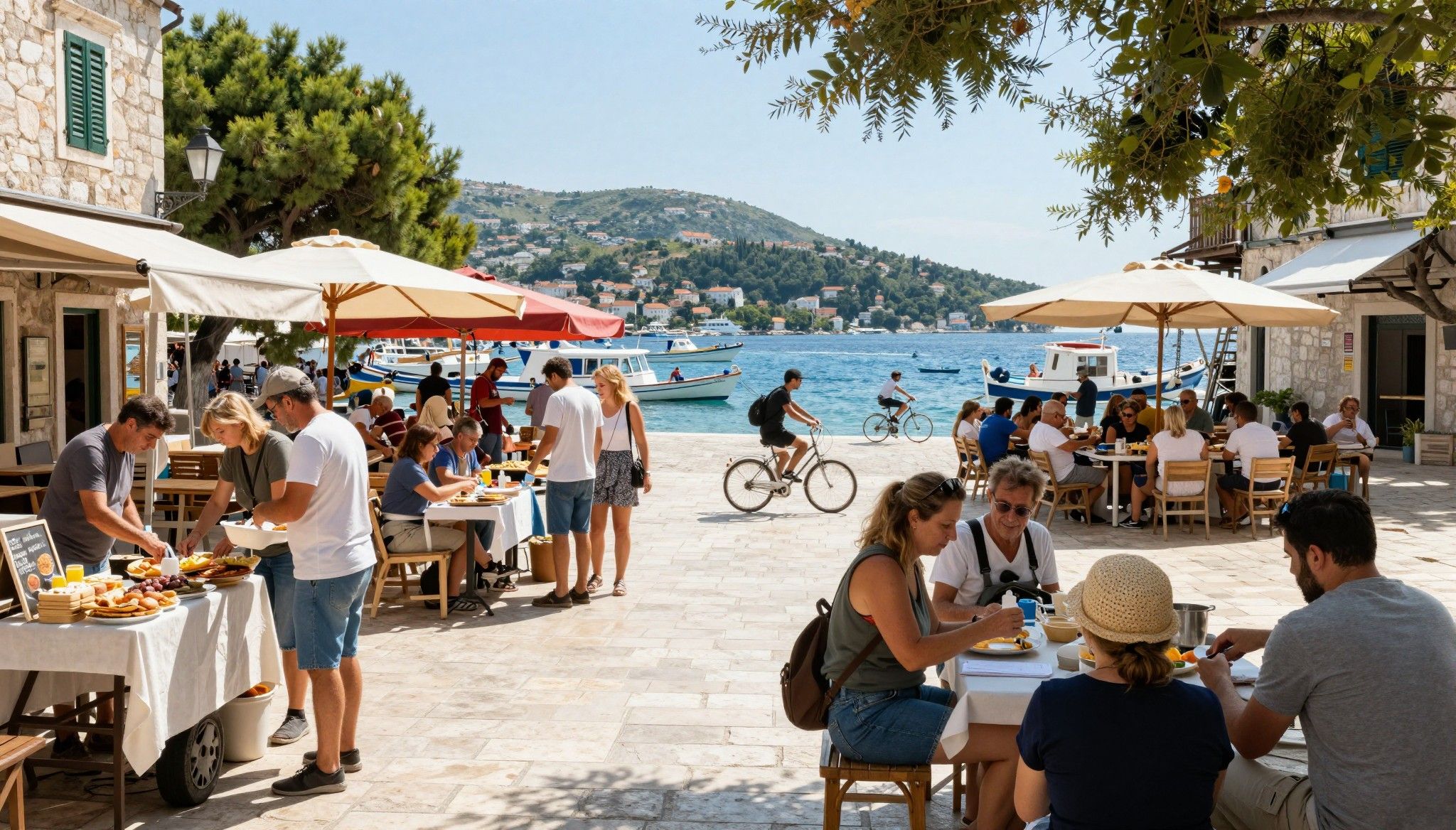
From Rennes' thriving tech scene to La Rochelle's maritime tempo, provincial France is where lifestyle and price often align for international buyers. Coastal markets such as Brittany and the Bay of Biscay have seasonal swings: summers are vibrant, winters quiet — and that affects short‑term rental yields and upkeep costs. The Notaires network shows national transaction volumes and regional differences; in 2024 the number of transactions dipped nationally but activity and prices stabilized into 2025 in many regions. If you crave a beach weekend life without Riviera prices, look to smaller ports and their commuter links rather than headline coastal hotspots.
- Lifestyle highlights to scout in person
- Market mornings: Aligre (Paris) or Cours Saleya (Nice) for local food networks and community feel
- Walkable squares: Place du Capitole (Toulouse) and Place Sainte‑Catherine (Bordeaux) as indicators of social life
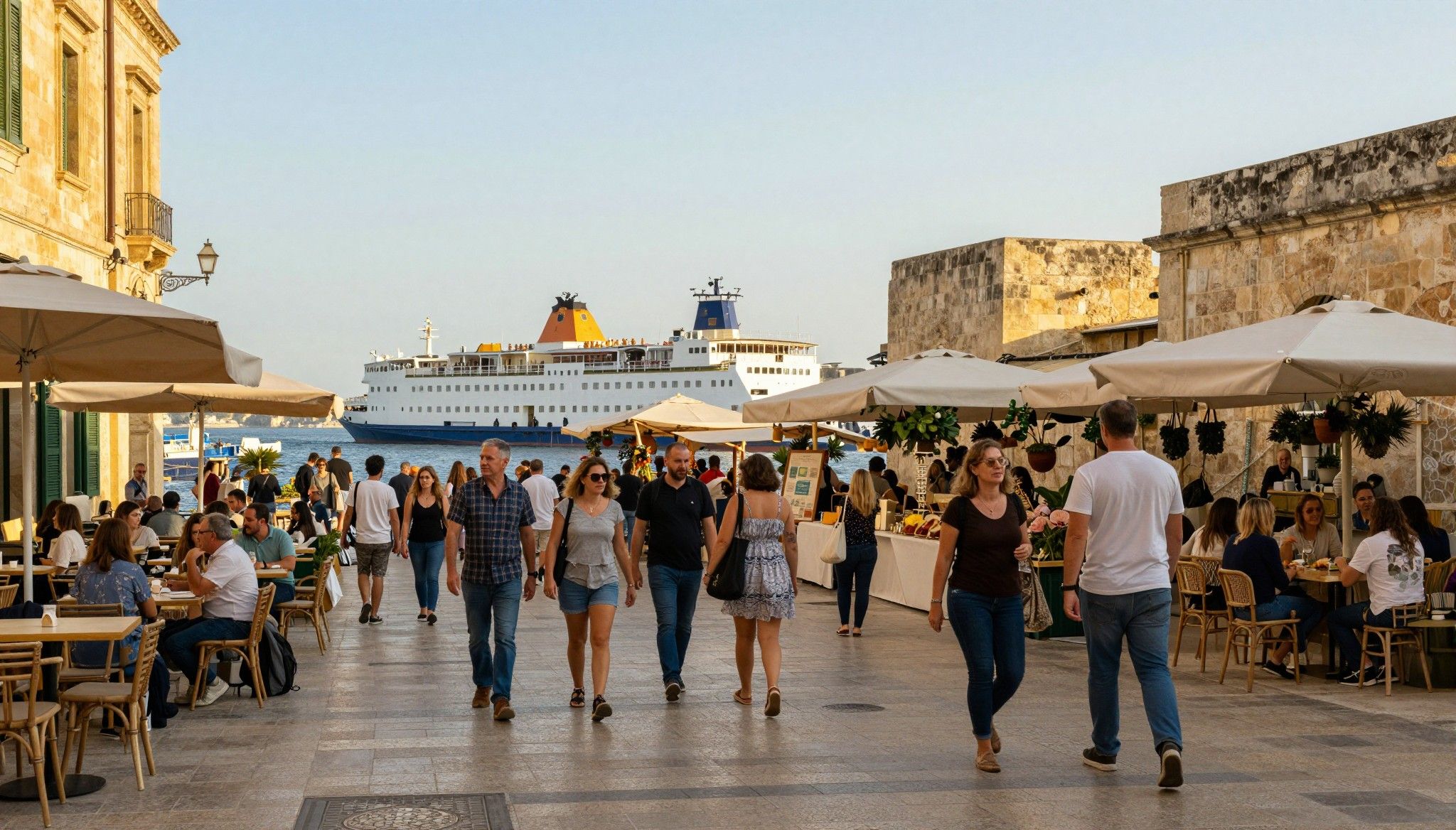
- Seaside routines: watch ferry timetables and tide‑dependent activities in Brittany and Normandy
- Hidden cafés: find the tiny café with locals at a corner table — a good proxy for neighbourhood warmth
Making the move: practical realities that preserve the lifestyle
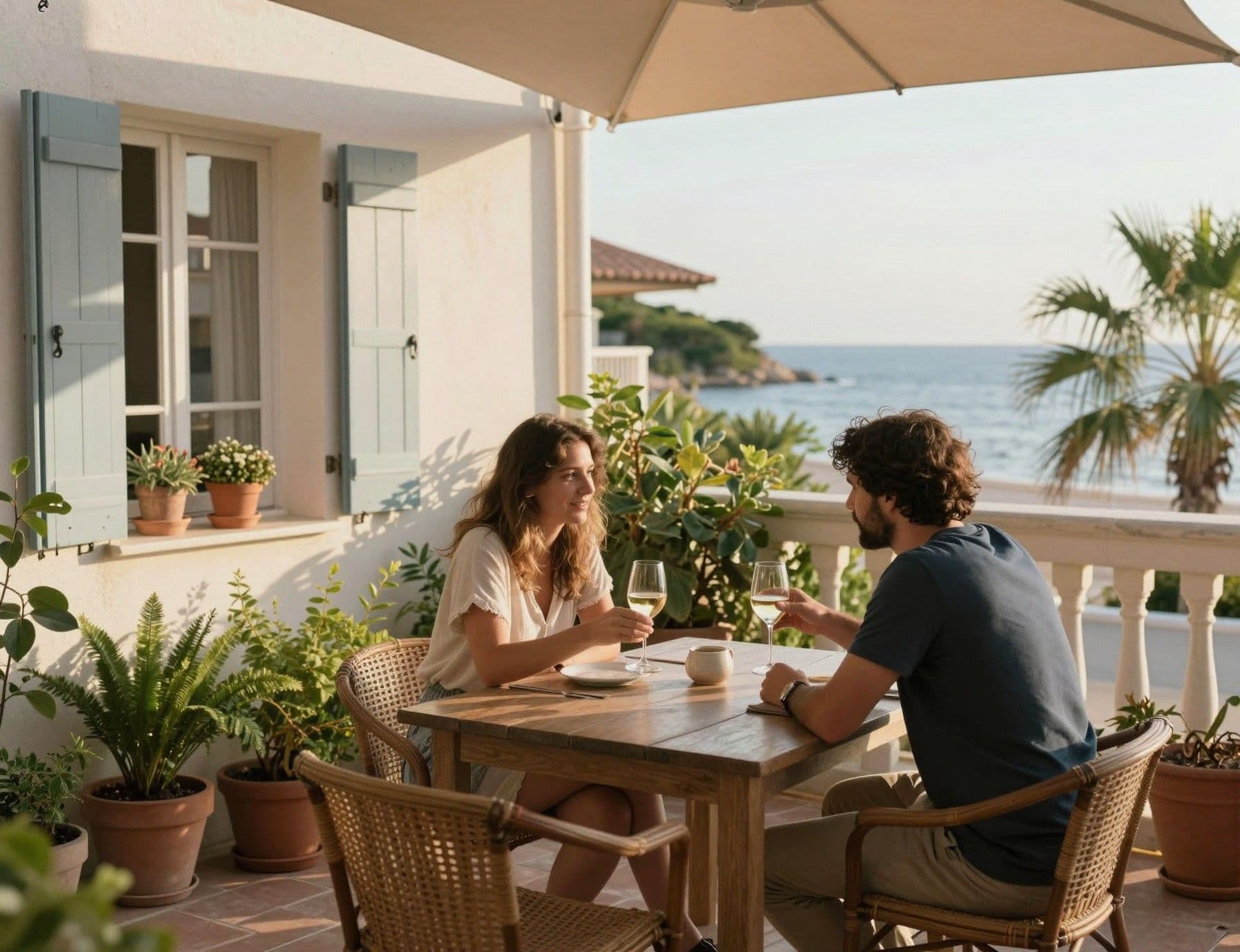
The dream is cafés and coastal walks; the reality includes paperwork, seasonal maintenance and regional tax quirks. France's purchase process is transparent compared with many countries — notary-led title checks and documented transfer taxes reduce certain risks — but transparency doesn't replace local knowledge. Real cost comes from renovation standards, energy certification requirements, and sometimes communal charges in city co‑ops. Pairing lifestyle wants with precise financial scenarios is the step that separates a good buy from a frustrating one.
Property types and how they shape daily life
Stone village houses mean slow mornings, terraced Bordeaux apartments give you city rhythm, and renovated lofts in Lyon put culture on your doorstep. Older buildings often have higher charm but also require investment: insulation, plumbing, and lead/Asbestos checks where relevant. Newer builds offer efficiency but can feel quieter socially. Think through how you want to use the house: weekend retreat, rental income, full‑time life — each use has different property and neighbourhood requirements.
Work with local experts who know the life, not just the law
An agent who understands where locals actually buy — the street with a mix of long‑term residents and tasteful renovations — is worth more than an agency with glossy photos. We look for advisors who show recent transaction sheets, explain seasonal occupancy patterns, and put you in touch with local craftsmen. Transparency here means active disclosure: recent comparables, known building issues, and verifiable service charge histories. Ask for the last five sales on the street and the building's energy performance certificate before you fall in love.
- Six steps that blend lifestyle and due diligence
- Visit the neighbourhood at different times and take notes on noise, services, and community patterns
- Request the building's last three syndic (co‑op management) accounts and recent work resolutions
- Verify recent street‑level comparables from notary records rather than relying on agent estimates
- Budget for seasonal maintenance (heating, roof, shutters) — coastal salt air and mountain snow are different beasts
- Ask about local rental demand and short‑stay limits if you plan to rent; rules differ between cities and regions
- Use a notaire for title and servitude checks, and hire a bilingual solicitor if you are not fluent in French
Insider knowledge: what expats wish they'd known
Expats tell us the same three surprises: maintenance costs, social patterns, and that official transparency still requires local reading between the lines. For example, a 'quiet lane' on a listing might mean proximity to a morning market that wakes at dawn — a feature for some, a nuisance for others. Similarly, small renovation permits and co‑ownership votes can stall plans for months, so timelines often stretch beyond expectations. The best early investment is local listening: neighbours, the café owner, and a trusted notaire can tell you more than the glossy brochure.
Cultural rhythms that change property choices
French social life is built around food and schedules. Shops closing mid‑afternoon, long summer vacations in August, and Sunday rest days affect rental patterns, contractor availability, and local services. If you work remotely, check regional broadband availability and coworking options; towns vary widely. Choosing a neighbourhood with an active local life (even if slightly pricier) often yields better long‑term happiness than chasing headline per‑m² savings.
Long‑term lifestyle vs. short‑term trends
Macro indicators show the market stabilising into 2025 after a dip in transactions during 2023–24, but regional divergences matter more than national headlines. For long stays, invest in neighbourhoods with steady community infrastructure: schools, markets, reliable healthcare, and year‑round services. For shorter stays or rental income, verify seasonal restrictions and local demand carefully. Remember: a house that supports daily life reliably is the best hedge against market noise.
If France feels like a romance, treat the purchase like a long marriage: fall in love, then read the contracts. Start with lifestyle scouting, bring local experts who can show verifiable comparables, and plan for maintenance that matches the climate and building type. We can introduce you to bilingual notaires and agents who balance romance with receipts — people who will show you the street at dawn and the building's service accounts. Your next step: pick three neighbourhoods that feel right, visit them at different times, and request the last five sales on the street from a notaire — that's where real transparency begins.
British expat who relocated to Marbella in 2012. Specializes in rigorous due diligence and cross-border investment strategies for UK and international buyers.