Malta: Love the Life, Inspect the File
Malta’s compact lifestyle — terraces, cafés and historic streets — hides market realities. Love the life, inspect the file: seasonality, deed clarity and neighbourhood pace decide value.
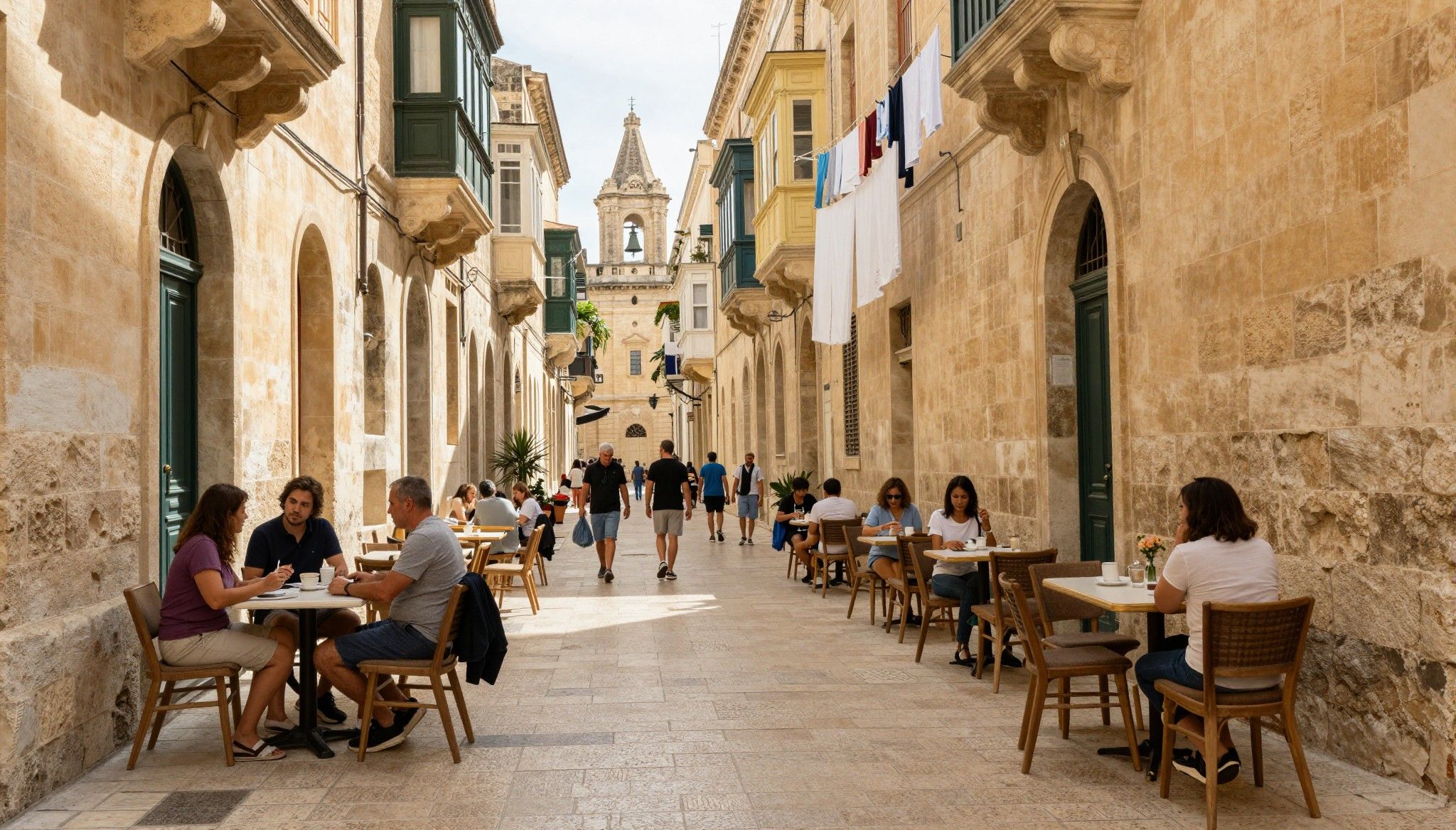
Imagine waking up to a short walk along a limestone promenade, espresso in hand, the cathedral bells of Valletta in the distance and a neighbour selling fresh sfoglia at the corner bakery. Malta is compact — everything feels within reach — yet it can surprise you with quiet bays, rooftop terraces, and narrow streets where daily life still plays out at street level. For international buyers this means lifestyle is dense and immediate: cafés, sea, history and a surprisingly modern pulse. Read on if you want the lived‑in truth about Malta — the neighborhoods that breathe, the property types that fit different lives, and the market realities most guidebooks miss.
Living the Malta life
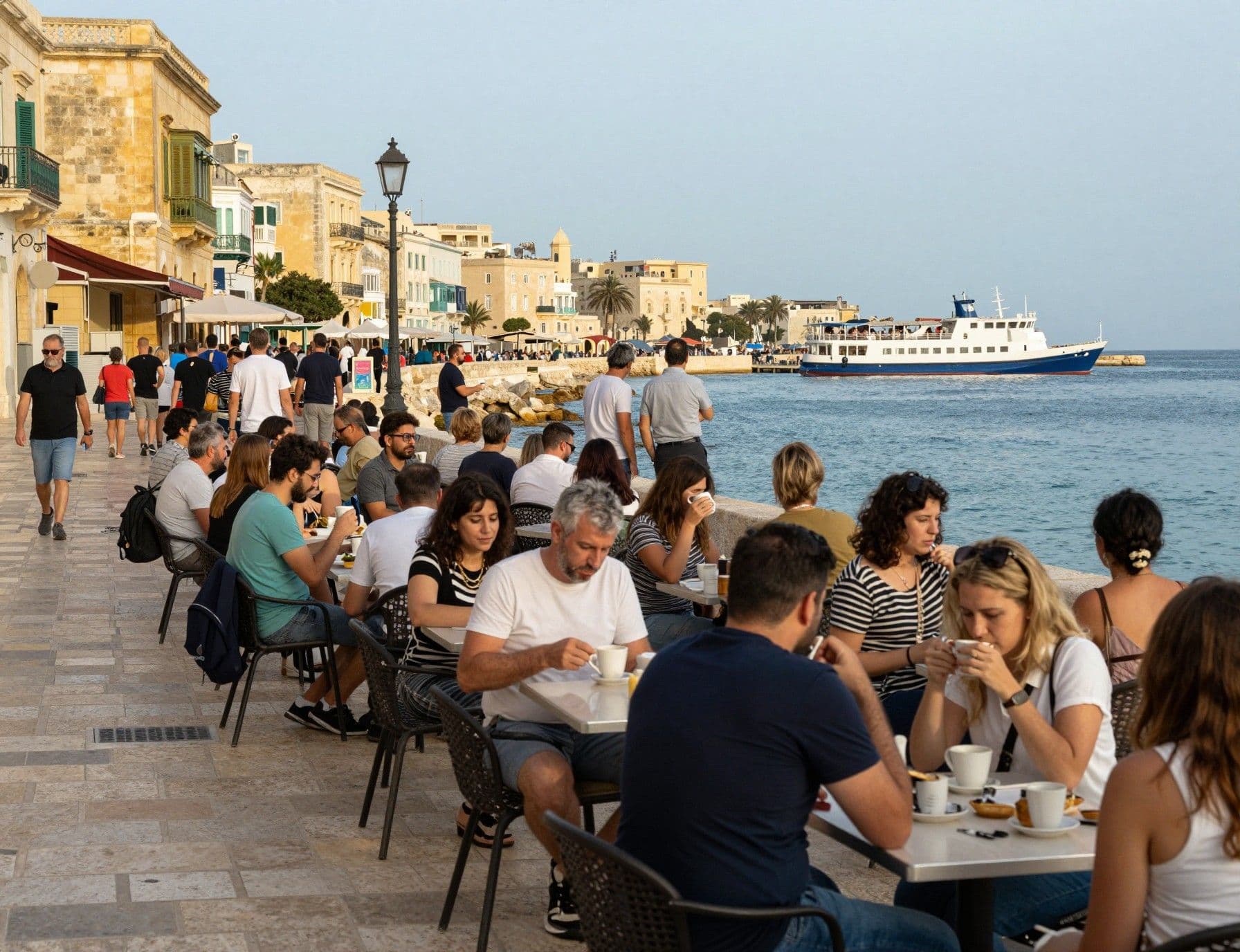
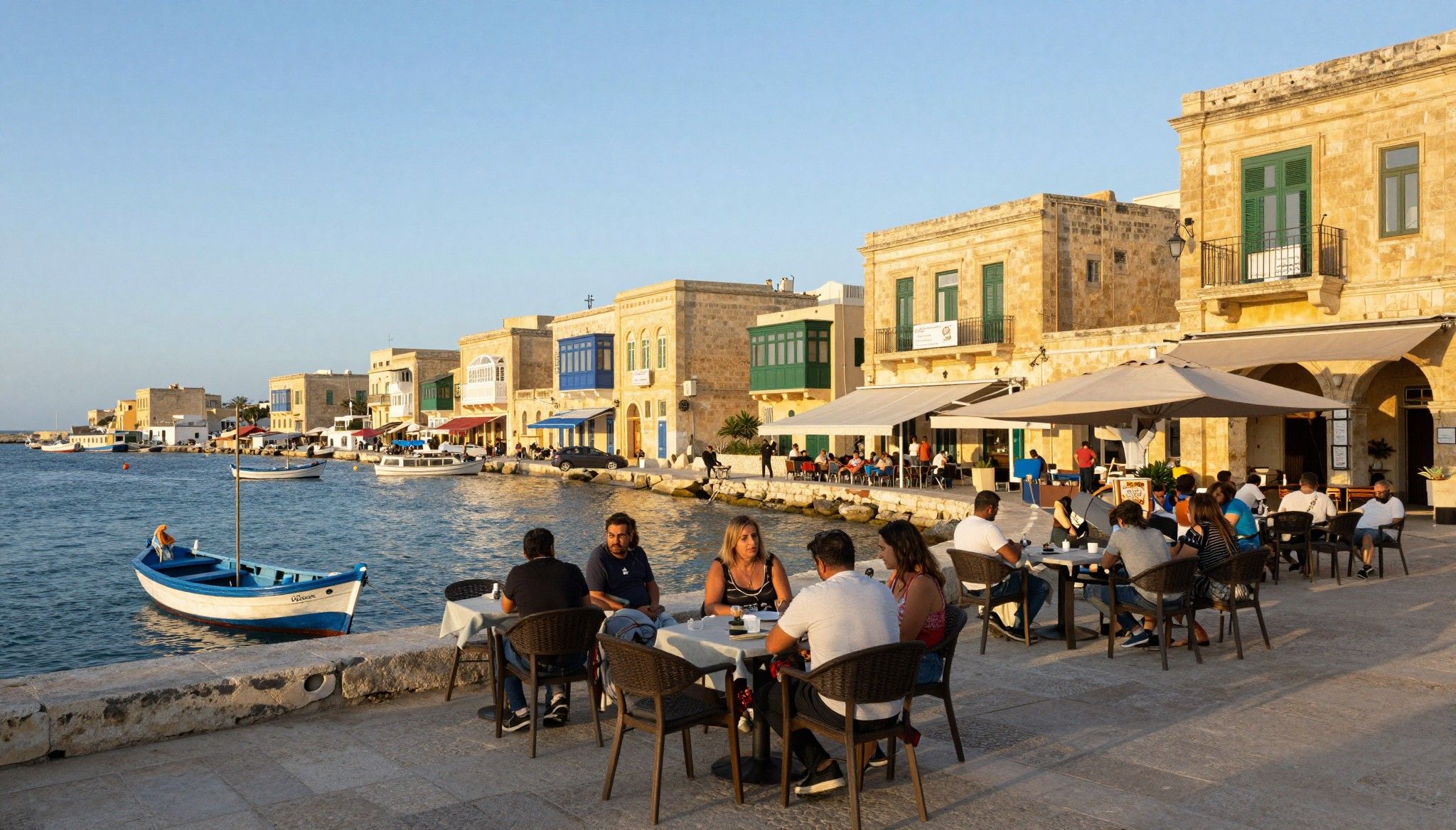
Daylight in Malta reads as texture: limestone facades, sea reflections and a language mix where English is used widely in business and daily life. Valletta, Sliema and St. Julian’s each feel like a different chapter — Valletta is cathedral‑close, ceremonial and narrow; Sliema is terrace‑lined and busy along the seafront; St. Julian’s trades on nightlife and modern apartments. The island’s small size makes every errand a short trip, which changes how you use a property — terraces and balconies become living rooms in summer and compact, well‑insulated interiors matter in winter.
Valletta, Sliema and the Three Cities — character in compact form
Valletta’s streets are a lived museum: baroque stonework, tiny cafés and a steady crowd of professionals and cultural visitors. Sliema gives you a continuous seafront, ferries to Valletta and a denser café culture aimed at families and remote workers. The Three Cities (Vittoriosa, Senglea, Cospicua) reward patient buyers — waterfront views and old‑world charm at prices often below the main northern strip. If you want walkable mornings, coffee culture and history around the corner, these areas deliver.
Food, markets and weekend rhythm
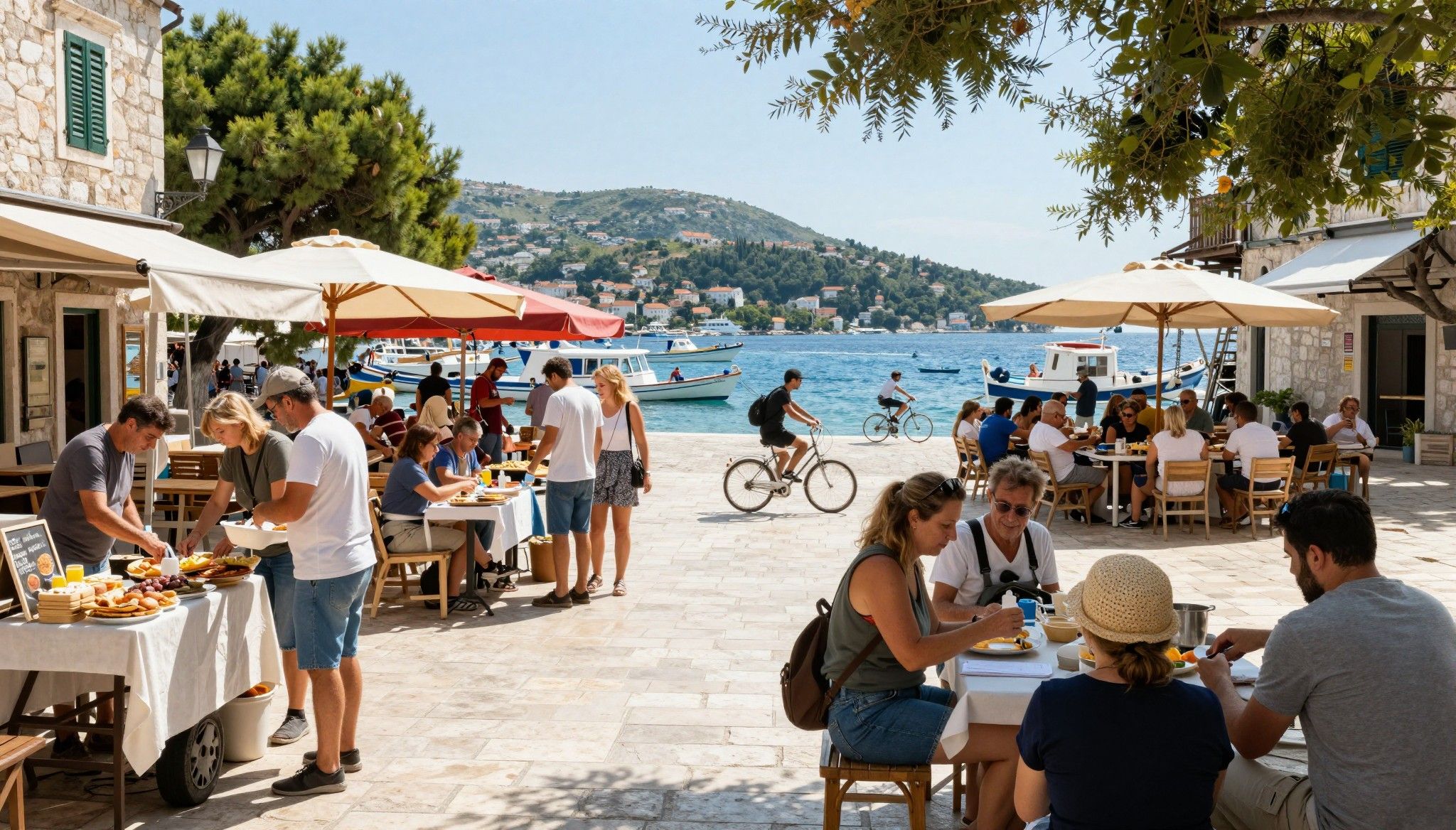
Weekends in Malta are about sea and food. Fish‑market mornings in Marsaxlokk, midday pastizzi runs, and evening family meals at neighbourhood pastas tell you where life happens. Seasonal festas light up villages in summer; outside high season you’ll discover empty coves and local coffee rituals. This is important for buyers: lifestyle is seasonal but not transient — properties that work for both summer entertaining and quiet winter routines hold long‑term appeal.
- Lifestyle highlights: Valletta theatre nights, Sliema seafront cafés, St. Julian’s waterfront dining, Marsaxlokk fish market mornings, Mellieħa beaches for family weekends, Vittoriosa waterfront strolls.
Making the move: practical considerations
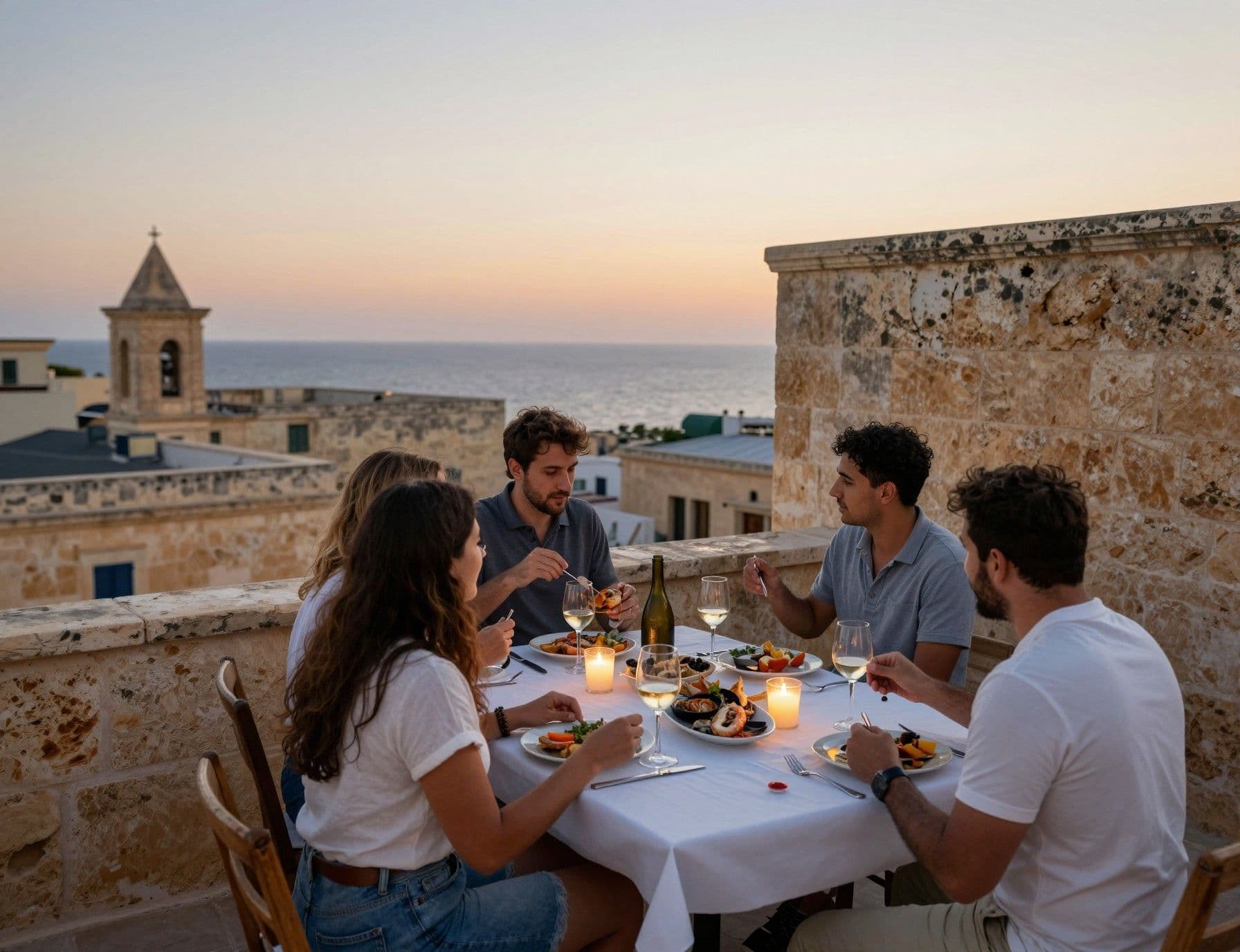
The dream — terraces and sea views — meets several realities: a compact supply pipeline, a mix of modern blocks and historic stock, and a price trajectory that has shown steady growth. Malta’s Residential Property Price Index tracks market movement; total deed values climbed in recent years, reflecting persistent demand from locals and foreigners. That scarcity matters: you’ll often pay a premium for walkability and sea proximity, and choices are more about trade‑offs than bargain hunting.
Property styles and how they shape daily life
Apartments dominate in central areas — compact layouts, high ceilings in older buildings, and new developments with elevators and parking. Maisonettes and townhouses give you outdoor space but often require renovation. In Gozo you trade immediate convenience for quieter island life and more square metres for the same budget. Match property type to daily routine: if you crave cafés and short commutes, an apartment in Sliema or Gzira; if you want a garden and calmer streets, consider Mellieħa or parts of Gozo.
Working with local experts who know the lifestyle
An agent who lives the rhythm — the café conversations, the parking realities, the seasonal rental demand — will steer you toward properties that feel like home year‑round. Good agents connect you with lawyers, architects and property managers who understand Malta’s planning quirks and conservation rules. Expect to ask about building age, deed clarity and any past façade or structural works; on a small island, one unresolved issue can affect resale or rental performance more than you expect.
- Steps to blend lifestyle and practicality: 1) Visit in two seasons (summer and late autumn). 2) Inspect noise and sun exposure from terraces at different times. 3) Ask for full deed files and recent utility bills. 4) Talk to neighbours about maintenance and community rules. 5) Check short‑let permissions if you plan to rent seasonally.
Insider knowledge: what expats wish they'd known
Expat common notes: English gets you far, but local ties matter. Social life often centres on village festas, local clubs and family‑run cafés rather than open‑plan coworking scenes. Winter is quieter — some restaurants close and the island feels restful — so factor that mood into your year‑round expectations. Also, renovation timelines can stretch; planning permission and conservation oversight are real and worth budgeting for in time and money.
Cultural integration and everyday life
Maltese and English are both official languages, and you’ll find services in English across healthcare, banking and education. Still, learning a few Maltese phrases unlocks neighbourhood warmth and the best local advice. Expect a conversational mix — English at formal appointments, Maltese in cafés and among older residents — and use that bilingualism to your advantage when settling in.
Long‑term lifestyle and investment sense
Over the long term, properties that combine walkability, reliable sun and functional outdoor space tend to hold value. Malta’s limited land supply, tourism flow and growing professional scene underpin steady demand, but always pair lifestyle choice with a clear legal file and realistic renovation budget. That combination — a place you love that’s also legally clean — is where you’ll sleep best and where resale or letting prospects are strongest.
- Red flags to watch for: unclear deed history, missing planning approvals for alterations, persistent damp issues in older limestone buildings, unrealistic rental yield promises, and properties advertised without utility history.
If Malta feels like a compact novel, make sure the chapter you buy fits your life. Start with what you love — the cafe, the bay, the quiet street — then work backwards: inspect documents, meet the locals, and budget for the inevitable island‑specific fixes. When you pair local expertise with a precise lifestyle brief we’ve seen buyers land homes that feel like they belonged there all along.
- Next practical steps: 1) Book two visits (high and low season). 2) Hire a lawyer experienced in Maltese deeds. 3) Ask an agent for a neighbourhood walk‑through, not just showings. 4) Get a written schedule for renovations and maintenance costs.
Conclusion: Malta rewards buyers who marry feeling with files. The island’s scale means lifestyle is immediate — cafés, coves and community within minutes — but that same scale magnifies paperwork and renovation choices. Fall for the life, yes, but insist on the file. If you want help matching a neighbourhood mood to a property dossier, we can introduce you to local agents and lawyers who speak both the language of lifestyle and the language of deeds.
Norwegian market analyst who serves Nordic buyers with transparent pricing and risk assessment. Specializes in residency rules and tax implications.