Italy’s Undervalued Corners: Where Life Costs Less, Not Value
Italy’s quieter provinces are delivering lifestyle value and price growth; ISTAT and Nomisma data show opportunity beyond capitals for buyers seeking everyday life and long-term value.
Imagine starting your morning in a narrow lane off Via del Governo Vecchio in Rome, then, two hours later, opening shutters to a vineyard view in Le Marche. Italy asks you to live in layers: ancient streets, market noise, a midday espresso, a coastline that changes mood by the hour. For many international buyers the instinct is to look at Milan, Rome or the Amalfi postcard — but recent ISTAT figures and industry reports show quieter provinces are quietly rising in price and lifestyle value. This piece nudges you toward those undervalued corners where daily life and long-term value meet.
Living the Italy lifestyle — beyond the postcard
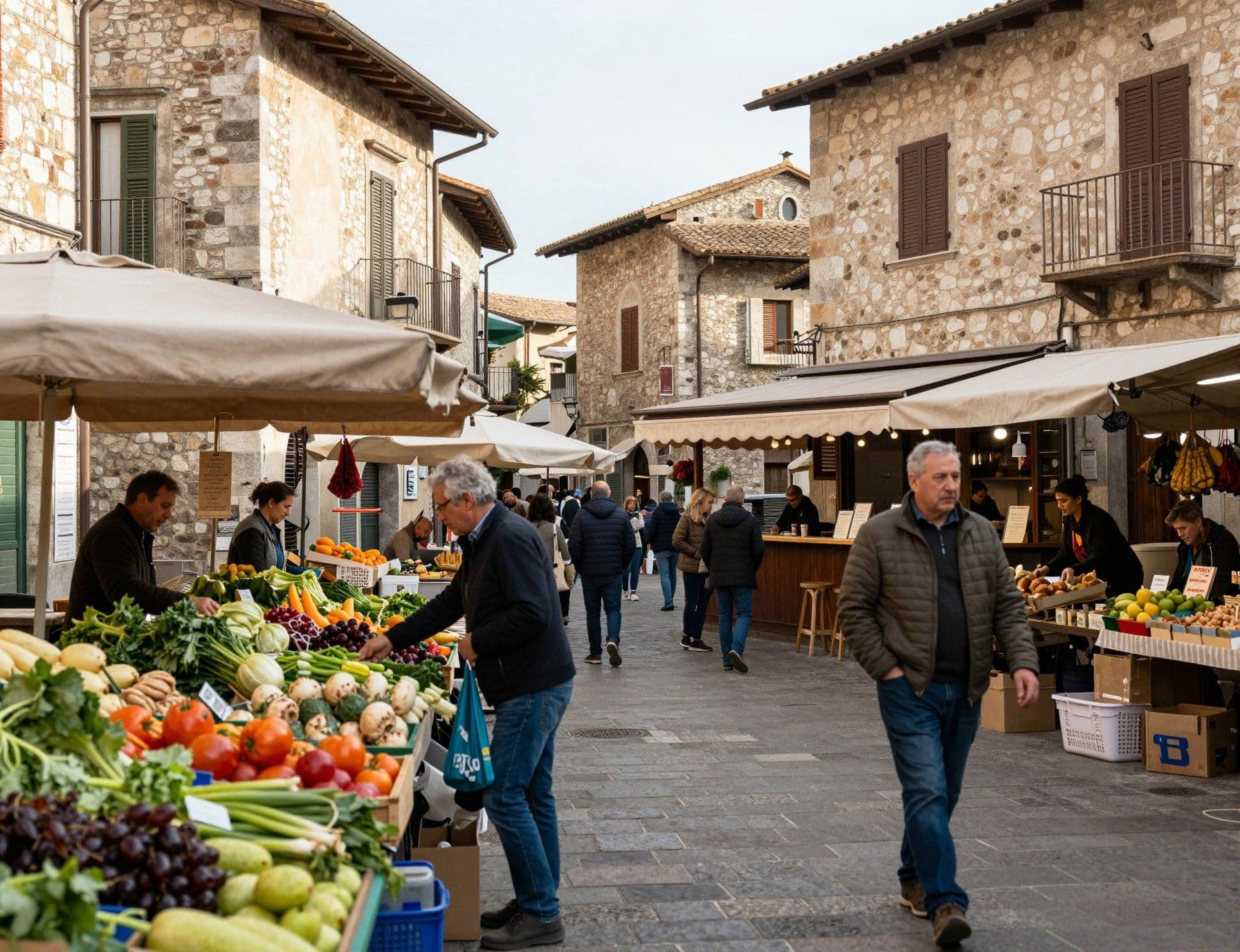
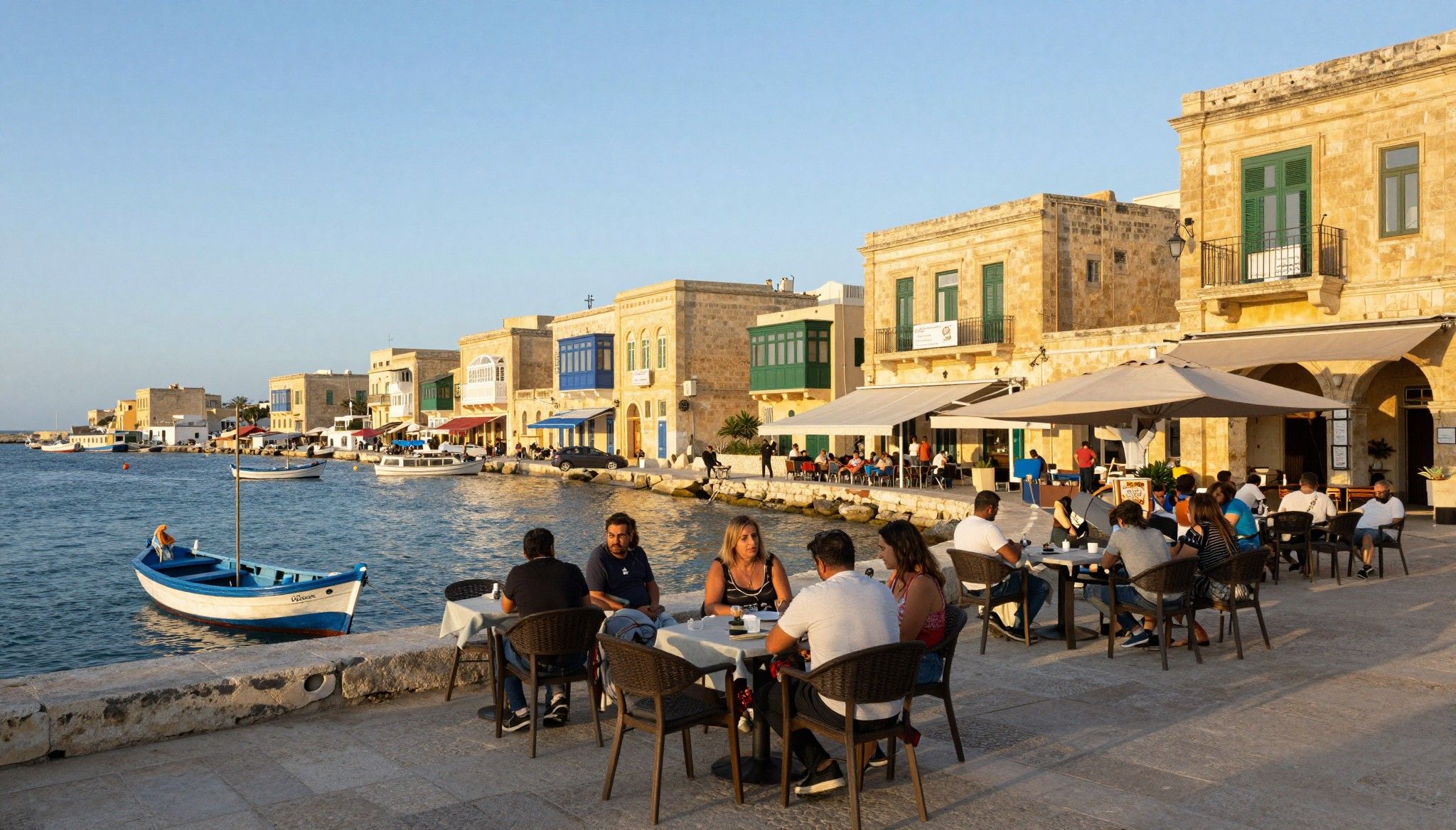
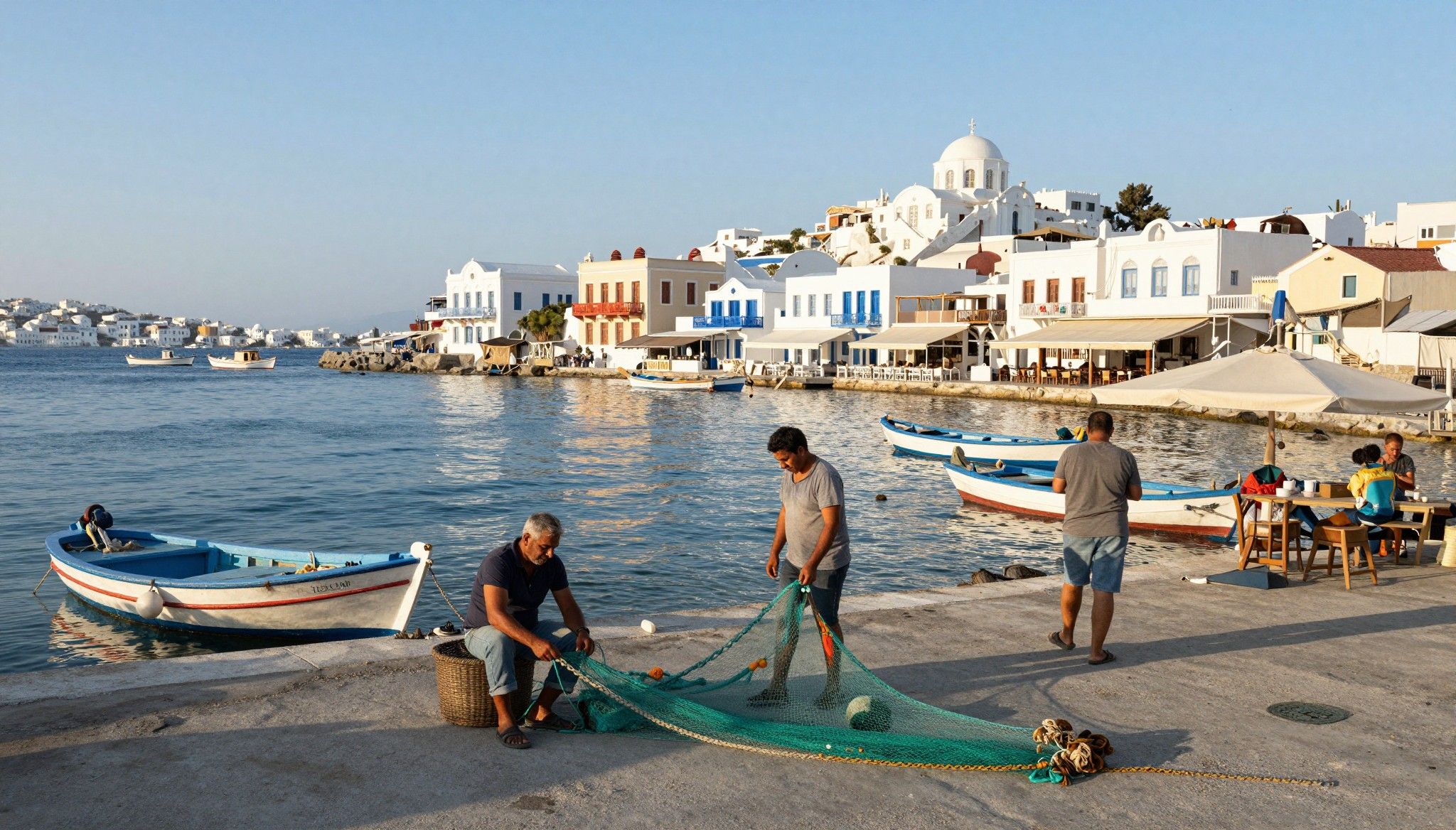
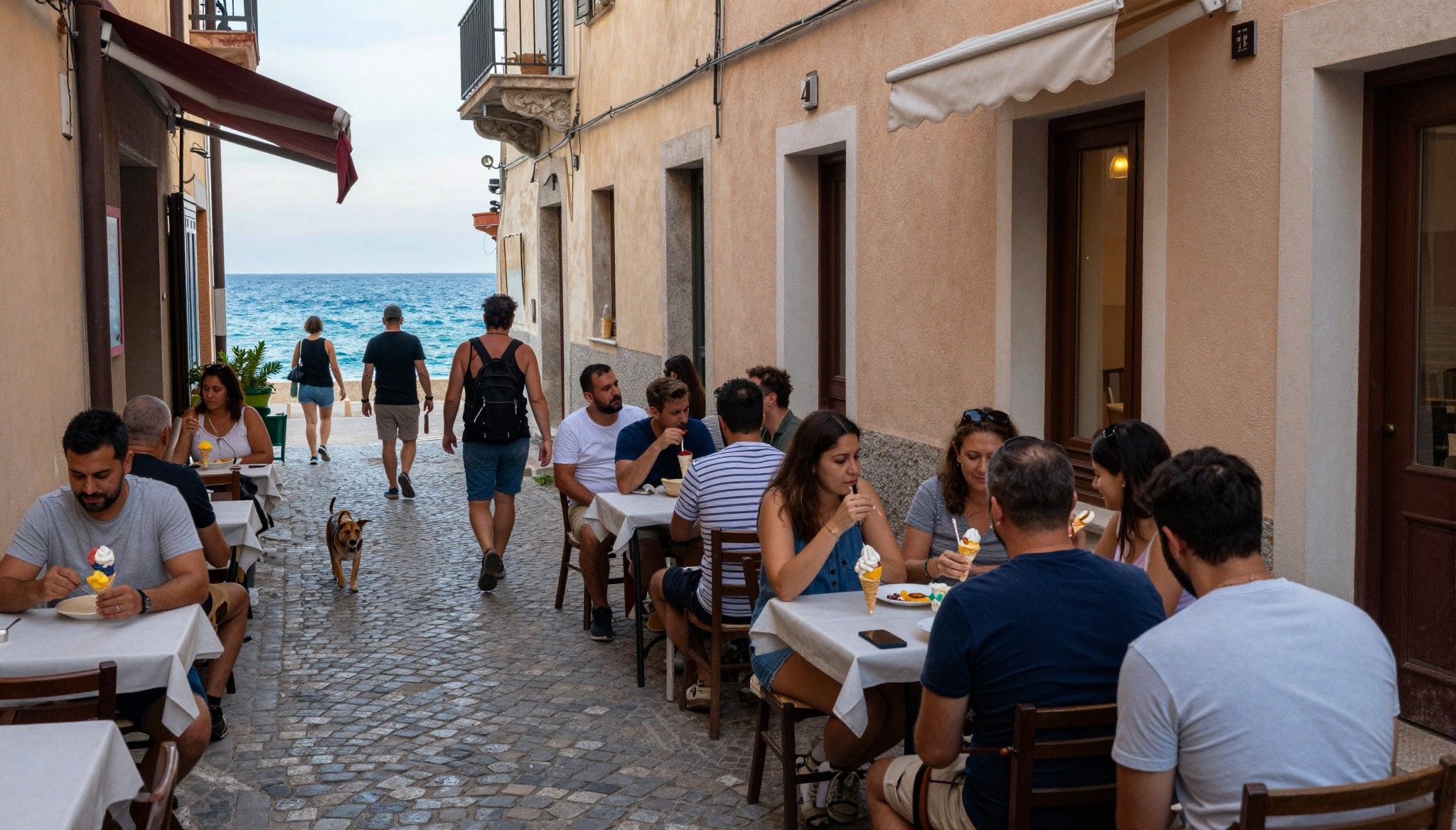
Italy’s rhythm is local. Weekdays are measured by school drop-offs, bakery queues and espresso rituals; evenings are for aperitivo and slow walks home. In cities like Bologna and Palermo, you’ll hear conversations spill from cafés until late; in coastal towns such as Tropea or Cefalù, mornings are for markets and afternoons for the sea. If you picture life here, add sounds — Vespa brakes, church bells, market vendors — and smells: baking focaccia, espresso, salt on the breeze.
Neighbourhood spotlight: historic centre vs. residential fringe
A 70 sqm flat on a medieval lane gives you immediacy — cafés, cattedrali, footfall — but also limits: noise, higher service costs, and renovation constraints. Move a kilometre out and you trade that immediacy for balconies, parking, and a community rhythm that matches families. In Florence, that trade often happens between Oltrarno lanes and Gavinana terraces; in Naples, between Spaccanapoli and the Vomero slopes.
Food, markets and small rituals that shape a neighbourhood
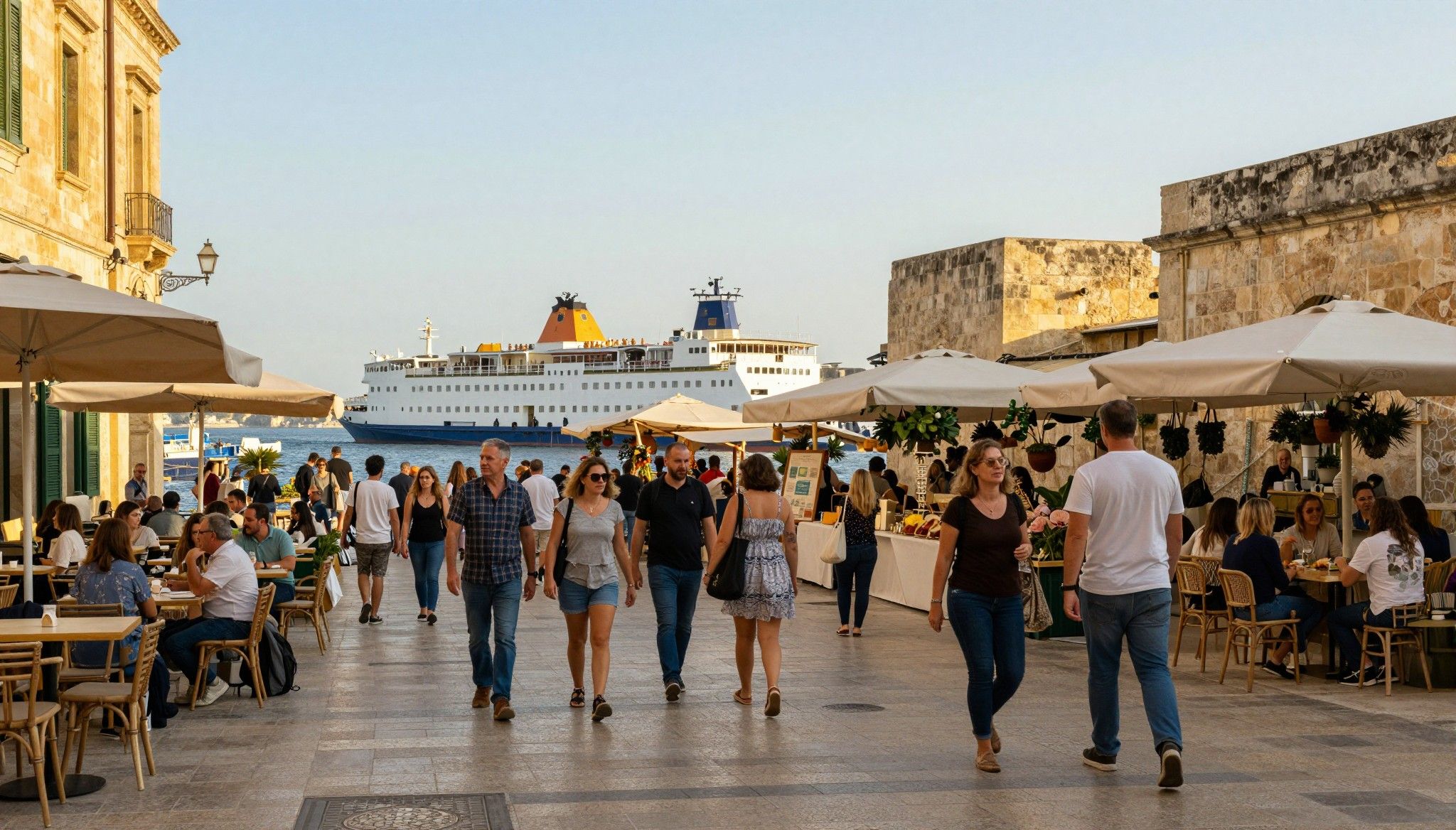
Markets are social infrastructure. Look for streets with a daily produce stand, a good panettiere, and an osteria where regulars linger. Those are the streets where you’ll meet neighbours, hire a local plumber, and actually live. Nomisma’s 2025 regional focus shows demand shifting into mid-sized provincial cities — the very places whose market life supports everyday routines without urban strain.
- Market and lifestyle highlights to scout in person:
- Morning markets (e.g., Mercato di San Lorenzo, Florence) — signs of supply, community and easy groceries.
- A neighbourhood bar where staff learn names — an informal measure of integration.
- Access to regional rails or an A1/A14 junction — critical for weekend escapes and resale demand.
Making the move: practical considerations that preserve the life you buy
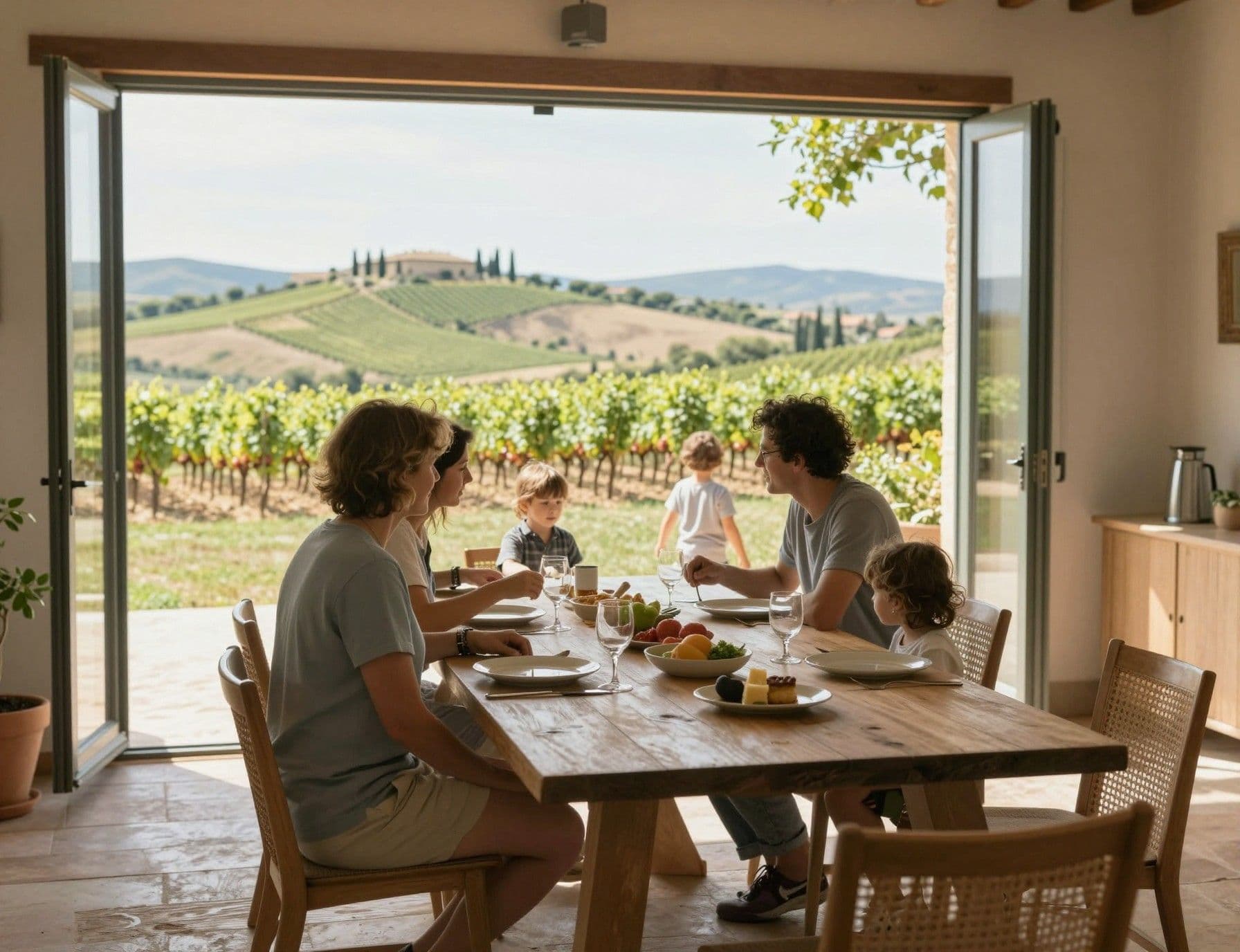
Buying in Italy feels ceremonial: preliminary offer (proposta), binding contract (compromesso), and the notary final deed (rogito). The process is slower than many countries — the Bank of Italy and market observers note median timelines are extended by checks and local bureaucracy — so pace your search to avoid impulse decisions that sacrifice the neighbourhood fit you wanted.
Property styles and the life they enable
Stone townhouses ask for restoration patience; modern apartments give immediate comfort. A terrace in Liguria or Puglia becomes a summer room; a cellar in Piedmont is an asset for wine lovers — but check insulation and moisture first. Choose a home by how you see daily life: breakfast spot, morning commute, evening walk. That choice will determine renovation needs, utility costs, and local tax classification (primary vs secondary residence).
Working with local experts who know the life and the law
Find a notary and an English-speaking lawyer early. Local agents will steer you to neighbourhoods that match your routines — not just attractive façades. An accountant familiar with Italian purchase taxes (2%–9% depending on primary/secondary status and cadastral values) helps avoid sticker shock at closing. And if you want a mortgage, expect different LTV norms for non-residents — usually 50–70% depending on bank and profile.
- Steps to keep lifestyle and value aligned when buying:
- 1. Visit a neighbourhood at different times (market morning, weekday evening, weekend) before making an offer.
- 2. Commission a technical survey that checks for unauthorised works (abusi edilizi) and energy performance — restoration can be charming, but costly.
- 3. Confirm tax treatment with an accountant: purchase tax, IMU (property tax) exceptions, and whether you qualify as a resident for lower rates.
Insider knowledge: what expats wish they'd known sooner
Expat buyers often tell the same story: they fell for the view, signed too quickly, then discovered neighbourhood cadence or hidden renovation costs. Others bought in provincial centres and found a richer social life than expected. The common thread is this: match the property’s daily reality to the life you want. Pride in a restored farmhouse is real — but so is the work it takes.
Cultural integration and small rules that matter
Language opens doors. Learn simple phrases and market etiquette; introduce yourself to the barista and the butcher. Volunteering at a local festa or joining the parish event is a faster path to belonging than any social app. Expect bureaucracy to value local relationships: the person who helps you will often be someone you’ve met repeatedly at the market or town hall.
Long-term lifestyle realities: seasons, services and resale
Seasonality affects occupancy and services. Coastal towns hum in summer and quiet in winter; mountain villages invert that rhythm. Nomisma and Cushman reports point to growing demand in mid-sized cities and coastal peripheries — a hint that resale liquidity is improving beyond capital hubs. For long-term comfort, check healthcare proximity, grocery options in winter, and transport links that keep you connected year-round.
- Red flags to watch for before signing:
- Missing proper building permits (abusi) — can stop resale or increase costs.
- Poor energy performance without feasible retrofit options — hidden running costs.
- A neighbourhood with seasonal-only services — lively in summer, deserted in winter.
Conclusion — how to fall for Italy without paying for the fantasy: visit with a checklist, hire local professionals who defend your lifestyle vision, and look beyond headline cities. Italy rewards patience. The best buys are often on streets where neighbours still greet each other, markets set the week’s rhythm, and the day’s good life is ordinary. When you pair that life with careful due diligence, you get a home that feels like Italy — not just a picture of it.
Norwegian market analyst who serves Nordic buyers with transparent pricing and risk assessment. Specializes in residency rules and tax implications.