Croatia: Life-First Buying, Legal Truths
A lifestyle-first exploration of Croatia that pairs vivid neighbourhood scenes with essential rules: reciprocity for non‑EU buyers, the 3% transfer tax vs VAT, and the practical checks that protect your dream.
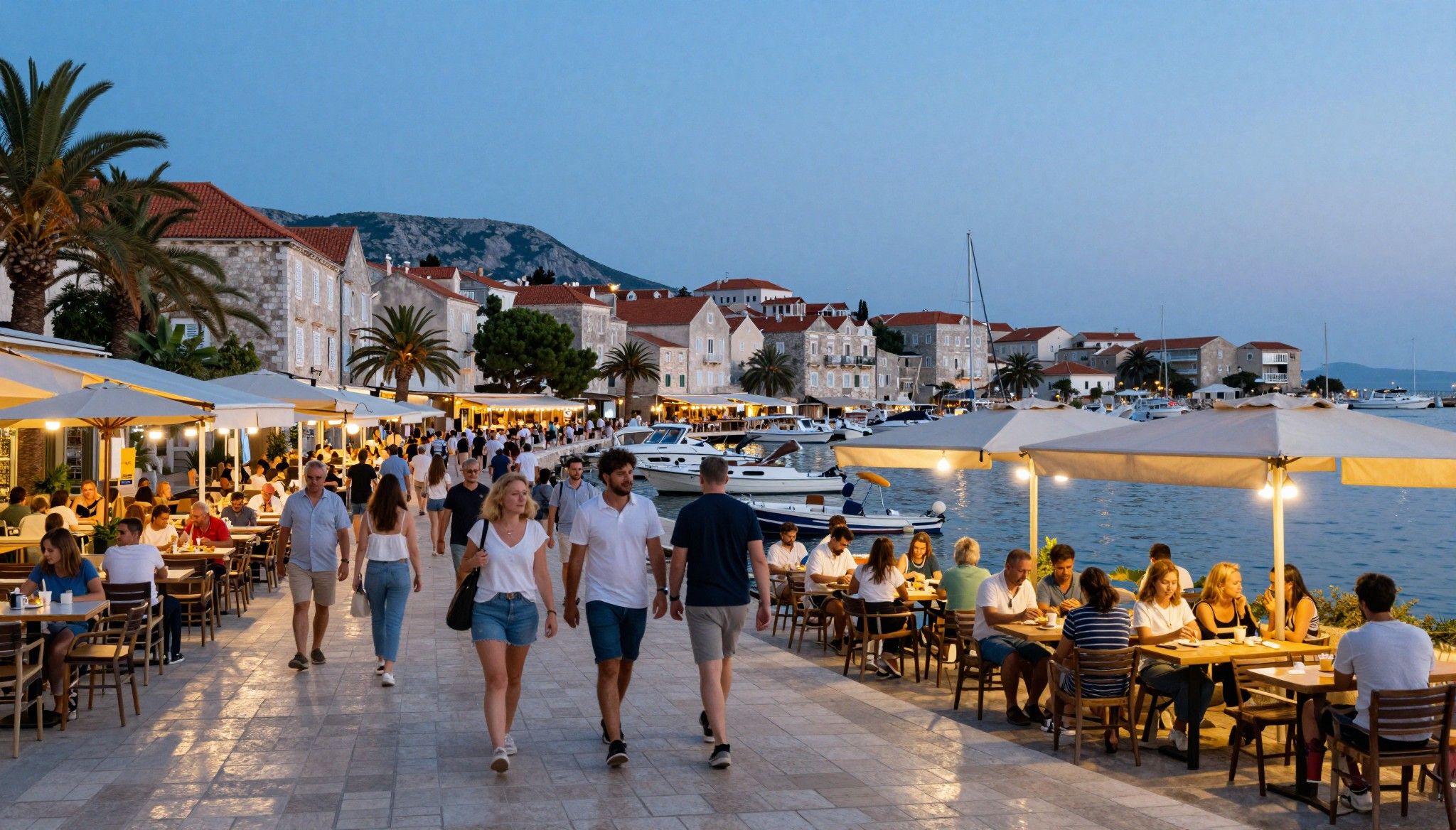
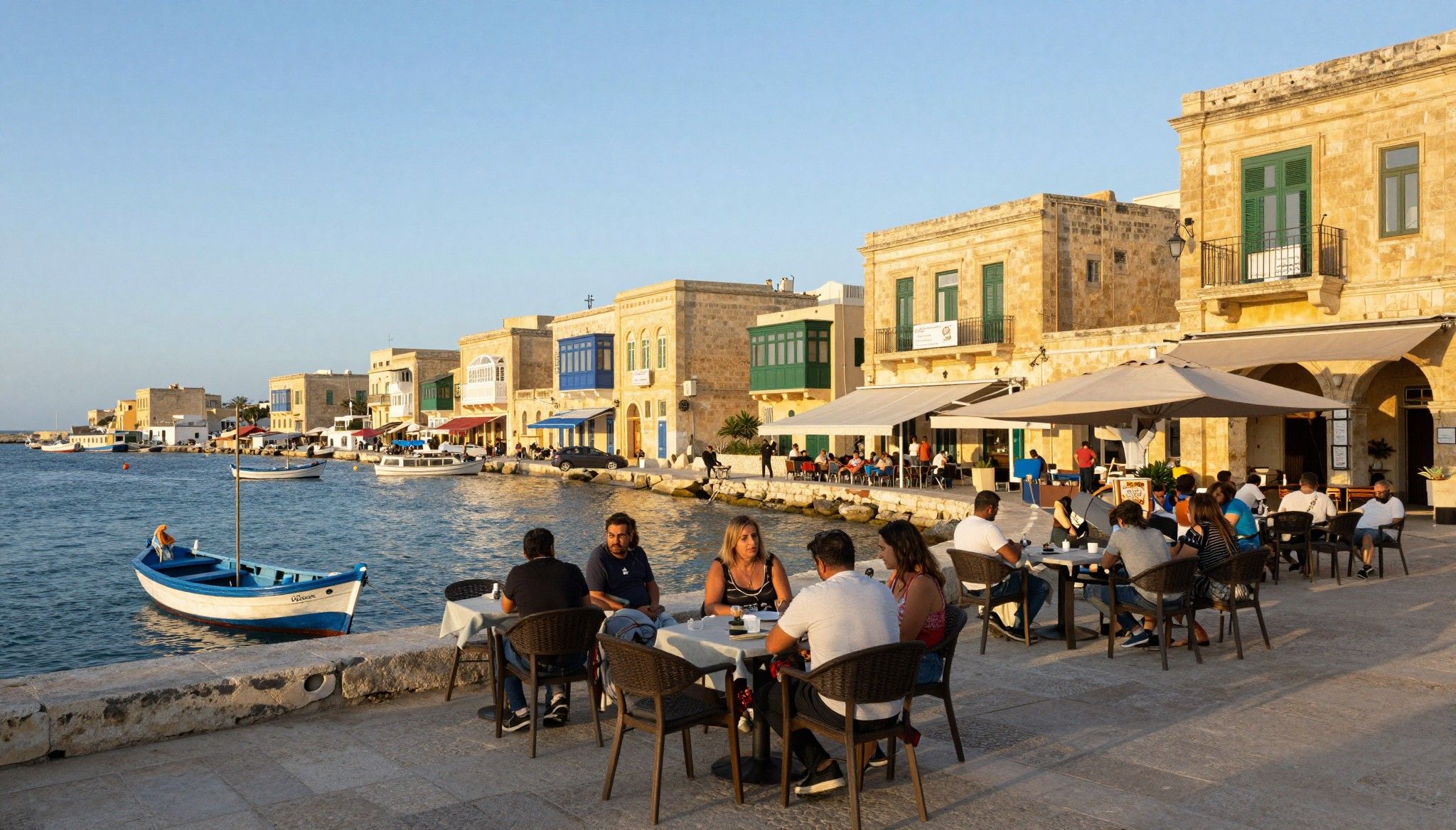
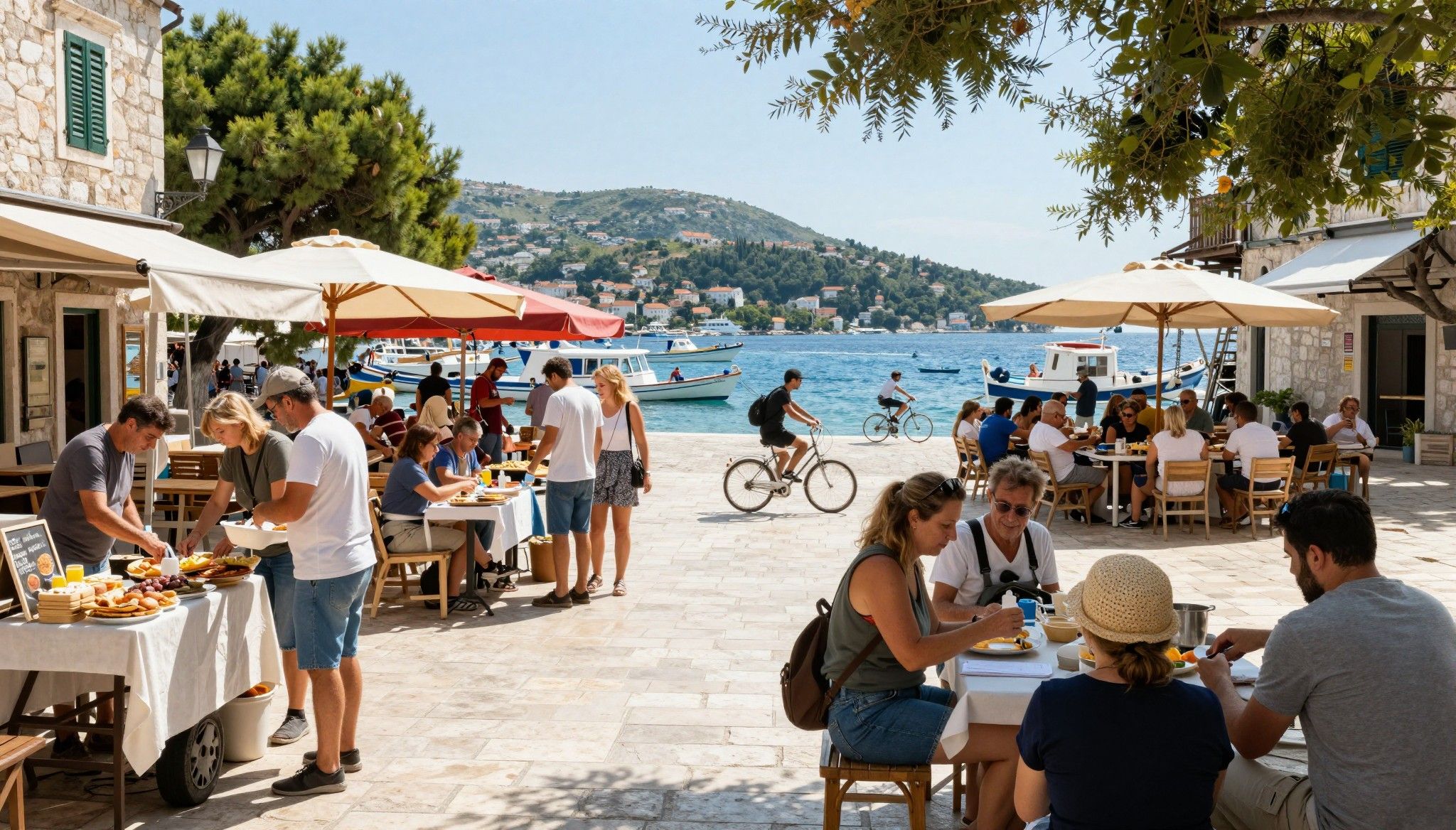
Imagine waking up to a sunlit terrace in Split, picking olives at a neighbour's yard in Istria on Sunday, then watching fishing boats return to Hvar’s harbour at dusk. Croatia smells of pine resin, salt and espresso; its rhythms bend around markets, family meals and the long, slow summer. For many internationals that sensory appeal is the reason to look here — but the legal and fiscal scaffolding behind that dream matters as much as the view. We'll start with life-first stories, then ground them in the specific rules and numbers you need to decide with confidence.
Living the Croatia lifestyle
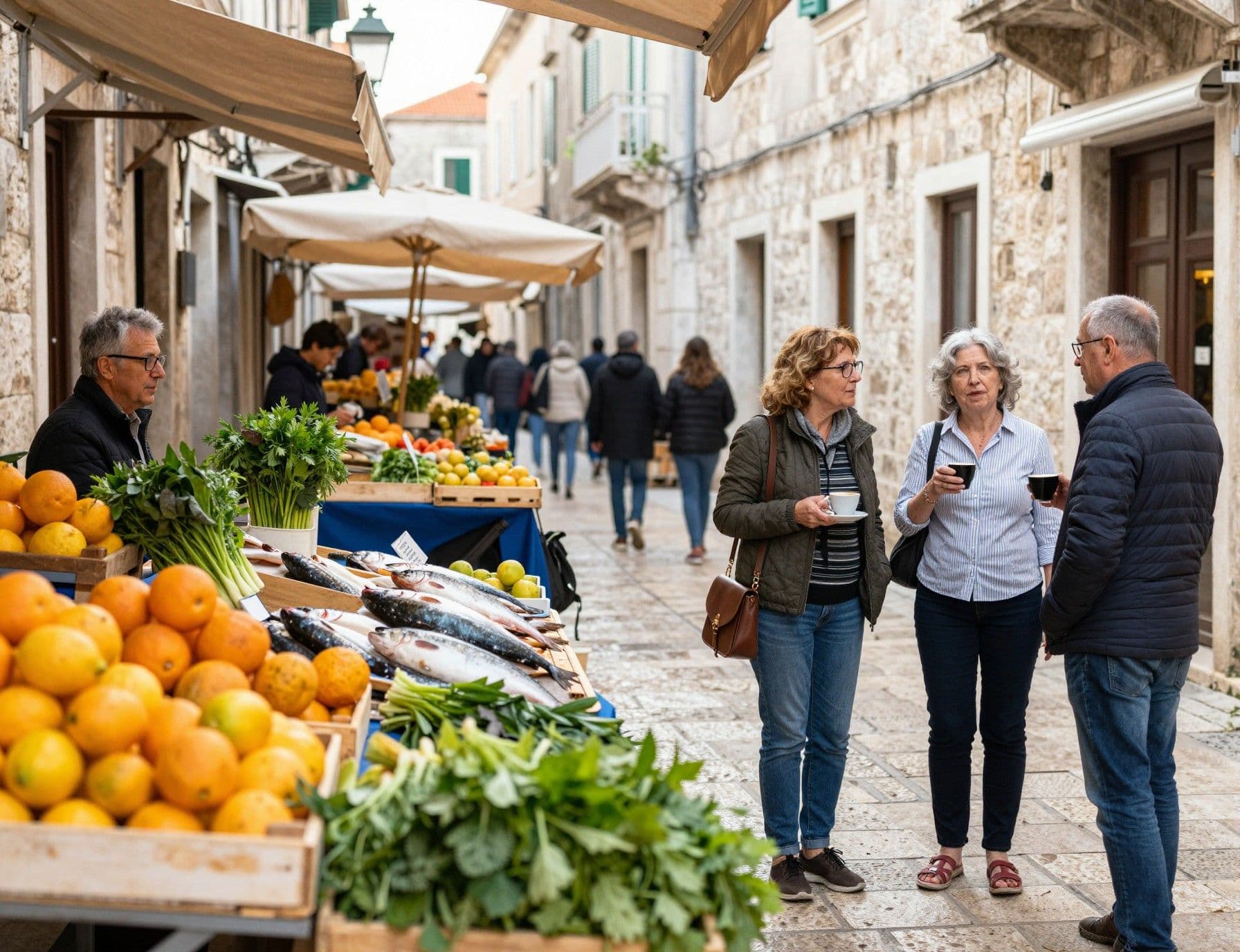
Croatia feels like stitched-together worlds: Venetian stone streets in Dubrovnik, Austro-Hungarian facades in Zagreb, sleepy fishing coves on the Dalmatian islands and modern marinas snapping with activity in the summer. Daily life pivots on small rituals — morning coffee at caffe bars, the Friday fish market, an afternoon siesta in July. For buyers, that variety is practical: a townhouse in Rovinj gives a different daily tempo from a modern apartment in Zagreb’s Donji Grad or a renovated stone house on Brač.
Coast, islands and city: where rhythm meets property
If you crave sunlight and a neighbour who knows how to grill sardines, the Dalmatian coast delivers. Split’s Veli Varoš and the Riva are about small-scale social life and steep streets; Hvar town holds late-night terraces and a compact centre. Inland, Zagreb rewards a calendar of galleries, theatres and cafes — useful if you want a year-round address with better healthcare access and international schooling. Each place changes the type of property that suits you: stone houses with thick walls for islands, insulated apartments with central heating in continental cities.
Food, markets and how seasons shape life
Weekends are market days: Dolac market in Zagreb, Pazar in Split, Pula’s green stalls — each offers a sensory shorthand for neighbourhood life. Seasons here are decisive: summer fills the coast with tourists and short-term rental demand, while spring and autumn show the islands and Istrian hill towns at their most peaceful. That seasonality affects practical choices: if you want a place for year‑round living, prioritise infrastructure (medical centres, solid roads, winterised heating) over postcard views.
- Dolac market (Zagreb); Veli Varoš (Split); Zlatni Rat (Brač) beach; Hvar town terraces; Rovinj old town stroll; Diocletian’s cellars — lifestyle highlights to scout in person.
Making the move: practical considerations
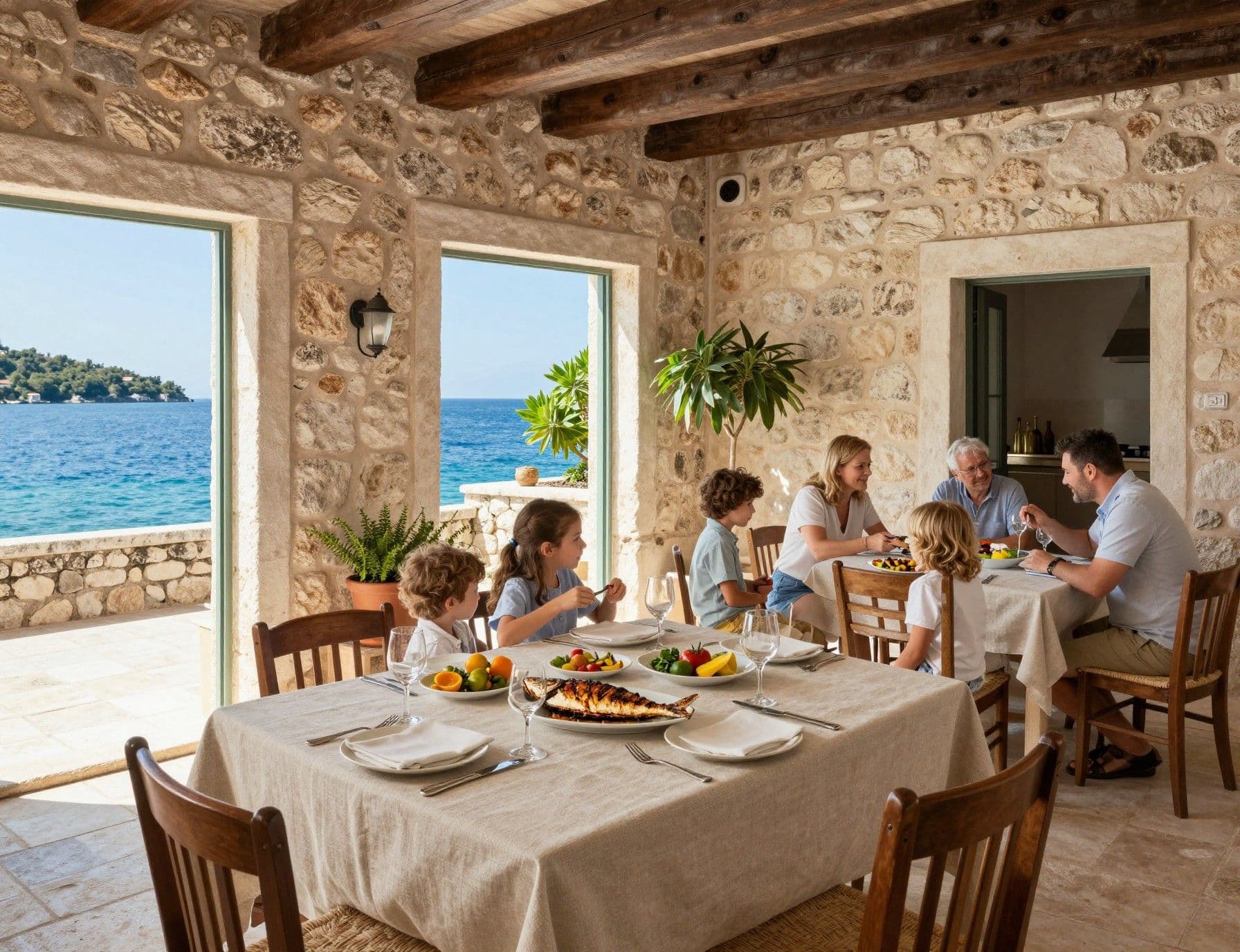
The good news: EU/EEA/Swiss citizens largely buy as Croatians do; non-EU buyers face reciprocity checks and sometimes ministerial approval. That distinction determines which properties are accessible and how quickly you can close. Knowing whether a plot is within a ‘building zone’ or classified agricultural land is essential — non-EU buyers often cannot purchase the latter without special approvals. We recommend confirming status early by asking for a current land-registry extract and the planning authority’s statement.
Property types and what they mean for daily life
Stone restorations on islands offer charm but usually need ongoing maintenance and seasonal sealing; new-build apartments near marinas often have modern amenities and easier rental potential. If you plan to live year-round, prioritise heating and insulation: many coastal homes were built for summer and show thermal gaps in winter. Ask sellers about recent works (roofing, damp-proofing, electrical rewiring) and demand receipts — these save you from unpleasant surprises when you’re settling in.
How local experts make the lifestyle possible
A local agent who knows a neighbourhood beyond listings — the café owners, the seasonal traffic, the construction plans — is invaluable. A Croatian lawyer (notary involvement follows) protects title transfer and navigation of reciprocity approvals for non-EU buyers. An architect or builder helps estimate renovation timelines and real costs, particularly for older stone properties where what looks simple can be structural. Use these experts early to translate a lifestyle wish-list into a realistic shortlist of properties.
- 1. Ask an agent for local-season occupancy rates and utilities wiring checks. 2. Have a lawyer request the land registry extract and planning statement. 3. Get a building survey and costed renovation plan. 4. Confirm whether VAT or transfer tax applies to the sale price. 5. Factor 4–7% extra costs beyond the purchase price for taxes and fees. 6. Clarify short‑term rental rules with the municipality if you plan to rent.
Insider knowledge: legal realities few buyers feel warned about
Here are the legal and fiscal truths that change decisions: first, resale transactions are usually subject to a 3% real estate transfer tax unless VAT applies — that alters negotiated pricing and the net cost of buying. Second, non‑EU buyers should budget time for reciprocity approvals and plan for the possibility that some plots, especially agricultural land, are effectively off-market to them. Third, municipal rules on short‑term letting and summer occupancy differ widely — a lively rental market in Split doesn't guarantee permissive local regulations in every small island town.
Cultural and seasonal red flags expats often miss
Language and paperwork culture matter: many municipal offices work on Croatian-language forms and require certified documents; a local lawyer speeds the process and prevents delays. Seasonality creates invisible costs — properties left shuttered can suffer water and pest damage, and insurance rates differ for intermittently occupied homes. Finally, neighbour relationships in small towns can determine access to shared wells, lanes or moorings — check informal easements and neighbourhood customs before you sign.
Long-term lifestyle and legal planning
Think beyond the first five years: inheritance laws, long-term property taxes and residency status shape whether a home becomes a legacy asset or a management headache. While owning property does not automatically grant residency, long stays, work or business activity can change your tax residency and obligations. We suggest building a simple five‑year plan with your lawyer and tax adviser: ownership structure, potential rental income, residency pathway and an exit timeline if circumstances shift.
- Key documentary and legal checks: land-registry extract; planning authority statement; seller’s proof of title; proof of paid communal utilities; building permits for past works; energy performance certificate when available.
Conclusion: fall in love, but bring the file. Croatia gives you markets that sing, island afternoons and cities with surprising cultural depth — and it asks you to respect local rules and seasons. Start with neighbourhood visits (not just online listings), hire a Croatian lawyer early, budget for transfer or VAT implications, and make a simple five‑year lifestyle + legal plan. If you want, we can introduce agents and lawyers who match the neighbourhood life you want — the right local team makes the dream practical.
British expat who relocated to Marbella in 2012. Specializes in rigorous due diligence and cross-border investment strategies for UK and international buyers.