Greece: Buy the Life, Check the Law
Greece sells a life: markets and Golden Visa changes reshaped where smart buyers look. Fall for the rhythm, then choose with up‑to‑date legal and local data.
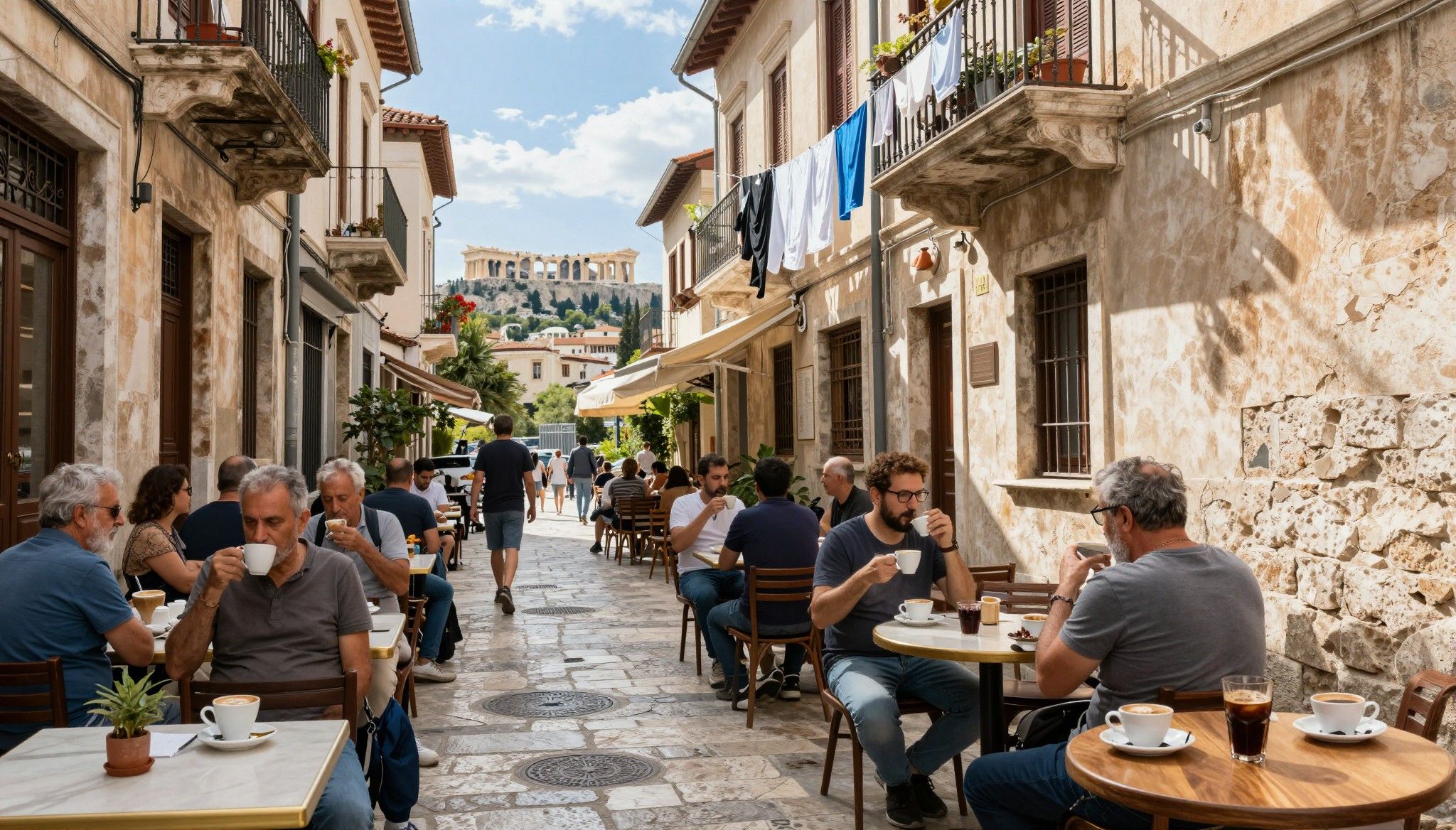
Imagine waking to a sun-softened morning in Koukaki, buying fish from a stall on Dionysiou Areopagitou, then walking past a neighbourhood café where baristas know your order. Greece sells a life before it sells a property — narrow streets, salted light, and a rhythm that slows you enough to notice small, essential pleasures. But loving Greece and buying in Greece are two different adventures; this piece stitches both together so you can fall in love with the life and still make smart choices.
Living the Greek life: sun, markets and late‑night tavernas
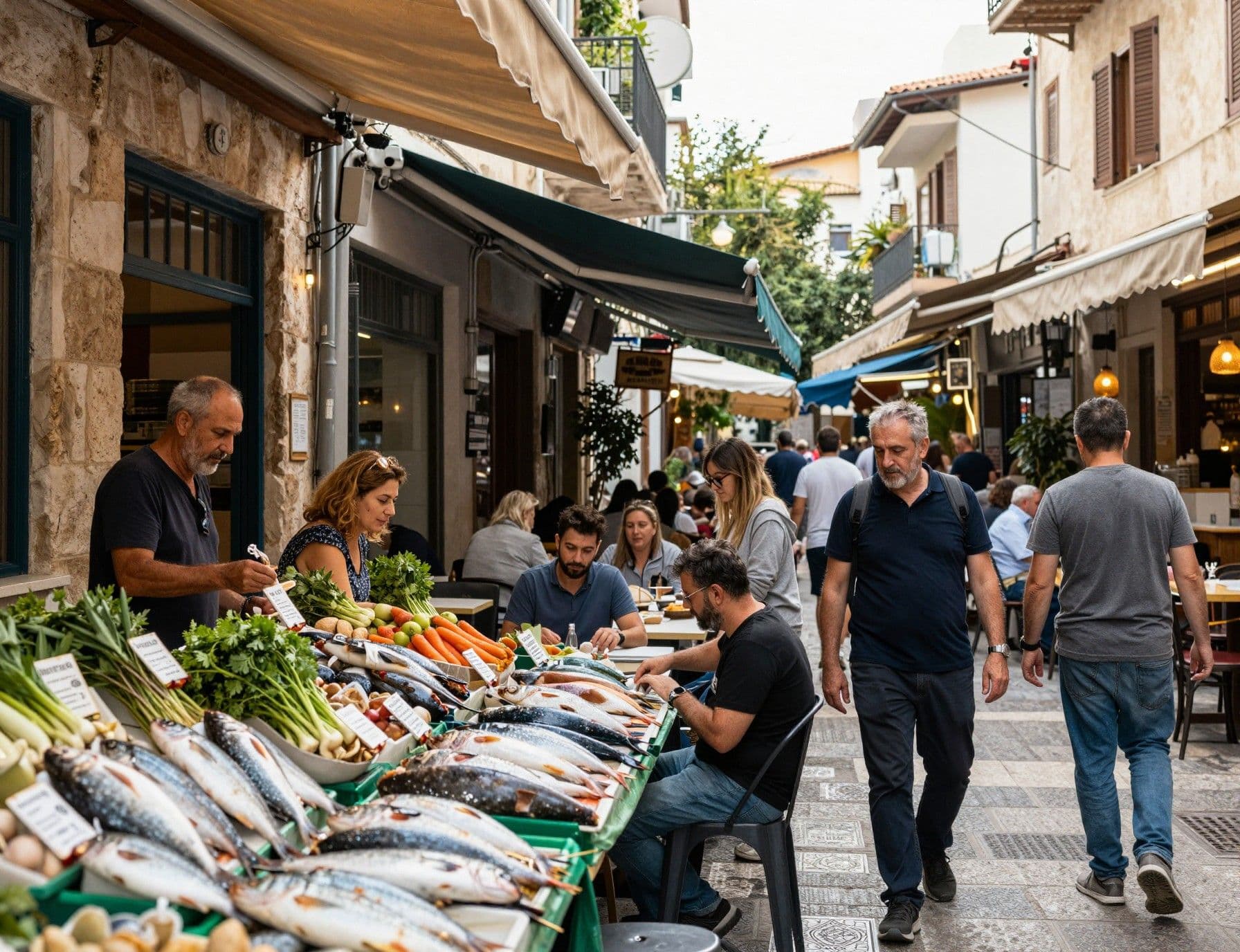
Mornings in Athens are espresso and newspapers; afternoons on islands are siesta-soft; evenings are long and communal. In neighbourhoods like Koukaki and Pangrati you’ll find bakeries that still slide warm koulouri into customers’ hands, bakery chefs who gossip about the market, and tavernas that don’t start to fill until 9pm. The feel here is domestic and lived-in — not designed for postcards but for seasons of life.
Neighbourhood spotlight — Koukaki & Pangrati: both sit close to the Acropolis but feel local. Koukaki’s narrow alleys host all-day cafés and a flea market on Sundays; Pangrati pulses with newer galleries, and the Goulandris Museum helped nudge younger buyers toward the area. These are places where you live among Athenian rhythms rather than above them.
Food, sea and small rituals: what shapes daily life: Greek food culture is public and sensory — morning freddo espressos, lunchtime meze by the sea, and late dinners where conversation outlasts the plates. Markets in Chania or Athens’ Varvakios feel like community noticeboards; islands offer fish auctions and neighbourhood festivals that bind people together seasonally.
Lifestyle highlights to look for when choosing a place in Greece:
Morning cafés that double as social hubs (Koukaki’s Dionysiou Areopagitou corridor).
A regular market within a 10–20 minute walk (Varvakios, Chania central market).
Access to seasonal cultural life — island festivals, theatre seasons in Athens, local saint’s day celebrations.
Making the move: lifestyle-led practicalities
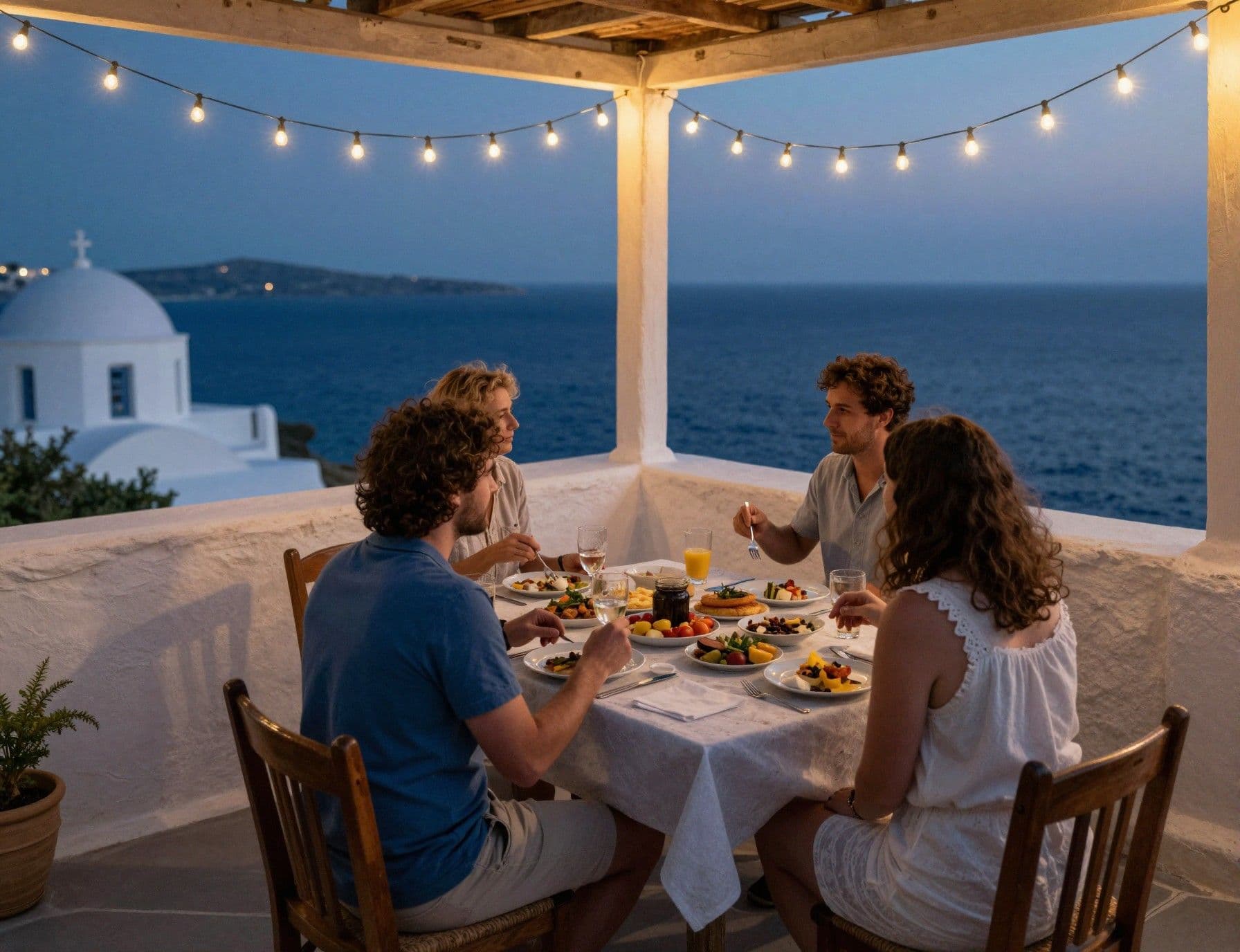
Dreams start with lifestyle, but transactions end with data. National indices from the Bank of Greece show steady regional divergence: Athens and sought-after islands move differently from Crete or Thessaly. Use those trends to match the life you want with realistic price movement — find pockets where daily life matches the cost profile rather than chasing headline island premiums.
Property styles and how they shape life: apartments under plane trees, whitewashed island houses, and restored stone farmhouses each come with their own daily script. An apartment in Pangrati means city rhythm, smaller terraces, easy cafés. A renovated townhouse in Chania buys you outdoor cooking and garden life, but also upkeep and seasonal vacancy risks. Pick the script you want to live, not just the photo you love.
Working with local experts who know life and law: good agents do more than show photos. They introduce you to the baker, explain festival timings, and tell you when a summer rental calendar (or the lack of one) affects neighbourhood life. Look for agencies that publish local market reports and can point to transactional data — not just glossy brochures.
Steps that combine lifestyle and practicality when making an offer:
Visit across seasons — inspect the neighbourhood in high season and off-season to feel the true rhythm.
Match property type to daily life — choose a town flat for city living or a stone house for garden life, accounting for maintenance and heating in winter.
Ask your agent for comparable sales, rental calendars and expected out-of-season occupancy rather than headline yields.
Insider knowledge: what expats wish they’d known
Real talk: language matters less than knowing the local rhythm. You can live happily with limited Greek if you’ve found the right neighbourhood, but what you can’t easily replace is local goodwill — the baker who watches your plants or the neighbour who collects your mail. That goodwill often determines whether a renovation is tolerated, a permit is expedited, or a seasonal worker recommendation is trusted.
Cultural integration, at a practical level: learn five phrases, know local etiquette (late dinners, siesta customs), and attend community events. These small gestures unlock more than social warmth — they unlock practical help during property transactions and renovations.
Red flags and legal changes that reshape where smart buyers look: Greece tightened Golden Visa thresholds in 2024, raising minimums in Athens and popular islands and imposing 120m2 minimums in many cases — a real pivot that shifted investor interest toward regions with lower thresholds. If a Golden Visa is your objective, get up-to-date legal advice before you shop — thresholds and eligible zones changed recently and affect value and feasibility.
Common red flags to watch for in Greek properties:
Incomplete building permits (ask for technical files and planning histories).
Fractional ownership or unclear titles — insist on clean Land Registry extracts (Ktimatologio).
Water, drainage and winter heating costs — infrastructure varies hugely between islands and mainland.
Practical next steps — a short checklist to move from daydream to deed: visit through different seasons, shortlist neighbourhoods for the life you want, commission local market comparables, instruct a lawyer to check title and permits, and secure an agent who knows the neighbourhood rhythms as well as the process.
Conclusion: Greece sells a life — markets and rules will shape whether you can buy that life affordably. Fall for the mornings and the markets, then ground your choice in local data, legal clarity and an agent who can introduce you to the people who make a place feel like home. When you pair the sensory with the technical, you don't just buy a property — you buy a place to become someone else’s neighbour.
Dutch relocation advisor who moved to Marbella in 2016. Guides Dutch buyers through visa paths, relocation logistics, and balance of lifestyle with value.